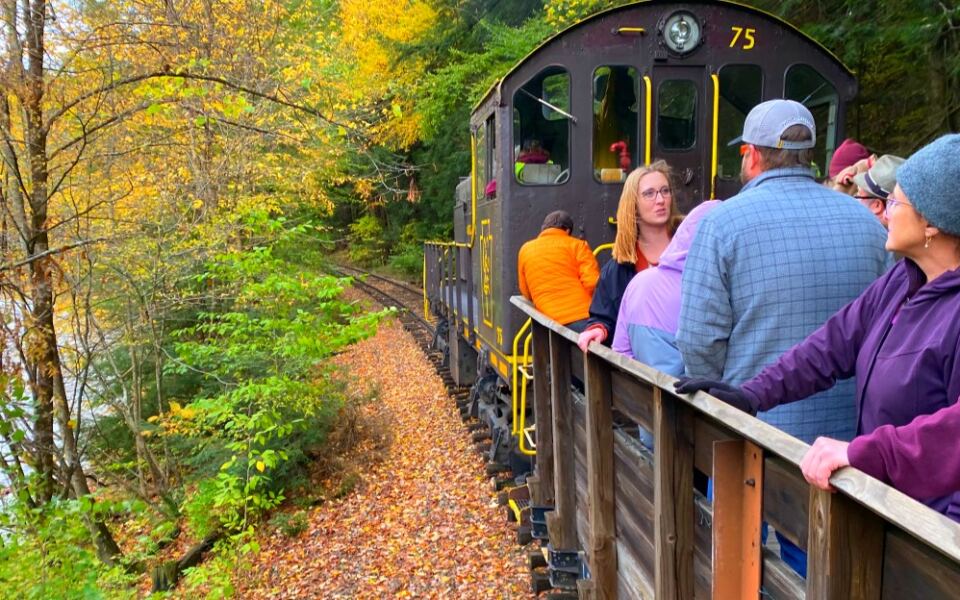
In western Pennsylvania, one vintage train carries passengers through the forests and valleys of Oil Creek State Park, following a route shaped by the region’s historic oil boom. The ride combines beautiful scenery with a fascinating glimpse into an era that transformed American industry.
One of its most unusual features is a working railway post office, where passengers can mail postcards from the moving train and receive a distinctive cancellation stamp. It’s a memorable touch that makes this historic journey far more than an ordinary sightseeing ride.
All Aboard at Perry Street Station: Where the Journey Begins
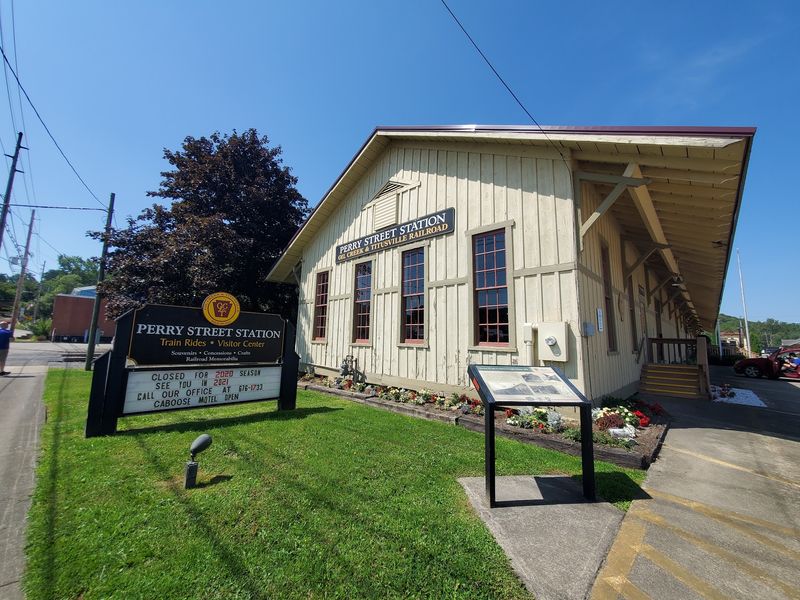
The moment you pull into the parking lot at 409 S Perry St, Titusville, Pennsylvania 16354, something shifts. The air feels different, quieter somehow, as if the 21st century agreed to wait outside.
Perry Street Station is a meticulously restored 1890s freight depot that serves as the beating heart of the Oil Creek and Titusville Railroad experience. The building itself is a time capsule, complete with original architectural details that make you want to slow down and look at everything twice.
Inside, a well-stocked gift shop offers postcards, souvenirs, and railroad memorabilia at genuinely reasonable prices. A small but engaging museum fills the space with artifacts, photographs, and exhibits that set the historical stage before you even step onto the platform.
The entire operation is run by the Oil Creek Railway Historical Society, a dedicated nonprofit organization fueled largely by volunteers who clearly love what they do. Plan to arrive at least 45 minutes early, because the boarding gates close promptly five minutes before departure.
The Train Itself: Vintage Railcars With a Story in Every Rivet
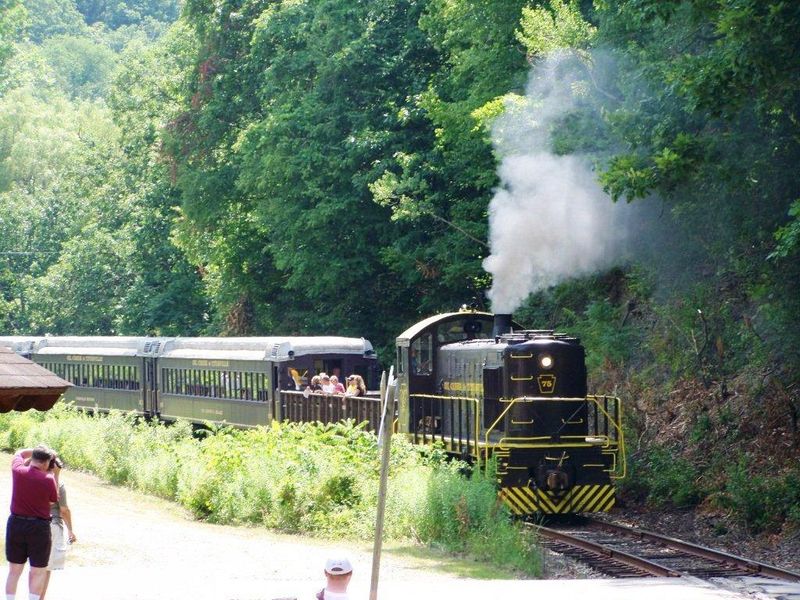
Not every train can claim its own biography, but this one comes close. The primary passenger cars were built by Pullman in 1930 for the Lackawanna Railroad, which means they carry nearly a century of American rail history in their steel frames.
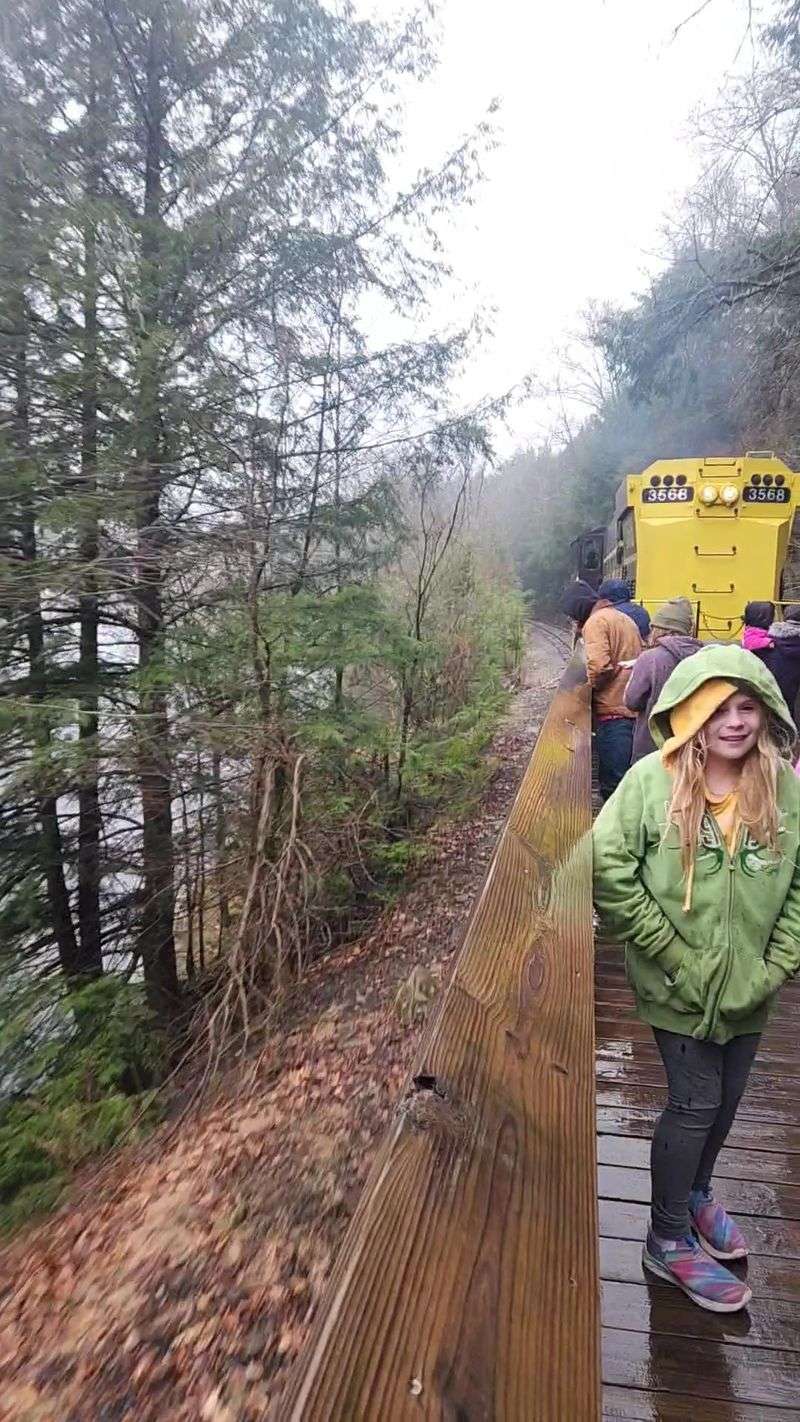
The diesel-electric locomotive hauling them, number 3568, was built in 1976 by the Montreal Locomotive Works in Canada, providing reliable modern power beneath a decidedly old-fashioned aesthetic.
Coach seating offers large windows that frame the passing valley like a slow-moving painting. Seats can be flipped to face forward or backward, which comes in handy when the train reverses direction at the halfway point.
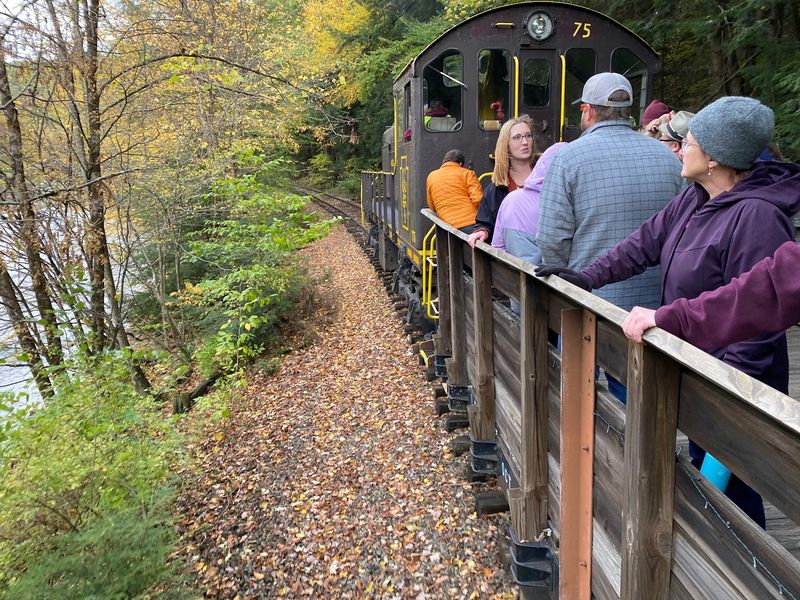
The open Gondola car, originally built in 1940 to transport locomotive frames, is now repurposed as the most popular spot on the train. Wind in your hair, unobstructed views in every direction, and the smell of forest air rushing past make it an experience that no enclosed car can fully replicate.
The Valley That Changed the World: A Quick History Lesson
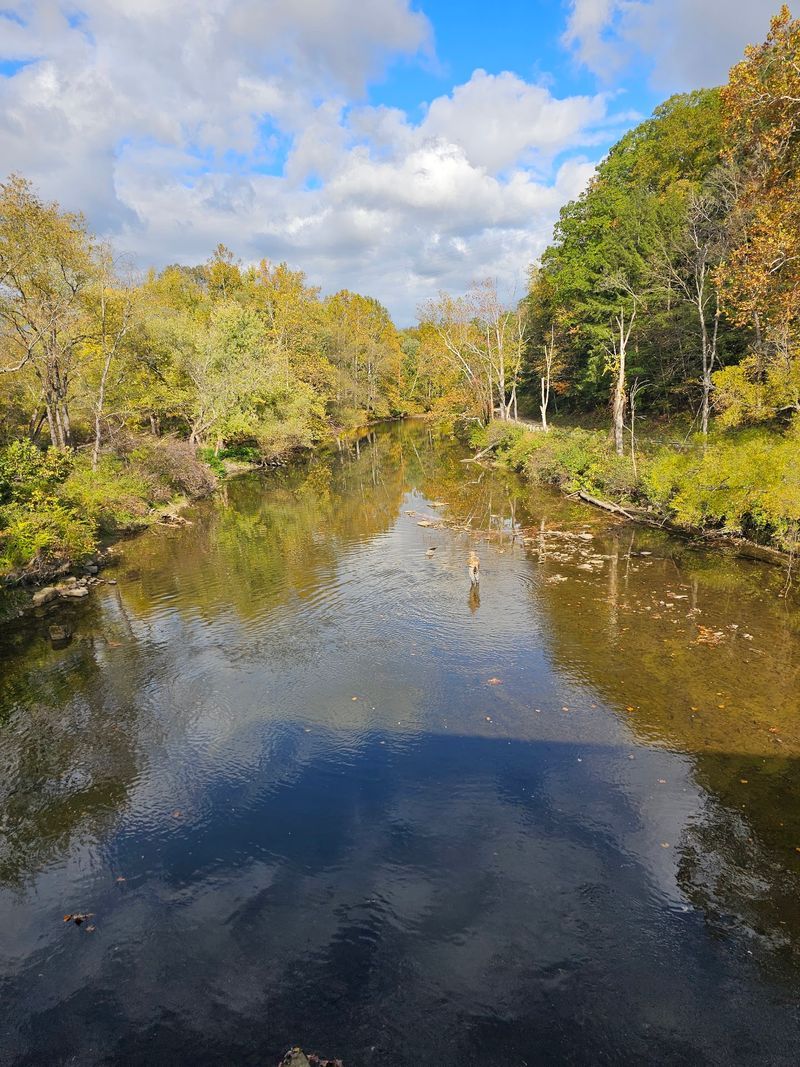
Before August 1859, the Oil Creek Valley was a peaceful, lumber-rich corner of Pennsylvania that most people outside the region had never heard of. Then Colonel Edwin Drake drilled the first successful commercial oil well near Titusville, and nothing was ever the same again.
The phrase “They have struck oil” rippled outward from this quiet valley and ignited a global industry that reshaped economies, technologies, and daily life across every continent. Thousands of derricks soon crowded the hillsides, and boomtowns sprang up almost overnight along the creek banks.
The railroad tracks you ride today were originally laid in the 1880s as part of the Buffalo, New York, and Philadelphia Railroad’s main line, built specifically to move crude oil out of the valley and into the wider world.
Nature has since reclaimed much of what the oil rush consumed, but a sharp eye can still spot crumbling stone foundations and faint outlines of old refineries along the route, quiet evidence of just how dramatically this place once hummed with ambition.
The Railway Post Office Car: America’s Last Working Mail Train
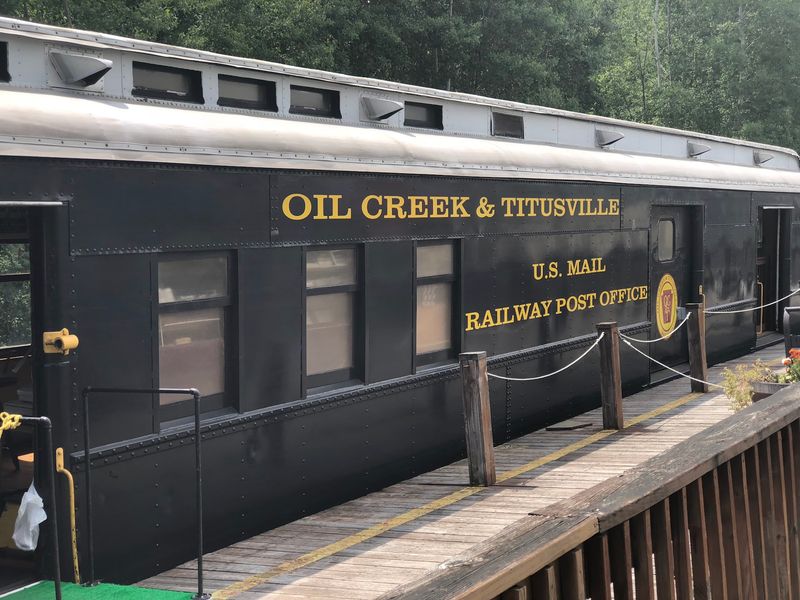
Here is the detail that tends to make people stop and stare: the Oil Creek and Titusville Railroad operates the only working Railway Post Office car still active in the entire United States. Built in 1927, this RPO car is not a museum display you look at through glass.
Passengers can purchase postcards and stamps right there on the train, scribble a note to someone they love, and drop it into an actual mailbox. That postcard will then receive an official USPS OC&T hand-cancellation stamp, a mark that cannot be replicated anywhere else in the country.
The idea of sending physical mail while rolling through a historic valley at 12 miles per hour feels almost rebelliously analog in the best possible way. It transforms a simple piece of paper into a genuine keepsake.
Children especially seem to light up at the concept, and for good reason. There is something deeply satisfying about knowing that a piece of mail with a truly unique postmark is making its way to a friend’s actual mailbox, not an inbox.
Wildlife Around Every Bend: What Passengers Spot Along the Way
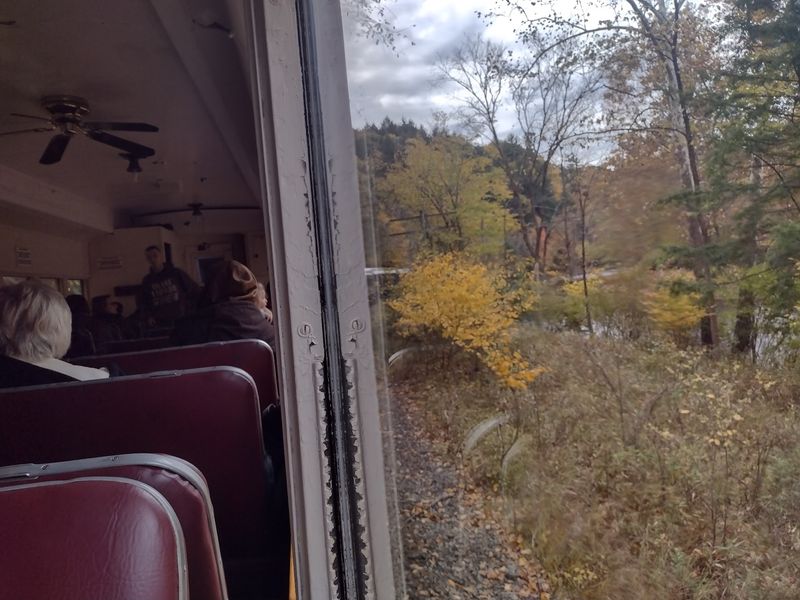
Riding at a gentle 12 miles per hour turns out to be the perfect speed for wildlife watching. The train moves slowly enough that animals do not always startle, and passengers have reported some genuinely remarkable sightings over the years.
Blue herons stand motionless at the creek’s edge like patient philosophers. Ducks drift in small clusters along the calmer stretches of water, and red-tailed hawks circle overhead with impressive indifference to the rumbling train below.
Deer are a common sight in the underbrush, particularly in the early morning runs, and groundhogs make frequent cameo appearances along the embankments. On rare occasions, passengers have spotted black bears moving through the dense foliage near the tracks.
Fall rides add another dimension entirely. The combination of autumn colors blazing across the hillsides and the possibility of spotting a bald eagle soaring above the creek creates a sensory experience that photographs struggle to capture honestly.
Bring binoculars if you have them, because the valley rewards patient observers generously.
First Class or Coach: Choosing How You Want to Ride
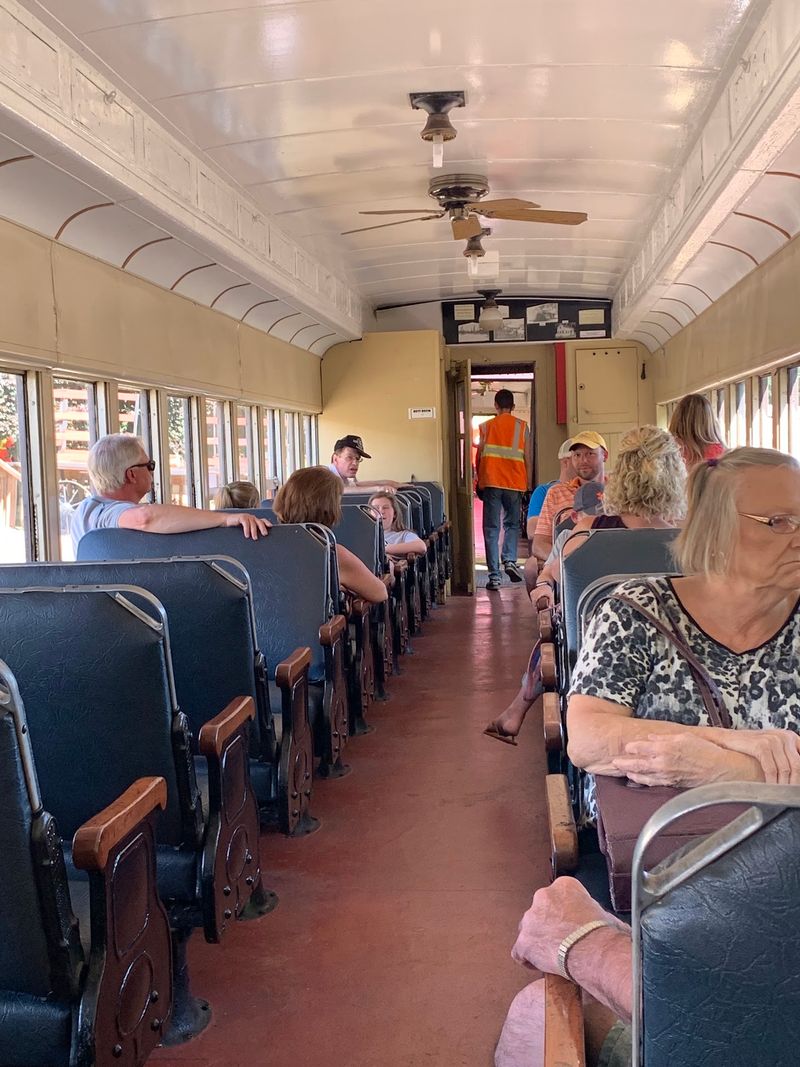
Coach seating is comfortable and genuinely enjoyable, with large windows, reversible seats, and historical commentary delivered through an overhead PA system. For most passengers, it is everything a heritage train ride should be.
First Class offers a meaningful upgrade. The “Wabash” car, built in 1925, features air conditioning for warmer days, cloth-covered seats with noticeably more legroom, and the perk of priority boarding so you can settle in without the rush.
A car host is often present to add a personalized touch to the journey.
Ticket prices keep things accessible. Coach runs $22 for adults, $20 for seniors aged 60 and older, and $16 for children between 2 and 12.
Infants under 2 ride free in Coach. First Class is a flat $40 for all ages, which is a reasonable premium for the added comfort.
A $6 handling fee applies per order, and reservations are made by phone at 814-676-1733 or via email, since there is no online booking system. Calling ahead is strongly recommended, especially for popular dates in October.
Rynd Farm Station: The Halfway Point Worth Savoring
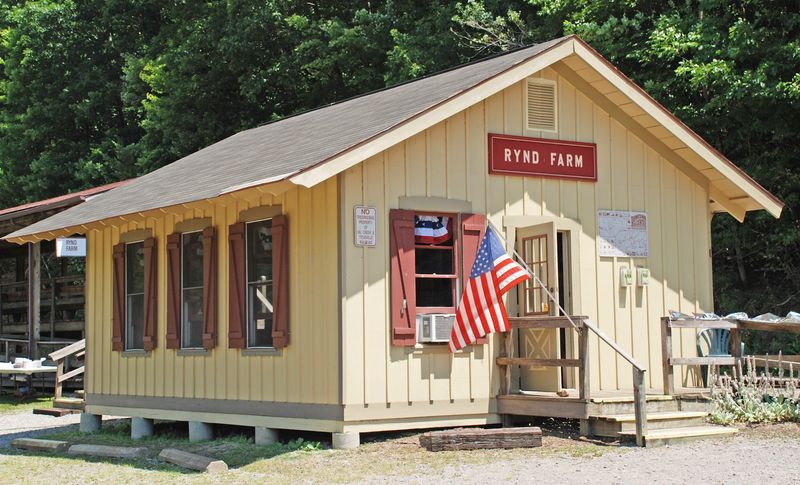
About halfway through the three-hour round trip, the train eases to a stop at Rynd Farm Station, and the real show begins. Passengers watch as the diesel locomotive decouples from one end of the train and slowly repositions itself at the opposite end for the return journey.
It sounds like a minor logistical maneuver, but in practice it is oddly captivating. Train enthusiasts of all ages tend to gather along the platform to watch, and the mechanics of the process become a natural conversation starter among strangers.
The concession stand at Rynd Farm offers refreshments, and from July through October, ice cream novelties are available, which feels like exactly the right treat for a warm afternoon in the valley. The exterior of the historic Coal Oil Johnny House is also visible from the stop, adding another small historical footnote to the layered narrative of the journey.
The pause lasts long enough to stretch, breathe in the forest air, and reset before the return trip. That quiet interlude in the middle of the valley is often what passengers remember most fondly.
Hike, Bike, or Kayak Back: The Active Traveler’s Option
For passengers who would rather not simply sit back and watch the scenery roll by, the railroad offers a genuinely clever alternative during its regular season runs from June through September. Purchase a one-way ticket, ride the train to a designated stop, and then make your way back to Titusville under your own power.
Oil Creek State Park features a 9.9-mile paved bike trail that runs parallel to the tracks, making it a natural return route for cyclists. The trail is smooth, well-maintained, and shaded enough to be pleasant even on warmer days.
Kayaking and canoeing on Oil Creek itself offer a different kind of return trip entirely. The water is calm enough for beginners but scenic enough to hold the attention of experienced paddlers, with the same forested valley walls rising on both sides.
Hikers have 52 miles of trails to choose from within the park, ranging from easy creekside walks to more demanding ridge routes. This active option is not available during special events or October excursions, so plan accordingly and check schedules before booking.
Special Events That Transform the Train Into Something Else Entirely
The regular scenic excursion is wonderful on its own, but the Oil Creek and Titusville Railroad has built a calendar of special events that give repeat visitors a completely different reason to come back. The Murder Mystery Dinner rides are among the most popular, combining theatrical performances from dedicated actors with a buffet meal and the atmospheric setting of a moving vintage train after dark.
The Santa Trains in November and December fill the railcars with holiday energy, drawing families who want a festive experience that feels genuinely different from the usual seasonal offerings. The Peter Cottontail Express around Easter brings its own cheerful chaos, particularly for younger passengers.
Speeder Day gives rail enthusiasts a rare chance to ride small railway maintenance vehicles along the line, while World War II reenactment events add a dramatic historical layer to certain excursions. These themed rides sell out quickly, especially anything scheduled during October’s fall foliage season.
Checking the official schedule at octrr.org or calling ahead is the only reliable way to secure tickets for special events before they disappear.
Drake Well Museum: The Epicenter of It All
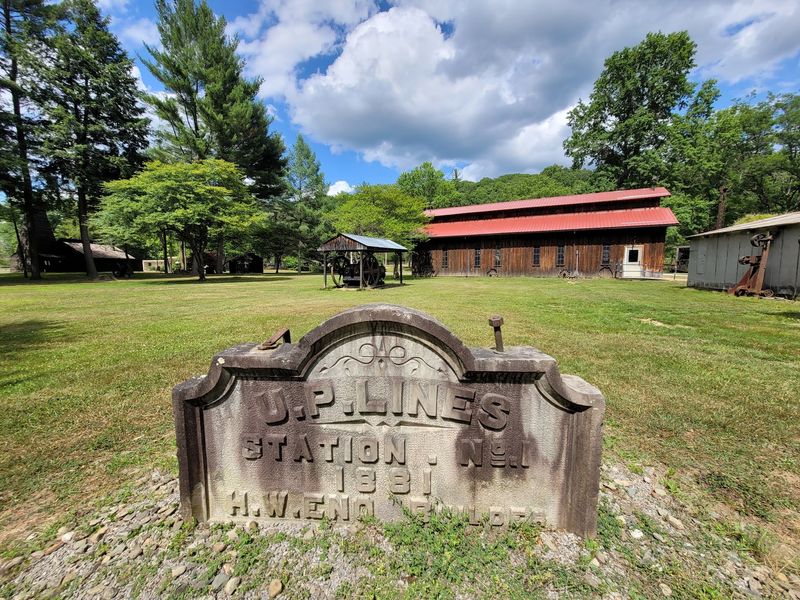
The train passes near the grounds of Drake Well Museum and Park, the precise location where Colonel Edwin Drake changed history in August 1859. A replica derrick rises above the site, marking the spot where skeptics once called the project “Drake’s Folly” before crude oil surged up from the earth and proved every doubter spectacularly wrong.
The museum itself is a natural extension of the train experience, offering orientation films, hands-on exhibits, and the impressive sight of operating oil field machinery that brings the industrial scale of the early petroleum industry into sharp focus. The combination of outdoor grounds and indoor exhibits makes it a satisfying stop for both casual visitors and dedicated history enthusiasts.
Spending an hour or two at Drake Well before or after the train ride creates a more complete picture of why this valley earned its reputation as the birthplace of the modern petroleum industry. The two experiences complement each other in a way that feels intentional rather than coincidental.
Admission to the museum is separate from the train ticket, but the combination is worth every penny for anyone genuinely curious about how a quiet Pennsylvania creek valley reshaped the modern world.
Fall Foliage Season: When the Valley Puts on Its Best Show
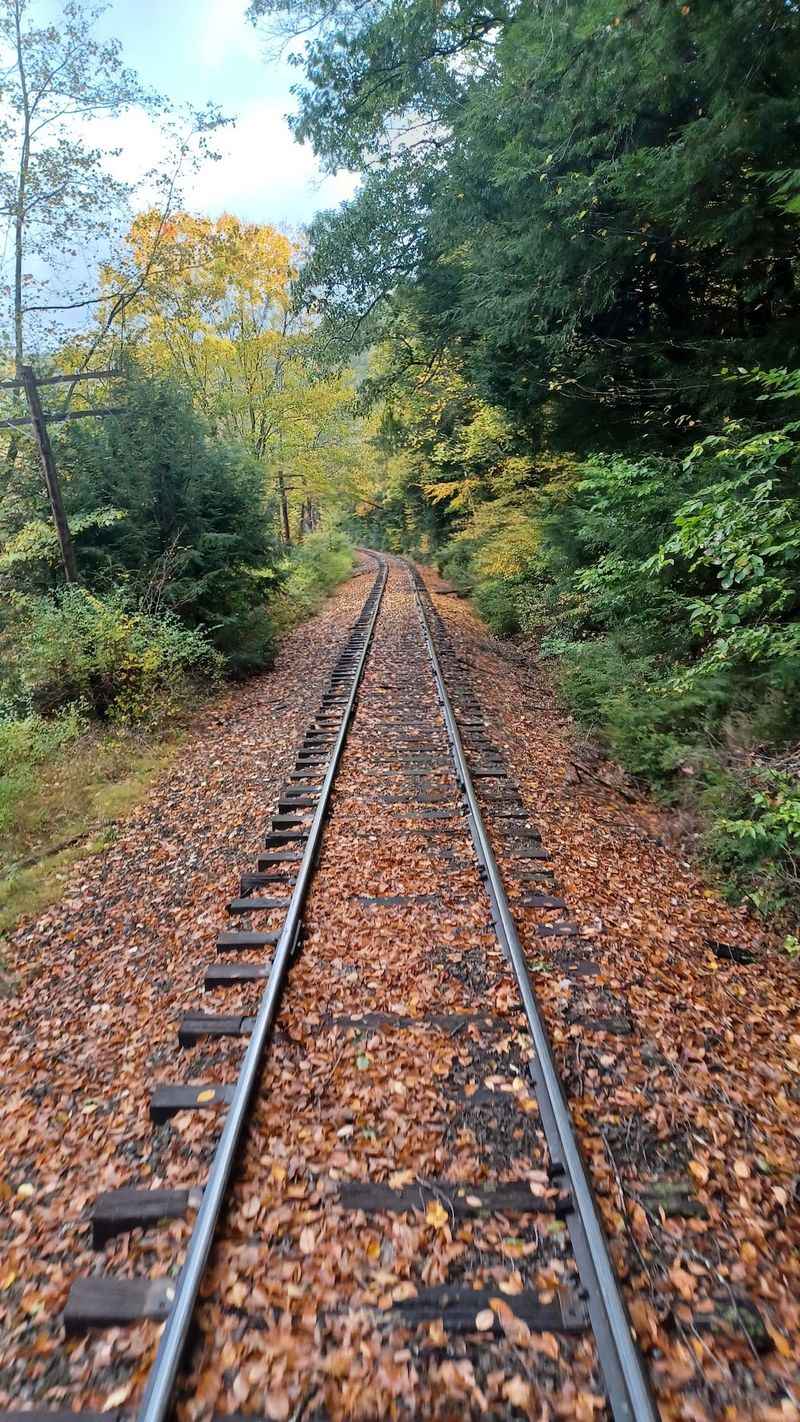
October on the Oil Creek and Titusville Railroad is a different experience from the summer runs, and regulars will tell you that the difference is significant. The valley transforms into a rolling gallery of crimson, amber, and gold as the deciduous trees reach their seasonal peak, and the train moves slowly enough to let passengers absorb every detail.
Demand for October rides is noticeably higher than any other month, which is why the railroad expands its schedule during fall, sometimes adding Wednesday, Thursday, and Friday departures alongside the usual weekend runs. Tickets for these excursions are among the first to sell out each season.
The open Gondola car becomes especially popular in October, with passengers willing to bundle up for the chance to experience the foliage without glass between them and the trees. A light jacket and a camera with a good zoom lens are the two most recommended items to bring along.
Booking as early as possible is the only real strategy here. Waiting until September to call for an October seat is often already too late, so mark your calendar and reach out to the railroad well in advance.
Share this story