Planning a Caribbean trip usually means checking the weather forecast twice. Some islands make that part easier.
Aruba, Bonaire, and Curaçao sit south of the main Atlantic hurricane belt, so direct hits are very rare, though distant storms can still bring rain, waves, or shifting winds. This list covers thirteen spots across the three islands, from calm family lagoons and busy resort strips to wild national parks and colorful historic neighborhoods.
You will find beaches for lounging, snorkeling spots, windsurfing bays, and walkable towns. Whether you want a lazy week by the water or a trip packed with hiking and exploring, there is a place here that fits your plans and keeps storm worries a little smaller.
Eagle Beach, Aruba
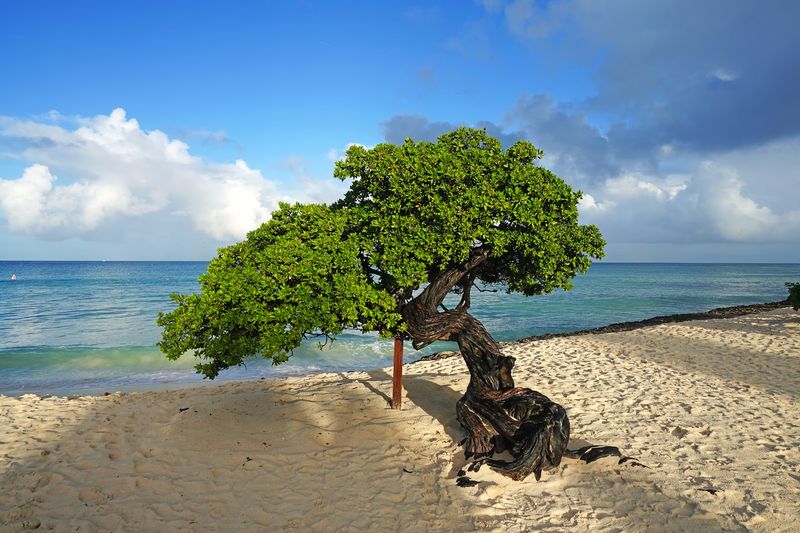
Powdery white sand and a wide shoreline make Eagle Beach an easy pick for anyone who pictures a classic Caribbean vacation. The water is clear, and there are shaded areas, water sports, and the wind-shaped fofoti trees that Aruba is known for.
It was ranked among the Caribbean’s top beaches in the 2026 Tripadvisor Travelers’ Choice awards, which says a lot about its popularity. The beach remains fully accessible to visitors.
Location is the real story for hurricane season. Aruba sits south of the main Atlantic hurricane belt, and hurricanes there are extremely rare.
Distant systems can still bring some rain, bigger waves, or changes in wind, so it still helps to check the forecast before you go.
I would pick this beach for a trip built around long, slow days outside, with no big plans beyond sunscreen and a good spot under a tree.
Palm Beach, Aruba
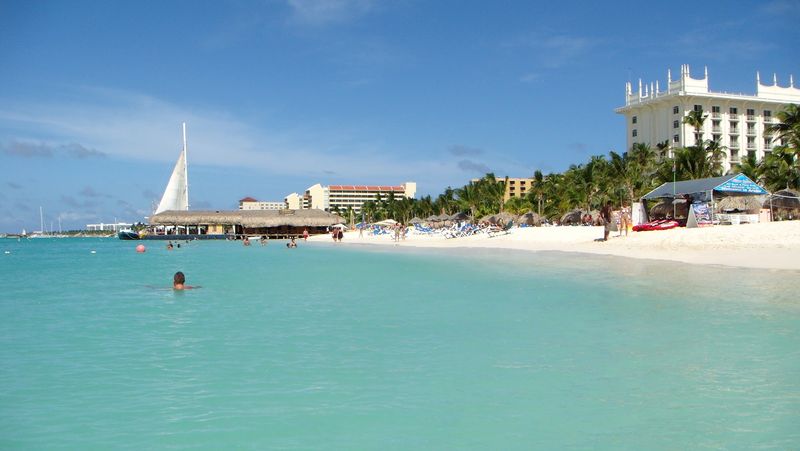
Some vacations work best when everything sits within a short walk. Palm Beach is built for that style of trip, with restaurants, hotels, water activities, nightlife, and the beach all close together.
Aruba’s tourism site describes it as one of the island’s main beach areas. Along the shore you will find watersports operators, piers, and beach bars, so there is always something to try if lounging gets old.
The area suits visitors who would rather relax around one resort district than drive across the island every day. You can swim in the morning, book an activity in the afternoon, and pick a dinner spot without needing a car.
Because Aruba lies south of the main hurricane belt, a stay here comes with a lower chance of storm trouble than many other island resort areas.
Baby Beach and San Nicolas, Aruba
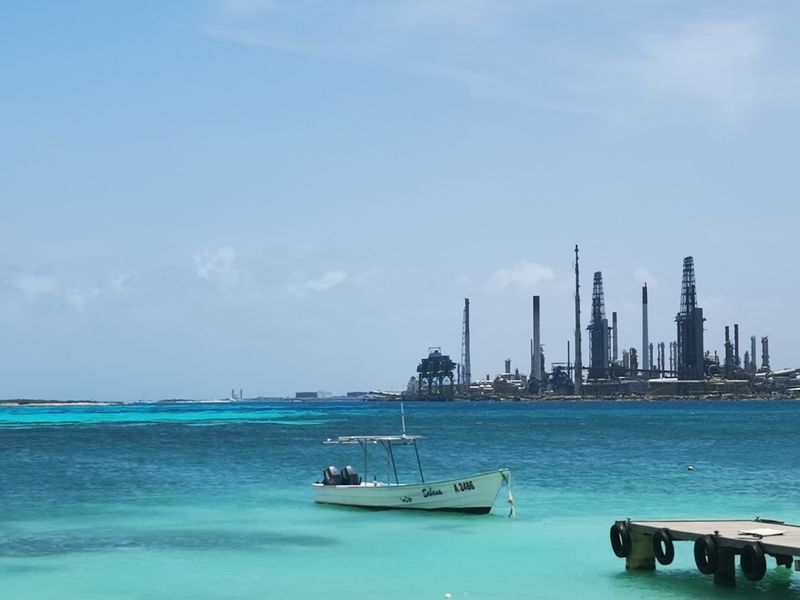
At the southern tip of Aruba, Baby Beach curves around a shallow lagoon near San Nicolas. The water is calm and clear, which is why families with young swimmers often head here.
Snorkelers can use designated areas near the mouth of the bay. Food, shade huts, equipment rentals, and other visitor facilities are currently available, so you can show up without hauling much gear.
After your swim, spend some time in nearby San Nicolas. Aruba’s colorful cultural center is known for Caribbean cultural influences, street art, music, and restaurants.
The town also sits close to several southern beaches, which makes it a handy base for a day of hopping from one stretch of sand to the next. Pairing the lagoon with the town gives the trip a little more variety than a simple beach stop.
Arikok National Park, Aruba
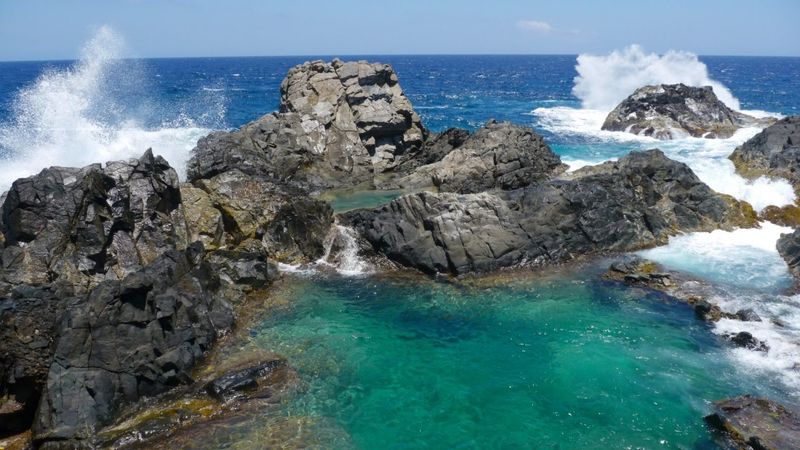
Aruba is not only about resort beaches. Arikok National Park protects more than 20 percent of the island, and the scenery looks nothing like the sandy western shore.
Expect cacti, rocky coastline, hiking terrain, and secluded coves. It is a solid choice for travelers who want some outdoor adventure during a beach trip.
A smart plan is to combine a few park days with time on Aruba’s western beaches. That way you can hike in the morning, then return to comfortable beachfront accommodations in the afternoon.
Bring sturdy shoes, water, and sun protection, since the terrain is open and dry. Starting early helps you avoid the hottest hours.
The park also adds another reason to choose Aruba during hurricane season, because the island offers more than beaches if you want to keep busy while enjoying its lower storm risk.
Kralendijk, Bonaire
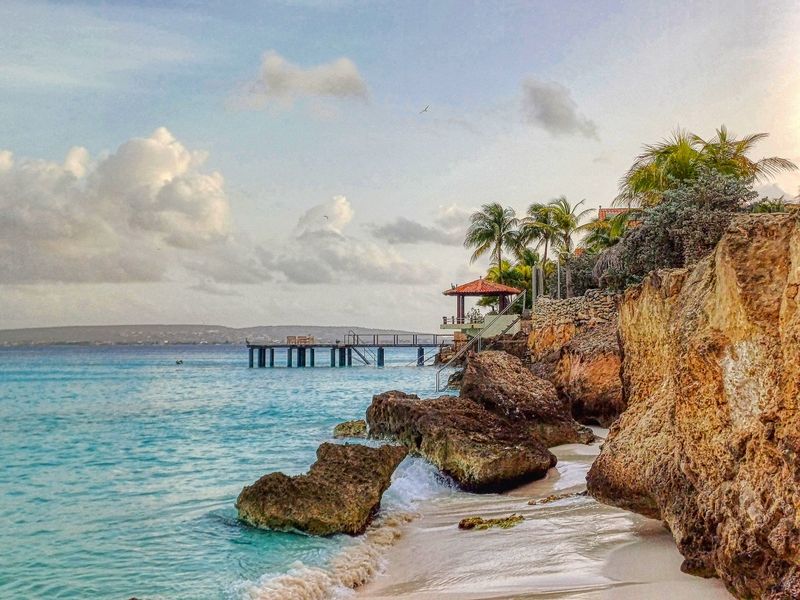
Bonaire’s compact capital makes a comfortable base for an island known for marine life and laid-back vacations. Downtown Kralendijk, Fort Oranje, and waterfront restaurants are all within a short walk of the cruise piers and central waterfront.
Departure points for trips to Klein Bonaire are nearby too, so planning a boat day does not take much effort.
On the weather side, Bonaire lies outside the main hurricane belt. The U.S.
State Department notes that direct hurricane hits are rare, though passing systems can still create rough seas or heavy rain, particularly from June through November.
That means a little flexibility is smart if you plan water activities. Check conditions with your tour operator before heading out.
For travelers who like easy walking, simple logistics, and a town small enough to learn in a day, Kralendijk is a friendly starting point.
Klein Bonaire
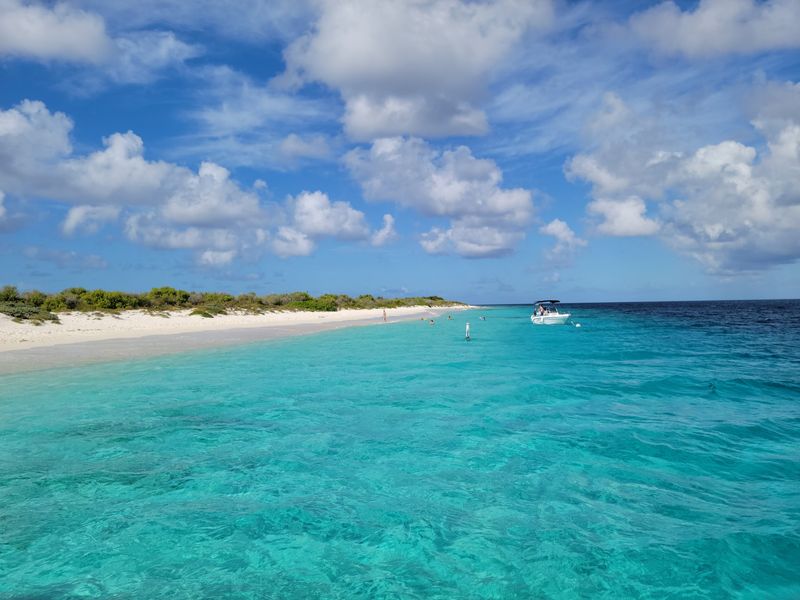
Want a beach day with no crowds of buildings behind it? Take a water taxi from Kralendijk to Klein Bonaire.
The undeveloped island sits roughly 800 meters offshore and is surrounded by protected marine habitat.
No Name Beach offers white sand and easy access to snorkeling. The tradeoff is that there are no restaurants, bathrooms, shops, or drinking-water facilities.
That means packing matters. Bring your own water, food, snacks, and sun protection, and plan to carry out everything you bring.
Water taxis continue to operate from Bonaire’s main island, so getting there is simple once you have a plan for the return trip. Confirm pickup times with the operator before you settle in.
This is the kind of stop I would save for a calm weather day, when the water is clear and the goal is simply to snorkel and relax.
Lac Bay and Sorobon, Bonaire
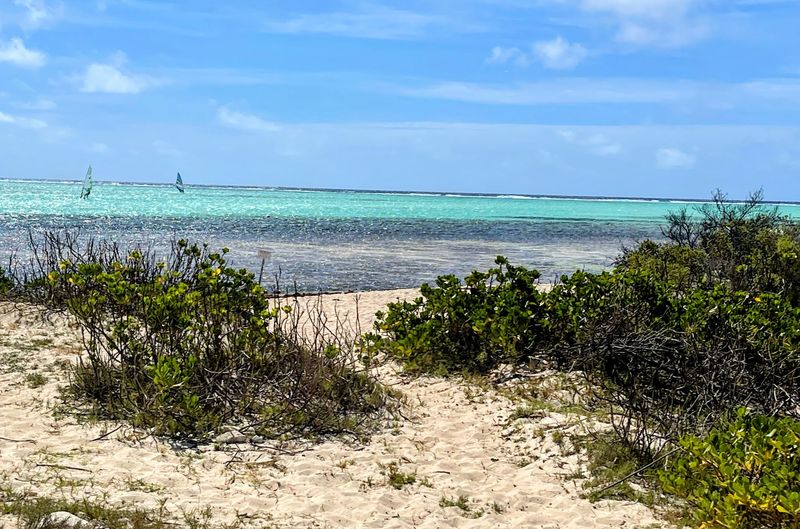
Windsurfers, kayakers, and mangrove fans tend to end up at Lac Bay. It suits travelers who want shallow Caribbean water and active fun more than traditional resort lounging.
The protected lagoon covers roughly 700 hectares and includes extensive mangrove habitat. That gives paddlers a lot of area to explore.
Sorobon Beach is the most developed section, with visitor facilities, beach bars, and windsurfing schools operating around the bay. Beginners can find lessons close to the water.
The steady trade winds that shape Bonaire’s climate also make the area especially attractive to windsurfers. Those same breezes keep the shallow bay lively on many days.
If your idea of a vacation includes learning a new water sport, this is a strong pick. Even if you skip the board, the mangroves and calm lagoon make for a different kind of Caribbean day.
Washington Slagbaai National Park, Bonaire
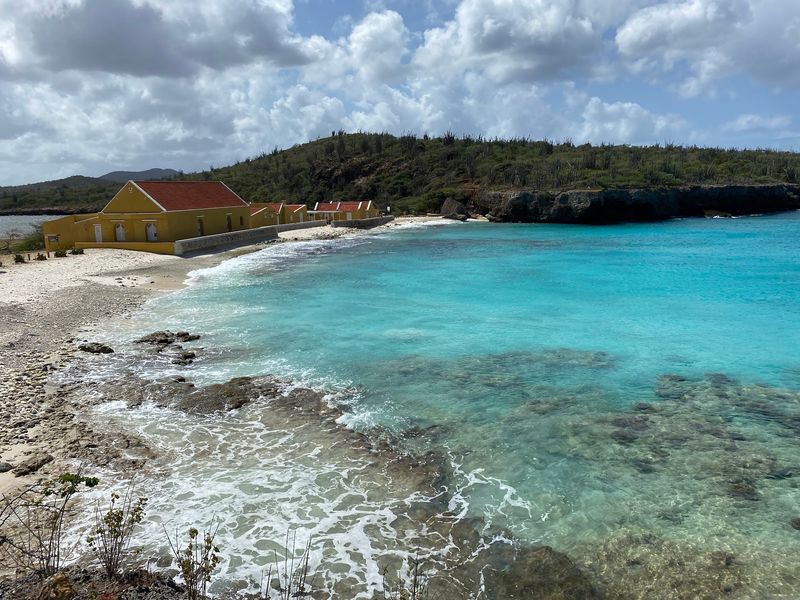
Trade the lounge chair for a high-clearance vehicle, and Bonaire’s wild north opens up. Washington Slagbaai National Park is the place to do it.
The 4,286-hectare reserve contains rugged roads, wildlife habitat, historic sites, beaches, and salt lakes where flamingos may be seen.
Current visitor information lists the park as open Tuesday through Sunday, with entry until mid-afternoon. Closures are possible after heavy rain, so check before you drive out.
Plan to start early, because the roads are slow and the park is large. Bring water and sun protection, and expect to spend a good part of the day.
It is one of the best ways to see how dramatically Bonaire changes once you leave the developed waterfront. For travelers choosing the island for its lower hurricane risk, the park adds a rugged side to the trip.
Willemstad, Curaçao
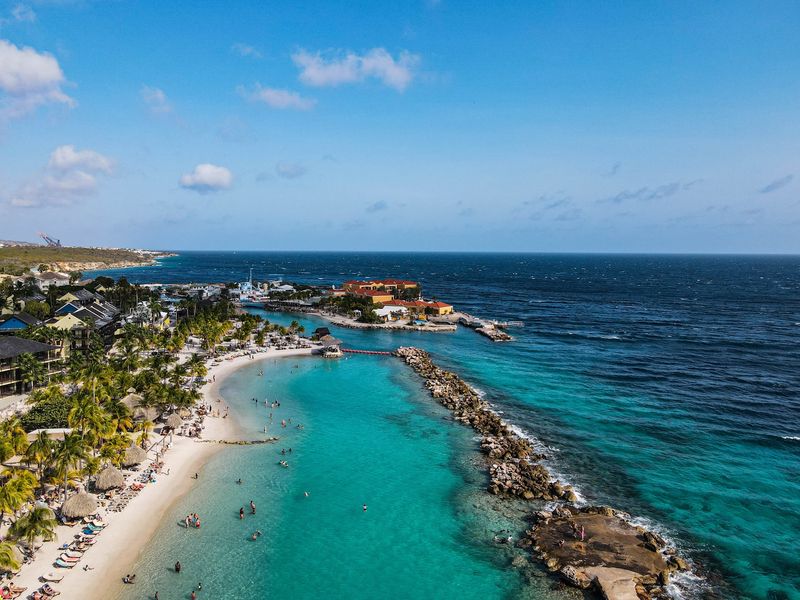
Many Caribbean beach vacations lack a genuinely interesting city to explore between swims. Willemstad fills that gap nicely.
Punda and Otrobanda sit around the historic harbor, while Pietermaai adds boutique hotels, restaurants, bars, and galleries. Visitors can walk between central neighborhoods and cross the Queen Emma Bridge, or use the ferry when the bridge opens for ships.
That bridge detail is handy to know. If you see it swing open, you have a simple backup for getting across.
On storm risk, Curaçao’s tourism authority places the island outside the hurricane belt, making direct hurricanes exceptionally uncommon.
Pair a morning of wandering the harbor with an afternoon snorkeling session, and you get a trip that balances culture and beach time. Comfortable walking shoes will serve you well in the central districts.
Jan Thiel Beach, Curaçao
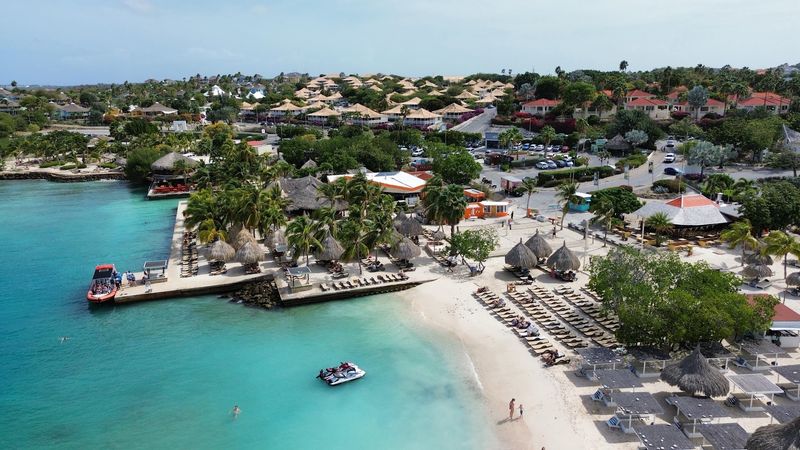
Easy beach vacations come with a bonus when plenty is happening nearby, and Jan Thiel delivers that. It is a good fit for visitors who like options within a short stroll.
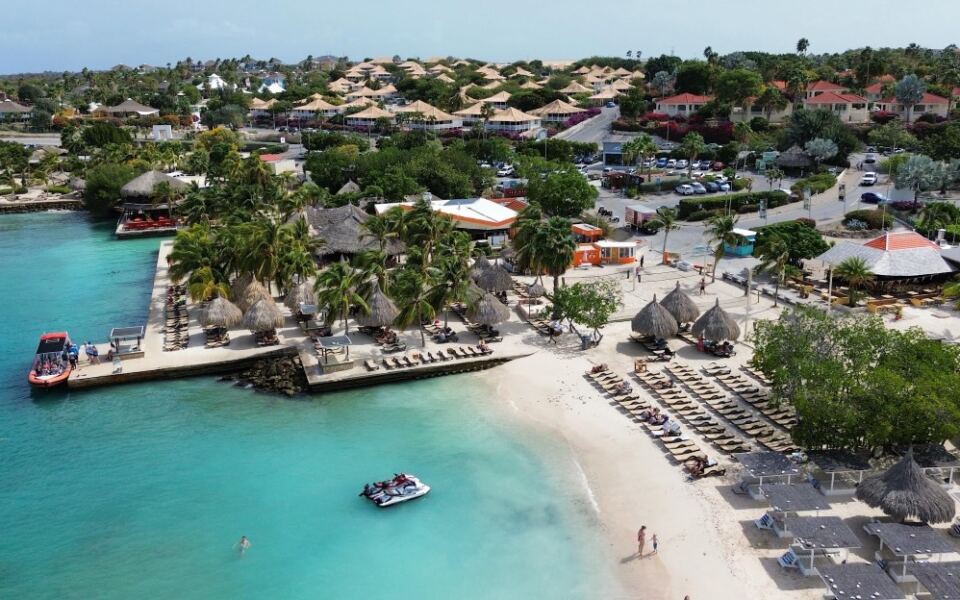
The developed beach area includes restaurants, watersports, shopping, and entertainment. You can spend entire days around the waterfront without traveling far.
Current tourism listings show Jan Thiel Beach and its restaurants operating normally, so planning around them is straightforward.
It is also a good alternative for travelers who prefer an energetic resort atmosphere over Curaçao’s quieter western beaches. If you want to wake up, walk to the sand, and have lunch and activities lined up without a long drive, this area makes that simple.
Choosing Curaçao also brings the comfort of a location outside the main hurricane belt.
Mambo Beach, Curaçao
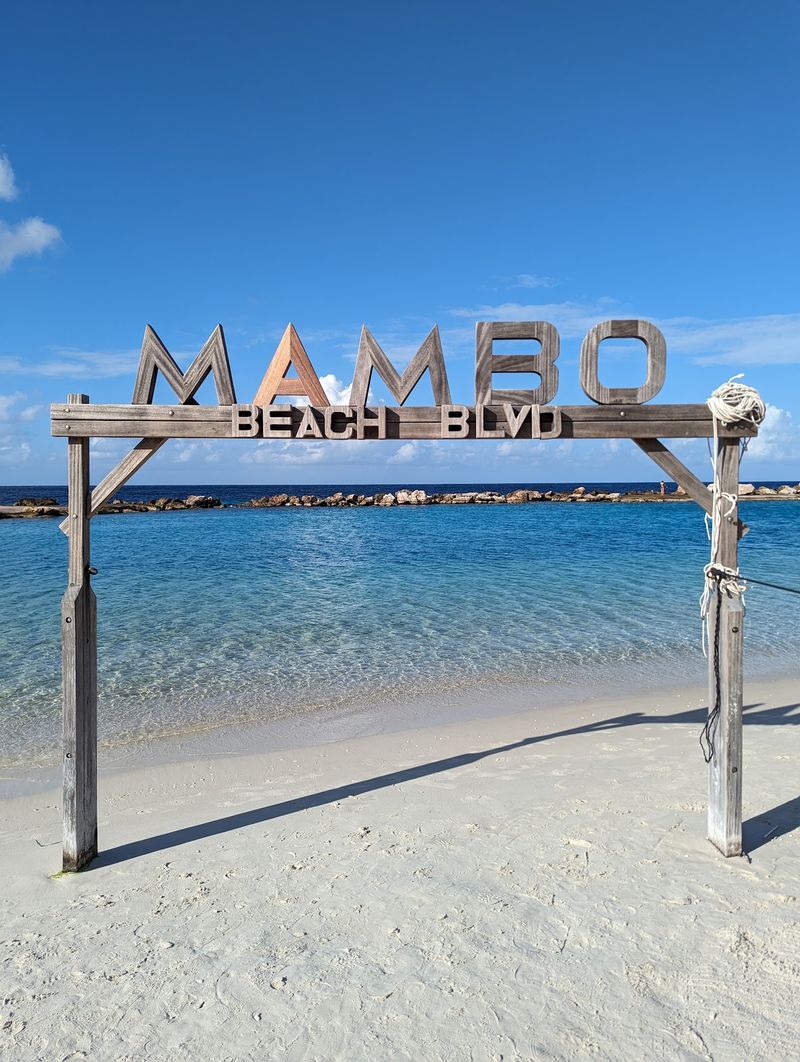
More than 50 stores, restaurants, and activities spread across two levels: that is the size of the adjoining Mambo Beach Boulevard. It gives the beach one of Curaçao’s largest clusters of shopping, dining, and entertainment.
Accommodations and beachfront businesses continue to operate directly around the complex, so visitors can stay close to the sand and the action.
Distance is another plus. Mambo Beach is only a few miles from central Willemstad, so travelers can easily divide their vacation between beach time and the historic capital.
That makes it a flexible pick if your group has different interests. Some people can settle in by the water, while others browse shops or head into the city.
It is a practical base for a Caribbean trip that does not demand much planning.
Westpunt and Curaçao’s Western Beaches
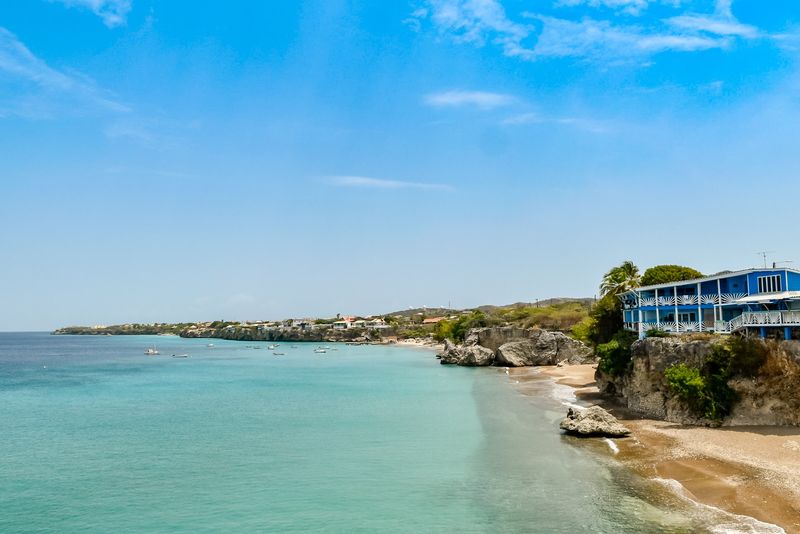
Quiet coves, cliffs, and fewer buildings define Curaçao’s western coast. It is the better fit for travelers who want a slower, less developed trip.
Beaches such as Lagun and Kenepa Grandi remain accessible to visitors. Lagun is a small sheltered bay popular for swimming and snorkeling.
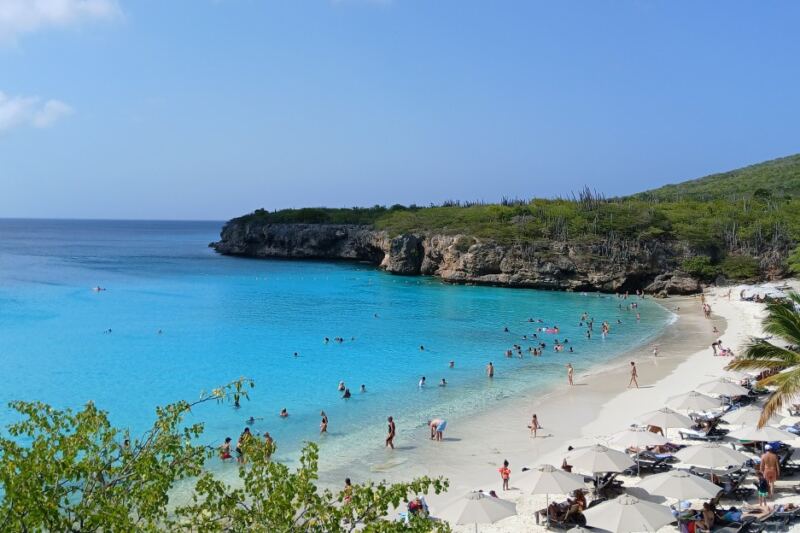
Kenepa Grandi is known for clear turquoise water, white sand, and dramatic cliffs. It rewards anyone who wants scenery with their swim.
Staying toward Westpunt also puts travelers closer to the island’s more rugged landscapes and farther from Willemstad’s busier resort districts. Expect to rely on a car for getting around.
Bring water, snacks, and snorkel gear, since the quieter spots can offer fewer services. For a low hurricane risk getaway with room to breathe, the west side is a strong choice.
Pietermaai, Curaçao
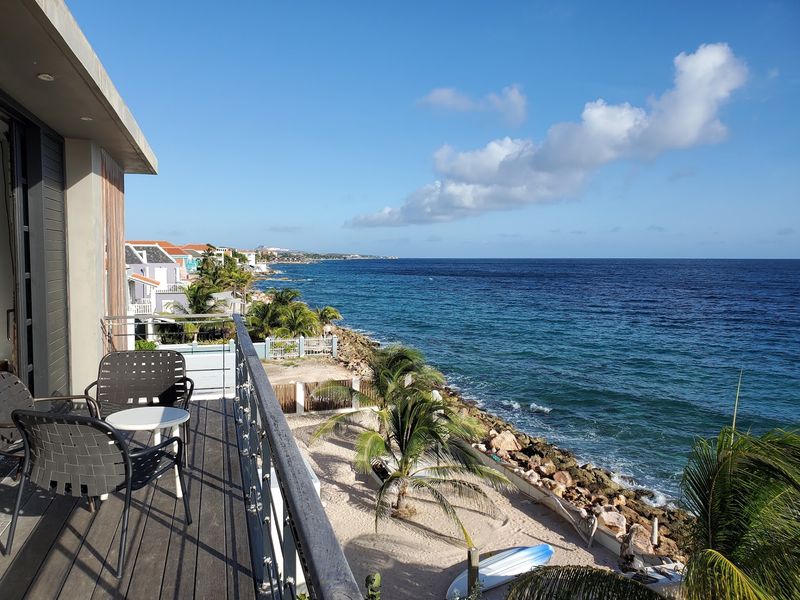
Travelers who skip the all-inclusive resort style often find Pietermaai a better match. Couples and food lovers especially tend to like it as a base.
The historic neighborhood is filled with colorful architecture, boutique accommodations, restaurants, cocktail bars, galleries, and shops.
It is also within walking distance of Punda and other central Willemstad districts. For many short vacations, that makes a rental car unnecessary.
Beach clubs and nearby swimming options mean visitors can still have a Caribbean beach vacation while enjoying nightlife and city culture after sunset.
That mix is the draw here. You can explore galleries by day, pick a restaurant at night, and still reach the water without much effort.
Combined with Curaçao’s spot outside the main hurricane belt, it is a relaxed way to enjoy the island.
Share this story