Europe is one of the best places in the world to explore by car. From rugged coastlines and towering mountain passes to ancient ruins and fairytale villages, the continent offers an incredible variety of scenery packed into relatively short distances.
Whether you prefer dramatic cliffs, quiet countryside, or historic towns, there is a road trip route in Europe that will suit your style. These 15 drives are worth adding to your bucket list.
1. Amalfi Coast Road – Italy
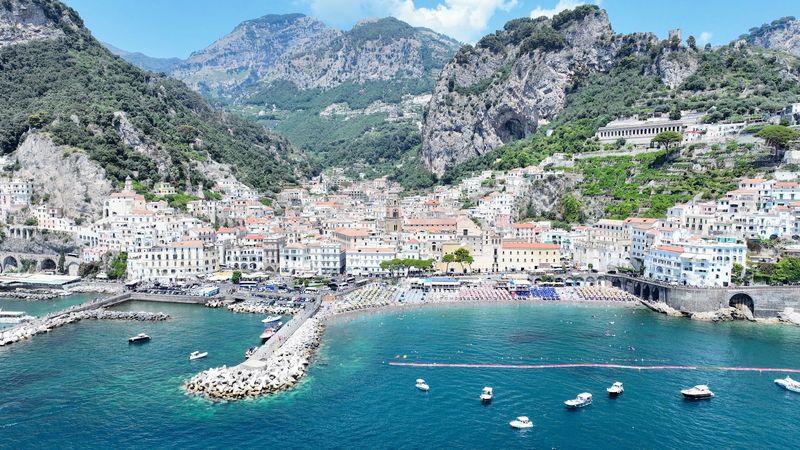
Few roads in the world stop you in your tracks the way the Amalfi Coast road does. Stretching from Sorrento to Salerno along Italy’s southern Campania region, this drive winds through some of the most jaw-dropping scenery the Mediterranean has to offer.
Towns like Positano and Amalfi cling to steep cliffs above the sparkling blue sea. The narrow road demands careful driving, but every twist and turn rewards you with a postcard-perfect view.
Colorful buildings, lemon groves, and tiny harbors line the route.
Visiting outside peak summer months makes the experience far more relaxed. Spring and early autumn offer warm weather with fewer crowds.
Parking can be tricky in town centers, so arriving early or using local shuttle buses helps. This is one of those drives that stays with you long after you return home.
2. Ring Road – Iceland
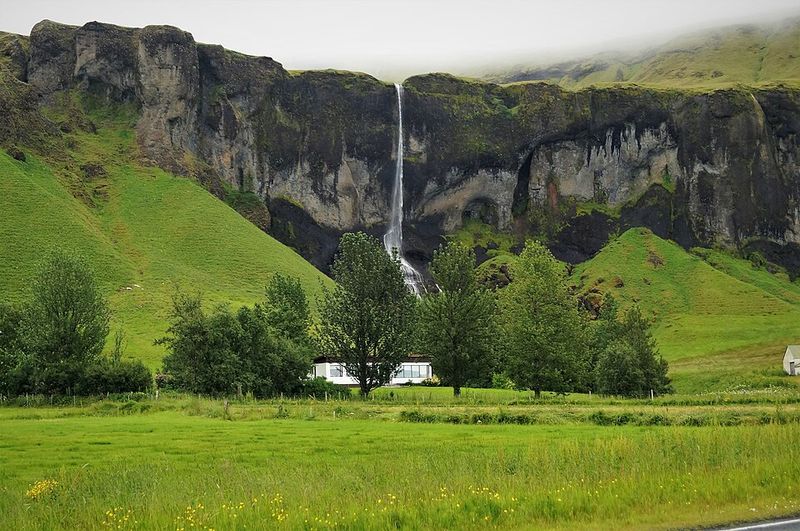
Iceland’s Route 1, commonly called the Ring Road, is one of the most extraordinary drives on the planet. Circling most of the island at roughly 1,332 kilometers, it connects an almost unbelievable variety of landscapes within a single route.
Along the way, drivers encounter thundering waterfalls, massive glaciers, steaming geothermal vents, black-sand beaches, and volcanic fields. The south coast alone offers highlights like Skogafoss waterfall and Jokulsarlon glacier lagoon.
The north brings geothermal pools and whale-watching opportunities near Husavik.
Most travelers complete the full loop in 7 to 10 days, though stopping longer at each location makes the experience richer. Road conditions can change quickly, especially in winter, so checking forecasts daily is essential.
Summer brings near-endless daylight, while autumn offers a chance to see the Northern Lights. Iceland rewards those who take their time.
3. Wild Atlantic Way – Ireland
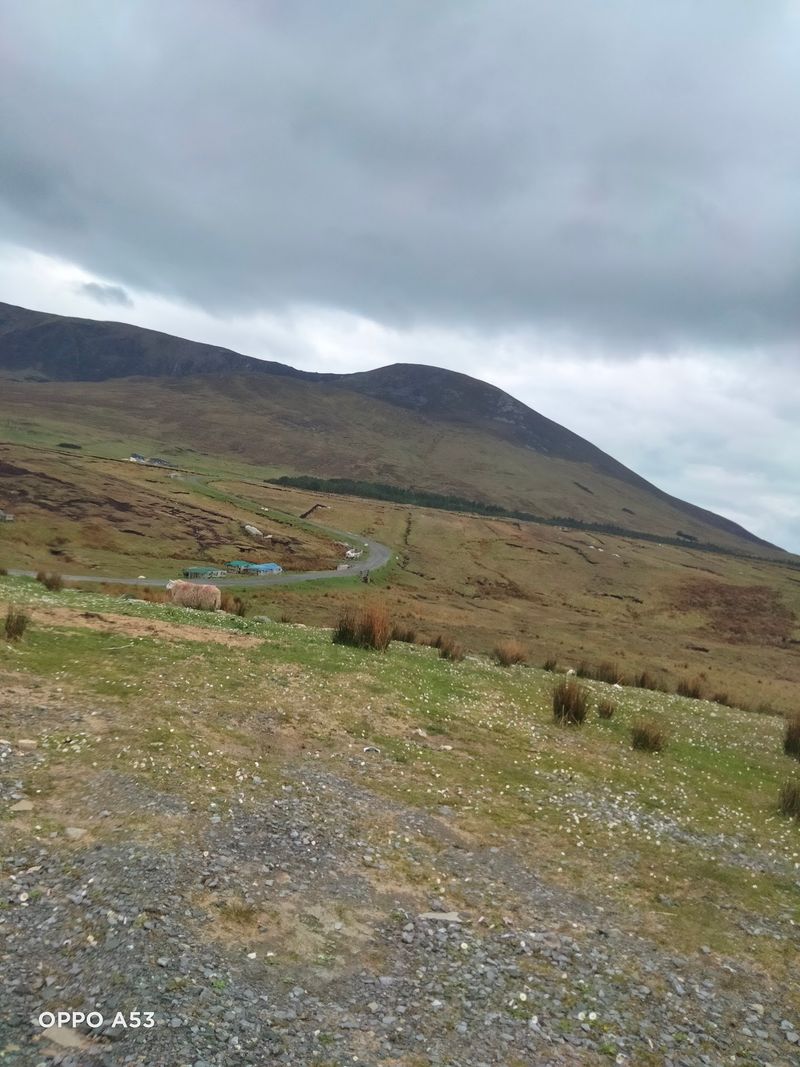
Stretching roughly 2,500 kilometers along Ireland’s wild western shore, the Wild Atlantic Way is Europe’s longest defined coastal touring route. Running from County Donegal in the north all the way down to County Cork in the south, it passes through some of Ireland’s most breathtaking and least-visited landscapes.
Highlights include the Cliffs of Moher, Connemara National Park, the Dingle Peninsula, and the Aran Islands ferry crossings. Charming fishing villages, ancient stone forts, and windswept headlands appear around nearly every bend.
The scenery shifts constantly, from golden beaches to dramatic sea stacks.
Because the route is so long, most visitors choose a section rather than driving the entire way in one trip. County Clare and County Kerry are particularly popular starting points.
Locals are famously welcoming, and traditional Irish pubs along the route offer warm stops after long days on the road.
4. Atlantic Road – Norway
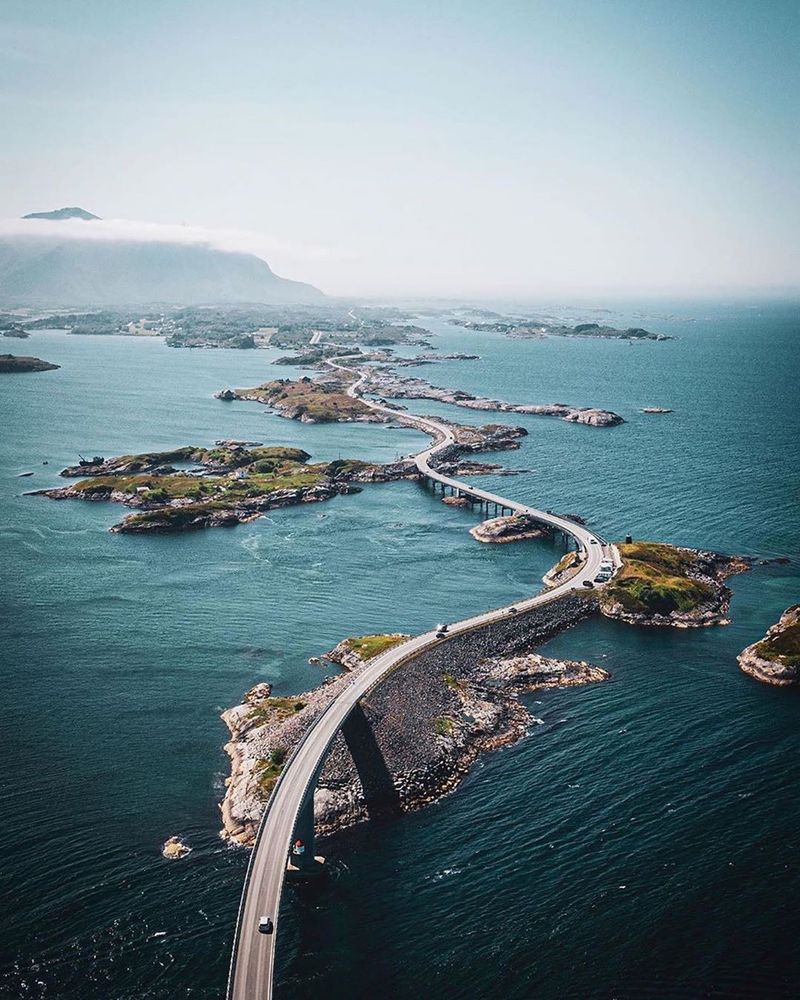
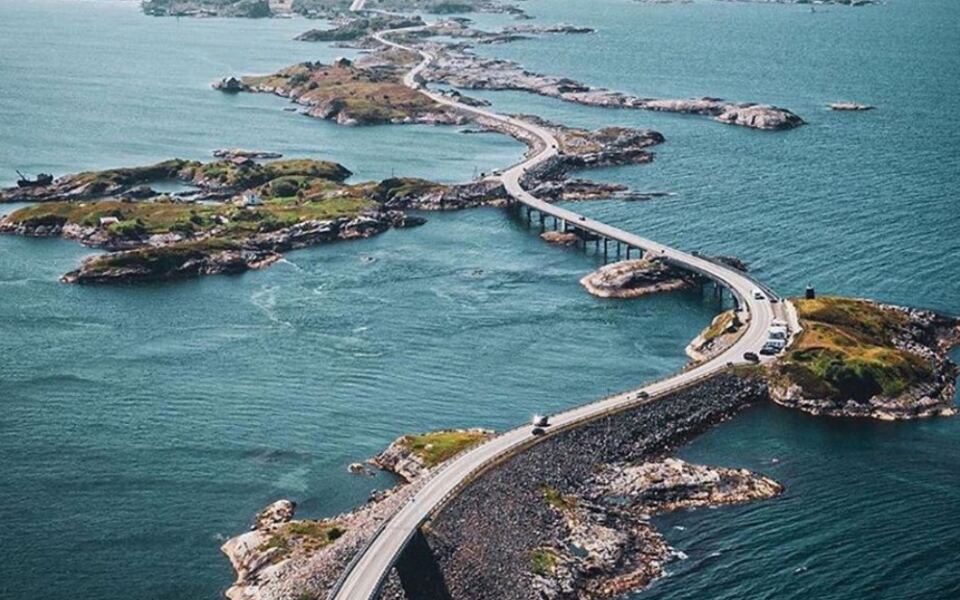
Built across a series of small islands and skerries along Norway’s rugged western coastline, the Atlantic Road is one of Scandinavia’s most photographed drives. Completed in 1989, it spans about 8 kilometers of bridges and causeways that seem to float directly above the churning ocean.
The most famous section is the Storseisundet Bridge, whose dramatic curve makes it appear to end abruptly in mid-air from certain angles. Storm season, typically autumn and winter, brings crashing waves that spray directly over the road, creating spectacular but challenging driving conditions.
The surrounding area offers fishing villages, seabird colonies, and sweeping views of the Norwegian Sea. Many travelers combine the Atlantic Road with a visit to nearby Kristiansund or use it as part of a longer coastal drive through More og Romsdal county.
Even in calm weather, the scenery is genuinely unforgettable.
5. North Coast 500 – Scotland
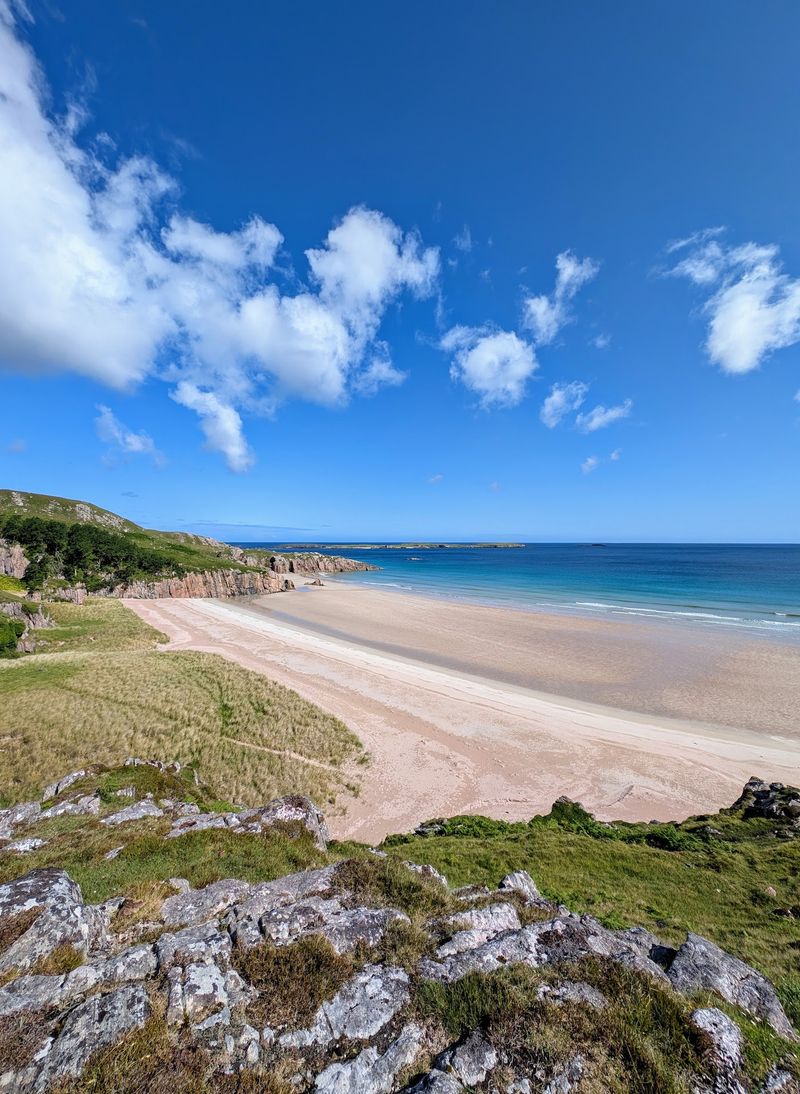
Launched in 2015 as a tourism initiative, Scotland’s North Coast 500 quickly became one of the most talked-about road trips in Europe. The roughly 500-mile circular route starts and finishes near Inverness Castle, looping around the wild northern tip of the Scottish Highlands.
Along the way, drivers pass through landscapes that feel genuinely untouched. Remote beaches with white sand and turquoise water sit alongside ancient ruined castles and dramatic mountain passes.
The route passes through villages like Tongue, Durness, and Ullapool, each with its own character and charm.
Wildlife spotting is a real draw here. Red deer, golden eagles, and even dolphins can be seen depending on the season.
The roads are often single-track, requiring careful driving and patience when passing other vehicles. Most travelers allow 5 to 7 days to cover the full route comfortably without feeling rushed.
6. Romantic Road – Germany
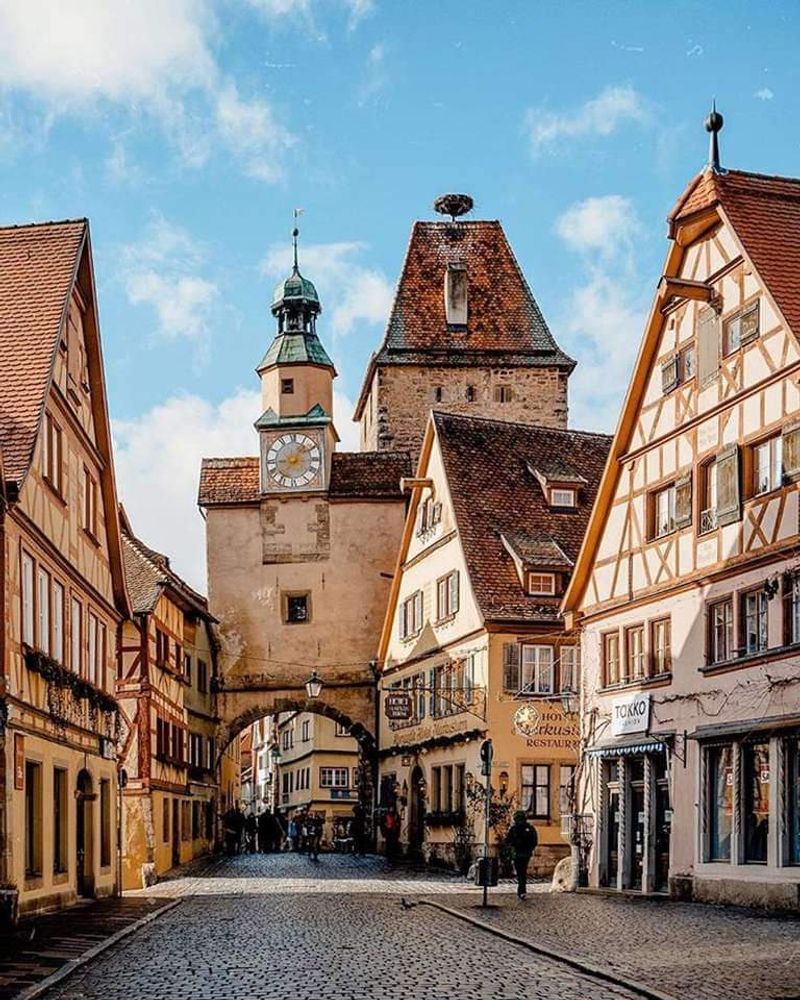
Germany’s Romantic Road has been drawing travelers since the 1950s, and it remains one of central Europe’s most beloved driving routes. Stretching about 350 kilometers between the wine city of Wurzburg in the north and the alpine town of Fussen in the south, it passes through some of Bavaria’s most picturesque landscapes.
The undisputed highlight for many is Rothenburg ob der Tauber, a medieval walled town so perfectly preserved it feels like stepping back several centuries. Further south, Augsburg and Landsberg am Lech offer impressive historic old towns worth a slow afternoon wander.
The route ends near Neuschwanstein Castle, the fairy-tale hilltop palace that inspired Disney’s Sleeping Beauty castle. Visiting in spring or early summer means lush green fields and blooming orchards framing the road.
This is a drive that rewards those who stop often, explore on foot, and resist the urge to rush.
7. Route des Grandes Alpes – France
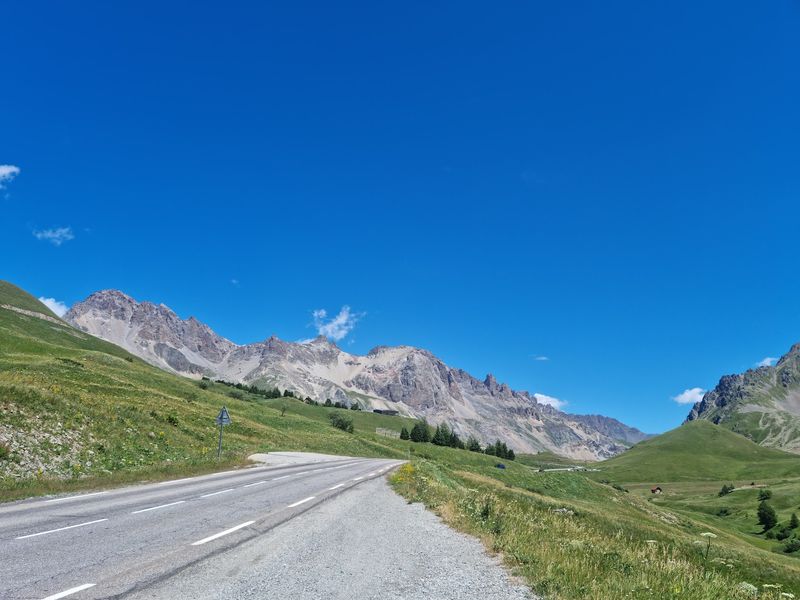
Running from the shores of Lake Geneva all the way to Nice on the Mediterranean coast, the Route des Grandes Alpes is one of France’s most spectacular long-distance drives. The route crosses 16 mountain passes, including the famous Col de l’Iseran, which at 2,770 meters is the highest paved mountain pass in the Alps.
Summer is the only practical season for completing the full route, as many passes close due to snow from October through May or June. Along the way, drivers pass through ski resorts like Chamonix and Val d’Isere, which transform into lively hiking bases during warmer months.
The scenery shifts from lush green valleys to bare rocky summits and back again. Planning fuel stops carefully matters here, as some stretches between towns are long.
The payoff for all the planning is a drive through some of the most majestic mountain scenery anywhere in Europe.
8. Grossglockner High Alpine Road – Austria
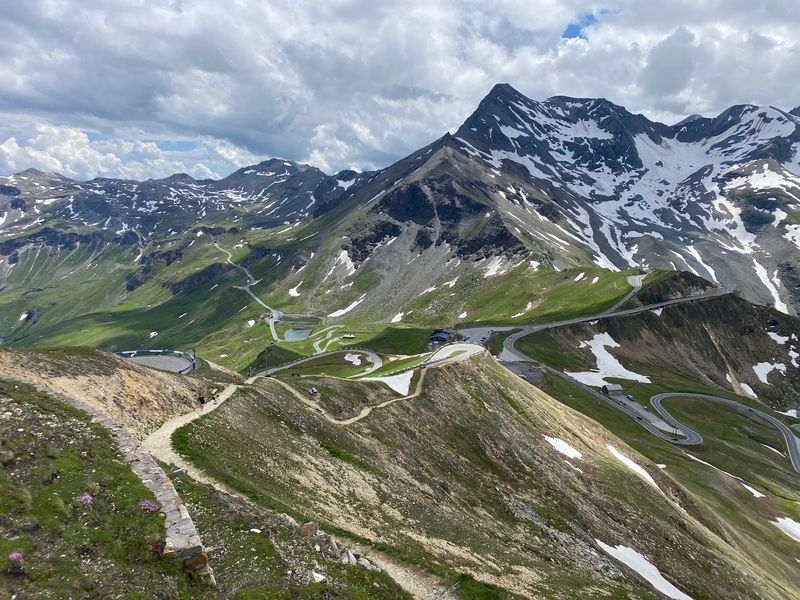
Austria’s Grossglockner High Alpine Road is one of the finest mountain drives in all of Europe, and it has been drawing visitors since it first opened in 1935. Climbing to a maximum elevation of about 2,571 meters, the road offers breathtaking views of the Hohe Tauern mountain range and Austria’s highest peak, Grossglockner at 3,798 meters.
The route spans approximately 48 kilometers between Bruck in Salzburg province and Heiligenblut in Carinthia. Several viewpoints and visitor centers line the road, making it easy to stop, stretch, and soak in the scenery.
The Kaiser-Franz-Josefs-Hohe viewpoint is particularly popular for glacier views.
The road is typically open from May through early November, depending on snow conditions. A toll is charged for using the road, but most visitors find it well worth the fee.
Marmots are commonly spotted near the roadside, which is a fun bonus for wildlife enthusiasts traveling with kids.
9. Transfagarasan Highway – Romania
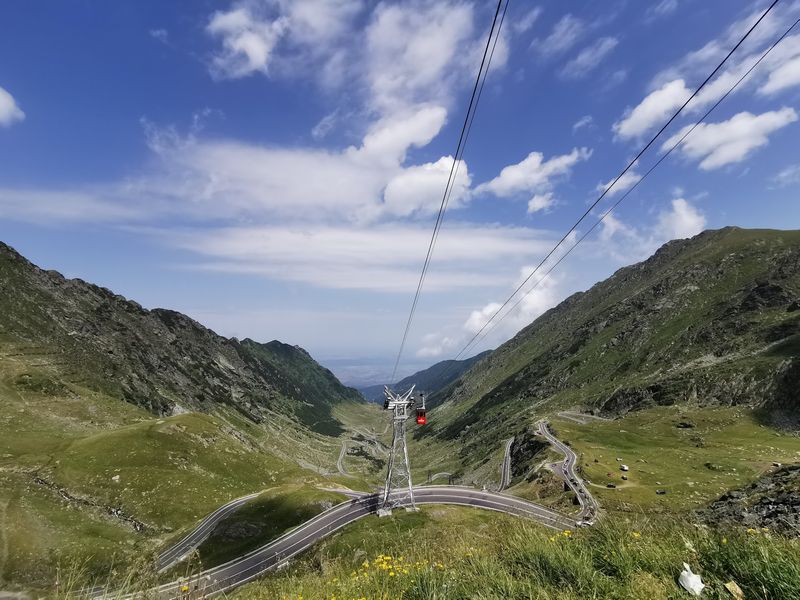
Built between 1970 and 1974 under the orders of communist dictator Nicolae Ceausescu, Romania’s Transfagarasan Highway has a fascinating and somewhat dark history. Today it is celebrated as one of the most thrilling mountain roads in Europe, winding dramatically through the Fagaras Mountains in central Romania.
The road climbs to about 2,042 meters at its highest point, passing the stunning Balea Lake, a glacial lake surrounded by bare rocky peaks. The hairpin bends and steep gradients make for exciting driving, and the views from the top are genuinely spectacular on a clear day.
The highest section is only open from late June through October, as snow blocks the pass for much of the year. Nearby Poenari Fortress, a real castle associated with Vlad the Impaler, adds a historical detour worth taking.
Romania’s Transfagarasan proves that Eastern Europe has plenty to offer road trip enthusiasts.
10. Dalmatian Coast – Croatia
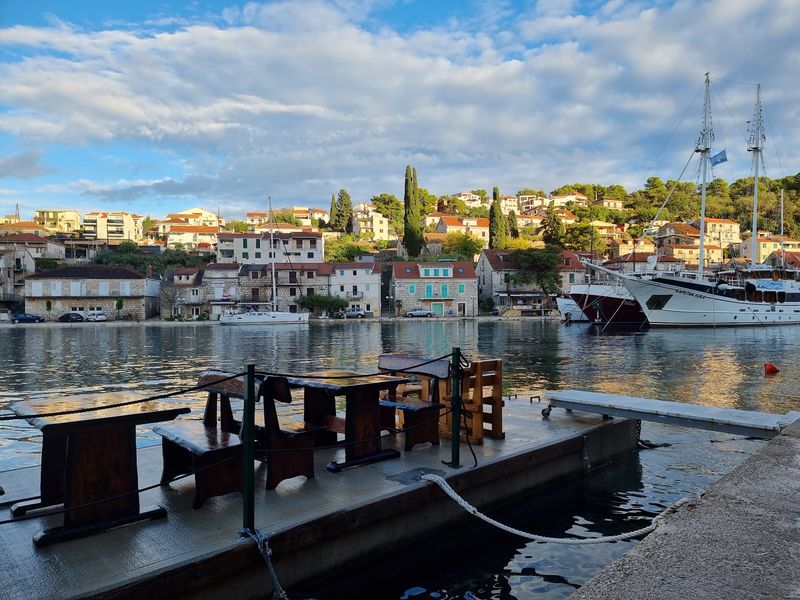
Croatia’s Dalmatian Coast is one of the Mediterranean’s most rewarding road trip destinations, combining crystal-clear water, ancient walled cities, and a laid-back seaside atmosphere. Driving south from Split toward Dubrovnik along the Adriatic Highway offers some of the most scenic stretches of coastline in all of Europe.
Makarska is a popular midpoint stop, known for its beach promenade and the dramatic Biokovo mountain range rising directly behind the town. Smaller villages like Omis and Brist offer quieter alternatives to the busier resort towns.
Ferry crossings to islands like Brac and Hvar are easy to arrange along the route.
Dubrovnik, the final destination for many, rewards exploration on foot within its perfectly preserved medieval walls. Summer brings heavy tourist traffic, so traveling in May, June, or September provides a much more comfortable experience.
Croatia’s coastal drive strikes a satisfying balance between natural beauty and cultural richness.
11. Trollstigen and Geiranger – Norway
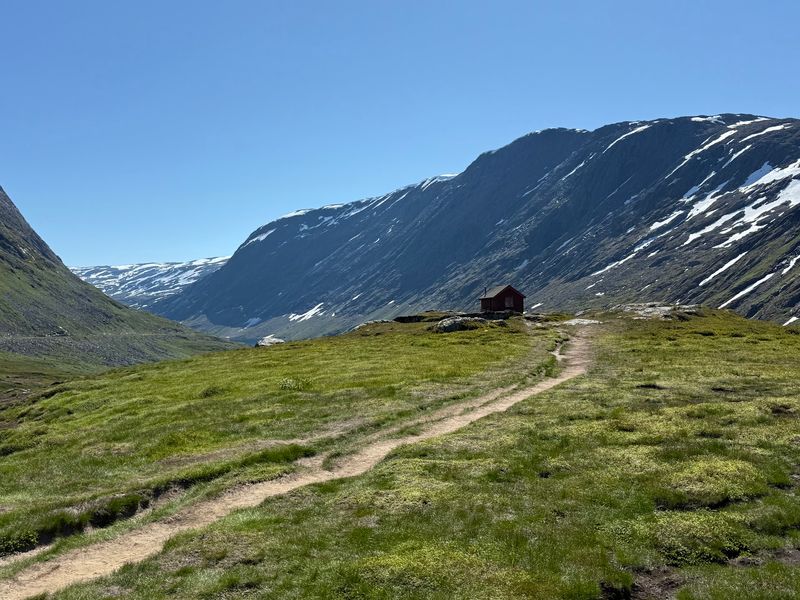
Western Norway’s Trollstigen and Geiranger drive is widely considered one of the most dramatic road experiences in all of Scandinavia. Trollstigen, meaning Troll’s Path, is a steep mountain road with 11 sharp hairpin bends that climb through a narrow valley flanked by towering waterfalls and sheer cliff faces.
At the top, a viewing platform looks back down the road and across the surrounding peaks. From there, continuing toward Geiranger leads through more stunning fjord scenery before descending into the Geirangerfjord, a UNESCO World Heritage Site.
The fjord’s deep blue water and surrounding waterfalls like Bridal Veil and Seven Sisters are truly remarkable.
Both Trollstigen and the road to Geiranger close during winter due to snow, so checking opening dates before planning the trip is essential. The route is best driven from late May through September.
Tour buses use the road, so starting early in the morning helps avoid congestion at key viewpoints.
12. Causeway Coastal Route – Northern Ireland
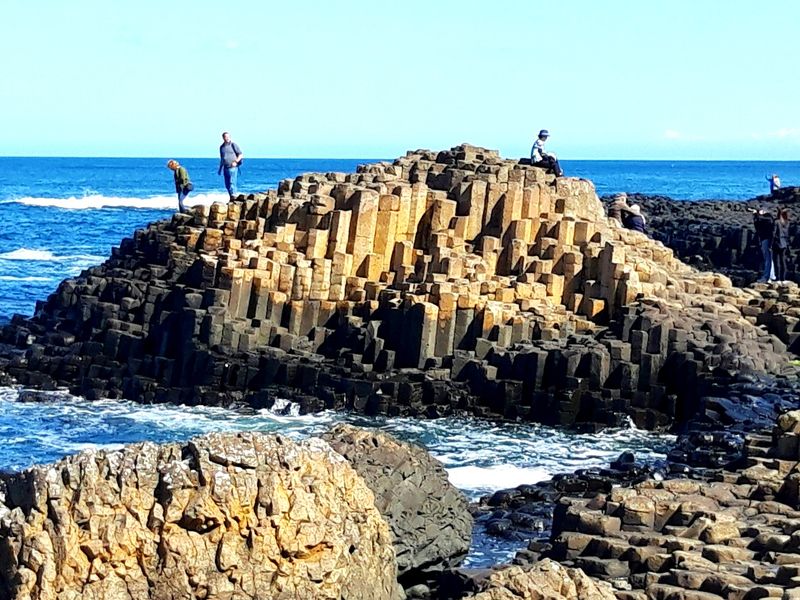
Connecting Belfast to Derry/Londonderry along Northern Ireland’s northeastern shore, the Causeway Coastal Route is one of the most varied and rewarding drives in the British Isles. The roughly 120-mile route passes through a remarkable mix of coastal scenery, historic ruins, and charming market towns.
The undisputed star of the route is the Giant’s Causeway, a UNESCO World Heritage Site made up of around 40,000 interlocking basalt columns formed by ancient volcanic activity. Nearby, the eerie rope bridge at Carrick-a-Rede sways above a 30-meter drop to the sea below, attracting brave visitors year-round.
Dunluce Castle, perched dramatically on a clifftop, and the coastal villages of Ballycastle and Cushendall add further character to the journey. Fans of the television series Game of Thrones will recognize several filming locations along this stretch of coast.
Northern Ireland’s coastal drive offers outstanding value and scenery without the crowds of more famous European routes.
13. Basque Country to Galicia – Northern Spain
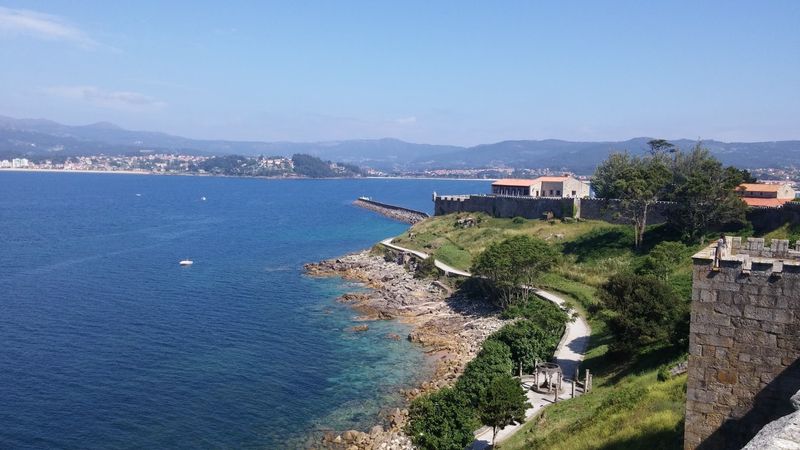
Northern Spain’s Atlantic coast is dramatically different from the sun-scorched south that most tourists picture when they think of the country. A road trip connecting Bilbao and San Sebastian in the Basque Country with the green hills of Asturias and the dramatic coastline of Galicia reveals a Spain that feels genuinely surprising.
San Sebastian alone justifies the trip, with its famous pintxos bars, elegant beaches, and one of Europe’s highest concentrations of Michelin-starred restaurants per capita. Moving westward, the Cantabrian coast offers dramatic sea cliffs, fishing ports, and the prehistoric cave paintings of Altamira near Santillana del Mar.
Galicia, often compared to Ireland for its lush green landscapes and Celtic heritage, rewards those who make it the full distance. Santiago de Compostela, the endpoint of the famous Camino pilgrimage, sits at the route’s western end.
This northern Spanish drive suits travelers who prefer culture and food alongside coastal scenery.
14. Algarve Coast – Portugal
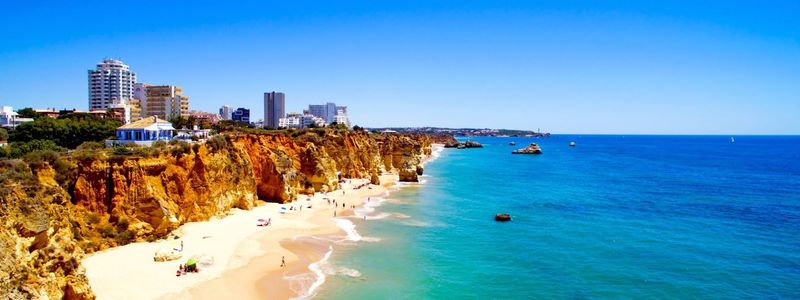
Portugal’s Algarve region sits at the southwestern tip of Europe, and driving its coastline reveals some of the continent’s most dramatic and photogenic scenery. The route connecting Faro westward through Lagos and on to Sagres passes a remarkable collection of golden limestone cliffs, hidden sea caves, and wide sandy beaches.
Lagos is a natural base for exploring the western Algarve, with easy access to beaches like Praia Dona Ana and Praia do Camilo, where weathered rock formations create natural frames around the turquoise water below. Sagres, at the far southwestern corner, feels genuinely remote and windswept, with a historic fortress where Portuguese explorers once planned their voyages.
Smaller villages away from the main resort strip offer a quieter side of the Algarve that many visitors miss entirely. Spring is an especially lovely time to drive the region, when wildflowers bloom along the clifftops and temperatures stay comfortable for exploring on foot.
15. The Peloponnese – Greece
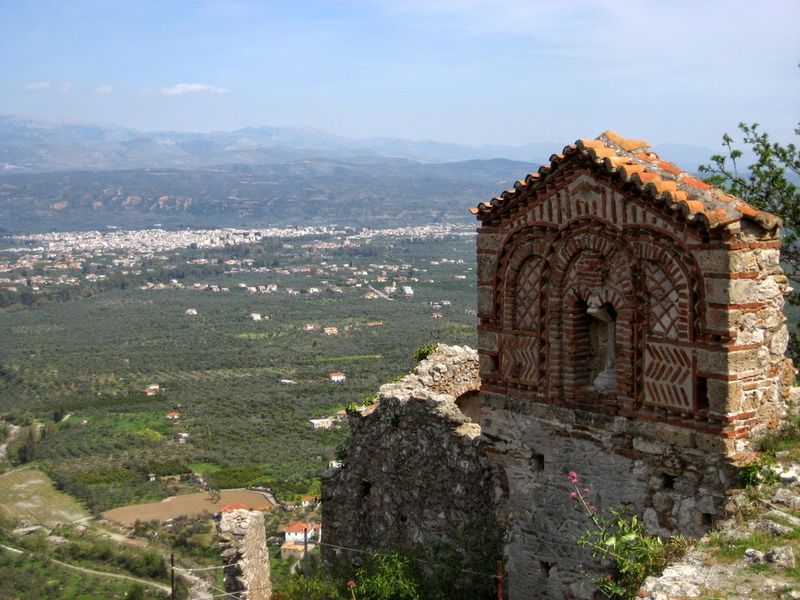
Hanging from mainland Greece like a giant leaf, the Peloponnese peninsula packs an astonishing amount of history, scenery, and culture into a relatively compact driving circuit. A loop around the peninsula can be completed in about a week, though two weeks allows for a far more satisfying pace.
Ancient Olympia, birthplace of the Olympic Games, and the Bronze Age citadel of Mycenae are must-see stops for history lovers. Nafplio, widely considered one of Greece’s most beautiful towns, offers elegant Venetian architecture and a hilltop castle overlooking the Argolic Gulf.
The Mani Peninsula, in the south, feels like a different world entirely, with its tower houses, barren landscapes, and deep sea caves.
Greek food along the route is outstanding, with fresh seafood, local olives, and honey among the regional highlights. Driving in the Peloponnese is generally straightforward, and the roads are far less crowded than those on the popular Greek islands.
Share this story