India has thousands of kilometers of coastline, mighty rivers, and a sprawling archipelago, yet most travelers stick to the same handful of well-known spots. The country quietly hides islands that range from ancient pilgrimage sites to coral-ringed atolls to river islands packed with living folk traditions.
Some of these places are a short ferry ride from a major city. Others require a permit, a bit of planning, and a willingness to trade crowd-heavy beaches for something far more rewarding.
This list covers fifteen Indian islands that genuinely deserve more attention, spread across Assam, Kerala, Goa, Karnataka, Lakshadweep, the Andamans, and Gujarat. Whether you are a nature lover, a culture seeker, or simply someone tired of overcrowded tourist traps, at least a few of these destinations should land on your travel radar.
Majuli Island, Assam
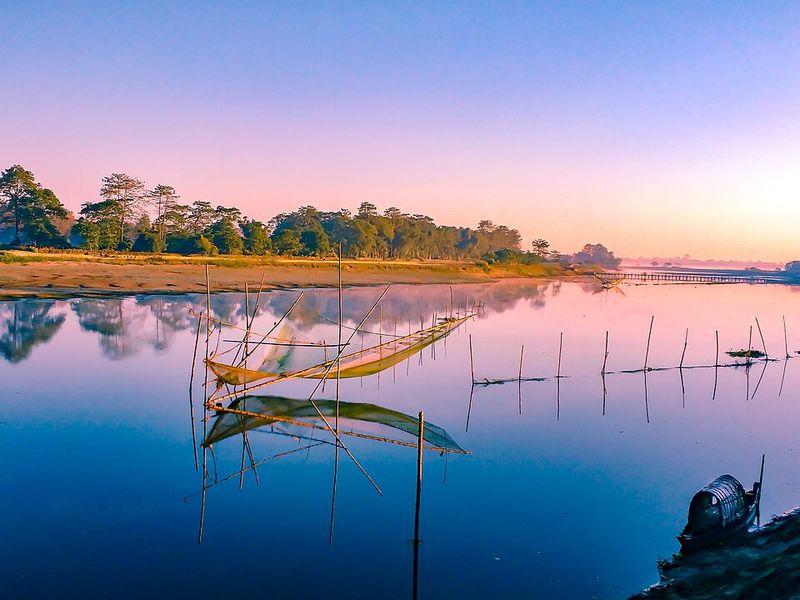
Not every island adventure requires a coastline. Majuli floats in the Brahmaputra River and holds the title of one of the world’s largest river islands, making it genuinely unlike anything else in India’s travel circuit.
Its real draw is cultural rather than scenic, though the rural landscape is striking on its own.
The island is home to satras, Vaishnavite institutions that have kept Sattriya dance, mask-making, theater, and religious art alive for centuries. Visitors can watch artisans work, observe traditional fishing, and cycle through villages where daily life moves at a rhythm that feels completely removed from urban India.
Assam Tourism recommends spending two or three days here rather than rushing through on a quick excursion. Regular ferries run from the Jorhat side, making the island accessible without requiring serious logistics.
November is the ideal time to visit, when Raas celebrations bring the island’s cultural traditions into full, vivid display.
Umananda Island, Assam
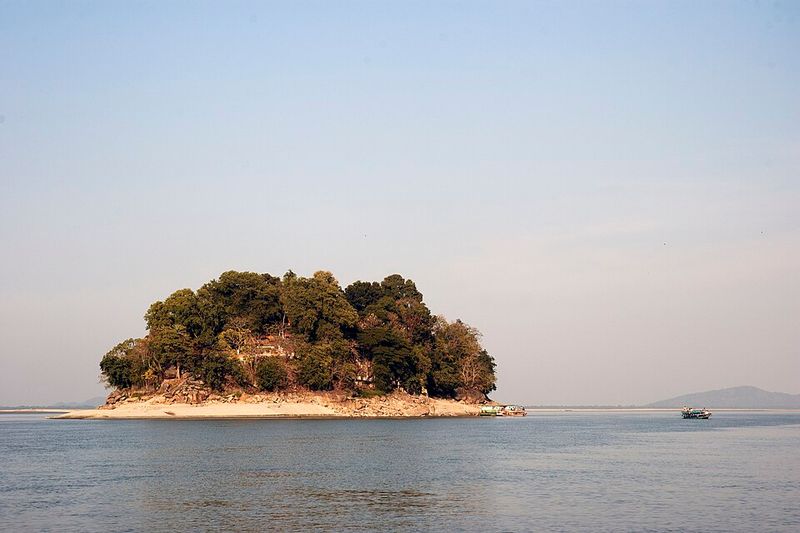
Sitting practically in the center of Guwahati, Umananda Island is one of those places that thousands of travelers pass without ever actually visiting. The Brahmaputra River surrounds it on all sides, and a short ferry ride from near Kachari Ghat is all it takes to reach a setting that feels surprisingly removed from the city’s noise.
The island is home to the historic Umananda Temple, dedicated to Shiva and believed to be among the smallest inhabited river islands in the world. Climbing through the wooded terrain, watching river traffic move below, and looking back at Guwahati from across the water gives the visit a perspective that no rooftop restaurant or city viewpoint can replicate.
Ordinary weekdays offer a genuinely quiet experience, while Maha Shivratri draws large crowds of devotees. Assam Tourism confirms the island works well as a half-day or full-day trip without requiring an overnight stay or complicated planning.
Munroe Island, Kerala
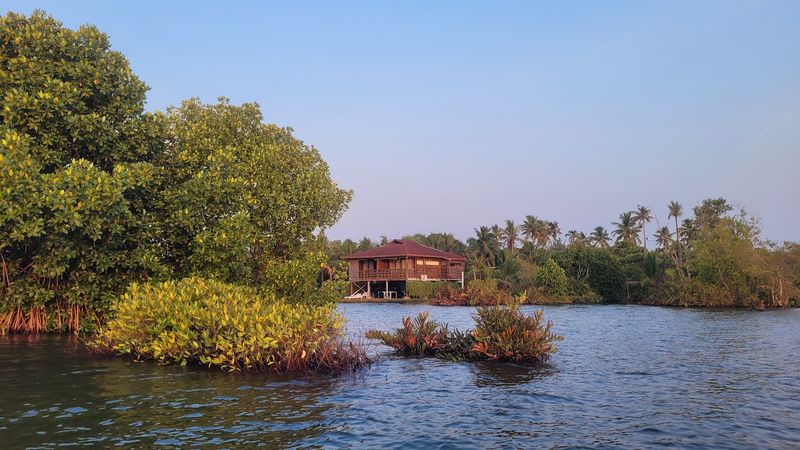
Kerala’s backwater tourism tends to revolve around large houseboats on Vembanad Lake, but Munroe Island offers a version of the backwater experience that is quieter, more intimate, and arguably more authentic. Located where Ashtamudi Lake meets the Kallada River in Kollam district, the island is a network of narrow canals, wetlands, coconut groves, and traditional homes.
Small canoe journeys are the highlight here because they access waterways that larger tourist boats simply cannot enter. Along the way, visitors often encounter coir production, traditional fishing, and a style of waterside village life that has remained relatively unchanged for generations.
Kerala Tourism actively promotes Munroe Island as a backwater destination and specifically highlights its canal cruises, cultural heritage, and calm landscapes. It suits travelers who want the Kerala backwater experience without making a commercial houseboat the centerpiece.
Staying overnight in a village homestay rather than rushing through on a day trip gives the place a chance to reveal its slower, quieter character.
Vypin Island, Kerala
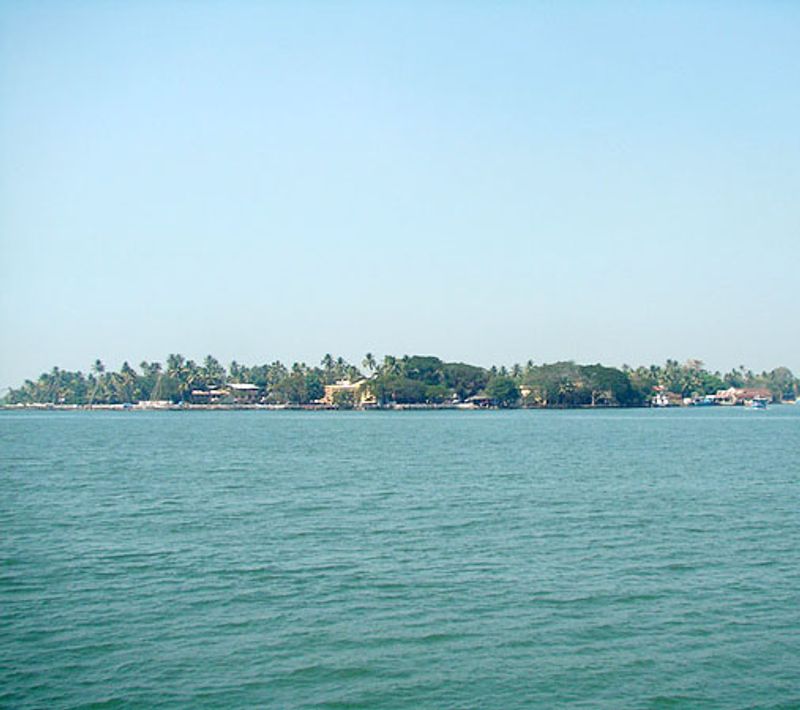
Vypin sits just across the water from Kochi, connected by bridges and ferries, yet it manages to feel like a different world once you move beyond its main roads. The island stretches along Kerala’s coast and combines fishing villages, backwaters, coconut groves, and sandy beaches in a way that feels organic rather than packaged for tourists.
Cherai Beach is Vypin’s best-known attraction, a broad sandy stretch where the Arabian Sea and the backwaters lie remarkably close to each other. Kerala Tourism also lists accommodations and community-based experiences on the island, making it practical for an overnight stay rather than just a quick beach excursion.
Exploring smaller villages north of Cherai reveals the slower pace of coastal Kerala that most day-trippers miss entirely. The island’s easy accessibility from Kochi makes it one of the more practical choices on this list, especially for travelers who want a genuine local experience without committing to a long journey.
Divar Island, Goa
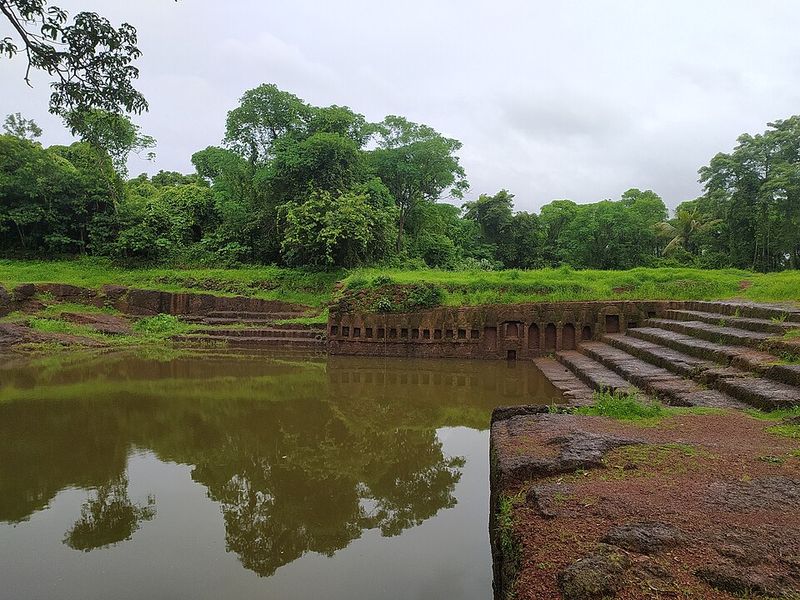
Goa’s quieter side does not require a long drive south or a search for hidden beach access. Divar Island is right there in the Mandovi River waterways near Old Goa, trading beach clubs and souvenir stalls for Portuguese-influenced architecture, rice fields, churches, and village lanes that feel genuinely lived-in.
The island’s most celebrated cultural event is Bonderam, a colorful festival featuring flags, parades, floats, music, and community performances. Goa’s Department of Tourism supported the 2025 celebration and described Divar specifically as a place of history, tradition, and community culture.
Getting there by ferry is part of the experience, and cycling or walking around the island is far more rewarding than rushing between sights by vehicle. The appeal comes less from any single blockbuster attraction and more from the cumulative feeling of a part of Goa still connected to everyday village rhythms.
It works particularly well as a slow, unscheduled day trip.
Chorao Island, Goa
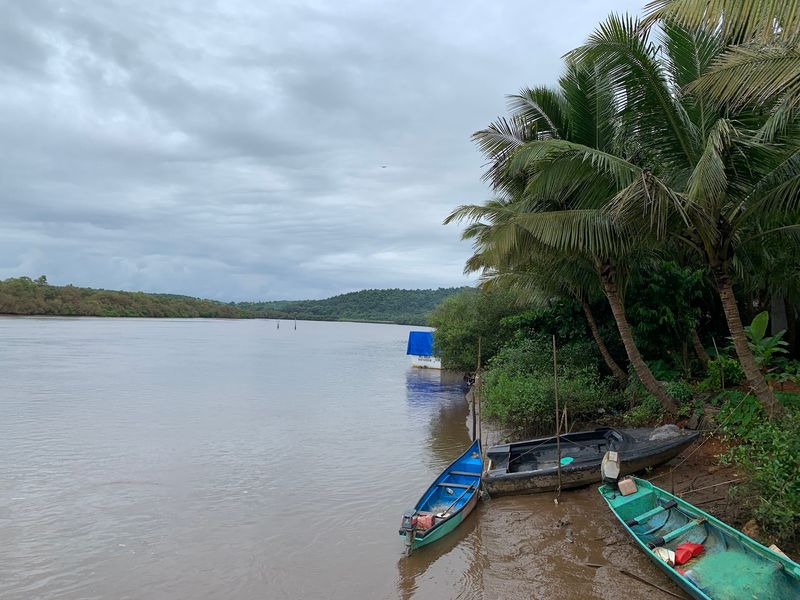
Chorao is proof that Goa’s river islands each have their own personality. Away from the coastal resort strip, this island combines old village roads, churches, farmland, and mangrove habitat associated with the Salim Ali Bird Sanctuary, a protected wetland area that draws birdwatchers and nature-focused travelers.
Goa Tourism has incorporated cycling experiences through Chorao into its tourism programming, and an official tourism delegation explored the island’s backwaters by boat as part of a broader regional initiative. That kind of institutional recognition reflects a genuine effort to position Chorao as an alternative for visitors who have already checked off Panaji, Old Goa, and the major beaches.
Early mornings are the best time to arrive, when village lanes are still quiet and bird activity around the wetlands peaks. A bicycle is the ideal way to cover the island at a pace that allows for spontaneous stops along the way.
Chorao rewards curiosity more than it rewards rushing.
St. Mary’s Island, Karnataka
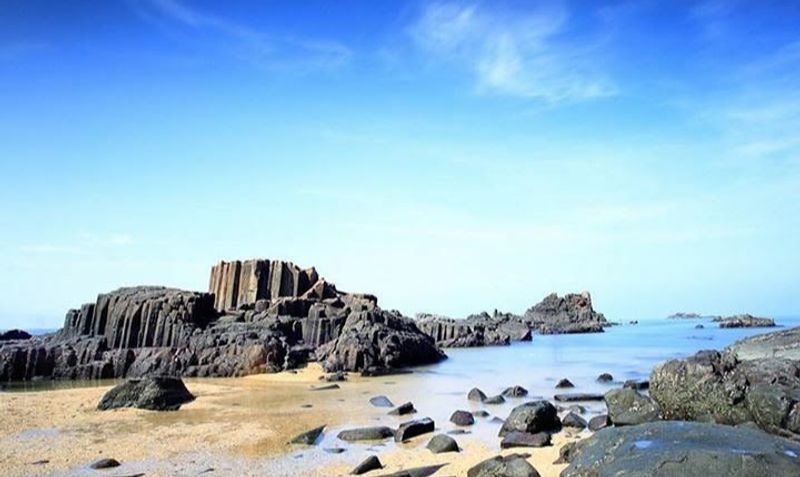
Few places along India’s western coastline look quite as otherworldly as St. Mary’s Island. The small island group off Malpe is defined by striking geometric basalt columns formed by ancient volcanic activity, a geological feature that Karnataka Tourism identifies as the island’s primary attraction and one of the more unusual natural sights in the country.
Visitors arrive by ferry from the Malpe area and spend their time walking along the shore, photographing the rock formations, and taking in the coastal scenery. There are no permanent tourist accommodations on the island, so this is entirely a day-trip destination with no option to extend into an overnight stay.
One practical note worth knowing before planning: ferry access is seasonal and depends on sea conditions, generally operating from around October through May and pausing during the monsoon period. Confirming boat departures locally before making the trip is strongly recommended rather than assuming ferries run year-round.
Netrani Island, Karnataka
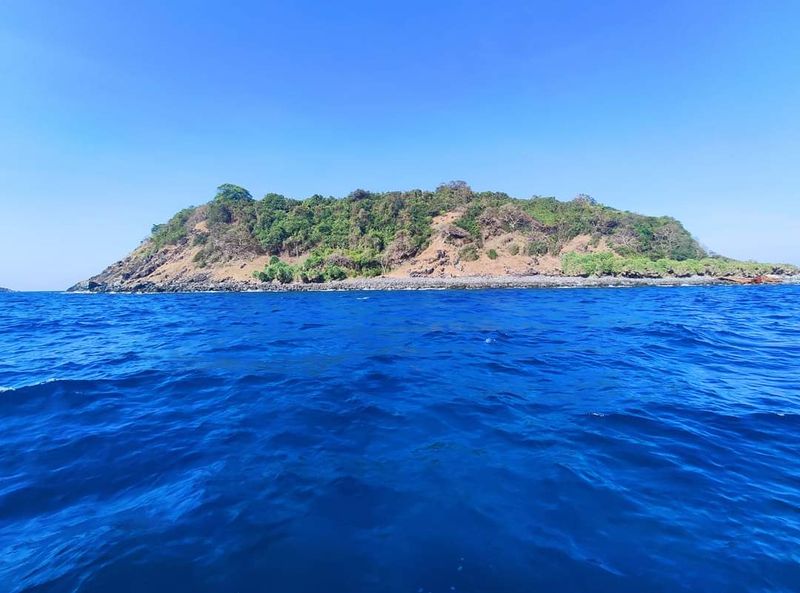
Seen from above, Netrani Island has a distinctive heart shape floating in the Arabian Sea about 19 kilometers off Murudeshwar. From underwater, the real reason people make the trip becomes obvious.
Karnataka Tourism highlights the island’s coral habitat and documented marine life, which includes butterflyfish, parrotfish, triggerfish, barracuda, moray eels, lionfish, and sea cucumbers.
This is not a destination where you lay on a beach all afternoon. The experience centers almost entirely on what exists beneath the water’s surface, making it one of Karnataka’s recognized scuba diving and snorkeling destinations.
Divers generally travel on organized boat excursions from the mainland rather than staying on Netrani itself.
Weather and sea conditions control access, so confirming seasonal operations with an authorized dive operator before traveling is essential. The island does not offer independent access or facilities for casual visitors.
Serious snorkelers and certified divers willing to plan ahead will find Netrani genuinely rewarding in a way that few Karnataka coastal spots can match.
Agatti Island, Lakshadweep
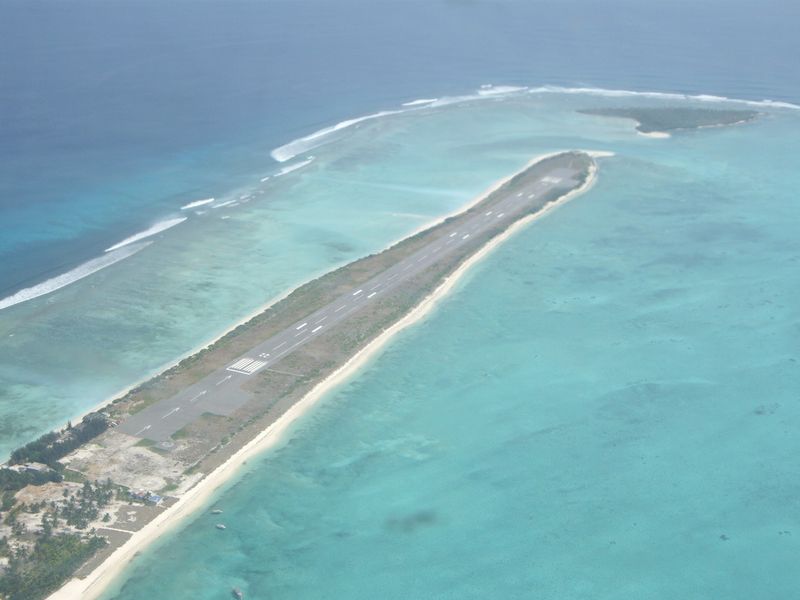
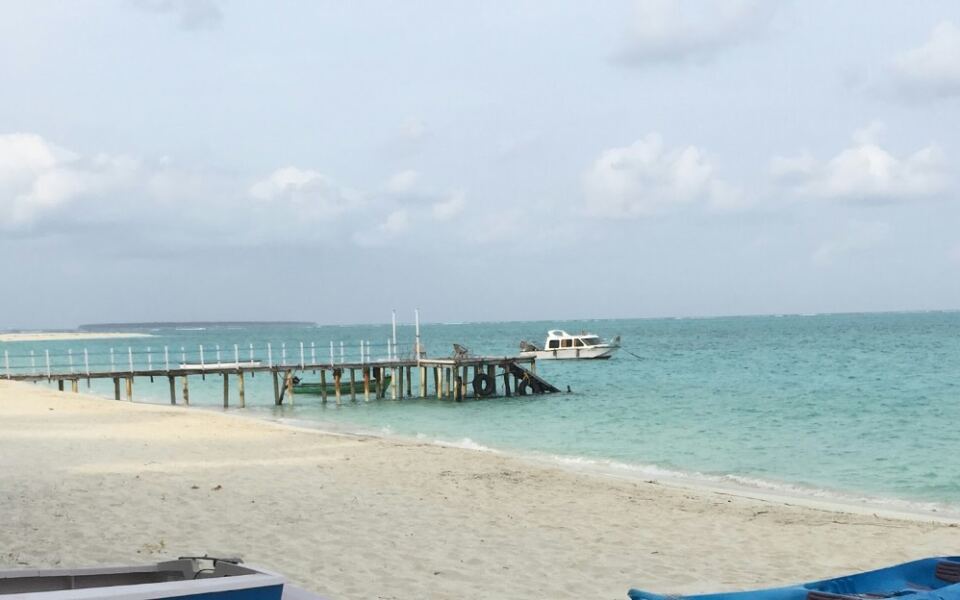
Agatti delivers the kind of tropical island scenery that most travelers only see in photographs. Coconut palms, pale sand, shallow coral reefs, and water shifting between shades of turquoise make up the visual backdrop of this Lakshadweep island, which also happens to be one of the archipelago’s most accessible entry points.
Agatti contains Lakshadweep’s only airport, making it a principal gateway for visitors flying into the island group. India’s Ministry of Tourism identifies it among the archipelago’s major visitor destinations and confirms that diving facilities are available on Agatti and several neighboring islands.
Tourism here is deliberately limited compared with India’s mainland beach destinations. Entry to Lakshadweep is regulated, and appropriate permits along with confirmed accommodation arrangements are required before travel.
The reward for that extra planning is an environment that remains dramatically less developed than almost any famous Indian beach resort. Travelers who handle logistics carefully will find Agatti genuinely worth the effort.
Kadmat Island, Lakshadweep
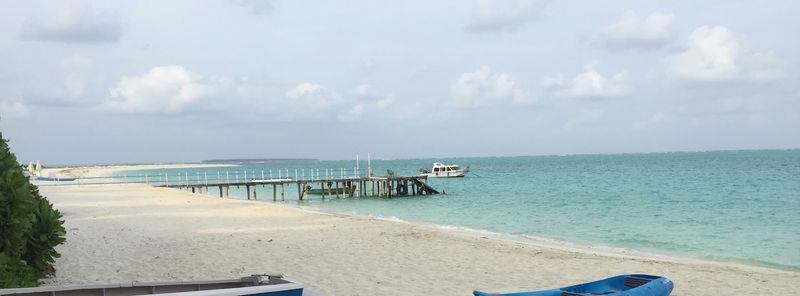
Kadmat has a shape that makes it easy to remember: long, narrow, and flanked on both sides by lagoon water so clear that boats appear to float above the seabed rather than through it. That visual quality is part of why the island has become one of Lakshadweep’s established destinations for snorkeling, kayaking, and diving.
The official Society for Promotion of Nature Tourism and Sports, operated in association with the Lakshadweep Administration, currently lists Kadmat among the islands where it runs tourism facilities. Government tourism material also identifies it as one of the archipelago’s main diving destinations, and it appears on ship-tour itineraries for island visitors.
Because Lakshadweep controls visitor numbers and access carefully, arriving without prior planning is not an option. Permits, transportation, and accommodation all need to be arranged in advance.
That controlled access is also what keeps Kadmat free from the overcrowding that affects popular beach destinations elsewhere in India, which is the entire point of visiting.
Minicoy Island, Lakshadweep
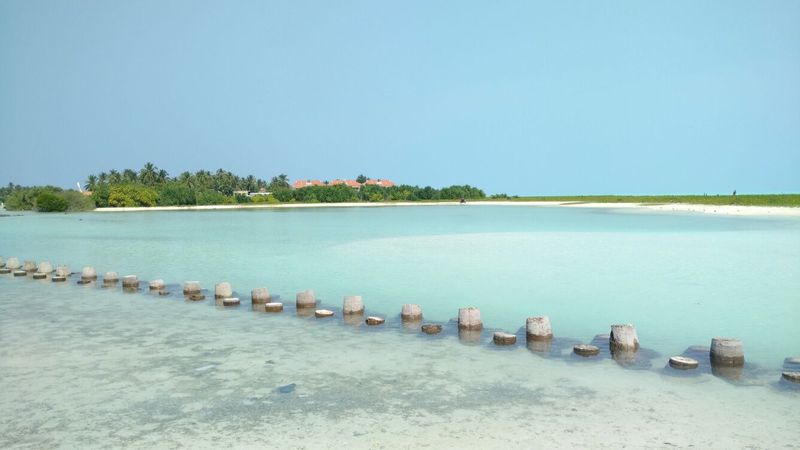
Minicoy occupies the southern end of the Lakshadweep archipelago and carries a cultural identity that sets it apart from the islands further north. Its maritime traditions, distinctive local customs, lagoon environment, and coconut-covered landscape give travelers something to engage with beyond beaches and water sports.
Lakshadweep’s official SPORTS tourism organization lists Minicoy among the islands where it operates tourist accommodation and includes it in ship-based itineraries alongside Kalpeni and Kavaratti. The surrounding lagoon makes water activities a natural focus, but spending time observing local island life adds a dimension that purely resort-style travel rarely offers.
Travelers planning a visit need the required Lakshadweep entry permit and should arrange travel through recognized channels. Sea transportation can be affected by weather, particularly during rough monsoon conditions, so timing matters.
Minicoy rewards travelers who approach it with genuine curiosity about island culture rather than those simply searching for another beach to photograph and move on from quickly.
Kavaratti Island, Lakshadweep
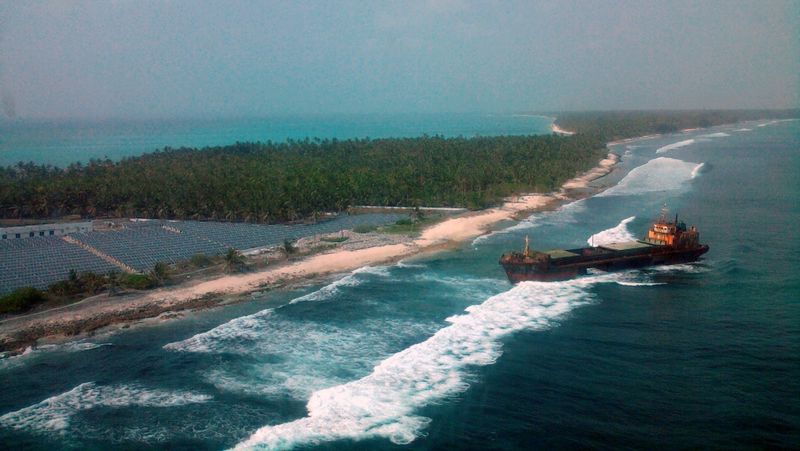
Kavaratti may serve as the administrative capital of Lakshadweep, but do not let the government designation mislead you into expecting a busy city. The island is remarkably compact, and its atmosphere is shaped far more by lagoon scenery, coral environments, and quiet beach stretches than by any urban energy.
India’s Ministry of Tourism identifies Kavaratti as Lakshadweep’s headquarters and one of the archipelago’s main attractions. The Lakshadweep SPORTS organization operates tourism facilities there and includes Kavaratti in its island packages, making it one of the more logistically accessible islands in the group.
Kayaking, snorkeling, scuba diving, and lagoon trips can all fit into a stay, giving visitors a reasonable range of activities without needing to island-hop extensively. The permit system and transport arrangements still apply, so planning ahead remains non-negotiable.
For travelers who want tropical scenery paired with the mild novelty of visiting an island capital, Kavaratti offers a combination that is genuinely hard to find elsewhere in India.
Swaraj Dweep, Andaman and Nicobar Islands
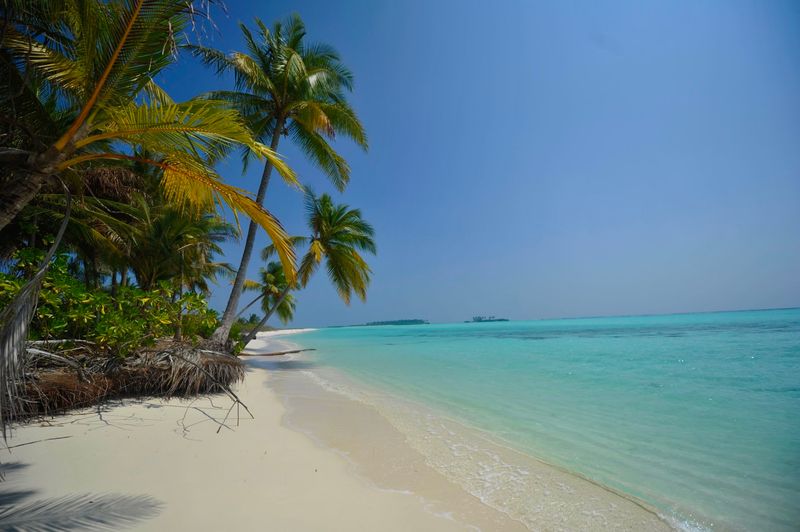
Radhanagar Beach on Swaraj Dweep gets most of the attention, and for understandable reasons. But travelers who stop there and consider the island fully explored are leaving a lot on the table.
Swaraj Dweep, formerly known as Havelock Island, has several distinct beach stretches and forested areas that most visitors skip entirely.
Elephant Beach can be reached by boat or through a forest trek and offers snorkeling conditions that differ noticeably from Radhanagar. Govind Nagar, Vijay Nagar Beach, and Kala Pathar Beach each have their own character, from dark volcanic sand to sheltered coves.
The Andaman tourism administration documents trekking access, swimming areas, beach facilities, and water sports activities across the island.
Regular government and private ferries connect Swaraj Dweep with Sri Vijaya Puram, formerly Port Blair. The tourism department advises booking ferry tickets in advance, particularly during peak travel periods.
Arriving without a confirmed return ticket during busy season is a risk not worth taking.
Shaheed Dweep, Andaman and Nicobar Islands
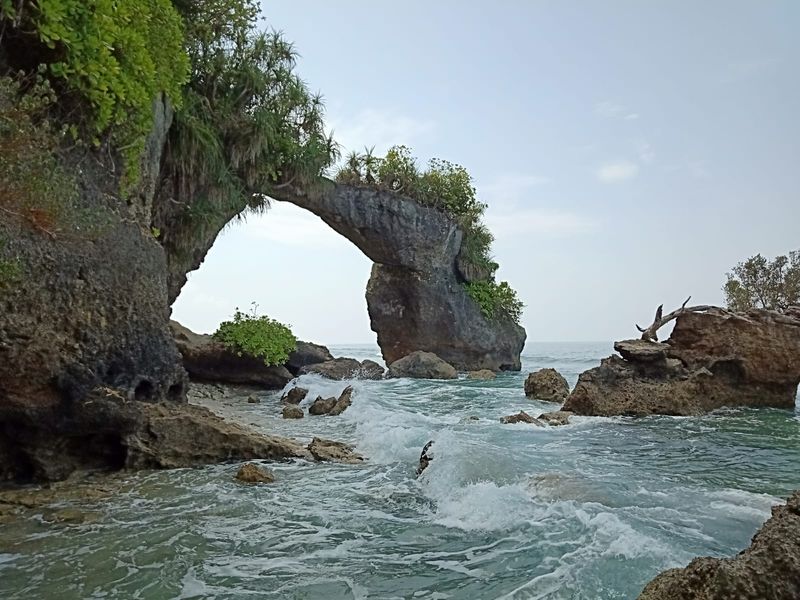
Shaheed Dweep, formerly called Neil Island, operates at a noticeably different pace than its larger neighbor Swaraj Dweep. The island is compact enough that bicycles and scooters are genuinely practical for getting around, and its beaches are spread across a small enough area that a single day can cover several without feeling rushed.
Travelers come for tropical beaches, reef-filled waters, snorkeling, cycling, and an atmosphere that encourages slowing down rather than ticking off attractions. The territorial tourism department lists accommodation on Shaheed Dweep, and both government and private ferries regularly connect the island with Sri Vijaya Puram and Swaraj Dweep.
Spending a full day moving slowly between beaches rather than commuting between islands is one of the more satisfying ways to experience the Andamans. The smaller scale also means fewer crowds at most spots outside of peak season.
Visitors looking for an Andaman experience with a genuinely unhurried rhythm will find Shaheed Dweep fits that description well.
Bet Dwarka, Gujarat
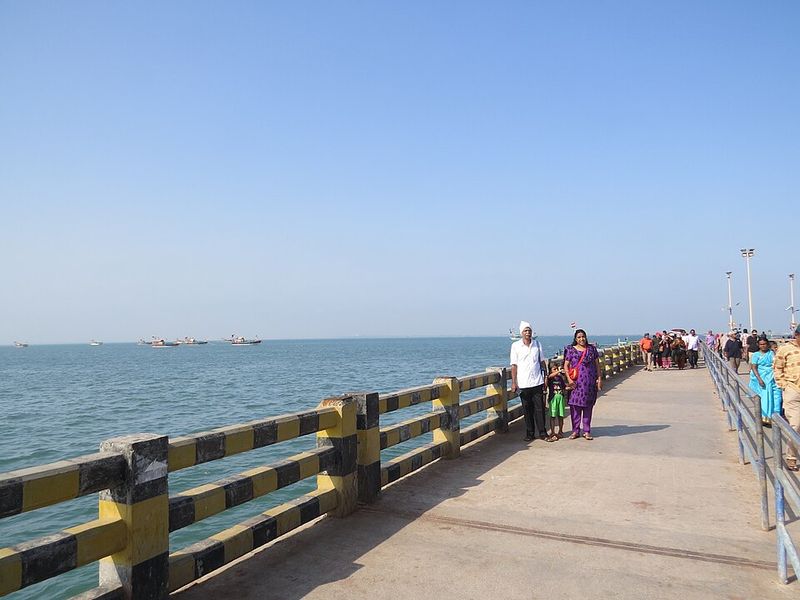
India’s overlooked islands are not limited to the tropical south, and Bet Dwarka makes that point clearly. Sitting off Gujarat’s western coast in the Arabian Sea, the island carries deep historical and religious significance tied to traditions surrounding Krishna, making it a destination with layers beyond its coastal setting.
The island is home to a major temple complex along with several smaller religious sites. Gujarat Tourism identifies Bet Dwarka as an established visitor attraction and notes that the opening of Sudarshan Setu in 2024 created a direct bridge connection from the Okha side, dramatically improving access compared with what ferry-only travel previously required.
Travelers frequently combine Bet Dwarka with nearby Dwarka, Nageshwar Jyotirlinga, and other coastal attractions in the region. Allowing extra time on the island rather than treating it as a brief pilgrimage stop makes a meaningful difference.
The bridge has made that kind of relaxed visit far more practical than it was just a few years ago.
Share this story