India is home to some of the world’s most remarkable ancient sites, many of which have stood for thousands of years. From rock-cut caves decorated with breathtaking paintings to grand temples built without modern machinery, these places tell the story of human creativity and faith.
Visiting them feels like stepping back in time, and the best part is that you can still explore them today. Whether you are a history enthusiast or simply curious, these 15 incredible wonders are waiting to be discovered.
1. Ajanta Caves, Maharashtra
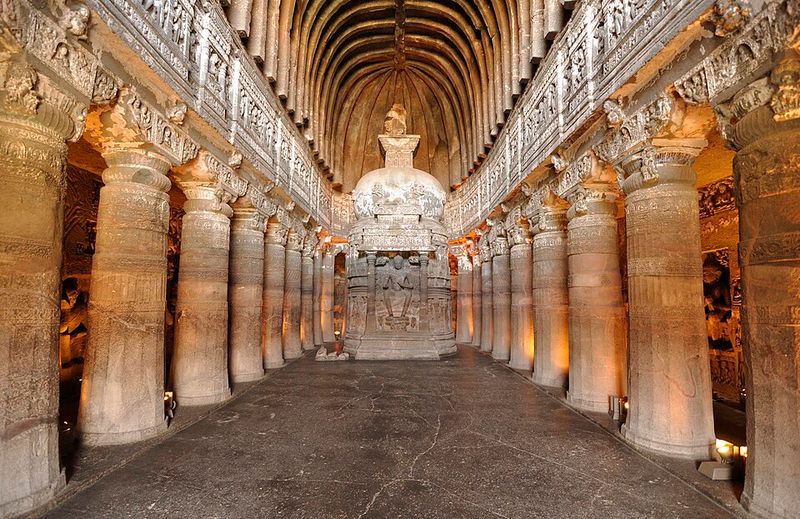
Carved into a horseshoe-shaped cliff over 2,000 years ago, the Ajanta Caves are one of the most jaw-dropping artistic achievements in human history. Hidden deep in a forested ravine in Maharashtra, these 30 rock-cut caves were rediscovered by a British officer in 1819 after centuries of being lost to the world.
Inside, you will find detailed wall paintings and sculptures depicting the life of the Buddha, everyday court scenes, and stories from ancient Indian literature. The colors used in these paintings were made from natural minerals, yet they have survived remarkably well.
Visitors are advised to go early in the morning to avoid crowds and bring a small flashlight to see the artwork more clearly. The caves are a UNESCO World Heritage Site, and entry fees are modest.
Plan at least half a day to explore them properly.
2. Ellora Caves, Maharashtra
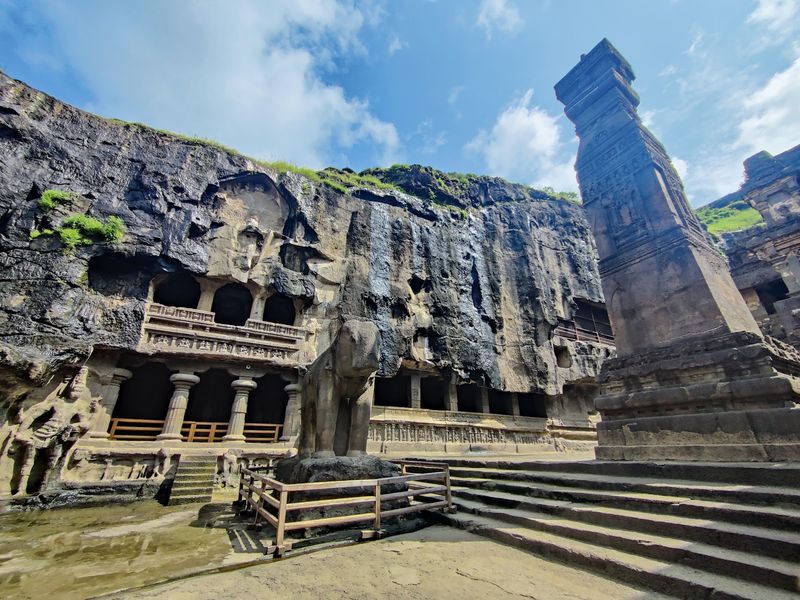
Imagine carving an entire temple out of a single mountain. That is exactly what ancient craftsmen did at Ellora, creating the Kailasa Temple, one of the largest rock-cut structures ever built.
Workers chiseled downward through the rock, removing an estimated 200,000 tons of stone to reveal this magnificent shrine dedicated to Lord Shiva.
Ellora is unique because it features 34 caves representing three religions: Buddhism, Hinduism, and Jainism, all built between the 6th and 11th centuries. Walking through them gives you a rare window into how different faiths coexisted and influenced each other in ancient India.
The site is located about 30 kilometers from Aurangabad city, making it easy to reach by road. Unlike Ajanta, Ellora caves are open-air, so natural light fills most spaces.
Visit on a weekday for a more peaceful experience and bring comfortable walking shoes.
3. Sanchi Stupa, Madhya Pradesh
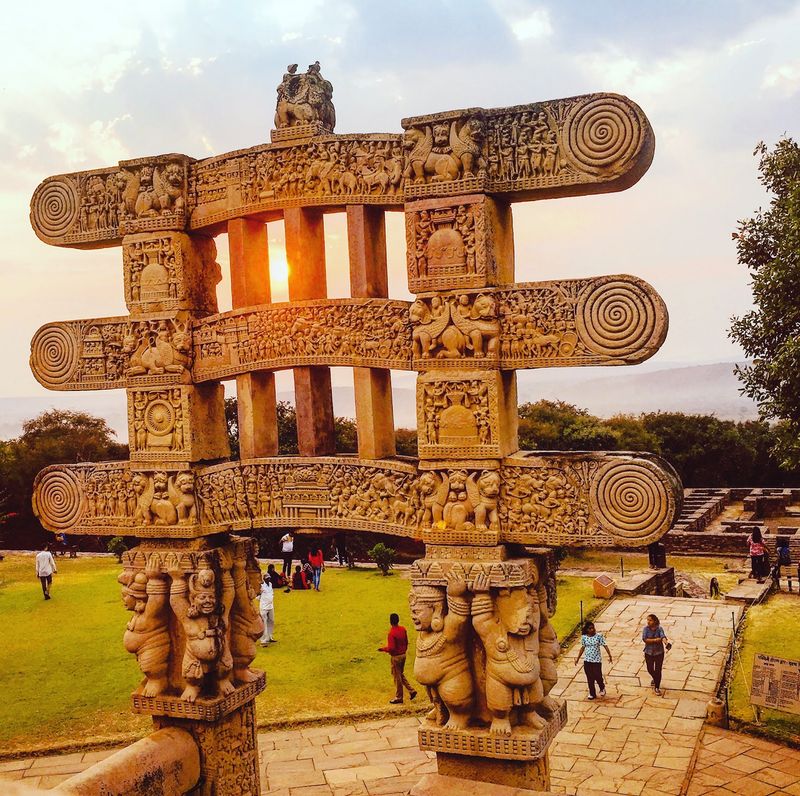
Standing quietly on a hilltop in Madhya Pradesh, the Great Stupa at Sanchi is one of the oldest stone structures in India. Emperor Ashoka ordered its construction in the 3rd century BCE to enshrine relics of the Buddha, and it has been a place of pilgrimage ever since.
What makes Sanchi truly special are its four elaborately carved gateways, called toranas. Each gateway is covered with scenes from the life of the Buddha and stories from ancient Indian folklore.
The craftsmanship is so detailed that historians have spent decades studying every panel.
Sanchi is located about 46 kilometers from Bhopal and is easily accessible by train or road. The Archaeological Museum on-site houses original sculptures and artifacts found during excavations.
Entry is affordable, and the peaceful hilltop setting makes it a great spot for photography and quiet reflection.
4. Rock Shelters of Bhimbetka, Madhya Pradesh
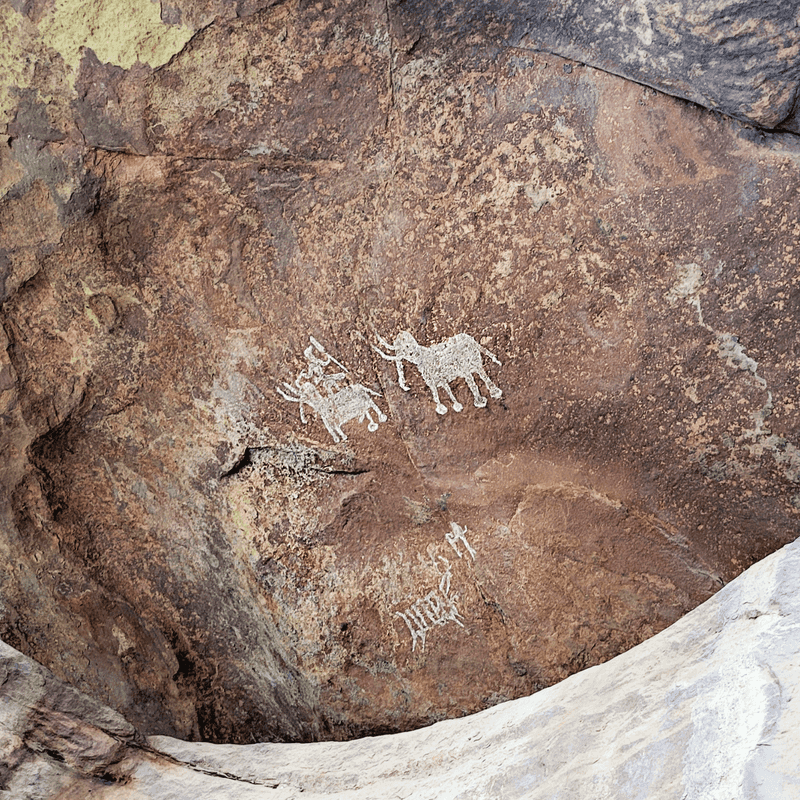
Long before cities, temples, or written language existed, early humans lived in the rocky hills of central India and left behind something extraordinary. The Rock Shelters of Bhimbetka contain paintings that are over 30,000 years old, making them among the oldest known examples of human art anywhere on Earth.
Spread across forested sandstone hills, the site features more than 700 rock shelters. About 400 of them have paintings showing animals like bison, tigers, and elephants, along with hunting scenes and early forms of dancing.
Looking at these images, you get a genuine sense of connection to our distant ancestors.
Located about 45 kilometers south of Bhopal, the site is accessible by road. A guided tour is highly recommended, as the painted shelters are scattered and easy to miss without help.
The surrounding forest adds a wild, adventurous feel to the visit that families especially enjoy.
5. Mahabodhi Temple Complex, Bihar
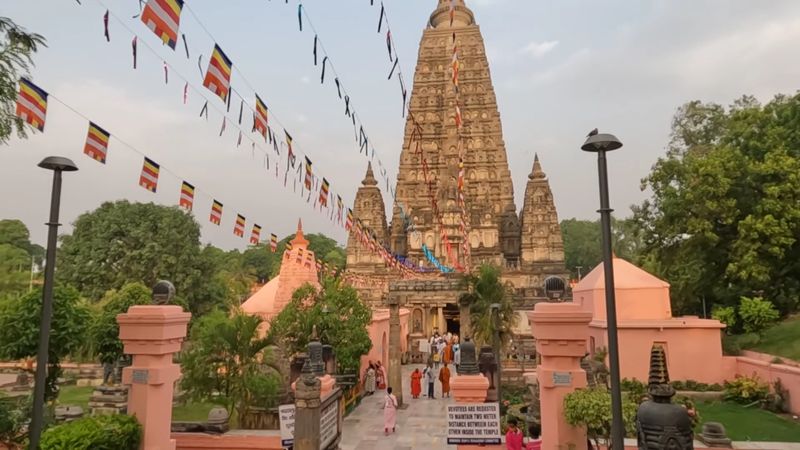
Few places on Earth carry as much spiritual weight as Bodh Gaya in Bihar, where Siddhartha Gautama attained enlightenment under a Bodhi tree and became the Buddha. The Mahabodhi Temple, built around the 5th century CE, marks this sacred spot and draws millions of pilgrims and tourists from around the world every year.
The temple’s towering pyramidal spire rises about 55 meters high and is one of the best-preserved examples of early Indian brick architecture. A descendant of the original Bodhi Tree still grows beside the temple, and monks from many countries meditate quietly in the surrounding gardens.
Bodh Gaya is well connected to Gaya city, which has a major railway station and airport. The complex is open from early morning, and sunrise visits are especially serene.
Respectful clothing is required, and removing shoes before entering the temple grounds is a must.
6. Elephanta Caves, Maharashtra
Just a short ferry ride from the bustling city of Mumbai lies a world that feels centuries away. Elephanta Island is home to a group of rock-cut cave temples dedicated to Lord Shiva, carved between the 5th and 8th centuries CE.
The boat journey itself is half the fun, offering great views of Mumbai harbor.
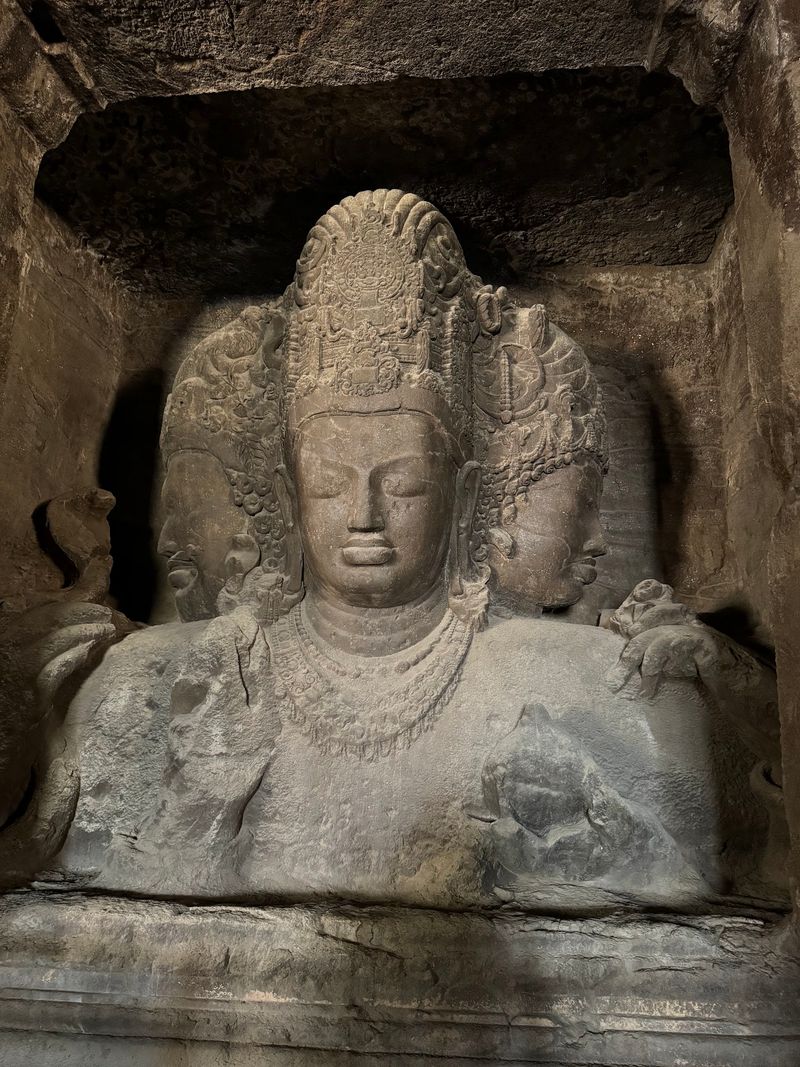
The highlight of the caves is the enormous Trimurti sculpture, a three-faced depiction of Shiva that stands nearly six meters tall. Each face represents a different aspect of the deity: creator, preserver, and destroyer.
Art historians consider it one of the finest examples of ancient Indian sculpture anywhere in the world.
Ferries depart from the Gateway of India in Mumbai and the trip takes about an hour. The caves are a UNESCO World Heritage Site and are open every day except Monday.
Wear comfortable shoes because the path from the dock to the caves involves a short uphill climb.
7. Mahabalipuram Monuments, Tamil Nadu
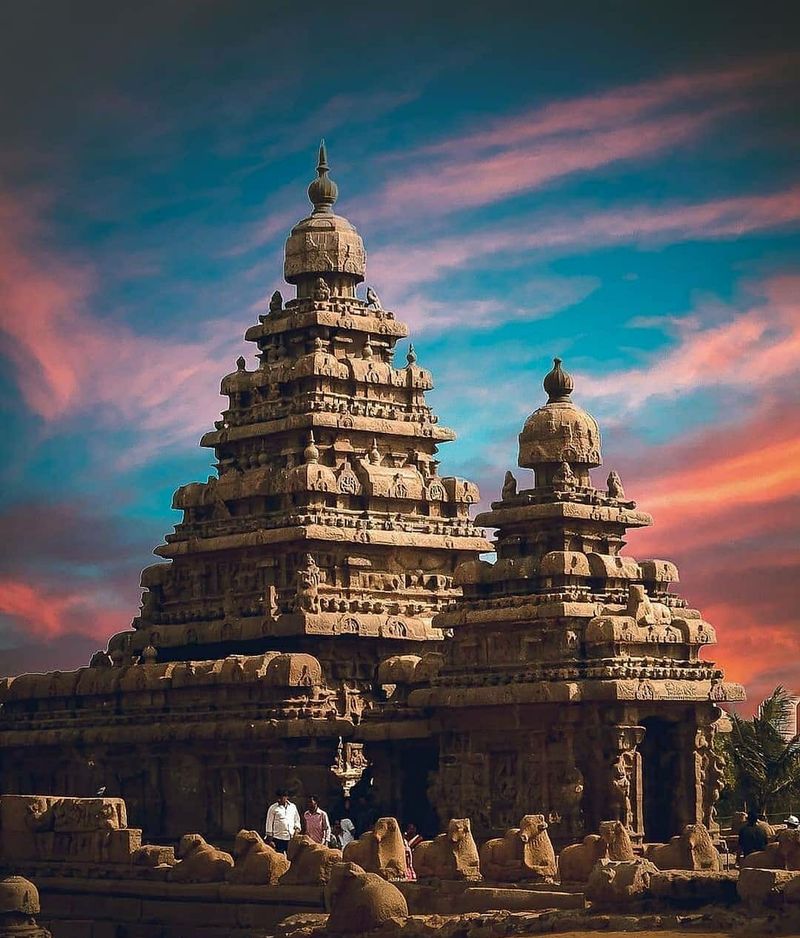
Perched right on the edge of the Bay of Bengal, the monuments of Mahabalipuram feel like they were built to impress the sea itself. This coastal town in Tamil Nadu was once a thriving port city of the Pallava dynasty, and the structures left behind from the 7th and 8th centuries are nothing short of extraordinary.
The Shore Temple, standing dramatically against the ocean backdrop, is one of the oldest structural temples in South India. Nearby, the Pancha Rathas are five monolithic temple chariots, each carved from a single rock and dedicated to the Pandava brothers from the Mahabharata.
The massive open-air bas-relief known as Arjuna’s Penance is also here, covering an entire cliff face with hundreds of carved figures.
Mahabalipuram is about 60 kilometers from Chennai and easily reachable by road. The site is a UNESCO World Heritage Site, and the sea breeze makes exploring it especially refreshing during cooler months.
8. Pattadakal Monuments, Karnataka
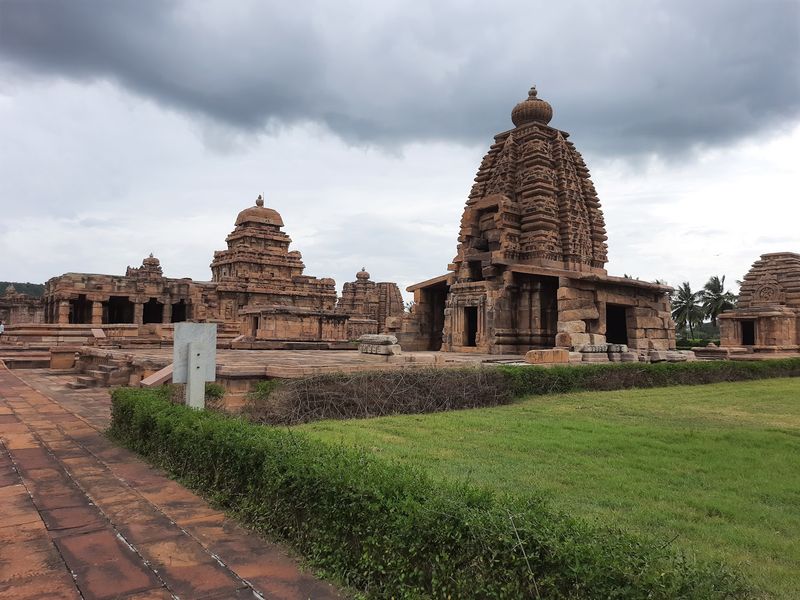
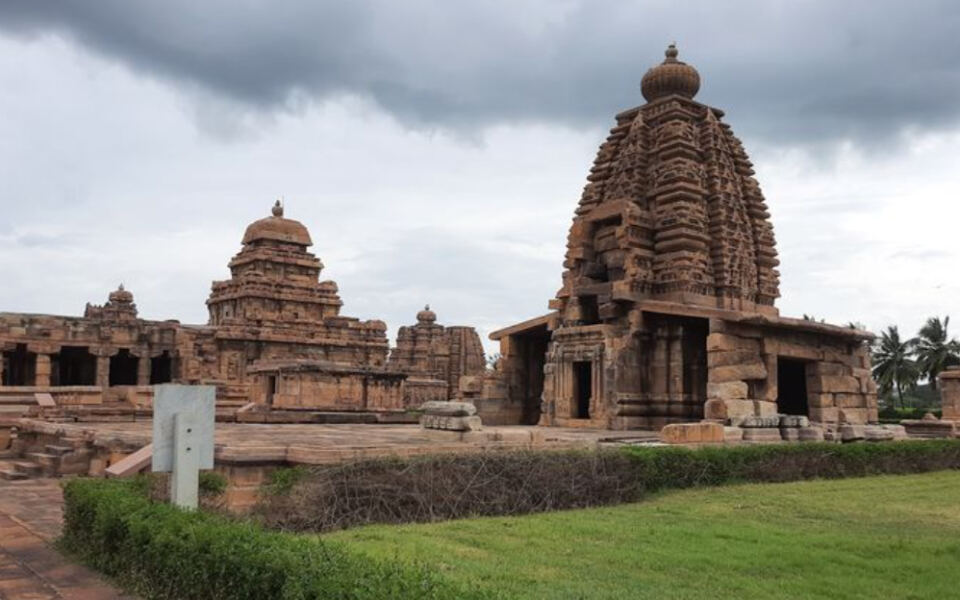
Tucked away on the banks of the Malaprabha River in northern Karnataka, Pattadakal is a quiet town that once served as the coronation site for the powerful Chalukya kings. The group of monuments here, built between the 7th and 9th centuries, represents a fascinating blend of North Indian and South Indian architectural styles.
There are ten major temples at the site, and the Virupaksha Temple is the crown jewel. Built to commemorate a military victory, it features beautifully carved panels illustrating scenes from the Ramayana and Mahabharata.
Walking through the complex, you can clearly see how two distinct architectural traditions merged seamlessly in this one remarkable location.
Pattadakal is located near Badami and is best visited as part of a combined trip with Aihole and Badami. The site is a UNESCO World Heritage Site.
Entry fees are low, and hiring a local guide helps bring the carvings and history to life in a meaningful way.
9. Badami Cave Temples, Karnataka
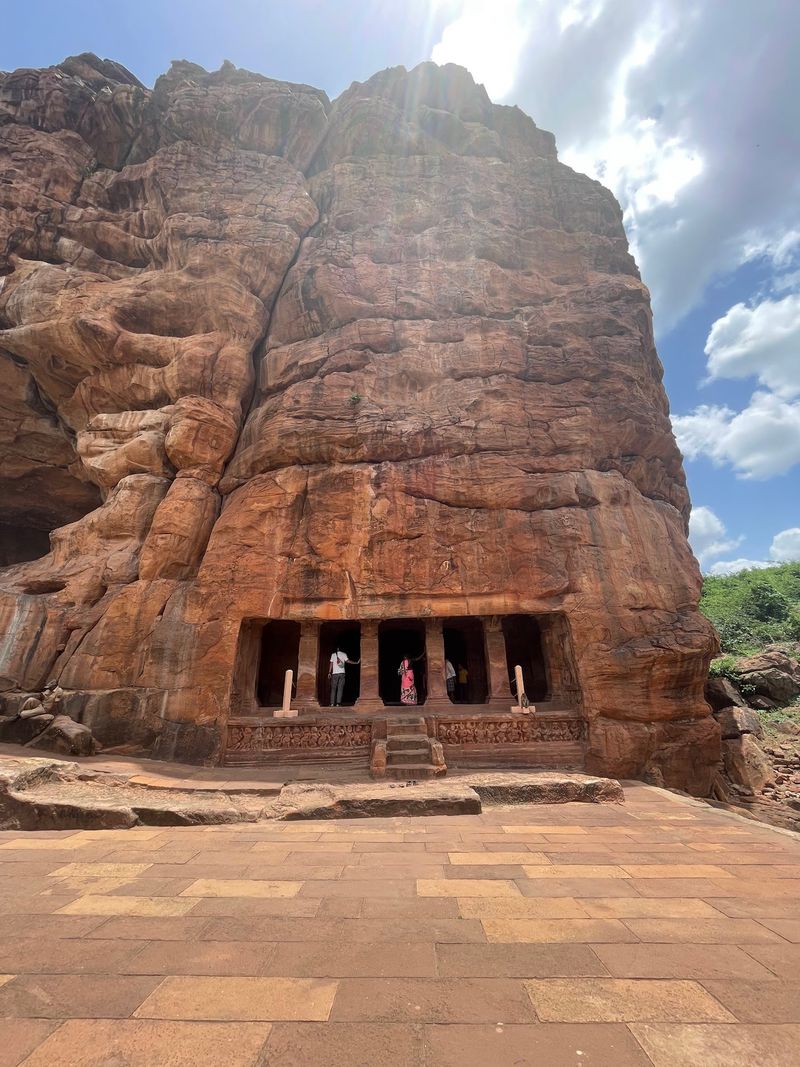
Red sandstone cliffs rise dramatically above a green lake in the town of Badami, and carved right into those cliffs are four remarkable cave temples that date back to the 6th century CE. Built by the early Chalukya rulers, these caves represent some of the earliest examples of rock-cut architecture in South India.
Each of the four caves is dedicated to a different tradition: three are Hindu and one is Jain. Cave 3 is the largest and most impressive, featuring detailed carvings of Vishnu in various forms, including the famous 18-armed Nataraja dancing image.
The craftsmanship is incredibly precise considering the tools available at the time.
Badami is well connected to Hubli and Bijapur by road and rail. The climb up to the caves involves some steps, but the panoramic view of the lake and surrounding fort from the top is absolutely worth the effort.
Visit early to beat the midday heat.
10. Nalanda Mahavihara, Bihar
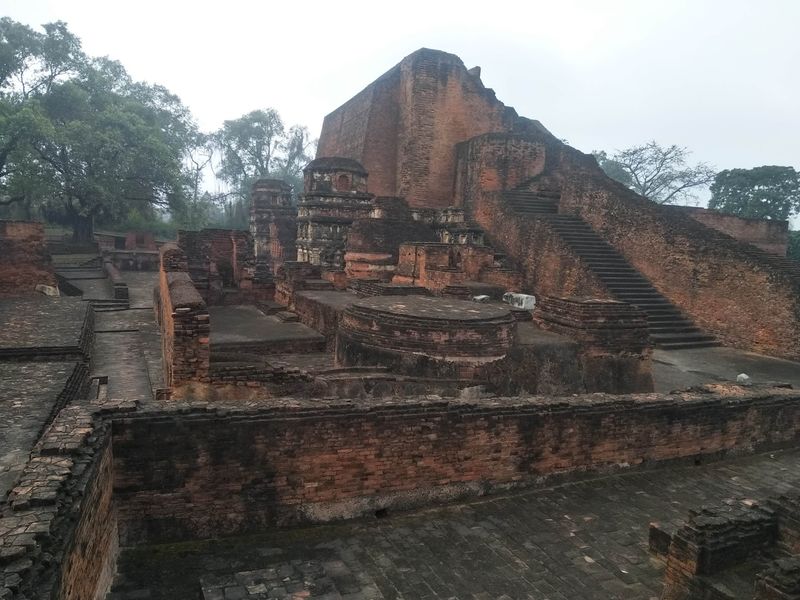
For nearly 800 years, Nalanda was the greatest center of learning in the ancient world. At its peak, this university in Bihar attracted over 10,000 students and scholars from China, Korea, Japan, Persia, and across India.
Subjects taught here included philosophy, medicine, mathematics, and astronomy, long before many European universities even existed.
The site was tragically destroyed in the 12th century, but the extensive red brick ruins that remain are still deeply impressive. Walking through the excavated monastery cells, lecture halls, and temples gives you a real sense of the intellectual energy that once filled this place.
A modern museum nearby houses artifacts and provides helpful historical context.
Nalanda is located about 90 kilometers from Patna and is easily accessible by road. It became a UNESCO World Heritage Site in 2016.
Combining a visit here with nearby Rajgir makes for an excellent full-day cultural trip through ancient Bihar.
11. Khajuraho Group of Monuments, Madhya Pradesh
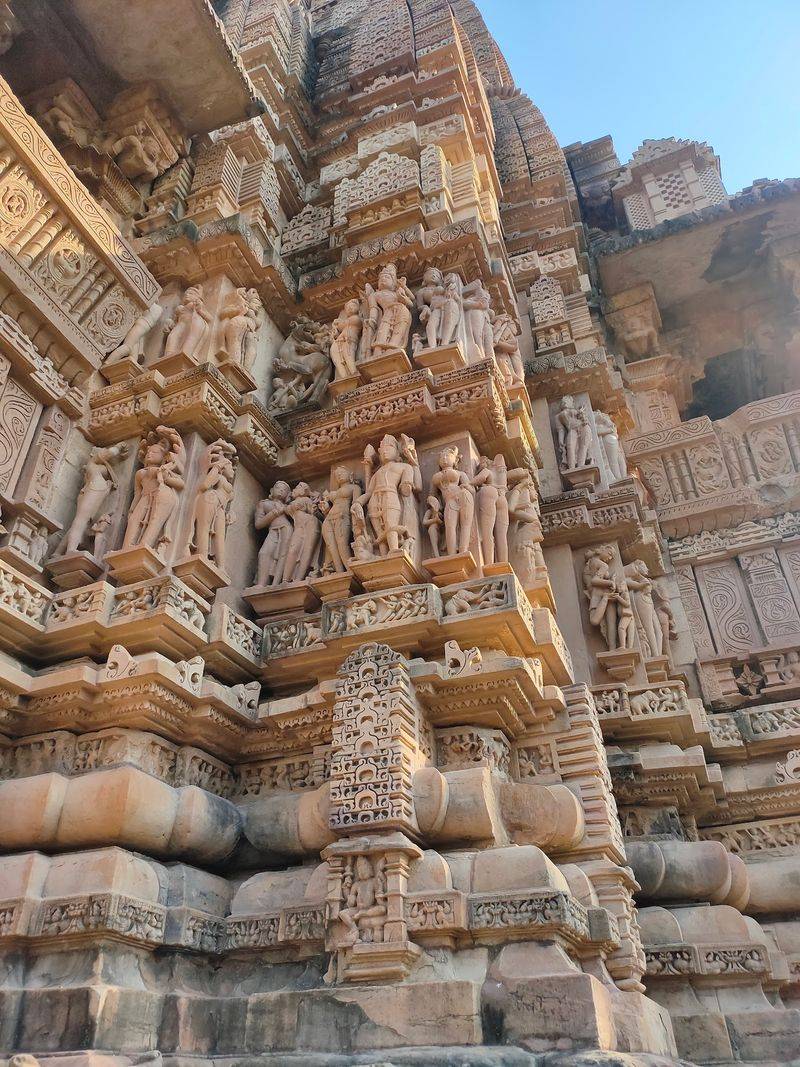
Built by the Chandela dynasty between 950 and 1050 CE, the temples of Khajuraho are famous worldwide for their extraordinary sculptural decoration. The exterior walls of these temples are covered from base to spire with thousands of carvings, depicting gods, celestial beings, animals, and detailed scenes from everyday medieval life.
While some of the sculptures have an adult theme that gets most of the attention, the majority of the carvings are actually devotional images of deities and dancers. Scholars believe the erotic carvings may represent life’s worldly pleasures that one must move beyond to reach spiritual liberation.
The artistry involved is breathtaking regardless of the subject matter.
Khajuraho has its own airport with connections to Delhi, Agra, and Varanasi, making it easy to include in a Golden Triangle or heritage tour. A spectacular light and sound show at the Western Group of Temples runs every evening and is a wonderful way to end your visit.
12. Brihadisvara Temple, Tamil Nadu
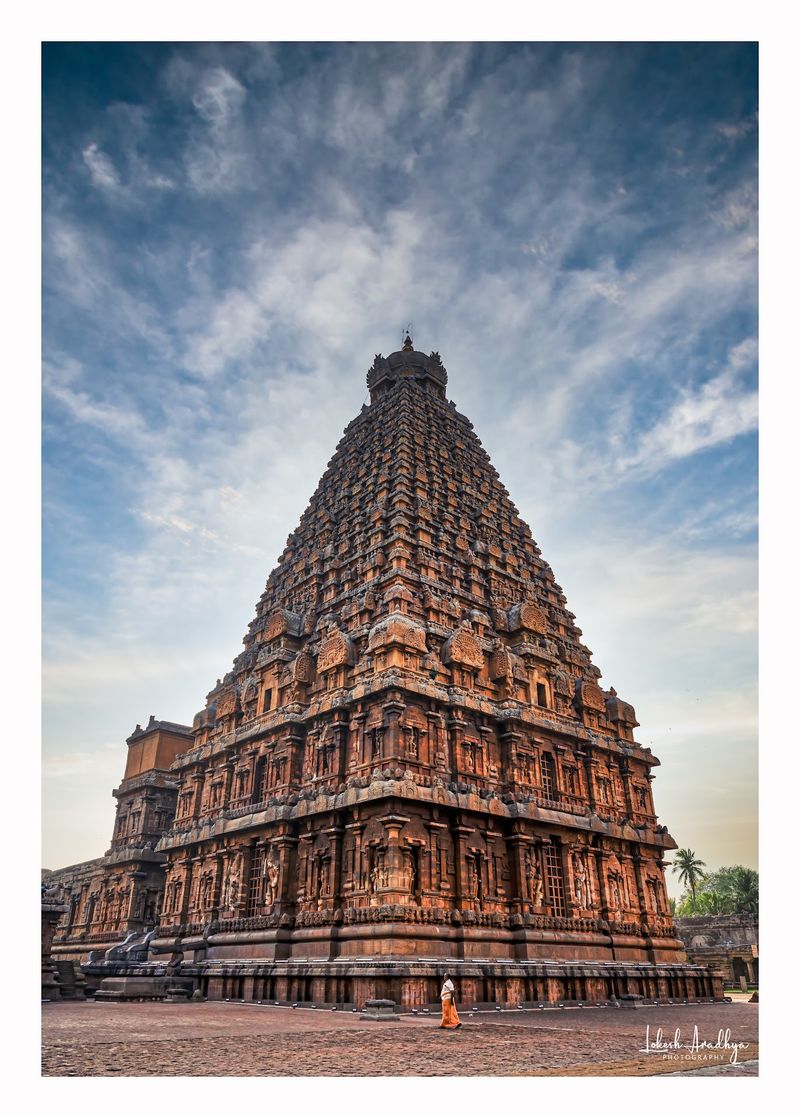
Over a thousand years ago, the Chola king Raja Raja I set out to build a temple so grand it would last forever. The result was the Brihadisvara Temple in Thanjavur, completed in 1010 CE and still standing with full magnificence today.
The vimana, or main tower, soars more than 66 meters into the sky and was the tallest temple tower in India at the time of its construction.
What engineers find most fascinating is that the massive capstone at the very top weighs about 80 tons and was somehow lifted into place using a ramp system stretching several kilometers. The temple is built entirely of granite, and no mortar was used; the stones are held together purely by their own weight and precise fitting.
Located in Thanjavur city, the temple is a UNESCO World Heritage Site and easily accessible. It is still an active place of worship, so visitors should dress modestly and be respectful of ongoing rituals and devotees during their visit.
13. Udayagiri Caves, Madhya Pradesh
Most travelers rush past Udayagiri on their way to the more famous Sanchi, but those who stop are rewarded with one of the most historically significant rock-cut sites in India. Carved into a sandstone hill near Vidisha in Madhya Pradesh, these 20 caves date to the Gupta period, around the 4th and 5th centuries CE, a golden age of Indian art and culture.
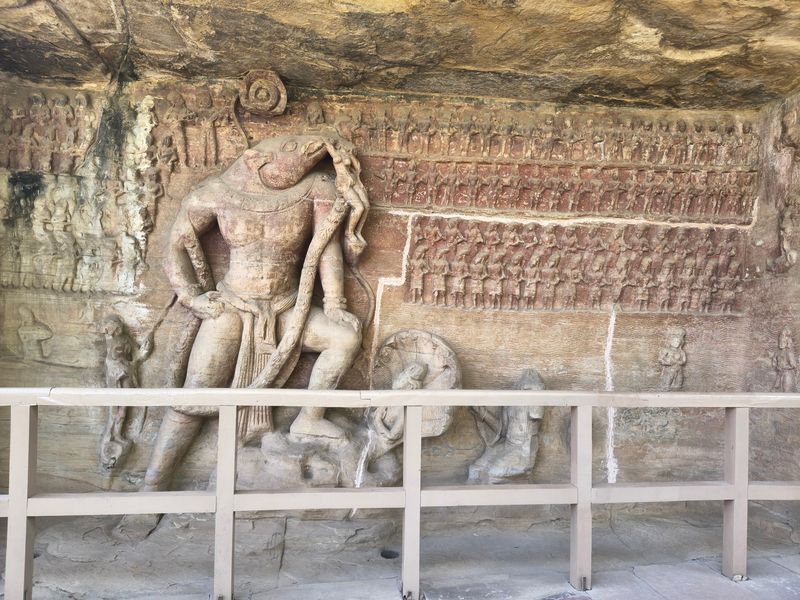
The most celebrated carving here is the massive Varaha panel, showing the Hindu god Vishnu in his boar avatar rescuing the earth goddess from a cosmic ocean. The sculpture is nearly four meters tall and carved directly into the cliff face with extraordinary skill.
Several inscriptions at the site also mention Chandragupta II, one of India’s greatest rulers.
Udayagiri is located just 6 kilometers from Vidisha town and about 60 kilometers from Bhopal. The site sees fewer tourists than nearby attractions, which makes exploring it feel refreshingly uncrowded and peaceful for those who appreciate quiet history.
14. Sun Temple, Konark, Odisha
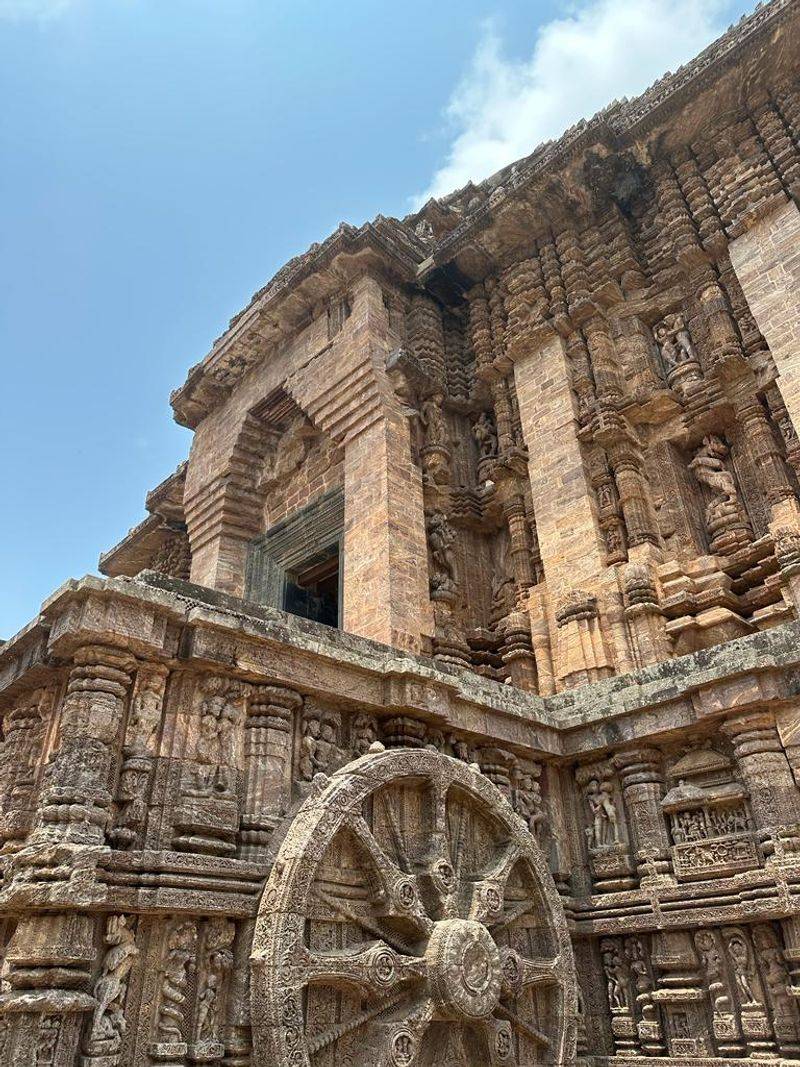
Shaped like an enormous stone chariot pulled by seven horses, the Sun Temple at Konark is one of India’s most visually striking ancient structures. Built in the 13th century by King Narasimhadeva I of the Eastern Ganga dynasty, the temple was designed to represent the chariot of Surya, the Hindu sun god.
Twelve pairs of intricately carved wheels run along the base of the structure.
The level of detail in the carvings is staggering. Every surface is covered with sculptures of gods, musicians, dancers, animals, and mythological scenes.
The stone wheels are so precisely designed that they can actually function as sundials, telling time accurately based on the shadow cast by their spokes.
Konark is located about 65 kilometers from Bhubaneswar, Odisha’s capital, and is well connected by road. The temple is a UNESCO World Heritage Site.
The annual Konark Dance Festival, held every November in front of the temple, is a spectacular cultural event worth planning your trip around.
15. Group of Monuments at Hampi, Karnataka
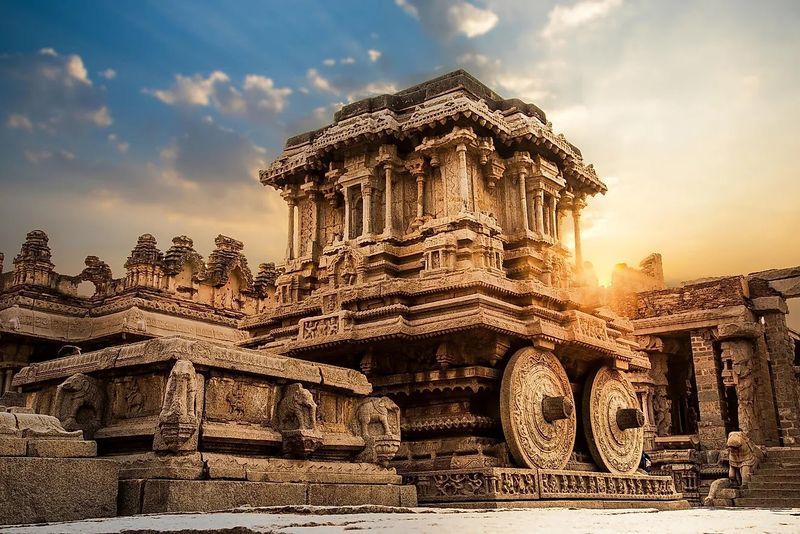
Scattered across a surreal landscape of giant boulders and banana plantations, the ruins of Hampi in Karnataka feel like something out of a fantasy novel. This was once the capital of the mighty Vijayanagara Empire, which at its height in the 15th and 16th centuries was one of the wealthiest cities in the world, rivaling Rome and Beijing in size and splendor.
The site covers over 4,000 hectares and contains more than 1,600 surviving structures, including temples, market streets, royal pavilions, and elephant stables. The Virupaksha Temple remains an active place of worship and has been continuously used for over 1,300 years.
The Vittala Temple, with its famous stone chariot and musical pillars, is another highlight that never fails to impress visitors.
Hampi is best reached from Hospet, which has good rail connections to Bangalore and Goa. Rent a bicycle or hire an auto-rickshaw to cover the widely spread ruins comfortably.
A UNESCO World Heritage Site, Hampi rewards those who spend at least two full days exploring its extraordinary landscape.
Share this story