I can get interested in a New Jersey day trip for a very simple reason: the possibility of a bakery stop. But a town needs more than a snack to hold my attention.
Madison raises a better question: what can an ordinary trip through a Morris County borough reveal when I take time to follow its streets and learn a little about the place? The answer begins with a real community, a changing population, and plenty of room for curiosity.
The historic-streets-and-bakery idea is a useful way to plan a visit, not a promise about a particular building or shop. Here is what the available facts establish, what they do not, and how to turn that distinction into a worthwhile outing.
A Borough in Morris County
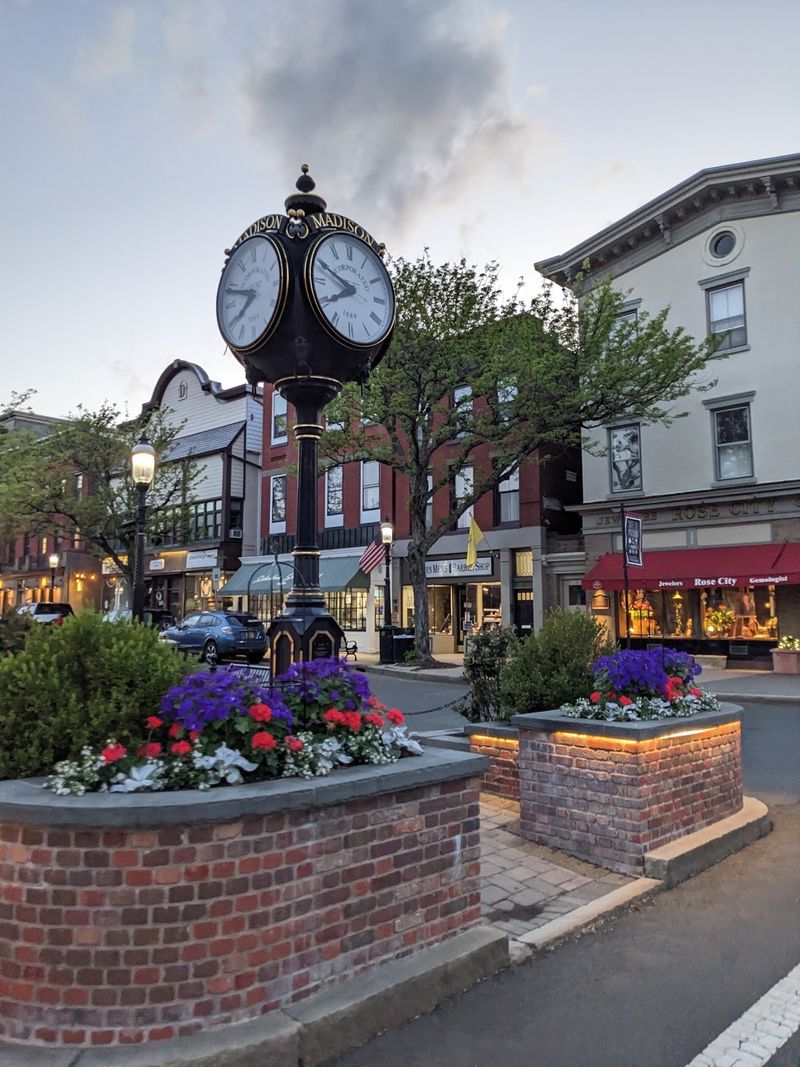
Start with the map, because it settles the first question. Madison is a borough in Morris County, New Jersey, USA.
Its provided address is New Jersey, USA; no street address applies to the borough as a whole. That makes Madison the destination here, rather than a single business or attraction.
For a New Jersey reader, the borough is a manageable subject for a local outing: one community to learn about, rather than a long checklist spread across the state. Its name may already be familiar, but familiarity can make a place easy to pass over.
A closer look begins with the facts that are available and leaves space for discoveries that require current, on-the-ground checking.
The headline suggests historic streets and a bakery stop. Those are appealing goals, not verified claims about a designated historic district or a particular bakery.
Keeping that distinction clear makes the trip more useful. Madison deserves to be approached as a real town, not as a collection of unconfirmed promises.
A Story Told in Census Counts
Numbers rarely sound like the beginning of a day trip, yet Madison’s census counts give the borough a useful timeline. The population was 16,530 in 2000 and 15,845 in 2010.
By the 2020 United States census, it had reached 16,937. That latest count was 1,092 higher than the count ten years earlier.
The sequence matters more than any single figure. Madison’s 2010 total was 685 below its 2000 total, so the following decade marked a change in direction.
A town can feel familiar on paper while its community continues to change. Population figures cannot explain which streets changed, what businesses opened, or how daily routines evolved, but they do show that the borough has an ongoing story.
That is a better starting point than calling Madison frozen in time. Anyone hoping to explore its past can begin with this simple contrast: the place has history, and it is also home to people now.
The Question Behind Historic Streets
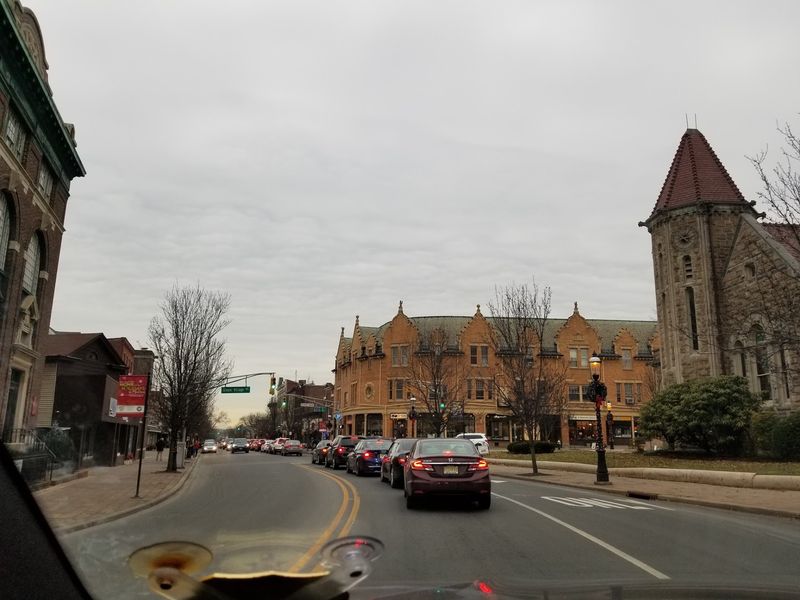
Old-looking buildings can invite quick conclusions. A street may seem historic to a passerby, but appearance alone does not establish its age, its status, or the story behind it.
The supplied information confirms Madison’s location and population history, not a named historic street or a protected district. That leaves a worthwhile question to investigate rather than a fact to assume.
A thoughtful walk could begin with public information about the borough, followed by attention to any signs or markers encountered along an actual route. Details about particular structures should come from reliable records before they become part of the story.
Even the difference between a building’s age and its current use can lead to a useful question.
Curiosity works best here when it stays honest. Madison can be approached as a place with a past without attaching an unsupported date or designation to every block.
A good historic-streets outing begins by asking what can be verified.
A Bakery Stop Worth Checking
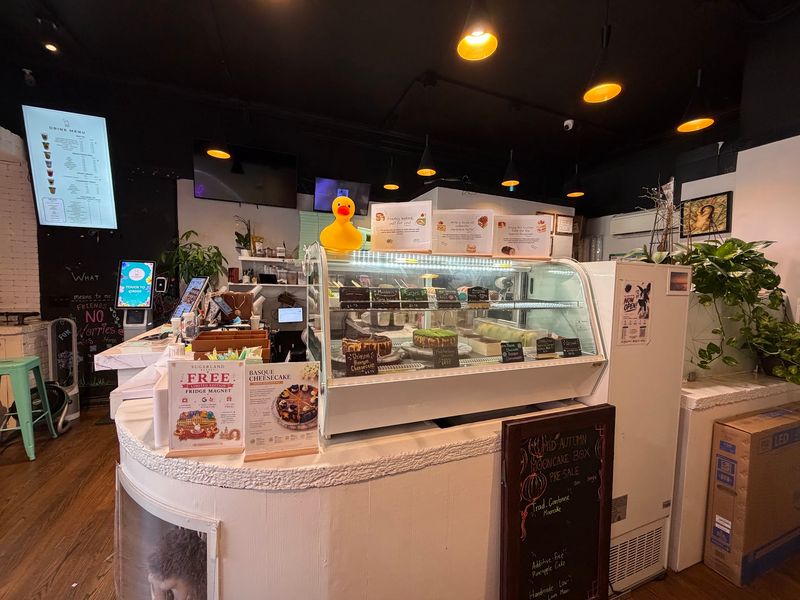
The bakery part of the headline has a practical advantage: it gives the outing a pause and a purpose. It does not, however, identify a business.
The supplied facts provide no bakery name, menu, address, opening hours, or prices. Naming a shop or promising an item would turn a pleasant plan into an unsupported claim.
Before leaving, check a current local listing or a business’s own information for a bakery that suits the trip. Confirm its location and schedule, especially if the stop is the reason for going.
A little planning can keep the outing flexible without making lunch or a snack depend on a guess.
There is no need to build the whole day around one counter. Madison remains the subject, and a bakery, if one fits the route and is open, can serve as a break between other plans.
The useful takeaway is simple: choose the stop with current facts in hand.
The Borough Beyond a Single Stop
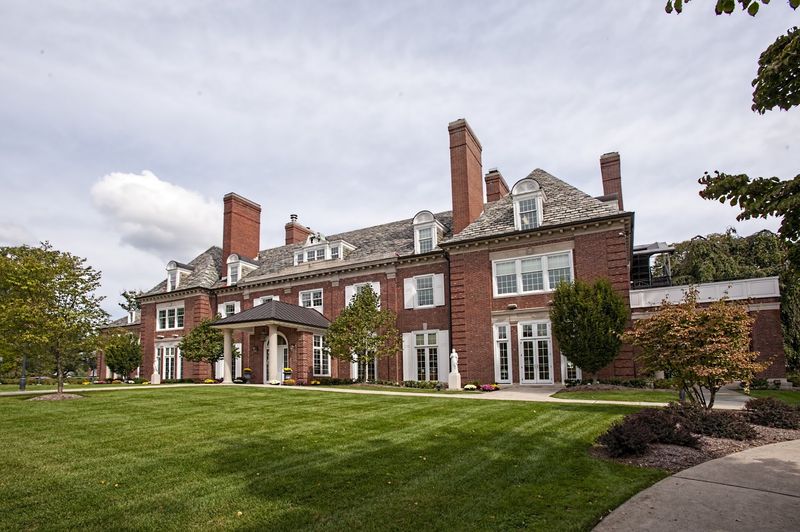
A single storefront can make a tempting headline, but Madison is not one storefront. It is a borough with a recorded population of 16,937 in the 2020 census.
That is useful context for a trip meant to consider a place rather than rush through a transaction. The community itself is the main subject.
Thinking at the borough level also changes how a route comes together. Instead of treating every possible stop as a must-see attraction, leave room to find out which public places are relevant, accessible, and open when the trip happens.
The available data does not list specific sites or activities, so a fixed itinerary would be guesswork.
There is something satisfying about resisting that pressure to fill every minute. A bakery plan and an interest in local history can guide the day without pretending to account for all of Madison.
A town has more going on than any one outing can cover.
A Community That Kept Changing
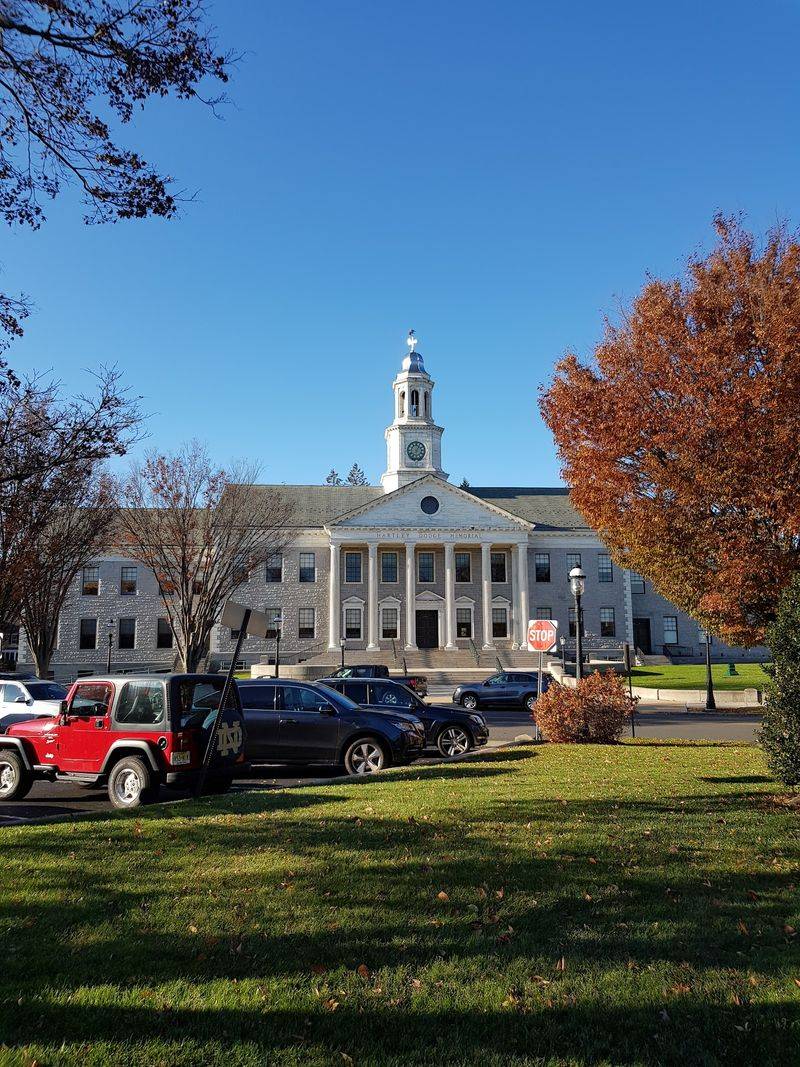
Madison’s three census totals offer a useful correction to the idea that a small town stays exactly as it was. Its count went down between 2000 and 2010, then rose between 2010 and 2020.
The figures do not say why. They cannot identify who moved, which households changed, or what happened on any particular street.
Still, the change belongs in a story about visiting the borough. Historic interests often pull attention toward earlier years, while population data reminds us that a community continues to develop.
Past and present can both be part of a responsible account, even when the available source material is limited.
That balance helps keep Madison from becoming a backdrop for a bakery errand. People live in the borough, and its recorded population has not stood still.
A short trip should leave room for that ordinary but important fact: this is a community first and a destination second.
An Outing for the Curious

Not every local trip needs a packed schedule. Madison may suit someone who likes to follow a question: What history can be documented here, and where could a bakery break fit?
Those are planning interests, not promises that every street or business will match the headline. They allow the destination to remain specific without filling gaps with made-up details.
Residents of New Jersey may find this approach especially useful. A nearby borough can be worth another look even when its name is familiar.
Someone traveling from farther away can use the same method, but should check the practical details before setting out. The supplied information does not establish a recommended route, trip length, or list of public attractions.
The best companion for this kind of outing is a little flexibility. Confirm the stop that matters most, then let reliable information shape the rest.
Curiosity is welcome; certainty should be earned.
A Different Pace From a Checklist

There is a small freedom in visiting a town without trying to complete it. Madison’s appeal, for a reader drawn in by this headline, lies in pairing two modest goals: learn something reliable about the borough and make time for a bakery stop if a current business fits the plan.
Neither goal needs a grand claim.
The available data supports a few firm points. Madison is in Morris County, and the census recorded a population increase between 2010 and 2020.
It does not describe the street layout, the pace of business, or the conditions on a given day. Those details should be checked or observed rather than predicted.
An outing built this way can remain relaxed without becoming vague. Decide what needs confirming before departure, particularly any business hours.
Then give the place enough time to be more than an address on an errand list. The checklist can stay short; the attention can last longer.
Getting There With a Plan
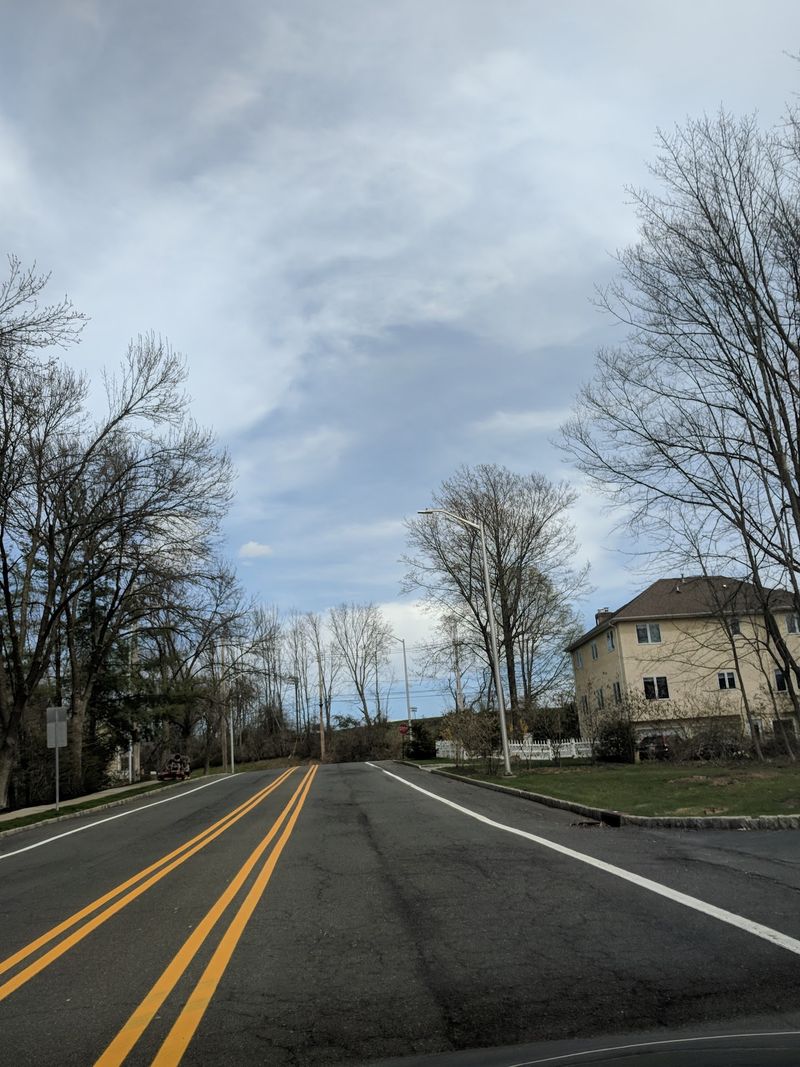
The dependable location detail is broad but clear: Madison is a borough in Morris County, New Jersey, USA. The supplied address, New Jersey, USA, is not a destination for turn-by-turn travel.
Anyone making the trip should select an actual stop in the borough before requesting directions. That might be the bakery they have independently confirmed or another verified public destination.
Travel time, parking availability, transit schedules, and street closures are not covered by the provided data. Those details can change and should be checked through current route information.
Choosing a specific starting point within Madison can also prevent a common planning mistake: treating the name of an entire borough as though it were a building entrance.
A good local outing does not need complicated logistics, but it does need the right destination in the map app. Set that detail first.
The rest of the day has a much better chance of falling into place.
A Reason to Give Madison Time

Madison does not need an invented legend to justify a closer look. The borough has a clear place on the New Jersey map and a population record that shows change across three censuses.
Those facts are modest, but they make a useful foundation for a trip guided by local curiosity.
The historic-streets idea needs further checking, and the bakery stop needs a current business and schedule. Neither uncertainty spoils the outing.
Instead, both offer a sensible way to prepare: identify what is known, find reliable information for the parts that matter, and avoid building a day around an unverified promise.
For New Jersey residents, that approach can bring fresh attention to a familiar name. For a short-hop day-tripper, it keeps the plan realistic.
Madison’s soft verdict is straightforward: give the borough its own place in the story, confirm the details before leaving, and let the visit be about more than a quick stop.
Share this story