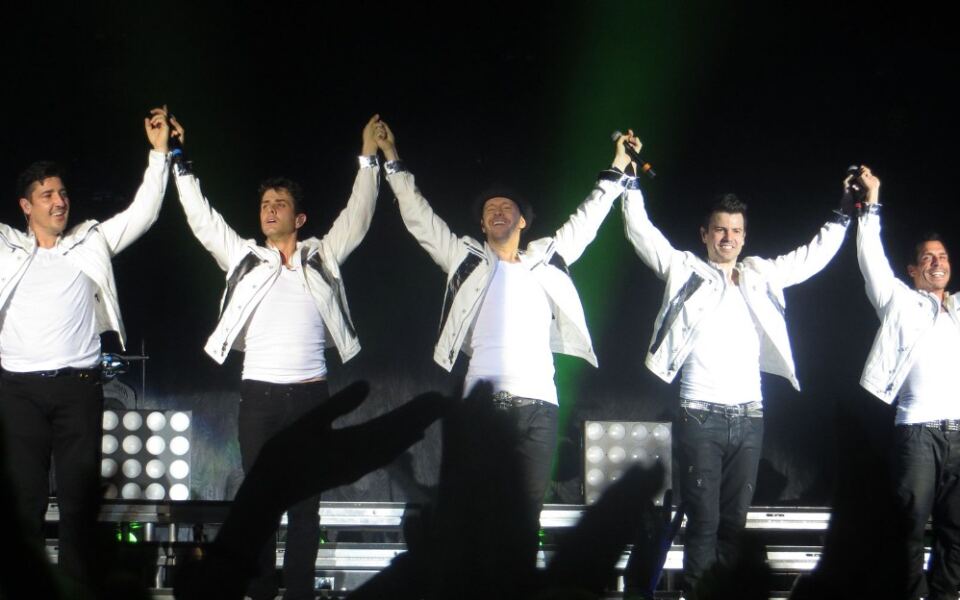
Not every band that topped the charts got a standing ovation from music critics. Some groups were mocked, dismissed, or flat-out ignored by reviewers, yet millions of fans bought their records anyway.
These acts proved that critical approval and commercial success don’t always go hand in hand. Here’s a look at 13 bands that critics loved to hate but still managed to land a No. 1 hit.
1. Starship – ‘We Built This City’
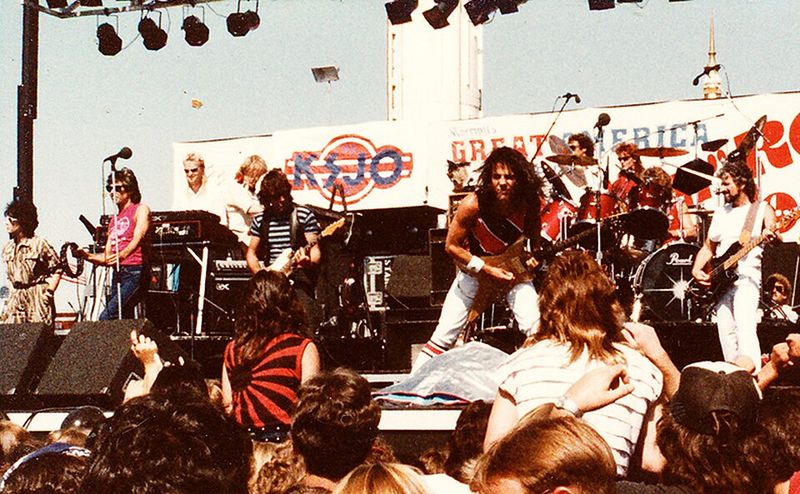
Rolling Stone once named “We Built This City” the worst song ever recorded, and critics were not shy about piling on. Starship, the softer evolution of Jefferson Airplane, was accused of selling out everything that made the original band meaningful.
The poppy, keyboard-heavy anthem felt like a betrayal to classic rock purists everywhere.
Still, radio stations played it constantly, and listeners ate it up. The song hit No. 1 on the Billboard Hot 100 in 1985, spending two weeks at the top.
That’s a pretty solid achievement for a track so widely mocked.
Love it or hate it, “We Built This City” has become one of the most recognizable songs of the decade. Its catchy hook refuses to leave your brain once it gets in, which might explain why fans kept it alive long after critics tried to bury it.
2. Crazy Town – ‘Butterfly’
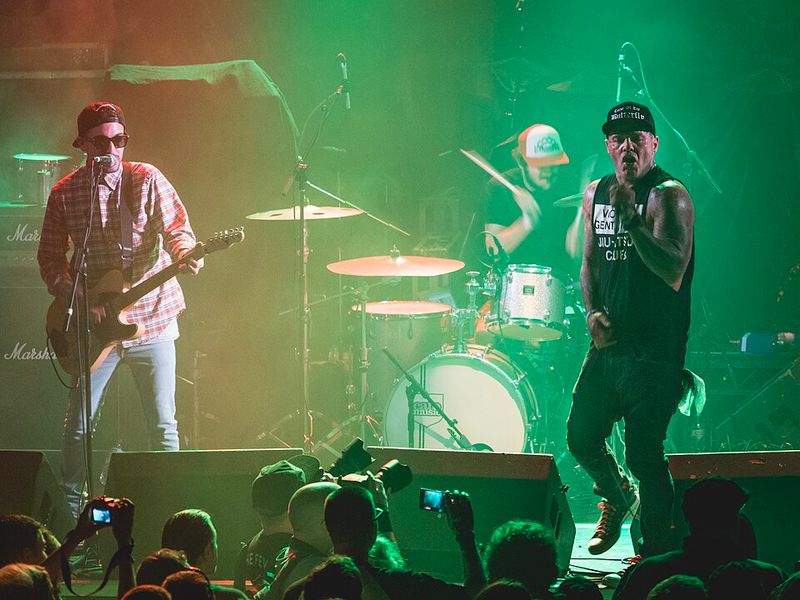
Crazy Town arrived at the height of the rap-rock craze, and most critics rolled their eyes from the start. The Los Angeles group was seen as a watered-down version of bands like Rage Against the Machine, mixing hip-hop flows with crunchy guitar riffs in a way that felt calculated rather than authentic.
“Butterfly” sampled Red Hot Chili Peppers’ “Pretty Little Ditty” and wrapped it in a sweet, radio-friendly package. Critics found it shallow, but the song climbed all the way to No. 1 on the Billboard Hot 100 in early 2001, staying there for two weeks.
The track became one of the defining songs of that era, even if nobody wanted to admit it later. Sometimes a melody just works, regardless of what reviewers think.
Crazy Town’s moment at the top proved that pop instinct can outlast critical disdain.
3. Los del Rio – ‘Macarena (Bayside Boys Mix)’
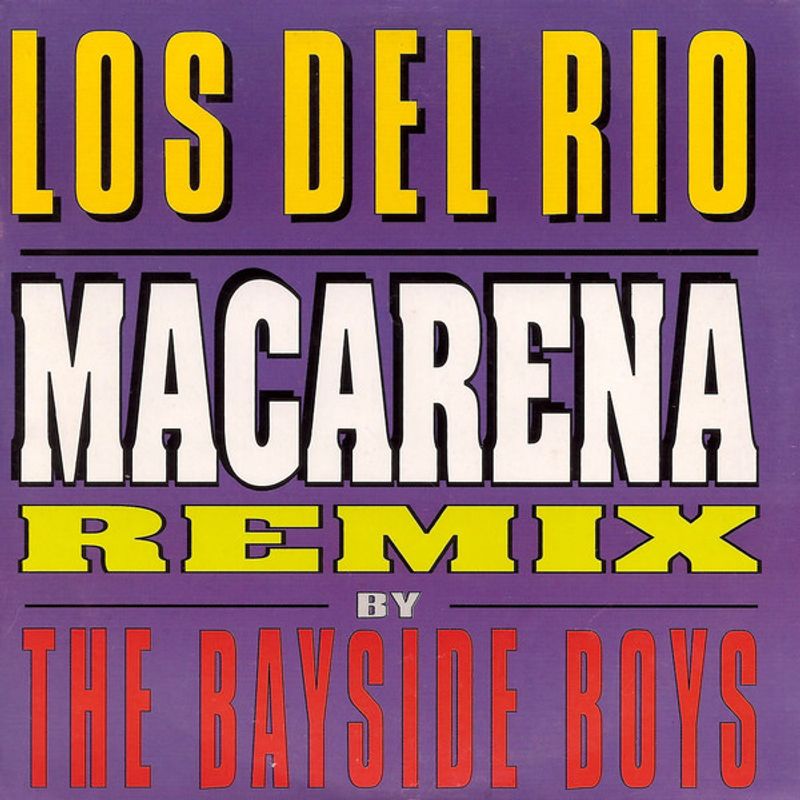
Few songs have triggered as much eye-rolling from critics as “Macarena.” The Spanish duo Los del Rio originally recorded the track, but it was the Bayside Boys remix that turned it into a global phenomenon. Music reviewers dismissed it as a novelty dance song with zero artistic depth.
They weren’t entirely wrong. But that completely missed the point.
The song spent 14 weeks at No. 1 on the Billboard Hot 100 in 1996, setting a record for the longest run at the top by a non-English-language song. That kind of staying power doesn’t happen by accident.
The Macarena became a cultural moment that transcended music, showing up at weddings, school dances, and sporting events worldwide. Critics may have cringed, but the public made their feelings very clear by keeping it at the top for over three months straight.
4. Right Said Fred – ‘I’m Too Sexy’
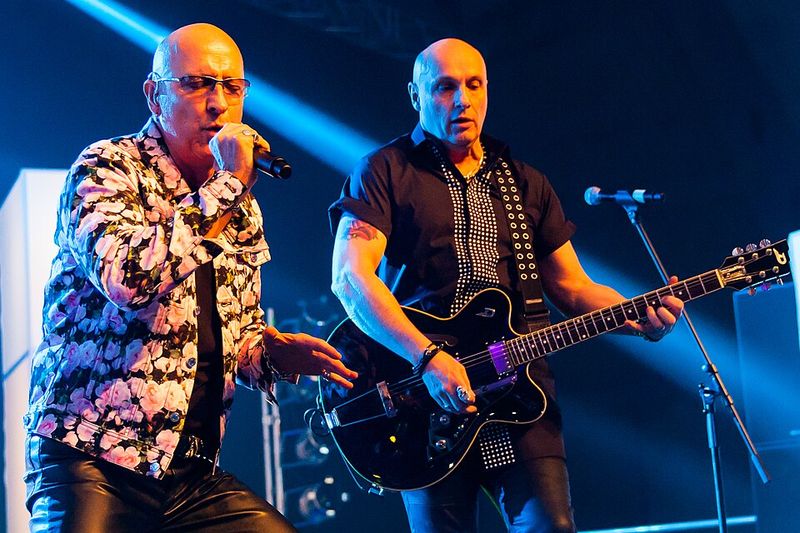
When Right Said Fred released “I’m Too Sexy” in 1991, critics largely treated it as a joke. The British duo, featuring brothers Richard and Fred Fairbrass, built the song around a deadpan, self-mocking concept that some reviewers found too gimmicky to take seriously.
The irony is that the song was always meant to be funny. That self-awareness is exactly what made it connect with listeners.
It reached No. 1 in the United Kingdom and climbed to No. 1 in the United States as well, becoming one of the most-played songs of the year.
Decades later, “I’m Too Sexy” still gets played at parties and in commercials, proving its ridiculous charm has real staying power. Critics who dismissed it as a throwaway novelty track had to watch it stick around far longer than most of the music they praised that year.
5. Milli Vanilli – ‘Baby Don’t Forget My Number’
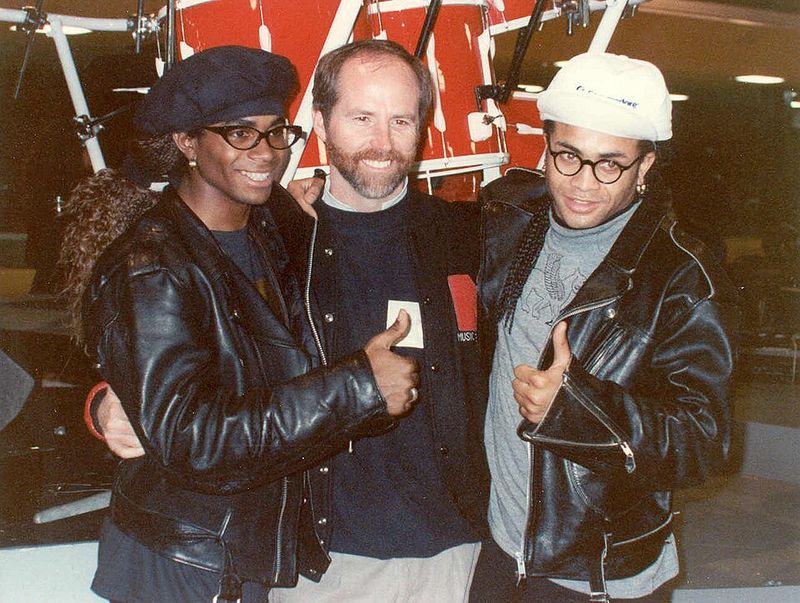
Milli Vanilli is probably the most controversial act on this list, and for good reason. The duo of Fab Morvan and Rob Pilatus became megastars in the late 1980s before it was revealed that they had not actually sung a single note on their records.
The lip-syncing scandal cost them their Grammy Award and destroyed their career almost overnight.
Before all of that came out, though, they were genuinely massive. “Baby Don’t Forget My Number” hit No. 1 on the Billboard Hot 100 in 1989, and fans were completely devoted to them. Critics had already been suspicious of the act’s authenticity, but few could have predicted the full truth.
The Milli Vanilli story is a cautionary tale about manufactured pop, but it’s also a testament to how powerful a catchy song can be. Millions of people loved those tracks, even if the voices behind them weren’t who anyone thought.
6. Color Me Badd – ‘I Adore Mi Amor’
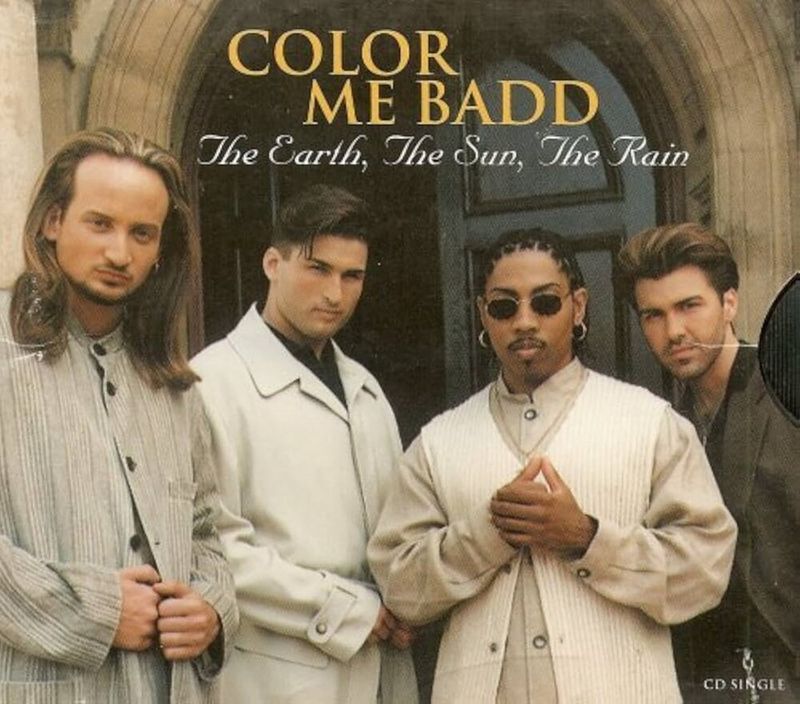
Color Me Badd walked into the music scene wearing high-waisted pants and singing close harmonies, and critics were not impressed. The Oklahoma City quartet was seen as a slick, over-produced R&B group that prioritized looks and radio appeal over genuine musical substance.
“I Adore Mi Amor” was their second consecutive No. 1 hit on the Billboard Hot 100 in 1991, following “I Wanna Sex You Up.” Landing two chart-toppers in the same year is no small accomplishment, regardless of what any reviewer thought about their authenticity.
Their blend of doo-wop-inspired harmonies and contemporary R&B gave the early 1990s a distinctive sound that many fans remember fondly. Color Me Badd may never earn a spot in the Rock and Roll Hall of Fame, but their chart dominance during that brief window was completely real and hard to argue with.
7. New Kids on the Block – ‘I’ll Be Loving You (Forever)’
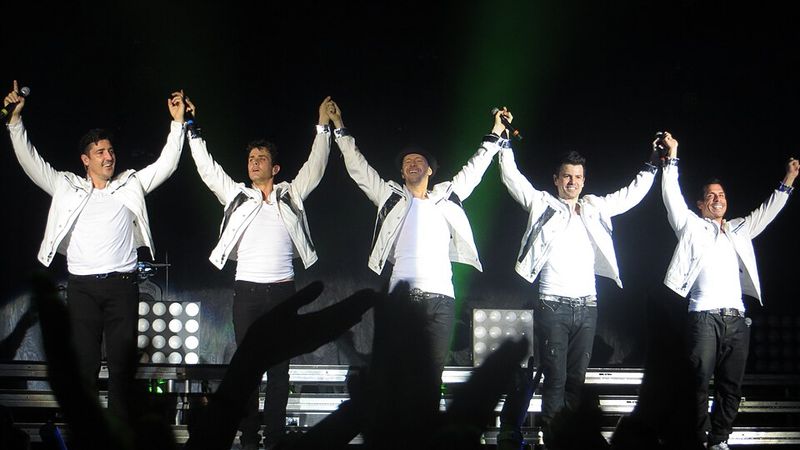
Rock critics had almost nothing kind to say about New Kids on the Block. The Boston boy band, put together by producer Maurice Starr, was seen as a manufactured teen product with no real musical credibility.
Reviews often focused on their image rather than their sound, and the dismissal was nearly universal in serious music circles.
Their fans, however, were among the most passionate of the era. “I’ll Be Loving You (Forever)” spent one week at No. 1 on the Billboard Hot 100 in 1989, and the group went on to become one of the best-selling acts of the entire decade.
New Kids on the Block sparked the modern boy band era, influencing acts that came long after them. Critics may have laughed, but the group sold out arenas worldwide and proved that connecting with an audience matters more than impressing a reviewer.
8. Nelson – ‘(Can’t Live Without Your) Love and Affection’
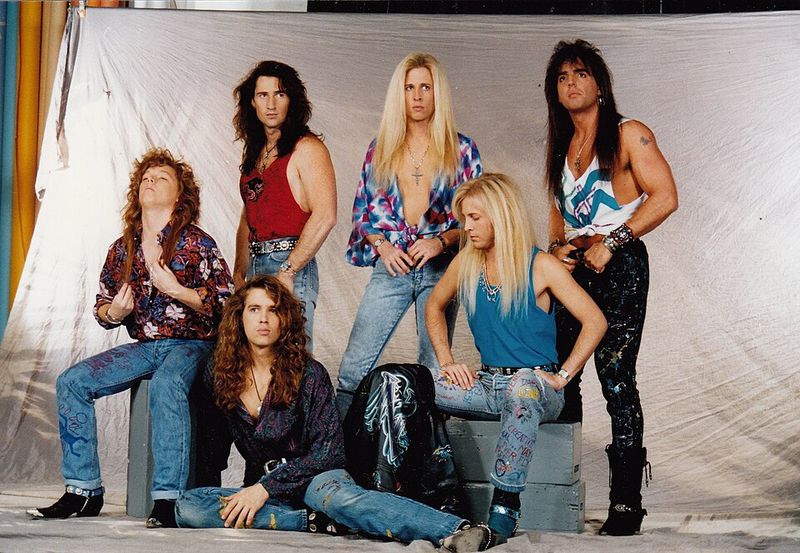
Matthew and Gunnar Nelson had long blonde hair, famous last names, and a sound that rock critics found almost impossibly soft. As the sons of Ricky Nelson and grandsons of Ozzie and Harriet Nelson, they carried a lot of musical legacy into a genre that had no patience for their polished, radio-friendly approach.
Hard rock magazines were particularly brutal, mocking their looks and their gentle pop-rock sound. But “(Can’t Live Without Your) Love and Affection” debuted at No. 1 on the Billboard Hot 100 in 1990, making them the first act from a third consecutive generation of their family to top the charts.
That family milestone alone sets them apart from almost every other act in pop history. Their time at the top was brief, but the achievement was genuine, and no amount of critical sneering could take that record away from them.
9. Mr. Mister – ‘Broken Wings’
Mr. Mister had a sound that sat somewhere between arena rock and smooth adult contemporary, and that middle-ground position made critics uncomfortable. Many reviewers in the mid-1980s found their music too polished and emotionally safe, lacking the edge that made rock bands worth covering seriously.
“Broken Wings” told a different story on the charts. The song spent two weeks at No. 1 on the Billboard Hot 100 in late 1985, becoming one of the most-played power ballads of the decade.
A second No. 1 followed shortly after with “Kyrie,” proving the band had genuine commercial staying power.
The emotional sincerity in Richard Page’s vocals connected with listeners who weren’t looking for critical approval, just a song that felt real. Mr. Mister may not have impressed the tastemakers, but they gave millions of fans something that genuinely moved them.
10. UB40 – ‘Red Red Wine’
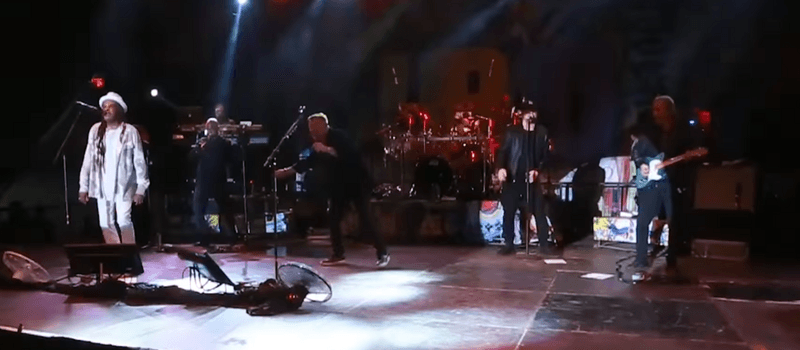
UB40 were a reggae-pop group from Birmingham who built their career on covers, and that choice alone made critics skeptical. Purists in both the reggae and rock worlds felt the band was diluting a culturally rich genre for mainstream consumption, stripping away its political roots in favor of easy listening.
“Red Red Wine” was originally written by Neil Diamond and had already been covered by Tony Tribe. UB40’s version took it to No. 1 on the Billboard Hot 100 in 1988, years after it had already been a hit in the United Kingdom.
The delayed American success story is one of the stranger chart tales of the decade.
Whatever critics thought about the band’s artistic choices, their version of the song became the definitive one for most listeners. Sometimes a cover does more for a song than the original ever could, and UB40 made that case convincingly.
11. Extreme – ‘More Than Words’
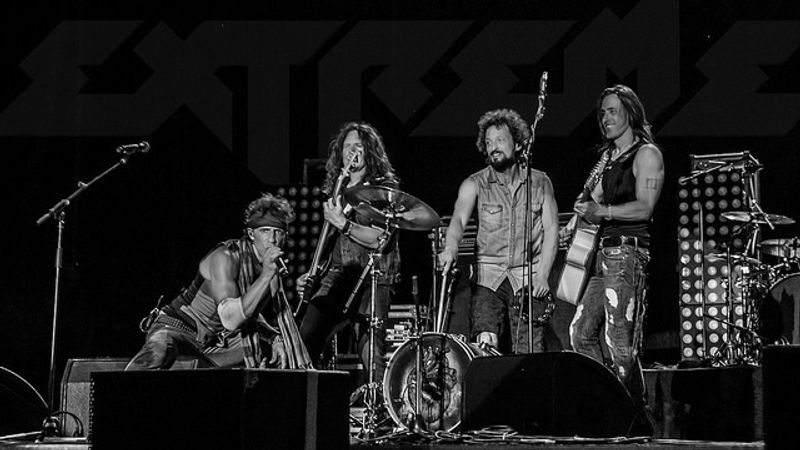
Extreme was a hard rock band from Boston known for shredding guitar work and high-energy performances, so when they released a quiet acoustic ballad, critics were confused. Many reviewers felt “More Than Words” was a commercial sellout that had nothing to do with what made the band interesting in the first place.
Fans disagreed completely. The stripped-down song, featuring just two acoustic guitars and close harmonies from Gary Cherone and Nuno Bettencourt, spent two weeks at No. 1 on the Billboard Hot 100 in 1991.
It became one of the most requested songs on radio stations across the country.
The irony is that “More Than Words” overshadowed everything else Extreme ever recorded, including their genuinely impressive guitar-driven catalog. Critics wanted the hard rock band back, but listeners had already fallen in love with the softer side, and chart numbers don’t lie.
12. Savage Garden – ‘Truly Madly Deeply’
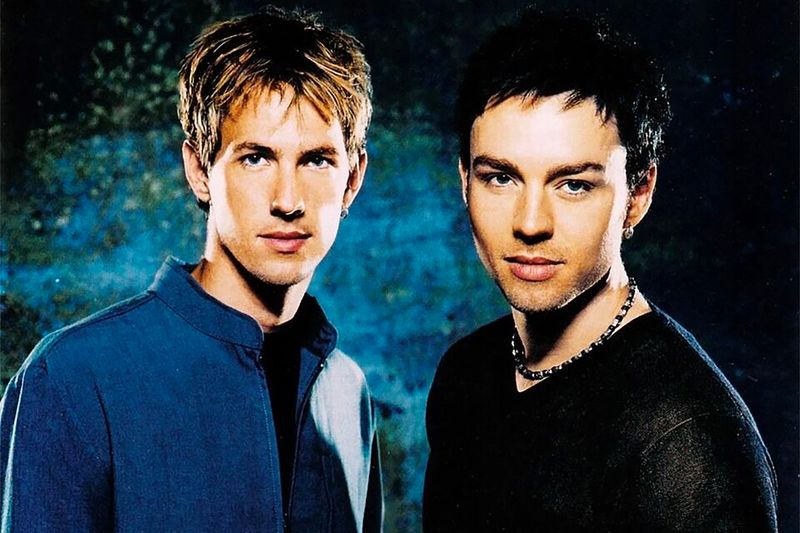
Australian duo Savage Garden arrived with a sound that some critics described as overproduced pop with lyrics that leaned too heavily on romantic clichés. Darren Hayes and Daniel Jones were seen as a slick package rather than serious artists, and their earnest emotional style rubbed certain reviewers the wrong way.
“Truly Madly Deeply” spent four weeks at No. 1 on the Billboard Hot 100 in 1998 and became one of the most-played wedding songs of the late 1990s and early 2000s. That kind of cultural staying power is hard to manufacture, no matter how polished the production sounds.
The song’s sincerity is exactly what made it connect so deeply with listeners. Savage Garden wrote music for people who wanted to feel something, not for critics who wanted to be impressed.
Those two audiences rarely overlap, and the charts made clear which one was larger.
13. LMFAO – ‘Party Rock Anthem’
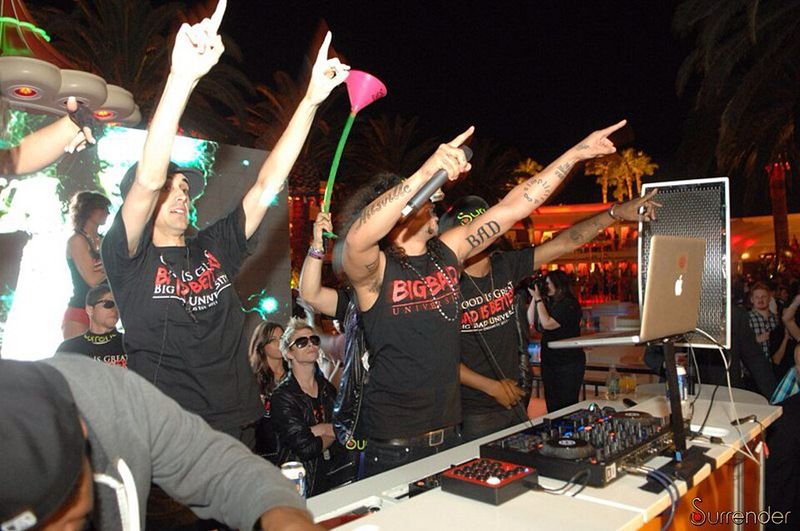
LMFAO, the duo of Redfoo and Sky Blu, made music that critics described as brainless, repetitive, and artistically worthless. The electro-hop act built their entire brand around partying and absurdist humor, which serious music writers found impossible to take seriously.
The fact that they were related to Berry Gordy of Motown fame made the critical eye-rolls even more pronounced.
“Party Rock Anthem” spent 16 weeks at No. 1 on the Billboard Hot 100 in 2011 and became one of the biggest songs of that entire year. The accompanying shuffle dance went viral before going viral was quite so common, and the song was inescapable all summer long.
LMFAO never claimed to be making art. They were making party music, and they were spectacularly good at it.
Sixteen weeks at No. 1 is a number that most critically acclaimed artists can only dream about, regardless of what anyone thought of the lyrics.
Share this story