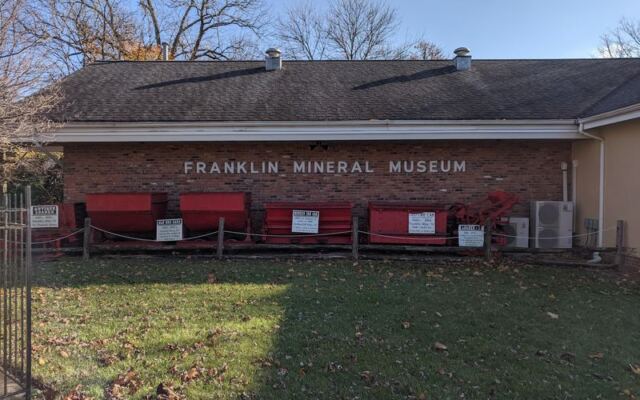
An ore dump might not sound like the start of a memorable New Jersey outing. Yet at one small museum, a pile of rocks is part of the main event: you can search for minerals, check your finds under ultraviolet light, and take some home.
The museum also explains why this part of the state has such unusual geology. Come for the rock hunt, and you may leave curious about everything beneath your feet.
A Museum Built Around Franklin’s Minerals
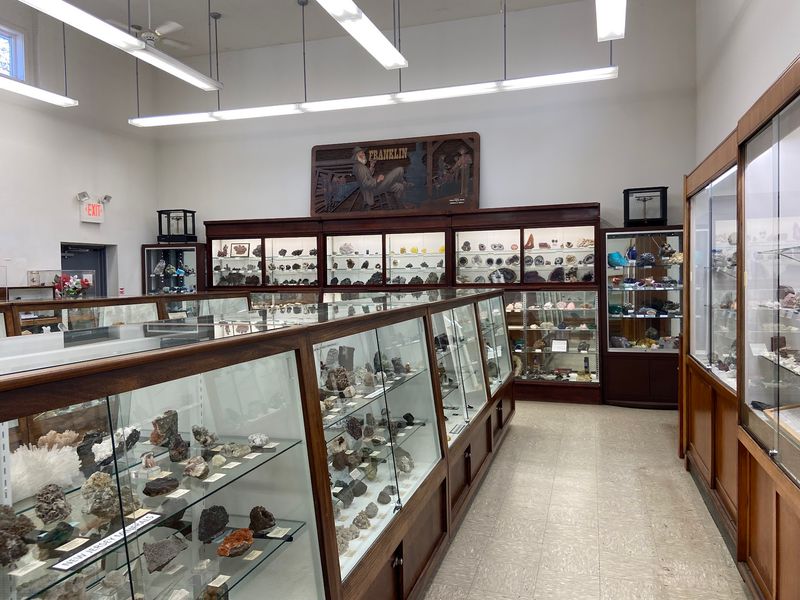
A rock hunt with a museum attached sounds like an unusual plan, which is exactly the appeal of Franklin Mineral Museum Inc. Its address is 32 Evans St, Franklin, NJ 07416, United States. The museum focuses on regional zinc mines and the geology that makes this corner of New Jersey especially interesting to mineral collectors.
Instead of asking guests to choose between learning and doing, the site offers both. Indoor exhibits introduce minerals and mining history, while the outdoor Buckwheat ore dump gives people a chance to search for specimens themselves.
Displays of fluorescent minerals add another reason to linger after the collecting is done.
That combination makes the stop more than a quick look at rocks in cases. A find from the dump can connect directly to something explained inside.
For New Jersey residents seeking a day trip that feels rooted in their own state, the museum offers a good place to start digging into the subject.
The Zinc-Mining Story Beneath the Collection
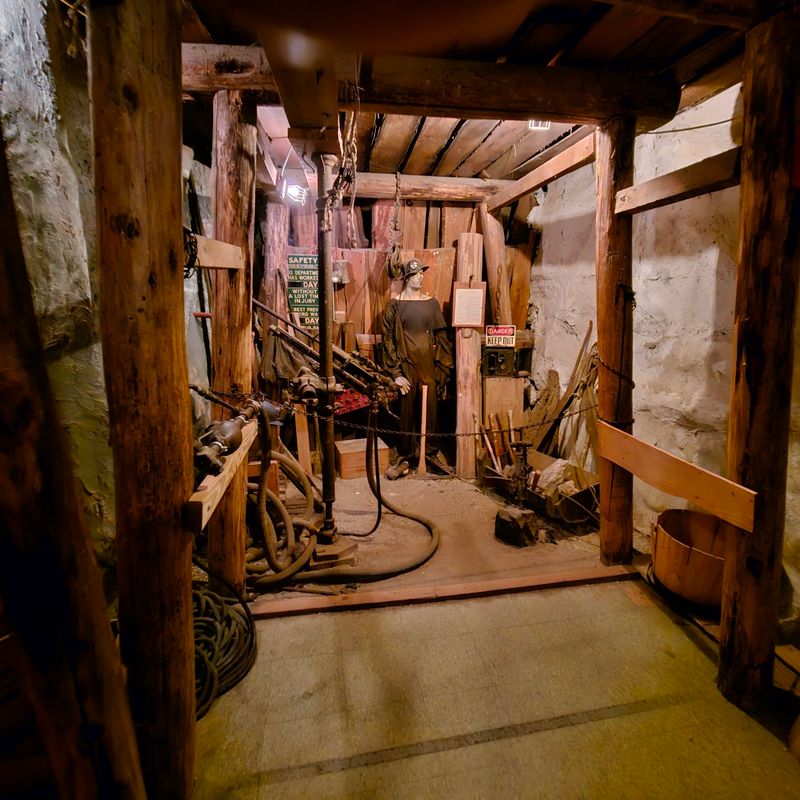
Before the collecting bags come out, it helps to know why Franklin has a mineral museum at all. The exhibits center on the area’s zinc mines and explain the geology behind the specimens.
Mining history gives the displays a local purpose: these rocks tell a story about the place, not just about their scientific names.
Mineral labels and regional artifacts offer a starting point for people who have never considered the difference between one specimen and another. The museum also has a mine replica, which adds context to the subject without requiring a trip into an operating mine.
It is a useful bridge between the collection indoors and the ore dump outside.
Franklin’s story rewards a little patience. Spend time with the displays before searching, and familiar names such as franklinite, calcite, and willemite become more than words on a label.
They turn into possibilities worth looking for when the hands-on part begins.
Mineral Cases With a Local Point of View
Some museum collections encourage a quick pass from case to case. Here, the connection to nearby geology makes it worth slowing down.
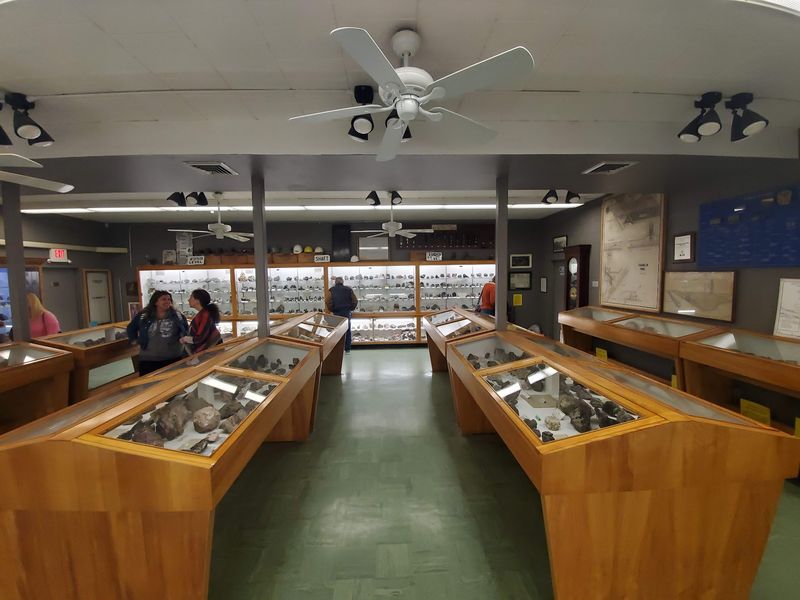
Specimens from the Franklin area sit within a broader collection of minerals and artifacts, giving curious guests plenty to examine before they head outside.
Franklinite, calcite, and willemite are especially useful names to learn because they also come up in discussions of collecting at the Buckwheat dump. Looking at museum examples first can make the search feel less random.
No one needs to become an expert, though. Reading a few labels and asking a question is enough to give the outing a little structure.
The displays also suit adults who may have signed on mainly for someone else’s rock-hunting adventure. Large specimens, regional information, and the variety of minerals give them their own reason to stay engaged.
By the time the exhibit rooms are done, an ordinary-looking rock can seem like an unfinished question.
The Fluorescent Mineral Display
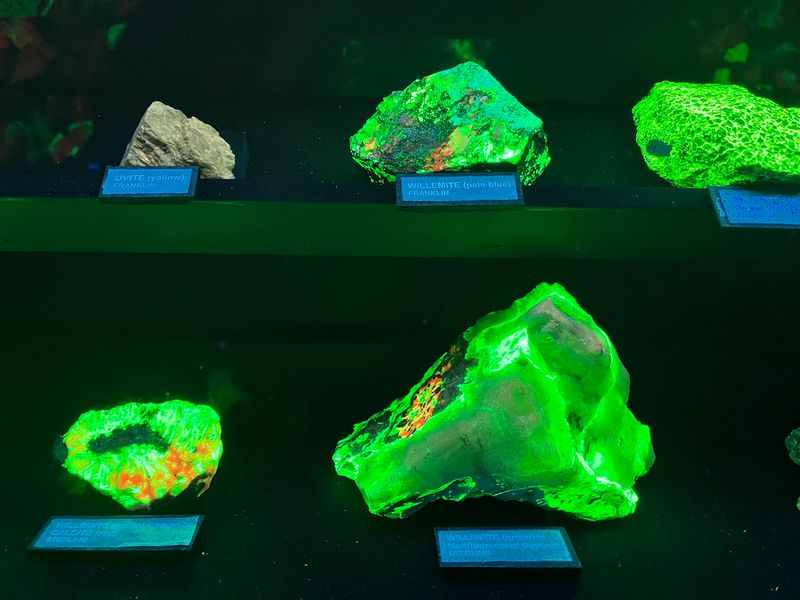
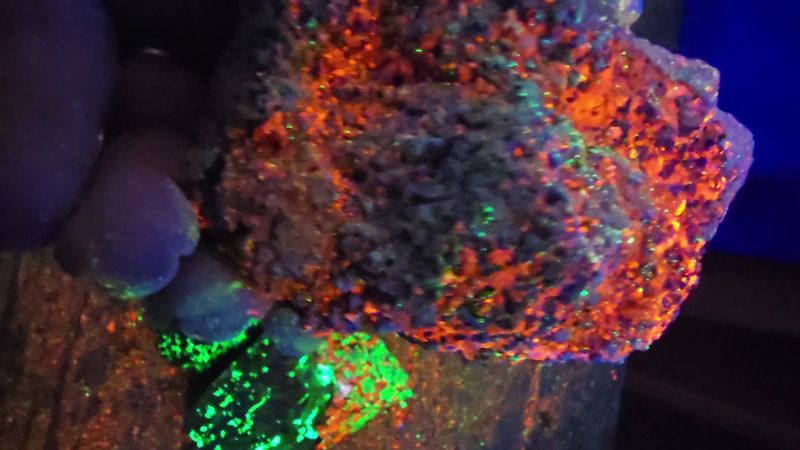
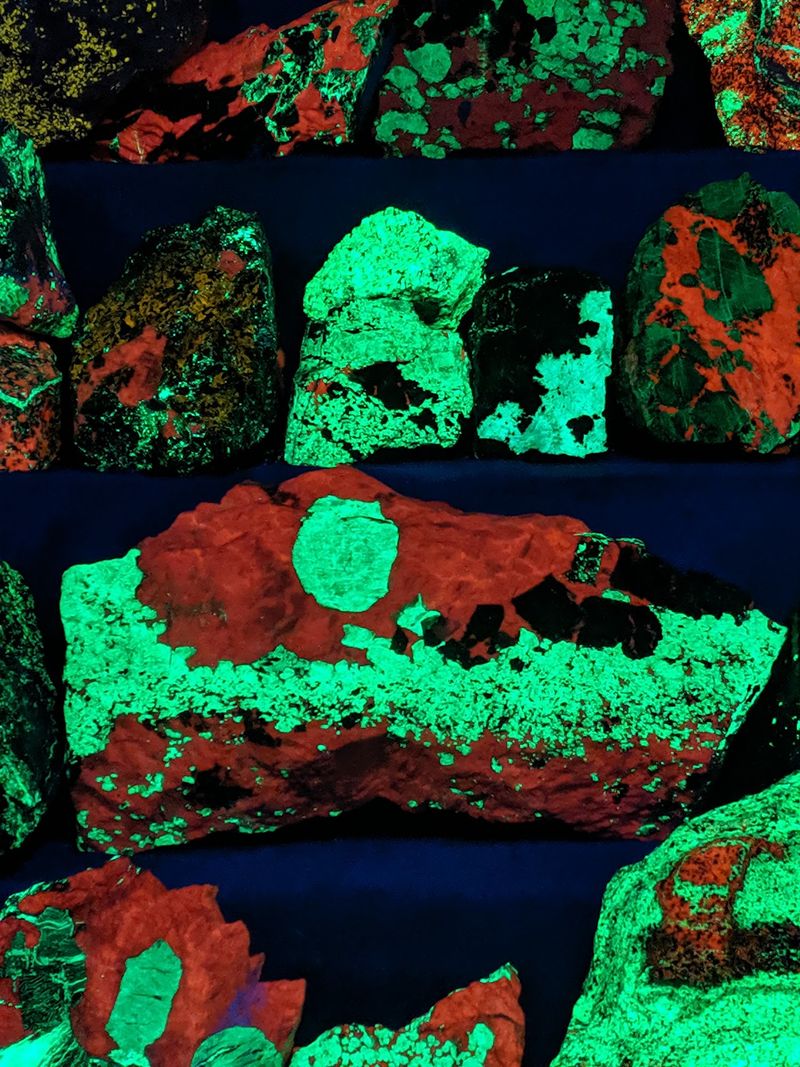
Then comes the part that changes how people think about the collection. Franklin Mineral Museum has a fluorescent mineral display, where specimens respond to ultraviolet light.
Rocks that seem fairly ordinary under everyday conditions can reveal a very different appearance during the demonstration.
Fluorescence is not a promise that every rock from the dump will behave the same way. That uncertainty is part of the activity: the exhibit shows what is possible, then collecting gives guests a chance to investigate their own finds.
The connection between those two experiences is stronger than simply viewing a display and moving on.
For someone new to minerals, the room offers an easy entry into a scientific idea without a long lesson. For a returning collector, it is a reminder of why Franklin’s material keeps drawing attention.
Either way, the display sets up the question that drives the next part of the trip: what might be waiting outside?
A Mine Replica That Adds Context
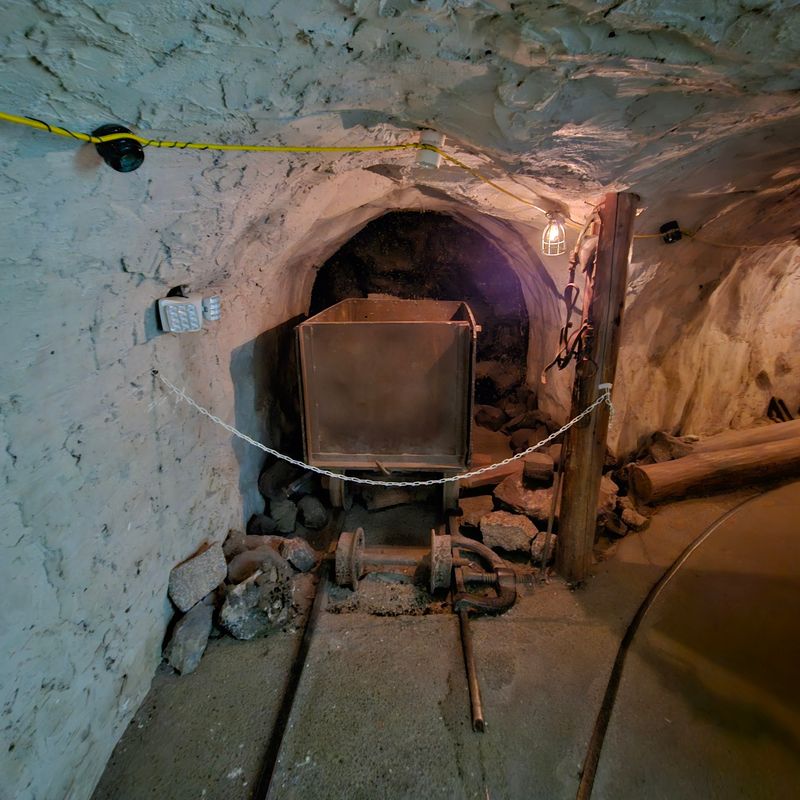
A mine replica may be the detail that helps the rest of the museum click into place. Specimens in cases explain what was found in the region; the replica helps connect those objects to the zinc-mining story behind them.
It gives guests another way to approach the subject before they try identifying material on their own.
The feature also changes the pace of the indoor visit. Rather than treating every room as another set of labels, families can move between exhibits that present different parts of the same local history.
Children interested mainly in searching outside have a concrete reason to pause and ask where all those rocks came from.
It is best to think of the replica as part of the museum’s educational displays, not as a tour of an active mine. That distinction keeps expectations clear.
The real activity waiting later is at the ore dump, where the lesson shifts from learning about specimens to choosing some.
The Buckwheat Ore Dump Rock Hunt
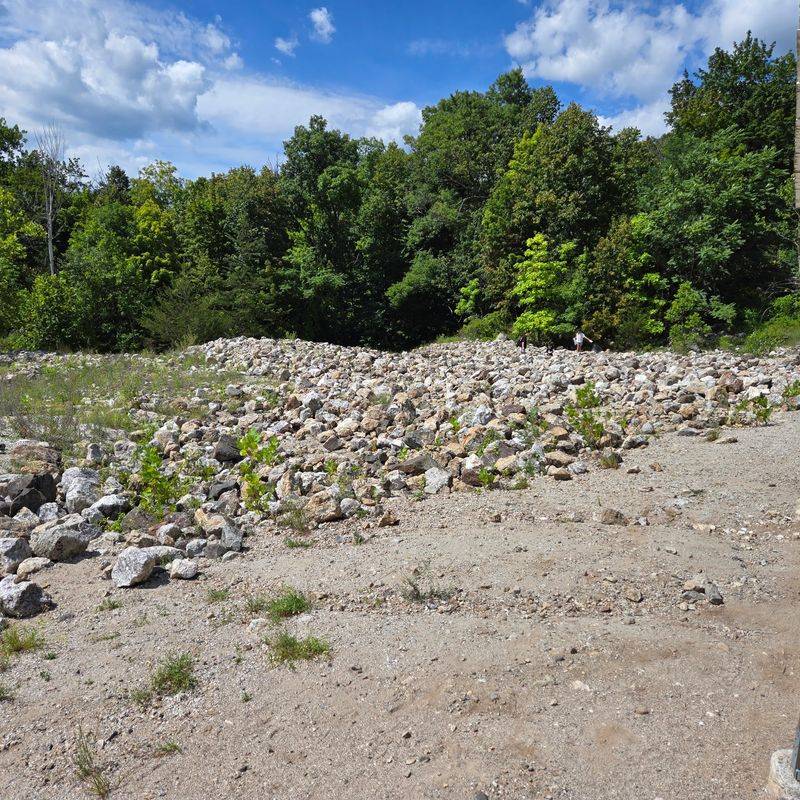
Now for the reason many people set aside the afternoon: the Buckwheat ore dump lets guests search for their own mineral specimens. It turns the museum’s subject into an activity, with potential finds including franklinite, calcite, and willemite.
Finding a particular mineral is never guaranteed, so the fun lies in examining what turns up.
The dump is a collecting area, not a tidy tray of preselected souvenirs. That makes it a better fit for people who enjoy taking their time over a small discovery.
A promising rock can lead to a closer look, another search, and a question for someone who knows the collection well.
Check the museum’s current collecting rules and fees before arriving, especially if bringing tools or hoping to take material home. The supplied information describes collecting and take-home finds, but it does not establish a dependable current allowance.
The most useful plan is to arrive ready to learn as well as hunt.
The Moment Finds Meet Ultraviolet Light
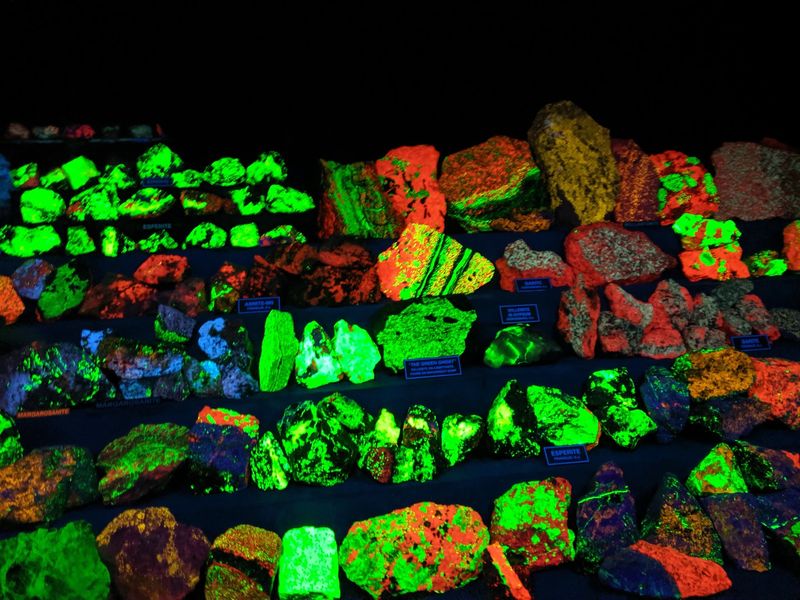
Not every promising find gives away its best feature at the dump. After collecting, guests can check rocks under ultraviolet lights to see whether they fluoresce.
That step makes the outing feel like a small investigation rather than a simple search-and-carry exercise.
A rock that does not fluoresce may still be interesting as a regional specimen. Another may respond under the light and become the find everyone wants to examine.
Either result offers a chance to compare what was collected with the minerals introduced inside the museum. It is a practical way to understand why the display cases matter.
The return trip between the collecting area and the place where rocks can be checked is worth factoring into the day. Accounts of the activity describe a hill that can make repeated trips demanding.
Sorting a group of likely candidates before heading back may help keep the focus on the rocks rather than on extra walking.
Extra Activities for Curious Kids
Rock collecting is the headline activity, but it is not the only hands-on reason a family might linger. Accounts of the museum describe fossil digging and mineral panning as additional activities.
A child interested in keeping a small find may be drawn to those options even before the Buckwheat dump enters the plan.
The museum itself offers a different pace. Exhibits of minerals, artifacts, and local mining history can give older children and adults something to explore while younger children focus on the activity that holds their attention.
Not every room will appeal equally to every age group, and that is fine. The outing works best when families allow time for different interests.
Ask which activities are available on the intended day and how they fit with admission before promising a particular experience. The information provided does not establish a current activity schedule.
Keeping the plan flexible leaves room for the best kind of detour: a new question sparked by a rock someone found.
A Visit Planned Around Time and Terrain
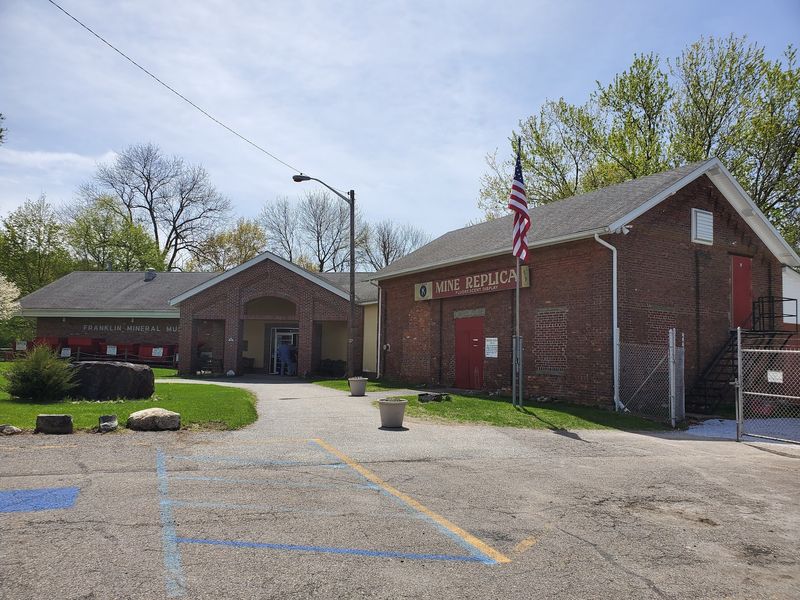
Good timing matters here because part of the outing happens outdoors. The Buckwheat collecting area has limited tree cover, and the route used to check finds involves a hill.
Anyone planning a long search should consider the day’s conditions and how comfortable they are with repeated walking on the collecting route.
The listed hours are Wednesday through Friday, 11 a.m. to 4 p.m.; Saturday, 10 a.m. to 5 p.m.; and Sunday, 11 a.m. to 5 p.m. Monday and Tuesday are listed as closed.
Hours and collecting arrangements can change, so confirm them with the museum before setting out. Current admission and collecting charges are not established by the supplied information.
At 32 Evans St in Franklin, the museum makes a practical New Jersey day-trip destination for people willing to plan around its schedule. Leave enough time for both indoor exhibits and the dump.
Rushing straight to the rocks would skip much of what makes the search meaningful.
A Take-Home Find With a New Jersey Story
The nicest souvenir from this museum comes with a question attached: what exactly did you find? Franklin Mineral Museum pairs the chance to take home collected rocks with exhibits that help explain why the area’s minerals matter.
The result is a local outing that can continue after everyone leaves the ore dump.
It is also an easy place to tailor to different interests. Someone drawn to history can spend time with the zinc-mining displays and mine replica.
A budding collector can focus on the Buckwheat dump and the ultraviolet-light check. Families can look into the additional hands-on activities available during their visit.
None of that requires pretending every search will produce a rare specimen. The appeal is simpler and more dependable: New Jersey has a distinctive mineral story, and here people can take part in exploring it.
Check the day’s details, allow time for the hill and exhibits, and let curiosity decide which rock deserves a closer look.
Share this story