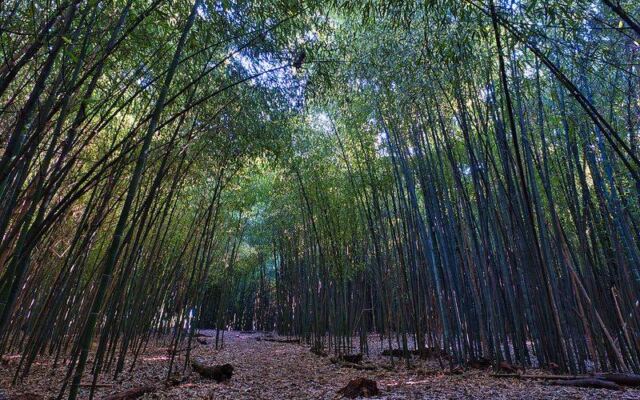
An ordinary turn off a New Jersey road can lead to a surprisingly big change of plans. Beyond the entrance to a public garden, there are flower beds, wooded paths, and a bamboo forest that feels like a discovery.
The best part is that admission is free, so curiosity is enough reason to stop. Here is what to explore and what to know before heading over.
A Public Garden With Room to Roam
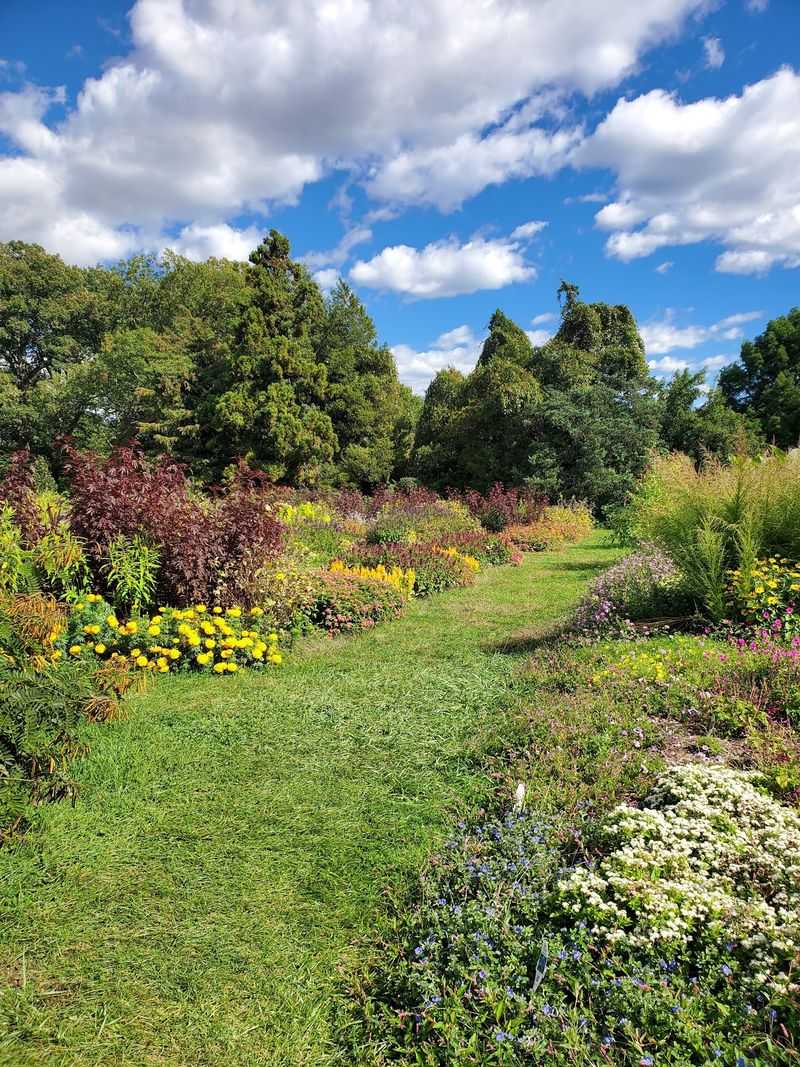
The address sounds more like the start of a neighborhood errand than a garden outing: Rutgers Gardens is at 130 Log Cabin Rd, New Brunswick, NJ 08901, United States. Yet this public botanical garden includes cultivated areas, wooded paths, and a bamboo forest within the same destination.
That variety makes the place useful for a flexible afternoon. Someone can focus on planted beds, follow an open path, or pause on a bench without trying to complete a set route.
The grounds are spacious enough that a short stop need not cover everything.
New Jersey residents looking for an easy outdoor plan have another reason to pay attention: admission is free. The gardens are open to the public, not just to people connected with Rutgers.
Before choosing which path to take, it helps to know that the bamboo is only one part of a much broader place. There is no need to treat the outing like a race to a single attraction.
A Garden Connected to Learning
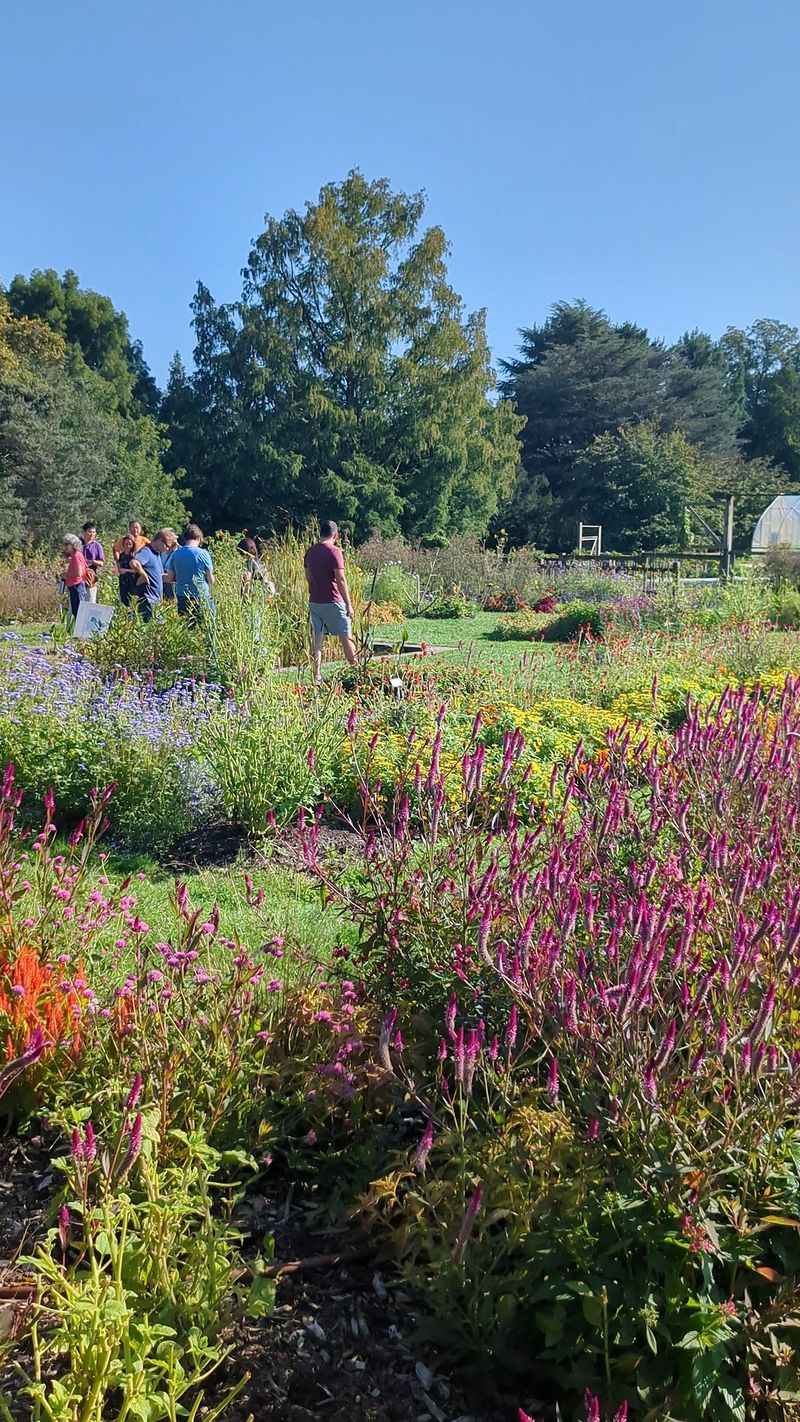
Plant labels can turn a casual walk into a small lesson. People exploring Rutgers Gardens have noted placards identifying trees and plants, which give curious walkers something to read between garden stops.
No gardening background is needed to enjoy that detail.
The grounds also connect with the Rutgers Student Farm, where volunteer work involves planting, growing, and harvesting. A seasonal farmers market adds another community connection.
Together, those activities show that the site is more than a collection of decorative beds, though a regular walk requires no involvement in a program.
For families, the labels offer a simple way to make an outing more engaging. For gardeners, they provide names to follow up on later.
Anyone who would rather keep moving can do that too. The educational side is present without turning the visit into an assignment.
It rewards curiosity, but it never requires a notebook or a plan.
The Bamboo Forest Beyond the Beds
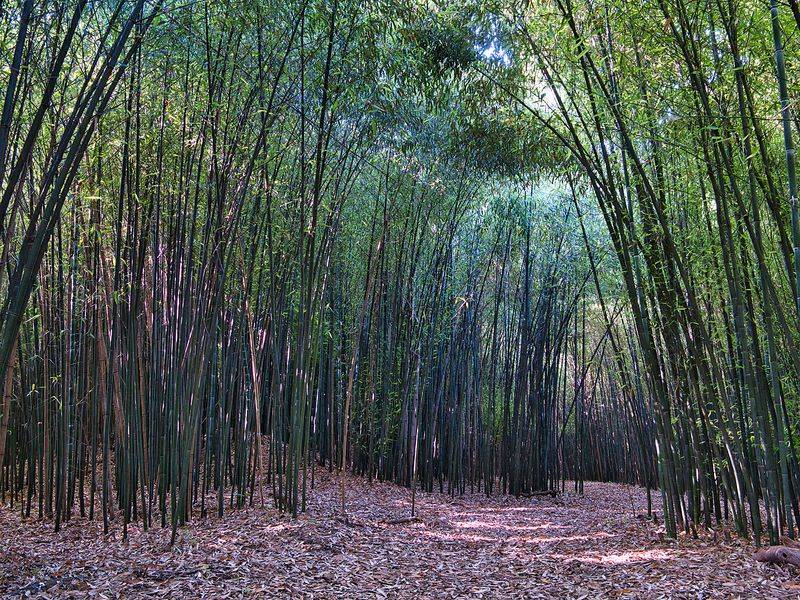
Bamboo is the detail that can change the whole point of the trip. Rutgers Gardens has a bamboo forest, and it appears repeatedly among the features people remember after exploring the grounds.
It is not a separate attraction with its own admission charge; it is part of the public garden.
A route through bamboo offers a different kind of stop from the open lawns and cultivated beds. That contrast is the fun of seeking it out.
Start with the garden paths, then leave time to explore rather than assuming every area will look or function the same way.
Footwear matters here more than a photo plan. Accounts of the bamboo area mention a creek crossing, ticks, and the value of closed shoes.
Trail conditions can vary, so use open routes and turn back when a path is obstructed or unsuitable. The forest is a memorable reason to come, but the sensible way to enjoy it is at an unhurried pace.
Paths Without a Fixed Itinerary
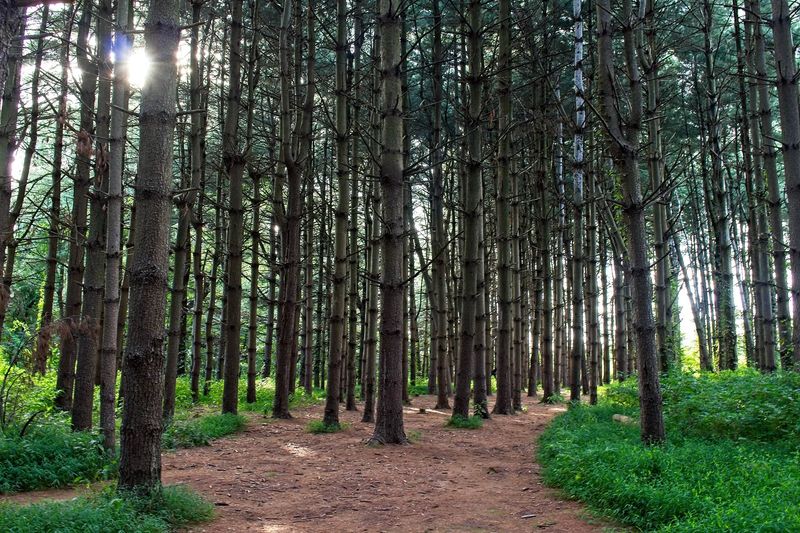
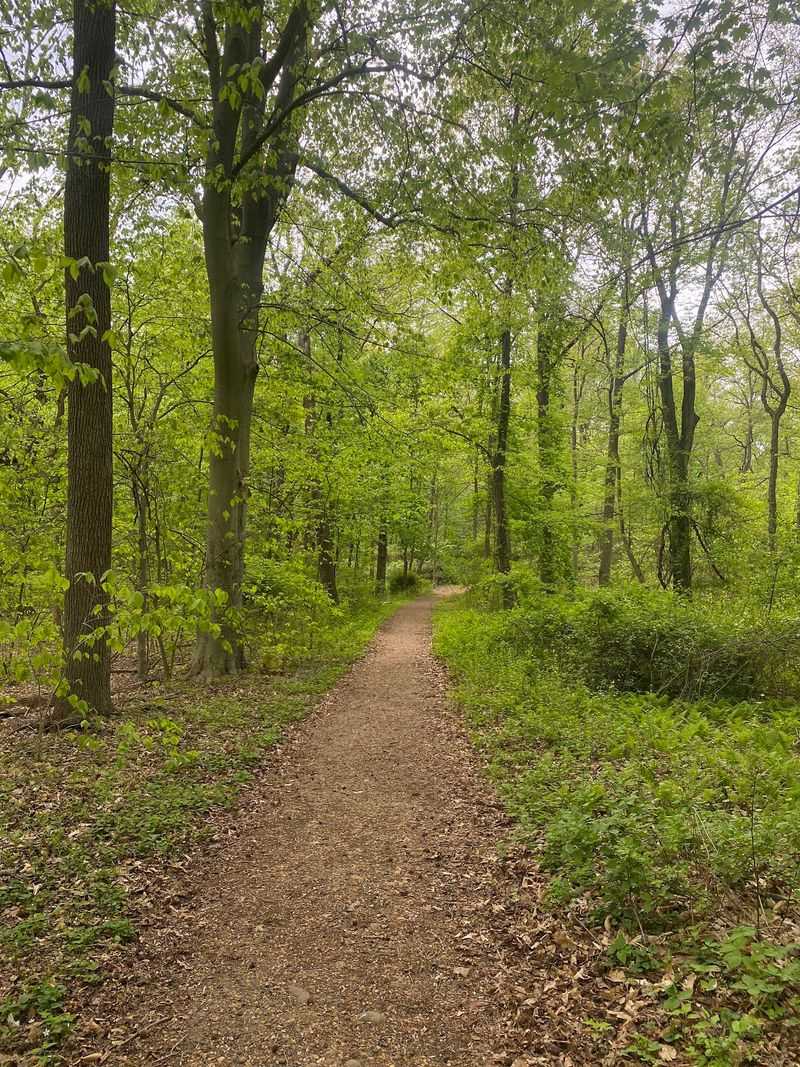
No prescribed route is part of the appeal here. Rutgers Gardens has plenty of paths, along with open areas, roads, fields, and wooded trails.
A person with an hour can choose a modest loop, while someone with more time can keep exploring.
The freedom comes with a small trade-off: the grounds may not offer the organized direction some people expect from a formal tour. Reading the garden’s online information beforehand can help anyone who wants to target a particular area.
Otherwise, the outing works best when the route stays flexible.
Not every surface is alike. Reports describe uneven stone paths, grass, and spots that may become slippery when wet.
One account also mentions a trail blocked by a fallen tree, making the open paths the practical alternative that day. Keep an eye on the ground and do not count on reaching every corner.
A good walk here is one that fits the conditions, not one that checks every path off a list.
Flower Beds Worth a Slower Look
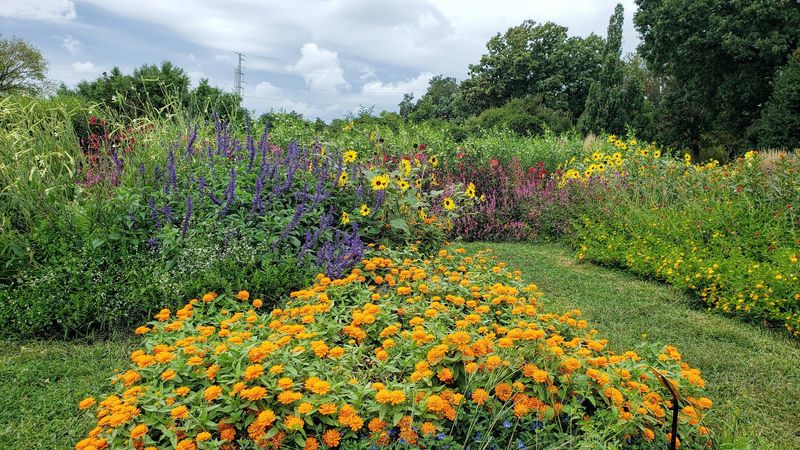
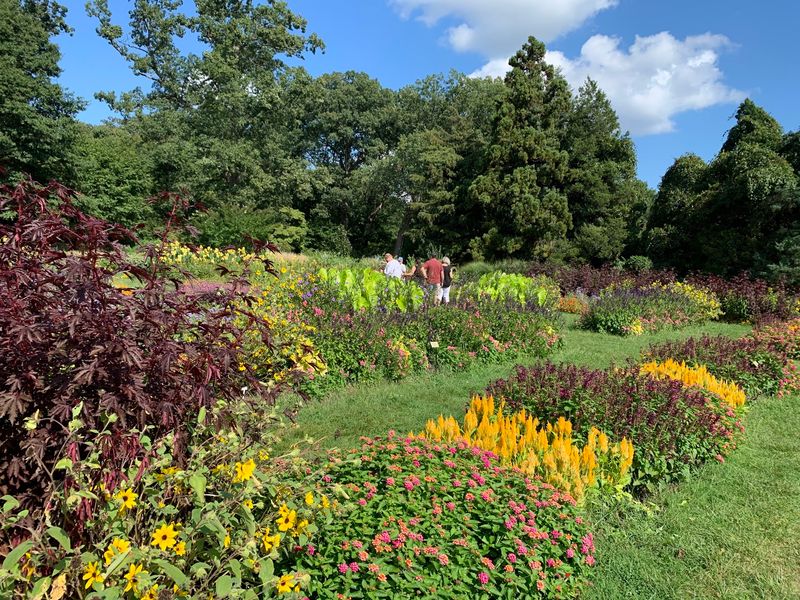
Flowers give the gardens a reason to slow down rather than head straight for the bamboo. The grounds include cultivated flower areas and perennial arrangements, with plant names adding a little context along the way.
There is no need to recognize every variety to make the walk worthwhile.
Timing changes what is available. Accounts mention spring blooms, plants still blooming later in the year, and a notably different experience in late October.
That makes any single trip a look at one point in the garden’s cycle, not a promise that every bed will be in bloom.
Some individual areas may also be closed during a visit. Rather than building the whole outing around one display, allow time for the surrounding paths and trees.
The planted sections work especially well as a starting point: they establish the garden’s cultivated side before the route shifts toward more natural areas. Even a brief pause at a labeled bed can change what catches your attention next.
Trees, Woods, and Open Ground
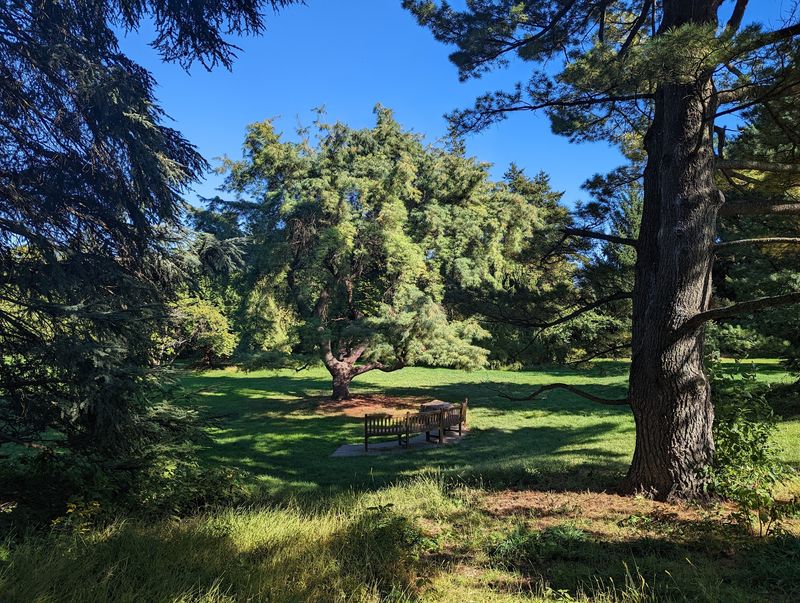
The bamboo gets the headline, but the trees deserve part of the afternoon. Rutgers Gardens includes many kinds of trees, plus wooded areas that add variety to a walk through the planted grounds.
People exploring the site also mention a pine forest and Hellyar Woods.
Open fields of grass provide another change of setting. Moving between those areas can make the garden feel less like a single display and more like a collection of outdoor spaces.
Some paths run beneath tree cover, while others lead through broader, open ground.
That range is useful when planning a visit with different interests. One person might linger over plant placards, another might prefer the woods, and a group can still share the same outing.
There is no need to claim that every route will be accessible on every day; conditions and closures may affect the choice. The simple plan is to keep exploring where paths are open, then save anything missed for another visit.
A Place to Pause, Not Just Walk
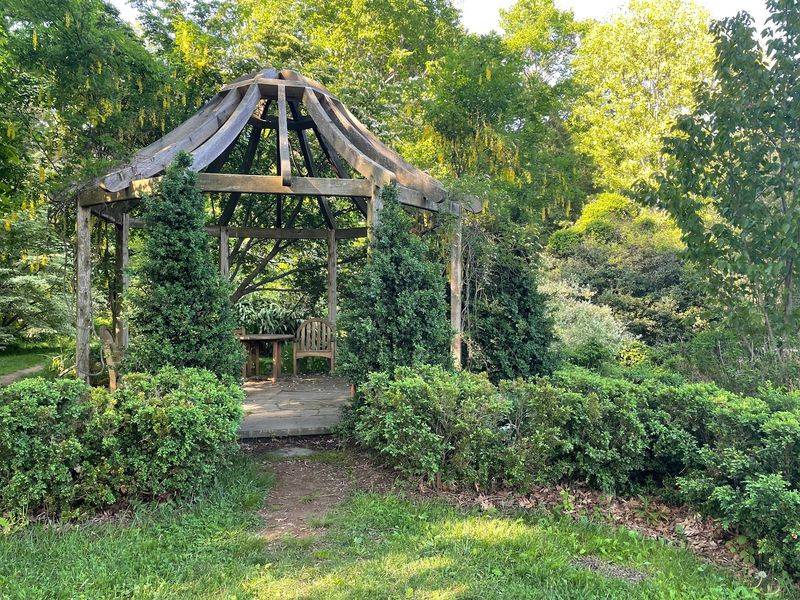
A bench can be as useful as a trail map when nobody is in a hurry. Benches appear throughout Rutgers Gardens, giving people places to pause between the cultivated areas and longer walks.
That makes the grounds workable for someone who wants time outdoors without spending every minute on the move.
The garden is often described as peaceful, but it is still a public place, not a promise of solitude. A weekend may bring more activity, and the pace can differ from one visit to the next.
Bringing a book is one way to make good use of a pause; simply choosing a shorter route works just as well.
For families or mixed-age groups, those stopping points can make the outing easier to adjust. People who want to cover more ground can continue along the paths, while others take a break.
Rutgers Gardens does not need to be treated as a fitness goal. Its benches help make a modest visit feel complete.
Photos Across the Grounds
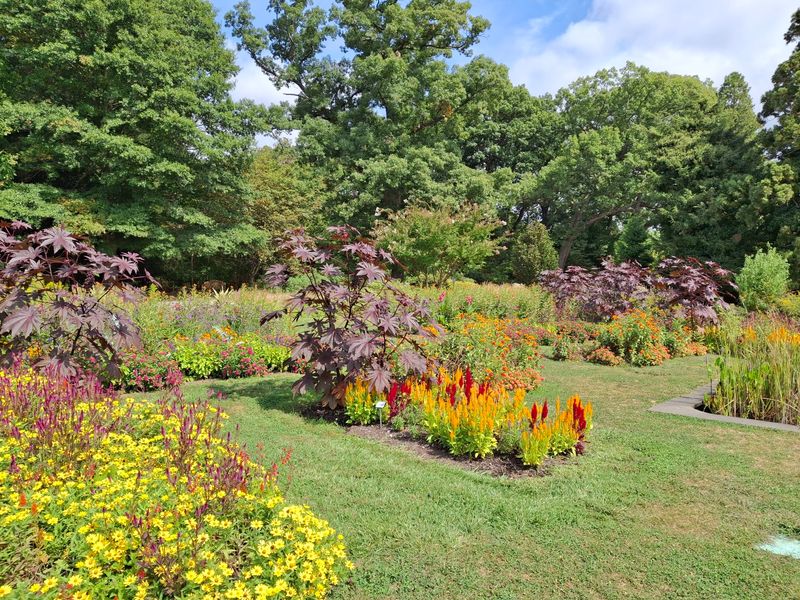
A camera outing here need not begin and end at the bamboo forest. Rutgers Gardens offers flower beds, trees, natural areas, and open ground, so people looking for photographs have several kinds of backgrounds within one stop.
Some have used the grounds for family or maternity photos.
The strongest reason to allow extra time is simple variety. A planted area may be the focus first, then a path or stand of trees may offer a different composition.
Seasonal change also matters: an image planned around spring flowers will not be the same as one made in late October.
Photography should fit around an ordinary garden visit. Stay on appropriate routes and allow room for others to pass, especially where paths are narrow or uneven.
No single spot has to carry the entire outing. Even without a formal photo plan, a walk through several sections gives a clearer record of what makes this New Jersey garden distinctive.
An Outing for Different Paces
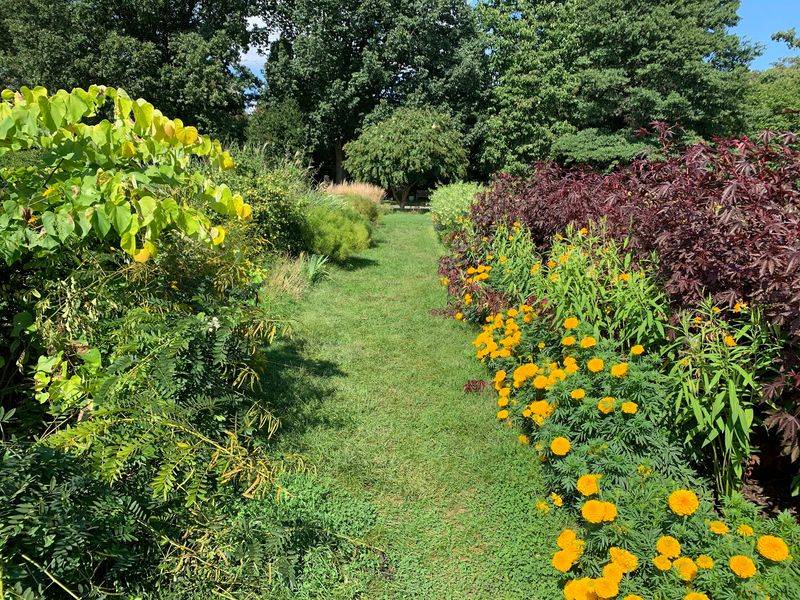
Not everyone arrives with the same plan, and the gardens leave room for that. Families can choose open paths and take breaks on benches.
Garden enthusiasts can spend time with plant labels, while someone seeking a simple walk can move between cultivated beds and wooded areas.
Dogs have also accompanied people on walks here, though it is wise to check current site guidance before bringing one. Those planning a picnic should check the garden’s rules as well, rather than assume there is a dedicated picnic area.
The grounds have areas used for events, which is another reason to leave space for other activities.
The important distinction is between flexible and fully equipped. Rutgers Gardens supports many kinds of casual outdoor visits, but reports of uneven surfaces and limited restroom arrangements may affect a family’s plans.
Choose an outing that suits the group instead of trying to do it all. Sometimes the best route is simply the one everyone can enjoy together.
Free Admission and Garden Hours
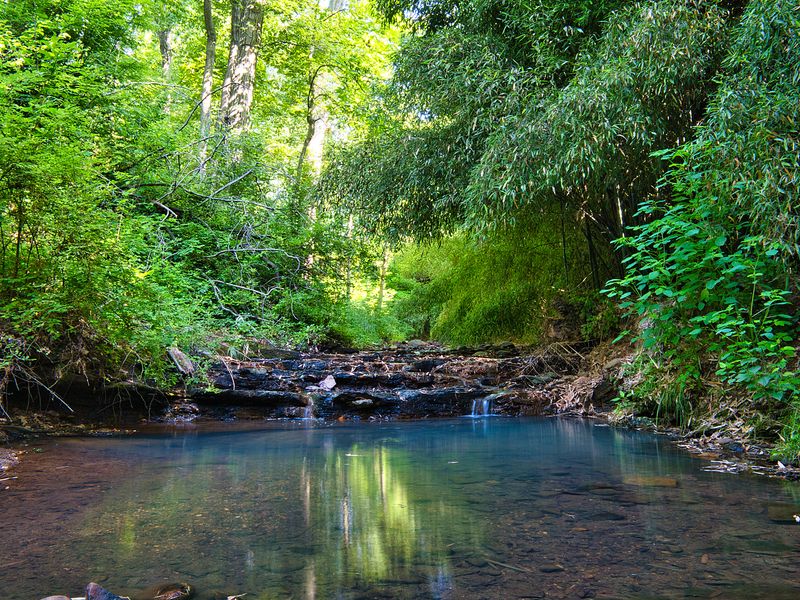
Here is the practical detail that makes an unplanned stop easier: admission to Rutgers Gardens is free. The grounds are public, so a person does not need to belong to a Rutgers program to explore them.
Donations are accepted, according to accounts of the garden.
The supplied operating schedule lists hours of 8 a.m. to 7 p.m. Tuesday through Sunday, with the gardens closed on Monday.
Hours can change, so check the garden’s website before setting out, particularly if a late-day walk is the goal. One account notes that the gates were locked at closing time.
Free admission does not mean every part of the grounds will always be open. Individual garden areas or trails may be unavailable during a particular visit.
Allow enough time to enjoy what is accessible without rushing back toward the exit. A quick check before departure, followed by a flexible plan on arrival, keeps the outing pleasantly straightforward.
Parking and Trail-Side Preparation
Getting to the gardens is simpler when the car has somewhere to go: on-site parking is available, and accounts also mention overflow spaces. Parking has been described as free, though busy weekends can make finding a space less immediate.
Leave a little flexibility in the schedule if arriving at a popular time.
Preparation for the walk is modest but worthwhile. Closed shoes suit the bamboo area and uneven paths better than footwear meant only for paved ground.
In warmer months, insect repellent and water are sensible additions; wet conditions can make some surfaces slippery. Grass may also have dips or holes.
Restroom arrangements deserve a check before leaving home. Accounts describe permanent facilities being out of order during some visits, with portable restrooms available instead.
Those conditions may change, so do not assume a particular facility will be ready. A little planning will not make the garden less spontaneous; it leaves more of the outing for exploring.
A Small Trip With Plenty to Explore
The best reason to go may be that the outing does not ask for much. Rutgers Gardens combines free public access with a bamboo forest, planted beds, trees, and paths that can fill a short stop or a longer afternoon.
That is a useful combination for New Jersey residents who want a local plan without committing to a full day.
No single season or route can show every side of the grounds. Spring flowers, later blooms, and changes in the trees give repeat trips different points of interest.
A seasonal farmers market can add another reason to check what is happening, though its schedule should be confirmed before making it the purpose of a visit.
Come for the bamboo if that is what sparked the trip, but leave room for the rest of the garden. Follow open paths, plan around current hours, and take a break when it suits you.
The memorable discovery is not only that the forest is here; it is that exploring it costs nothing.
Share this story