Some cities grow slowly over centuries, adding a neighborhood here and a suburb there. Others seem to blink and suddenly find themselves bursting at the seams with millions of new residents.
Across Asia, Africa, and the Middle East, a handful of cities have grown so fast that their populations more than doubled in just ten years. From purpose-built capitals to industrial boomtowns, these places tell one of the most fascinating stories in modern urban history.
Doha Industrial Area, Qatar
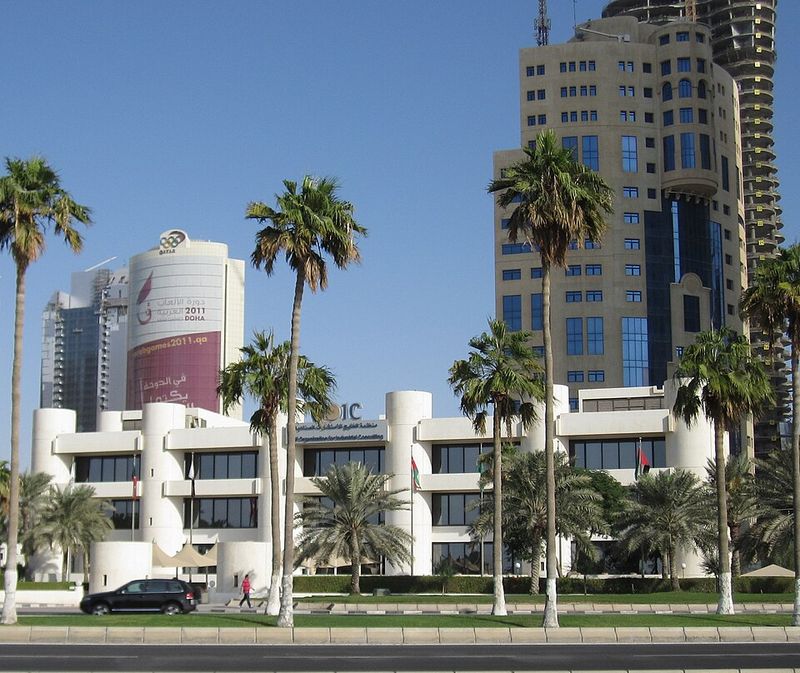
Nowhere on Earth grew faster during the 2000s and 2010s than this corner of Qatar. Doha Industrial Area went from a modest settlement of about 37,000 people in 2000 to a staggering 419,000 by 2020.
That is an elevenfold jump, driven almost entirely by Qatar’s energy wealth and a construction boom that seemed to have no off switch.
The area functions as the industrial engine of the wider Doha metropolitan region, handling light manufacturing, logistics, warehousing, and everything a rapidly modernizing nation needs to keep moving. Workers arrived from South Asia, Southeast Asia, and beyond, turning a relatively quiet zone into one of the world’s most densely packed labor communities.
Qatar’s national planning framework officially designated the area as a key industrial zone, which gave developers and businesses the green light to expand aggressively. Average annual growth of about 13.6% made it the fastest-growing urban agglomeration in the entire dataset.
Growth on that scale is almost impossible to imagine in a mature city, but Qatar’s oil and gas revenues made the unimaginable look routine.
Xiong’an, China
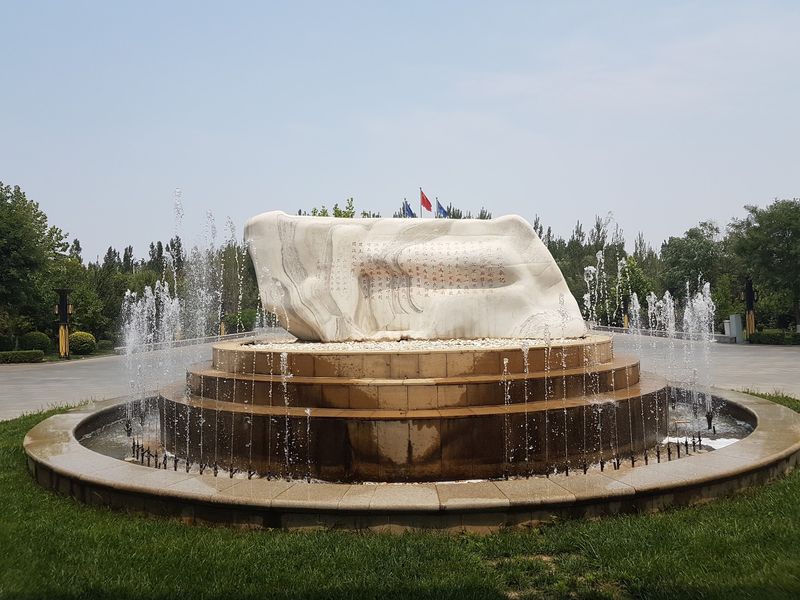
China has built entire cities from scratch before, but Xiong’an is different. The Chinese government formally created Xiong’an New Area in 2017, stitching together three counties about 100 kilometers southwest of Beijing into a single planned urban zone.
The idea was bold: relocate functions from an overcrowded capital and build a futuristic city to handle what Beijing could not.
Before the announcement, the area was already growing. Population estimates climbed from roughly 125,000 in 2000 to 970,000 by 2020, reflecting average annual growth of about 11.4%.
Government agencies, tech companies, and universities were encouraged or required to relocate, bringing workers and families along with them.
By 2026, officials reported more than 5,300 new buildings completed across the broader new area, with a permanent population approaching 1.41 million. Xiong’an is one of the rare cities where growth was not just encouraged but engineered at the highest levels of government.
Whether it becomes the innovation hub planners envisioned or a cautionary tale about top-down urbanism, it is already one of the most watched urban experiments on the planet.
Rupganj, Bangladesh
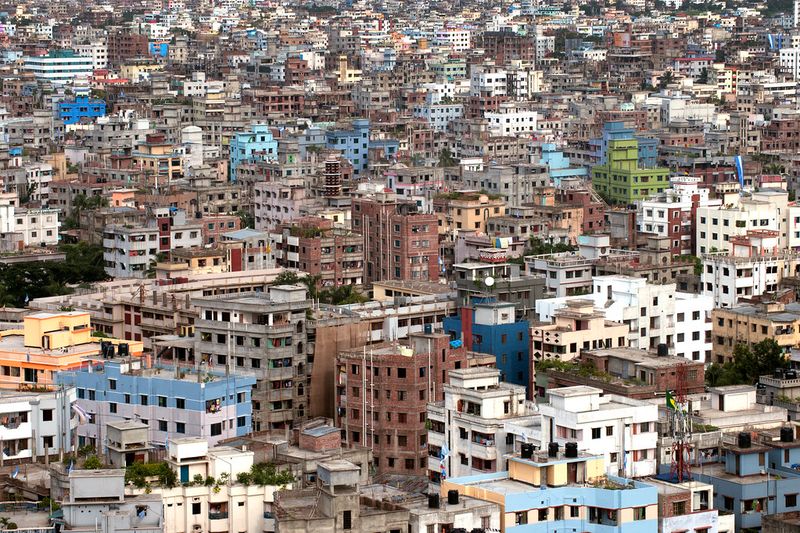
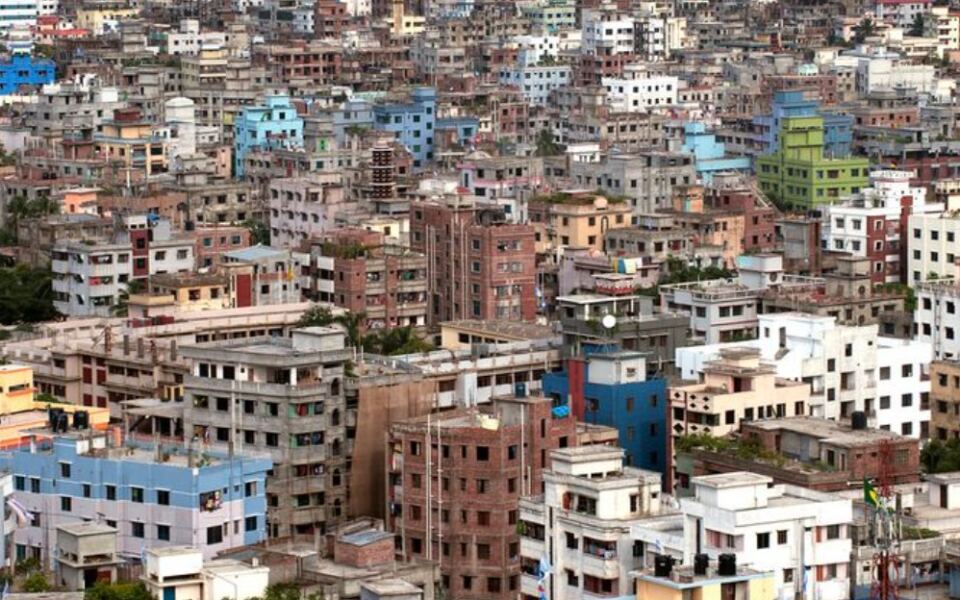
Guinness World Records once flagged Rupganj as the world’s fastest-growing large urban agglomeration, and a quick look at the numbers makes that easy to believe. Located east of Dhaka, this city swelled from about 76,000 residents in 2000 to 482,000 by 2020, a more than sixfold increase that averaged roughly 10.2% growth per year.
Two planned developments explain a big chunk of that explosion: Purbachal New Town and Jolshiri Abashon, both large-scale government housing projects designed to absorb Dhaka’s overflowing population. When major infrastructure projects land near a small settlement, the surrounding area tends to transform fast.
Rupganj is a textbook example of that phenomenon.
Industrial development and improved road connections added fuel to the fire, pulling in workers who needed affordable housing close to employment. What was once a quiet peripheral town on Dhaka’s eastern fringe became a substantial urban center within barely a generation.
Rupganj is a reminder that urban transformation in South Asia does not always happen in the cities everyone already knows. Sometimes the fastest change happens just around the corner from the megacity, in places that most maps barely label.
Gwagwalada, Nigeria
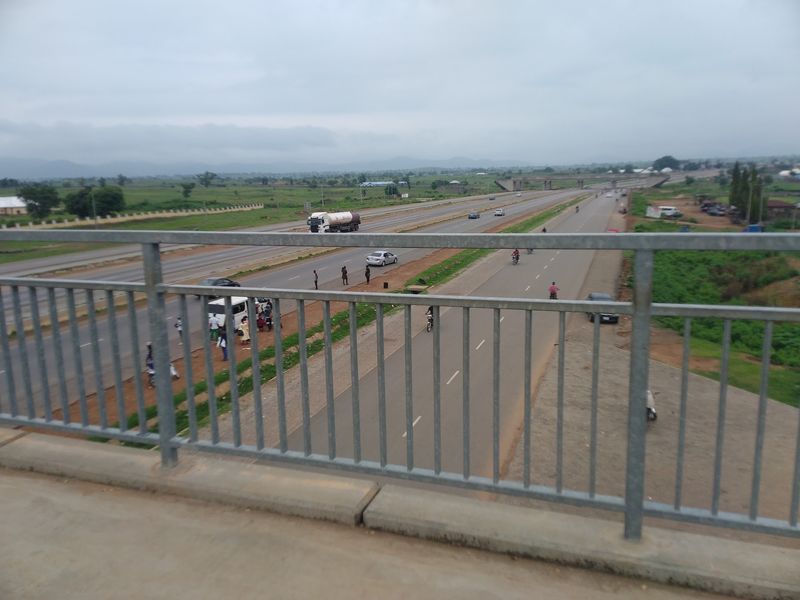
Ask most people to name a fast-growing Nigerian city and they will say Lagos or Abuja. Few will mention Gwagwalada, which is exactly why its story is so surprising.
Tucked into Nigeria’s Federal Capital Territory southwest of central Abuja, Gwagwalada grew from about 73,000 people in 2000 to 410,000 by 2020, an average annual jump of around 9.5%.
The city’s proximity to Abuja is the key. As Nigeria’s purpose-built capital became more expensive and more crowded, people pushed outward into surrounding areas where housing was cheaper and land was still available.
Gwagwalada offered exactly that: a foothold in the capital territory without the price tag of living in Abuja’s central districts.
Guinness World Records identified Gwagwalada among the world’s fastest-growing cities during the late 2010s, a distinction that comes with enormous pressure. Schools, water systems, roads, and health clinics that were sized for a town of 73,000 suddenly had to serve a city more than five times that size.
That gap between population growth and infrastructure delivery is one of the defining challenges of rapid urbanization in West Africa, and Gwagwalada is living through it in real time.
Miluo, China
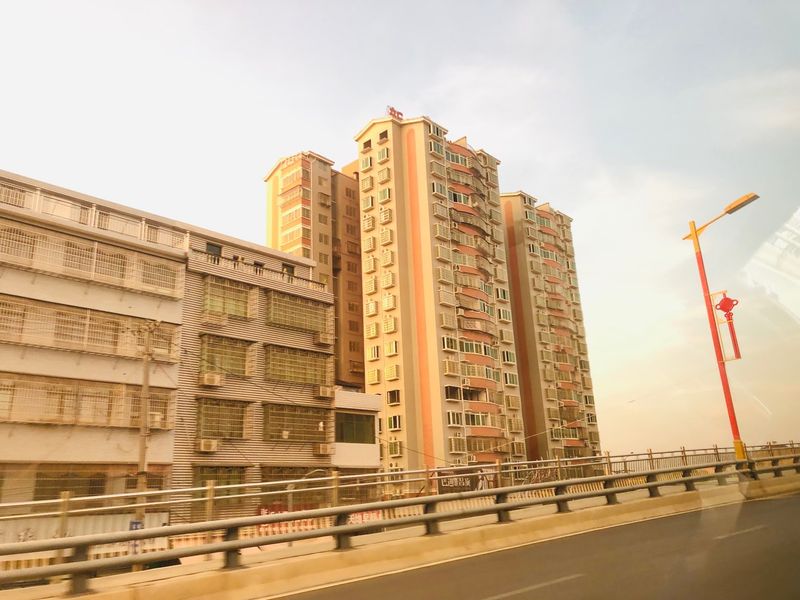
Miluo carries a poetic reputation in China. The city in Hunan province is historically linked to Qu Yuan, the ancient poet whose death inspired the Dragon Boat Festival, one of the country’s most beloved traditions.
But modern Miluo has a very different kind of story to tell, one written in concrete, factories, and population charts.
Between 2000 and 2020, Miluo grew from about 109,000 people to 604,000, averaging roughly 9.4% annual growth. That places it among the world’s fastest-growing urban agglomerations for those two decades, a fact that surprises people accustomed to thinking of Chinese urban growth only in terms of Shanghai or Shenzhen.
Miluo’s rise reflects a broader truth about Chinese urbanization: the most dramatic percentage gains have often happened in smaller regional cities, not the internationally famous megacities. Improved transport links, industrial investment, and migration from surrounding rural areas transformed what was once a modest riverside town into a substantial urban center.
The Dragon Boat Festival still runs on the Miluo River every year, drawing visitors who may not realize they are standing in one of the fastest-growing cities in the world.
The Woodlands, Texas
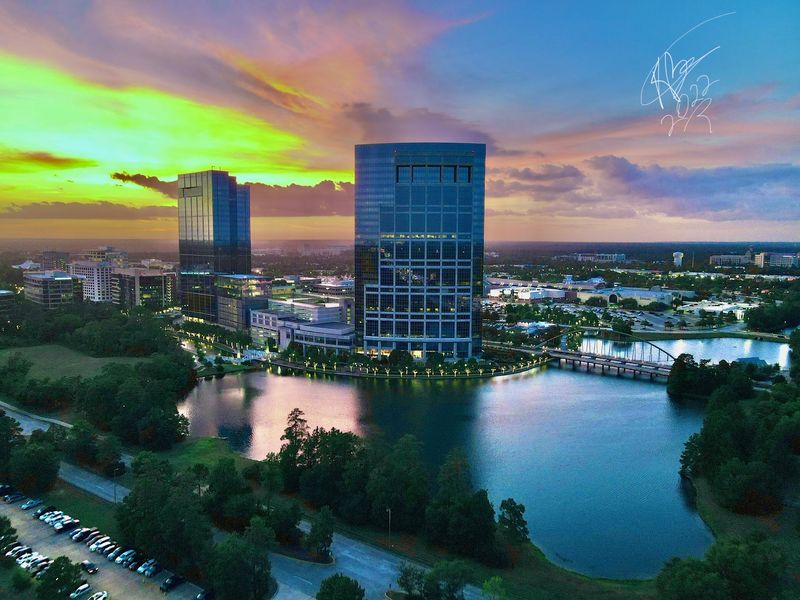
Not every city on this list is in a developing nation, and The Woodlands makes that point loudly. This master-planned community north of Houston, Texas, grew from an estimated urban agglomeration of about 103,000 people in 2000 to 570,000 by 2020, matching an average annual growth rate of roughly 9.4% under UN estimates.
The Woodlands was not a happy accident. Developed by George Mitchell beginning in the 1970s, it was designed from the start to be a self-contained community with parks, schools, offices, and retail all woven together.
What started as an ambitious suburban experiment evolved into a major employment hub with corporate campuses, a performing arts center, and a waterway lined with shops and restaurants.
The gap between the UN urban agglomeration figures and the township’s own administrative count is striking. Official local numbers show around 63,000 residents in 2000 growing to about 118,000 by 2020, far smaller than the broader metropolitan estimate.
That difference illustrates how much population definitions matter when comparing cities across datasets. Either way, The Woodlands represents a rare American success story in deliberate, large-scale planned urban growth that actually worked.
Hosur, India
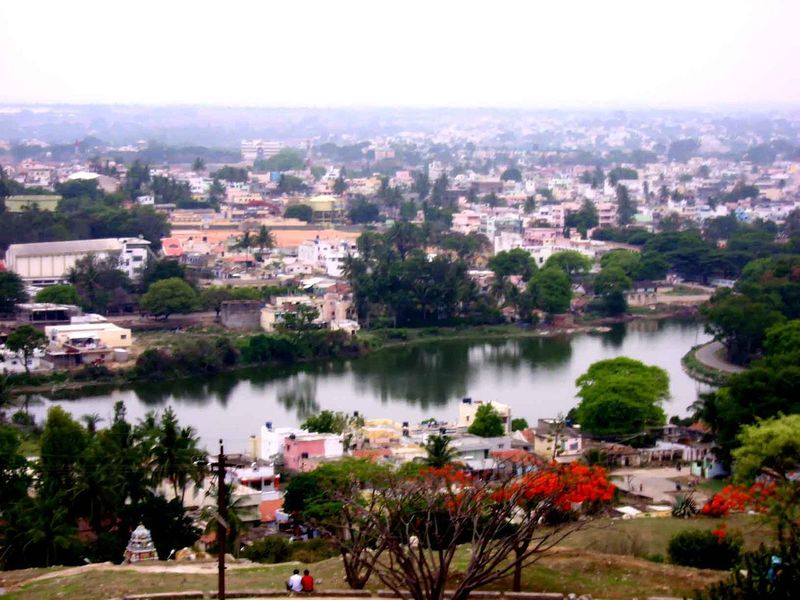
Hosur has a secret weapon, and it is geography. Sitting just across the Tamil Nadu border from Bengaluru, this city enjoys the economic gravitational pull of one of India’s biggest tech and manufacturing hubs without being swallowed by it.
Companies that wanted Bengaluru’s talent pool but not its land prices found Hosur extremely appealing.
The result was rapid industrial growth, especially in automotive, electronics, and engineering sectors. TVS Motor Company and other major manufacturers set up operations there, drawing workers and families in large numbers.
Population climbed from about 94,000 in 2000 to 494,000 by 2020, an average annual increase of roughly 9.1%.
Transport corridors connecting Hosur to Bengaluru made daily commuting practical for thousands of workers, which only added to the city’s attractiveness as a residential base. As factories expanded, supporting businesses, housing developments, and retail followed in quick succession.
Hosur is a strong illustration of how economic spillover from a major metropolis can completely reshape a neighboring city within two decades. The city that Bengaluru outgrew became a city in its own right, and it did so faster than almost anyone expected.
Kabinda, Democratic Republic of the Congo
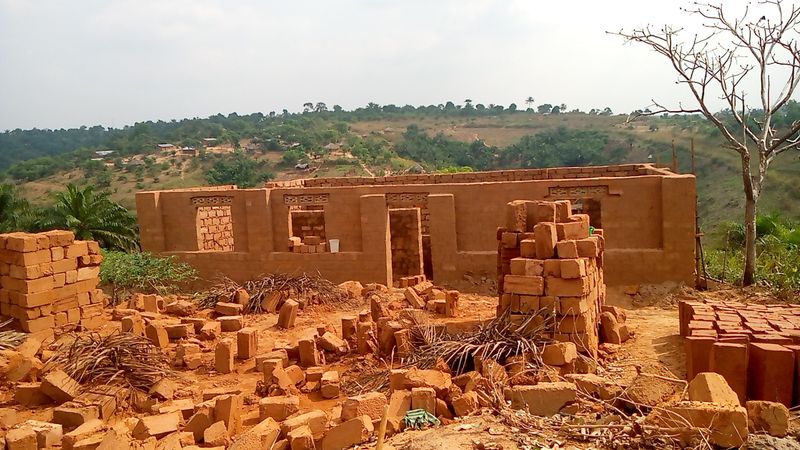
Most people have never heard of Kabinda, and that is precisely what makes its growth story so remarkable. Located in south-central Democratic Republic of the Congo, Kabinda serves as the capital of Lomami Province, a region that rarely makes international headlines.
Yet between 2000 and 2020, its urban population surged from about 91,000 to 466,000, averaging nearly 8.9% annual growth.
The International Institute for Environment and Development has pointed out that many of the world’s fastest-growing cities are not megacities at all. They are relatively small African and Asian centers like Kabinda, growing rapidly under the radar of global media and international development funding.
That invisibility creates real problems. Municipal governments in places like Kabinda often lack the financial resources, technical capacity, and reliable demographic data needed to plan for growth at this pace.
Roads, clean water, sanitation, and schools can fall years behind the population they are meant to serve. Kabinda’s story is a reminder that the most urgent urban challenges of the 21st century are not always unfolding in the cities that dominate the news.
Sometimes they are happening in provincial capitals that most outsiders could not find on a map.
Shahriyar, Iran
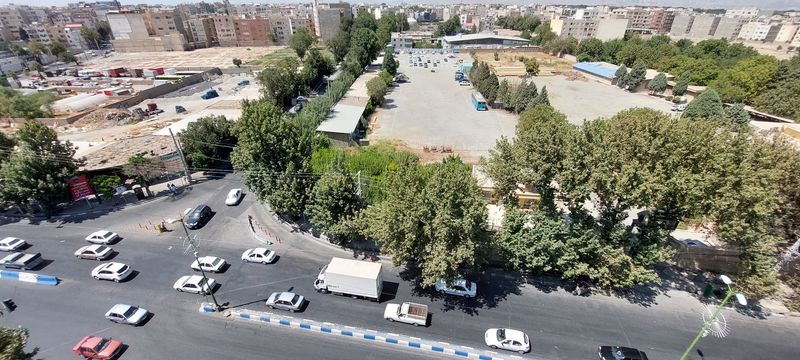
Living near a giant city has its perks, and Shahriyar figured that out fast. Positioned west of Tehran, this city became a magnet for people who wanted access to Iran’s capital without paying capital-city prices.
As Tehran grew more congested and expensive, Shahriyar’s population shot upward from about 71,000 in 2000 to 364,000 by 2020.
That represents average annual growth of roughly 8.9%, a rate driven largely by the classic suburban spillover pattern: central city fills up, land values rise, and development pushes outward along transport corridors into neighboring municipalities. Shahriyar sat directly in that path.
Major roads connecting Shahriyar to Tehran made commuting manageable, and the availability of relatively affordable housing sealed the deal for thousands of families. Agricultural land on the city’s outskirts gave way to apartment blocks and commercial strips as developers raced to meet demand.
The phenomenon Shahriyar experienced is not unique to Iran. Cities that ring major metropolitan areas around the world have seen similar explosions.
What makes Shahriyar stand out is the sheer speed of the transformation, turning a small city into a substantial urban center in less time than it takes most children to finish school.
Nay Pyi Taw, Myanmar
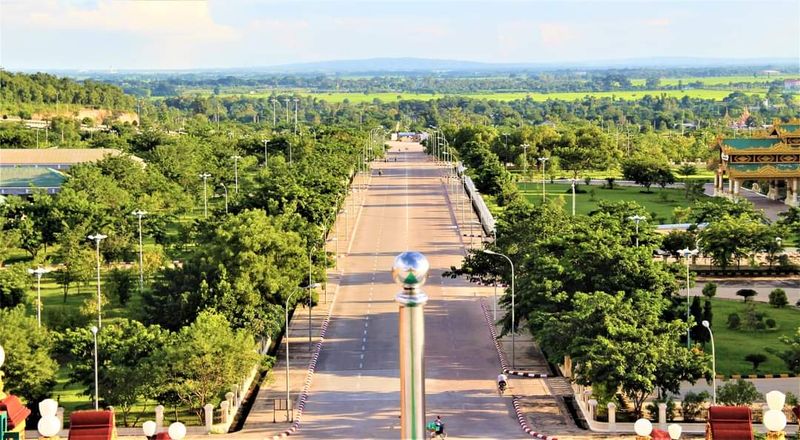
Wide boulevards built for ten lanes of traffic, government ministry complexes spread across vast distances, and a city that appeared almost fully formed from a jungle clearing. Nay Pyi Taw, Myanmar’s purpose-built capital, is one of the strangest urban stories of the 21st century.
The government began construction in the early 2000s and started relocating ministries from Yangon in 2005, essentially ordering a capital into existence.
Population grew from an estimated 117,000 in 2000 to 594,000 by 2020, averaging about 8.9% annual growth. Unlike every other city on this list, that growth did not emerge organically from economic opportunity or geographic advantage.
It was the direct result of a political decision made at the highest level of Myanmar’s military government.
The result is a city that feels unlike any other. Hotels with hundreds of rooms stand largely empty.
Roads wide enough for military parades see minimal daily traffic. Yet Nay Pyi Taw functions as a real capital with a real population, hosting government workers, their families, and the businesses that serve them.
Whether it ever develops the organic energy of a city that grew on its own terms remains one of urban geography’s more intriguing open questions.
Mbouda, Cameroon
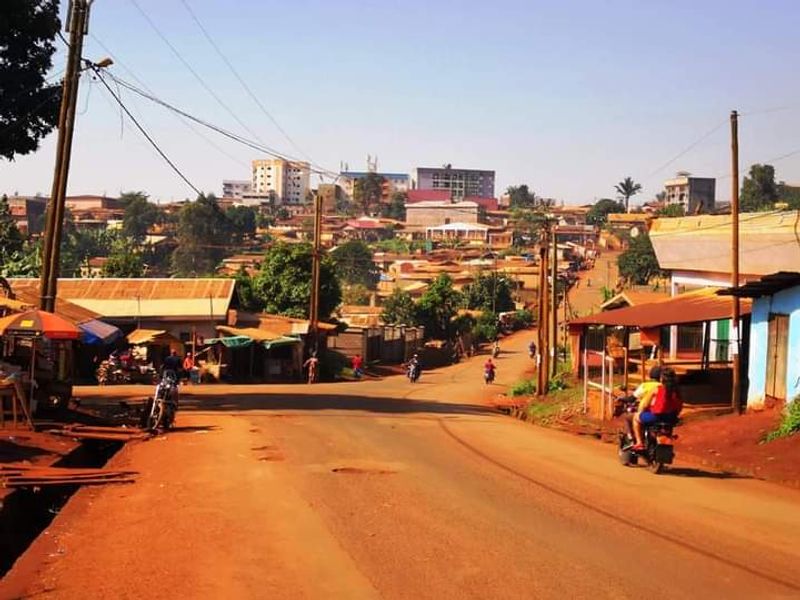
Cameroon’s West Region is known for its highlands, its dense population, and its agricultural productivity. Mbouda sits at the heart of it, functioning as an administrative and commercial hub for dozens of surrounding communities.
That central role has made it a powerful magnet for people seeking markets, schools, health services, and employment.
Between 2000 and 2020, Mbouda’s population grew from roughly 102,000 to 486,000, averaging about 8.5% per year. Researchers studying African urbanization have consistently identified it among the continent’s fastest-growing settlements, with some periods recording annual growth above 7%.
What is especially notable about Mbouda is that it achieved this growth without being a capital city or a major port. It is not on most international radar screens.
Yet its combination of administrative functions, market activity, and agricultural trade created enough economic pull to draw hundreds of thousands of new residents over two decades. Mbouda’s trajectory challenges the common assumption that African urban growth is concentrated in coastal megacities.
Across the continent, smaller inland cities are expanding at rates that would be extraordinary anywhere in the world, and Mbouda is one of the clearest examples of that trend in Central and West Africa.
Bazhong, China
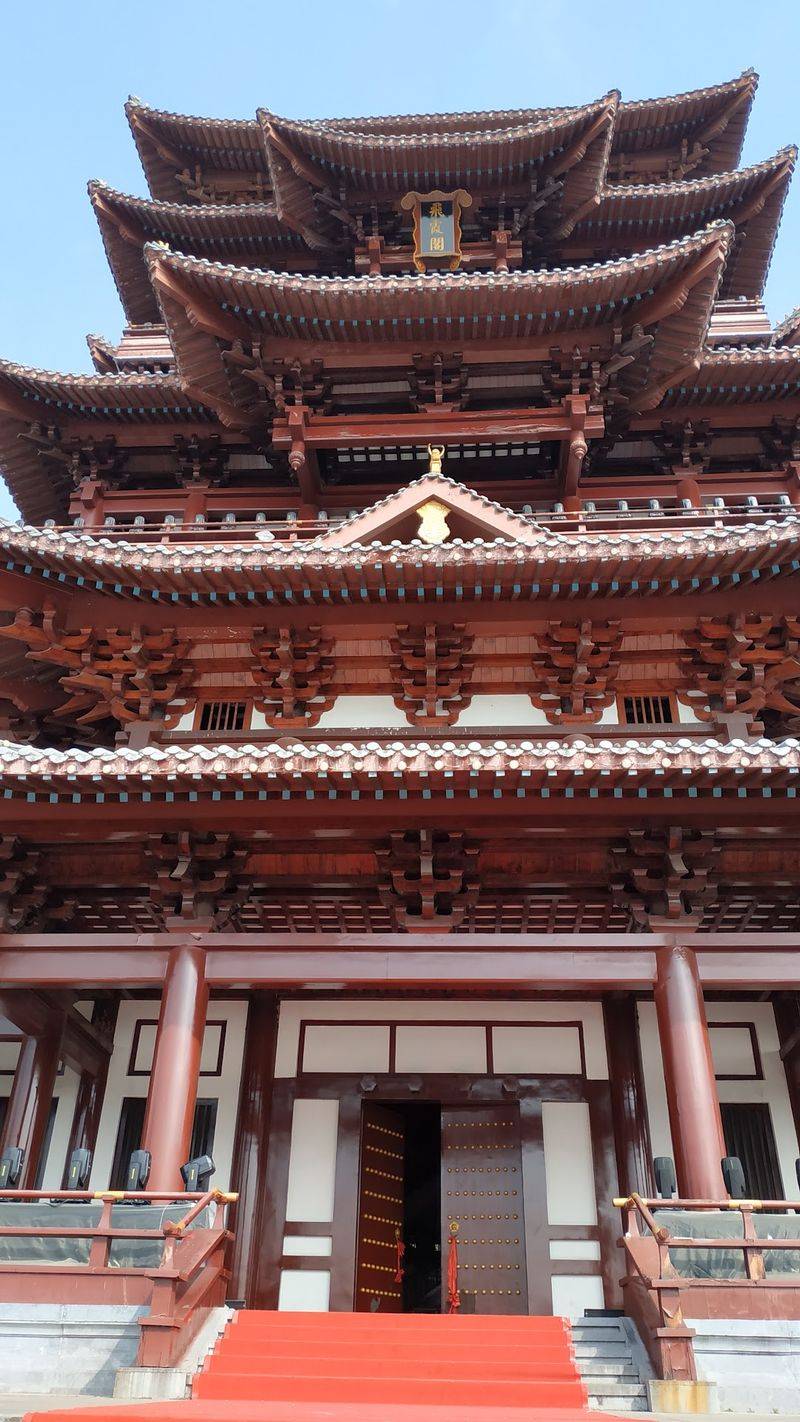
Bazhong sits in a hilly corner of northeastern Sichuan, far from the neon glow of Chengdu and the global headlines that follow China’s biggest cities. Yet between 2000 and 2020, it grew from about 212,000 people to nearly 992,000, approaching a fivefold increase with average annual growth of roughly 8.5%.
Infrastructure investment played a huge role. New roads and rail connections brought Bazhong into closer economic contact with Chengdu and other regional centers, making it easier for businesses to operate there and for rural residents to reach urban services.
Government investment in local administration, healthcare, and education added further pull.
China’s urbanization story is usually told through its coastal giants, but Bazhong is a reminder that the interior of the country has experienced its own remarkable transformation. Millions of people moved from rural villages into cities like Bazhong, seeking better wages, better schools, and a different kind of future.
The city that emerges from that process is not glamorous in the way that Shanghai or Shenzhen might be, but it is real, it is growing, and it is home to nearly a million people who were not there a generation ago. That is a story worth telling.
Lokoja, Nigeria
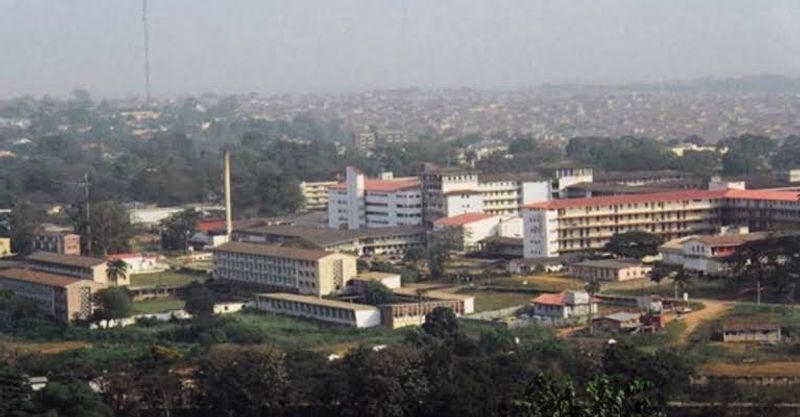
Few cities in Nigeria have a more dramatic geographic address than Lokoja. The city sits exactly where the Niger and Benue rivers meet, a location so strategically significant that British colonial administrators made it a major base during the 19th century.
Today that same geography helps funnel trade, transport, and migration through the city in ways that keep its economy active.
Lokoja serves as the capital of Kogi State, which adds a layer of administrative employment and government services that draw residents from surrounding areas. Population climbed from about 149,000 in 2000 to 692,000 by 2020, with average annual growth of roughly 8.4%.
African urban researchers ranked it among the continent’s fastest-growing cities during 2015 to 2020 as well.
The river confluence that once made Lokoja important to colonial administrators now makes it important to traders, truck drivers, and the hundreds of thousands of people who depend on north-south transport routes through central Nigeria. Infrastructure built for a town of 150,000 now serves a city nearly five times that size, and the pressure on roads, schools, and utilities is visible.
Lokoja’s growth is a story of geography, history, and the unstoppable momentum of Nigerian urbanization colliding in one place.
Phuket, Thailand
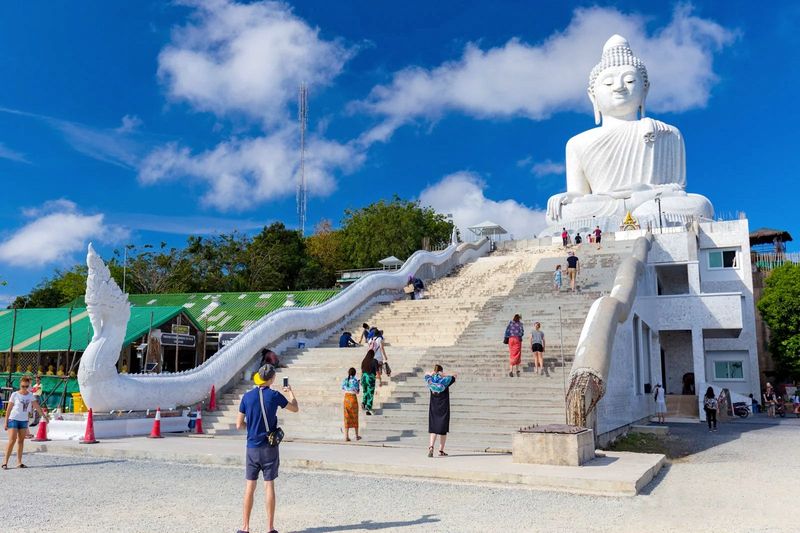
Phuket is famous for beaches, and that reputation sometimes overshadows just how much of a real city it has become. Thailand’s largest island grew from a urban agglomeration of roughly 94,000 people in 2000 to 432,000 by 2020, averaging about 8.3% annual growth.
Tourism was the engine, but it was not the only driver.
The island’s historic Old Town tells a different story from the resort strips. Sino-European shophouse architecture reflects centuries of Chinese, Indian, Muslim, and European settlement, making Phuket one of Thailand’s most culturally layered places.
That heritage has drawn a growing international resident community alongside the tourists who stay for a week and leave.
Improved air connections, expanding service industries, and domestic migration from other Thai provinces all contributed to Phuket’s transformation into a genuinely diverse urban economy. Hospitals, international schools, retail centers, and corporate offices joined the hotels and restaurants that most visitors associate with the island.
The result is a city that functions on multiple levels simultaneously: resort destination, regional capital, and fast-growing home for hundreds of thousands of permanent residents who experience Phuket very differently from the tourists sharing the same beaches.
Uige, Angola
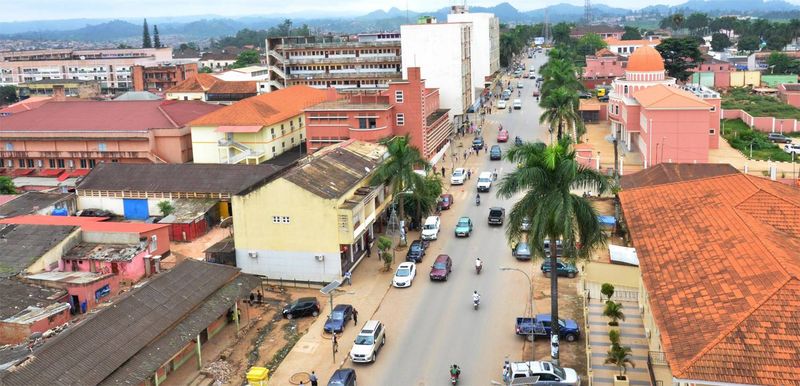
Angola’s long civil war lasted nearly three decades, and when it finally ended in 2002, the country’s cities began absorbing an enormous wave of returning displaced people and new migrants seeking stability. Uige, the capital of Angola’s northern Uige Province, caught a significant share of that wave.
Population grew from about 113,000 in 2000 to 511,000 by 2020, averaging roughly 8.3% per year.
The province has a long history tied to coffee production, once one of Angola’s most important exports. But the city’s post-war growth was driven less by agriculture than by the basic human desire for security, services, and economic opportunity after decades of conflict.
People came to Uige because it offered more stability than the surrounding countryside.
Researchers tracking African urbanization have identified Uige as one of the continent’s fastest-growing urban centers, with annual growth exceeding 7% during the second half of the 2010s. The challenge that comes with that speed is enormous.
Housing, clean water, schools, and sanitation have to scale up nearly as fast as the population itself, which is extraordinarily difficult for a provincial government with limited resources. Uige’s story is ultimately about resilience, a city rebuilding itself while simultaneously figuring out how to grow.
Share this story