Some countries that were once considered economic success stories have since fallen into serious financial hardship. From oil-rich nations to thriving banking hubs, the reasons behind each country’s decline are as different as the countries themselves.
Understanding what went wrong can help us learn important lessons about how economies rise and fall. These 15 countries show just how quickly prosperity can turn into struggle.
1. Venezuela
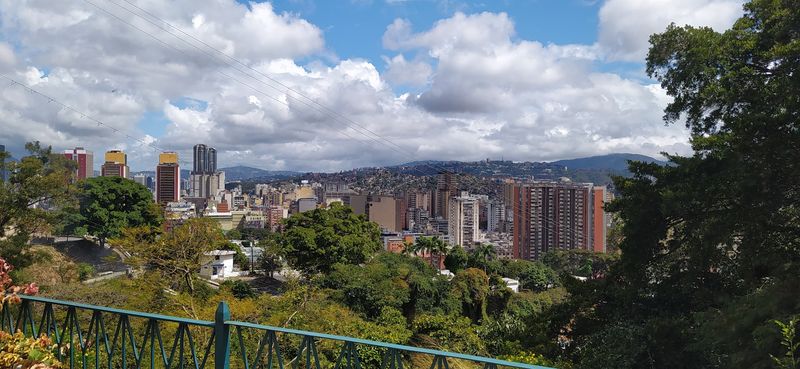
At its peak, Venezuela was the envy of Latin America. Sitting on the world’s largest proven oil reserves, the country used petroleum revenues to fund schools, hospitals, and social programs that lifted millions out of poverty.
For decades, oil money made Venezuela one of the wealthiest nations in the Western Hemisphere.
But heavy dependence on a single resource proved dangerous. When global oil prices dropped and government mismanagement deepened, the economy began to unravel fast.
Inflation spiraled out of control, reaching millions of percent annually at its worst point, wiping out savings and pushing basic goods out of reach.
Millions of Venezuelans fled the country in one of the largest migration crises in the Americas. Food shortages, medicine scarcity, and power outages became everyday realities.
The collapse stands as one of the most dramatic economic falls in modern history.
2. Lebanon
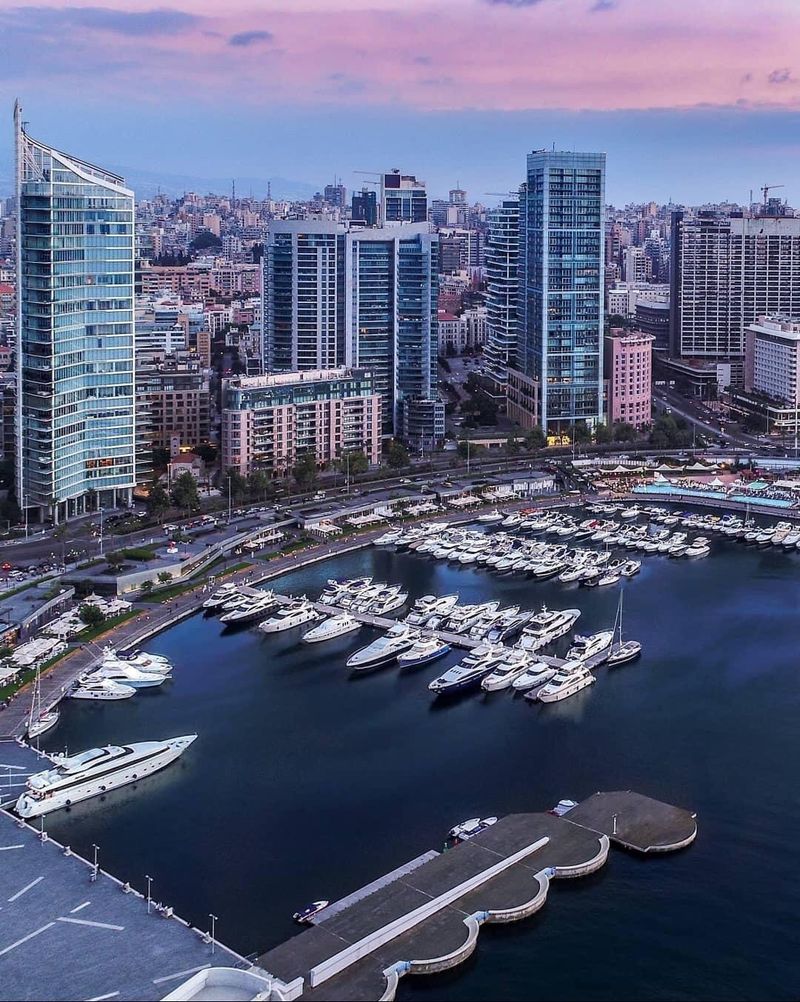
Beirut was once called the “Paris of the Middle East,” and that nickname was well earned. Lebanon’s capital buzzed with international banking activity, luxury tourism, and a thriving arts scene that drew visitors from across the globe.
The country’s financial sector was the backbone of the entire region for decades.
Then, starting in 2019, everything unraveled. A combination of government corruption, reckless financial practices, and mounting public debt triggered a banking collapse unlike anything the country had seen before.
The World Bank reported that Lebanon’s currency subsequently lost about 98% of its value, an almost unimaginable destruction of wealth.
Ordinary Lebanese citizens found their savings frozen in banks they could no longer access. Hospitals ran short of medicine, and power cuts became routine.
The 2020 Beirut port explosion added devastation on top of an already crippling economic crisis, leaving the country struggling to find a path forward.
3. Zimbabwe
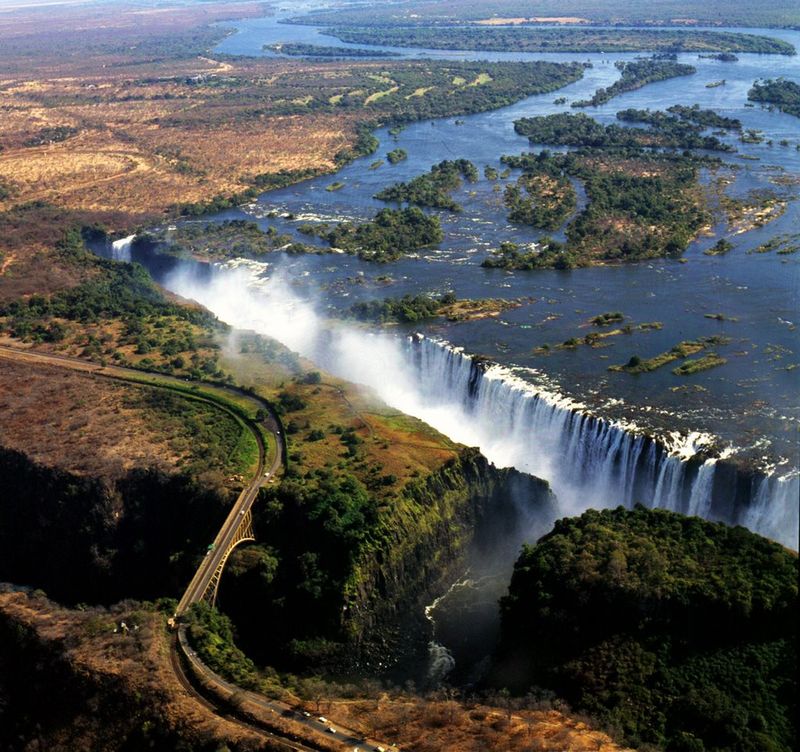
When Zimbabwe gained independence in 1980, it inherited one of Africa’s most developed agricultural and industrial bases. Fertile farmland, solid infrastructure, and a skilled workforce gave the new nation real advantages.
Many economists believed Zimbabwe had strong potential to become a regional economic leader.
However, a series of policy decisions in the late 1990s and early 2000s destabilized the agricultural sector and shook investor confidence. Hyperinflation followed, eventually reaching such extreme levels that the government issued a 100 trillion dollar banknote, an image that became a symbol of economic mismanagement worldwide.
Conditions have stabilized somewhat in recent years, and Zimbabwe is no longer in freefall. Still, rebuilding trust in the economy and restoring consistent growth remains an ongoing challenge.
The country’s story is a cautionary tale about how quickly inherited prosperity can erode when governance and sound policy take a back seat.
4. Argentina
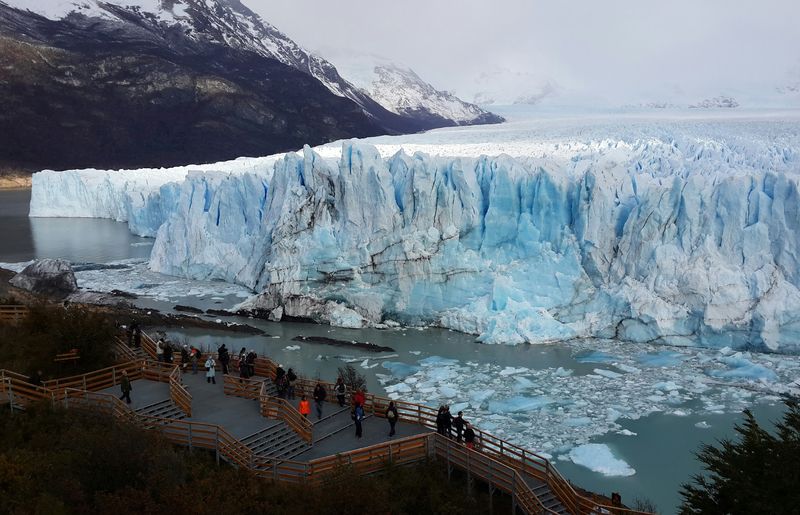
A century ago, Argentina ranked among the wealthiest countries on earth per person. European immigrants poured in, drawn by fertile pampas, booming cattle exports, and a growing industrial base.
Buenos Aires was a cosmopolitan city that rivaled Paris and London in ambition and elegance.
Yet Argentina became notorious for repeating the same economic mistakes over and over. Cycles of heavy borrowing, currency crises, and political instability kept resetting whatever progress the country managed to make.
The country defaulted on its national debt multiple times, a record that made international lenders increasingly cautious.
Inflation has remained a stubborn problem across many decades. Argentines have developed a cultural habit of converting their savings into U.S. dollars to protect against peso devaluation, a coping strategy born from painful experience.
Despite enormous natural resources and a talented population, Argentina continues to search for a stable economic footing.
5. Nauru
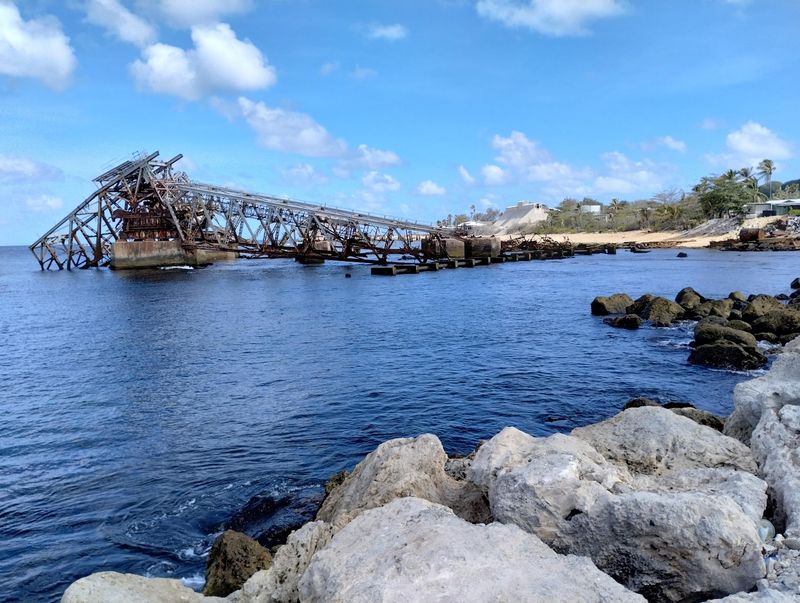
Nauru is one of the most unusual economic stories on the planet. This tiny Pacific island nation, barely larger than a mid-sized city, once had one of the highest per-capita incomes in the world.
The reason was phosphate, a mineral found in massive quantities beneath the island and highly valued as agricultural fertilizer.
During the 1970s and 1980s, Nauru’s government collected so much phosphate revenue that citizens paid no taxes and enjoyed generous government services. The wealth seemed endless, and few worried about what would happen when the deposits ran out.
They did run out. By the 1990s, phosphate reserves were nearly exhausted, and the economy collapsed almost overnight.
Poor financial management of the mining revenues meant little was saved for the future. Today, Nauru relies heavily on foreign aid and faces serious challenges including environmental damage left behind by decades of intensive mining operations.
6. Libya
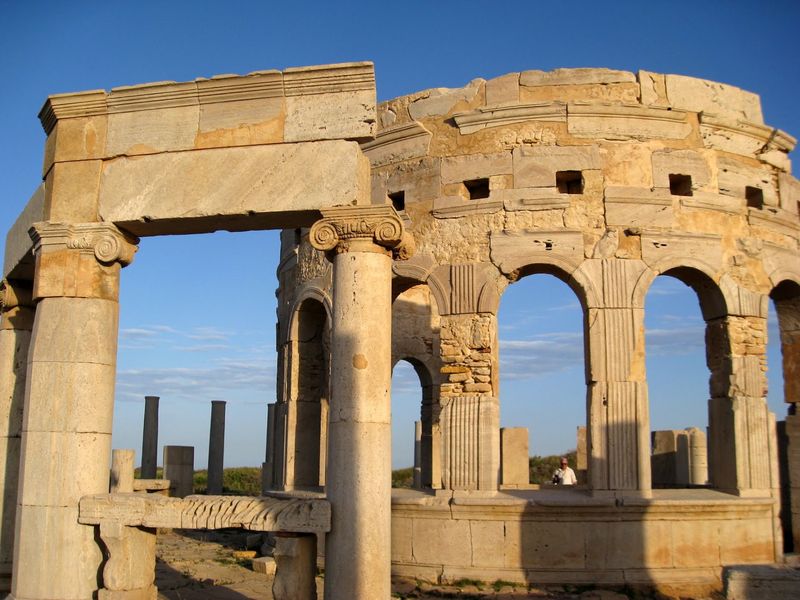
Libya struck oil in 1959, and the discovery transformed the country’s fortunes almost overnight. By the 1970s, oil revenues had made Libya one of Africa’s wealthiest nations, funding infrastructure projects, free education, and subsidized housing.
Under Muammar Gaddafi’s government, oil money flowed into ambitious development programs across the country.
The fall of Gaddafi in 2011, following a NATO-backed uprising, opened the door to years of political fragmentation and armed conflict. Without a stable government capable of managing oil infrastructure, production dropped sharply.
Rival factions fought for control of oil fields and revenues, turning the country’s greatest asset into a source of ongoing conflict.
Today, Libya remains politically divided between competing governments and armed groups. Oil production has partially recovered during periods of relative calm, but lasting economic stability has proven elusive.
The country’s experience shows how political breakdown can rapidly undo decades of resource-driven economic progress.
7. Syria
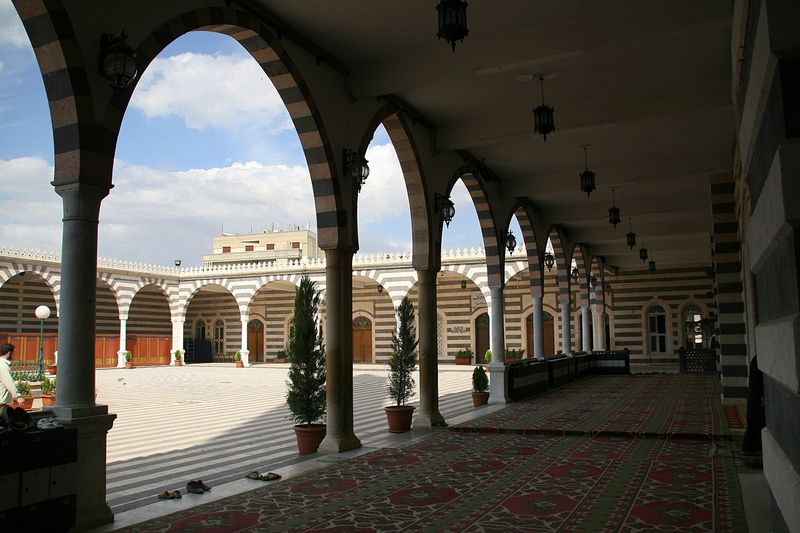
Before 2011, Syria had a genuinely diversified economy. Agriculture, tourism, manufacturing, and a modest but growing oil sector all contributed to a relatively stable standard of living for many Syrians.
Damascus had a vibrant old city that attracted tourists from around the world, and the country was investing in education and infrastructure.
The civil war that erupted in 2011 changed everything. Fighting destroyed cities, factories, farmland, and transportation networks.
Millions of Syrians fled the country as refugees, taking skills and labor with them. The economic contraction was catastrophic, with the country’s GDP falling by more than half in just a few years.
International sanctions, ongoing conflict, and the near-total collapse of the tourism sector compounded the destruction. Rebuilding Syria’s economy would require not just massive investment but also lasting political stability, something that has remained out of reach.
The human cost behind these economic numbers is impossible to overstate.
8. Iraq
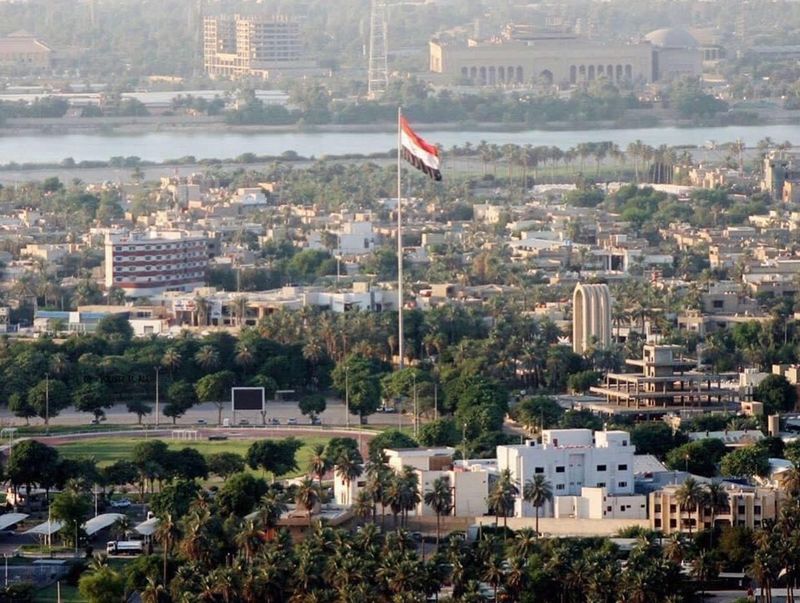
During the 1970s, Iraq was on a genuine upward trajectory. Oil revenues funded rapid modernization, with new schools, hospitals, and universities built at a remarkable pace.
Iraq had one of the region’s best-educated populations and a growing middle class that believed better days were ahead.
Then came a devastating sequence of setbacks. The eight-year war with Iran in the 1980s drained the treasury and cost enormous lives.
Saddam Hussein’s 1990 invasion of Kuwait triggered international sanctions that slowly strangled the civilian economy. The 2003 U.S.-led invasion brought a new round of destruction, followed by years of insurgency, sectarian conflict, and political dysfunction.
Despite holding some of the world’s largest oil reserves, ordinary Iraqis have seen relatively little of that wealth translate into reliable public services or economic security. Corruption, infrastructure gaps, and periodic violence continue to limit the country’s ability to fully benefit from its natural resources.
9. Cuba
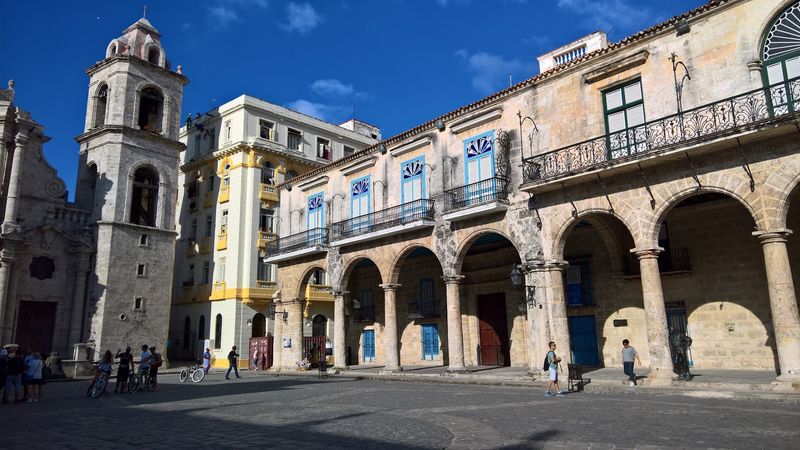
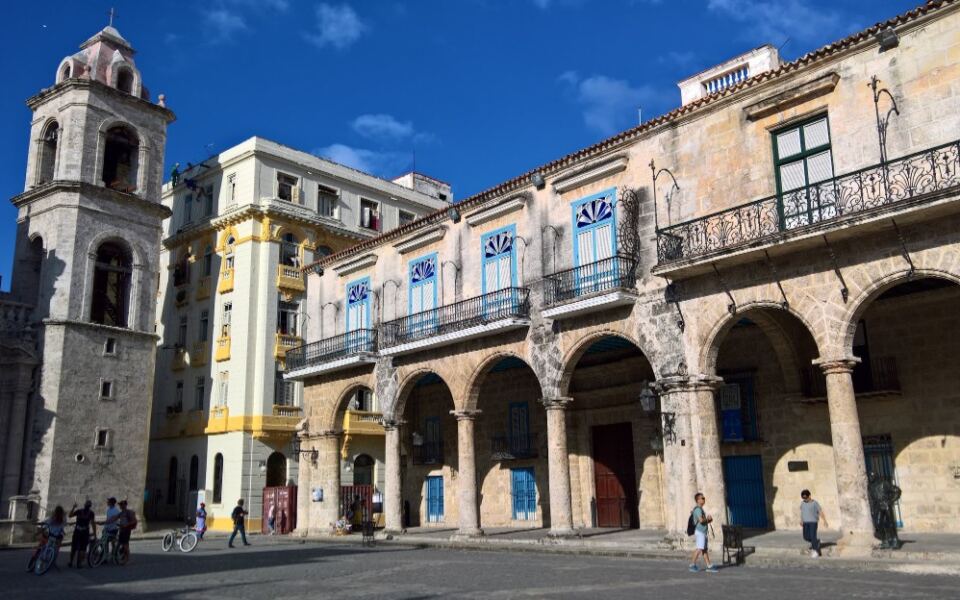
By several measures, Cuba was among the more prosperous countries in Latin America before 1959. Havana was a bustling, cosmopolitan city with a lively economy driven by sugar exports, tourism, and trade with the United States.
The country had a relatively developed infrastructure and a growing professional class.
The 1959 revolution led by Fidel Castro brought a completely different economic model. Private businesses were nationalized, and the state took control of nearly all economic activity.
The U.S. imposed a trade embargo that has remained in place for over six decades, cutting Cuba off from one of its most natural trading partners.
The result has been a state-run economy that has struggled to provide consistent access to food, medicine, and consumer goods. Periodic reforms have opened small windows for private enterprise, but shortages remain a familiar part of daily life for many Cubans, and emigration continues at a significant pace.
10. South Africa
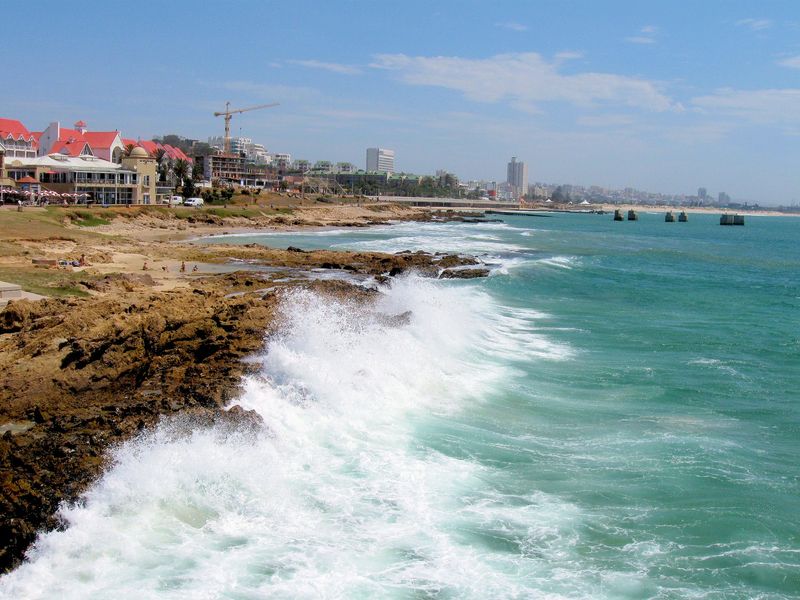
South Africa holds a complicated place on this list. It remains one of Africa’s largest and most industrialized economies, home to sophisticated financial markets, world-class universities, and abundant natural resources including gold, platinum, and diamonds.
By raw economic size, it punches well above most of its regional neighbors.
Yet the numbers tell a troubling story beneath the surface. Unemployment consistently hovers around 30%, one of the highest rates of any major economy in the world.
Economic growth has been sluggish for well over a decade, held back by unreliable electricity supply, high levels of corruption, and deep structural inequality rooted in the apartheid era.
The gap between South Africa’s wealthy minority and its large low-income majority remains stark and socially destabilizing. Rather than outright collapse, the country represents a slower, quieter form of economic underperformance, a gradual drift away from the promise that the end of apartheid once seemed to offer.
11. Greece
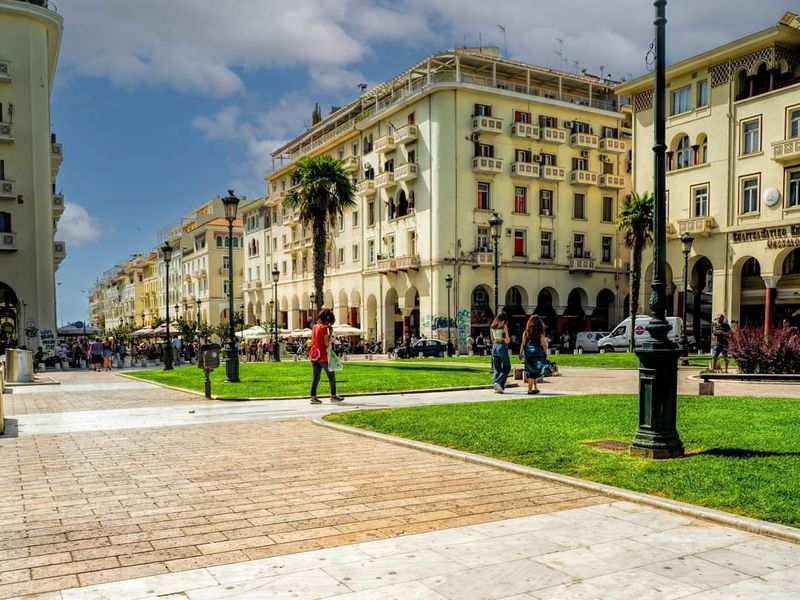
Greece has been a high-income European country for generations, a member of the eurozone and home to a well-educated population with strong ties to tourism, shipping, and agriculture. For much of the early 2000s, Greek living standards rose steadily as the country benefited from eurozone membership and easy access to credit.
After the 2008 global financial crisis, it became clear that Greece had borrowed far beyond its means. The sovereign debt crisis that followed after 2009 was one of the most severe ever experienced by a developed economy.
International creditors demanded painful austerity measures in exchange for bailout funds, leading to years of recession, high unemployment, and social hardship.
Thousands of young, educated Greeks emigrated in search of better opportunities abroad, a brain drain that complicated long-term recovery. Greece has since returned to economic growth, and the worst of the crisis has passed.
Still, the episode left lasting marks on the country’s finances and public trust in institutions.
12. Sri Lanka
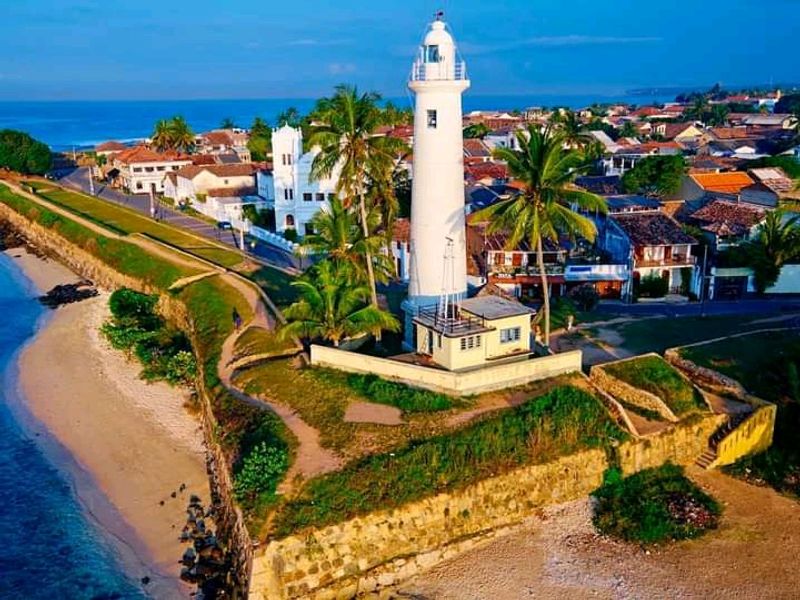
Sri Lanka spent decades making real progress. After a long civil war ended in 2009, the country rebuilt aggressively, investing in infrastructure, tourism, and education.
Per-capita income rose steadily, and the World Bank elevated Sri Lanka to upper-middle-income status. The future looked genuinely promising for many Sri Lankans.
Then a combination of policy mistakes, pandemic-related tourism collapse, and mounting foreign debt pushed the country toward crisis. A controversial decision to ban chemical fertilizers overnight devastated agricultural output.
Foreign exchange reserves drained away, making it impossible to pay for fuel, medicine, or food imports.
By 2022, Sri Lanka declared its first-ever sovereign debt default. Citizens waited in lines for hours to buy fuel, hospitals ran short of basic supplies, and mass protests forced the president to flee the country.
The crisis was a stark reminder that economic gains built on borrowed money can unravel with alarming speed.
13. Iran
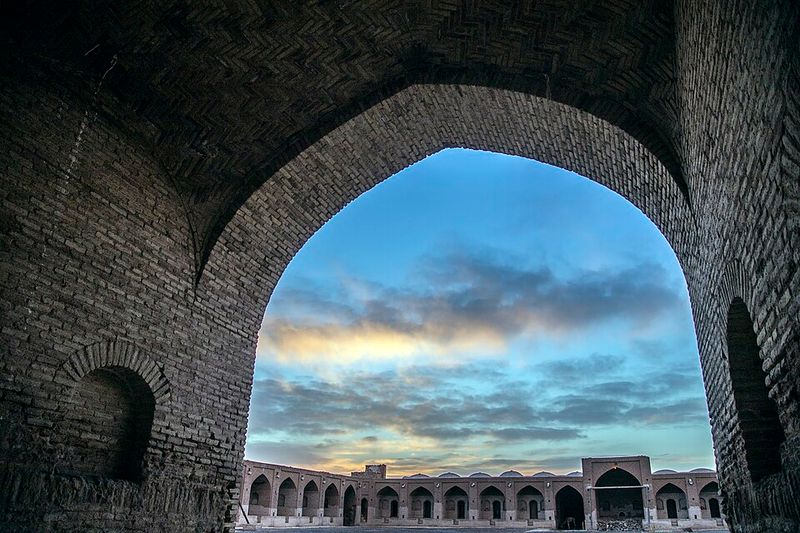
Few countries in the Middle East experienced as dramatic a transformation as Iran did after oil was discovered in the early 20th century. By the 1970s, oil revenues were financing rapid industrialization, infrastructure expansion, and a modernization push that reshaped Iranian cities.
The country’s economy was growing at an impressive pace.
The 1979 Islamic Revolution changed the country’s direction entirely. The new government restructured the economy along ideological lines, nationalizing major industries and shifting priorities away from Western-style development.
An eight-year war with Iraq that began in 1980 consumed enormous resources and caused severe economic damage.
Decades of international sanctions, primarily targeting Iran’s nuclear program, have further constrained economic growth by limiting access to global banking and trade. High inflation, currency devaluation, and restricted foreign investment have become persistent features of the Iranian economy, making it difficult for ordinary citizens to maintain stable purchasing power over time.
14. Zambia
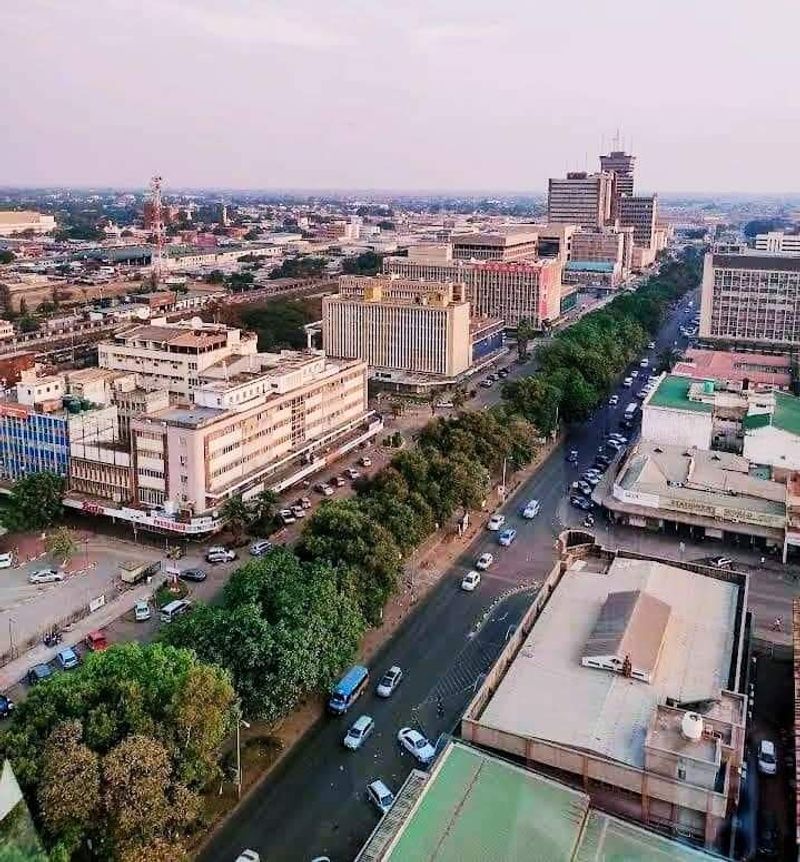
When Zambia gained independence in 1964, copper was its golden ticket. The country sat atop some of the world’s richest copper deposits, and mining revenues made Zambia one of sub-Saharan Africa’s most prosperous newly independent nations.
The government used copper wealth to fund public services and infrastructure that many neighboring countries could only envy.
Copper prices are notoriously volatile, and when they crashed in the mid-1970s, Zambia had no economic cushion to fall back on. Rather than adjusting spending, the government borrowed heavily to maintain living standards, setting the stage for a debt spiral that would take decades to escape.
By the 1980s and 1990s, Zambia was one of the world’s most heavily indebted poor countries. Economic reforms helped stabilize the situation over time, but diversifying away from copper dependence has proven difficult.
In 2020, Zambia became the first African country to default on its debt during the COVID-19 pandemic.
15. Equatorial Guinea
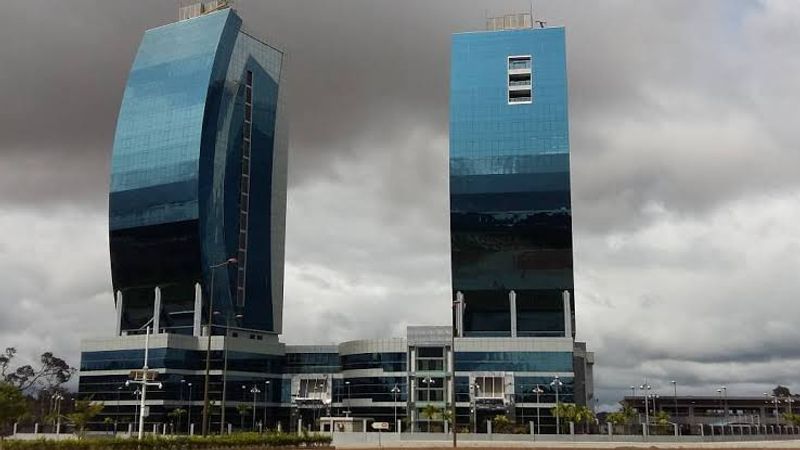
When offshore oil was discovered in Equatorial Guinea in the 1990s, the numbers quickly became extraordinary. The country’s GDP per capita shot up to levels that technically placed it among the wealthiest nations in Africa, a remarkable jump for a small nation that had previously been one of the continent’s poorest.
The problem was that almost none of that wealth reached ordinary citizens. A small political elite, centered around the long-ruling Obiang family, controlled the oil revenues.
Transparency International consistently ranked Equatorial Guinea among the world’s most corrupt countries during this period, and the gap between official wealth statistics and everyday living conditions was striking.
Oil production has since declined from its peak, shrinking the revenue base further. With little investment in education, healthcare, or economic diversification during the boom years, the country now faces the consequences of a missed opportunity.
High GDP numbers meant very little when the benefits never filtered down.
Share this story