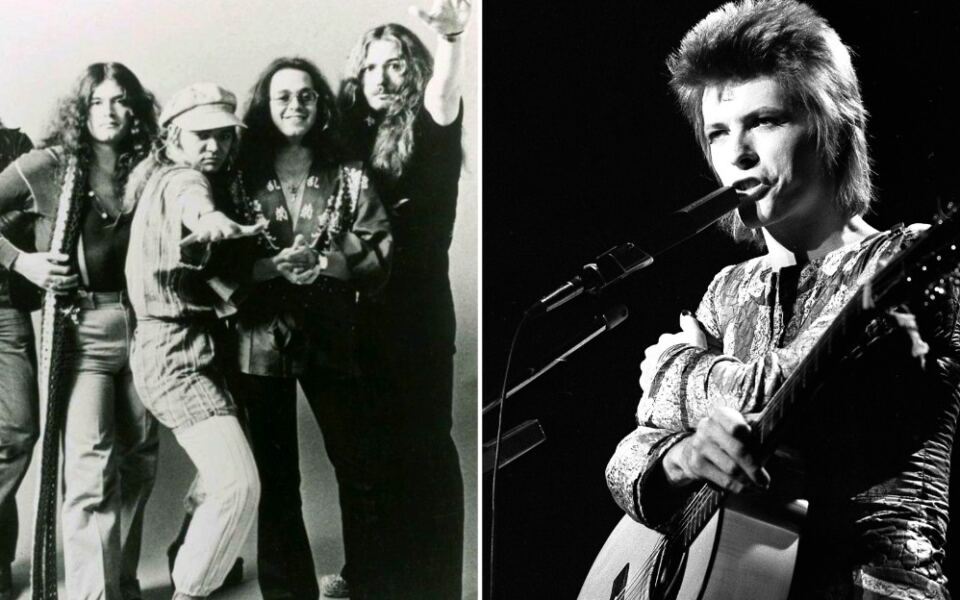
Rock music in 1972 was pulling in every direction at once, and somehow it worked. Bands were writing heavier riffs, building elaborate concept albums, and experimenting with glam personas while singer-songwriters were quietly reshaping what a rock record could say.
The FM radio dial in that year was one of the most unpredictable places in pop culture, capable of jumping from a thundering Deep Purple guitar figure to a delicate Jackson Browne ballad without skipping a beat. These 14 tracks capture exactly why 1972 remains one of the most creatively restless and rewarding years in rock history.
1. Tumbling Dice by The Rolling Stones
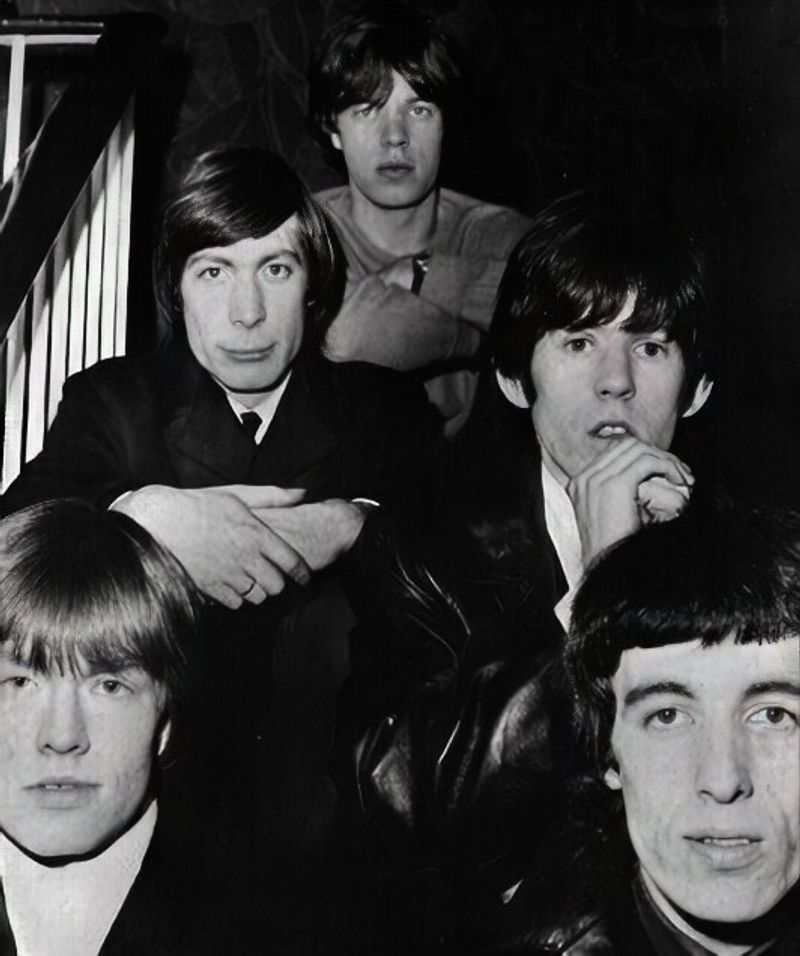
Released on April 14, 1972, as the lead single from Exile on Main St., Tumbling Dice grew from a groove rather than a conventional pop structure. Keith Richards supplied lead and rhythm guitars, Charlie Watts anchored the rhythm, Nicky Hopkins added piano, and backing singers including Clydie King and Venetta Fields piled into the recording until it felt almost ready to tip over.
It never did. That controlled chaos was the whole point.
The lyrics use gambling as a metaphor for a man who cannot stay faithful or settle into a single life.
Yet the real draw was the feel of the performance itself. At a moment when studio technology was making records increasingly polished, the Stones made imperfection sound like a deliberate artistic choice.
Tumbling Dice felt loose, soulful, and lived-in, and it remains one of the best arguments for why Exile on Main St. is considered the band’s masterpiece.
2. Hold Your Head Up by Argent
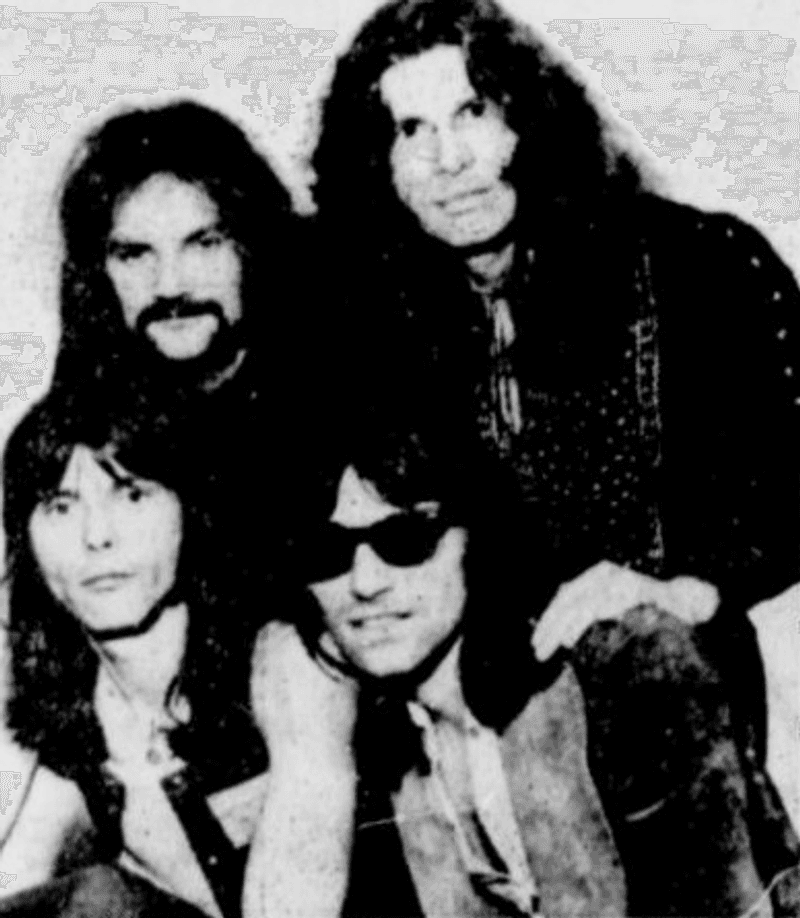
Rod Argent had already helped write She’s Not There for the Zombies in the 1960s, so he understood how to build a hook. Hold Your Head Up, released as a single in 1972 from the album All Together Now, proved he also understood how to build something considerably more ambitious around one.
His Hammond organ dominates an arrangement that sits firmly between hard rock and progressive rock. The repeated chorus is almost defiantly simple, while the album version stretches to six minutes and fifteen seconds, giving the musicians room to develop the central groove well beyond what the radio edit allowed.
The track peaked at number 5 on both the Billboard Hot 100 and the UK Singles Chart. That kind of transatlantic success was not easy for a progressive-leaning rock band in 1972.
Hold Your Head Up demonstrated that experimental ideas and a giant radio hook were not mutually exclusive, a lesson that many bands in the era were still learning.
3. Ziggy Stardust by David Bowie
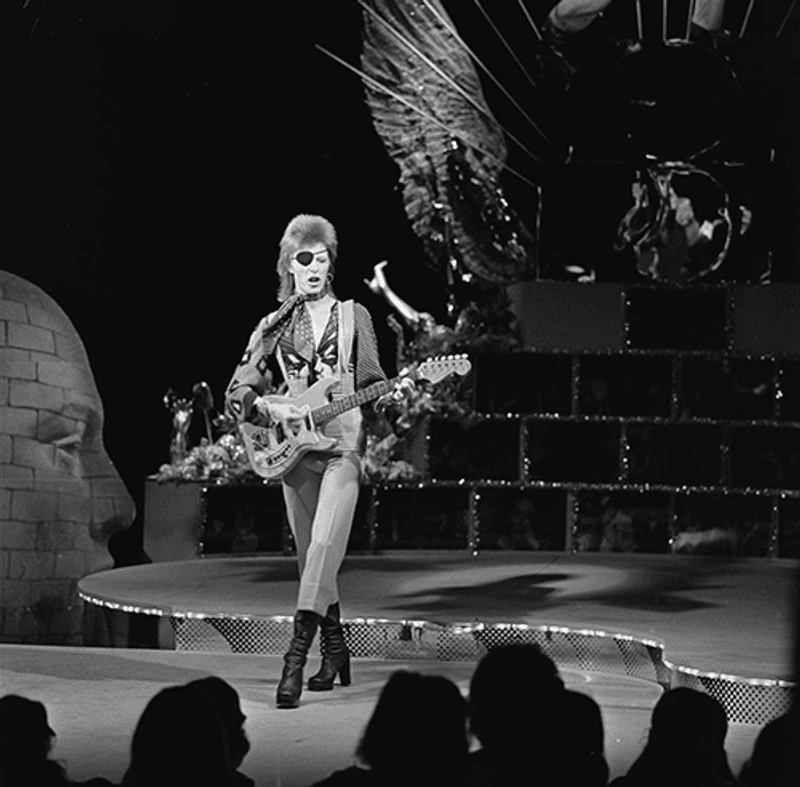
Few rock musicians have introduced a character so fully realized that it changed the rules of what a performer could be. Released on June 16, 1972, The Rise and Fall of Ziggy Stardust and the Spiders from Mars centered on an alien rock star whose ego and celebrity eventually contributed to his own destruction.
The title track tells that story with remarkable economy. Mick Ronson’s descending guitar figure sets the tone immediately while Bowie’s lyrics sketch Ziggy as both magnetic and self-destructive.
The album’s combination of music, costume, sexuality, science fiction, and theatrical performance pushed glam rock into the cultural mainstream. Rock music was now openly commenting on rock stardom while simultaneously creating a new kind of rock star.
After Ziggy, a musician no longer had to appear onstage simply as himself. The idea that a performer could build an entirely invented world around a record became a lasting part of rock culture.
4. Do It Again by Steely Dan
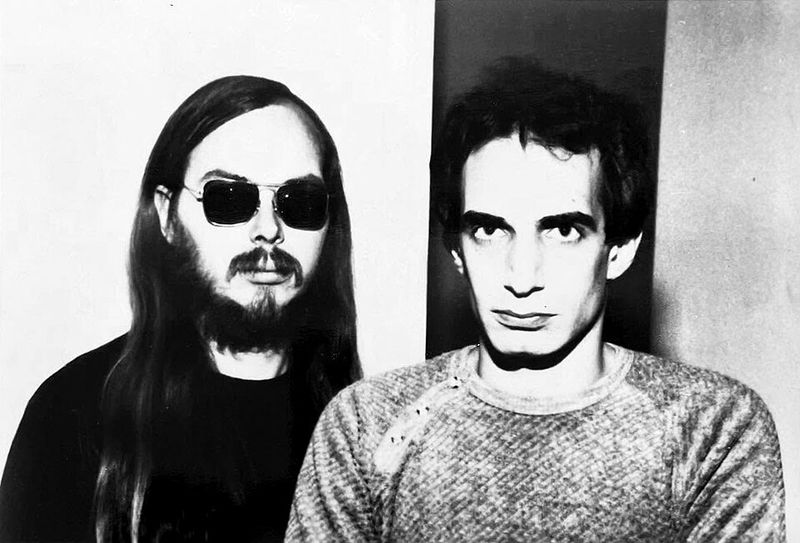
Walter Becker and Donald Fagen were not interested in playing by the standard rock rulebook, and Do It Again made that clear from the start. The track appeared on the band’s 1972 debut album, Can’t Buy a Thrill, and followed a character who repeatedly made self-destructive choices involving violence, gambling, and relationships.
Instead of matching that story with conventional hard rock, the band built a hypnotic groove influenced by jazz and Latin music, complete with congas, a guiro, an electric sitar solo by Denny Dias, and a plastic organ solo from Fagen himself. It was an unusual formula for an American rock hit.
The song debuted on the Billboard Hot 100 in November 1972 and reached number 6 in early 1973. That commercial success was remarkable given how unconventional the arrangement was.
Do It Again signaled that the boundaries of mainstream rock were wider than most radio programmers had assumed, and Steely Dan spent the rest of the decade testing exactly how wide.
5. Burning Love by Elvis Presley
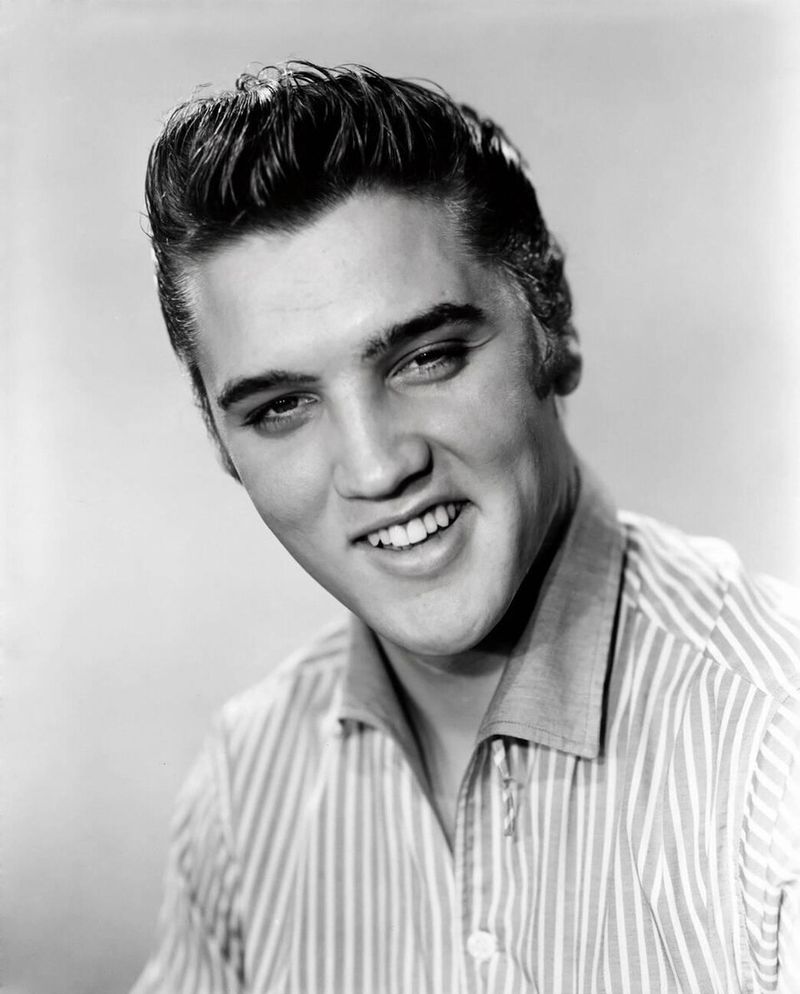
By 1972, rock had splintered into heavy metal, glam, progressive, and album-oriented FM formats that barely resembled the music Elvis Presley had helped create in the 1950s. Burning Love, written by Dennis Linde, showed that none of that made him irrelevant.
The track was driven by a tough guitar arrangement that gave Elvis one of the hardest-rocking major hits of his later career. His vocal performance becomes increasingly intense as the song progresses, and by the final section he is practically pushing the limits of the recording.
Burning Love reached number 2 on the Billboard Hot 100. It would become his last Top 10 hit on that chart during his lifetime, which made its raw energy feel even more significant in retrospect.
The achievement was striking precisely because of how much had changed. The man who helped ignite rock and roll could still produce a record that sounded completely alive and competitive in one of the genre’s most crowded years.
6. You Wear It Well by Rod Stewart
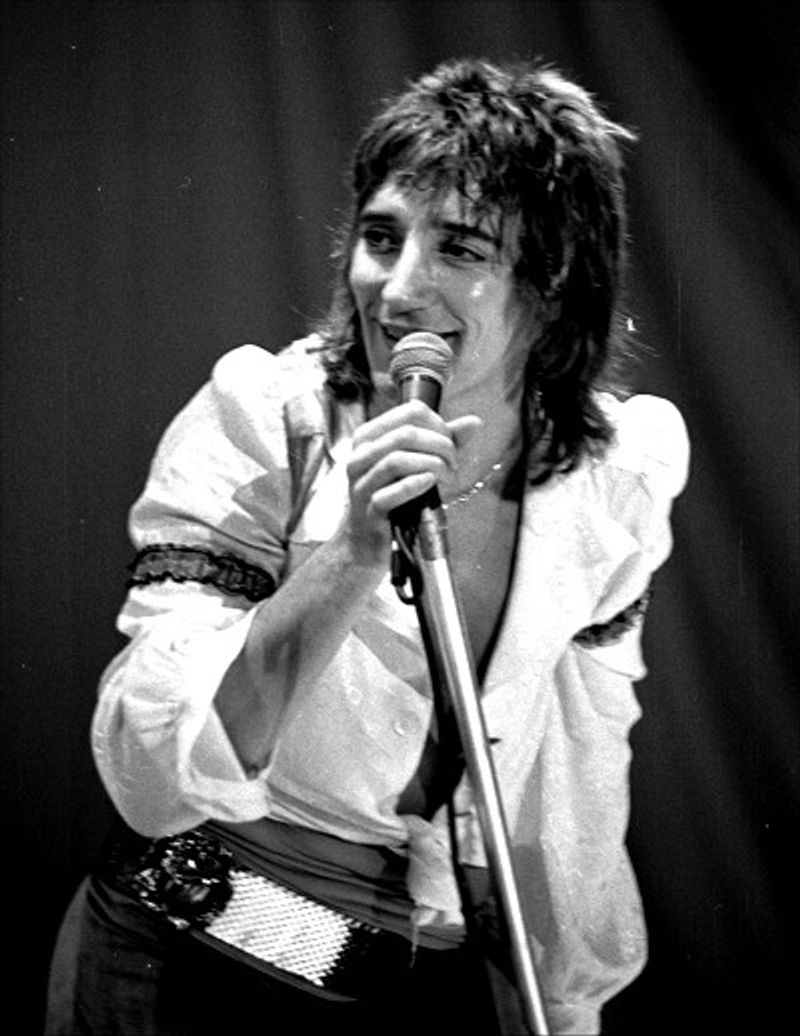
Rod Stewart had a gift for making a record feel like it was recorded in one take by a group of friends who happened to be exceptionally talented. Released in August 1972, You Wear It Well combined acoustic instrumentation with loose rock backing from Faces members Ronnie Wood and Ian McLagan, and Stewart’s famously textured vocal.
The lyrics take the form of a letter to a former lover, filled with specific memories, quiet affection, and just enough regret to keep the track from tipping into sentiment. That emotional balance was one of Stewart’s most reliable skills.
The song reached number 1 in the United Kingdom and number 13 on the Billboard Hot 100 in the United States. Transatlantic success at that level required something beyond craft.
What made it work was the aesthetic of organized looseness. Stewart’s best early-1970s records sounded unpolished by design, and You Wear It Well remains one of the most convincing examples of that approach done right.
7. Easy Livin’ by Uriah Heep
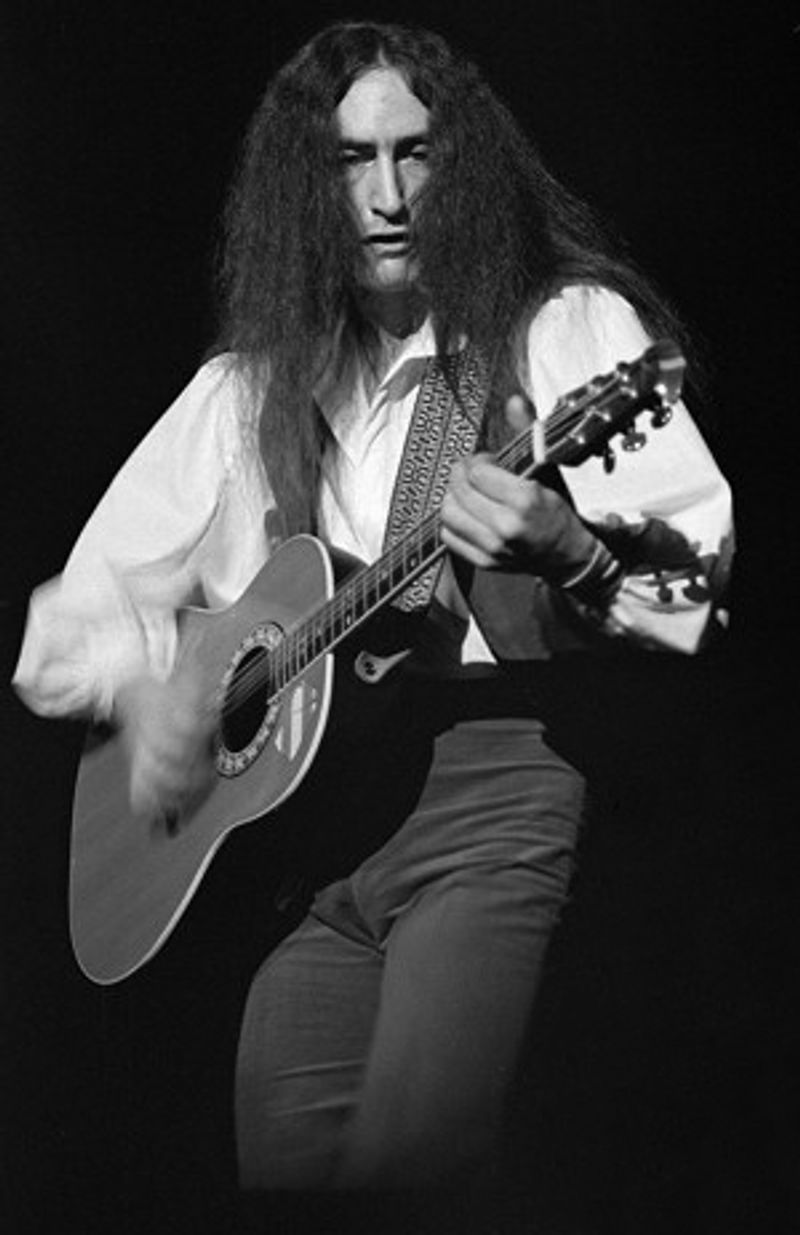
Uriah Heep wasted no time on Easy Livin’. The organ pushes forward immediately, the guitar joins it, and David Byron delivers the vocal with theatrical intensity that set the band apart from most of their contemporaries.
Released on Demons and Wizards in May 1972, with the single following in July, it became the band’s best-known song in the United States.
The track peaked at number 39 on the Billboard Hot 100 in September 1972. That chart placement understates its cultural reach, since the song became a staple of FM rock radio and has remained one of the defining tracks of early British hard rock.
What made it stand out was its compactness. Uriah Heep could incorporate fantasy imagery, dramatic vocals, keyboards, and heavy guitar without requiring ten minutes to make a point.
Easy Livin’ occupied the territory where progressive rock, hard rock, and the emerging heavy-metal sound overlapped. In 1972, those genre boundaries were still being negotiated, and Uriah Heep seemed uninterested in picking just one side.
8. Silver Machine by Hawkwind
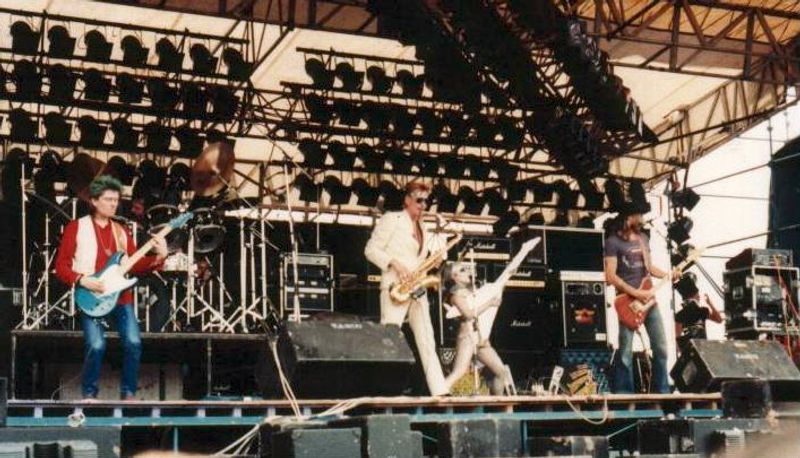
Hawkwind recorded Silver Machine live at a Greasy Truckers benefit gig at The Roundhouse in London on February 13, 1972. Studio overdubs and mixing followed, and the lead vocal from Lemmy Kilmister replaced original live vocals by Robert Calvert for the single release.
Released on June 9, 1972, the track reached number 3 on the UK singles chart, which was a remarkable mainstream achievement for a band as far outside the pop center as Hawkwind. The recording combines a relentless bass-driven rhythm with distorted guitars and electronic effects that push the whole thing forward at an unsettling pace.
Hawkwind’s approach would eventually be labeled space rock, and Silver Machine is its clearest definition. Psychedelia had not ended when the 1960s closed.
Bands such as Hawkwind took its experimental instincts, raised the volume, added science-fiction imagery, and pushed the results into stranger territory than most of their contemporaries were willing to explore. Few mainstream British hits of 1972 sounded remotely like this one.
9. Join Together by The Who
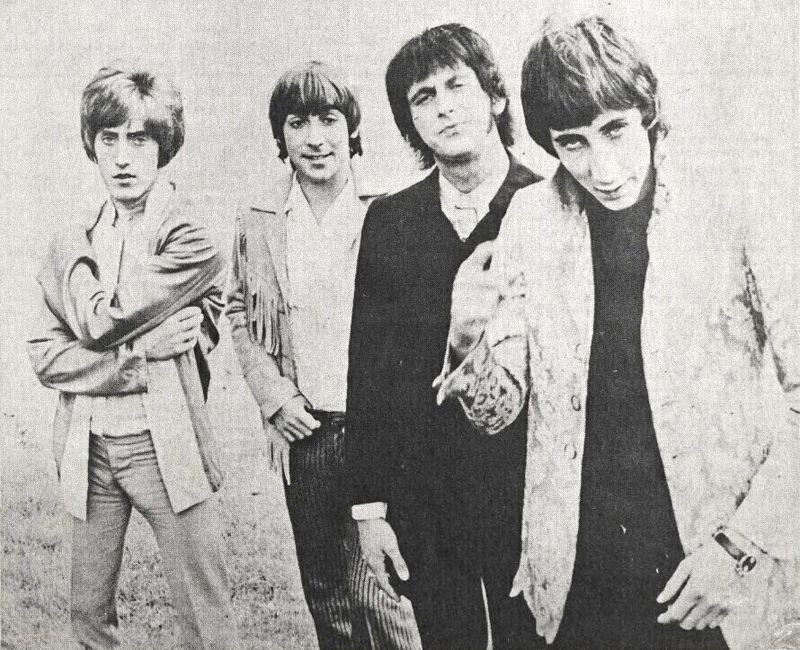
Coming off the critical success of Who’s Next in 1971, the Who chose not to rush a follow-up album. Instead, they released Join Together as a standalone single in June 1972, and it demonstrated exactly how much range the band had developed over the previous decade.
Pete Townshend wrote the song during his work on the ambitious Lifehouse concept, an unreleased science-fiction rock opera. The single opens with an unusual combination of ARP synthesizer, organ, Jew’s harp, and harmonicas before settling into the muscular rhythm the band was known for.
Roger Daltrey’s vocal turns the chorus into something that feels genuinely communal rather than simply anthemic. The track reached number 9 on the UK Singles Chart and number 17 on the Billboard Hot 100.
By 1972, the Who had navigated mod culture, psychedelia, rock opera, and arena rock. Join Together showed that none of those transitions had cost them their ability to deliver a compact, powerful single on short notice.
10. Go All the Way by Raspberries
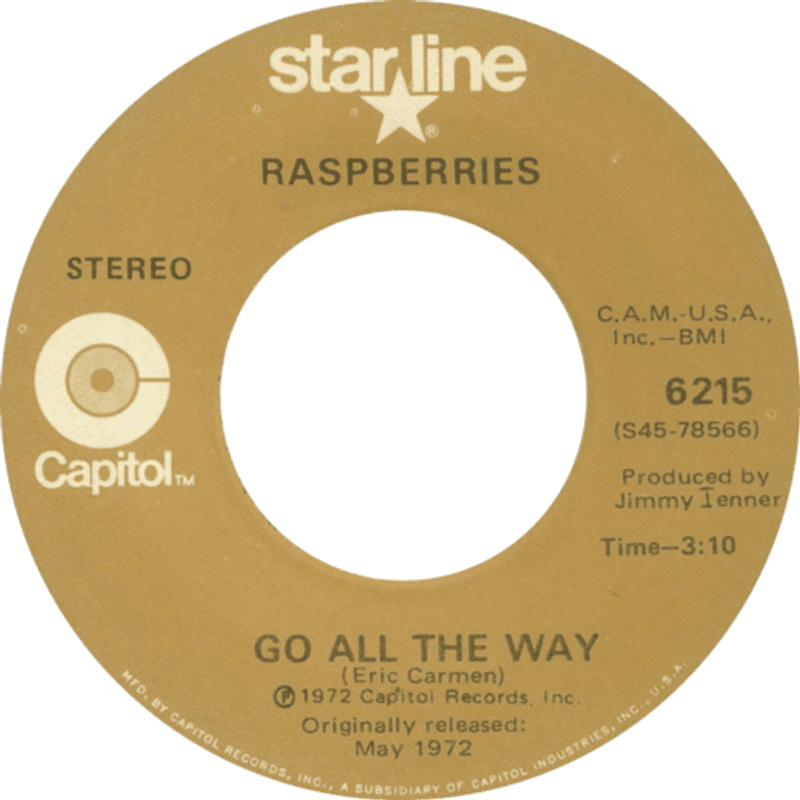
Go All the Way opens with crunchy guitars that suggest a straightforward hard-rock song, and then the melody arrives and changes everything. Released in July 1972, the track combines loud, distorted guitar work with Eric Carmen’s soaring vocals and harmonies clearly influenced by the melodic instincts of 1960s British pop.
It reached number 5 on the Billboard Hot 100 and helped establish Raspberries as one of the founding acts of what would eventually be called power pop. That genre had a simple but difficult formula: keep the guitars loud enough for rock fans while making the chorus impossible to resist.
Raspberries managed both in under three minutes. The track sounded simultaneously rooted in the past and pointed toward the future.
Later bands including Cheap Trick and Big Star would work in similar territory. Go All the Way was one of the earliest and clearest blueprints for how that approach could actually work on mainstream radio.
11. From the Beginning by Emerson, Lake & Palmer
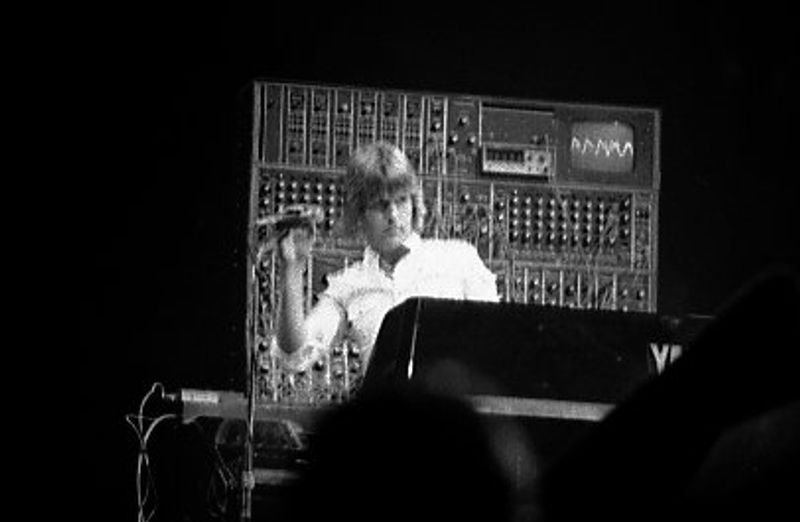
Emerson, Lake & Palmer were known for elaborate keyboard arrangements, complex time signatures, and recordings that could stretch across an entire album side. From the Beginning, from their June 23, 1972 album Trilogy, took a different approach entirely.
Greg Lake wrote and sang the track, centering it on his acoustic guitar and a restrained vocal. Carl Palmer provided subtle percussion with congas and tympani mallets rather than the full drum kit.
Only late in the song does Keith Emerson’s synthesizer solo arrive, and it earns its place by contrast.
The result became one of ELP’s most accessible recordings and their highest-charting American single, reaching number 39 on the Billboard Hot 100. That commercial success proved something the band’s more demanding work sometimes obscured.
Progressive rock musicians were technically capable of extraordinary complexity, but restraint was also a skill. In a year full of enormous riffs and elaborate concepts, leaving space in a recording was its own kind of statement.
12. Doctor My Eyes by Jackson Browne
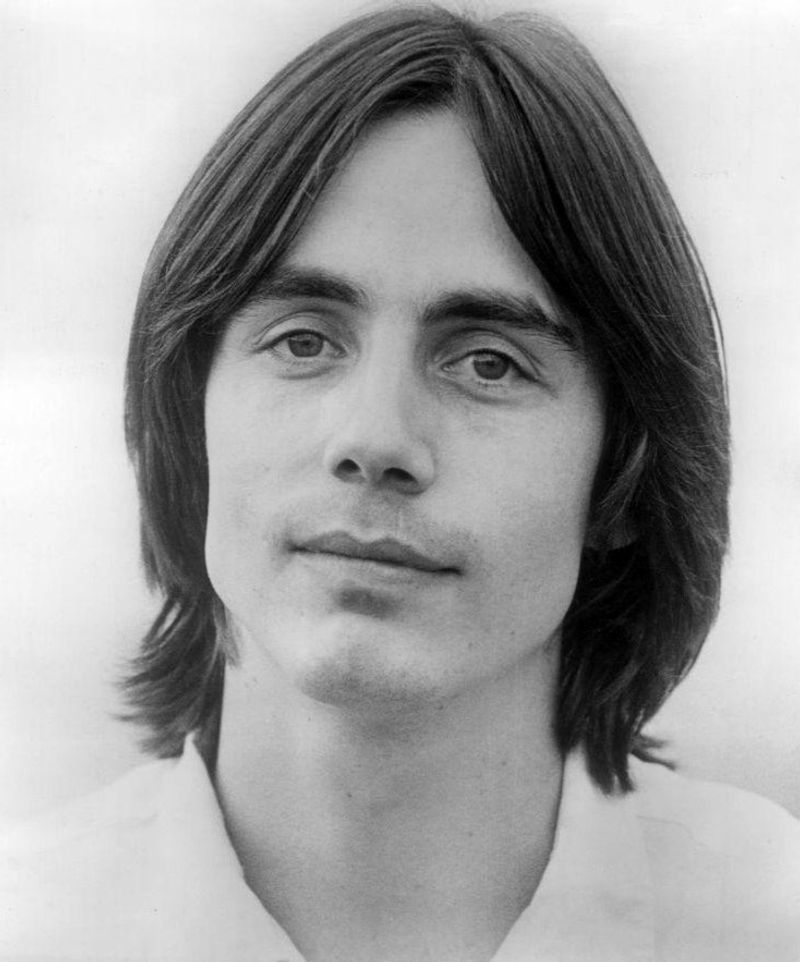
Jackson Browne’s debut album arrived in 1972 at a moment when the Southern California singer-songwriter scene was becoming one of the most commercially successful sounds in American rock. Doctor My Eyes was the record that introduced him to a wide audience, and it did so through a productive contradiction.
The music, driven by Browne’s lively piano with percussion from Russ Kunkel and backing vocals from David Crosby and Graham Nash, sounded inviting and radio-friendly. Jesse Ed Davis provided electric guitar that kept the track grounded in rock rather than pure folk.
Beneath that accessible surface, the lyrics described someone so worn down by repeated disappointment that he feared he had lost the ability to feel anything at all. Released as a single in March 1972, it reached number 8 on the Billboard Hot 100.
Doctor My Eyes established the tension that would define Browne’s best work throughout the decade: songs that sounded easy on the surface while carrying considerably heavier ideas underneath.
13. Suffragette City by David Bowie
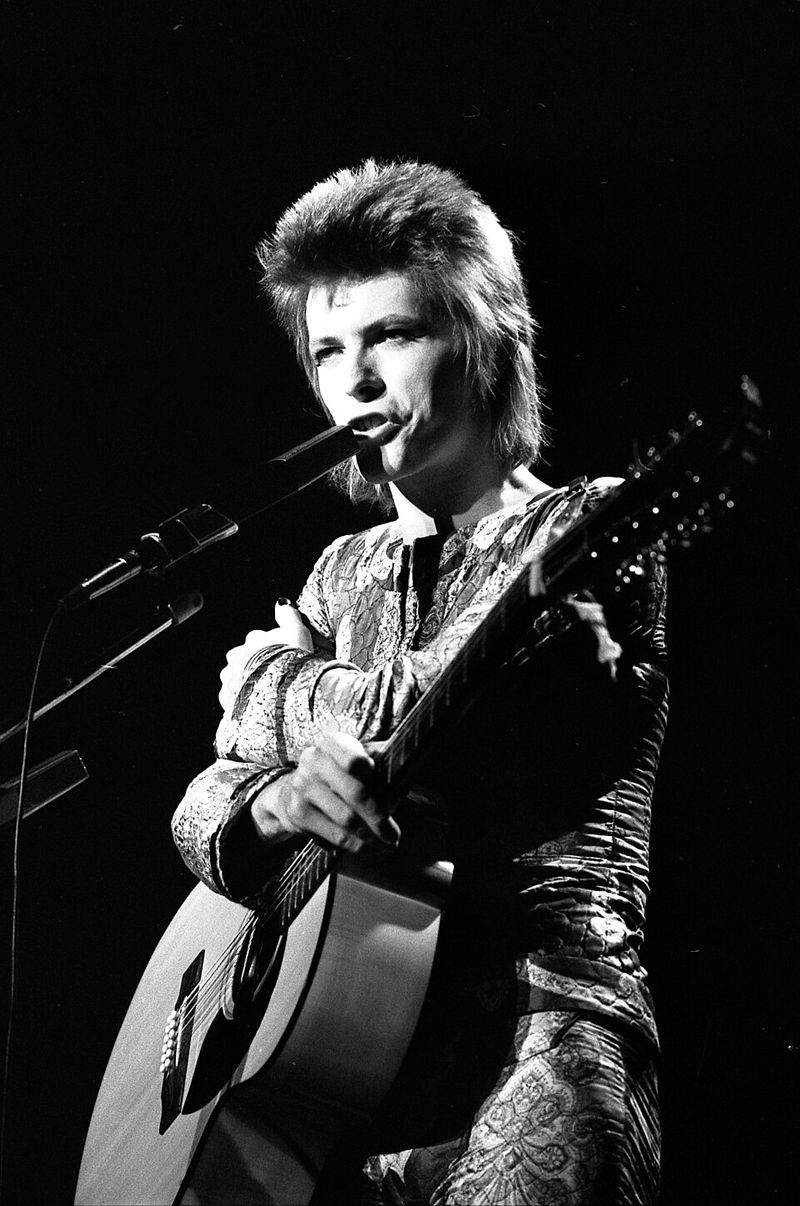
By the time Suffragette City arrives near the end of The Rise and Fall of Ziggy Stardust and the Spiders from Mars, the album has already introduced its alien protagonist and traced his rise. This track is where the energy tips past any remaining restraint.
Mick Ronson’s guitar drives the song forward while Bowie delivers one of the album’s most physically committed performances. Piano pounds through the arrangement, and the whole recording barely slows down long enough for the listener to catch up.
Released as the B-side to Starman in April 1972 and then on the album in June, it became one of the defining rock tracks associated with the Ziggy period.
More broadly, it captured what was changing about rock in 1972. Clothing, stage characters, album artwork, and live performance were becoming as carefully constructed as the music itself.
Suffragette City sounds like that shift arriving at full momentum. Bowie was not simply releasing songs anymore; he was proving that a rock musician could build an entire universe and invite the audience to live inside it.
14. Smoke on the Water by Deep Purple
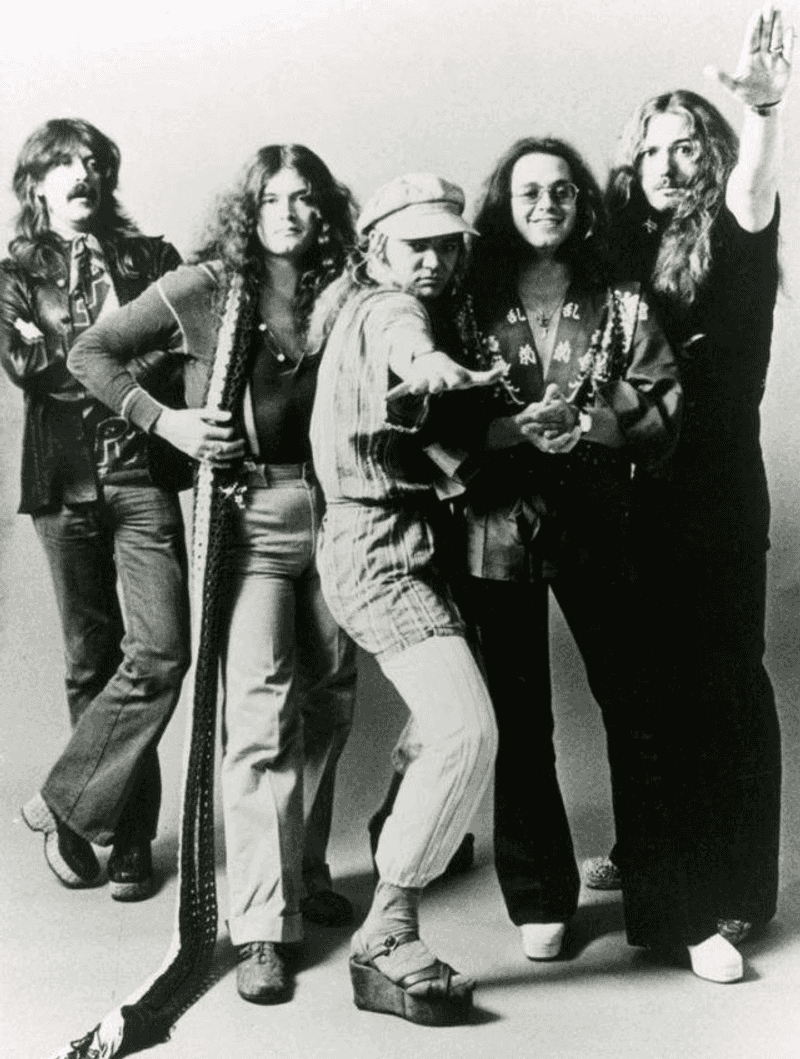
It may be the first riff millions of aspiring guitarists ever attempted, and it was born from a real disaster. Deep Purple was in Montreux, Switzerland, preparing to record when a fire broke out during a Frank Zappa and the Mothers of Invention concert at the Montreux Casino on December 4, 1971.
The building burned as smoke drifted across Lake Geneva. Rather than losing the moment, the band documented exactly what they witnessed and turned it into a song.
Ritchie Blackmore supplied the now-legendary guitar riff, while Ian Gillan’s lyrics walked through the bizarre sequence of events with almost journalistic clarity. The track appeared on Machine Head in 1972 and became a major American hit after its single release in May 1973, reaching number 4 on the Billboard pop singles chart.
Four notes helped create one of the most recognizable sounds in rock history, and its simplicity is precisely what made it endure.
Share this story