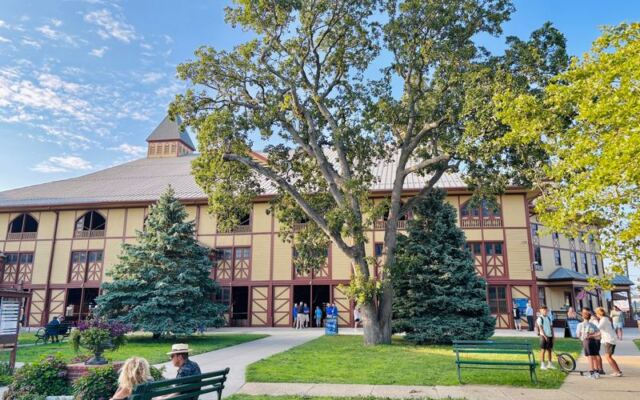
A quick stop in New Jersey can turn into a much bigger question: how did a community put up a building like this so quickly? The Great Auditorium is the kind of place that makes a simple walk turn into a history lesson.
Its wooden structure, summer gatherings, and enormous organ give people plenty of reasons to pause. Keep reading for the story behind the building and practical ways to plan a stop.
A Landmark on Pilgrim Pathway

Some buildings require a detour. The Great Auditorium gives people a reason to pause right in Ocean Grove.
Its address is 21 Pilgrim Pathway, Ocean Grove, NJ 07756, United States, and its role is larger than that of a typical event hall. The building serves as a gathering place for worship, concerts, organ recitals, and other community events.
The setting helps explain why it matters locally. People exploring Ocean Grove’s streets can encounter the auditorium alongside the town’s historic homes and seasonal tents.
Even when entry is not available, the exterior and nearby informational signage give a casual stop a purpose. There is no need to have a ticket simply to appreciate the building from outside.
That is a useful starting point for a day trip: first understand where the auditorium sits in the town, then decide whether an event or tour belongs on the calendar. Its presence makes the next question hard to avoid: how did such a substantial structure get here?
The 1894 Building Behind the 90-Day Story
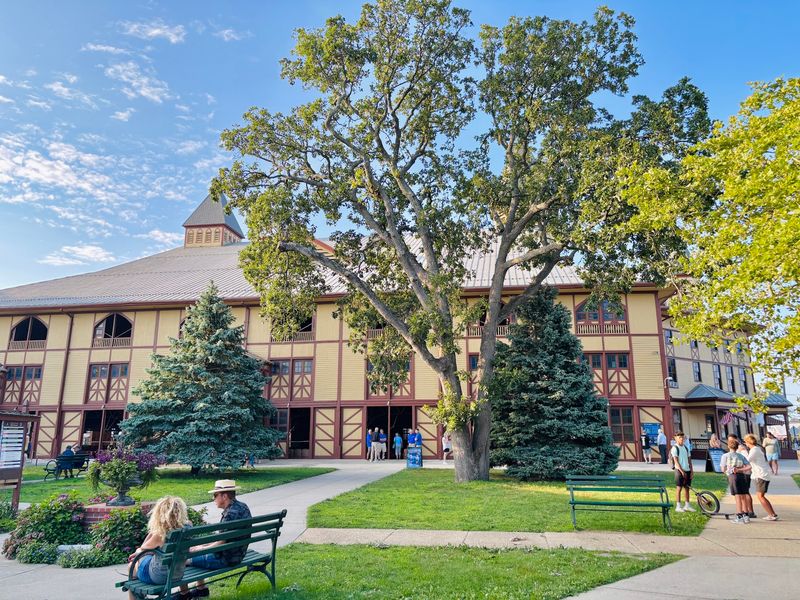
Few timelines invite more curiosity than the 90 days in this building’s story. The Great Auditorium has stood since 1894, and the account of shipbuilders raising it in just 90 days makes its scale all the more remarkable.
It is an appealing detail, but the building itself deserves attention beyond a single number.
Generations have used the auditorium for gatherings, performances, and worship. Its continuing schedule means the place is not merely a preserved reminder of another era.
A concert or service gives the structure a present-day role, while its construction story adds context for everything happening inside.
A summer tour may offer more of the town and auditorium history. One described format involves sitting near the front while a guide explains the past, rather than roaming through every corner.
That distinction is handy when planning a visit. The 90-day claim may bring people to the building; its long-running public life gives them a reason to stay interested.
Seasonal Tents Beside the Auditorium

The neighborhood supplies an important piece of the story. Ocean Grove’s seasonal tents stand around the Great Auditorium, connecting the building to a distinctive local tradition.
They are not a decorative backdrop added for an event. Together, the tents and auditorium help explain why this part of town has a character that residents recognize immediately.
A walk around the exterior can make that relationship clear without requiring admission. The building anchors the area, while the nearby tents show that its place in Ocean Grove extends beyond the walls.
Historic homes add another layer to the surrounding streets. For a New Jersey day-tripper, the combination makes a short stop more informative than a photograph of the auditorium alone.
Respect for the setting matters, too. The tents and homes are part of a lived-in community, not open exhibits.
Stay on public paths and treat the area as a neighborhood. Doing so leaves room to appreciate the unusual townscape without mistaking somebody’s seasonal home for part of a tour.
Wooden Architecture on an Uncommon Scale
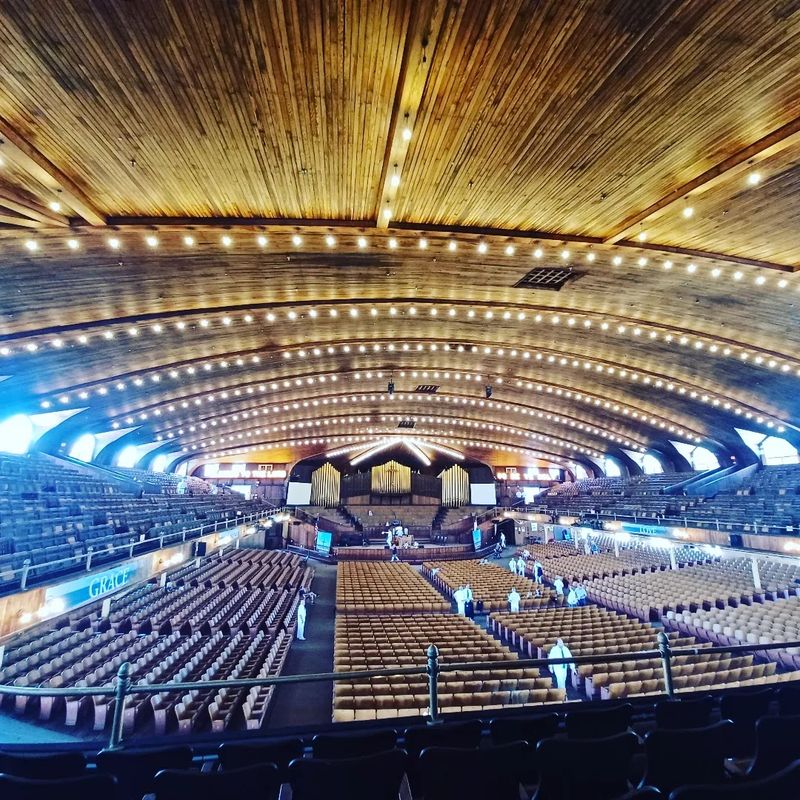
Wood gives the Great Auditorium much of its architectural identity. People who stop at the exterior frequently notice the structure’s historic design before they learn what is on the schedule.
Its size also changes expectations: this is a substantial gathering space, not a small hall hidden along a residential street.
Inside, the extent of the room becomes clearer. Accounts of concerts and ceremonies consistently describe a large space with plenty of seating.
The broad doors are another practical feature. During some events they have been open, changing how the auditorium connects with the area outside.
Door arrangements can depend on the occasion, so an open building should not be assumed on an unscheduled stop.
Architecture fans can make a worthwhile visit out of the building’s form alone. Those attending an event get a second way to understand it, through the relationship between the seating, stage, and doors.
The structure rewards both kinds of attention, provided access is available when a closer look is planned.
The Hope-Jones Organ
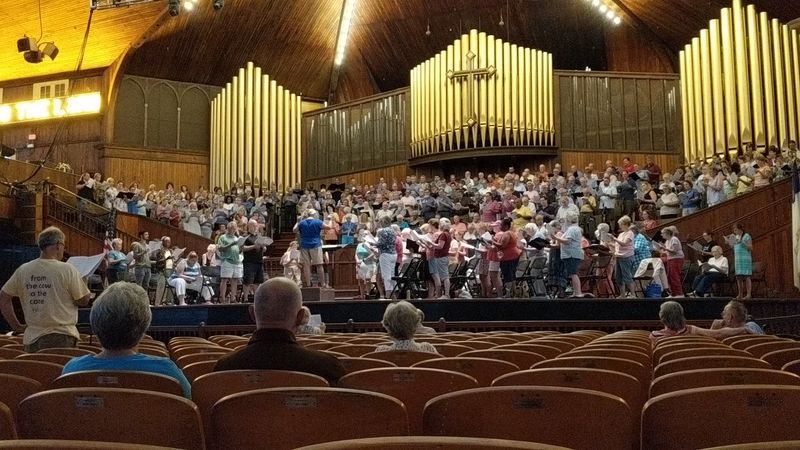
Then there is the organ, an attraction with its own following. The Great Auditorium’s Hope-Jones organ is a major reason some people choose a recital over a simple exterior stop.
It also gives the building a purpose that cannot be understood fully from the sidewalk. The instrument belongs to the auditorium’s continuing program, not just its historical description.
Organ recitals appear among the summer activities associated with the venue. Performances may also pair the organ with other musicians or vocalists.
The schedule determines what is available on a particular date, so anyone especially interested in the instrument should choose a program that actually features it rather than assuming it will be used at every event.
That small bit of planning can change the visit substantially. A person drawn in by the 1894 building may leave with a new interest in the performances it still supports.
For organ enthusiasts, the timetable is not an afterthought; it is the main route into the auditorium’s story.
A Large Room Built for Gatherings
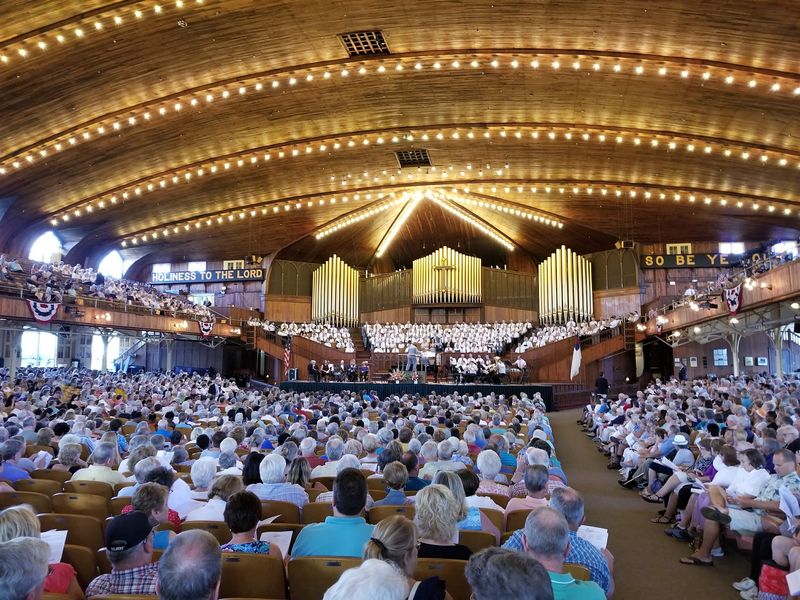
A graduation ceremony and an organ recital ask different things of a venue. The Great Auditorium has hosted both, along with concerts, worship services, and seasonal programs.
That range says a great deal about the room. It is large enough for major gatherings, yet its calendar still reflects the community around it.
People attending performances have praised the auditorium’s acoustics. Seating is plentiful, though a large room does not make every seat identical.
Someone buying a ticket for a particular view should check the event’s seating information carefully. For popular programs, arranging tickets in advance can also be a sensible choice.
The event itself shapes the experience more than a general description can. A ceremony centers on the people being recognized; a concert directs attention to the stage; a service has its own purpose and rhythm.
Checking the program before traveling helps match the trip to personal interests. The building has range, but the calendar decides what kind of gathering awaits.
Summer Programs and an Open Invitation
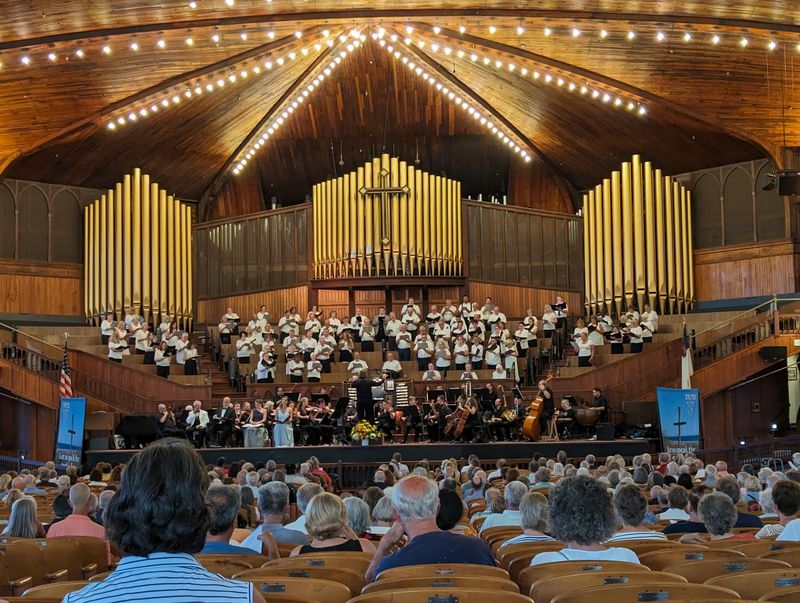
Summer brings much of the auditorium’s public activity into focus. Concerts, organ recitals, and worship programs have all been part of its seasonal life.
Some events are free, with an optional freewill offering, while others may require tickets. The distinction matters when a casual stop turns into an actual plan.
A religious background is not a requirement for appreciating the building or considering a public performance. People come for different reasons, including architecture, local history, music, and the experience of a community gathering.
Worship services have a specific purpose, of course, and choosing an event that fits personal interests makes the outing more comfortable.
The best planning tool is the current event listing, not an old description of what happened during a past summer. Programs and admission arrangements can vary.
Checking ahead answers two practical questions at once: will the auditorium be open, and what will be happening inside? With those details settled, the visit becomes less of a guess and more of a day worth setting aside.
History Tours and Exterior Stops
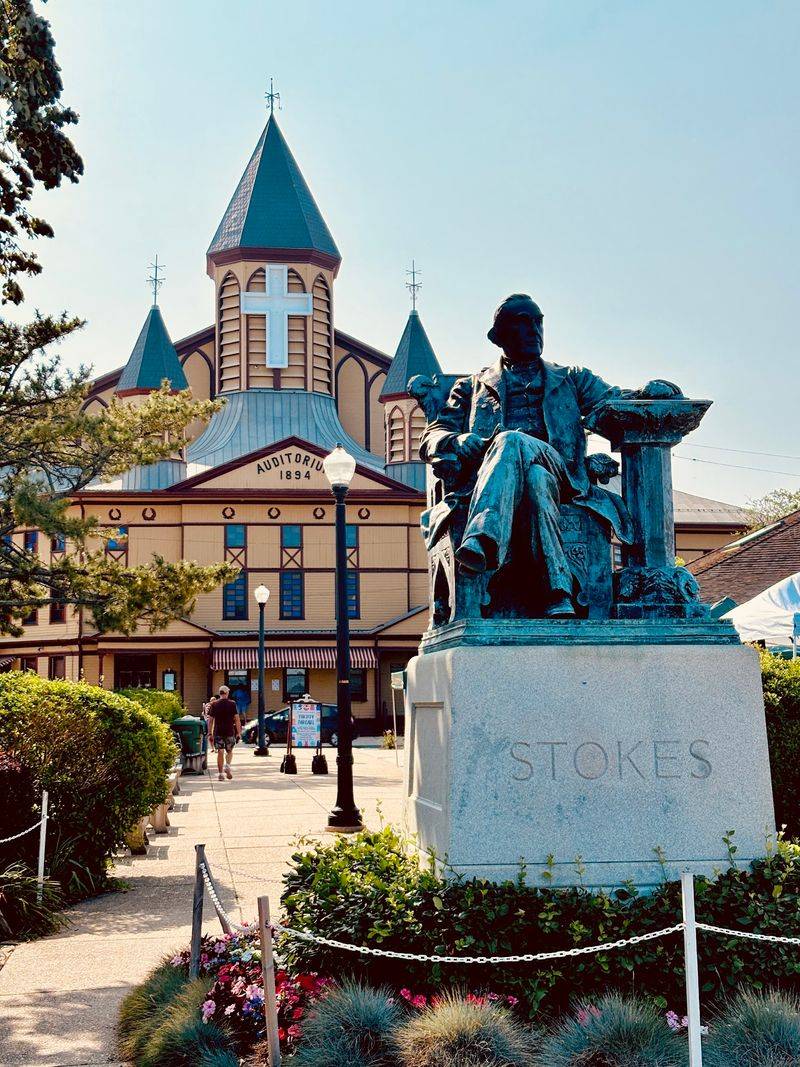
Not every worthwhile stop needs a performance ticket. When the Great Auditorium is closed, its exterior and available informational signage can still provide a useful introduction.
That makes it a flexible addition to time spent exploring Ocean Grove, especially for someone whose plans do not line up with a scheduled event.
Summer weekday tours have been described as another way to learn about the building and town. One account describes a seated presentation near the front of the auditorium, led by a guide.
Anyone hoping for access to particular rooms or a walk through the whole structure should confirm the current tour format before making the trip.
These two approaches serve different interests. An exterior stop works for a short, informal visit; a tour allows more time for the history behind the place.
Neither requires treating the auditorium as a museum with constant entry. Its public access depends on programming and current arrangements, so a little advance checking can spare an unnecessary change of plans.
Practical Plans for a Shore Day

Good timing matters more here than a complicated itinerary. The Great Auditorium can be part of a walk through Ocean Grove, but getting inside calls for an event or tour that matches the date of the trip.
No fixed daily opening hours or universal admission price are established by the available information, so checking the official schedule before leaving is the safest approach.
Admission varies by program. Some events are free and may offer the option of a voluntary contribution; ticketed performances call for a separate purchase.
People attending an event have also noted restrooms in an adjacent facility across the street. Seating details are worth reviewing in advance when tickets are involved, particularly in such a large room.
The address provides a straightforward destination for a map search, while the nearby streets make an exterior stop easy to combine with time in town. Leave room in the plan for the auditorium itself.
Its setting deserves more than a hurried checkmark between other stops.
A New Jersey Landmark Worth Returning To

The strongest reason to make the stop is not a single event or construction fact. It is the way those pieces remain connected.
A building dating to 1894 still hosts music, worship, and community occasions, while its surrounding tents keep part of Ocean Grove’s distinctive setting close at hand.
There is a satisfying choice for different kinds of day-trippers. Someone with limited time can study the exterior and its context.
A history-minded traveler can look into a summer tour. A music fan can choose a concert or organ recital and experience the auditorium as the active venue it remains today.
None of those approaches requires pretending that every door is always open or that every program costs the same.
The account of shipbuilders raising this large structure in 90 days may be what first catches a reader’s attention. The more lasting point is simpler: New Jersey has a historic gathering place that still gives people reasons to return.
Check the calendar, choose your reason, and let the building take it from there.
Share this story