A pizza stop in New Jersey can turn into a story worth bringing home. At this unassuming Jersey Shore spot, the pies are famously thin, and finishing a giant one may earn you a T-shirt.
I came for the idea of pizza and stayed curious about the challenge, the long-running local tradition, and the small details that make a visit easier to plan. Here is what to know before choosing your pie, your time, and possibly your shirt size.
A Neptune City pizza landmark
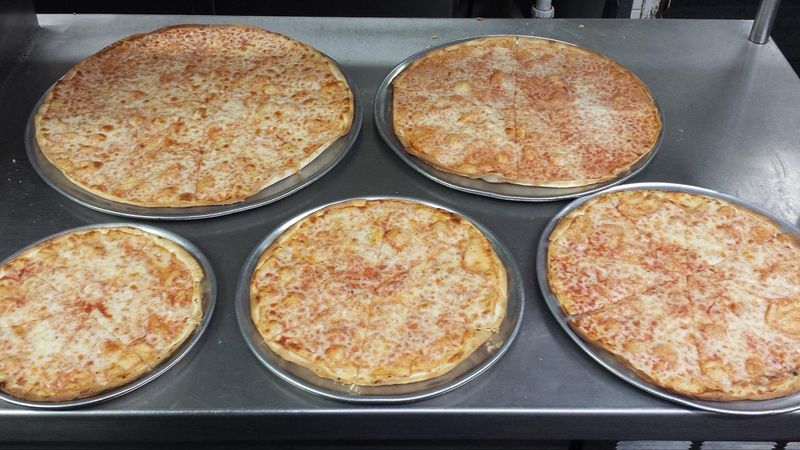
A T-shirt challenge is an unusual reason to seek out a pizza restaurant, but the address makes this one easy to pin down. Pete & Elda’s Bar / Carmen’s Pizzeria is at 96 Woodland Ave, Neptune City, NJ 07753, United States.
Its place in the Jersey Shore area helps explain why it comes up in conversations about a trip nearby.
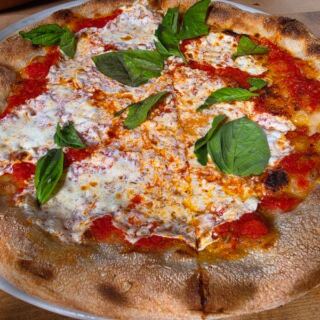
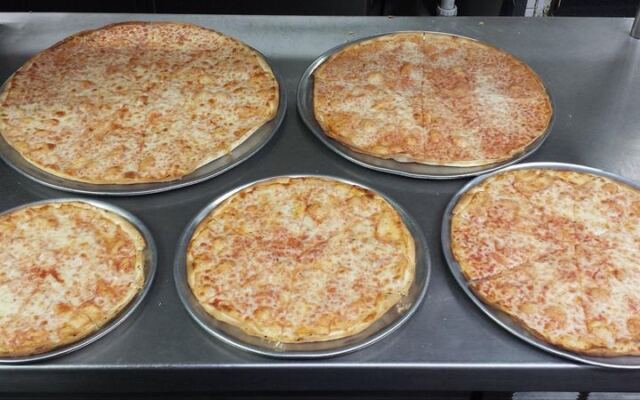
The restaurant is known for exceptionally thin pies, not just the oversized pie tied to its shirt challenge. That matters if a standard, thicker slice is what usually comes to mind when someone suggests pizza.
Here, the crust is a central part of the decision, and the challenge is an optional extra.
First-time guests can keep the plan simple: find the restaurant, decide how hungry the group is, and leave enough room in the schedule for a possible wait. The most useful thing to know before setting out is that this is a distinctive pizza stop, not a quick promise of a shirt.
Thin pies with a long history
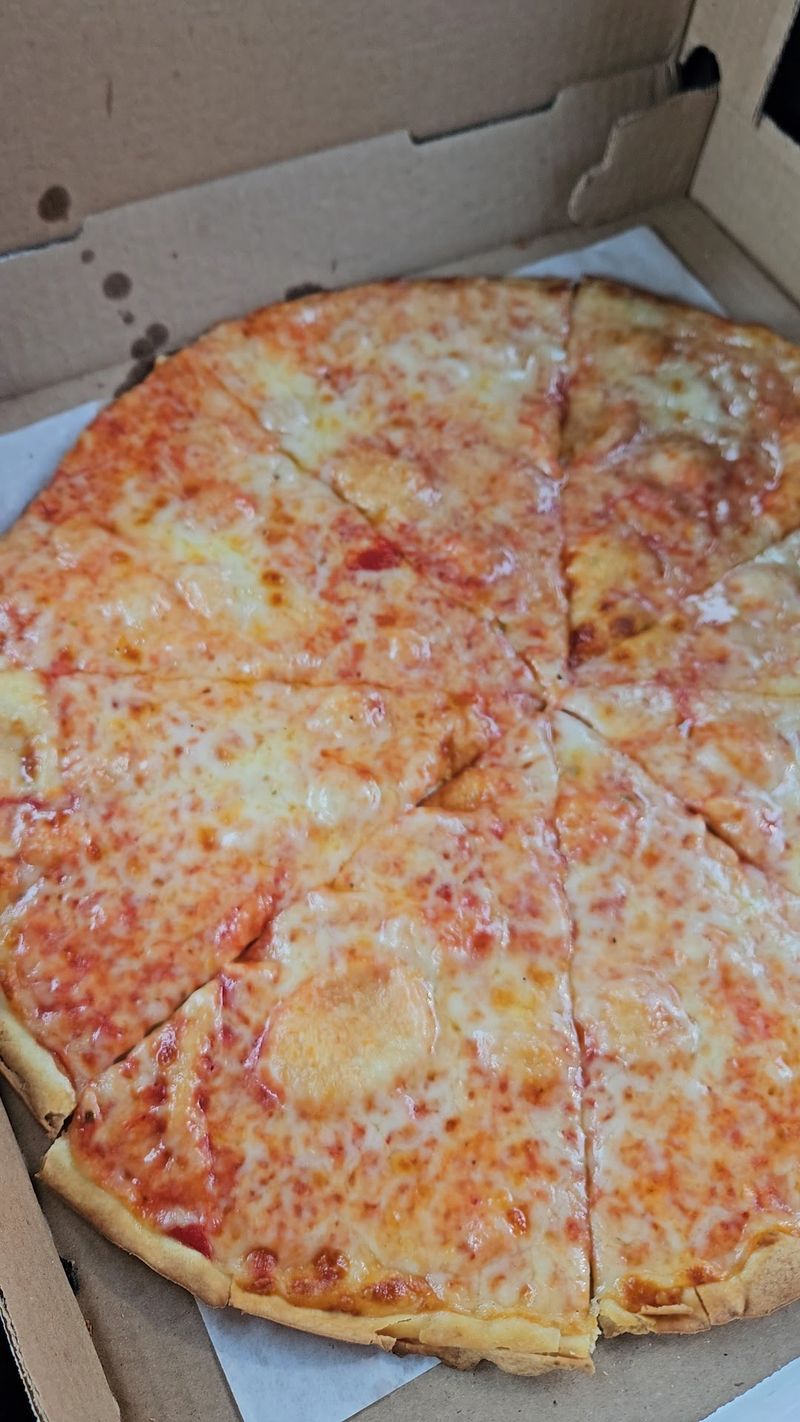
Long before a T-shirt became part of the conversation, the pies gave this restaurant its identity. The provided restaurant description dates its thin-crust pizza tradition to 1957.
That is a useful piece of context for anyone wondering why a relatively simple pizza stop has such a lasting place in Jersey Shore plans.
The history does not need an elaborate origin story to matter. A long-running specialty gives returning customers something familiar to seek out, while newcomers arrive with a clear idea of what makes the place different.
The pizza is notably thinner than a typical New York-style slice, so an order here is not meant to stand in for every other pizza experience.
That continuity also makes the shirt challenge feel like an addition to the main event rather than its replacement. Go for the pie first.
The chance to bring home something wearable can stay in the background until the table decides how ambitious it feels.
An old-fashioned, no-frills setting
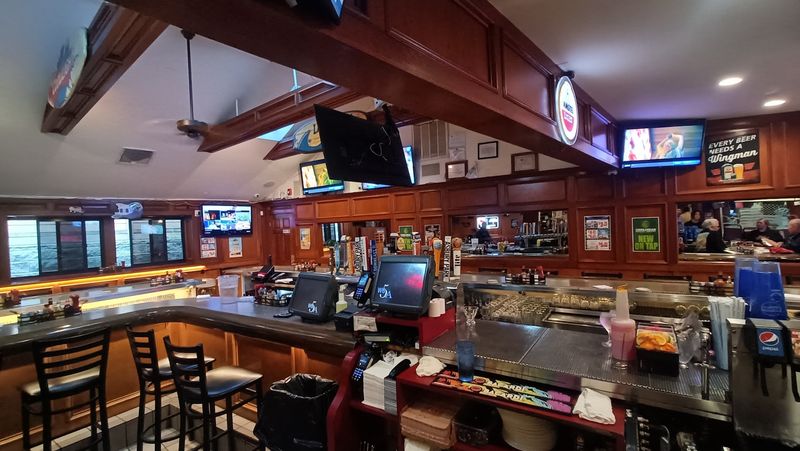
Not every memorable Shore stop needs a carefully designed theme. This restaurant is described as bustling and no-frills, and accounts of its layout point to an old-fashioned dining space.
The setting puts the focus on getting a table, ordering pizza, and enjoying time with the people who came along.
That straightforward approach suits the restaurant’s long history. Someone returning after years away can recognize the appeal of a familiar local institution, while a newcomer does not need a guide to understand the routine.
It is a place for a meal, rather than an attraction that asks guests to follow a complicated itinerary.
Busy periods can change the pace, so the room may feel more active than someone expects from an ordinary weeknight pizza plan. Still, the informal format helps make the outing flexible.
A family meal, a group catch-up, or a post-beach stop can all fit without asking the restaurant to be something else.
The extra-thin crust signature
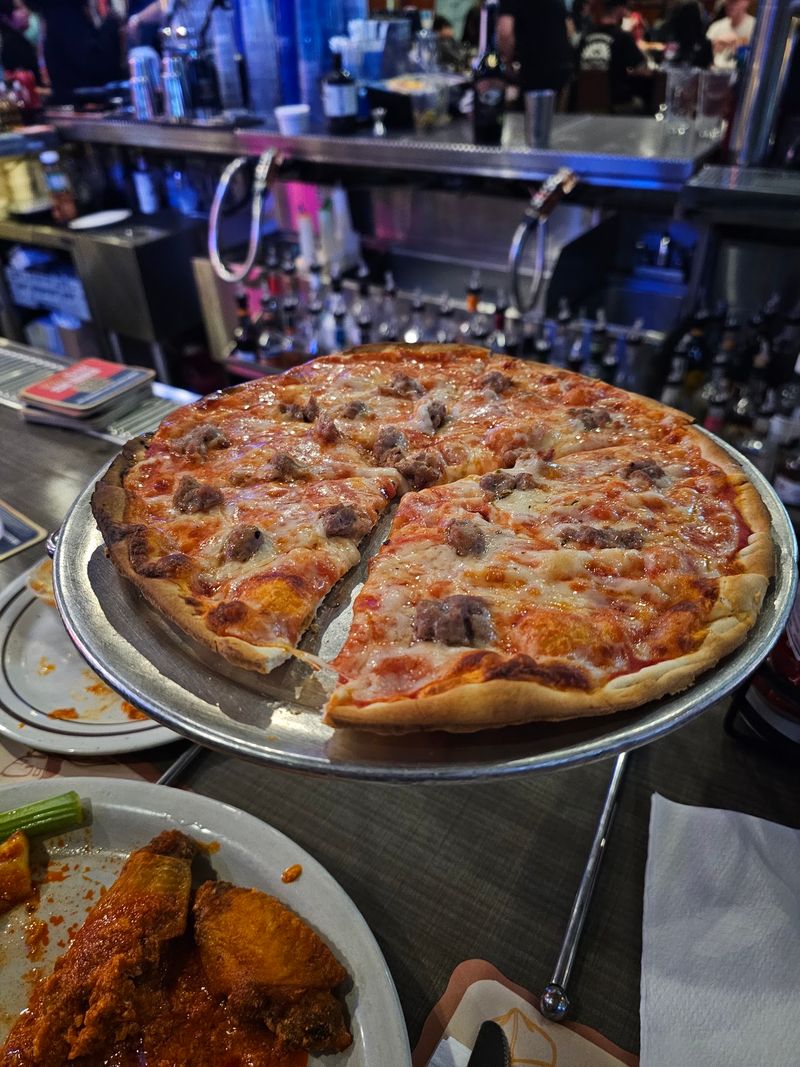
One small question can settle whether this is the right pizza trip: how thin do you like your crust? The restaurant’s defining pies are considerably thinner than a typical New York-style slice.
Descriptions of them often reach for cracker-like comparisons, which is more helpful than expecting a conventional thick-edged pie.
The thin base changes how to approach an order. Rather than assuming one pie will match the size and heft of a familiar slice-shop meal, consider the group and the challenge separately.
The regular pizza experience deserves its own attention even if nobody intends to tackle the oversized version.
People differ on exactly how crisp they want a pie, and that preference is worth keeping in mind. The reliable point is the style: an unusually thin crust is the reason this restaurant stands apart.
Anyone hoping for a substantial, dough-forward pizza should know that before making the trip; thin-pie fans may have found their next local tradition.
The oversized pie challenge
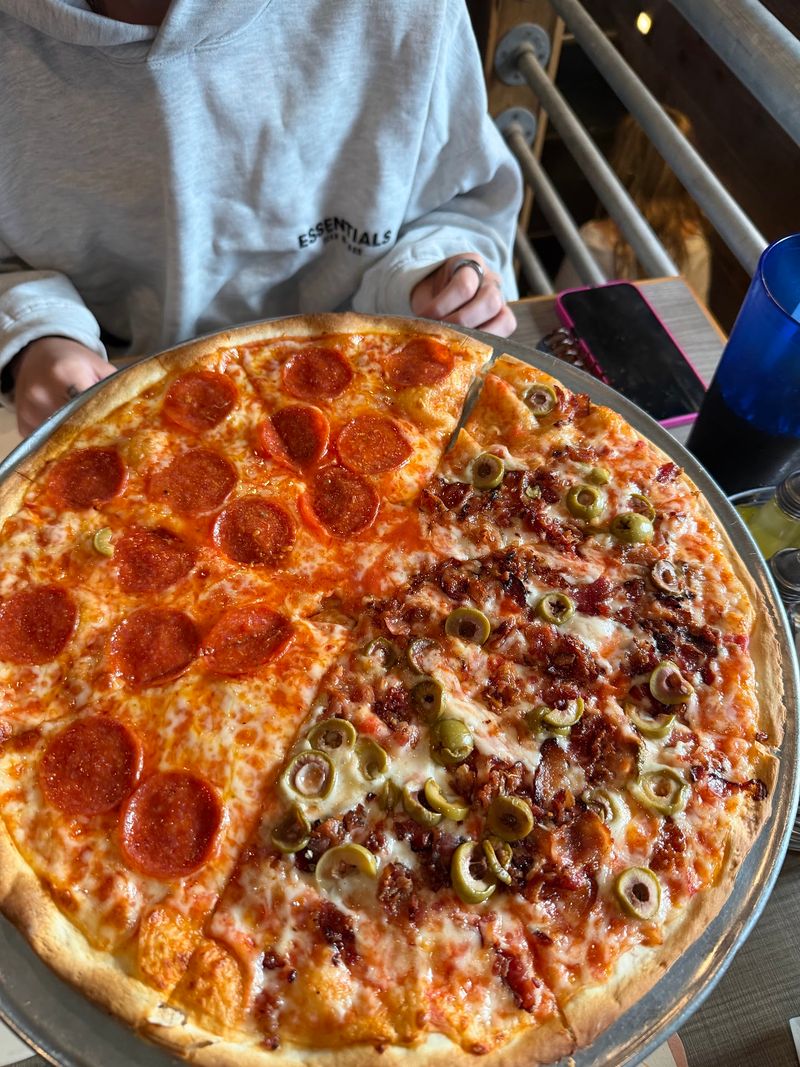
A regular pie is only the beginning for guests who arrive with a larger plan. The restaurant’s Double XL, also described as an XXL, pizza challenge asks a participant to finish an oversized pie for a T-shirt.
It gives an ordinary meal a playful goal without making the challenge necessary for everyone at the table.
Size matters, but the thin-crust format is part of the story too. Someone familiar with a thicker pizza should not assume that the challenge works exactly like other large-pie contests.
Hunger, pace, and a comfortable meal are more useful guides than confidence alone.
The available information does not spell out every current challenge rule, so it is smart to confirm the details with the restaurant before ordering specifically for the prize. Guests can still enjoy the pie without finishing it.
The result is a choice that works two ways: attempt a memorable feat, or simply share in the fun of someone else trying.
A shirt with its own appeal
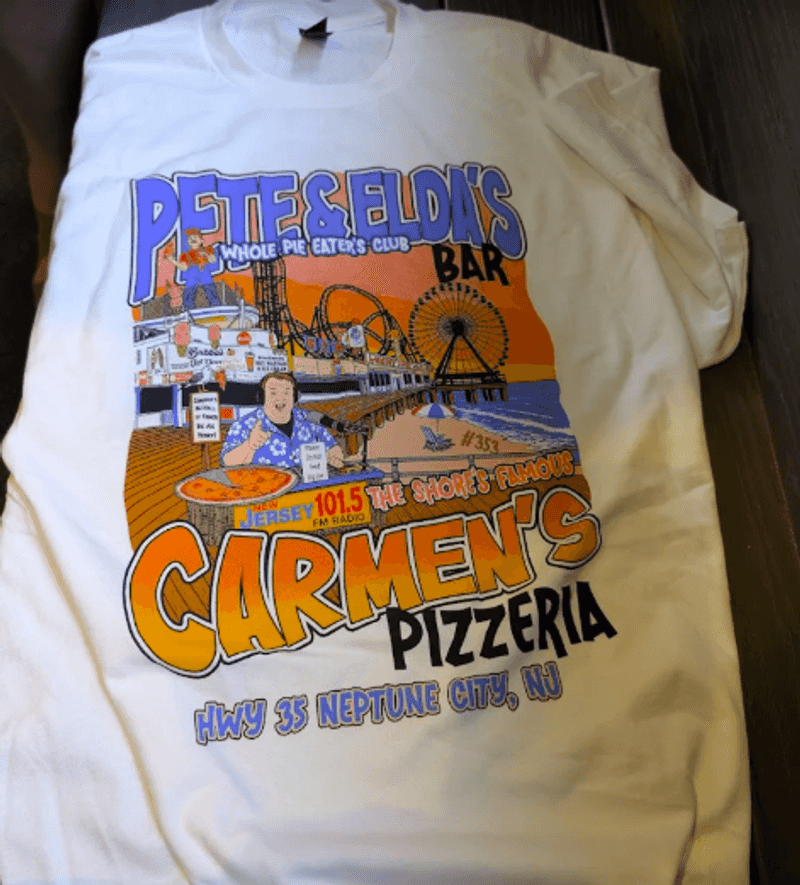
The prize is not just a line on a menu; it is something guests can take home. Finish the qualifying oversized pie, and the challenge offers a T-shirt.
Accounts of past attempts describe changing designs, including themed and seasonal shirts, which adds an element of surprise to the visit.
A changing design also means an older photo may not show the shirt available now. Anyone planning the trip around a particular look should ask what the current prize is before making assumptions.
The same goes for challenge conditions: confirm them at the restaurant, since the supplied information does not establish a complete rule sheet.
For a New Jersey pizza outing, the shirt has a simple appeal. It marks a specific place and a specific accomplishment, rather than a generic vacation purchase.
Even friends who skip the challenge can follow the attempt from the table. The pie remains the reason to go, but the possibility of a shirt makes the meal easier to remember.
A meal that works beyond the challenge
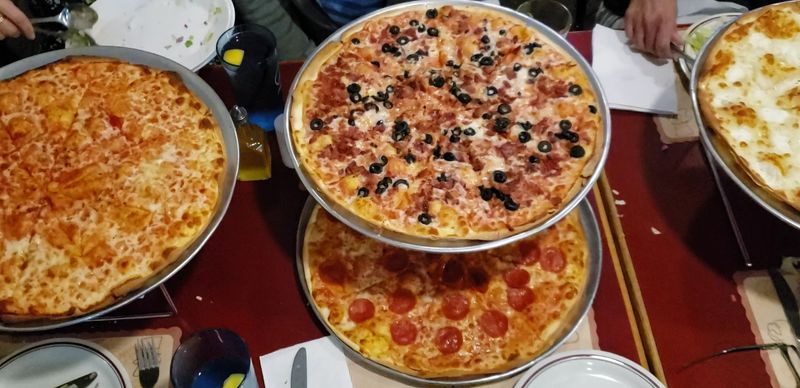
Not hungry enough for an oversized pie? There is no reason to treat the visit as an all-or-nothing contest.
The restaurant’s reputation rests on its everyday thin-crust pizza, so a regular order still gets to the heart of what makes the place notable.
That distinction helps mixed groups. One person may want the challenge, another may prefer a standard pie, and someone else may simply want to spend time at a familiar Shore-area restaurant.
Nobody needs to build an entire outing around earning a prize. The challenge is a conversation starter, not an admission requirement.
The available information describes other menu choices, but pizza is the clearest common thread and the focus of this visit. Ordering without the challenge also leaves more room to judge the unusually thin style on its own terms.
A restaurant that has served these pies for decades can be interesting without asking every guest to set a personal record.
A gathering place for different groups
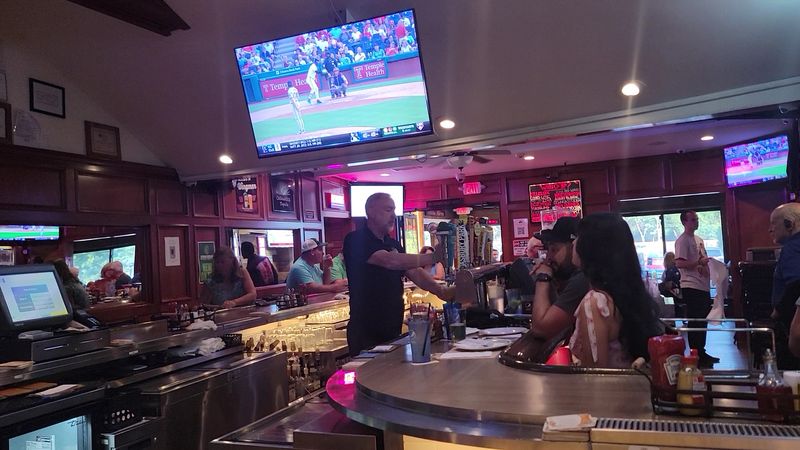
Groups do not have to agree on the challenge to agree on the destination. Accounts describe family-friendly dining, plenty of table seating, and a lively atmosphere that draws both repeat customers and people making a special trip.
That mix helps explain why the place fits several kinds of Shore-area plans.
A smaller party can focus on pizza and conversation. A larger one may come for the shared entertainment of an XXL attempt, though its seating plans need a little more care.
The restaurant says it does not seat incomplete parties and does not take reservations, so coordinating everyone’s arrival matters more than sending one person ahead.
These details are especially useful when the visit is part of a day trip. A flexible group can adapt to a wait; a group on a strict schedule may prefer a less busy time.
The setting is casual, but arriving together is a practical move that keeps the outing centered on the pizza.
The summer wait factor
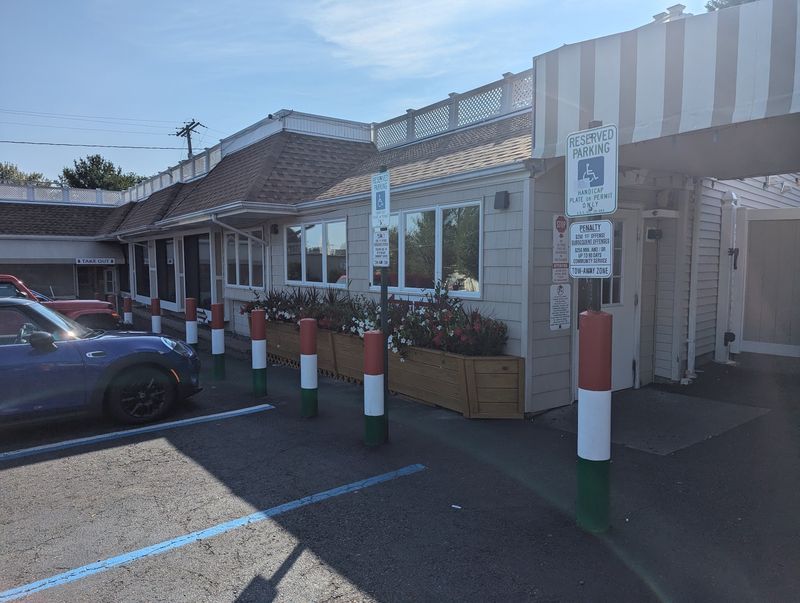
Summer can bring an extra step between arriving and ordering: waiting for a table. Accounts consistently describe the restaurant as busy at peak times, particularly on summer weekends.
A popular local stop can still be an easy day-trip choice, but it works better when the schedule has some breathing room.
Weekdays and afternoons have been described as easier times to find a table. That is a useful planning clue, not a guarantee of immediate seating.
A sunny-day crowd, a larger party, or a change in local plans could still affect the wait. The restaurant’s policy of seating complete parties also makes group coordination important.
There is no need to turn the wait into a complicated strategy. Decide whether pizza is the main event or one stop in a tightly timed outing, then choose a visit window accordingly.
A little flexibility protects the best part of the plan: sitting down together rather than keeping one eye on the clock.
Parking and arrival details
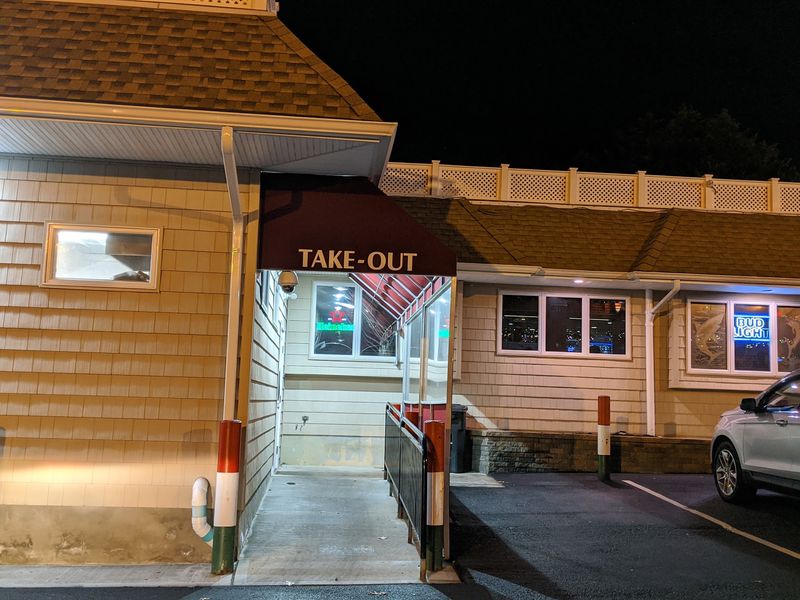
Getting there is straightforward on paper; finding a space may take a little patience. The restaurant has a parking lot, which guests describe as ample but sometimes full or tight to navigate.
Street parking has also been reported nearby. Those details are worth keeping in mind when a busy meal period overlaps with your arrival.
A short-hop outing is easier when nobody assumes that parking will take exactly one minute. Give the group time to park, meet up, and approach the host together, particularly because incomplete parties are not seated.
That small bit of coordination can matter more than an elaborate itinerary.
The provided information also notes restrooms and broad payment acceptance, though payment methods can change. Anyone relying on a specific method should confirm it before visiting.
The practical takeaway is modest: the restaurant is an accessible destination by car for a pizza-focused trip, while its popularity can make the last few minutes less predictable.
Hours and a sensible budget
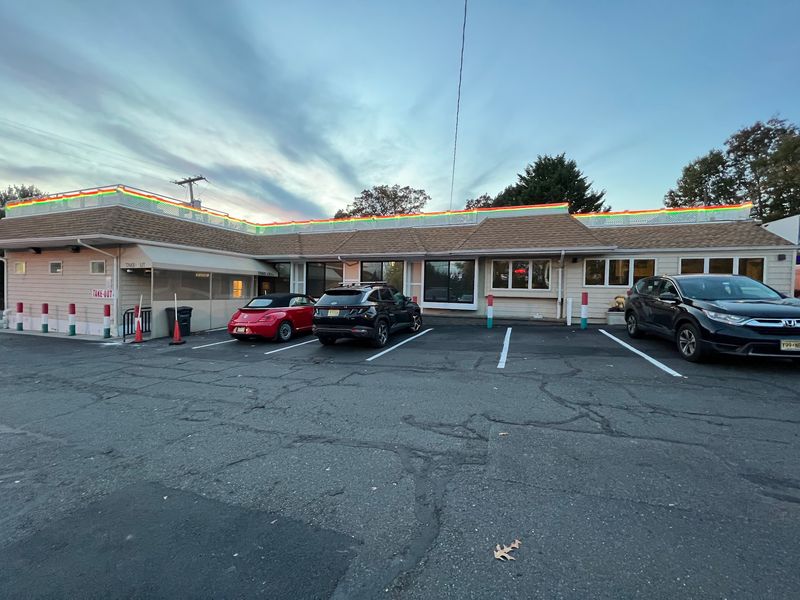
A late pizza plan has more room on some nights than others. The listed hours begin at 11 a.m. every day.
Friday and Saturday run until 1 a.m., while Sunday through Thursday end at 11 p.m. Hours may change, so checking the restaurant’s current schedule before leaving is still the safest approach.
The supplied price guidance is $20 to $30. Treat that as a general planning range rather than a quote for a particular pie or a promise about the challenge.
The information provided does not give an exact challenge cost, and the final total will depend on what a party orders.
Timing and budget work together here. An afternoon pizza outing may be easier to fit into a short day trip, while a later visit leaves more room for guests whose plans start elsewhere.
Either way, arriving with realistic expectations about the possible wait and checking challenge details ahead of time makes the trip simpler.
A pie worth planning around
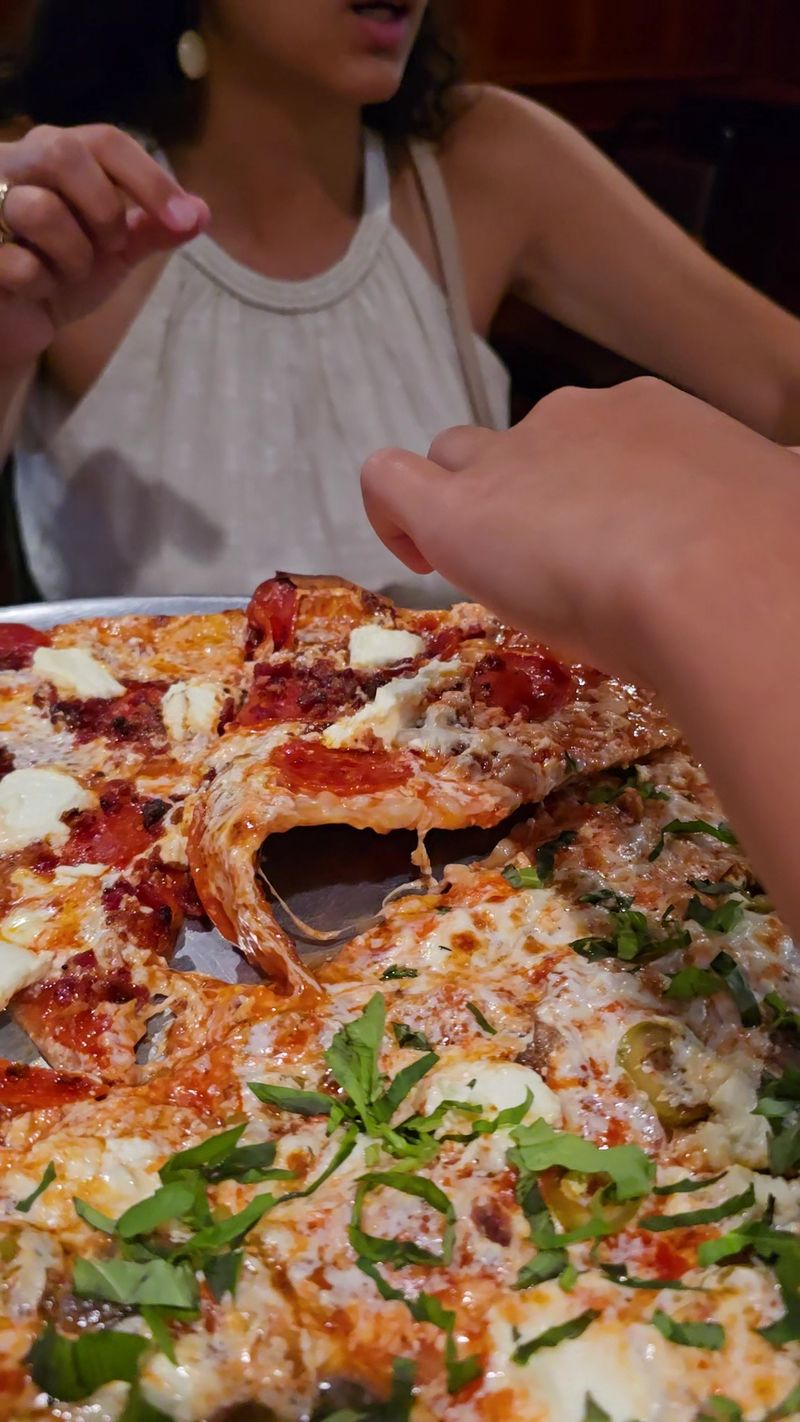
The best reason to make the trip is also the simplest: this restaurant offers a pizza style that is easy to distinguish from a conventional slice. Its long-running thin-crust tradition gives Neptune City a specific local stop to share with friends or add to a Jersey Shore day out.
The oversized challenge gives that stop an extra layer of fun, but it should remain optional. Go with a good appetite if the shirt is the goal, and verify the current rules before committing to the attempt.
Otherwise, order a pie, allow for the possibility of a wait, and let the meal be enough.
That balance is what makes the place easy to recommend without overselling it. The setting is informal, the schedule offers both afternoon and evening options, and the pizza has a clear identity.
A T-shirt would make a fine keepsake. A worthwhile outing does not depend on taking one home.
Share this story