The 1990s was a golden era for football, producing some of the most gifted players the world has ever seen. From explosive strikers to commanding defenders and creative midfielders, this decade gave fans moments they still talk about today.
These 15 players did not just compete at the highest level, they shaped the game itself and left a legacy that continues to inspire new generations of footballers.
1. Ronaldo Nazario – Brazil

Few players in history have combined raw speed, technical brilliance, and finishing power quite like Ronaldo Nazario. Nicknamed “O Fenomeno,” the Brazilian striker burst onto the world stage as a teenager and never looked back.
His ability to dribble past defenders at full sprint made him almost impossible to stop.
At the 1994 World Cup, Ronaldo was part of Brazil’s winning squad, though his biggest individual moments came in 1997 and 1998. He won back-to-back FIFA World Player of the Year awards, cementing his status as the planet’s best footballer.
His performances for Barcelona and Inter Milan were simply electric.
What made Ronaldo special was his combination of physical dominance and technical finesse. He could score with either foot, his head, or a delicate chip.
For any young football fan studying the 1990s, Ronaldo is the place to start.
2. Zinedine Zidane – France
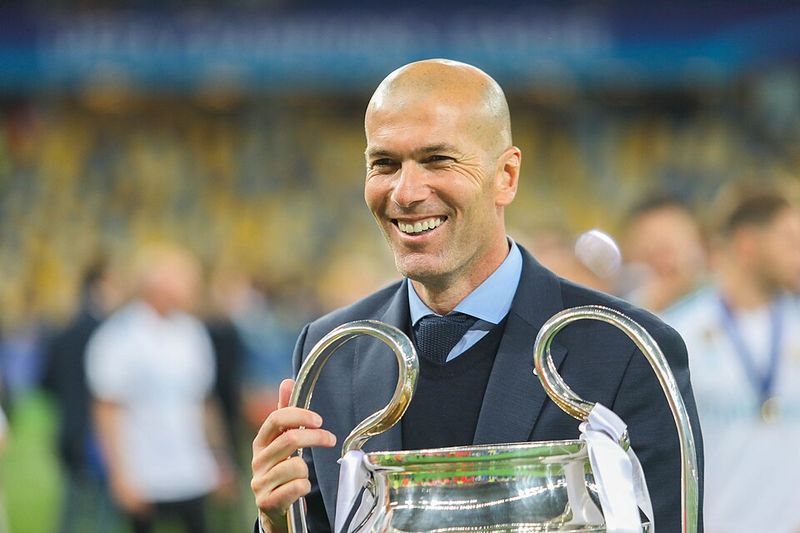
Zinedine Zidane moved across a football pitch the way a dancer moves across a stage, with grace, precision, and complete control. Born in Marseille to Algerian immigrant parents, Zidane rose through French football to become one of the most elegant midfielders the sport has ever produced.
His story is as inspiring as his skill.
During the 1990s, Zidane starred for Bordeaux and then Juventus, where his performances earned him global recognition. He won the FIFA World Player of the Year award in 1998, the same year France hosted and won the World Cup.
His two headed goals in the final against Brazil were unforgettable.
Zidane’s trademark Marseille turn and his ability to read the game set him apart from nearly every other player of his generation. He played football as if it were an art form, and fans around the world took notice.
3. Romario – Brazil
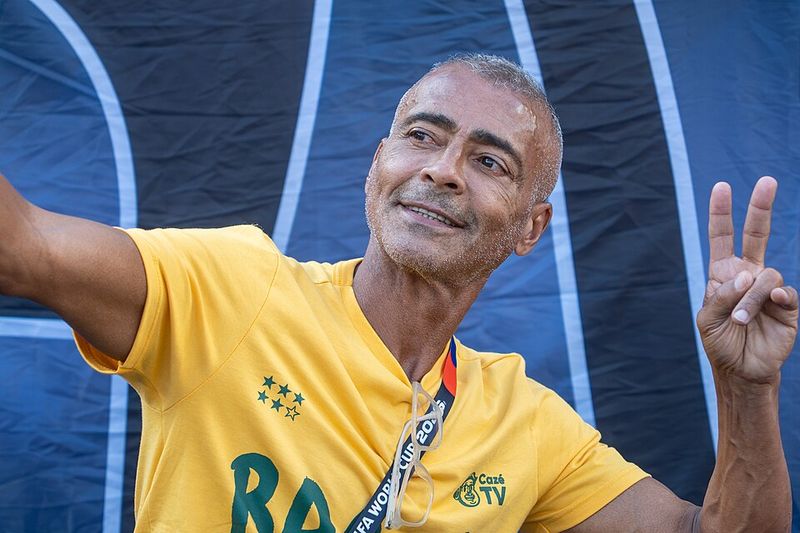
Compact, quick, and deadly in front of goal, Romario was the kind of striker defenders had nightmares about. Standing just 5 feet 6 inches tall, he proved that size means nothing when your footballing instincts are sharper than anyone else in the penalty box.
He was a pure goal scorer in every sense.
Romario was the heartbeat of Brazil’s 1994 World Cup winning campaign in the United States. He finished the tournament as one of its top scorers and won the Golden Ball award for the best player.
His partnership with Bebeto produced some of the most memorable attacking football of the decade.
Before the World Cup, Romario had already dazzled fans at PSV Eindhoven and Barcelona, where he formed a lethal partnership with Hristo Stoichkov. His clinical finishing and low center of gravity made him one of the most difficult strikers any goalkeeper ever faced in that era.
4. Roberto Baggio – Italy
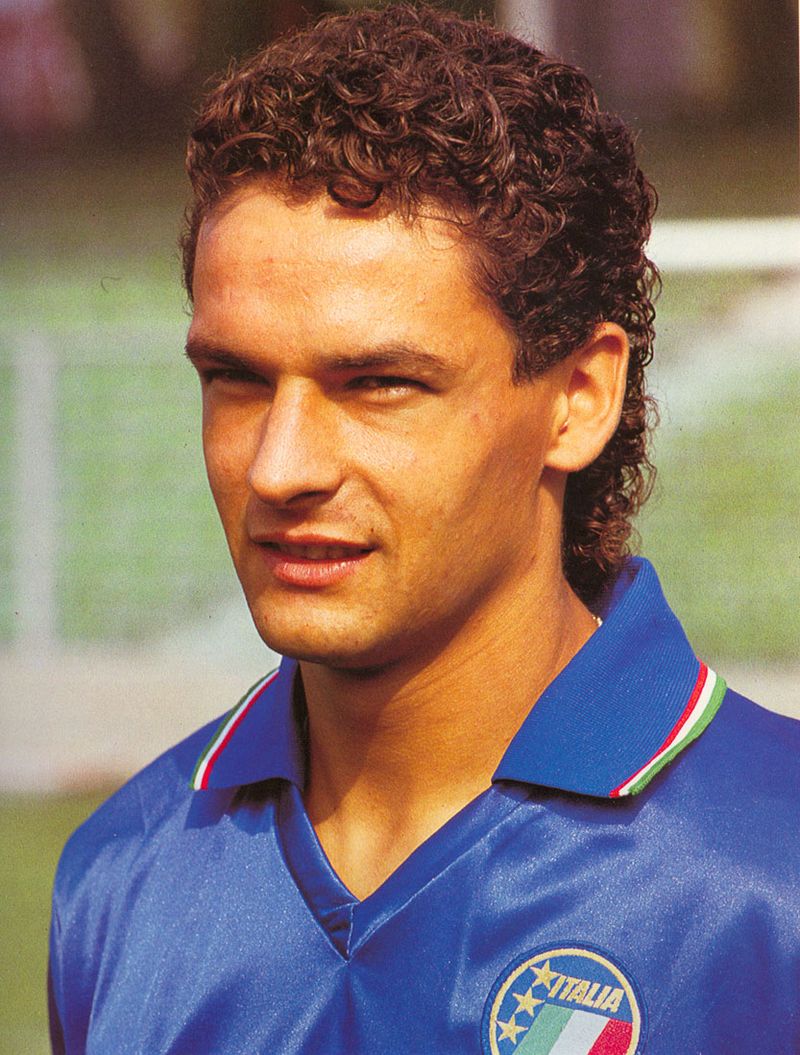
Roberto Baggio carried Italy to the 1994 World Cup final almost entirely on his own. With his iconic ponytail and magical left foot, he scored goal after stunning goal throughout that tournament, rescuing Italy from elimination multiple times.
He was a player who made the impossible look routine.
Known in Italy as “Il Divin Codino” or “The Divine Ponytail,” Baggio won the Ballon d’Or in 1993 and the FIFA World Player of the Year award the same year. He was the complete attacking midfielder, combining vision, dribbling, and an extraordinary ability to score in big moments.
The heartbreak of his missed penalty in the 1994 final against Brazil remains one of football’s most discussed moments. Yet that single miss should never overshadow a career filled with brilliance.
Baggio played for Juventus, AC Milan, and several other clubs, consistently delivering performances that left fans breathless and rivals frustrated.
5. Lothar Matthaus – Germany
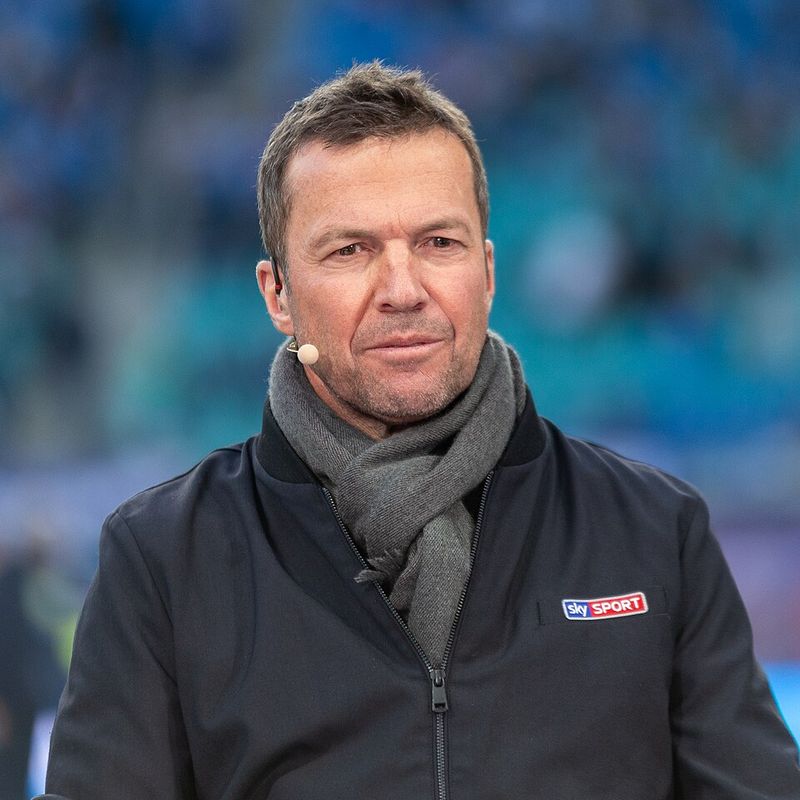
Lothar Matthaus was the kind of footballer who made every team he played in better simply by being on the pitch. The German captain lifted the 1990 World Cup trophy as his country’s leader and went on to remain one of Europe’s most influential players throughout the entire decade.
His leadership was as important as his technical ability.
Matthaus could play as a defensive midfielder, an attacking midfielder, or even as a sweeper, and he excelled in every role. His reading of the game was exceptional, and his ability to control the tempo of a match was something very few players in history have matched.
He was named FIFA World Player of the Year in 1991.
At club level, his performances for Bayern Munich and Inter Milan defined the standards for what a complete midfielder should be. Matthaus won eight Bundesliga titles during his career, a record that reflects just how dominant and consistent he remained across multiple generations of the game.
6. Paolo Maldini – Italy
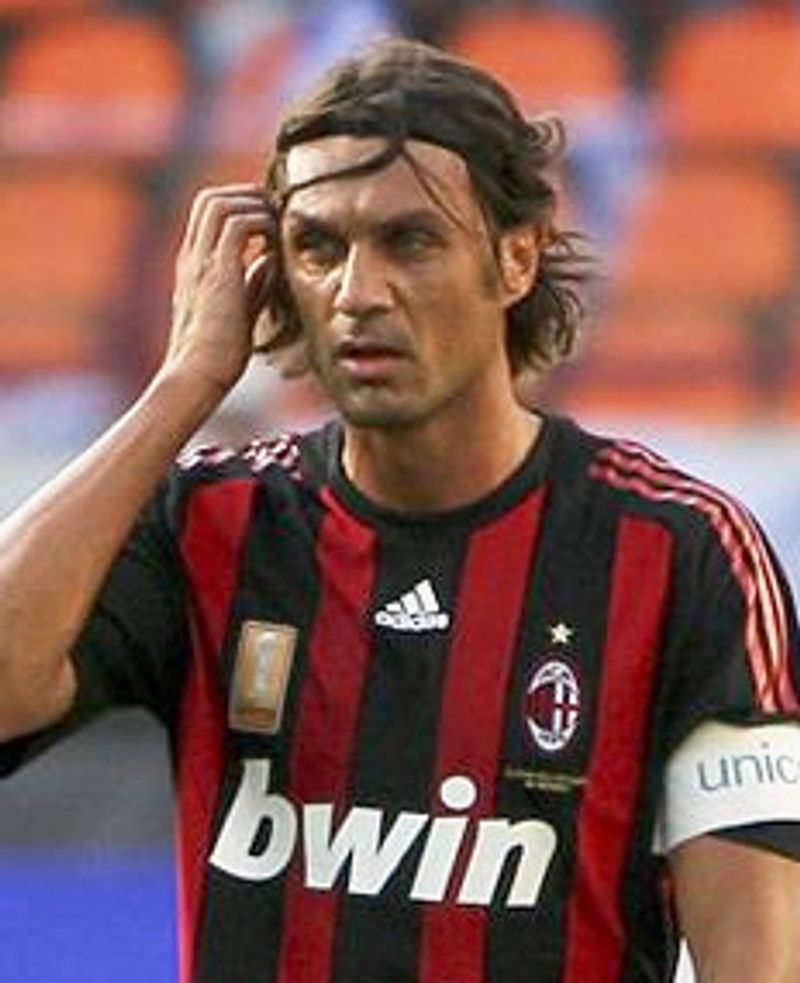
Paolo Maldini is widely regarded as the greatest defender in football history, and his performances throughout the 1990s are the main reason why. Calm, intelligent, and technically superb, he made defending look effortless in a way that no other full-back or central defender has quite managed to replicate.
He rarely needed to foul anyone because he simply read the game better than attackers did.
Playing for AC Milan throughout the decade, Maldini was part of one of Europe’s most feared defensive units. He helped Milan win Serie A titles and remained a consistent performer in the UEFA Champions League.
His ability to play on either side of defense gave coaches tremendous flexibility.
Maldini came from a footballing family, as his father Cesare also captained both Milan and Italy. He wore the Italy captain’s armband with pride and represented his country at multiple World Cups, always performing with quiet authority and class that set him apart from every other defender of his era.
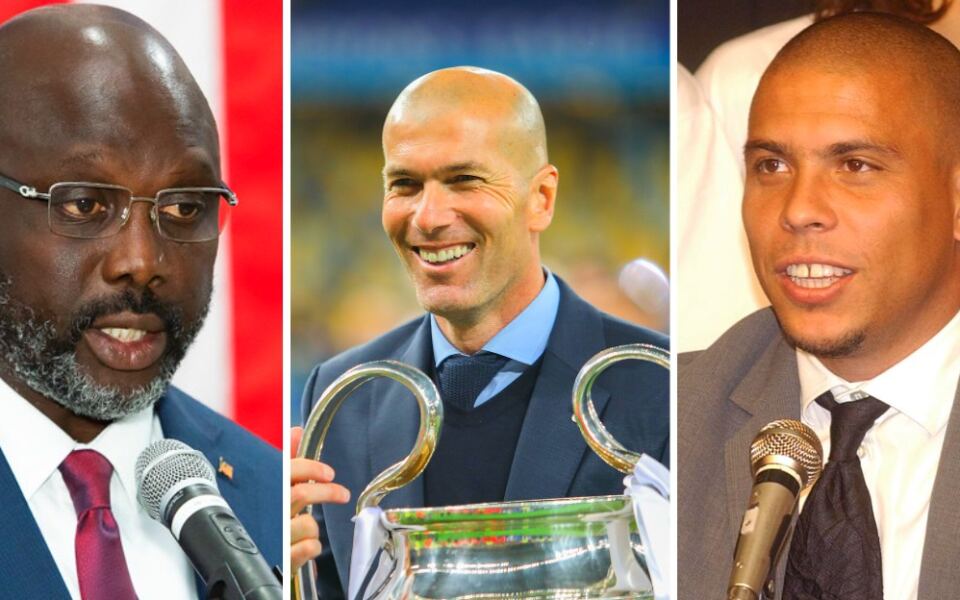
7. George Weah – Liberia
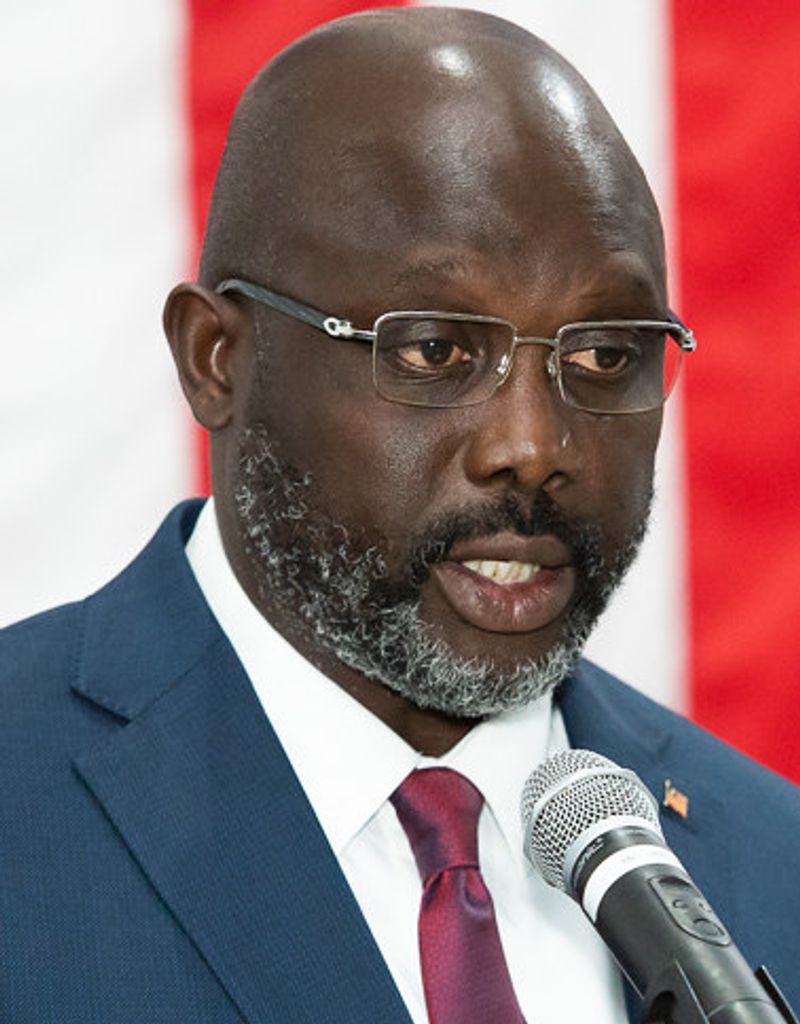
George Weah made history in 1995 when he became the first and still the only African player to win the FIFA World Player of the Year award. His achievement was extraordinary not just because of his talent, but because he reached the very top of world football representing a country without the resources or infrastructure that most elite players enjoy.
He did it the hard way.
Playing for AC Milan during the peak of his career, Weah was a powerful, pacey, and technically gifted striker who could take on defenders and score goals from seemingly impossible angles. His famous solo goal for Milan against Verona in 1996 is still shown as an example of individual brilliance.
Weah also played for Paris Saint-Germain and Chelsea during the 1990s, impressing fans across multiple leagues. After retiring from football, he entered politics and eventually became the President of Liberia, proving that his influence extended far beyond the football pitch.
8. Hristo Stoichkov – Bulgaria
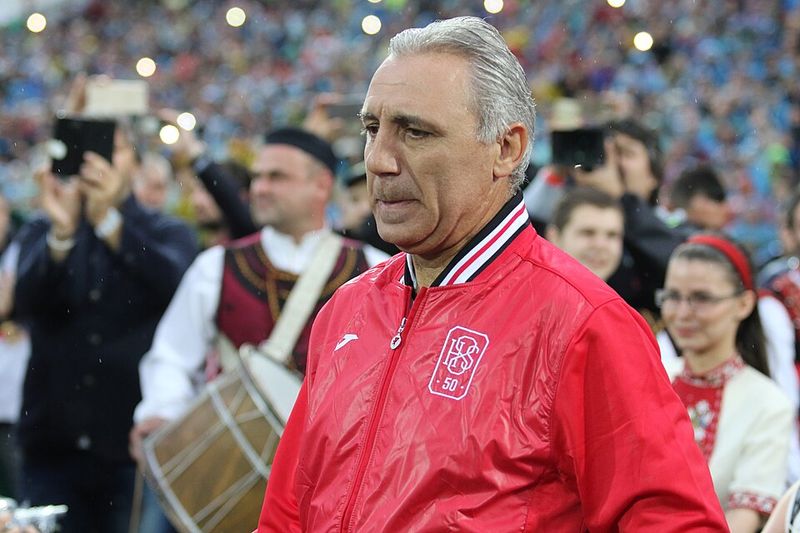
Fiery, passionate, and supremely talented, Hristo Stoichkov was the kind of footballer who could ignite an entire nation. Bulgaria had never been considered a major football power, but at the 1994 World Cup, Stoichkov dragged his country all the way to the semi-finals, scoring six goals and winning the tournament’s Golden Boot award in the process.
It was one of football’s great underdog stories.
That same year, Stoichkov won the Ballon d’Or, becoming the first Bulgarian player ever to receive the award. He had already been a key part of Johan Cruyff’s legendary Barcelona Dream Team, winning four consecutive La Liga titles and the European Cup in 1992.
His left foot was one of the most dangerous weapons in world football.
Stoichkov’s personality was as large as his talent. He was outspoken, emotional, and fiercely competitive, which sometimes got him into trouble.
But on the pitch, all of that passion translated into performances that fans across Bulgaria and the wider football world still celebrate today.
9. Marco van Basten – Netherlands
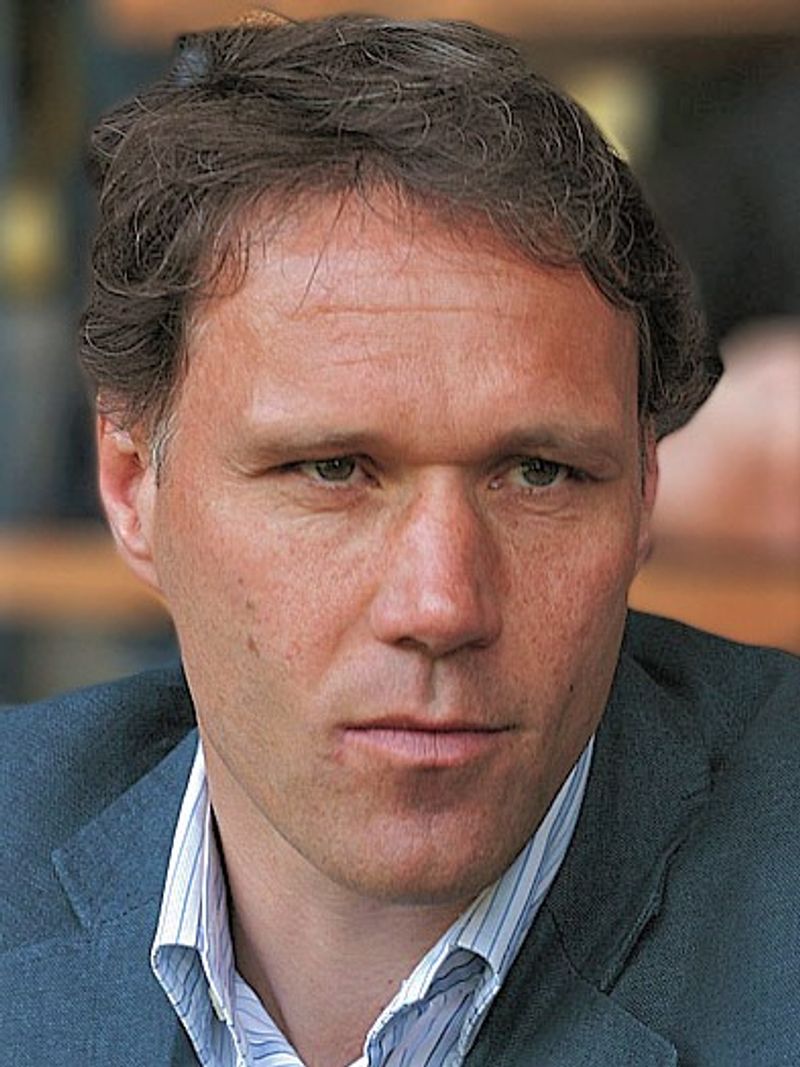
Marco van Basten’s career in the 1990s was tragically short due to a serious ankle injury that eventually forced him to retire at just 28 years old. However, the impact he left on football during his active years was so profound that his name still comes up whenever people discuss the greatest strikers of all time.
His 1988 volley in the European Championship final remains one of the most celebrated goals ever scored.
At AC Milan, van Basten was part of a legendary attacking trio alongside Ruud Gullit and Frank Rijkaard. He won three Ballon d’Or awards in 1988, 1989, and 1992, a feat matched by very few players in history.
His technique, positioning, and finishing were technically flawless.
Though injury cut his prime years short, van Basten influenced a generation of Dutch strikers and coaches. His style of play, combining aerial ability with precise footwork, set a standard that forwards still aspire to reach in modern football today.
10. Rivaldo – Brazil
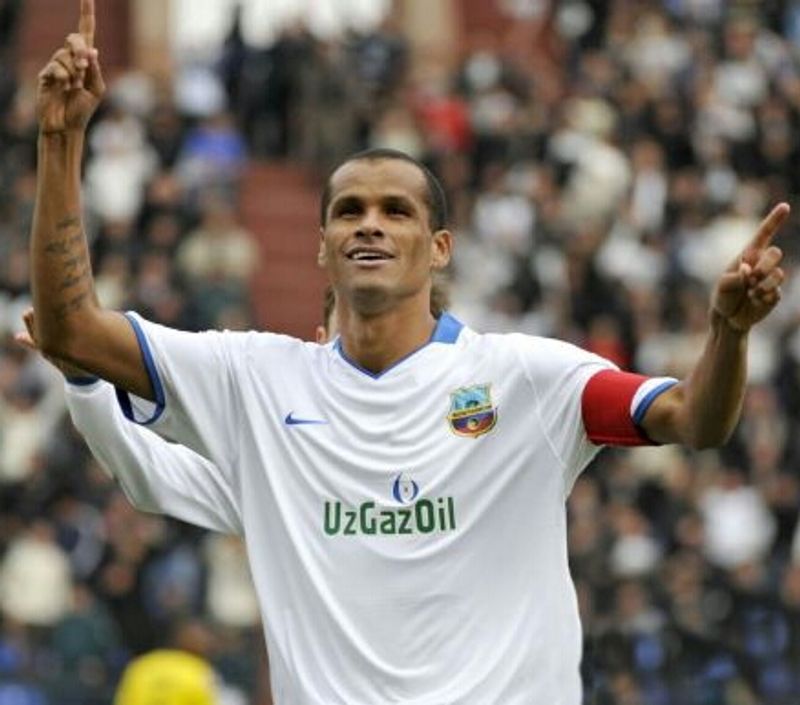
Rivaldo emerged in the late 1990s as one of the most creative and unpredictable attacking players in world football. Left-footed, technically brilliant, and capable of scoring spectacular goals from almost any position on the pitch, he quickly became a fan favorite wherever he played.
His bicycle kick goals became the stuff of legend.
After impressing at Deportivo La Coruna and Palmeiras, Rivaldo joined Barcelona in 1997 and transformed into a world-class performer. He won the FIFA World Player of the Year award in 1999 and the Ballon d’Or the same year, recognizing a season in which his performances were consistently breathtaking.
His hat-trick against Valencia to secure Champions League qualification for Barcelona is one of the most dramatic individual displays in La Liga history.
Rivaldo grew up in poverty in northeastern Brazil, which makes his rise to the very top of world football even more remarkable. His story is a powerful reminder that talent combined with determination can overcome almost any obstacle a young player might face.
11. Dennis Bergkamp – Netherlands
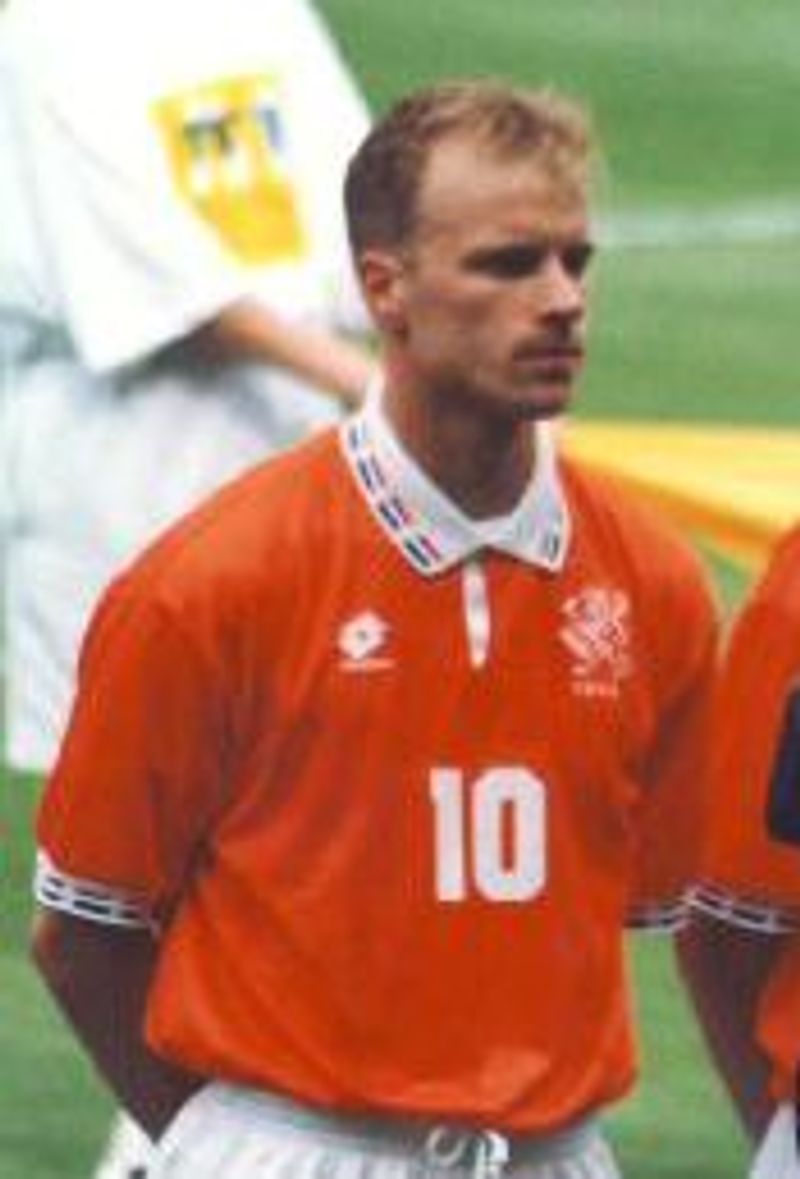
Dennis Bergkamp was the thinking man’s footballer. While others relied on pace or power, Bergkamp used intelligence, touch, and vision to outwit defenders in ways that felt almost unfair.
His first touch was so precise that it seemed like the ball was magnetically drawn to his feet, and his ability to turn defenders with a single movement was extraordinary.
After a difficult start at Inter Milan, Bergkamp joined Arsenal in 1995 and flourished under manager Arsene Wenger. He became one of the Premier League’s most admired players, combining beautifully with teammates and contributing both goals and assists with remarkable consistency.
His goal against Argentina at the 1998 World Cup is regularly voted among the greatest ever scored.
Bergkamp also had a well-known fear of flying, which meant he traveled to away matches by car or train. Far from being a weakness, it became part of his unique character.
He was calm, composed, and utterly brilliant, a player who made football look like a conversation rather than a contest.
12. Peter Schmeichel – Denmark
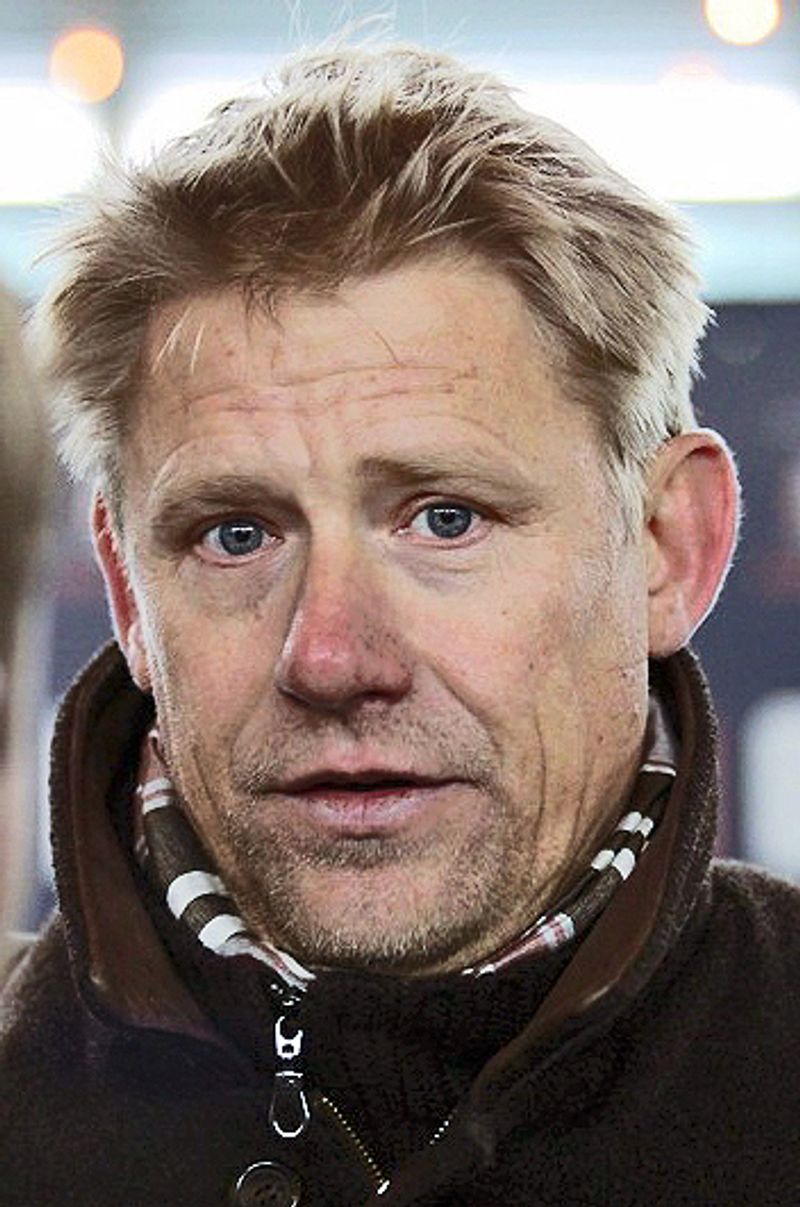
Peter Schmeichel was arguably the most dominant goalkeeper of the 1990s, and many football historians consider him the greatest shot-stopper of his generation. Standing 6 feet 4 inches tall with a commanding presence and lightning reflexes, he made opposing strikers feel like scoring against him was simply not an option.
His performances for Manchester United were a huge part of their success throughout the decade.
Schmeichel joined United in 1991 and became an essential part of Sir Alex Ferguson’s most successful teams. He won five Premier League titles and was the captain who lifted the UEFA Champions League trophy in the unforgettable 1999 final against Bayern Munich.
His star-fish saves and ability to organize his defense made him unique.
Before his club career peaked, Schmeichel had already helped Denmark achieve one of football’s biggest shocks. At Euro 1992, Denmark entered as late replacements and went on to win the entire tournament, with Schmeichel producing save after brilliant save to keep his country’s dream alive throughout the competition.
13. Gabriel Batistuta – Argentina
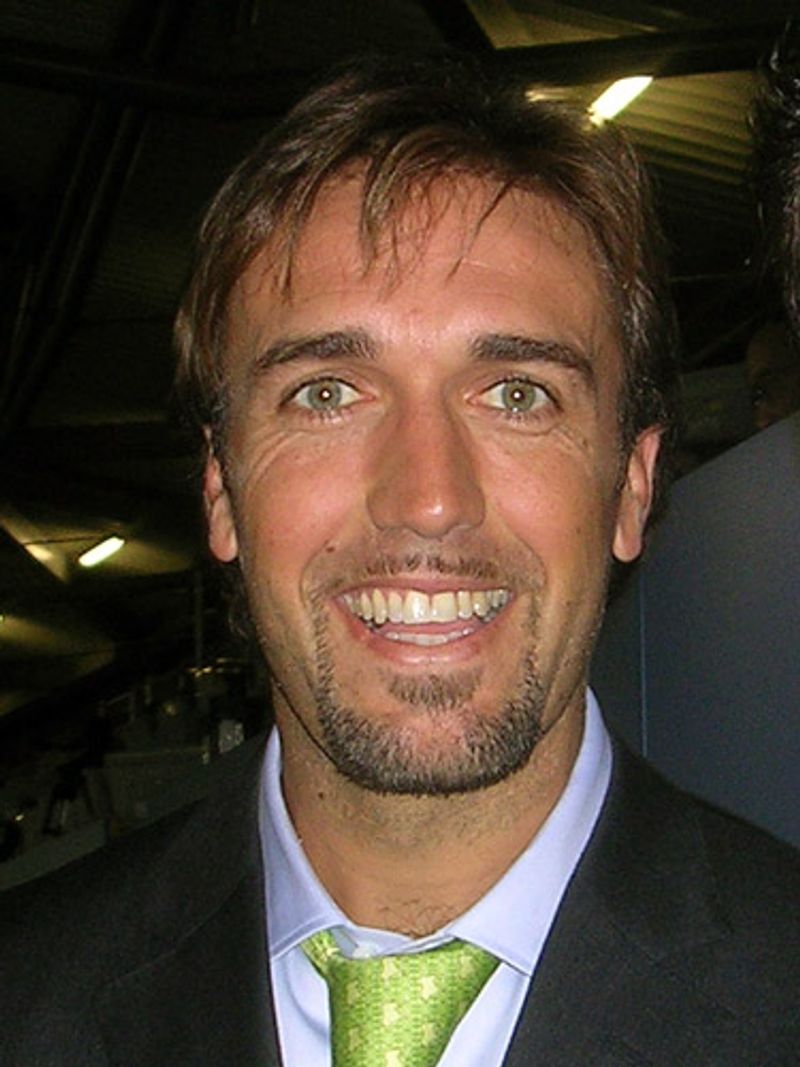
Gabriel Batistuta hit the ball harder than almost anyone who ever played professional football. Nicknamed “Batigol,” the Argentine striker had a thunderous right foot that goalkeepers genuinely feared, and his combination of physical strength, aerial ability, and technical skill made him one of the most complete center-forwards of the 1990s.
He was a natural leader as well as a natural scorer.
Batistuta became a legend at Fiorentina, where he scored 168 goals in 269 Serie A appearances and remained loyal to the club even when they were relegated. That loyalty earned him enormous respect from fans throughout Italian football.
He also scored in three different World Cups for Argentina, a record very few strikers have matched.
At the 1998 World Cup, Batistuta scored a hat-trick against Jamaica and finished as one of the tournament’s top scorers. His powerful playing style and consistent goal-scoring across an entire decade secured his place among the greatest strikers the game has ever produced.
He remains a hero in Florence to this day.
14. Davor Suker – Croatia
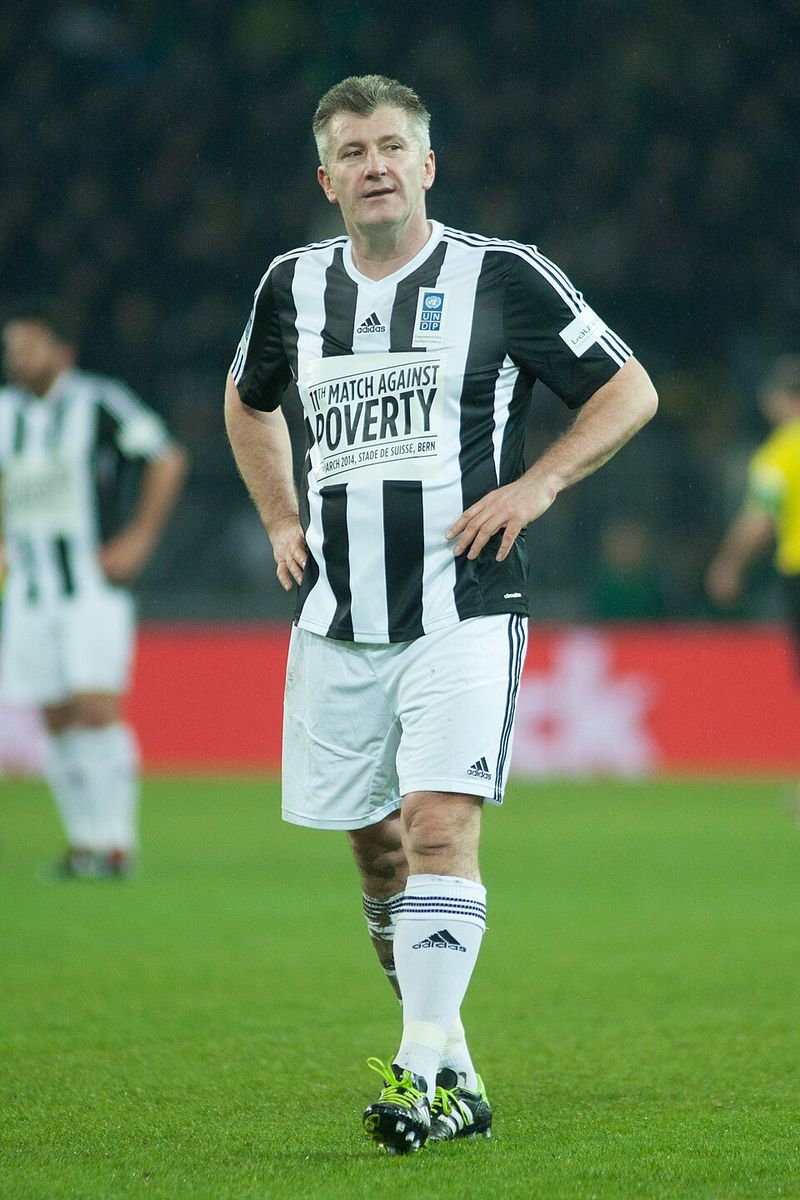
When Croatia made their World Cup debut in 1998, nobody quite expected them to finish third. But with Davor Suker leading the attack, anything was possible.
The elegant striker won the Golden Boot at the 1998 World Cup in France, finishing as the tournament’s top scorer with six goals. His performances introduced Croatian football to the entire world in the most spectacular way imaginable.
Suker had a smooth, almost casual style of play that disguised just how clinical and calculating he was in front of goal. His famous chip against Denmark at that tournament, where he coolly lifted the ball over the advancing goalkeeper, is a perfect example of his composure and technical quality under pressure.
At club level, Suker played for Real Madrid and Arsenal among other clubs, consistently proving his quality at the highest level. He scored important goals throughout his career, but it was his 1998 World Cup performances that defined his legacy and made him a national hero back home in Croatia.
15. Jean-Pierre Papin – France
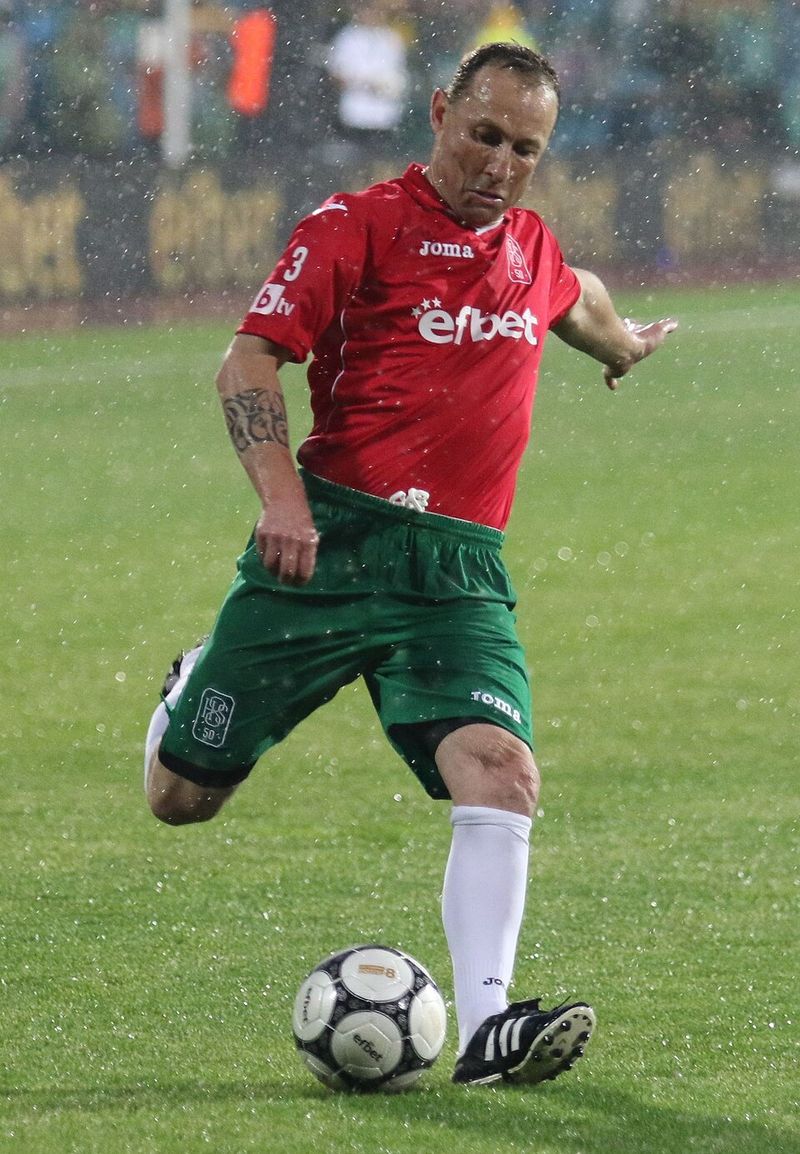
Jean-Pierre Papin had a gift for scoring goals that nobody else seemed able to score. His trademark volleys and acrobatic strikes became so well known that the French football world invented a new term for them: “Papinades.” When a striker produced an audacious, seemingly impossible shot that somehow ended up in the net, people called it a Papinade in his honor.
That kind of legacy says everything about how special he was.
Papin won the Ballon d’Or in 1991 after a remarkable season with Marseille, where he was the top scorer in France for five consecutive seasons. He then moved to AC Milan, joining one of the most glamorous club sides in European football at the time.
His instinct for goal was almost impossible to coach because it came entirely from natural talent.
Though injuries and competition for places limited his time at Milan, Papin remained a respected figure throughout European football during the 1990s. His creativity in front of goal and willingness to attempt the extraordinary made watching him one of the genuine pleasures of that remarkable footballing decade.
Share this story