The Rock and Roll Hall of Fame has honored hundreds of artists since its first induction ceremony in 1986, but the selection process has never been without controversy. The 1970s was one of the most productive decades in rock history, producing a staggering range of sounds from progressive epics to hard-driving arena anthems.
Foreigner got in during 2024 and Bad Company followed in 2025, so the list of overlooked acts is slowly shrinking. Still, as of the announced 2026 class, a surprising number of familiar names from that decade remain outside the Hall, and their absence continues to spark genuine debate among fans and music historians alike.
1. Styx
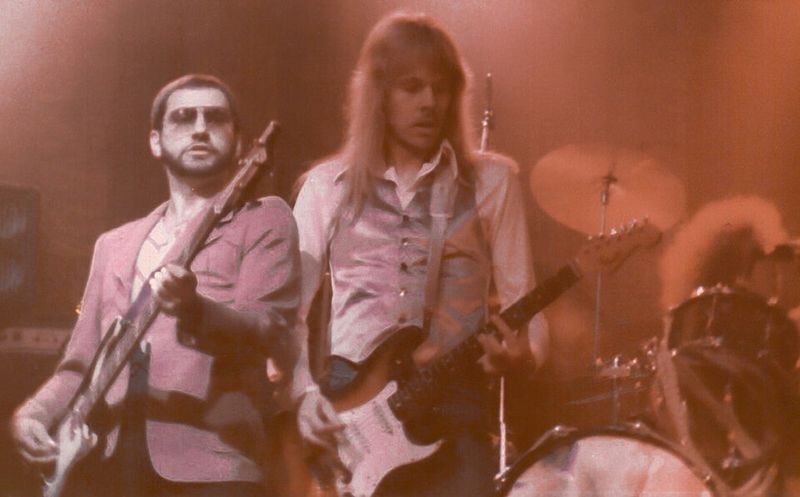
Chicago produced a lot of great music in the 1970s, but few bands from that city built a bigger commercial footprint than Styx. The group spent years evolving its sound, eventually landing on a combination of hard rock, progressive keyboards, and enormous vocal harmonies that became impossible to ignore.
The Grand Illusion arrived in 1977 and launched Come Sail Away into permanent rotation on American radio. Pieces of Eight and Cornerstone kept the momentum going, and by the early 1980s the band was one of the biggest acts in the country.
Styx has sold over 50 million albums worldwide and racked up 16 Top 40 hits. Despite becoming eligible for the Rock Hall in 1998, the band has never received a nomination.
Tommy Shaw has said he does not lose sleep over it, while Dennis DeYoung has been considerably more vocal about wanting recognition.
2. Three Dog Night
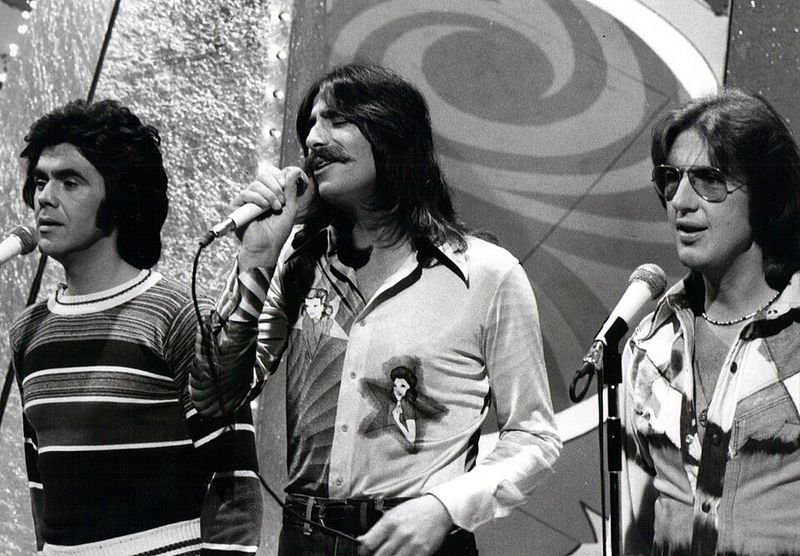
Between 1969 and 1974, Three Dog Night placed 21 consecutive songs in the Top 40, which is a run that most bands would consider a complete career. The group became famous for finding great songs written by others and turning them into radio staples that outlasted the decade.
Joy to the World spent six weeks at number one on the Billboard Hot 100 in 1971. Mama Told Me Not to Come and Black and White also reached the top spot, giving the band three chart-topping singles in a relatively short window.
Randy Newman, Harry Nilsson, Paul Williams, and Hoyt Axton all had major exposure through Three Dog Night recordings. The group became eligible for the Rock Hall in 1994 and has never been nominated.
Former singer Chuck Negron has suggested that the band’s reliance on outside songwriters may have worked against it in the selection process.
3. Emerson, Lake and Palmer
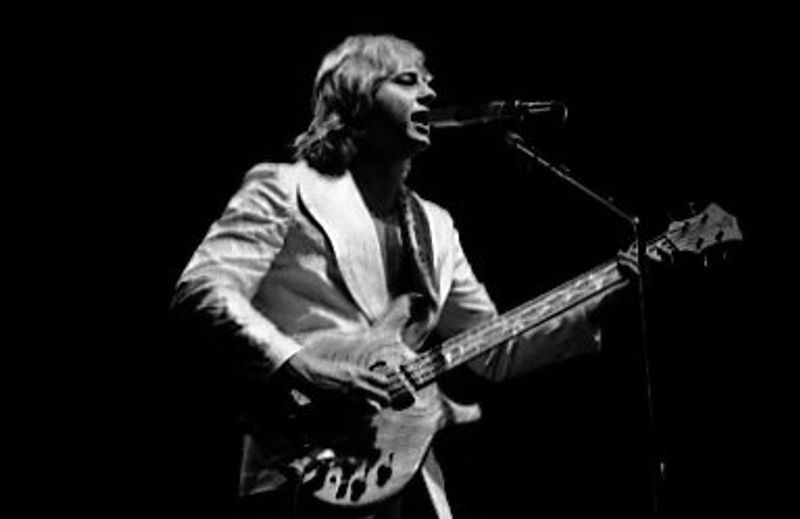
Progressive rock rarely came with a bigger budget or a more ambitious attitude than Emerson, Lake and Palmer. Keith Emerson, Greg Lake, and Carl Palmer formed a trio that could genuinely sound like a full orchestra when the arrangements called for it, and they frequently made sure the arrangements did.
Tarkus, Trilogy, and Brain Salad Surgery all arrived in the early 1970s and established ELP as one of the genre’s most commercially successful acts. Lucky Man provided an accessible entry point, while Karn Evil 9 stretched progressive rock into something closer to a classical suite.
The band sold over 48 million records worldwide and became known for live productions that matched the scale of their studio work. Despite the Rock Hall eventually inducting Genesis, Yes, Rush, and the Moody Blues, Emerson Lake and Palmer has never been nominated.
The band became eligible in 1996.
4. The Guess Who
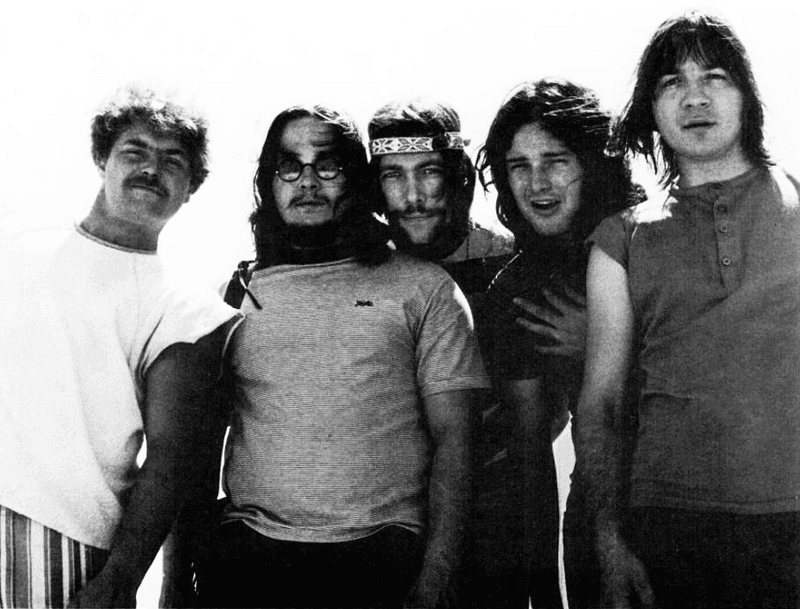
American Woman has been on classic-rock radio for more than fifty years, which makes it genuinely surprising that the band behind it has never been inducted into the Rock Hall. The Guess Who came out of Canada and became one of the most commercially successful North American rock acts around the turn of the 1970s.
Burton Cummings supplied a powerhouse voice, and Randy Bachman’s guitar drove the group’s hardest-rocking moments before he departed to eventually form Bachman-Turner Overdrive. The catalog extended well beyond their signature hit, with No Time, Share the Land, and These Eyes all finding significant audiences.
American Woman reached number one in the United States in 1970. The band became eligible for Rock Hall consideration in 1991 and has never been nominated.
Cummings has been openly dismissive of the institution, questioning whether it truly represents rock music given some of its other inductees.
5. Thin Lizzy
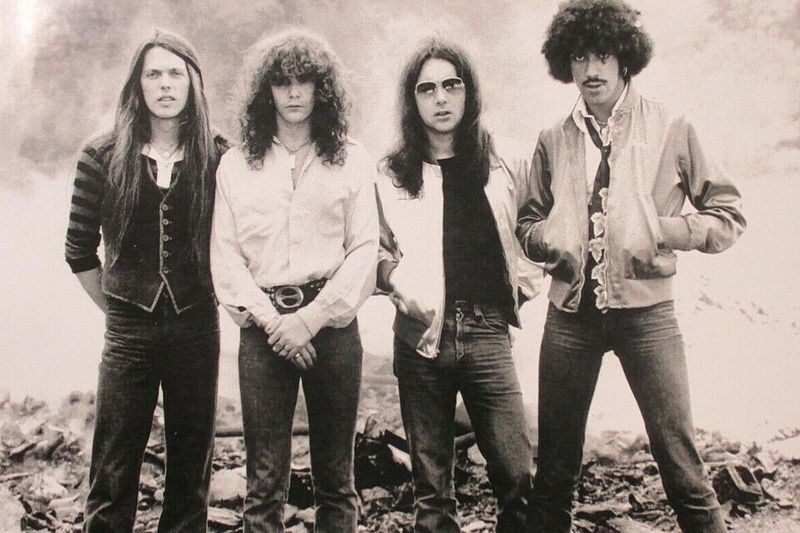
Phil Lynott gave Thin Lizzy something that most hard rock bands of the 1970s simply did not have: a genuinely compelling songwriter with a gift for character-driven storytelling. As the band’s bassist, vocalist, and primary lyricist, Lynott shaped an identity that stood apart from the era’s more straightforward rock acts.
The harmonized twin-guitar approach became a defining feature of the band’s sound and influenced generations of hard rock and heavy metal guitarists. Jailbreak in 1976 served as the international breakthrough, and The Boys Are Back in Town became one of the decade’s most enduring rock recordings.
Metallica and Def Leppard have both cited Thin Lizzy as a significant influence. The band became eligible for the Rock Hall in 1996 and received its first nomination for the 2020 class, but was not inducted.
Guitarist Scott Gorham publicly expressed disappointment following that result.
6. Kansas
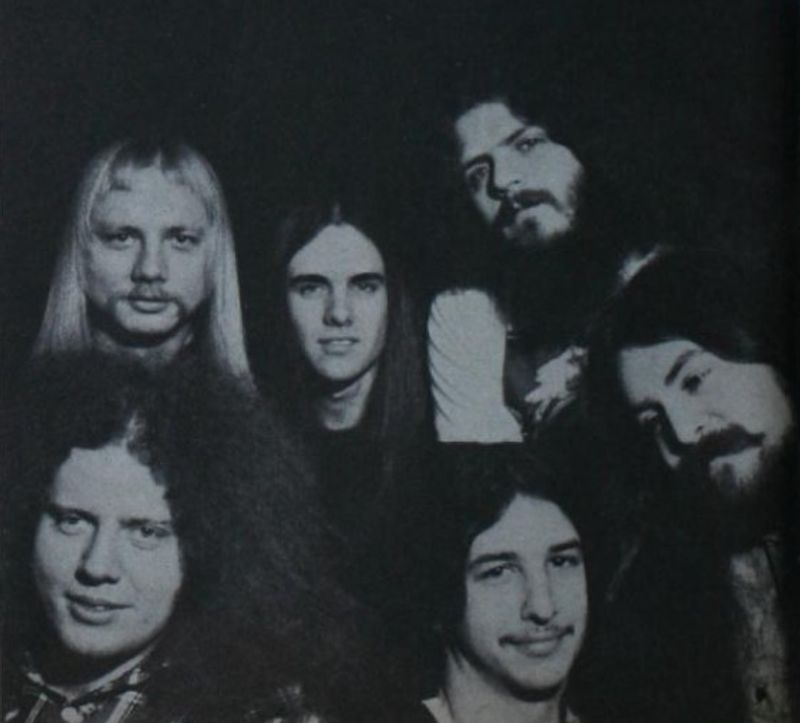
Most progressive rock bands that made it big in the 1970s came from Britain. Kansas was a deliberate and successful exception, bringing complex arrangements, violin, and shifting time signatures to an American rock audience that responded enthusiastically.
Leftoverture arrived in 1976 and produced Carry On Wayward Son, a song that has never really left the classic-rock conversation. Point of Know Return followed in 1977 and introduced Dust in the Wind, an acoustic ballad that demonstrated the band could move well beyond hard-driving rock when the material called for it.
Kansas earned nine gold or platinum albums during their run and maintained a loyal fanbase through decades of touring. The band became eligible for Rock Hall consideration in 2000 and has never been nominated.
Their combination of technical ambition and mainstream accessibility remains one of the more underappreciated achievements of the decade.
7. Jethro Tull
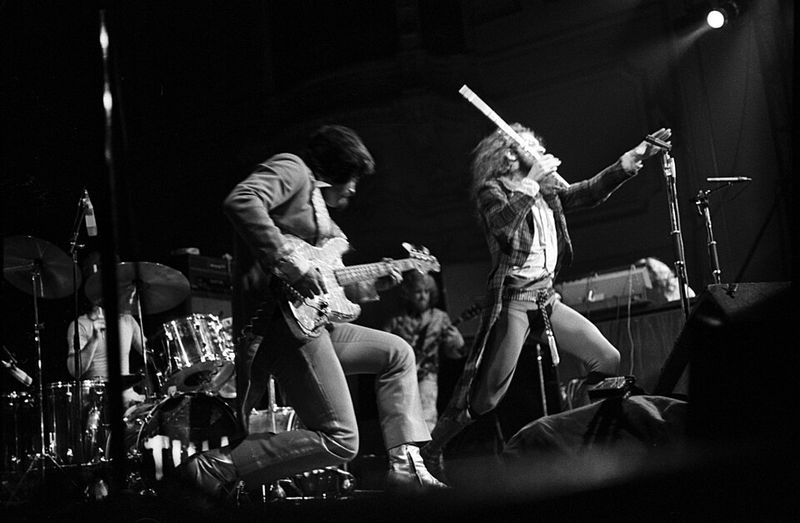
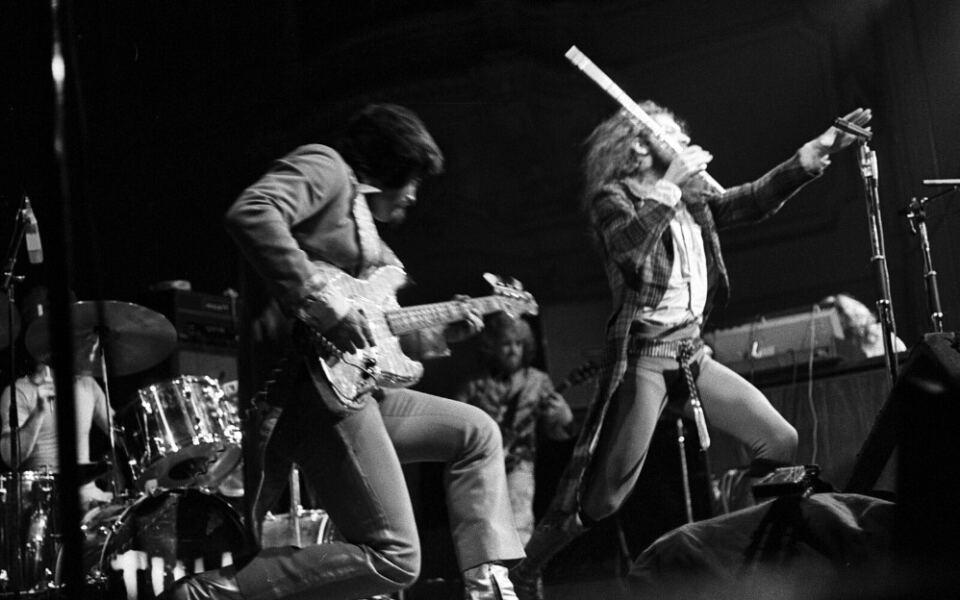
Standing on one leg while playing the flute is not exactly a standard rock move, but Ian Anderson made it work for decades. Jethro Tull spent the 1970s building one of the most distinctive catalogs in British rock, moving confidently between hard rock, progressive arrangements, and folk-influenced songwriting.
Albums like Aqualung in 1971 and Thick as a Brick in 1972 demonstrated a band willing to take real creative risks. Songs such as Locomotive Breath and Bungle in the Jungle have remained on classic-rock radio long after the decade ended.
The band became eligible for Rock Hall consideration in 1994 and has never appeared on the official ballot. Anderson has publicly stated that he views the Hall as primarily an American institution and does not feel particularly left out.
Many fans and former members disagree strongly with that assessment.
8. Blue Oyster Cult
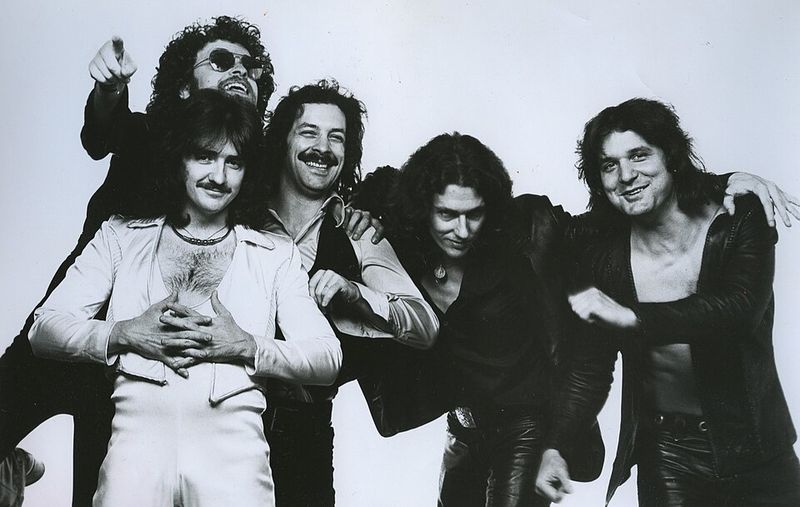
A song about not fearing the end of all things became one of the most recognizable guitar riffs of the 1970s, which says something interesting about Blue Oyster Cult’s particular approach to rock music. (Don’t Fear) The Reaper arrived in 1976 and became the band’s biggest commercial moment, but it was never the whole story.
Cities on Flame with Rock and Roll, Astronomy, Godzilla, and Burnin’ for You all helped build a catalog that mixed heavy guitar work with science fiction themes, dark humor, and an intellectual edge that set the band apart from most of its hard-rock contemporaries.
Blue Oyster Cult sold over 24 million records worldwide and became eligible for the Rock Hall in 1997. The band has never been nominated.
Guitarist Eric Bloom has voiced genuine confusion about the Hall’s selection criteria and the band’s continued exclusion from consideration.
9. Supertramp
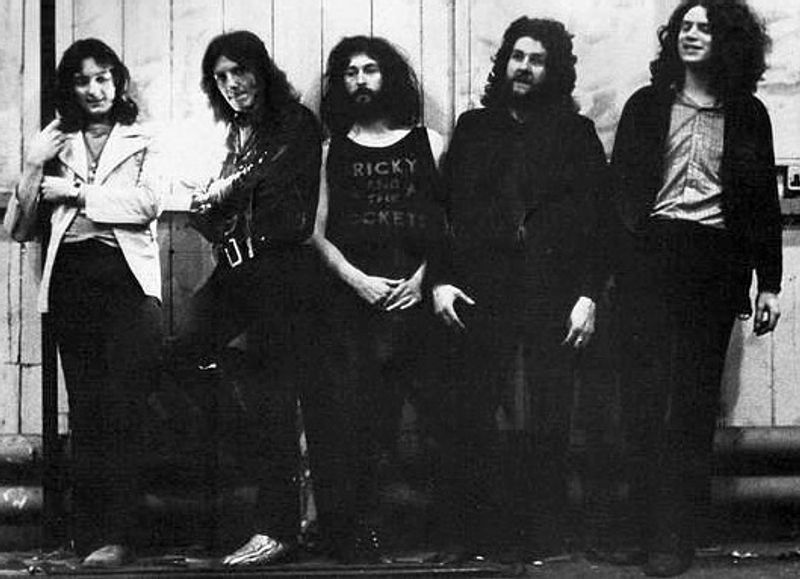
Roger Hodgson and Rick Davies gave Supertramp two distinct songwriting personalities, and the tension between those voices produced some of the most carefully crafted FM rock of the late 1970s. Crime of the Century in 1974 established the band’s creative identity with tracks like Dreamer and Bloody Well Right.
Breakfast in America in 1979 took everything to a much larger scale. The Logical Song, Goodbye Stranger, and Take the Long Way Home all became fixtures of album-oriented radio, and the album itself became one of the defining releases of the decade’s final year.
The record sold over 20 million copies worldwide and remains one of the best-selling albums of the era. Supertramp became eligible for the Rock Hall in 1996 and has never received a nomination.
Their sophisticated sound and consistent commercial success make the omission one of the more puzzling on this list.
10. Little Feat
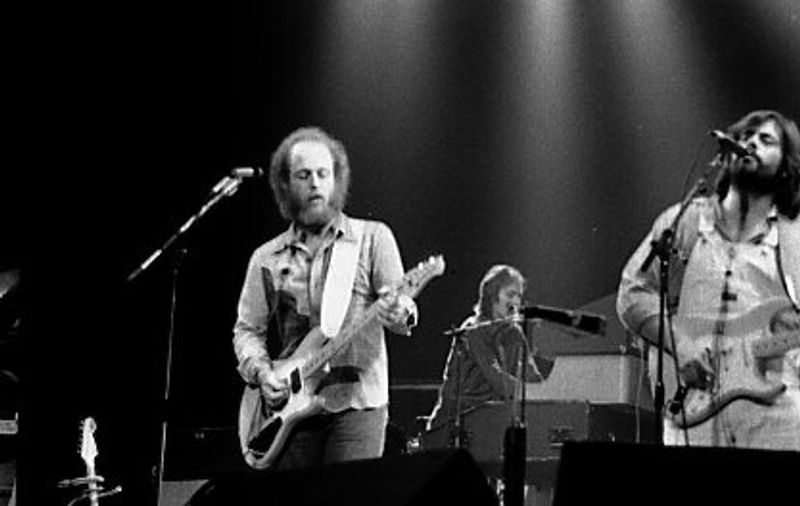
Lowell George’s slide guitar had a quality that other players spent careers trying to replicate and rarely approached. Little Feat built its reputation not on chart hits but on a musical sophistication that drew admiration from fellow musicians across multiple genres.
Dixie Chicken, Sailin’ Shoes, and Feats Don’t Fail Me Now blended rock, blues, funk, country, and New Orleans rhythms into something that resisted easy categorization. The 1978 live album Waiting for Columbus captured the band at its most expansive and became one of the most celebrated live recordings of the decade.
Little Feat became eligible for the Rock Hall in 1995 and has never been nominated or inducted. The band was recognized by the California Music Hall of Fame in 2023, which offered some institutional acknowledgment of their legacy.
Their influence on American rock and the musicians who followed them remains substantial and well-documented.
11. REO Speedwagon
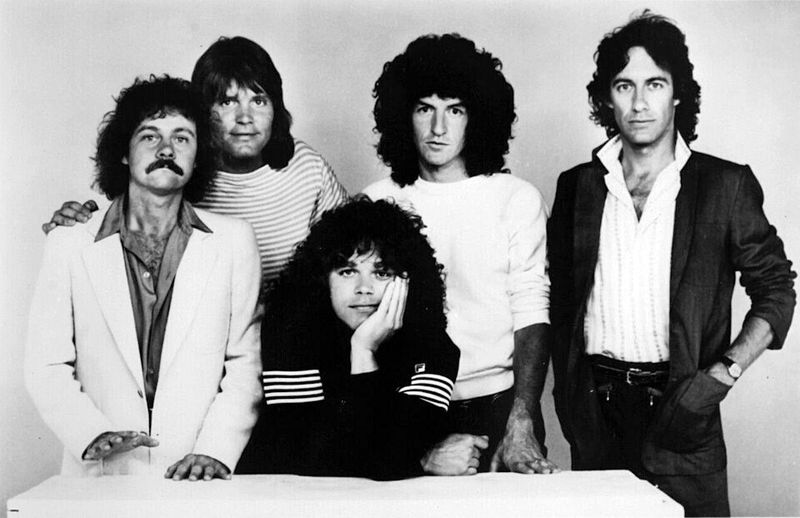
REO Speedwagon was already a veteran touring band with multiple albums behind them before most casual listeners knew their name. Formed in Illinois in 1967, the group spent the better part of the 1970s building an audience through relentless live performances rather than radio hits.
The 1977 live album You Get What You Play For was a genuine commercial breakthrough. You Can Tune a Piano but You Can’t Tuna Fish followed in 1978 and produced Roll with the Changes and Time for Me to Fly, two songs that became long-term catalog staples.
Hi Infidelity in 1980 turned the band into a commercial phenomenon, but that success rested on years of groundwork laid during the previous decade. REO Speedwagon has sold over 40 million records and became eligible for the Rock Hall in 1997.
The group has never been nominated, though they were inducted into the Illinois Rock and Roll Museum in 2021.
12. Uriah Heep
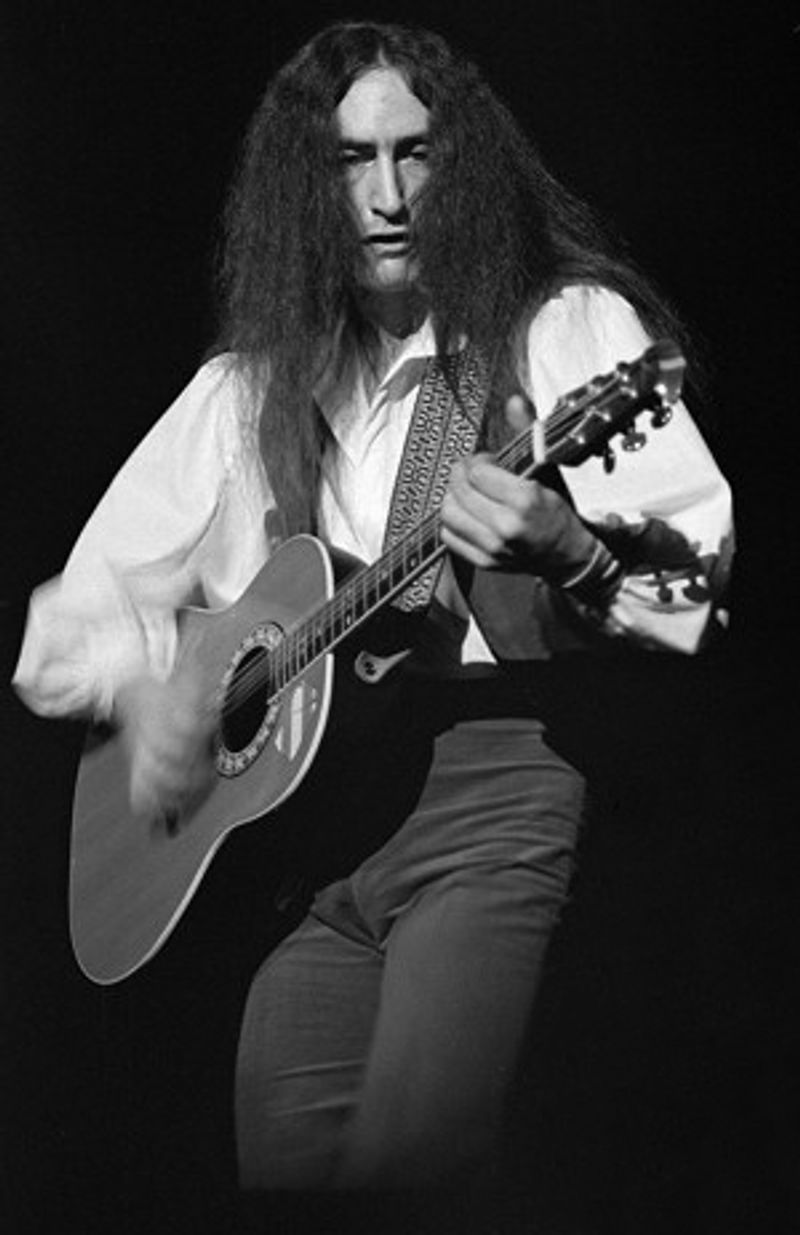
Uriah Heep arrived at the start of the 1970s with a sound that was heavier and more theatrical than most of their British contemporaries. Multi-part vocal harmonies, distorted guitars, prominent keyboards, and fantasy-themed lyrics defined albums like Demons and Wizards and The Magician’s Birthday, both released in 1972.
Easy Livin’ became their best-known track in the American market, but the band’s following in Europe and other international territories was considerably larger and more sustained. Their position at the crossroads of hard rock, progressive rock, and early heavy metal gave them a distinctive place in the era’s musical landscape.
Uriah Heep was inducted into the Metal Hall of Fame in 2019 and has continued to tour with founding guitarist Mick Box. The band became eligible for the Rock Hall in 1995 and has never been nominated.
Box has acknowledged the Hall has its own priorities while indicating that recognition would still mean something to the group.
13. Foghat
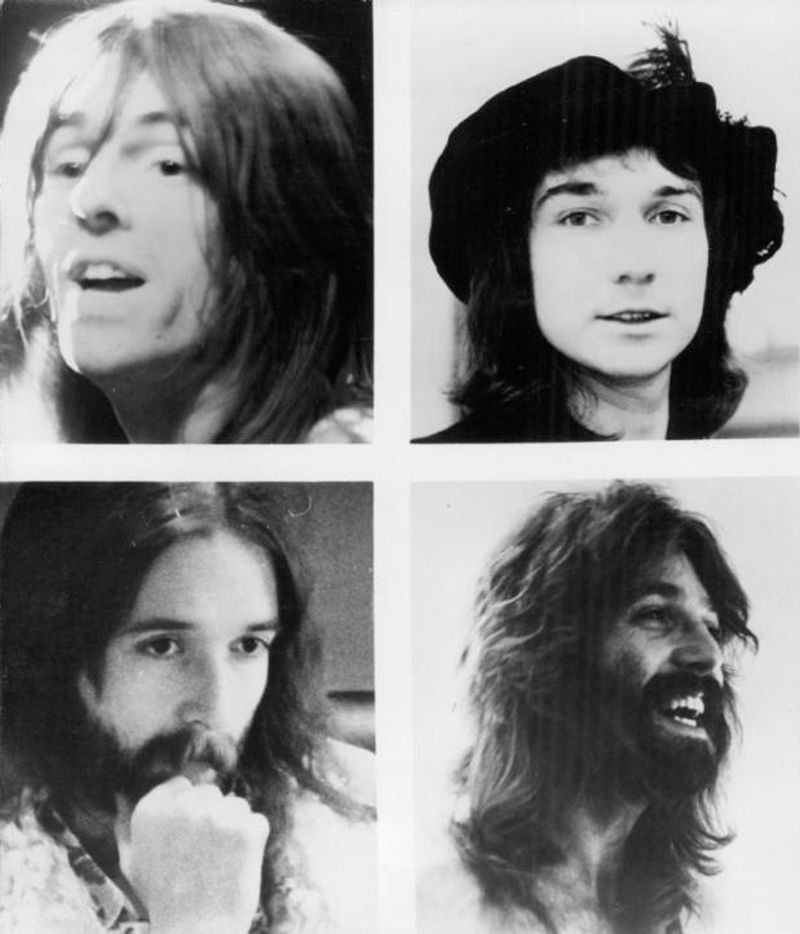
Foghat came out of England in 1971 with several members previously from Savoy Brown, but they found their biggest audience in the United States, where blues-driven boogie rock had a natural home on FM radio and in large venues. The band’s approach was never complicated: powerful guitar riffs, a locked-in rhythm section, and songs built for maximum impact at volume.
Fool for the City and Slow Ride became their signature recordings and remain fixtures of classic-rock programming. I Just Want to Make Love to You gave the band another enduring radio staple that connected their blues roots to a mainstream rock audience.
Foghat sold millions of records, including seven gold albums, one platinum album, and a double-platinum live record simply titled Foghat Live. The band became eligible for the Rock Hall in 1996 and has never been nominated.
Founding drummer Roger Earl was inducted into the Long Island Music and Entertainment Hall of Fame in 2023.
Share this story