Scuba diving opens up a whole new world beneath the ocean’s surface, revealing colorful reefs, fascinating sea creatures, and breathtaking underwater landscapes. Whether you are a beginner or an experienced diver, the right location can turn a good dive into an unforgettable adventure.
From remote Pacific islands to tropical Caribbean shores, our planet is packed with incredible diving spots waiting to be explored. Here are 15 of the best places in the world to strap on a tank and see what lies beneath.
1. Raja Ampat, Indonesia
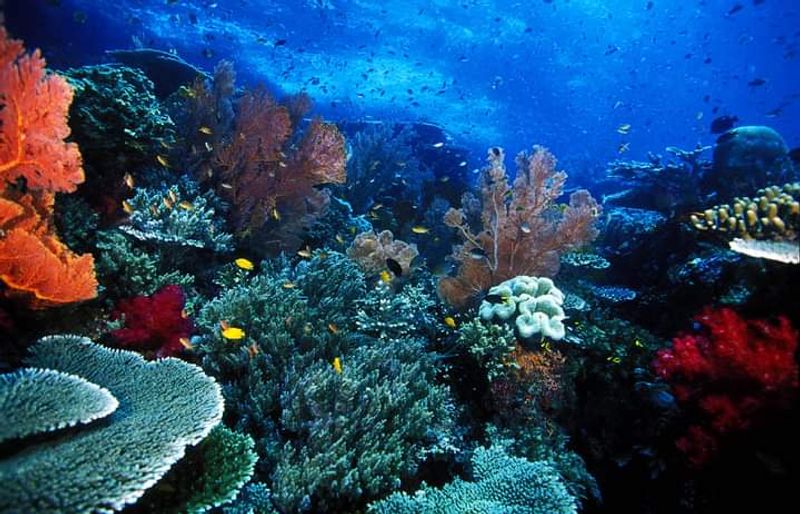
Few places on Earth can match the sheer variety of marine life found in Raja Ampat. Located in the heart of the Coral Triangle in eastern Indonesia, this remote archipelago is home to more than 1,500 species of fish and over 600 types of coral.
Scientists consider it the most biodiverse marine area on the planet.
Divers here can explore shallow reef gardens bursting with color, as well as deeper walls that drop dramatically into the blue. You might spot wobbegong sharks resting on the seafloor, pygmy seahorses clinging to sea fans, or manta rays gliding effortlessly overhead.
Getting to Raja Ampat takes some effort, but every diver who makes the journey says it is absolutely worth it. Liveaboard trips are a popular option and allow you to reach the most remote and untouched dive sites in the region.
2. Galapagos Islands, Ecuador
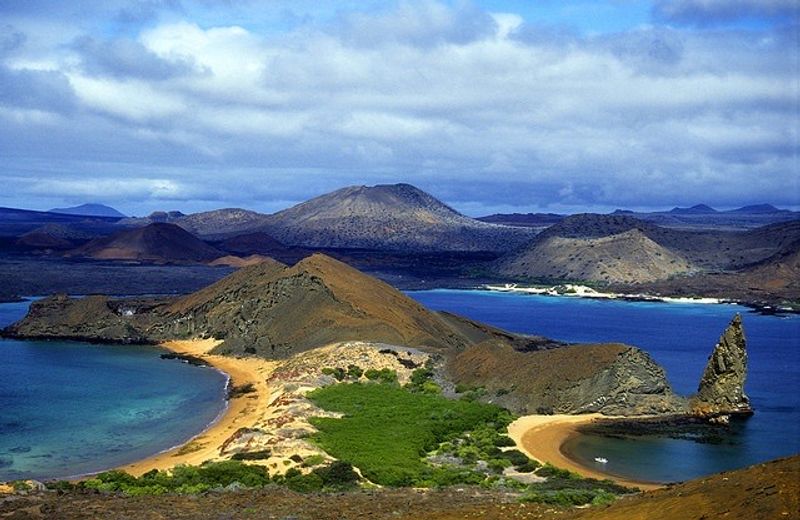
Charles Darwin visited the Galapagos Islands in 1835 and changed the way we understand life on Earth. Centuries later, these remote volcanic islands off the coast of Ecuador continue to amaze, especially beneath the waves.
The underwater world here is bold, dramatic, and unlike anything most divers have ever seen.
Schooling hammerhead sharks are the headline act, often appearing in large groups near seamounts like Wolf and Darwin. Whale sharks, Galapagos sharks, manta rays, and marine iguanas also make regular appearances.
The diversity of large pelagic species here is truly remarkable.
Water temperatures can be cool, and currents are often strong, so the Galapagos is better suited to intermediate or advanced divers. Liveaboard trips are the primary way to access the best sites.
Plan ahead, as permits are limited to protect this UNESCO World Heritage Site.
3. Great Barrier Reef, Australia
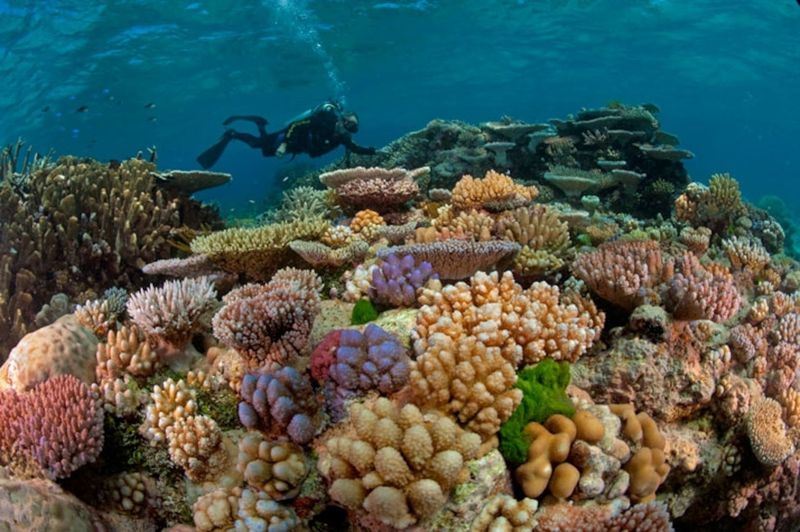
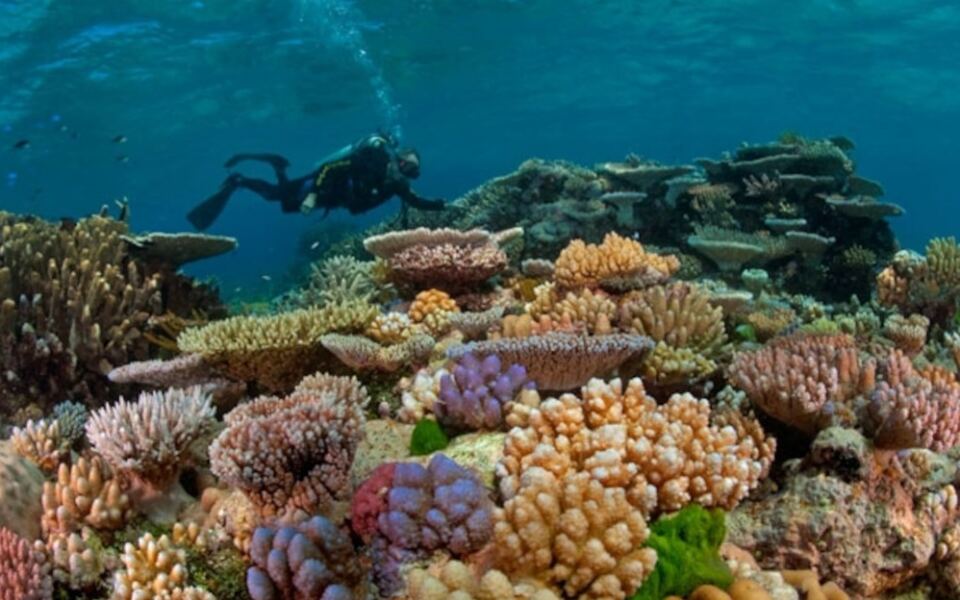
Stretching more than 2,300 kilometers along the northeastern coast of Australia, the Great Barrier Reef is the largest coral reef system on the planet. It is so massive it can be seen from space.
For divers, it offers an almost endless variety of sites, from shallow snorkel-friendly reefs to dramatic outer-wall dives.
The reef is home to an astonishing range of marine life, including sea turtles, reef sharks, clownfish, giant clams, and hundreds of species of coral. Popular areas like the Coral Sea and the Ribbon Reefs offer some of the most memorable diving experiences in Australia.
Conservation is a growing priority here, as climate change and coral bleaching have affected parts of the reef in recent years. Choosing responsible, eco-certified dive operators helps protect this natural wonder for future generations.
Cairns and Port Douglas are the main gateways for reef diving trips.
4. Palau
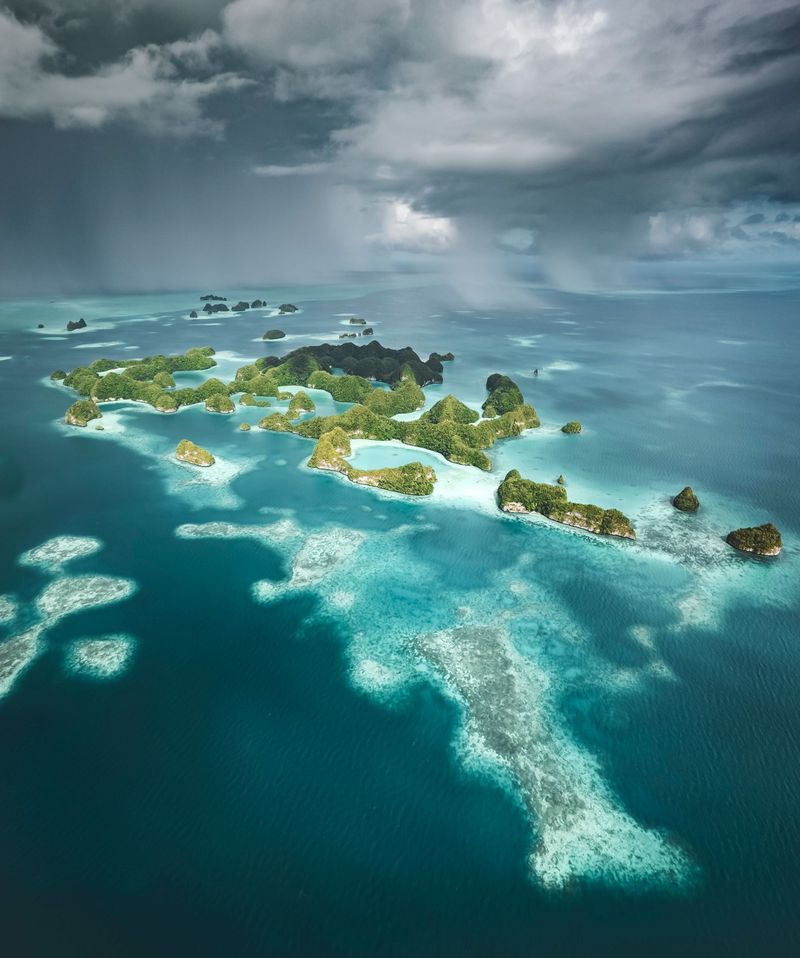
Palau is the kind of place that shows up on every serious diver’s bucket list, and for very good reason. This small island nation in the western Pacific is famous for its thrilling current dives, dramatic underwater walls, and an incredible concentration of sharks.
Blue Corner, one of the most celebrated dive sites in the world, is located here.
At Blue Corner, divers hook onto the reef with reef hooks to hold their position against the strong currents while sharks, barracuda, and trevally swirl around them. The experience is equal parts exhilarating and awe-inspiring.
Jellyfish Lake, where you can swim among millions of harmless golden jellyfish, is another unforgettable attraction.
Palau also has a strong conservation record, having declared itself a shark sanctuary in 2009. The water clarity is exceptional, often exceeding 30 meters of visibility.
Most divers stay in Koror, the main hub for dive operations.
5. Maldives
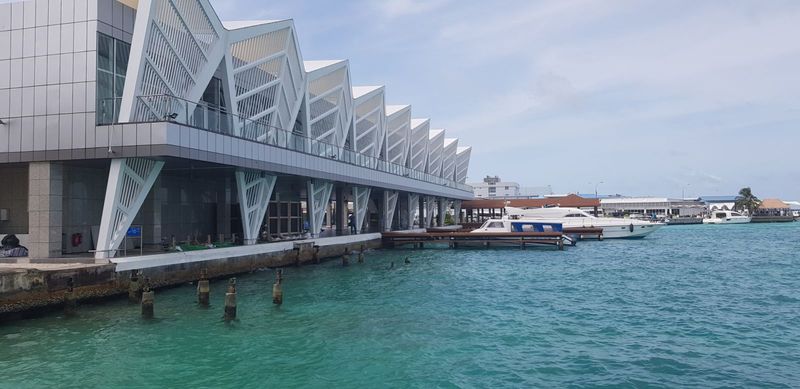
The Maldives is one of those destinations that looks like a postcard both above and below the waterline. This chain of low-lying islands in the Indian Ocean is famous for its luxury resorts, but it is equally celebrated among divers for its outstanding marine encounters.
Manta rays and whale sharks are the stars of the show.
Drift diving is a highlight of any Maldives trip. The strong tidal currents that flow between the atolls carry nutrient-rich water that attracts plankton, and the plankton attracts everything else, including manta rays feeding in graceful loops.
Thilas, which are submerged pinnacles unique to the Maldives, are also fantastic dive sites full of life.
The best diving season varies by atoll, so a little research before booking goes a long way. Liveaboard vessels allow divers to cover more ground and access remote atolls.
Visibility is typically excellent, often reaching 20 to 30 meters.
6. Sipadan, Malaysia
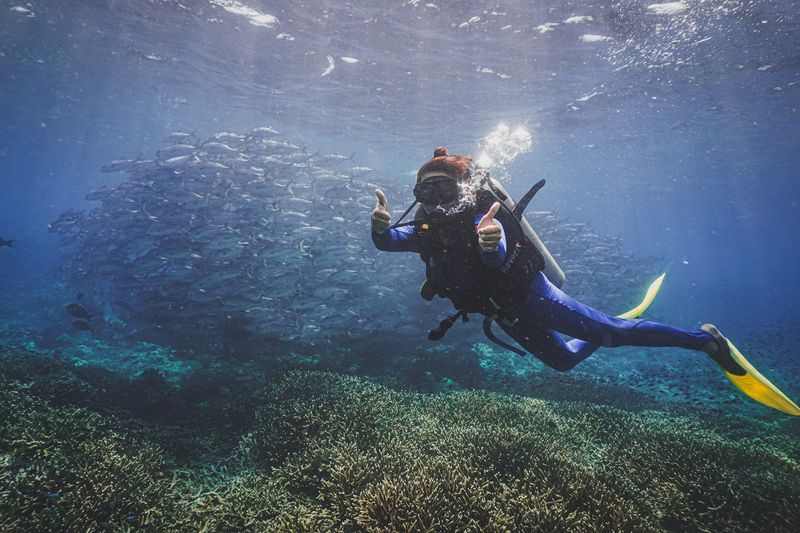
Sipadan sits off the northeastern coast of Borneo and is widely regarded as one of the greatest dive sites in Southeast Asia. Jacques Cousteau visited in 1989 and described it as an untouched piece of art.
The island rises from the ocean floor as a narrow column of rock, creating dramatic vertical walls that plunge hundreds of meters into the deep.
Turtles are practically everywhere at Sipadan. Green and hawksbill sea turtles rest on the reef, swim alongside divers, and gather in numbers that are rarely seen anywhere else in the world.
Huge schools of barracuda and jackfish swirl in mesmerizing formations, and white-tip reef sharks are a common sight.
Access to Sipadan is strictly controlled. The Malaysian government limits the number of dive permits issued each day to protect the reef.
Book your permits well in advance, as they are in high demand throughout the year.
7. Red Sea, Egypt
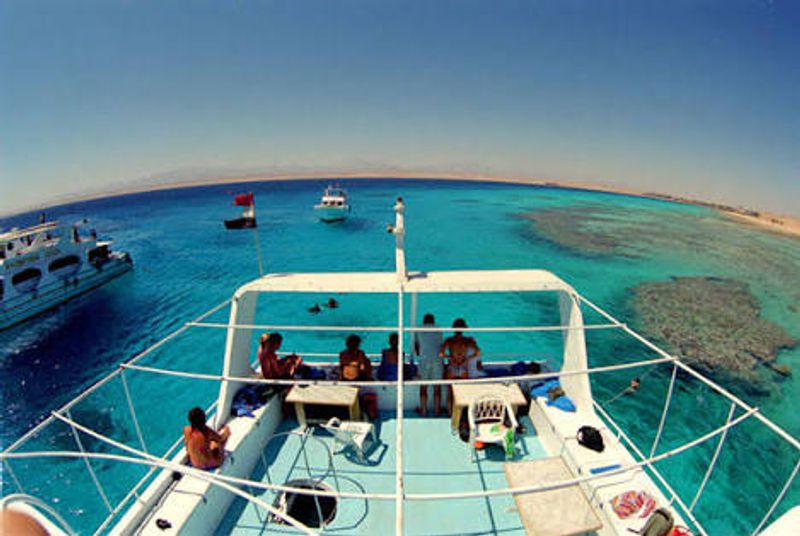
The Red Sea has been attracting divers for decades, and it shows no signs of losing its appeal. Egypt’s stretch of this narrow sea offers an extraordinary mix of colorful reef diving and legendary wreck diving, all in warm, clear water that is accessible year-round.
It is one of the most beginner-friendly diving destinations in the world.
The SS Thistlegorm is the crown jewel of Red Sea wreck diving. This British cargo ship was sunk by German bombers in 1941 and now rests on the seafloor loaded with wartime cargo, including motorcycles, trucks, and rifles.
Diving through the hold feels like stepping back in time.
Ras Mohammed National Park and the reefs around Sharm el-Sheikh offer spectacular coral gardens filled with lionfish, moray eels, and colorful reef fish. Hurghada is another popular base for Red Sea diving.
The combination of history and natural beauty makes Egypt a standout choice for divers of all levels.
8. Cocos Island, Costa Rica
Remote, wild, and utterly spectacular, Cocos Island sits in the Pacific Ocean about 550 kilometers off the coast of Costa Rica. It is one of the most isolated islands on Earth, reachable only by a 36-hour boat journey.
For divers willing to make that trip, the reward is some of the most dramatic big-animal encounters anywhere in the ocean.
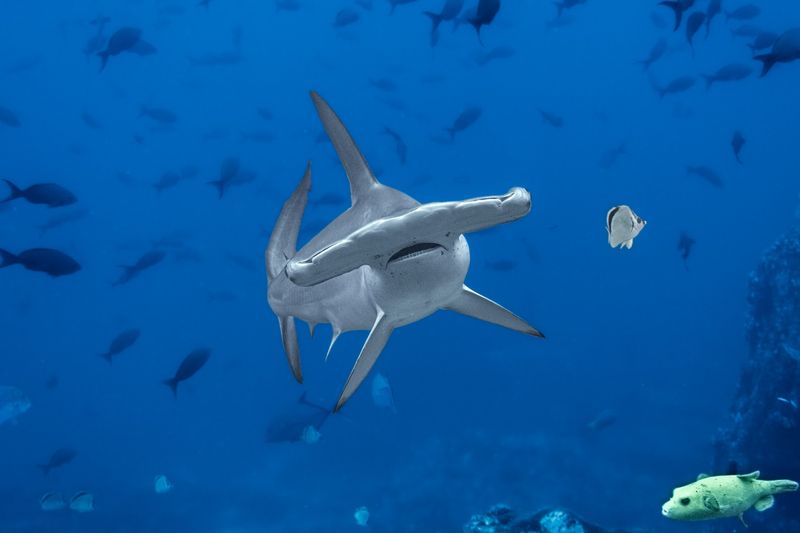
Cocos Island is particularly famous for its schooling scalloped hammerhead sharks. Hundreds of them gather around the island’s seamounts, creating a breathtaking and slightly humbling spectacle.
Whale sharks, silky sharks, manta rays, and bottlenose dolphins are also regular visitors to these waters.
Because of the island’s remote location and strong currents, Cocos is best suited to experienced divers. All visits are made by liveaboard, and trip lengths typically run 10 to 12 days.
Costa Rica’s government designated Cocos Island a national park, protecting its extraordinary marine ecosystem.
9. Komodo, Indonesia
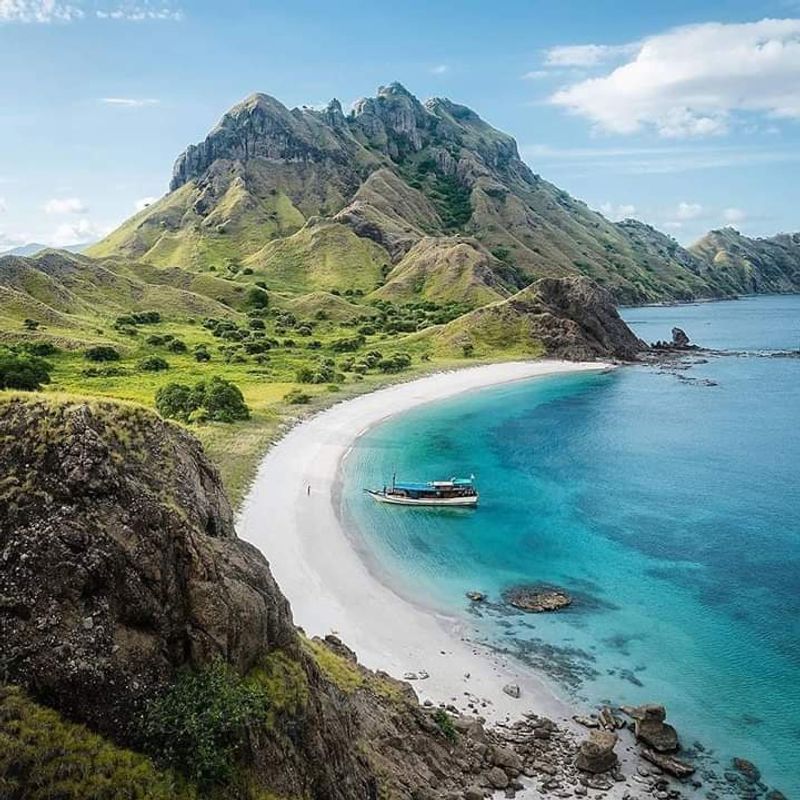
Komodo National Park is best known above water for its famous Komodo dragons, but below the surface, the marine life is equally jaw-dropping. Located in the center of the Coral Triangle, Komodo sits at a crossroads of ocean currents that bring an extraordinary richness of marine life to its reefs, walls, and seamounts.
Current diving is a defining feature of Komodo. Strong flows sweep through the narrow channels between islands, carrying nutrients that feed everything from tiny nudibranchs to large manta rays.
Dive sites like Batu Bolong and Crystal Rock are famous for the sheer density of life packed onto every surface of the reef.
Divers should be comfortable with current before visiting, as conditions can change quickly. Water temperatures vary significantly depending on the season, with upwellings sometimes bringing cold water from the deep.
Both Labuan Bajo and liveaboard trips offer access to the park’s best dive sites.
10. Tubbataha Reefs, Philippines
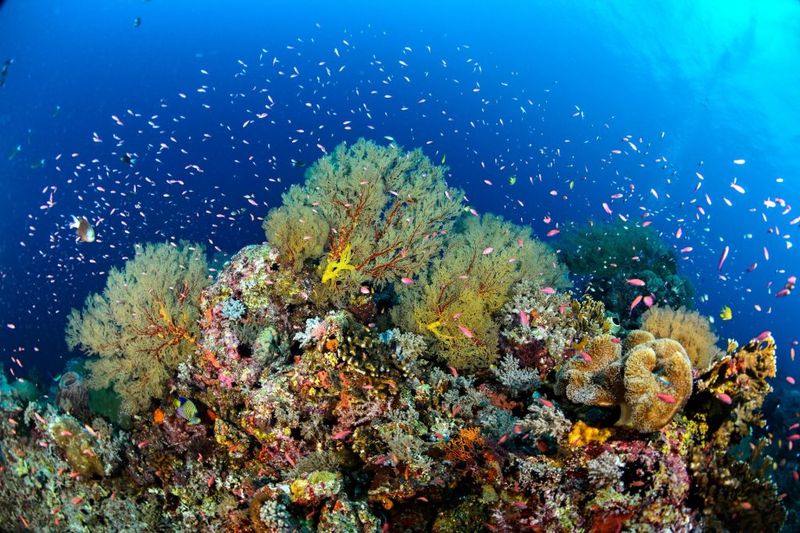
Tubbataha Reefs Natural Park sits in the middle of the Sulu Sea, far from the nearest inhabited shore. This isolation is exactly what makes it so special.
Without the pressure of nearby human populations, the reefs here have remained in near-pristine condition, supporting an astonishing variety of marine life that is increasingly rare elsewhere in the Philippines.
Shark sightings are a regular highlight at Tubbataha. Grey reef sharks, whitetip reef sharks, hammerheads, and even the occasional tiger shark patrol these waters.
Manta rays, Napoleon wrasse, and large schools of pelagic fish are also commonly spotted. The walls here drop dramatically into deep, clear blue water.
Access is restricted to the diving season, which runs from mid-March to mid-June. All visits must be made by liveaboard, and a permit fee is charged per diver to fund conservation efforts.
Tubbataha is a UNESCO World Heritage Site and one of Asia’s most protected marine areas.
11. Belize Barrier Reef, Belize
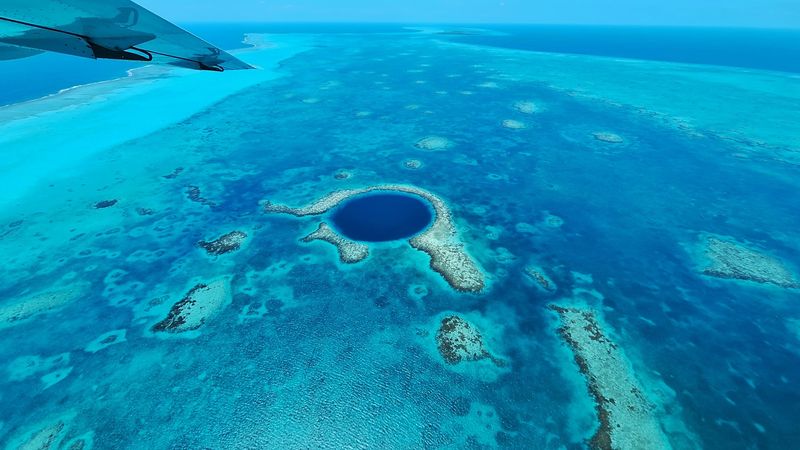
The Belize Barrier Reef is the largest coral reef system in the Northern Hemisphere and a UNESCO World Heritage Site. Running parallel to the coast of Belize for about 300 kilometers, it offers a wide range of diving experiences, from shallow coral gardens teeming with tropical fish to deep walls and spectacular oceanic features.
The Great Blue Hole is the most iconic dive site in Belize and one of the most recognizable underwater landmarks on Earth. This enormous circular sinkhole measures about 300 meters across and 125 meters deep.
Divers descend into its dark interior to see ancient stalactites and circling reef sharks.
Beyond the Blue Hole, sites like Half Moon Caye Wall and Turneffe Atoll offer outstanding reef diving with excellent visibility. Belize is also a great destination for newer divers, as many sites are calm and shallow.
Ambergris Caye and Caye Caulker are the main hubs for dive operators.
12. Bonaire, Caribbean Netherlands
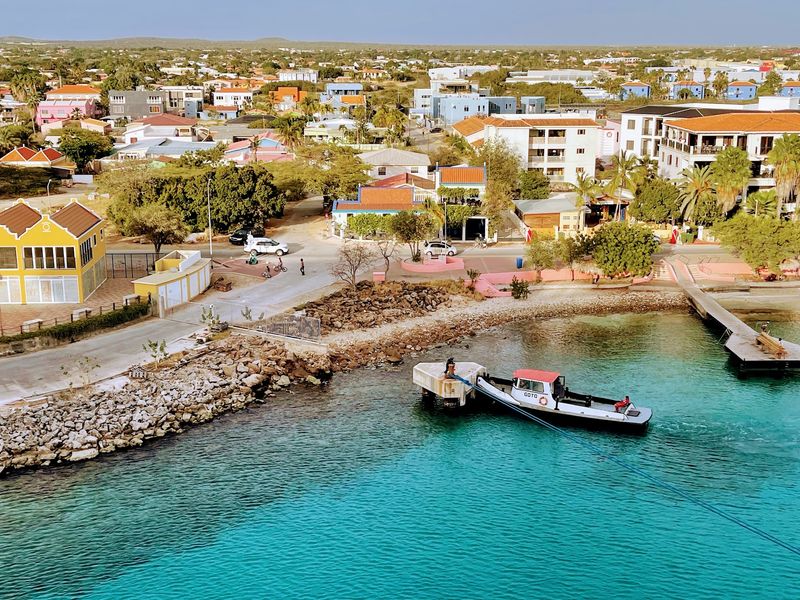
Bonaire has earned a reputation as one of the world’s top shore diving destinations, and it holds that title with pride. This small Dutch island in the southern Caribbean is almost entirely surrounded by a protected marine park, and the reefs begin just steps from the beach at dozens of marked dive sites around the island.
The convenience factor at Bonaire is unmatched. Divers can rent a truck, load up tanks, and spend the day hopping between shore entry sites at their own pace.
No boat required. The reefs are healthy, the water is calm, and visibility frequently exceeds 30 meters.
Parrotfish, queen angelfish, sea turtles, and spotted eagle rays are among the many species you can expect to see. Bonaire’s marine park has been protected since 1979, which explains why the reef is in such excellent shape.
Whether you are a beginner or a seasoned diver, Bonaire delivers a relaxed and rewarding experience.
13. Fiji
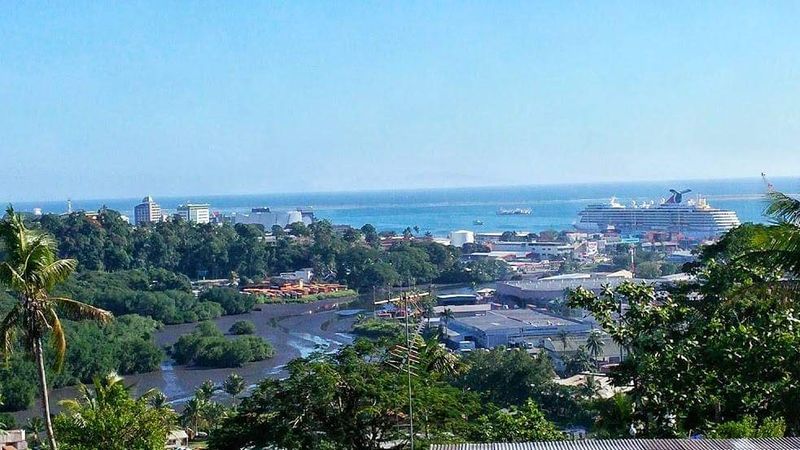
Fiji is often called the soft coral capital of the world, and one look at its reefs explains why. The warm, nutrient-rich waters of the South Pacific support an explosion of color that makes Fiji’s underwater landscapes some of the most photogenic on the planet.
Every reef surface seems to be draped in purple, pink, and orange soft corals.
The Bligh Waters and the Koro Sea are among the most famous diving regions in Fiji, offering sites that range from shallow bommies to deep channels. Beqa Lagoon is renowned for shark diving, where bull sharks, nurse sharks, and tiger sharks are hand-fed in a controlled and well-managed encounter.
Fiji is welcoming to divers of all experience levels. Visibility is generally excellent, water temperatures are warm year-round, and the local dive operators are highly experienced.
The combination of outstanding marine life and the legendary warmth of Fijian hospitality makes this destination truly hard to beat.
14. Revillagigedo Islands, Mexico
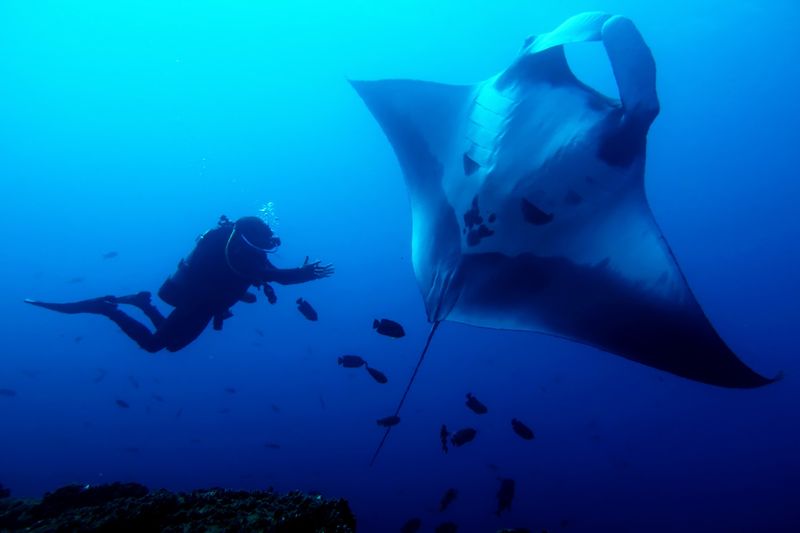
Known locally as the Mexican Galapagos, the Revillagigedo Islands sit about 400 kilometers off the Pacific coast of Mexico. This remote UNESCO World Heritage Site is made up of four volcanic islands, and the waters around them are famous for encounters with some of the ocean’s most impressive large animals.
Very few tourists make it out here, which keeps the experience raw and extraordinary.
Giant Pacific manta rays are the defining attraction at Revillagigedo. These massive animals, with wingspans that can exceed six meters, approach divers with curious confidence.
Humpback whales, whale sharks, silky sharks, and bottlenose dolphins also frequent these waters, especially between November and May.
All diving at the Revillagigedo Islands is done by liveaboard, departing from the port of Cabo San Lucas. The journey takes about 24 hours each way.
Conditions can be challenging, with strong currents and open-ocean swells, making this a destination best suited to confident, experienced divers.
15. Similan Islands, Thailand
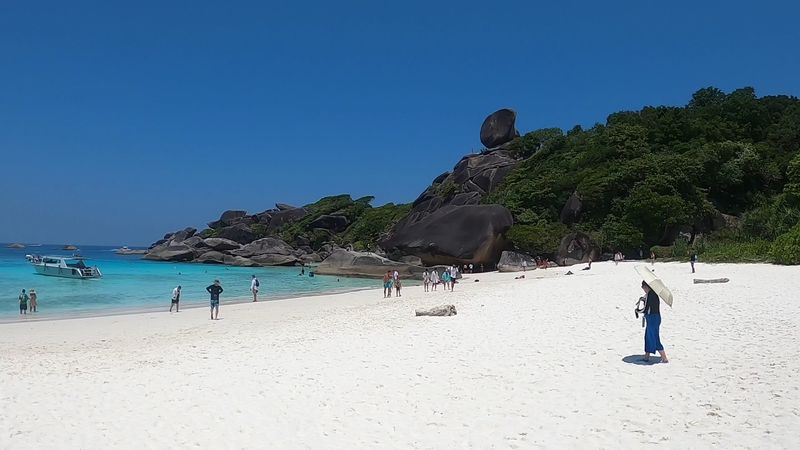
The Similan Islands have been pulling divers to the Andaman Sea for decades, and the appeal is easy to understand. This chain of granite islands in the Thai portion of the Andaman Sea offers some of Southeast Asia’s clearest water, with visibility regularly reaching 20 to 30 meters.
The combination of healthy reefs, dramatic rock formations, and diverse marine life makes it a well-rounded diving destination.
Richelieu Rock is the standout site of any Similan Islands trip. This submerged horseshoe-shaped pinnacle is one of the best dive sites in Thailand, famous for whale shark sightings and a dense concentration of marine life.
Seahorses, ghost pipefish, and cuttlefish are commonly spotted at closer inspection.
The Similan Islands National Park is closed from mid-May to mid-October to allow the reef to recover during monsoon season. Most divers access the islands by liveaboard from Khao Lak or Phuket.
The best diving season runs from November through April.
Share this story