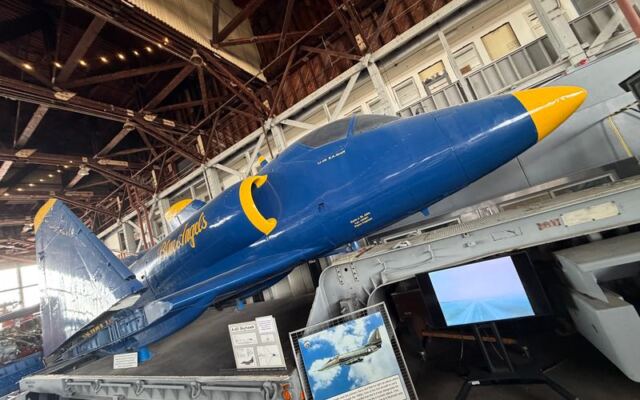
A trip through New Jersey can take an unexpected turn at an airport hangar with a big story inside. Vintage planes share space with jets, helicopters, and exhibits about the people who worked here in the 1940s.
It is the kind of stop that can make a curious kid ask a dozen questions and give an adult a few new ones, too. Here is what makes this Cape May museum worth adding to a day out, and what to know before you go.
An Airport Hangar With a Museum Inside
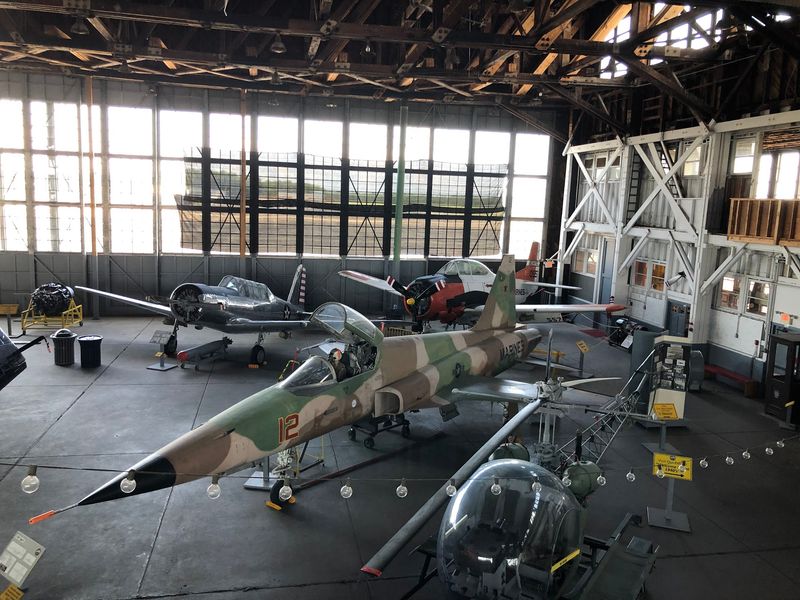
An airport is not the usual starting point for a museum outing, and that is part of the appeal here. Naval Air Station Wildwood Aviation Museum is at Cape May Airport, 500 Forrestal Rd, Cape May, NJ 08204, United States.
Its home is a restored World War II-era training site, so the building belongs to the history the museum shares.
Inside the large hangar, aircraft, engines, and interactive exhibits give the space a purpose beyond storing old planes. The collection also reaches outside the building, offering more to explore than a quick glance through one room might suggest.
Cape May residents and people already spending a day in the area have a local stop that is easy to overlook if their plans never take them toward the airport.
That ordinary-looking airport setting makes the reveal more satisfying. Once the hangar becomes the destination, the 1940s feel much closer than a date in a textbook.
The 1940s Story Behind the Space
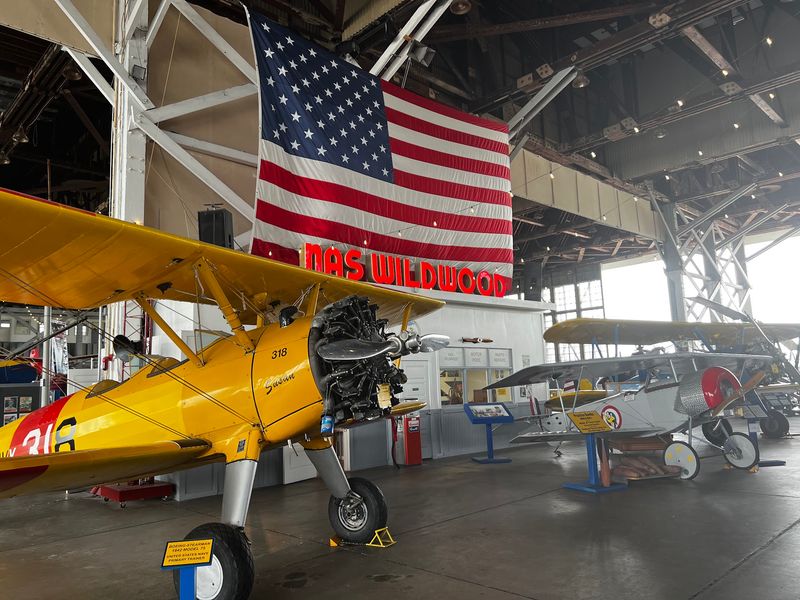
Before it held museum exhibits, this site was used for aviation training during World War II. That history gives the hangar a job in the story rather than making it a simple backdrop.
The aircraft on display may draw people through the door, but the former training setting explains why this collection belongs here.
Reading through the exhibits can turn a broad chapter of American history into a more local one. Instead of treating the 1940s as something that happened only in distant places, the museum places that period at an airport in New Jersey.
Displays about the people connected to the site add another layer to the machines and dates.
The result is useful for families with different interests. Someone drawn to engineering can focus on aircraft, while a companion who prefers personal history has a reason to keep reading.
The hangar holds both approaches together without asking either one to take a back seat.
Aircraft Across Several Eras
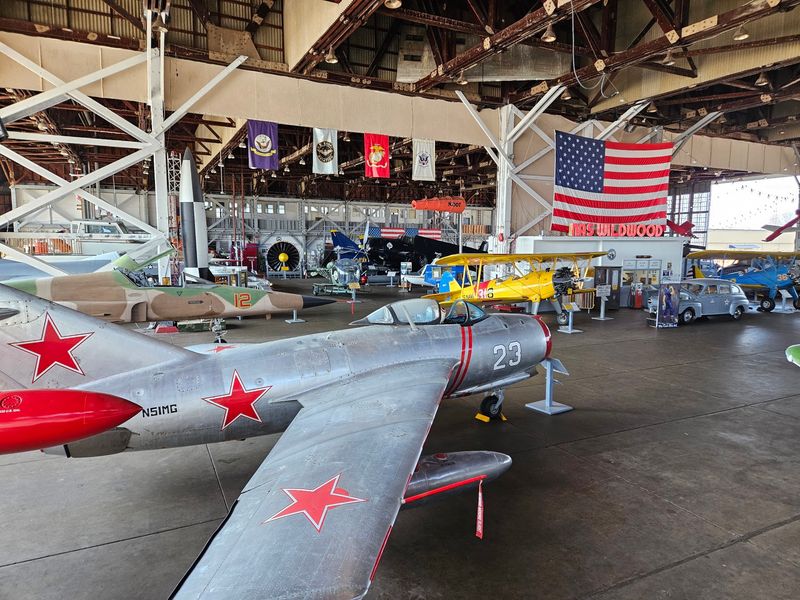
A 1940s setting does not mean every aircraft here comes from the same decade. The collection includes vintage planes alongside later jets, giving the museum a wider aviation story to tell.
That range rewards anyone who likes comparing how aircraft changed over time, even without knowing every model by name.
Rather than racing to identify everything, it helps to follow whichever exhibit raises a question. Why does one aircraft have a different shape from another?
What changed between earlier planes and later designs? Informational displays offer a way to move from a simple observation to a clearer understanding.
Families can take the same approach without turning the outing into a test. A child can choose a favorite aircraft, while an adult spends more time with its background.
Because there is plenty to examine, the collection supports both a shorter stop and a slower visit. The hangar gives aviation curiosity room to grow in more than one direction.
Jets That Broaden the Timeline
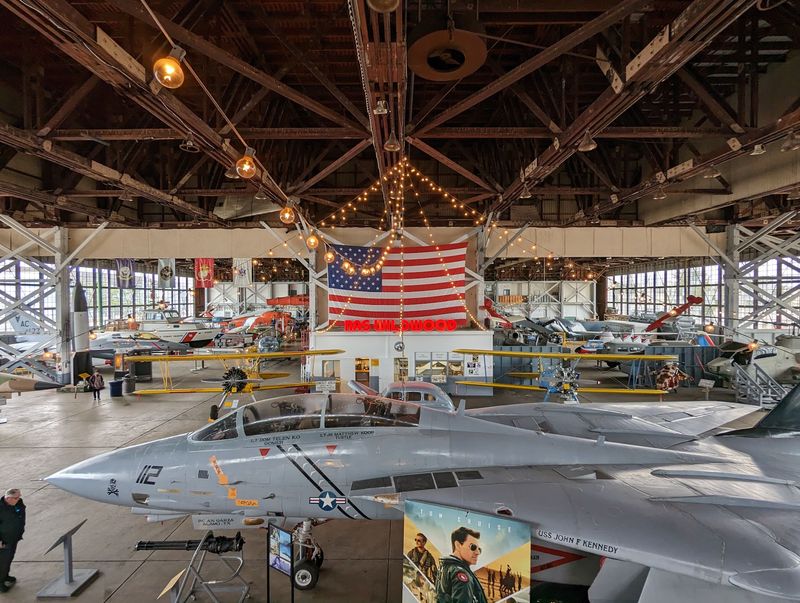
Few things make the museum’s broad timeline clearer than the jets. Aircraft identified in accounts of the collection include an F-14, F-16, F-5, and MiG-15.
Together, they shift the conversation beyond the hangar’s 1940s origins and show why this is more than a single-era exhibit.
Even people who do not arrive with a list of favorite models can find a way in. The different aircraft offer concrete starting points for questions about design and changing technology.
Some displays also allow a closer look at cockpit areas, although access varies by aircraft. It is best to follow the museum’s signs rather than assume every plane can be entered.
Aviation enthusiasts may come for a particular jet and still find the wider collection worth their time. Newcomers get the reverse experience: one recognizable aircraft can lead them toward unfamiliar ones.
The jets expand the visit without pulling attention away from the historic place that holds them.
A Closer Look at Helicopters and Engines
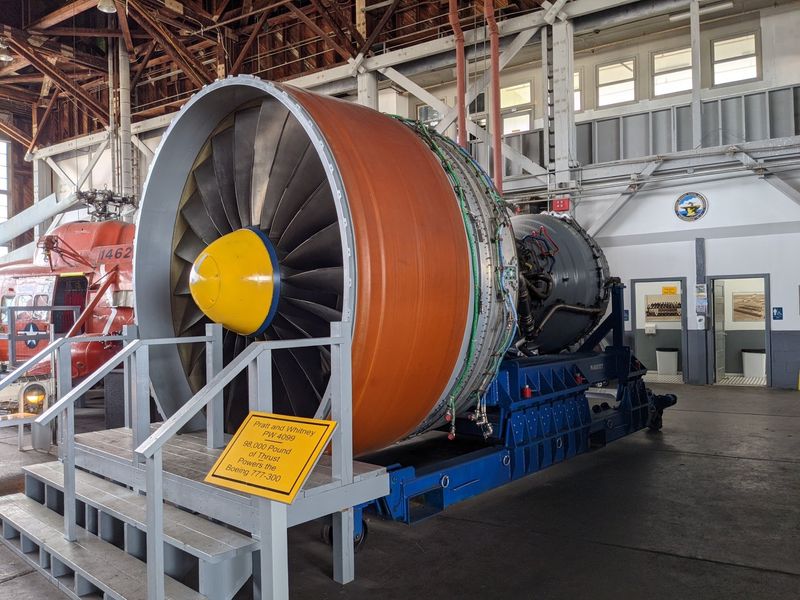
Planes are only part of the collection. Helicopters and aircraft engines bring different questions into the visit, especially for anyone interested in how flight works rather than simply which aircraft flew when.
A vintage Sikorsky helicopter is among the displays described at the museum.
Engines can be easy to pass while moving between larger aircraft, but they deserve a little time. They shift attention to the machinery that made each era of aviation possible.
The museum’s mix of piston and jet engines also gives curious people another way to compare older and newer technology, without requiring a technical background.
For children, the variety can help keep the outing moving. A helicopter offers something different to discuss after several planes, and an engine may spark a question that an aircraft alone would not.
For adults, these exhibits fill in the story between the familiar shapes. The hangar is not just about what flew; it also gives space to how aircraft were built to fly.
Exhibits Beyond the Aircraft
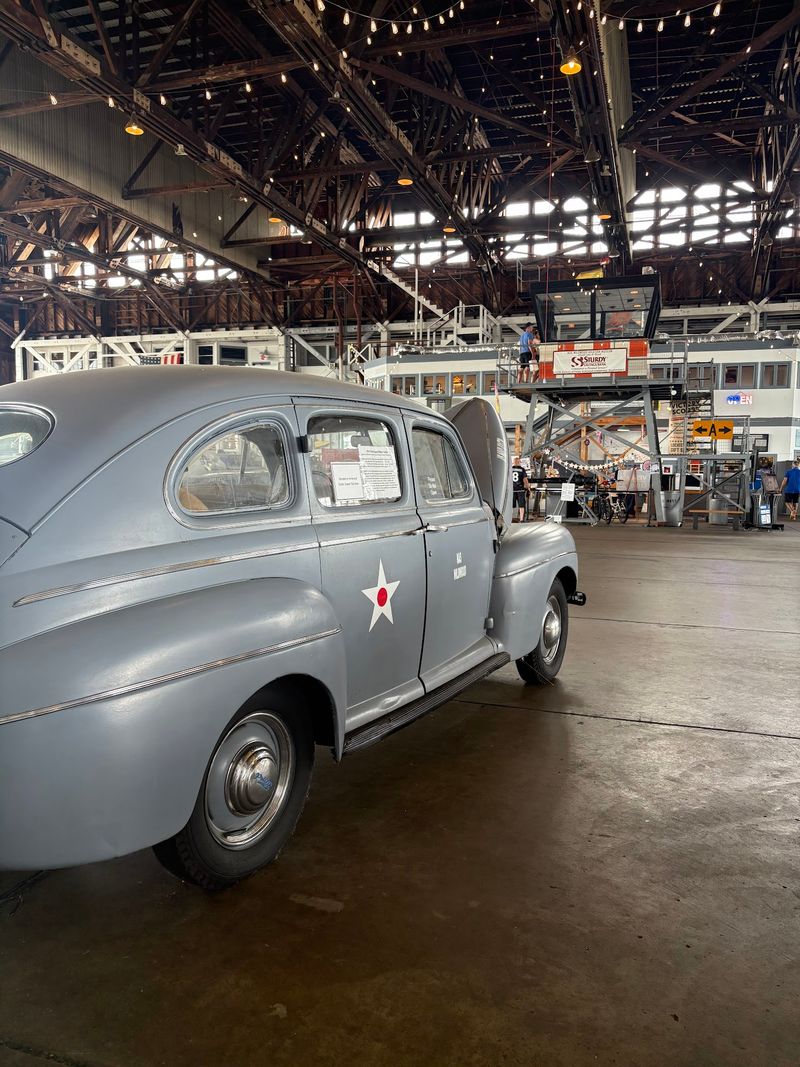
Just when the visit seems to have settled into a plane-by-plane rhythm, other displays widen the route. Accounts of the museum describe vehicles, a Coast Guard boat, space-related gear, and additional artifacts.
These exhibits keep the hangar from feeling like a lineup of aircraft with labels attached.
Each change in subject offers a useful pause. A boat points toward a different kind of service, while a vehicle adds another part of the larger equipment story.
The space-related material can send a child’s questions in a completely new direction. None of these displays needs to compete with the planes to earn attention.
That variety matters when a group includes people with different levels of aviation interest. One person may have come for the jets; another may spend longer with the smaller exhibits and their written details.
A flexible route works better than trying to cover everything in order. The museum’s surprises tend to appear when the group lets its interests lead.
Cockpits and Hands-On Discovery
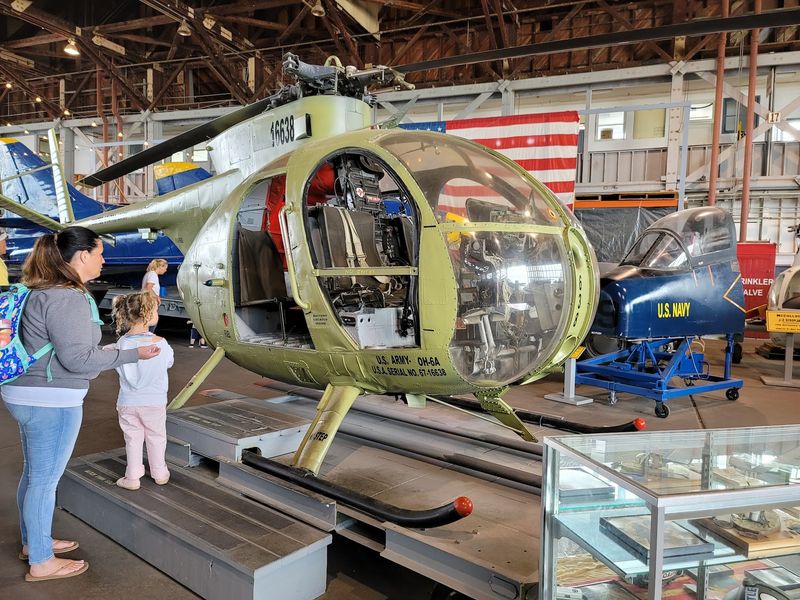
Not every museum asks children to keep their curiosity at arm’s length. Here, interactive displays are a major part of the experience, and some aircraft allow people to get inside or sit in a cockpit.
Accounts of the museum also describe simulators and vehicles that can be explored.
Those opportunities can make a useful difference for a young plane fan. A cockpit connects an aircraft’s exterior to the small space where someone once sat, while a hands-on exhibit gives children a task beyond reading.
Adults can join the questions instead of simply guiding the route. Since access differs among exhibits, posted directions are the best guide to what is available on the day.
The practical advantage is that the museum offers more than one pace. A family may spend time at an interactive station, then move to a historical display when everyone is ready.
It is an outing that makes room for curiosity without turning every moment into a lesson.
The People Within the History
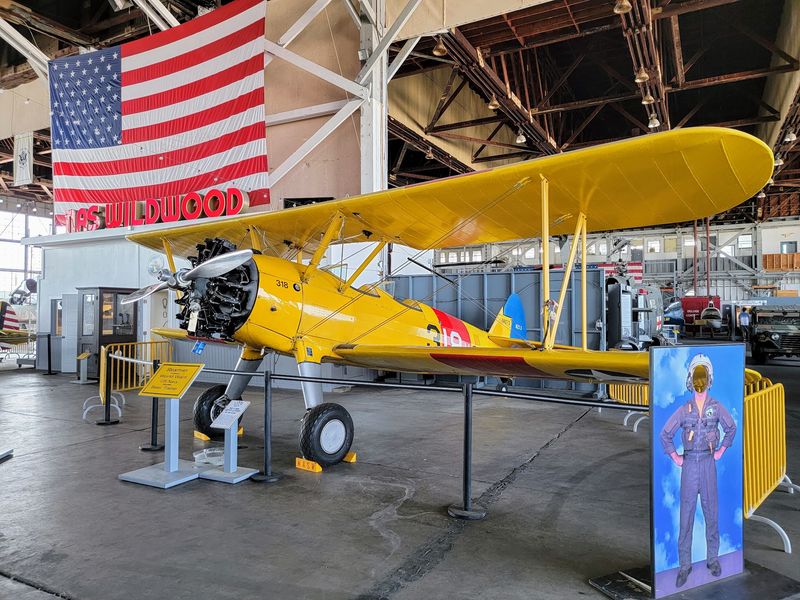
Aircraft can command attention, but the museum’s human stories give the visit its depth. Displays highlight people connected to the site’s history, including local figures.
That focus helps explain why preserving this place matters beyond keeping older machines together under one roof.
A thoughtful route leaves time for the written exhibits between the larger displays. Details about individuals can place the former training site in a community context and turn a broad historical period into something more specific.
Someone who has visited Cape May many times may still find a story here that was never part of a usual day out.
This part of the museum may suit a quieter pace than the hands-on stations. It is worth allowing different members of a group to spend their time differently, then sharing what each person learned.
An aircraft might bring everyone into the hangar, but the accounts of people connected to it can be what stays in mind afterward.
Room for Different Kinds of Outings
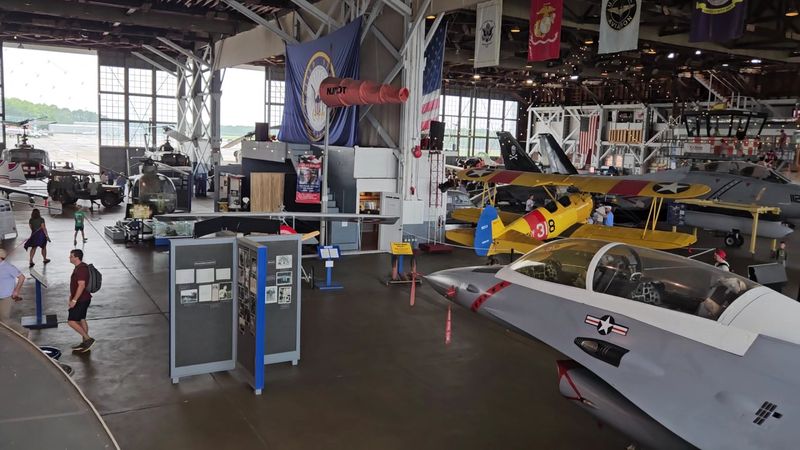
A museum stop does not have to occupy the whole day to feel worthwhile. Some people describe spending a short stretch here, while others make several hours of it.
The size of the hangar and the variety of exhibits leave room for either plan, depending on how closely a group wants to explore.
Families with children may gravitate toward accessible cockpits and interactive activities. Aviation fans can linger over aircraft models, engines, and information panels.
History-minded companions have the former training site and its personal stories to follow. Those interests can overlap without forcing everyone along the same route at the same speed.
There is also a straightforward reason to keep the museum in mind during a Cape May trip: it is an indoor option when outdoor plans are less appealing. The setting is distinctive enough to work as the day’s main activity, yet flexible enough to fit beside other plans.
Its appeal is not limited to one age or one level of aircraft knowledge.
Hours, Admission, and Arrival

Good planning here starts with a simple schedule. The listed operating hours are 10 a.m. to 4 p.m. every day of the week.
Because schedules can change, checking the museum’s website before setting out is still a sensible step, particularly if the trip depends on a specific day.
Admission has a fee, but the supplied information does not establish current ticket amounts. Confirm the latest rates directly rather than building a family budget around a guess.
Accounts of the site describe free parking near the hangar, and the museum has a gift shop. That makes the basic arrival plan fairly clear: head to the airport property, park near the museum, and allow time to choose a route through the exhibits.
There is no need to promise a particular visit length. Someone with a tight schedule can focus on a few favorite displays, while a group that enjoys reading every panel may want more time.
A quick check before departure keeps the practical details from becoming the day’s biggest surprise.
A New Jersey Stop With Staying Power
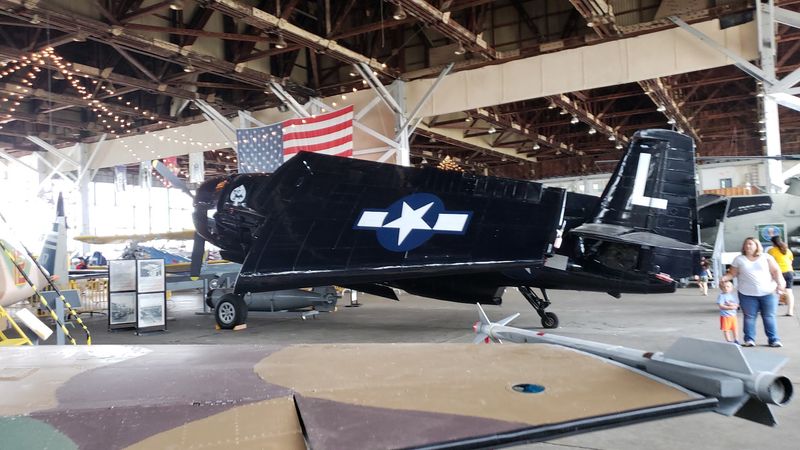
Plenty of Cape May outings begin with a familiar plan. This one makes a case for turning toward the airport instead.
A restored training-site hangar, aircraft from several eras, and exhibits about local people give the museum an identity that could not be moved to just any building.
Its strongest feature may be the way different interests meet in one place. Children can look for interactive displays, aircraft fans can compare models, and history readers can spend time with the stories behind the site.
No one has to arrive knowing an F-14 from an F-16 to find a reason to stay.
For New Jersey residents, that combination is a reminder that a memorable day trip does not always announce itself from the main road. The practical details are manageable, and the museum offers enough variety to shape the visit around the time available.
Follow the questions that arise in the hangar, and the place gives plenty back.
Share this story