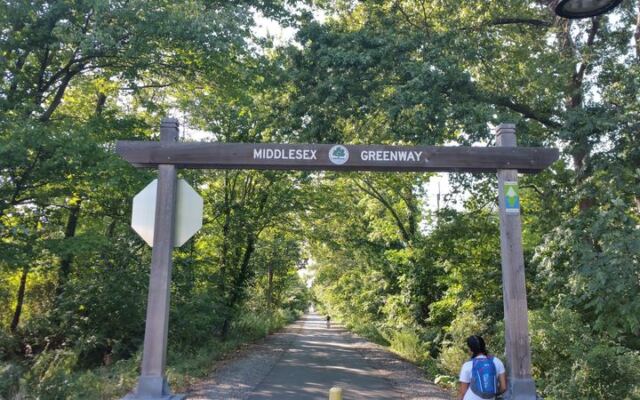
A useful walk can be hiding in a place that barely asks for attention. In New Jersey, this greenway offers a simple idea with real appeal: three and a half miles set aside for people moving at their own pace.
Its tree cover and separation from ordinary road traffic make it an option for a longer walk, a run, or a bike ride. The details matter, though.
Where can you park, what belongs on the path, and what should you check before setting out? Those answers make an unassuming local route much easier to appreciate.
A New Jersey Route With Room to Move
Some outings do not need a grand entrance. The Middlesex Greenway, whose supplied address is New Jersey, USA, is a route for walking, running and biking.
Its appeal is straightforward: it gives people a place to keep moving without planning an elaborate day away. The headline’s three-and-a-half-mile length gives the outing enough substance to feel like a proper walk rather than a quick loop.
There is no street address in the available information, so it would be misleading to point readers toward a particular doorway or trailhead. The useful approach is to identify the greenway by name and decide where to begin before leaving home.
That small bit of planning keeps the focus on the path itself. For New Jersey residents seeking an outdoor option close enough for an ordinary day, the greenway makes a practical case: a dedicated route can turn spare time into time well spent.
The Appeal of a Continuous Route
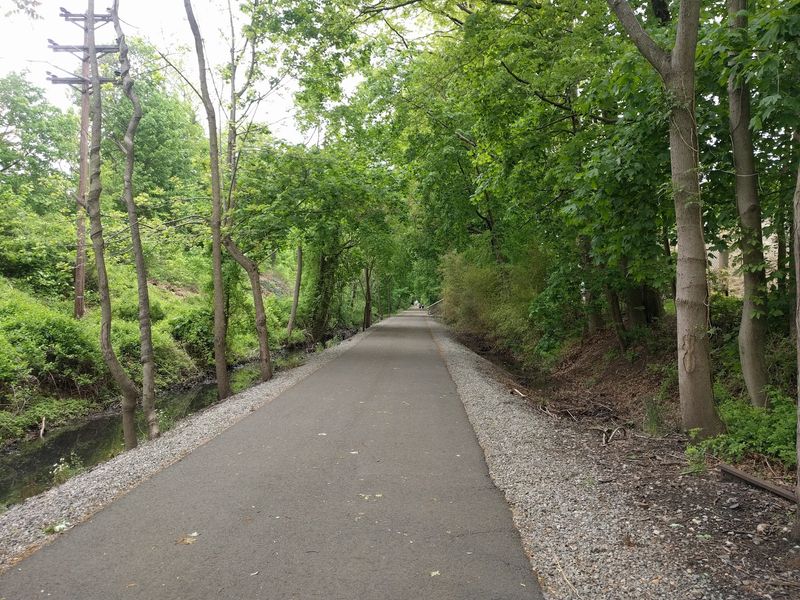
A short stroll is easy to fit into a day; a route with several miles to work with gives the same outing more possibilities. The three-and-a-half-mile distance in this article’s title is the Middlesex Greenway’s defining promise.
Someone who wants a brief break can turn back early, while a person with more time can make a longer walk of it. The route does not demand a single pace or a single goal.
Distance is best treated as a planning tool, not a challenge. A return trip may involve covering ground twice, depending on where you start and where you decide to turn around.
Check your intended starting point and route before committing to a particular total. That matters more than an ambitious number on a step counter.
The freedom to choose a manageable portion is part of what makes a dedicated greenway useful for everyday plans.
Tree Cover Along the Way
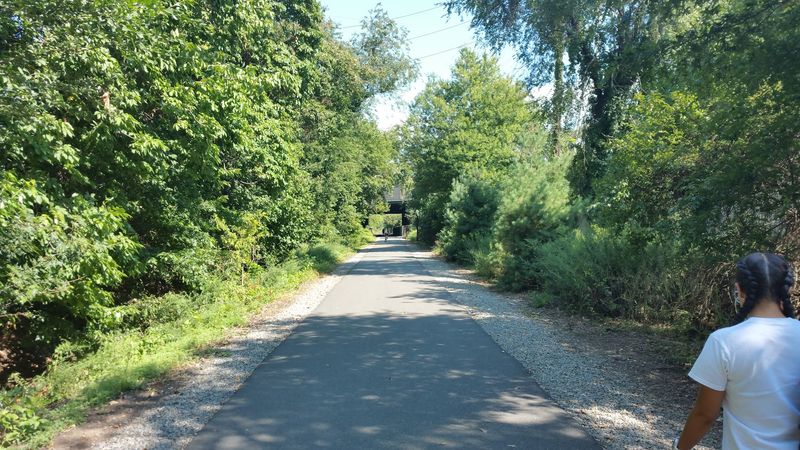
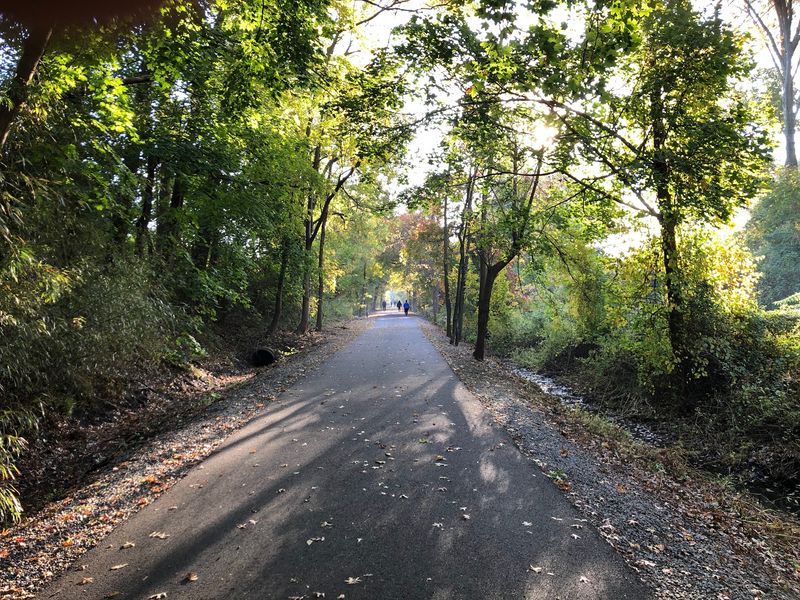
Shade can change the way a longer outing fits into the day. Tree cover is a central part of this greenway’s appeal, especially for walkers who would rather avoid spending an entire route in open sun.
The title promises shady miles, not a guarantee that every step will have the same amount of cover. Conditions can also change with the season and time of day.
That distinction helps set sensible expectations. Bring what you normally need for an outdoor walk, and do not rely on trees alone when planning for warmer weather.
There is no need to turn a simple path into a complicated expedition, but a little preparation makes it easier to enjoy the distance. The greenway’s trees give the route a character of its own without asking anyone to travel far for a change of setting.
Sometimes that is exactly the point of a local walk.
A Break From Ordinary Road Traffic
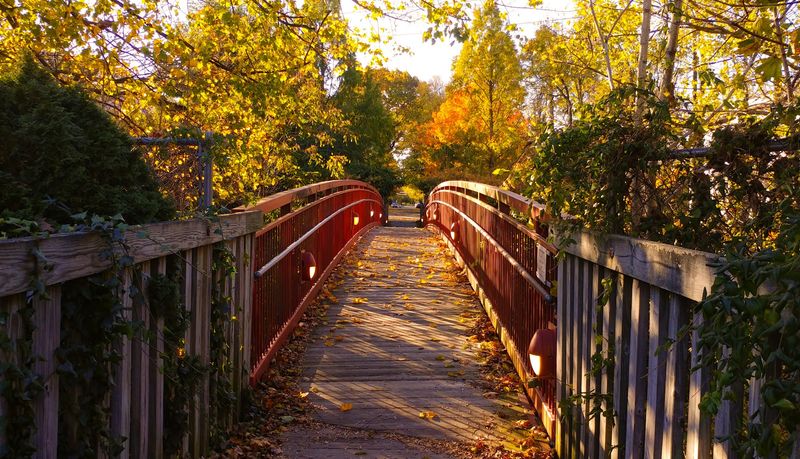
Cars shape enough of a New Jersey day already. A greenway gives walkers a route intended for movement outside ordinary vehicle lanes, which is a major reason to choose it over an improvised walk beside a road.
The traffic-free description in the headline captures that appeal. It should not, however, be read as a promise that every approach or possible crossing is free of road contact.
Before setting out, look at the route you intend to use and stay attentive wherever paths meet other spaces. That is practical advice, not a reason to overlook the greenway’s main advantage.
Once the walk is under way, a dedicated route lets distance, pace and company take priority over the usual question of where to put your feet next. The result is an outdoor plan with a clear purpose: spend more of the outing on the path, rather than negotiating a roadside route.
A Walk That Does Not Need a Finish Line
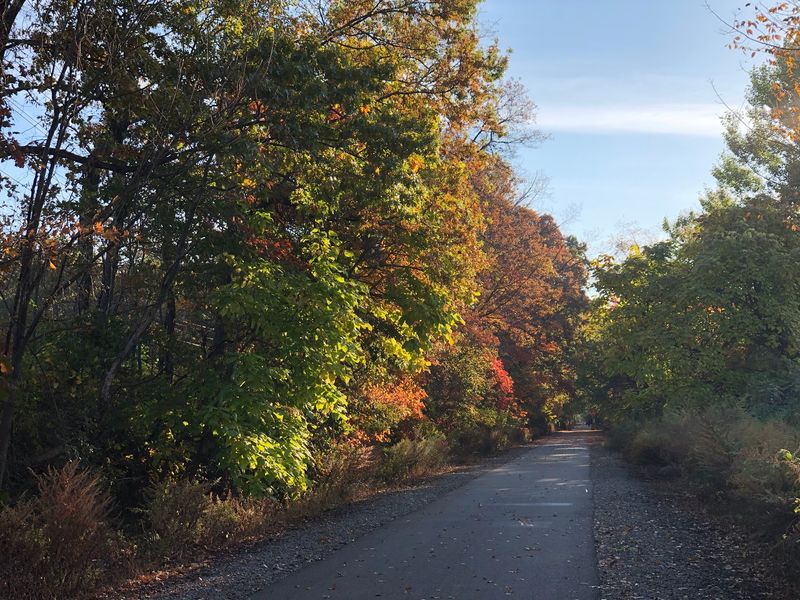
Not every walk needs to become a mileage project. The Middlesex Greenway works as a place to walk for its own sake, with enough route length to let people choose what feels reasonable that day.
A short outing remains a valid outing. So does a longer one, provided the return distance fits the time and energy available.
That flexibility is especially useful when plans change. A person might begin with a modest goal and continue, or decide that turning around early makes more sense.
Neither choice takes anything away from the destination. Because the path is also used for running and biking, walkers should leave room for others to pass and keep aware of traffic on the route itself.
Shared use is easier when everyone treats the greenway as a common space, not a private lane. Its simplest pleasure is the ability to start moving without having to make the day more complicated.
Space for a Running Routine
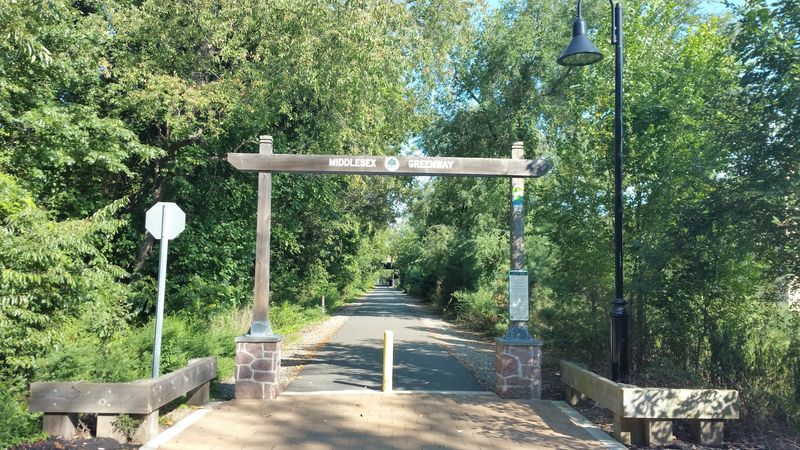
Running plans often fall apart over small logistical questions. Where will the route go, and how much distance is available?
The Middlesex Greenway offers a path identified for running as well as walking and biking, making it an option for someone who wants to settle into a regular outing. Its stated length leaves room to choose a turnaround point rather than commit to the entire route.
A runner still shares that space. Passing courteously and paying attention to walkers and bikes help keep the route useful for everyone.
The available information does not establish a marked race course, measured intervals or special training facilities, so there is no need to present it as one. Its value is more ordinary and, for many people, more helpful: a dedicated place where a run can be as modest or as ambitious as the day allows.
The greenway supplies the route; the runner decides the plan.
Biking on a Shared Path
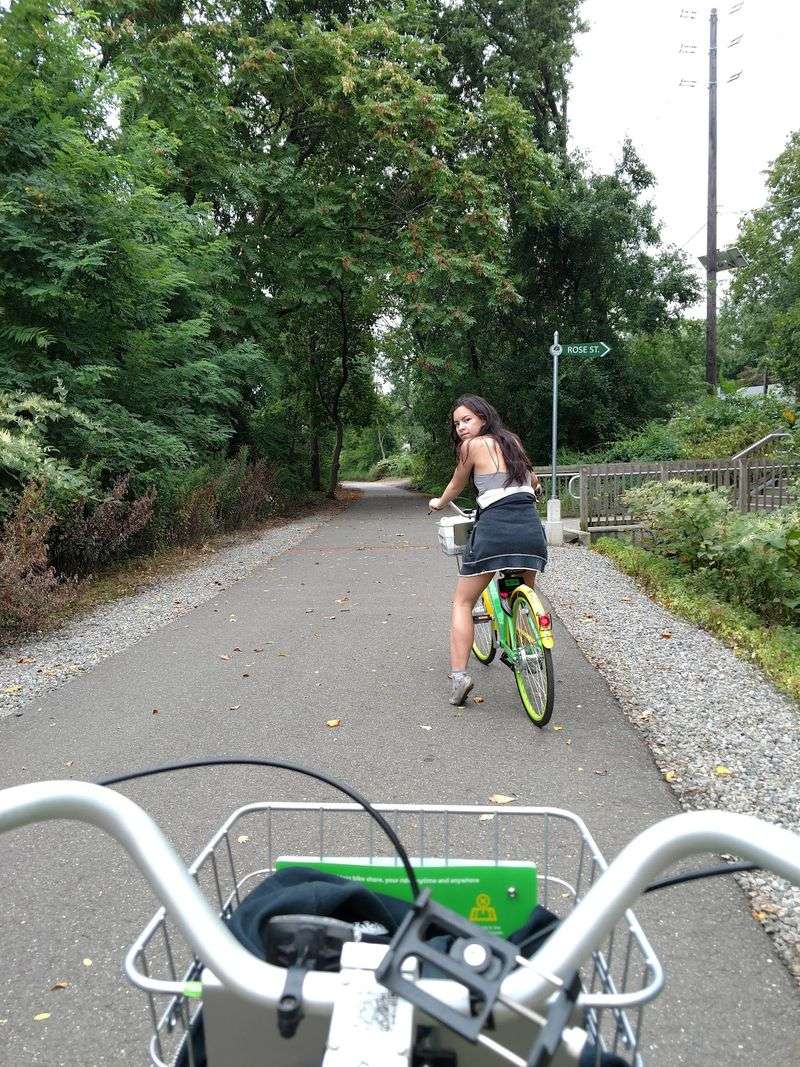
Bikes belong in the greenway’s everyday mix, alongside walkers and runners. That makes the route useful to someone who would rather ride on a dedicated path than assemble a trip from ordinary streets.
It also means a rider cannot assume the space ahead will be empty. A comfortable outing depends on adjusting speed around other people and allowing room to pass.
The distinction between a bicycle and a motorized device matters here. The supplied information identifies biking as an activity, while a posted restriction reported in the available material addresses electronic scooters, bikes and vehicles.
Because the wording and current application of any rule should be checked on site, riders using an electric device should confirm what is permitted before entering. Conventional cyclists can focus on the basics of shared-path courtesy.
The greenway is most useful when each person’s way of moving leaves space for the next person’s.
Rules for Motorized Devices
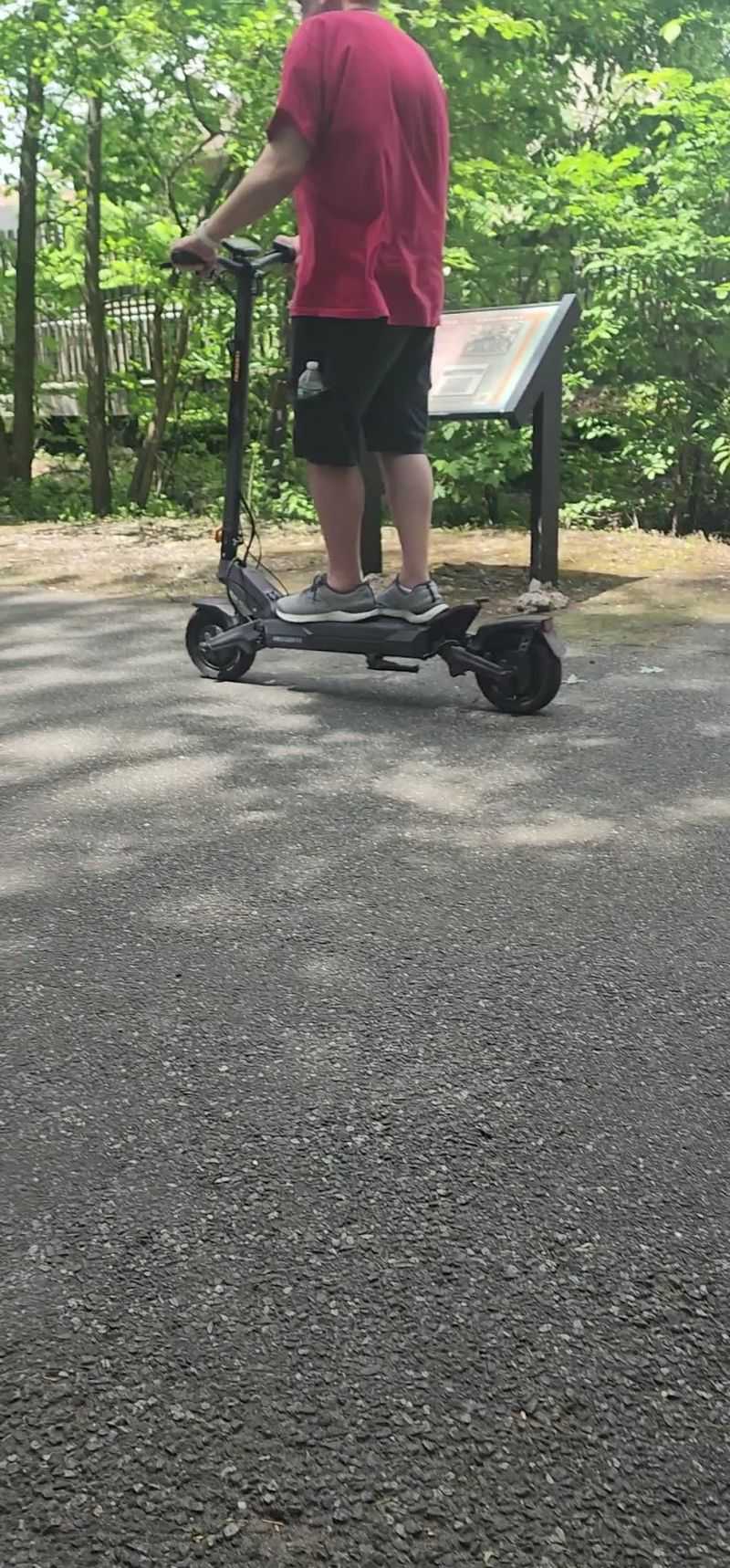
One practical detail deserves attention before anyone brings a device to the path. The available information reports a prohibition on electronic scooters, bikes and vehicles, along with a warning that prohibited devices may be confiscated.
That is a reason to check the rules displayed at the greenway rather than assume that every device allowed on a street is allowed here.
Rules can be updated, and the provided material does not clarify every category of equipment. In particular, a rider should not rely on an article to settle a question about a specific electric bike or scooter.
Confirm the current posted language before using one. For walkers and conventional cyclists, the broader point is easy to understand: the greenway is a shared route with expectations about how it is used.
Taking those expectations seriously helps everyone plan an outing that fits the space, without an avoidable surprise at the entrance.
A Local Outing at Your Own Pace
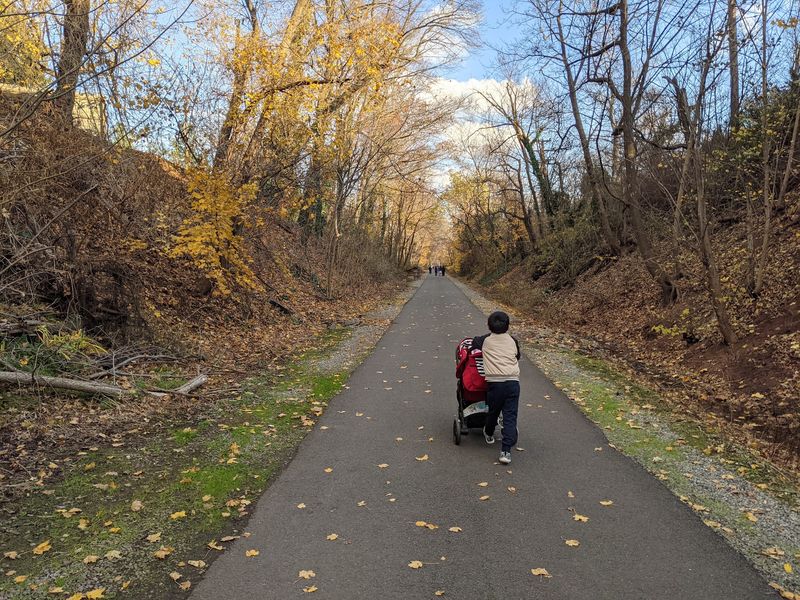
A dedicated path can serve very different plans on the same day. One person may want an unhurried walk; another may be fitting in a run, and someone else may arrive with a bicycle.
The Middlesex Greenway’s identified uses make that variety part of the experience, rather than a reason to choose a different destination.
It is tempting to call any local path suitable for everyone, but the supplied information does not establish accessibility details, surface conditions or facilities. Those points are worth checking separately if they will determine whether the outing works for you.
What the available facts do support is a flexible route for people who enjoy walking, running or biking. There is no need to complete every mile to make good use of it.
The most sensible plan begins with your own pace, then leaves enough attention for the other people using the path.
An Easygoing New Jersey Day Plan
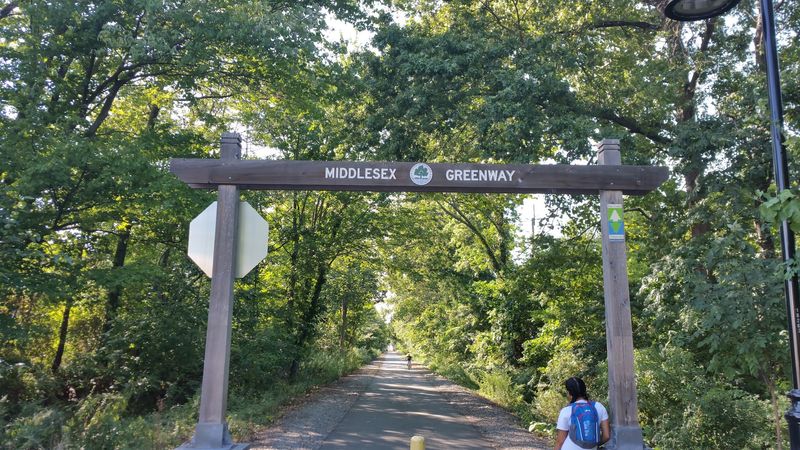
Big trips require schedules; a greenway asks for far less. Middlesex Greenway can be the main plan for a day with room for a walk, run or ride, rather than an extra stop squeezed between appointments.
The three-and-a-half-mile length offers enough scope to make the trip feel deliberate without requiring anyone to cover the whole distance.
For a group, agreeing on a turnaround point ahead of time may be more useful than setting a strict pace. Solo walkers can make the same decision as they go, provided they account for the way back.
The information available here does not identify restrooms, water stations or seating, so bring what you need rather than counting on those amenities. The greenway’s appeal is not a packed itinerary.
It is the chance to give a familiar activity a dedicated place on the calendar and let the route do the rest.
Parking Behind Lotte Plaza Market
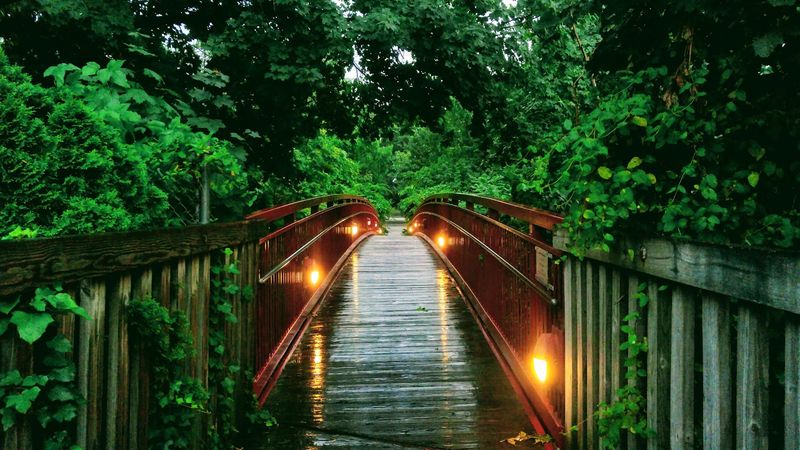
Finding a place to start can be the least interesting part of a walk and the most important part of planning one. The supplied information mentions parking behind Lotte Plaza Market as an option for the Middlesex Greenway.
That is a useful lead, though it is not a guarantee that a space will be available or that arrangements will remain unchanged.
Check the current parking situation and your route to the path before driving over. The available material does not give a street address for the lot, describe its capacity or establish parking rules.
Naming those limits is more helpful than pretending the logistics are settled. Once a starting point is clear, the rest of the outing can be shaped around the distance you want to cover.
A little homework beforehand keeps an ordinary New Jersey walk from turning into a search for where to begin.
Hours and Access Worth Checking
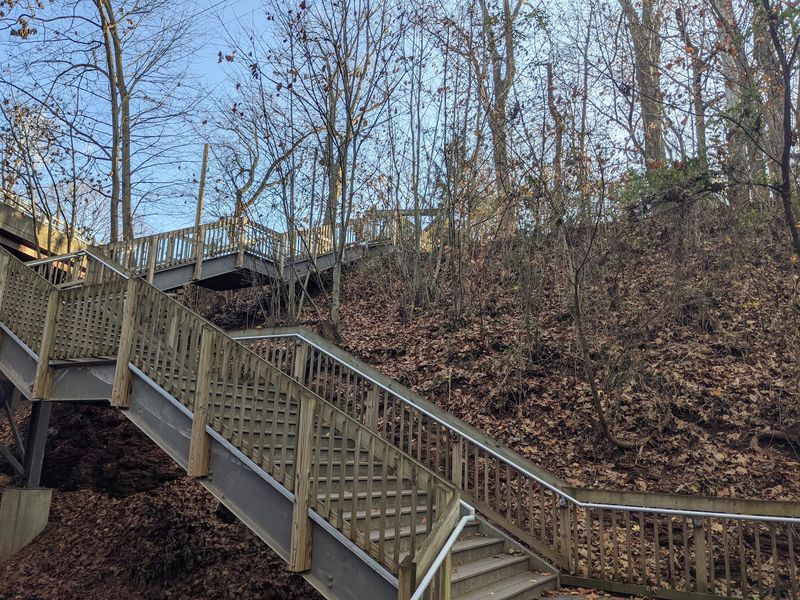
There is one planning question this information cannot answer: when, exactly, is the greenway open? No verified hours are supplied, so an article should not guess at an opening time, closing time or seasonal schedule.
Check current official information or posted notices before a visit, especially if the timing of your outing depends on access at a particular hour.
The same caution applies to entrances. A named route does not automatically tell you which access point best suits your plans or how a particular approach works.
Identify where you intend to begin and allow enough time to get back. Those steps are not meant to make a simple outing sound difficult.
They keep the plan accurate. The reward for checking a couple of details in advance is straightforward: more of the time you set aside can be spent walking, running or biking on the greenway itself.
The Cost Question Before You Go
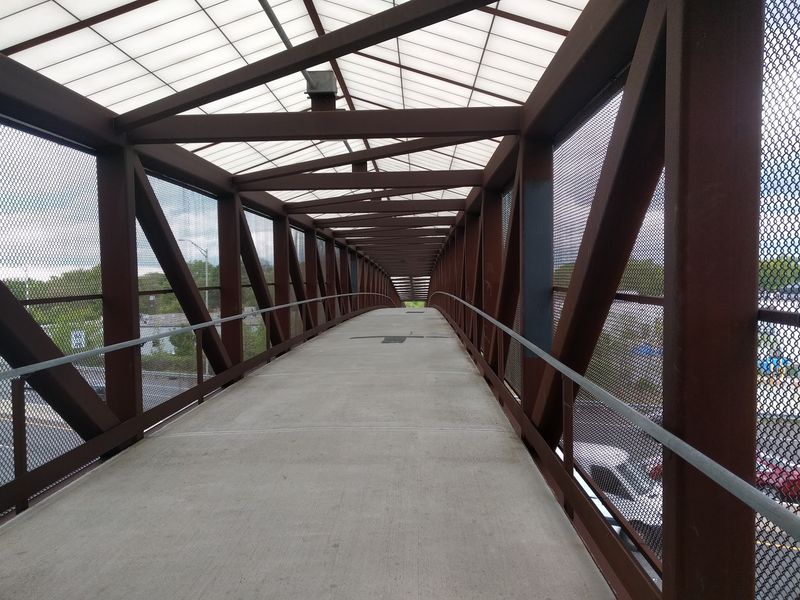
Free is an appealing word, but it should not be used as a promise without a source. The provided information does not state an admission charge or confirm that every aspect of a visit is free.
Check current access information if cost affects your plans, and check any parking terms separately. An absence of listed fees in these details is not the same as a verified fee policy.
That may seem cautious for a walking route, yet practical travel advice is strongest when it distinguishes a known fact from an assumption. Here, the known attractions are the three-and-a-half-mile route described in the title and its use for walking, running and biking.
The available parking lead is another useful detail, subject to confirmation. With those basics in hand, a New Jersey day-tripper can decide if the outing fits the day without being handed a made-up promise about cost.
The Case for Keeping It Simple
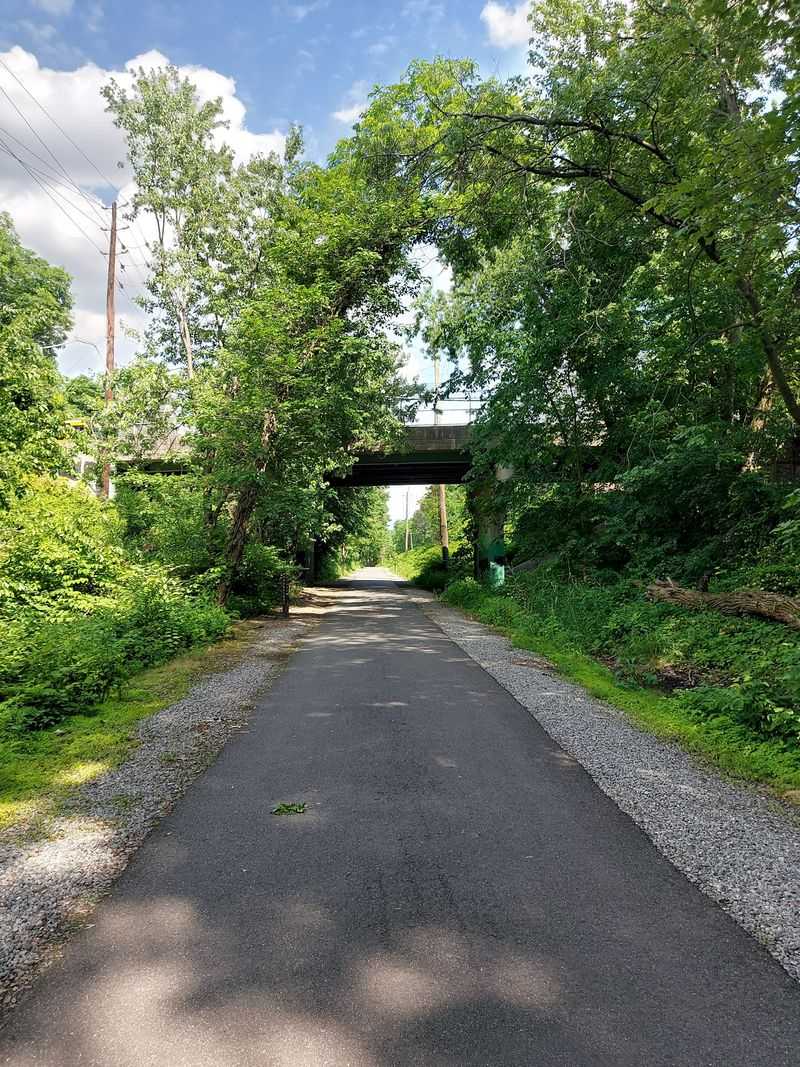
Plenty of worthwhile places are easy to overlook because they do not ask for a full day. Middlesex Greenway makes a quieter argument.
It offers distance for walkers, room for runners and a route used by cyclists, with tree cover adding to the appeal described in the headline. That combination is enough to give an ordinary outing a clear destination.
The best plan is also the honest one. Choose a starting point, confirm current access and device rules, and decide how far you want to go before accounting for the return.
Check parking and any applicable costs instead of assuming those details are settled. Then let the walk be a walk.
For New Jersey residents, the greenway is a reminder that a useful local place does not need an elaborate story to deserve time on the calendar. Three and a half miles leave plenty of room to make the visit your own.
Share this story