Some of the world’s most beautiful places are paying a steep price for their own fame. From tiny Greek islands to ancient mountain ruins, beloved destinations have been quietly transformed by the sheer weight of visitor numbers.
Crowded trails, damaged reefs, overwhelmed sewage systems, and rising housing costs have forced governments to rethink how tourism actually works. This list looks at 15 places where the dream and the reality have started pulling in very different directions, and what each destination is doing to find a better balance before it is too late.
Maya Bay, Thailand
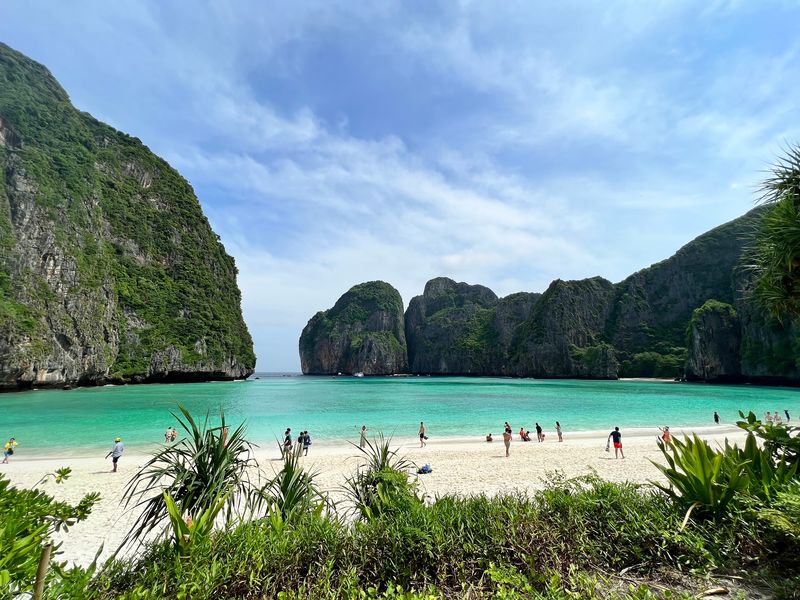
When a Hollywood film turned Maya Bay into a global sensation, the consequences arrived fast. Thousands of boats crowded the small bay daily, coral reefs took serious damage, and marine life fled from the constant noise and pollution.
The situation became bad enough that Thai authorities made a bold call: close the bay completely in 2018 and let nature recover.
The closure lasted several years and produced real results. Blacktip reef sharks returned in greater numbers, and coral showed signs of recovery.
When Maya Bay reopened, the rules changed significantly. Boats can no longer pull directly onto the beach, swimming is restricted to designated zones, and daily visitor numbers are capped.
Periodic conservation closures still happen when authorities feel the ecosystem needs additional rest. Maya Bay is still a functioning attraction, but it now operates under conditions designed to prevent the same destruction from happening again.
Boracay, Philippines
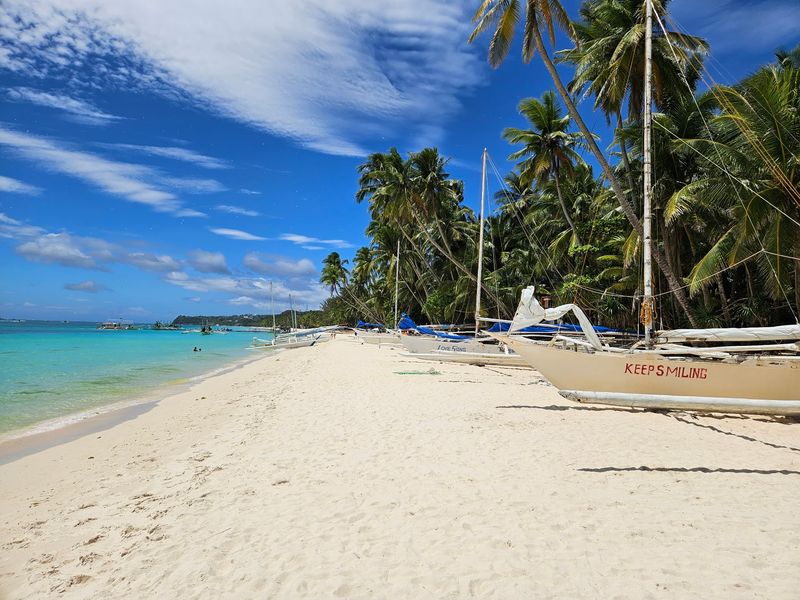
Boracay’s White Beach became so famous that it eventually attracted more visitors than the small island could reasonably handle. Hotels multiplied faster than sewage infrastructure could keep up, and illegal construction crept across the shoreline.
By 2018, conditions had deteriorated enough that the Philippine government took a dramatic step: a complete six-month closure to all tourists.
During that shutdown, authorities tore down illegal structures, upgraded wastewater systems, and redesigned how the island would operate going forward. When Boracay reopened, officials introduced carrying-capacity limits.
Government calculations set a ceiling of roughly 19,000 tourists on the island at any one time.
Boracay is once again a major beach destination drawing international visitors. Its story, however, remains one of the clearest examples of what can happen when tourism growth moves faster than planning.
The closure was painful economically, but it may have saved the island from permanent decline.
Venice, Italy
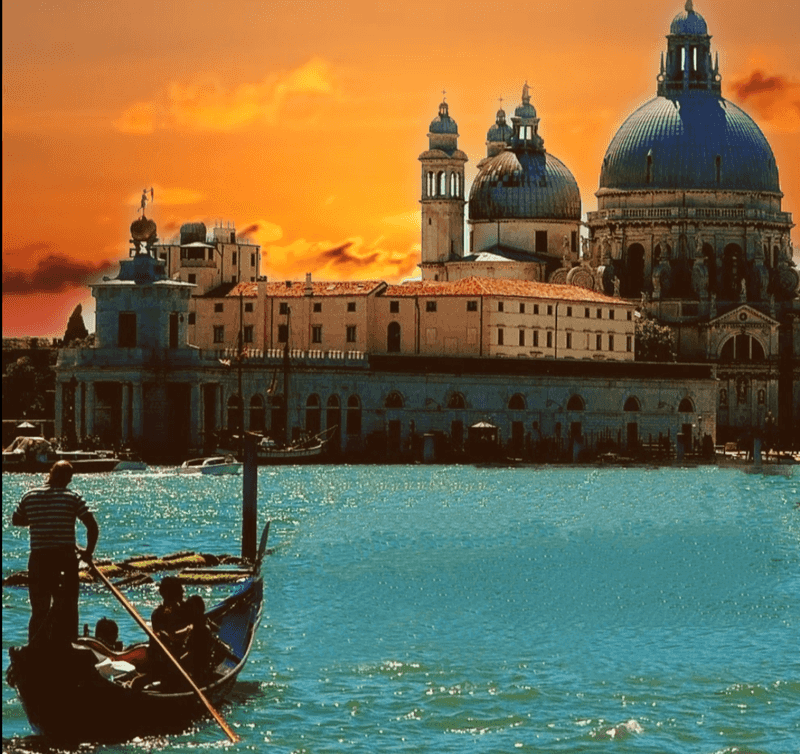
Venice faces a tourism challenge unlike almost any other city in the world. Its historic center is extremely compact, and millions of day-trippers pass through each year, spending a few hours around St. Mark’s Square and the Rialto Bridge before leaving.
The result is intense crowding in a city that cannot simply build outward to absorb more people.
Rather than closing, Venice chose to experiment with an access-fee system. In 2026, the city applied fees on 60 selected high-traffic days.
Early bookings cost five euros, while later reservations cost ten. Preliminary data suggested average daily paid voucher numbers dropped compared to 2024 figures, indicating some reduction in peak-day pressure.
Venice remains fully open and is still one of Europe’s most visited cities. The entrance-fee experiment is unusual enough that other destinations are watching closely.
Managing the flow of visitors has become as important to Venice as preserving its historic architecture.
Santorini, Greece
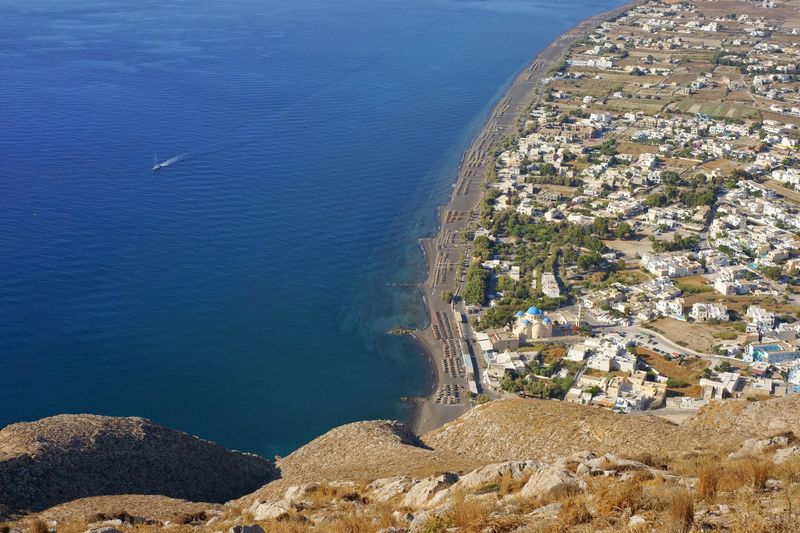
Santorini’s image is everywhere: white walls, blue domes, and a caldera view that looks almost too perfect to be real. That visual appeal has made it one of the most photographed places on the planet, which has also made it one of the most overwhelmed.
Around 3.4 million visitors arrived in 2023, according to figures cited by the island’s mayor, despite a permanent population of only about 20,000 people.
Cruise ship days create particularly sharp spikes. At peak moments, daily arrivals from cruise ships alone have reached around 17,000 passengers.
The mayor previously proposed capping cruise arrivals at roughly 8,000 per day. Greece has since introduced a 20-euro peak-season levy on cruise visitors arriving at Santorini and Mykonos.
The island remains open and extremely popular. Traffic congestion, housing pressure, and infrastructure strain continue to generate debate among residents.
Santorini’s situation shows how even a small island can become a test case for managing global tourism demand.
Machu Picchu, Peru
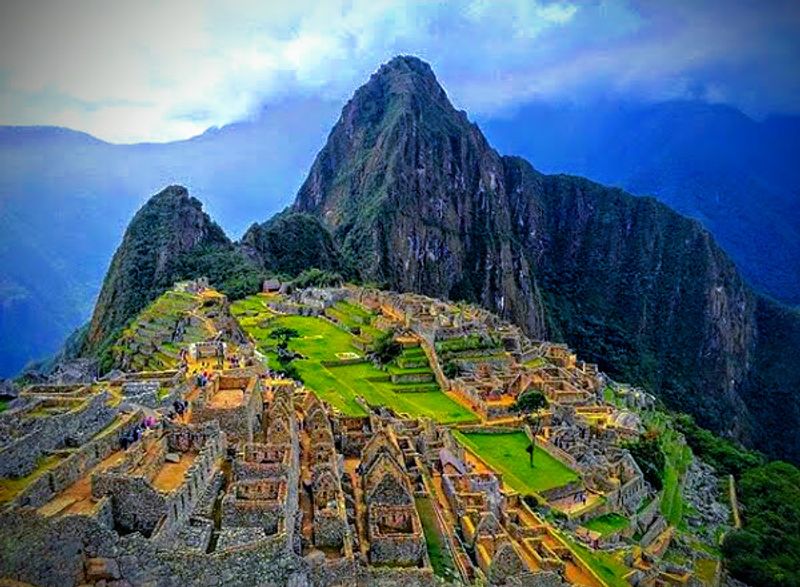
Machu Picchu is one of those places that people spend years dreaming about visiting. The problem is that the archaeological site cannot expand to accommodate unlimited admiration.
Heavy foot traffic and congestion have long worried preservation experts, leading Peru to introduce timed entry slots, defined walking circuits, and daily visitor caps.
For the 2026 high season, Peru’s Ministry of Culture set a maximum daily capacity of 5,600 visitors on designated peak dates. A government oversight report from 2025 also warned that certain sections of the site had recorded visitor numbers above approved sustainable levels, suggesting enforcement remains an ongoing challenge.
Visiting Machu Picchu today looks very different from what it did two decades ago. Tourists follow structured routes, enter during assigned time windows, and cannot simply wander freely.
Those rules exist because the alternative, unchecked access to an irreplaceable archaeological site, risks permanent damage to something that belongs to all of human history.
Dubrovnik, Croatia
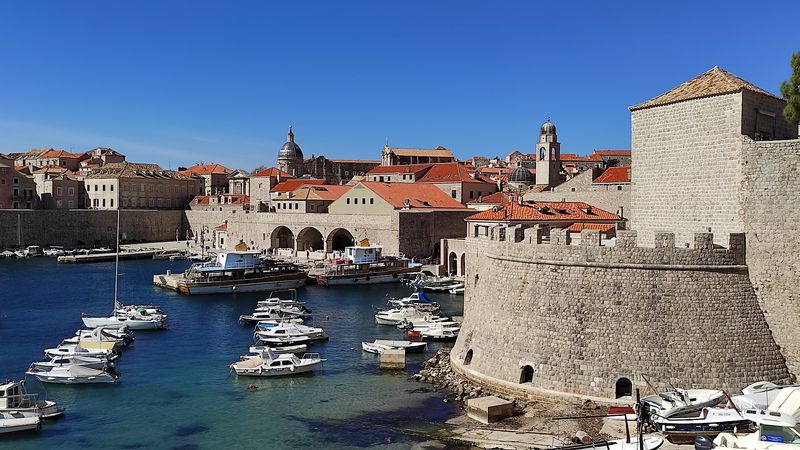
Dubrovnik’s medieval Old City became a global tourism magnet on its own merits, and its fame grew even further after becoming a filming location for a major television series. The narrow streets inside the ancient walls were never designed to absorb thousands of visitors simultaneously, yet that became the daily reality during peak season.
UNESCO pushed Dubrovnik to develop a tourism strategy, regulate cruise arrivals, and assess how many visitors the historic center could realistically support without long-term damage. The city responded with its “Respect the City” program and other management initiatives.
In 2025, UNESCO reported that Dubrovnik had made significant progress on sustainability, though additional planning remained underway.
The Old City is open and active. Tourism remains central to Dubrovnik’s economy, which makes the balancing act especially complicated.
City officials have acknowledged that the same visitors who fund the city’s future can also threaten the historic fabric that makes Dubrovnik worth visiting in the first place.
Cinque Terre, Italy
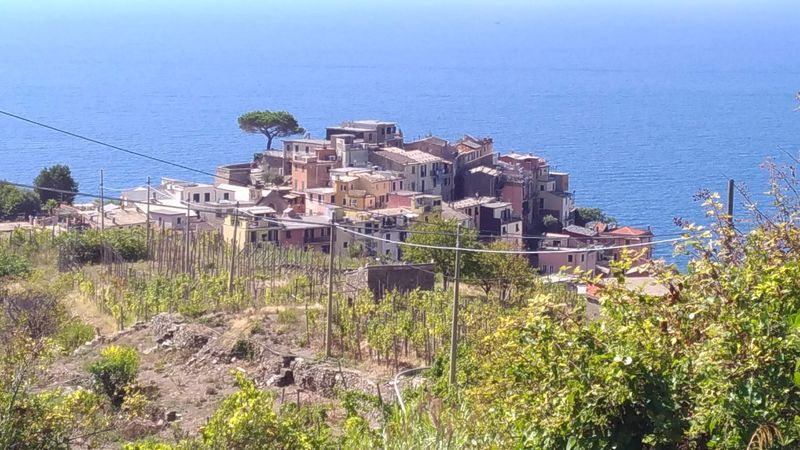
Cinque Terre was once known mainly to hikers and travelers who sought out its five small fishing villages, terraced vineyards, and dramatic coastal trails. International exposure changed that significantly.
Today the villages draw enormous crowds that strain narrow streets, pack railway stations, and compete for space on trails that were originally built for local farmers and fishermen.
The national park now actively manages visitor movement on its most popular routes. During several busy dates in 2026, hikers on the Sentiero Verde Azzurro section between Monterosso and Vernazza were required to travel in one direction until 2 p.m.
Park monitoring found that more than 70 percent of hikers already moved that way naturally, making the directional rule practical to enforce.
Individual trail sections can still close temporarily for weather, maintenance, or safety. The villages remain open and welcoming.
Cinque Terre’s approach shows that managing tourism does not always require dramatic closures, sometimes it just means organizing the flow.
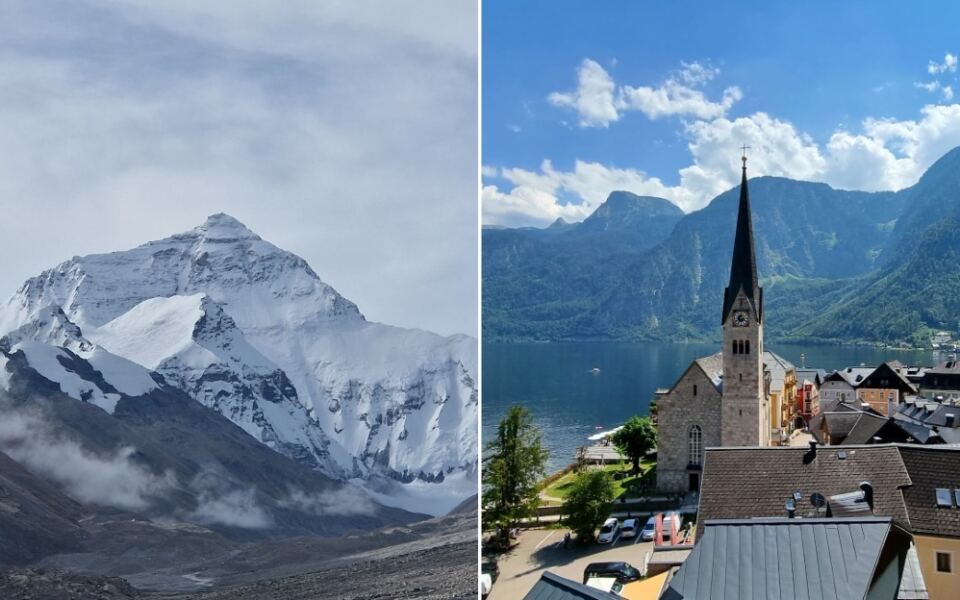
Hallstatt, Austria
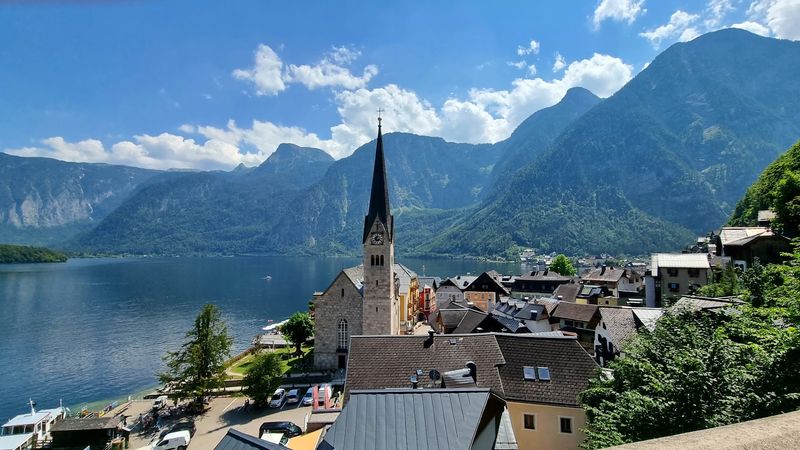
Hallstatt has the kind of scenery that stops people mid-scroll. The combination of Alpine peaks, a reflective lake, and centuries-old architecture made it a social media favorite long before most travelers had heard of it.
That online attention brought consequences the tiny village was not built to absorb.
At peak periods, reported daily visitor numbers have reached as high as 10,000 people, despite a permanent residential population of fewer than 800. In 2023, residents organized protests and demanded action.
The complaints centered on buses idling in the village, crowds blocking streets, and the general sense that daily life had been reorganized entirely around tourism photography and day trips.
Hallstatt remains open to visitors and continues welcoming tourists. No major closure has occurred.
But its experience raises a question that many small destinations now face: at what point does the volume of visitors change the essential character of a place so thoroughly that the original appeal disappears?
Amsterdam, Netherlands
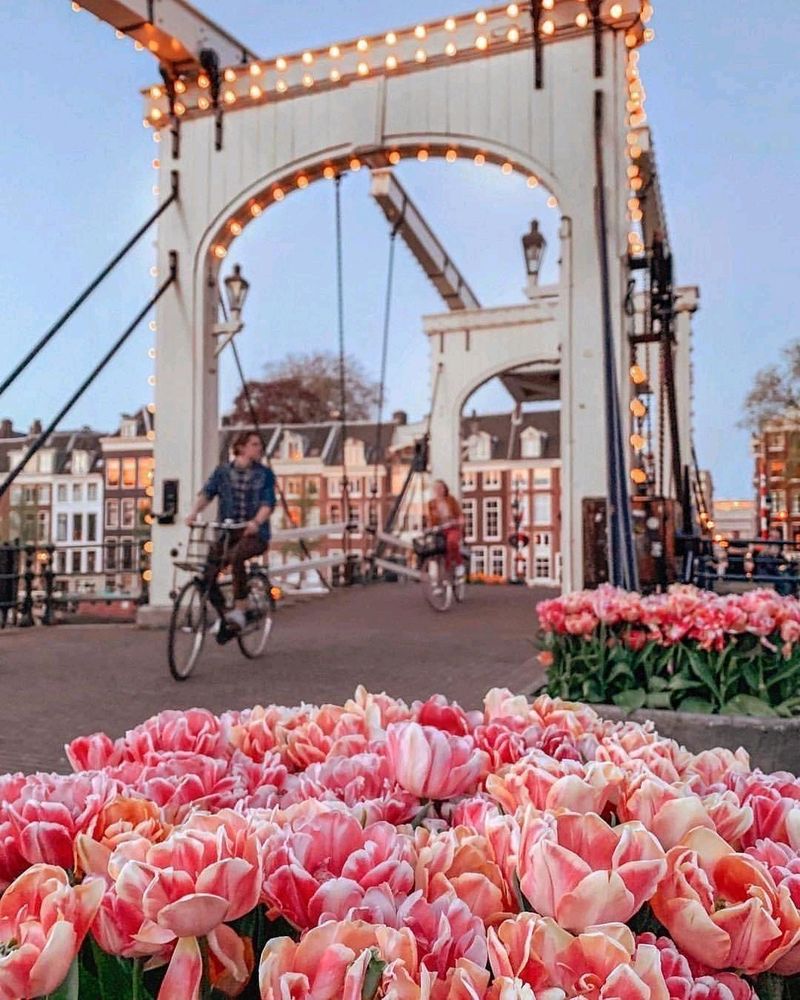
For decades, Amsterdam actively promoted itself to international visitors and built an identity around being a welcoming, open European city. Eventually, city officials decided the welcome mat needed some serious rethinking.
The historic center has faced congested streets, short-term rental pressure, and the general wear of hosting tens of millions of visitors annually.
Amsterdam estimated around 14 million day visitors and 10 million overnight visitors in 2024. The city’s current strategy openly prioritizes reducing tourism-related disruption rather than attracting more arrivals.
New hotels generally operate under a one-in, one-out policy, and a hotel-bed freeze prevents overnight capacity from growing. In September 2026, authorities proposed cutting vacation rentals in one neighborhood to just 15 nights per year.
Amsterdam is still a fully operating, vibrant city with plenty to offer visitors. The shift in official attitude is real, though.
A city that once competed aggressively for tourists is now one of Europe’s clearest examples of deliberately trying to attract fewer of them.
Barcelona, Spain
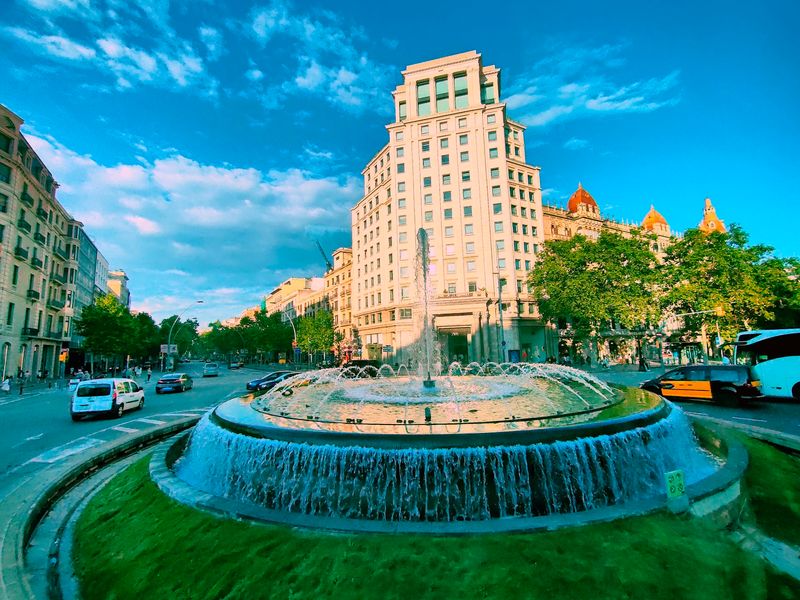
Barcelona has nearly everything a traveler could want: world-class architecture, beaches, food markets, and a Mediterranean climate. Those strengths turned it into one of Europe’s busiest cities for international visitors.
But the volume of tourism has become deeply connected to a problem that residents feel far more personally: housing.
Tourist apartments have spread through residential neighborhoods, reducing the supply of long-term housing and contributing to rising costs for people who actually live and work in the city. Anti-overtourism protests became particularly visible in 2025, with residents expressing frustration in direct and public ways.
Barcelona’s government has announced plans to eliminate thousands of tourist-apartment licenses by 2028, which would represent one of Europe’s most aggressive policy responses to tourism-driven housing pressure.
Barcelona remains a major destination and continues welcoming millions of visitors each year. The debate has moved beyond whether tourists should come.
The central question now is how many visitors a neighborhood can absorb before it stops functioning as a place where ordinary people can afford to live.
Bali, Indonesia
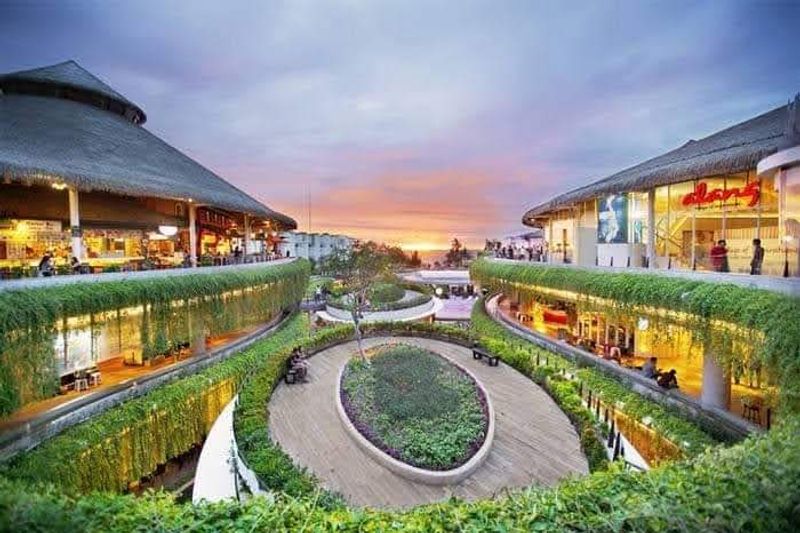
Bali evolved from a relatively quiet tropical destination into a globally recognized tourism brand over several decades. That transformation brought real economic benefits to many communities, but it also accelerated development at a pace that public infrastructure has struggled to match.
Hotels, villas, beach clubs, and roads expanded rapidly across parts of the island.
Waste management is among the most visible ongoing challenges. In 2026, Bali introduced stricter waste-sorting measures as authorities worked to reduce dependence on landfill disposal.
Reuters documented significant waste accumulation around parts of the island while the government developed new disposal rules and recycling programs. Tourist-heavy areas like Kuta remain heavily visited and commercially active.
Population growth and local infrastructure gaps also contribute to Bali’s environmental pressures, meaning tourism is not the only factor. Still, the island demonstrates clearly how fast visitor growth and construction can outpace the systems needed to keep a destination genuinely livable, both for residents and for the travelers who keep coming back.
Galapagos Islands, Ecuador

Few destinations carry as much ecological weight as the Galapagos Islands. The wildlife found here evolved in near-total isolation, producing species that exist nowhere else on Earth.
Tourism brings critical funding for conservation, but every additional flight, passenger, and development also introduces new pressure on ecosystems that are uniquely sensitive to outside disturbance.
UNESCO identifies increased tourism alongside invasive species, illegal fishing, and population growth as principal threats facing the islands. Ecuador manages access through designated visitor sites, controlled cruise itineraries, permits, quotas, and ongoing monitoring.
Previous UNESCO assessments have repeatedly flagged rapid tourism growth as a concern requiring active management rather than passive observation.
The Galapagos remain open to visitors, but access to protected areas is deliberately structured and limited. This is not a place where tourists roam freely, and that restriction is intentional.
The same geographic isolation that produced the islands’ extraordinary wildlife also makes those ecosystems especially fragile when human activity arrives in volume.
Komodo National Park, Indonesia
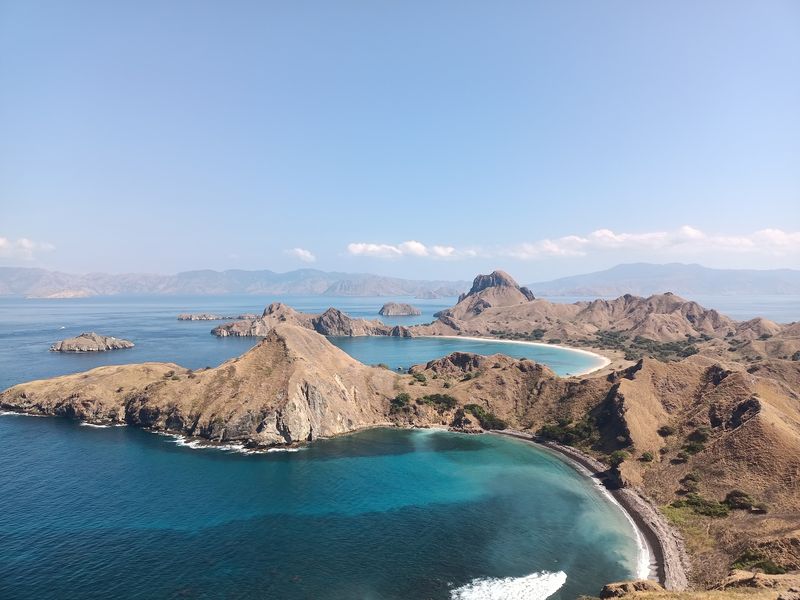
Komodo dragons are among the most remarkable animals alive, and the Indonesian islands where they live have drawn increasingly large numbers of visitors who want to see them. UNESCO data show visitation rising dramatically during the 2010s, reaching more than 220,000 visitors in 2019.
That growth created serious questions about whether the park’s infrastructure could protect what visitors were actually coming to see.
UNESCO identifies increasing tourism as one of Komodo National Park’s primary management challenges, with particular concern about potential pressure on Komodo dragon populations and marine ecosystems around the park’s coral reefs and dive sites. Indonesia has developed tourism-management plans for the park and the nearby town of Labuan Bajo.
In 2025, UNESCO reported that tourism-related measures were being implemented and asked authorities to continue monitoring their effect on the site’s natural values. The park remains open.
Its challenge reflects a pattern seen across many protected areas: the attraction itself can be threatened by the attention it generates.
Hanauma Bay, Hawaii
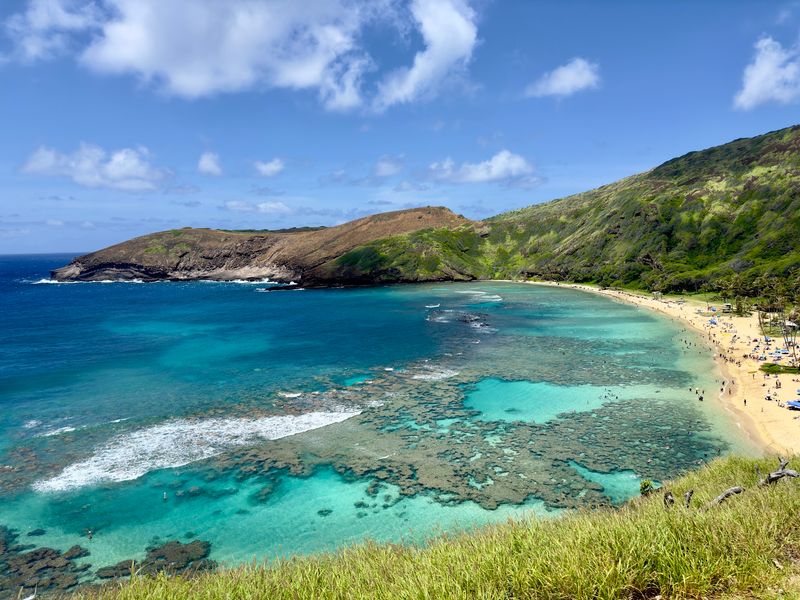
Hanauma Bay sits inside an ancient volcanic crater on Oahu’s southeastern shore, and its calm, clear waters made it one of Hawaii’s most popular snorkeling spots. For years, that popularity meant large daily crowds entering a relatively small marine environment.
Sunscreen, foot traffic, and sheer visitor volume raised growing concerns about the bay’s coral health and overall ecological condition.
Honolulu responded by introducing an online reservation system with timed admission windows and strict daily visitor limits. A city audit found that the new system reduced total visitation to less than half of previous levels while still generating strong revenue for the site’s operation and conservation programs.
Hanauma Bay remains an active visitor attraction and is not closed or restricted to the point of being inaccessible. What changed is the philosophy behind managing it.
Instead of welcoming as many visitors as possible each day, managers now control access so the reef and marine life that draw people there have a genuine chance to remain healthy long-term.
Mount Everest, Nepal
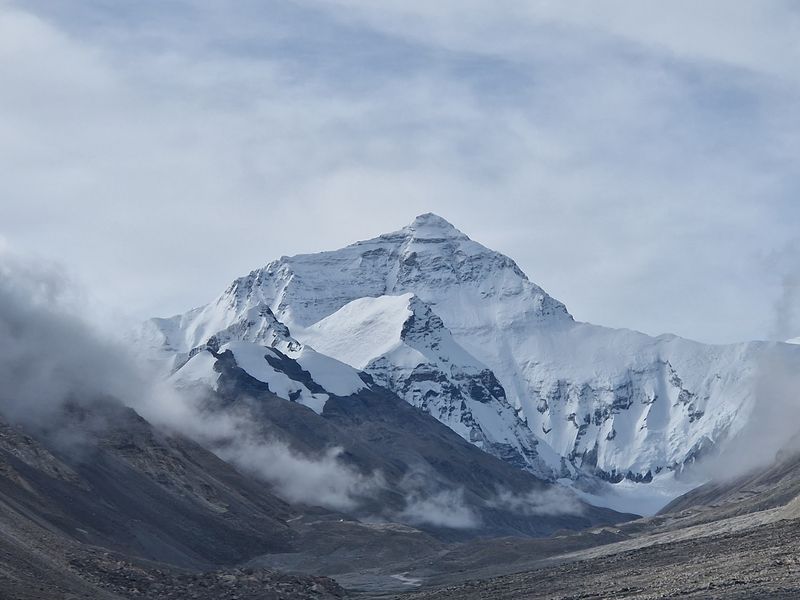
Reaching the summit of the world’s highest mountain was once considered nearly impossible. Decades of commercial climbing expeditions changed that, opening Everest to thousands of permitted climbers and creating a booming trekking economy in the surrounding Khumbu region.
Along with that growth came something far less inspiring: accumulating waste at extreme altitude.
Estimates cited by Reuters in 2025 suggested around 50 metric tonnes of rubbish may remain on the mountain, including discarded oxygen cylinders, tents, food packaging, and equipment left behind at high camps. Nepalese cleanup teams, Sherpas, and expedition operators have worked to remove waste over the years.
Heavy-lift drones have recently been tested and deployed to move garbage from higher camps down toward Base Camp, representing a new approach to an old problem.
Everest remains open to permitted climbing expeditions, and trekking in the surrounding region continues at a significant scale. The mountain’s waste situation is a striking reminder that even the planet’s most remote and extreme landscapes are not immune to the effects of sustained human visitation.
Share this story