The Olympic Games bring the world together, and American athletes have created some of their most memorable moments. From pools and tracks to ice rinks and boxing rings, these champions showed skill, courage, and determination.
Their stories still inspire young athletes and fans today. Here is a look at fifteen U.S.
Olympians whose achievements left a lasting mark.
1. Michael Phelps: Swimming
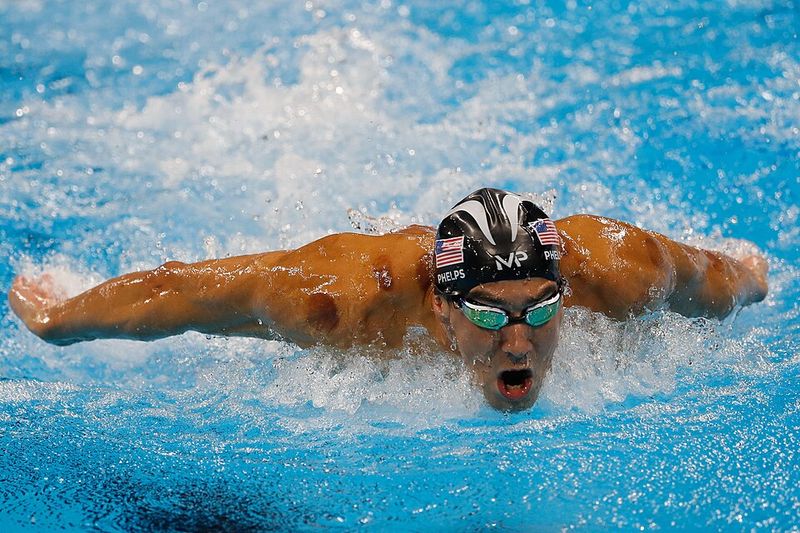
No athlete in history has collected more Olympic medals than Michael Phelps. He won 28 in total, and 23 of them were gold.
Those numbers may never be matched.
Phelps competed in five Olympics, starting in 2000 at age 15. At the 2008 Beijing Games, he won eight golds in a single Games, breaking a record that had stood since 1972.
His mix of powerful strokes and huge lung capacity made him nearly unbeatable in events like the butterfly and the individual medley.
Away from the pool, Phelps has spoken openly about mental health, helping many people feel comfortable asking for support. His career shows that talent grows best with daily practice, and that strength can also mean sharing struggles honestly.
Today he is admired as much for that openness as for his medals.
2. Simone Biles: Gymnastics
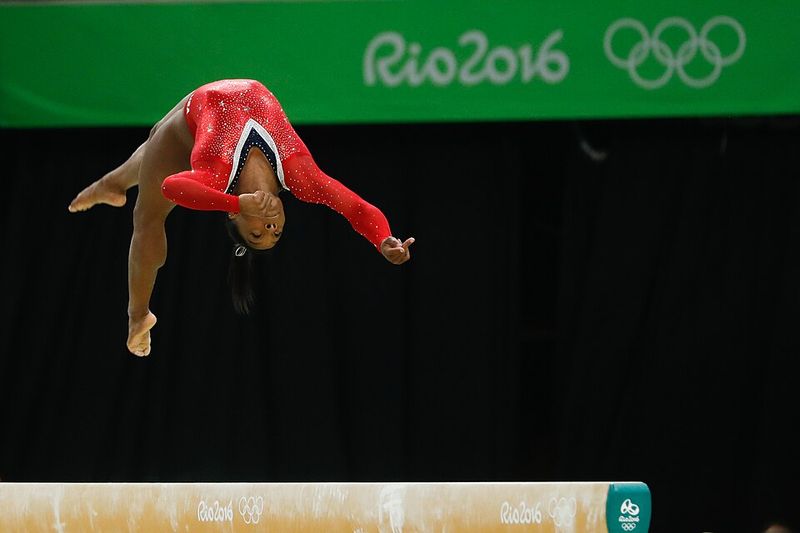
Some gymnasts have skills so difficult that judges create new rules for them. Simone Biles is one of those athletes.
Several moves in the sport carry her name because she was the first to perform them in competition.
She won four golds at the 2016 Rio Games, then added more medals in Tokyo and Paris. Her total of 11 Olympic medals places her among the most decorated gymnasts ever.
Her power, balance, and air awareness set her apart.
In Tokyo, Biles stepped back from several events to protect her health and safety. That choice started a wider talk about mental wellness in sports.
She returned strong in Paris, showing that care for oneself and high achievement can go together.
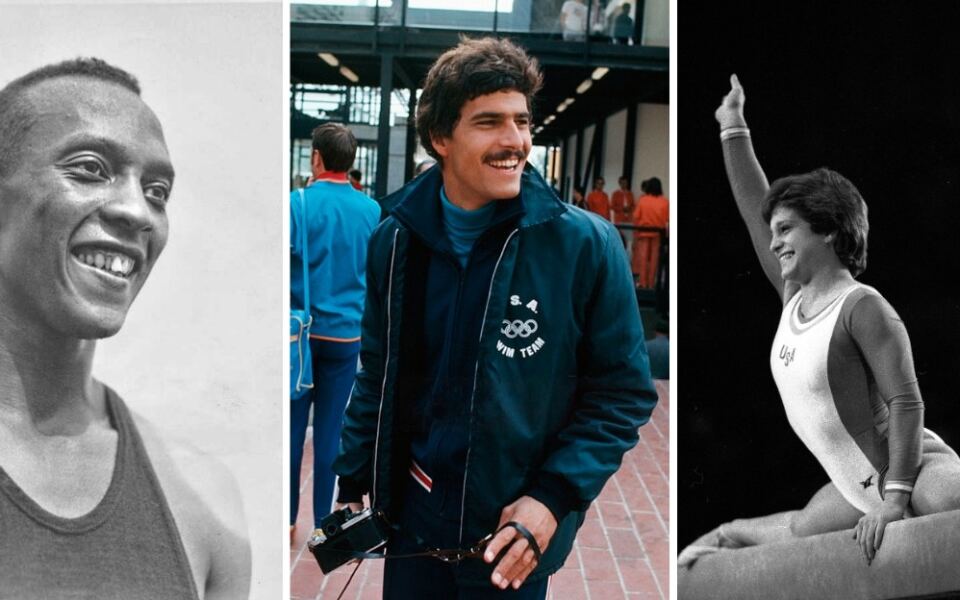
3. Jesse Owens: Track and Field
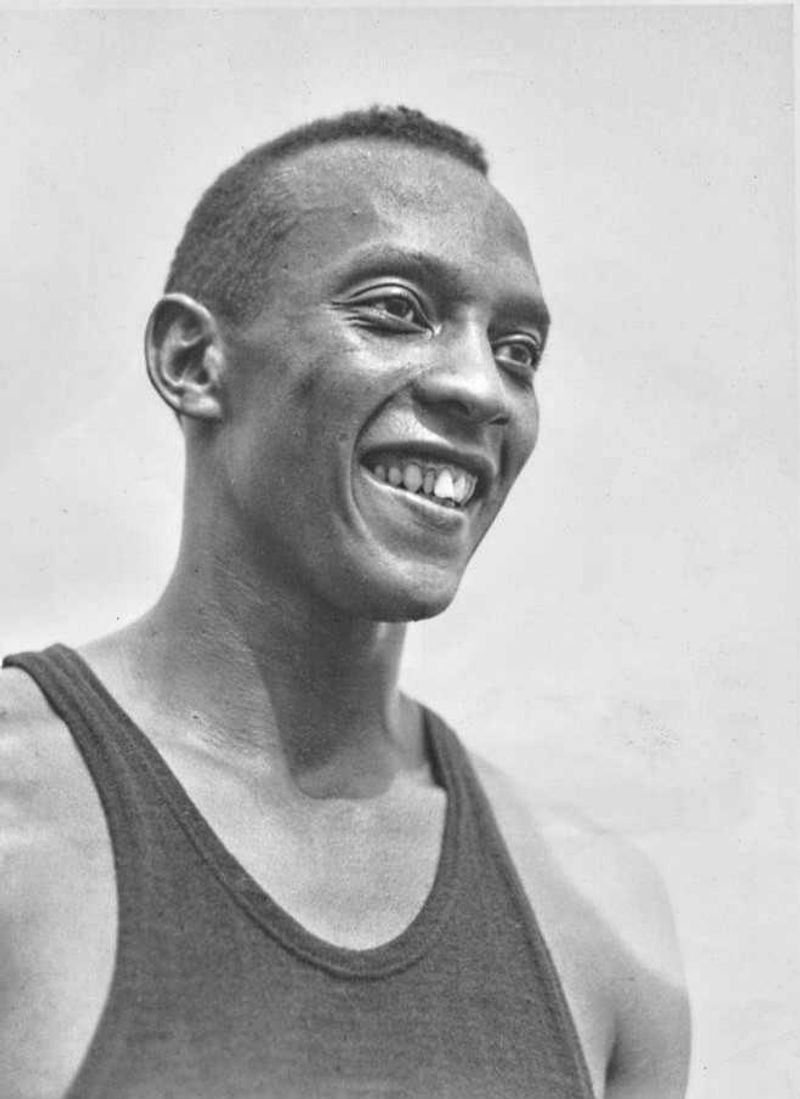
Berlin, 1936. The host nation hoped to show off a false idea of racial superiority, and Jesse Owens answered on the track.
He won four gold medals in the 100 meters, 200 meters, long jump, and 4×100 meter relay.
Owens grew up in Ohio as the grandson of enslaved people and rose to fame at Ohio State University. In 1935, he set three world records and tied another in less than an hour at a single meet.
That afternoon is still called one of the greatest in sports.
When Owens returned home, he still faced unfair treatment because of his race. Even so, his performance in Berlin became a lasting symbol of talent and dignity.
Many athletes still point to him as a role model.
4. Carl Lewis: Track and Field
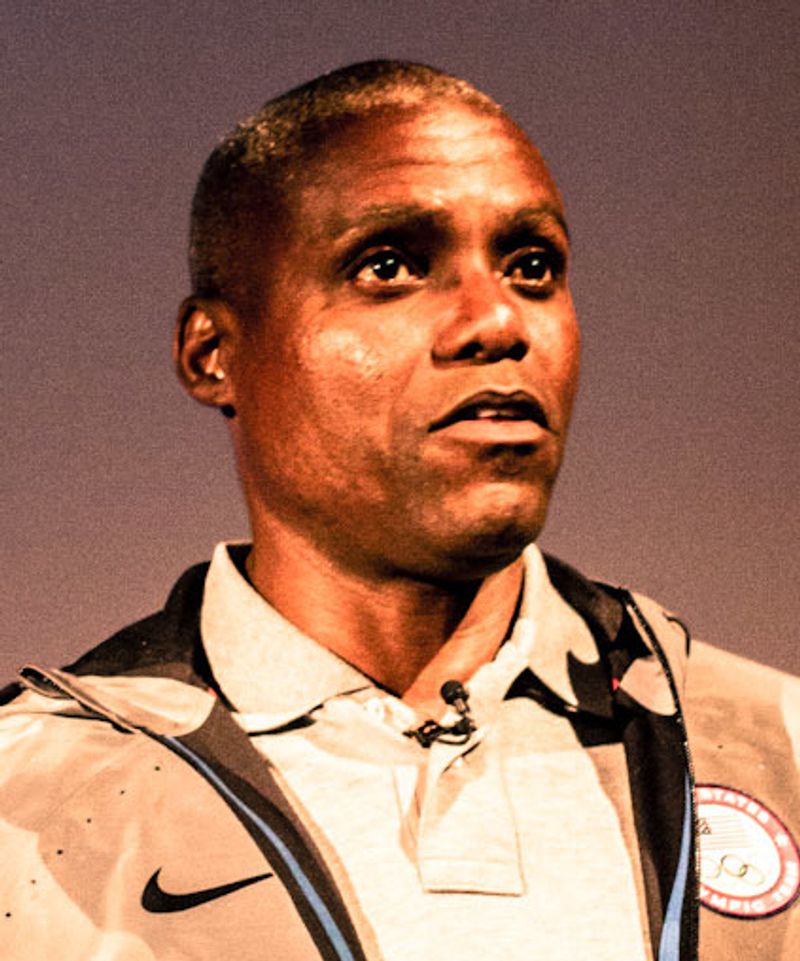
Matching Jesse Owens is a big goal, and Carl Lewis did it at the 1984 Los Angeles Games. He won gold in the 100 meters, 200 meters, long jump, and 4×100 meter relay, the same four events Owens won in 1936.
Lewis kept winning for years. He collected nine Olympic golds across four Games, from 1984 to 1996.
His long jump streak was especially striking, since he took gold at four Olympics in a row.
He was known for smooth speed and a calm focus before big races. After retiring, Lewis stayed involved in sports and community work.
Fans still cite him as an example of staying at the top through steady training and sharp concentration.
5. Katie Ledecky: Swimming
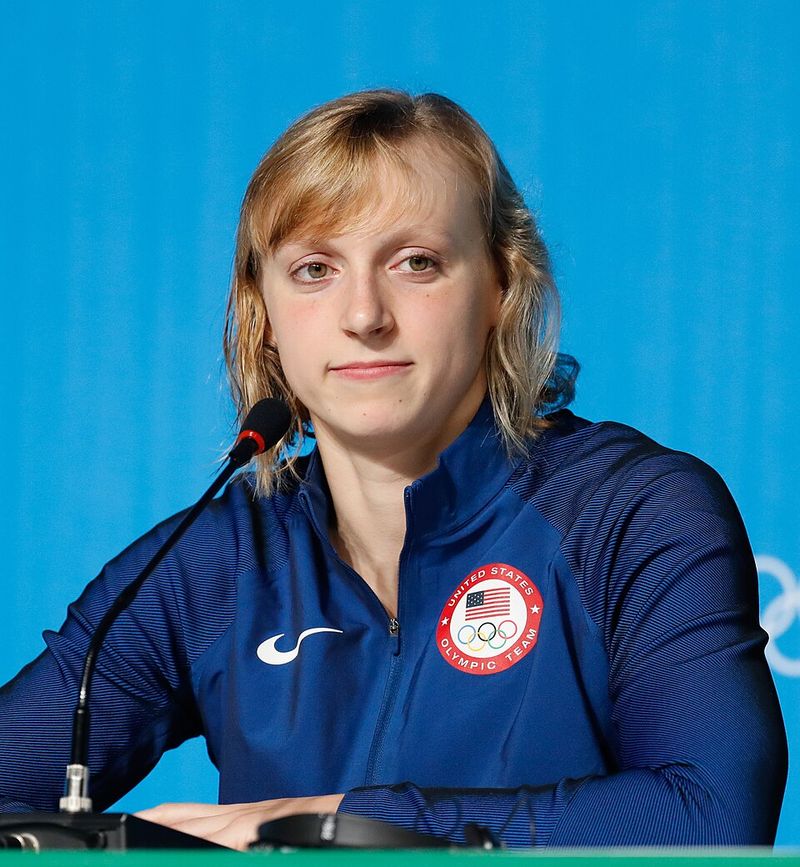
Watch a distance race with Katie Ledecky in it, and you may notice the rest of the field is swimming for second. She has dominated the longer freestyle events for over a decade.
Ledecky burst onto the scene at age 15, winning the 800 meter freestyle at the 2012 London Games. She has since won multiple golds in the 400, 800, and 1500 meter races.
Her total of Olympic medals is among the highest for any female swimmer.
She is also famous for her steady pace and strong finishes, and she has set many world records. Ledecky trains with disciplined routines, often swimming thousands of meters each day.
Her career shows how patience and consistent effort can build greatness.
6. Jackie Joyner-Kersee: Track and Field
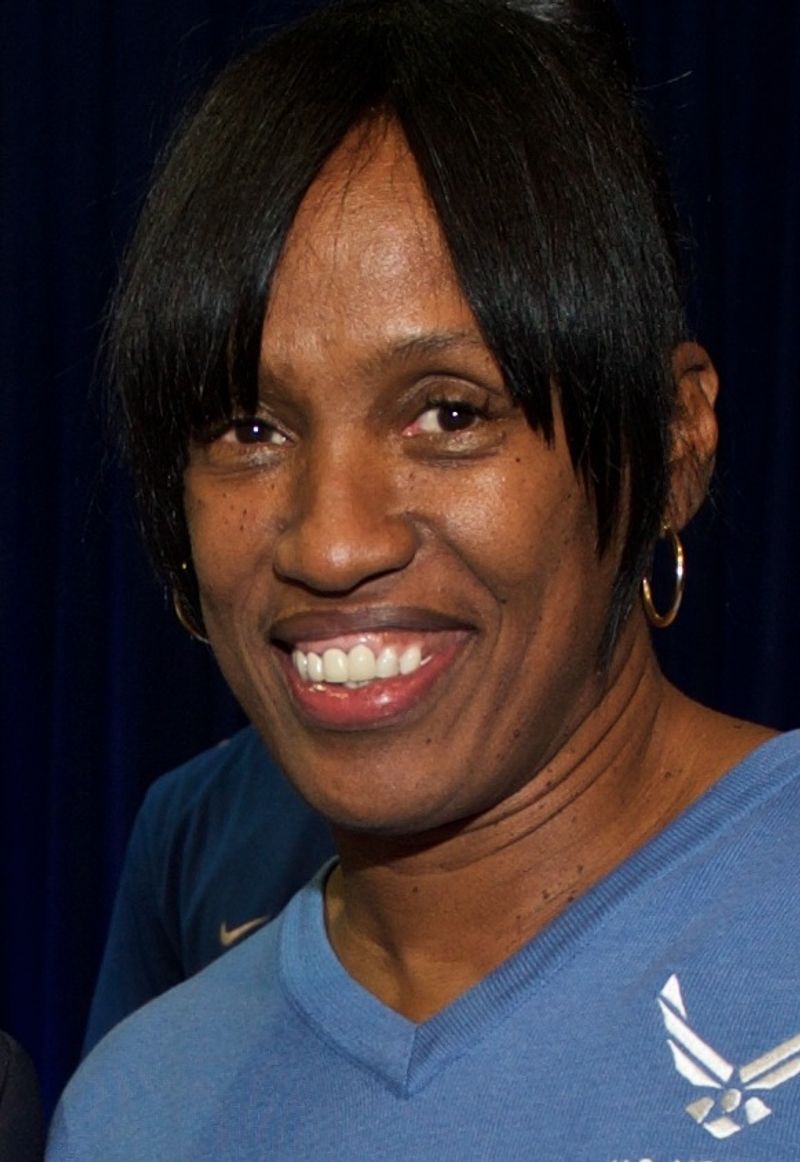
Ask track experts to name the greatest all-around female athlete, and Jackie Joyner-Kersee often comes up first. She starred in the heptathlon, a seven-event contest that tests sprinting, jumping, and throwing.
She won six Olympic medals, including three golds, across four Games. Her 1988 heptathlon score of 7,291 points remains the world record.
She also won long jump gold at the 1988 Seoul Games.
Joyner-Kersee grew up in East St. Louis, Illinois, in a family with little money, and she credited a local community center for helping her start. Later she created a foundation that gives young people places to learn and play sports.
Her story proves that opportunity can change a life.
7. Mark Spitz: Swimming
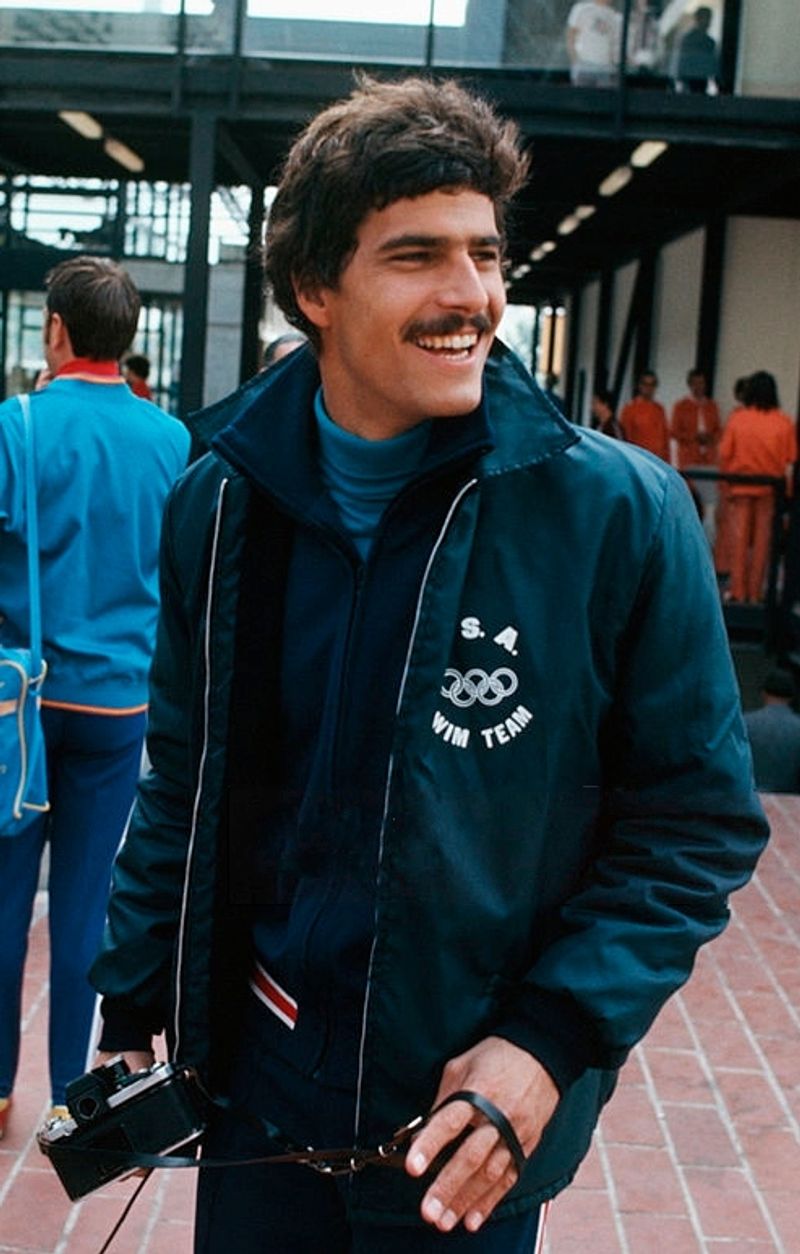
Seven events, seven golds, seven world records. That was the stunning result for Mark Spitz at the 1972 Munich Olympics, a record that stood for 36 years.
Spitz had also won two golds at the 1968 Games, so he arrived in Munich with high hopes. His strong butterfly and freestyle strokes carried him through every race.
Fans also remember his mustache, which was unusual for swimmers at the time.
In all, he collected nine Olympic golds, along with a silver and a bronze. After his career, Spitz became a public speaker and a familiar face in sports media.
His Munich performance remained the gold standard until Michael Phelps topped it in 2008.
8. Wilma Rudolph: Track and Field
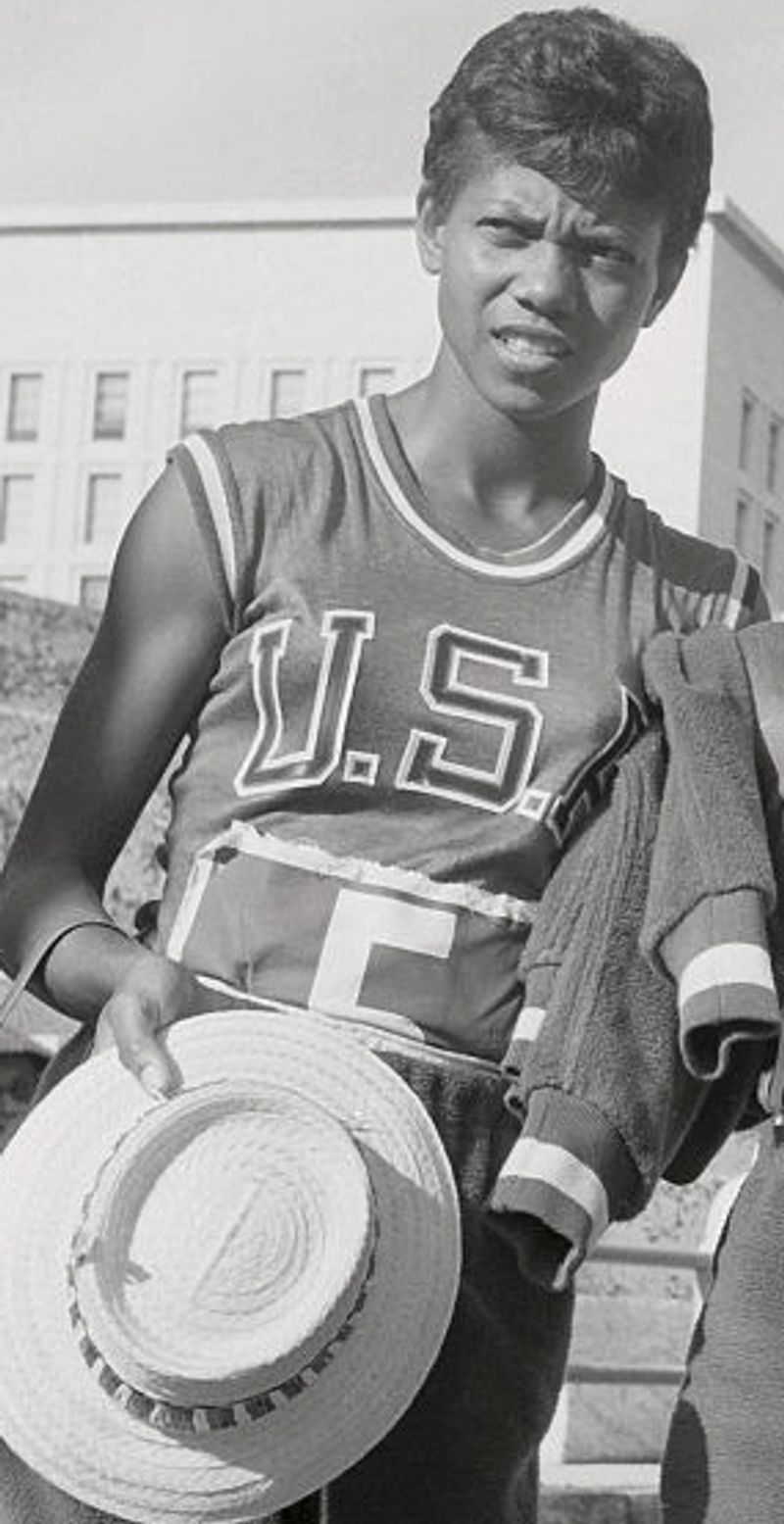
As a child, Wilma Rudolph had polio and needed a leg brace to walk. Doctors doubted she would run, yet she proved them wrong in a big way.
At the 1960 Rome Olympics, she won gold in the 100 meters, 200 meters, and 4×100 meter relay. She became the first American woman to win three golds in track at a single Games.
Crowds in Italy nicknamed her the Black Gazelle for her graceful stride.
Rudolph grew up in Tennessee and later worked as a teacher and coach. She also supported civil rights, and her hometown parade in 1960 was among the first integrated events there.
Her life story still encourages people facing hard odds.
9. Muhammad Ali: Boxing
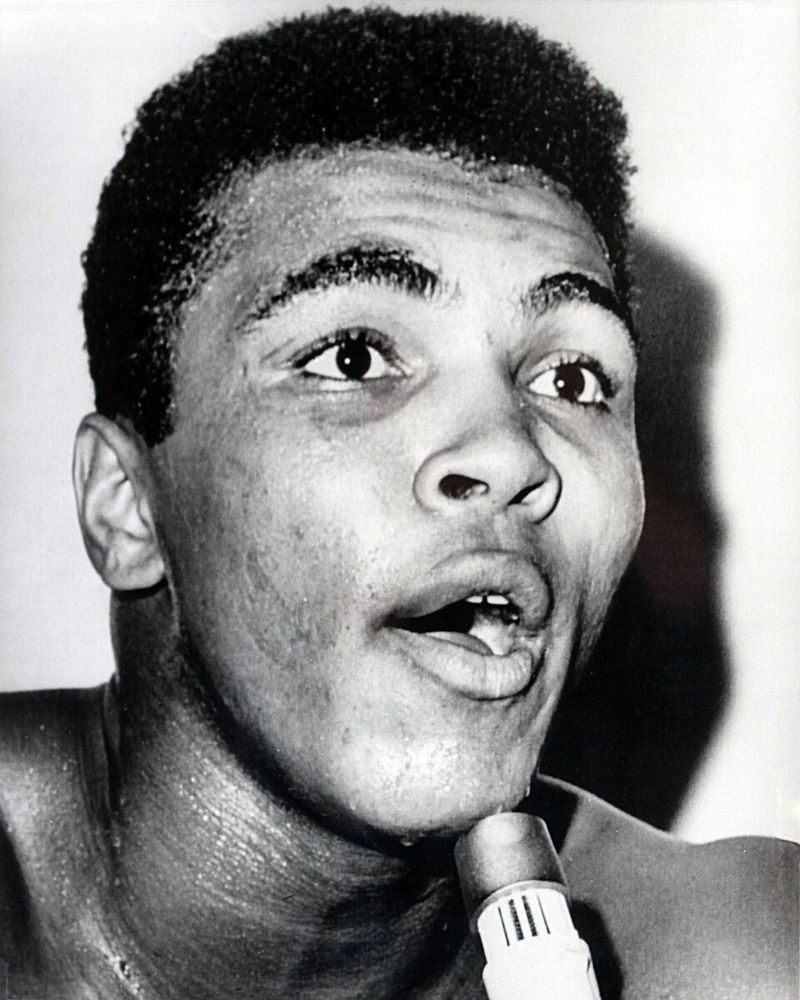
“Float like a butterfly, sting like a bee.” The famous line came later, but the story began at the 1960 Rome Olympics, where an 18-year-old named Cassius Clay won light heavyweight gold.
He later changed his name to Muhammad Ali and became a three-time world heavyweight champion. His quick feet, sharp jab, and confident personality made him one of the most recognized people in the world.
Ali also spoke out on issues he believed in, which cost him years of his boxing career. At the 1996 Atlanta Games, he lit the Olympic cauldron, a moment many viewers still recall.
His courage in and out of the ring left a deep mark on sports and society.
10. Allyson Felix: Track and Field
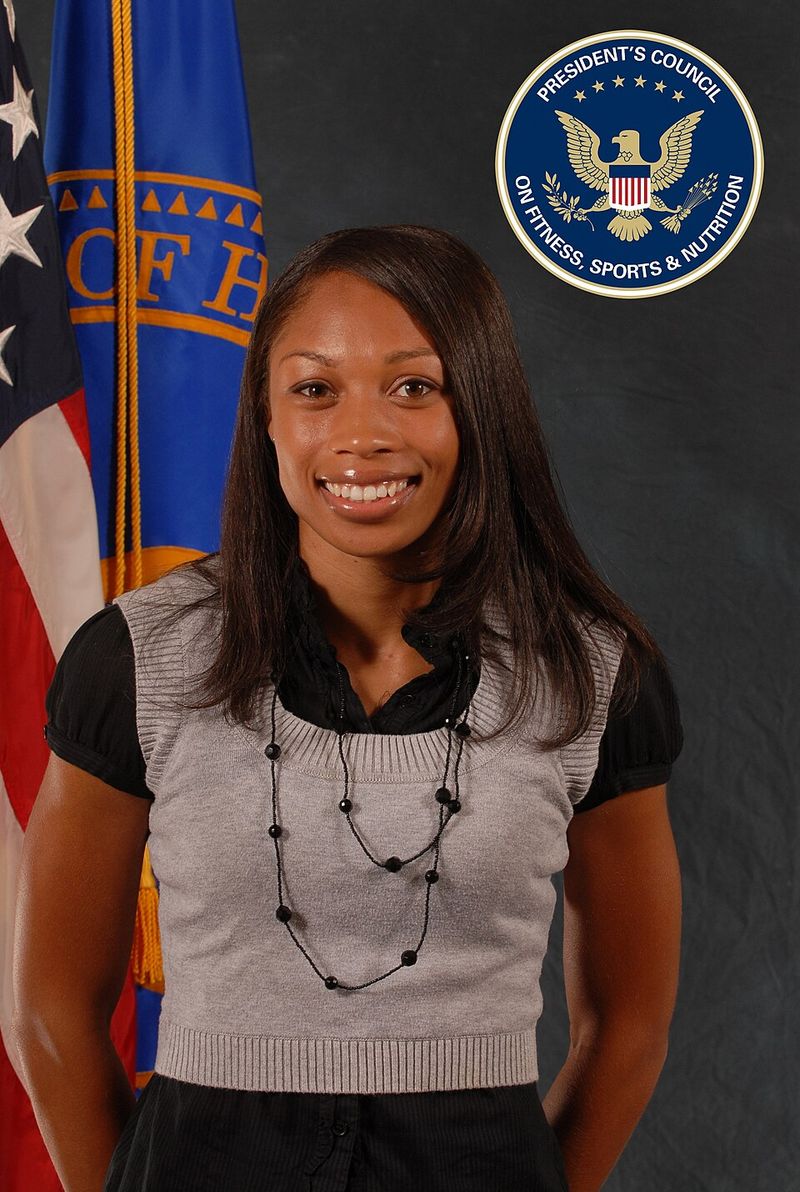
Eleven Olympic medals and seven of them gold: that is the record of Allyson Felix, the most decorated woman in U.S. track history.
She first won Olympic silver at age 18 in 2004. Over the next five Games, she earned medals in the 200 meters, 400 meters, and relays.
Her smooth running style and steady mindset helped her stay on top for nearly two decades.
Felix has also worked to improve support for athletes who are mothers. After a difficult pregnancy, she spoke up about fair treatment and helped change policies at major sponsors.
She later started a company making athletic shoes for women. Her impact reaches well beyond the finish line.
11. Jim Thorpe: Track and Field
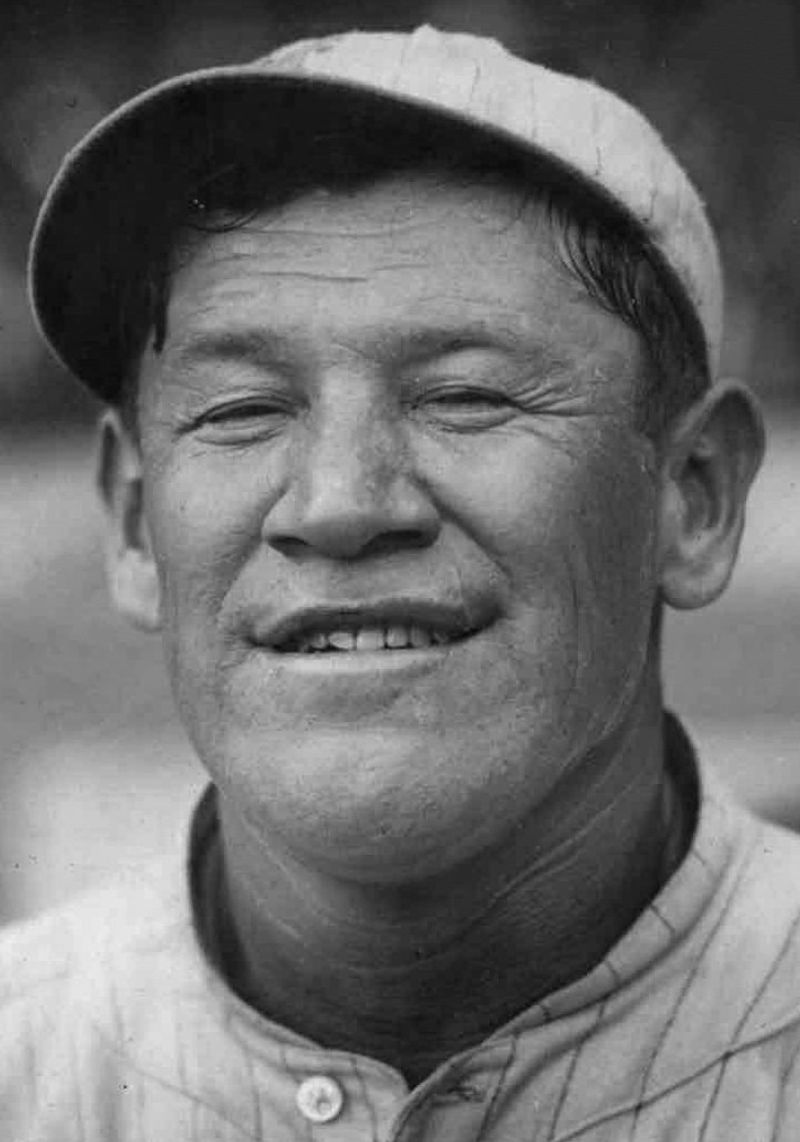
In 1912, the King of Sweden told Jim Thorpe, “You, sir, are the greatest athlete in the world.” Thorpe had just won gold in both the decathlon and the pentathlon at the Stockholm Olympics.
A member of the Sac and Fox Nation, Thorpe was a star in many sports. He later played professional football, baseball, and basketball.
Few athletes have shown such range.
In 1913, Olympic officials took away his medals because he had earlier been paid to play minor league baseball. The decision was widely viewed as unfair, and in 1983 the International Olympic Committee gave replicas to his family.
In 2022, his gold medal status was fully restored, honoring his place in history.
12. Mary Lou Retton: Gymnastics
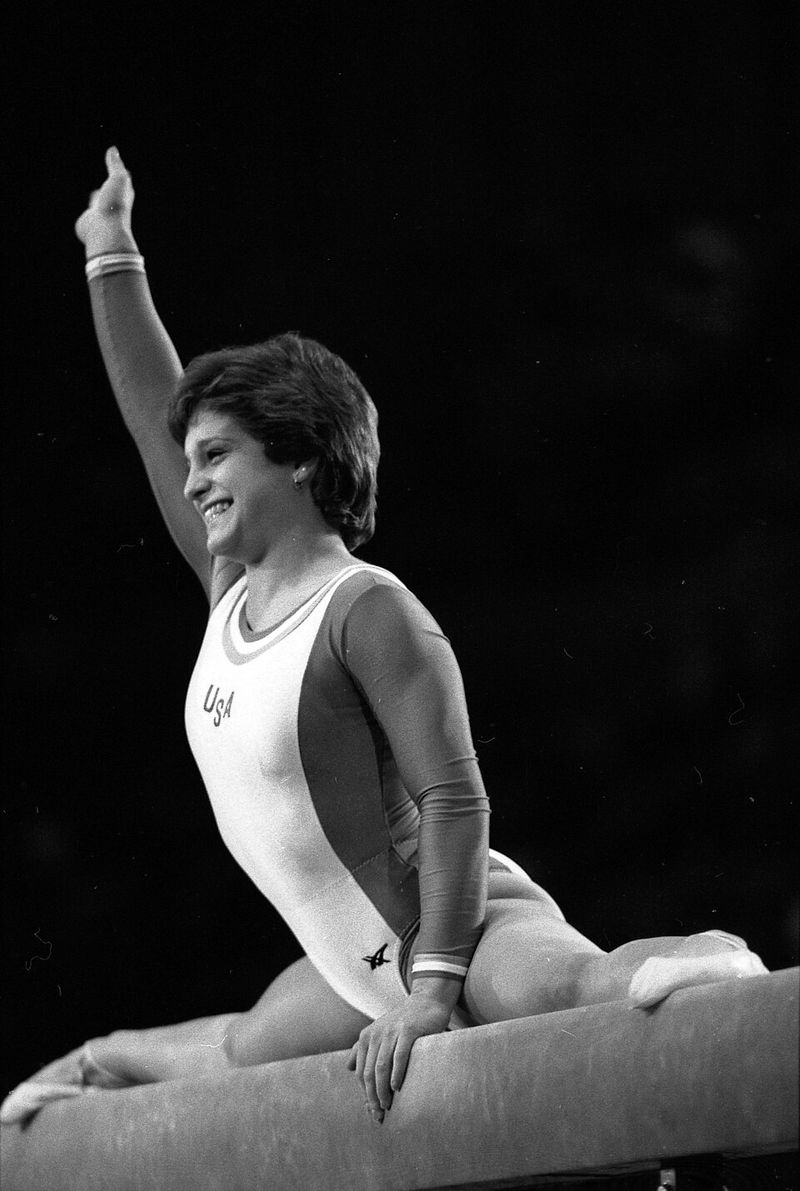
She needed a perfect 10 on the vault to win, and she got it. Mary Lou Retton stuck the landing and became a national sensation at the 1984 Los Angeles Games.
That night, at age 16, she became the first American woman to win the Olympic all-around gymnastics title. She also earned two silvers and two bronzes, for five medals in total.
Her bright smile and powerful tumbling made her a favorite with fans.
After the Games, Retton appeared on cereal boxes and in commercials, and she inspired a wave of girls to try gymnastics. Coaches often say her performance helped launch the sport into the American spotlight.
Many young gymnasts still cite her as their first hero.
13. Peggy Fleming: Figure Skating
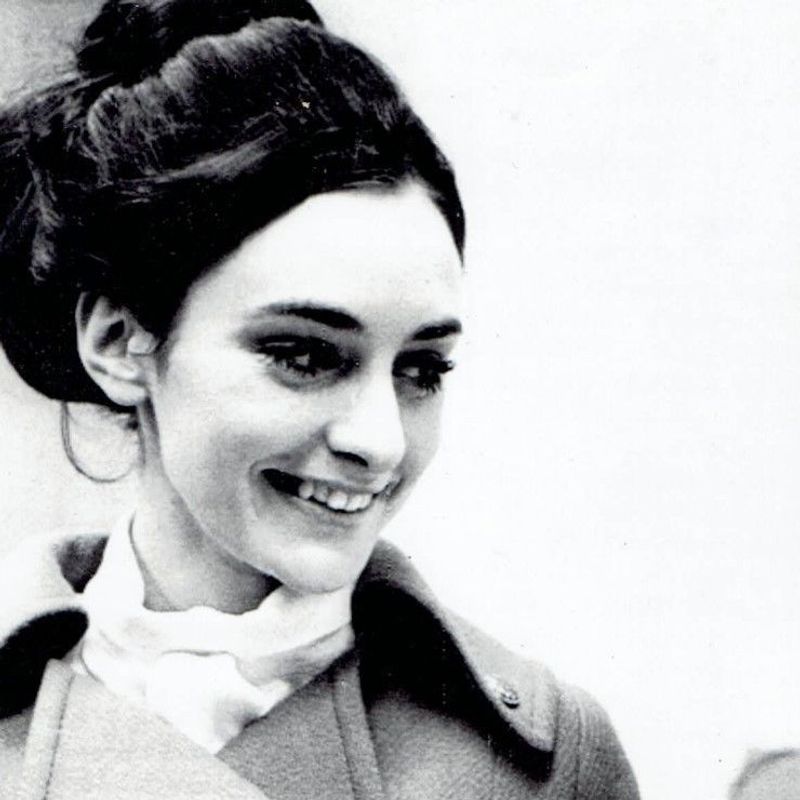
When the United States figure skating team died in a plane crash in 1961, the sport had to rebuild. Peggy Fleming, then 12, was one of the young skaters who carried it forward.
In 1968, she won the only U.S. gold medal at the Grenoble Winter Olympics. Her performance was graceful and elegant, and she skated in a pale green dress her mother had sewn.
Millions watched on television.
Fleming won three world titles and five national titles before turning professional. She later became a broadcaster and shared her experience with cancer to encourage early checkups.
Her gold medal helped restore American confidence in figure skating and inspired a generation of skaters.
14. Mia Hamm: Soccer

Before Mia Hamm, few young girls in America saw women playing professional-level soccer on TV. She helped change that.
Hamm won Olympic gold in 1996 and 2004, and a silver in 2000, with the U.S. women’s national team. She also won two World Cup titles.
By the time she retired, she had scored 158 international goals, then a world record for any player, male or female.
Her speed and tireless work made her a constant threat to defenders. She also helped grow the women’s game through her foundation and her public voice.
Many current stars say they started playing because of her example. Her influence continues to shape the sport.
15. Apolo Anton Ohno: Short Track Speed Skating

A crash on the final turn can turn a race upside down, and that is exactly what happened at the 2002 Salt Lake City Games. Apolo Anton Ohno slid across the finish line on his skates to take silver, then later won gold in the 1500 meters.
Short track speed skating is fast and crowded, with skaters jostling in tight corners. Ohno’s balance and quick thinking made him stand out.
He went on to win eight Olympic medals across three Winter Games, more than any other American Winter Olympian at the time.
Raised in Washington state by a single father, Ohno credited his dad for his work ethic. After retiring, he worked as a broadcaster and entrepreneur.
His career helped bring attention to a sport that many Americans were just learning about.
Share this story