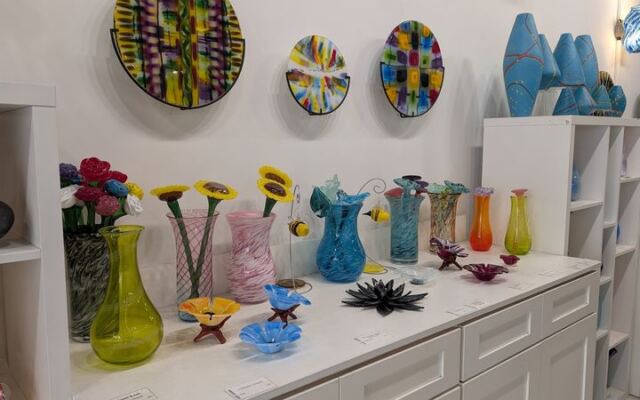
A small New Jersey storefront can turn an ordinary outing into a story you get to take home. Here, you choose a glass project, learn how it is made, and help create a piece that is yours.
The surprising part is how much there is to decide before the finished keepsake even exists. Keep reading for the projects people have made, what the guided experience involves, and the practical details that can help you plan a visit.
A glass studio on Cookman Avenue
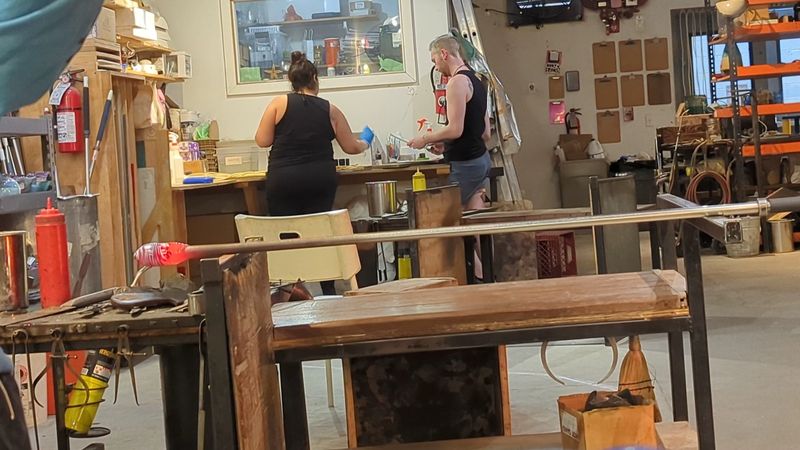
A keepsake begins with a fairly ordinary address: Hot Sand is at 550 Cookman Ave #103, Asbury Park, NJ 07712, in the United States. It is a glass studio where people can take part in making an object rather than simply choosing one from a shelf.
That distinction gives the outing its appeal, especially for New Jersey residents looking for something hands-on.
The Cookman Avenue location puts the activity in Asbury Park, but the reason to stop is the work inside. Accounts describe a store and workshop with finished glass pieces to browse alongside opportunities to make something of your own.
You can treat it as a focused creative outing, not just an errand for a souvenir.
Start with that simple expectation: this is a place for guided participation. The exact project and arrangement deserve a little planning, yet the central idea is easy to grasp.
You leave with a connection to how your keepsake was made.
A workshop with finished work to explore
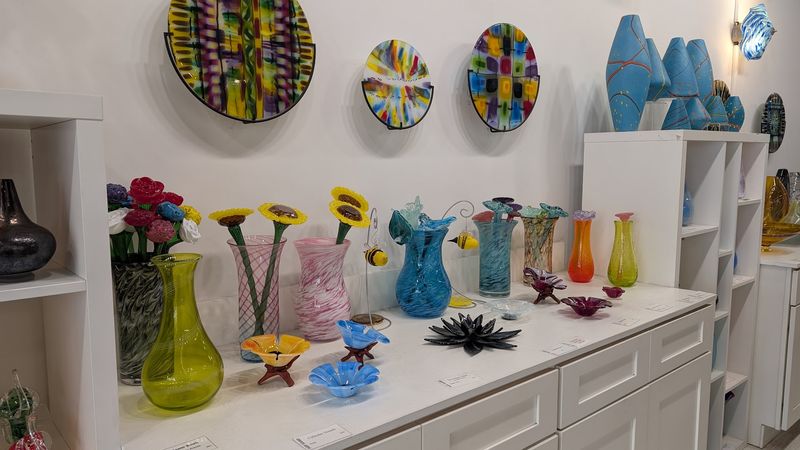
Not every creative stop asks you to make a decision right away. At Hot Sand, the store and workshop give you examples of what glass can become before you settle on a project.
People have described seeing finished pieces available for purchase, including jewelry, as well as the activity happening in the studio.
That combination makes the space useful even to someone who arrives unsure what to make. A vase suggests one kind of keepsake; a smaller ornament or heart suggests another.
Browsing also offers a way to appreciate the choices involved in each piece without pretending that every finished object is part of the same activity.
The supplied accounts do not establish when the studio opened or a larger origin story, so the most reliable story is the one happening now: a working place that connects handmade objects with the chance to participate. Its shelves and workshop point toward the question that makes the outing interesting.
What would you choose to create?
Guidance at the center of the experience
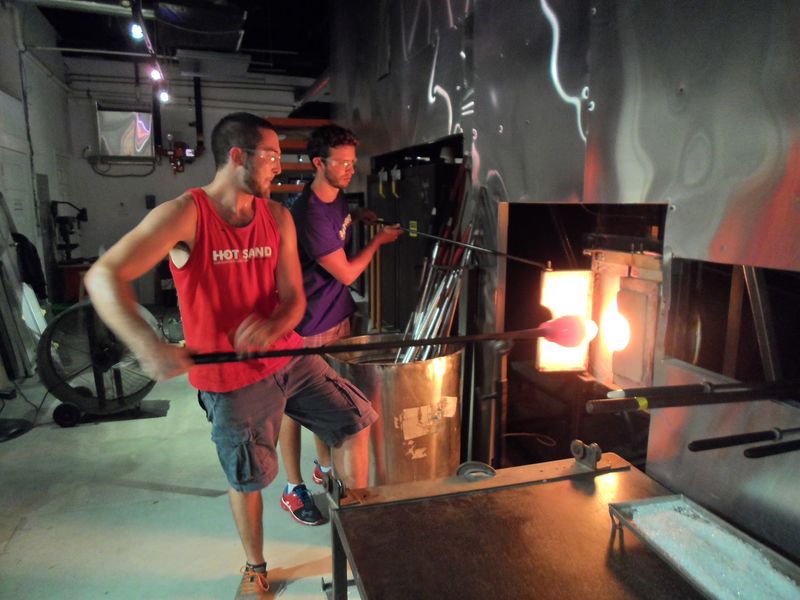
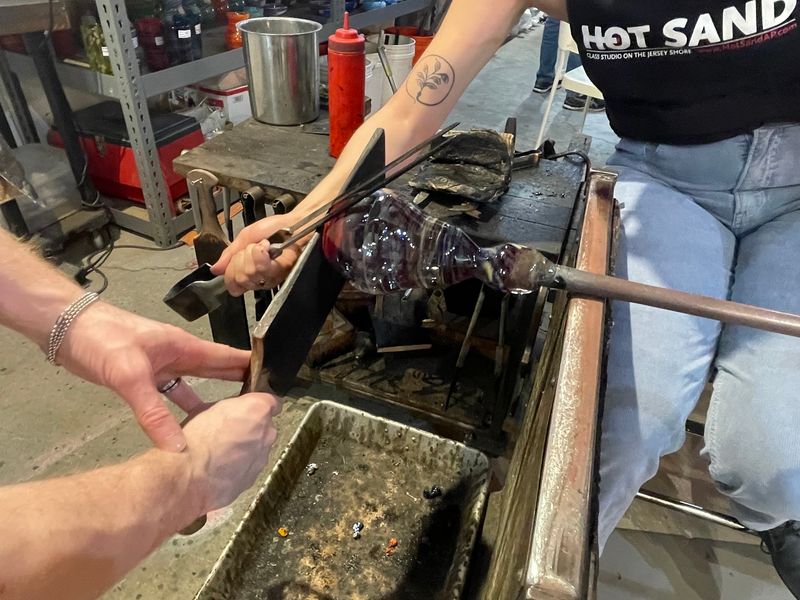
The reassuring detail for a beginner is that the project is guided. Accounts of glassmaking sessions repeatedly describe artists explaining each step, answering questions, and assisting as participants work.
One participant specifically noted that an artist handled the pipe, which mattered because using their hands was a concern.
That help does not remove the personal part of the activity. It lets someone take part while a skilled person manages the parts that call for professional handling.
Other accounts describe learning more about the process and gaining an appreciation for the knowledge behind the finished piece. The lesson is part of what makes the result meaningful.
Clear instructions also give curious people permission to ask basic questions. You do not need to arrive with a glassmaking vocabulary or pretend to know what happens next.
The strongest approach is to listen, follow the artist’s direction, and enjoy the unusual chance to contribute to an object you will later keep.
Personal choices in shape and color
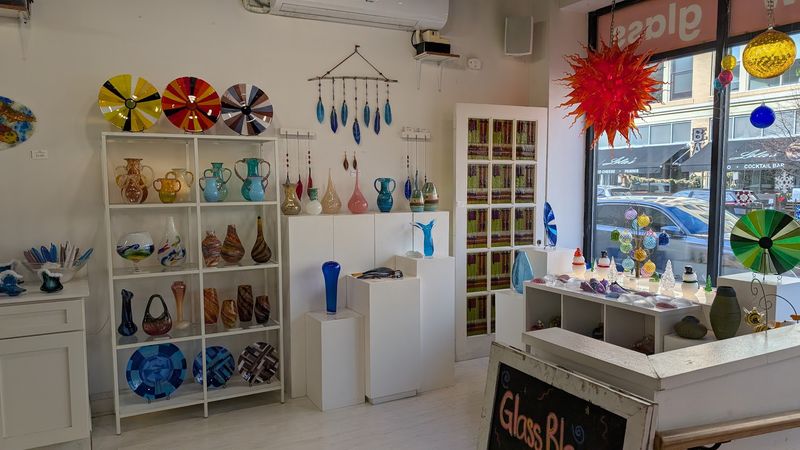
Before a finished piece has a place at home, it has to become someone’s idea. Participants describe choosing a design and colors for their projects, and that decision gives a guided session a distinctly personal direction.
You are not expected to master the entire craft to have a say in the result.
One person chose colors connected to a favorite sports team for a tumbler. Another described being excited by a vase during its creation, then appreciating how its colors appeared in the finished piece.
Those examples show why the choices matter without promising that every project offers identical options. The available designs and color combinations are worth checking when you arrange your activity.
A good keepsake does not have to carry a grand message. It can mark a birthday, recall an afternoon with someone else, or simply reflect a choice you enjoyed making.
At Hot Sand, that small moment of authorship is part of the experience you take away.
A vase made with expert help
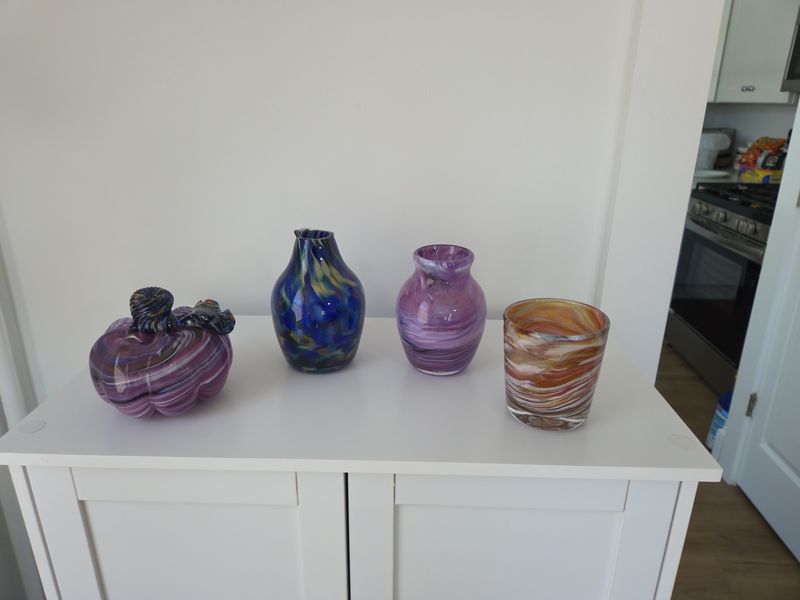
A vase is one of the projects people specifically describe making at Hot Sand. It offers a practical reason to think about form as well as color: the finished object is something the maker can bring home and keep.
Accounts also describe participants watching others make vases, so the project can hold attention even before it is your turn.
The artist’s role remains important. A guided glassmaking activity is not the same as being handed materials and left to figure everything out.
Participants describe receiving directions throughout the process, which makes the project approachable for someone whose experience begins that day.
There is also a useful lesson in patience here. A person who made a vase described having the finished piece delivered later, rather than carrying it away immediately.
If a vase is the project that interests you, ask about its current availability and how you will receive it. The answer helps turn a creative plan into a practical one.
Small projects with plenty of character
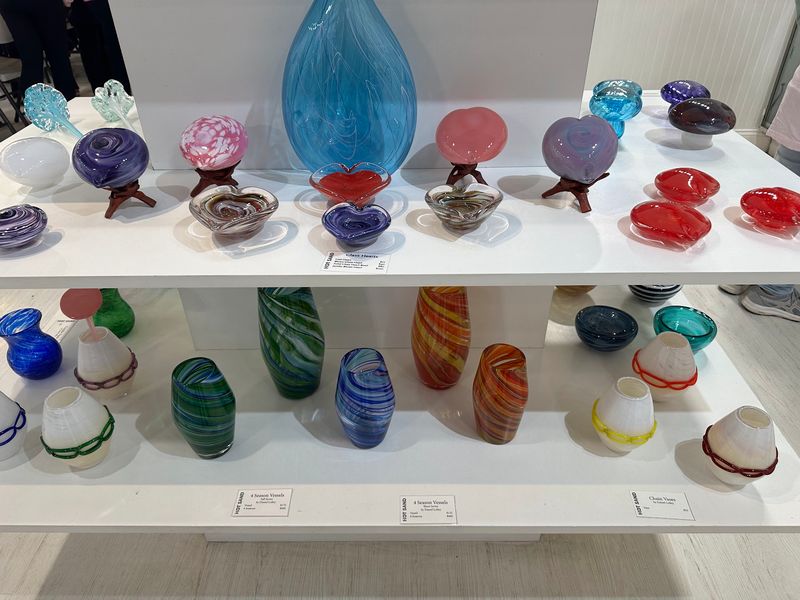
Big ambitions are not required for a memorable project. Groups at Hot Sand have described making hearts and ornaments, while other participants have made paperweights, an egg, a candy bowl, and a small dish.
Those examples show how differently a glass keepsake can fit into someone’s life.
A paperweight can sit on a desk. An ornament can be brought out again on another occasion.
A heart may make sense as a gift, while a bowl or dish offers a different kind of personal object. These are examples from people’s experiences, not a promise that every option will be offered on every visit, so ask what can be made when you book.
The range also gives a group room to be a group without choosing identical projects. In one account, four people made three different kinds of objects during a scheduled experience.
That is a pleasant twist on a shared outing: everyone takes part in the same activity, but each person has a different result to anticipate.
A pet’s paw in glass
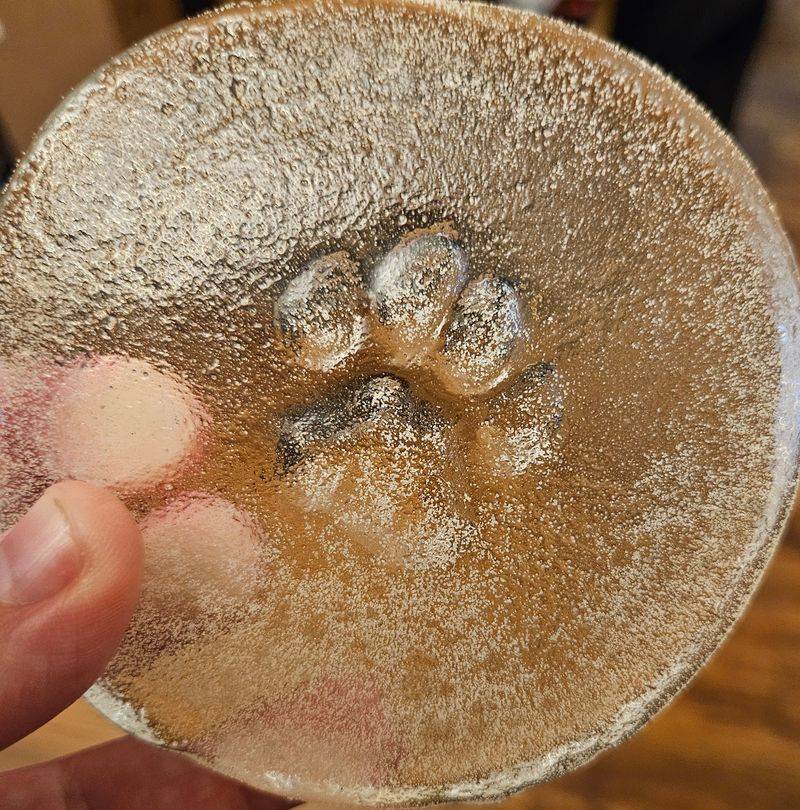
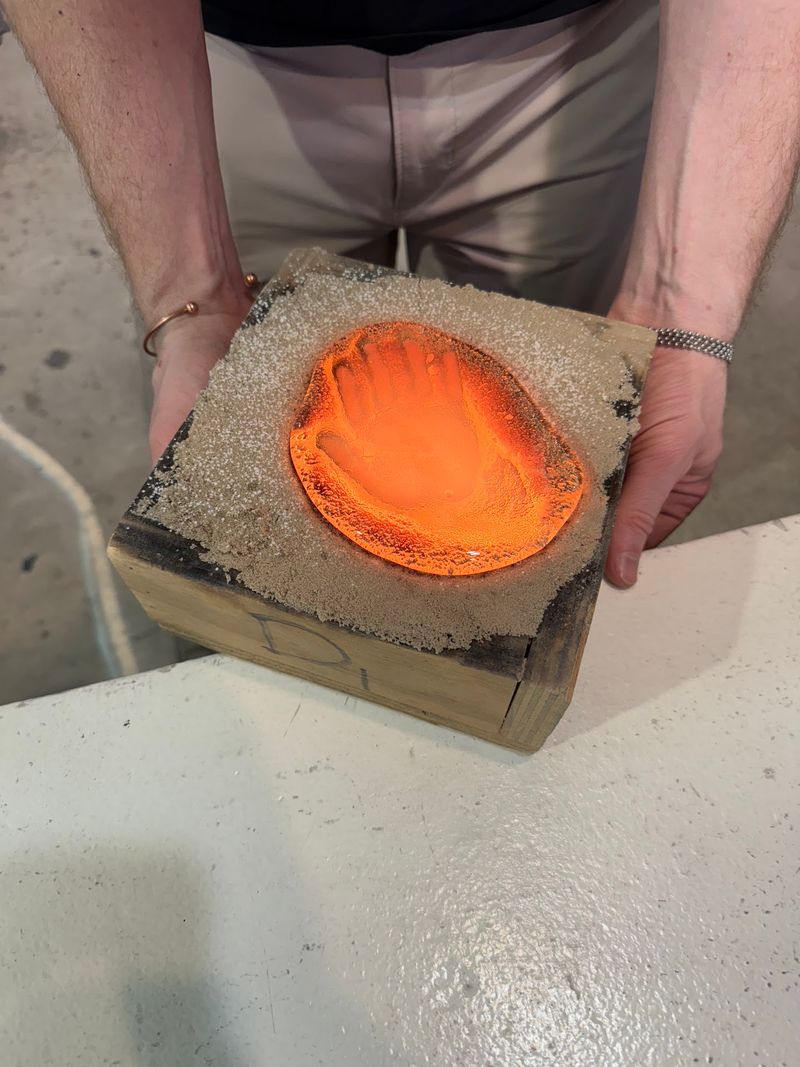
Some keepsakes begin with a companion rather than a glassmaking session. Accounts describe Hot Sand’s pet paw impression work, including an in-person visit where a mold was made and a finished glass paw was delivered later.
There is also a Hot Paws kit that can be shipped for making an impression at home.
One kit recipient described receiving instructions, a tin containing impression material, and a return package. After sending the impression back, they received the glass piece along with the original impression.
That is one person’s account of the kit process, so anyone ordering should check the current instructions and fulfillment details directly.
The appeal is wonderfully specific: a familiar paw becomes the pattern for a handmade object. It is also a different activity from a guided glassblowing project, which matters when deciding what kind of visit or order you want.
For pet households, the choice adds another thoughtful route to a personal keepsake.
Handprints made together
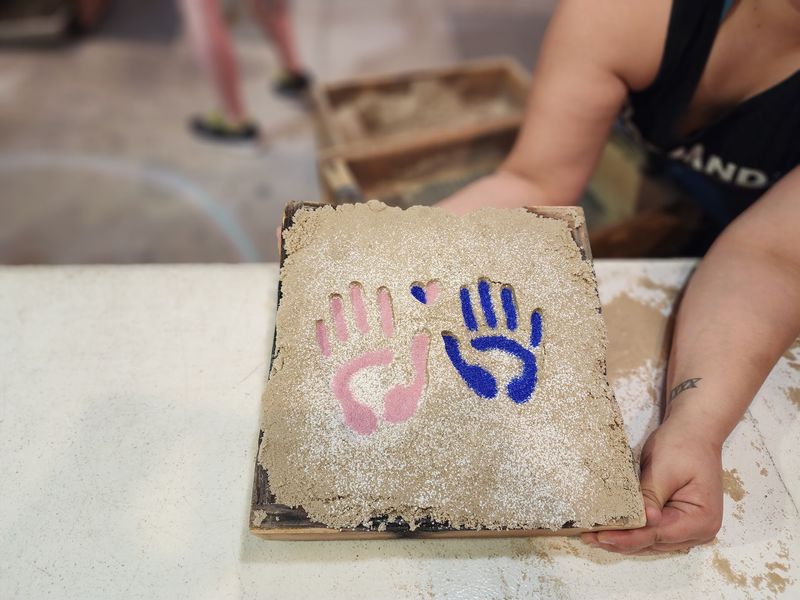
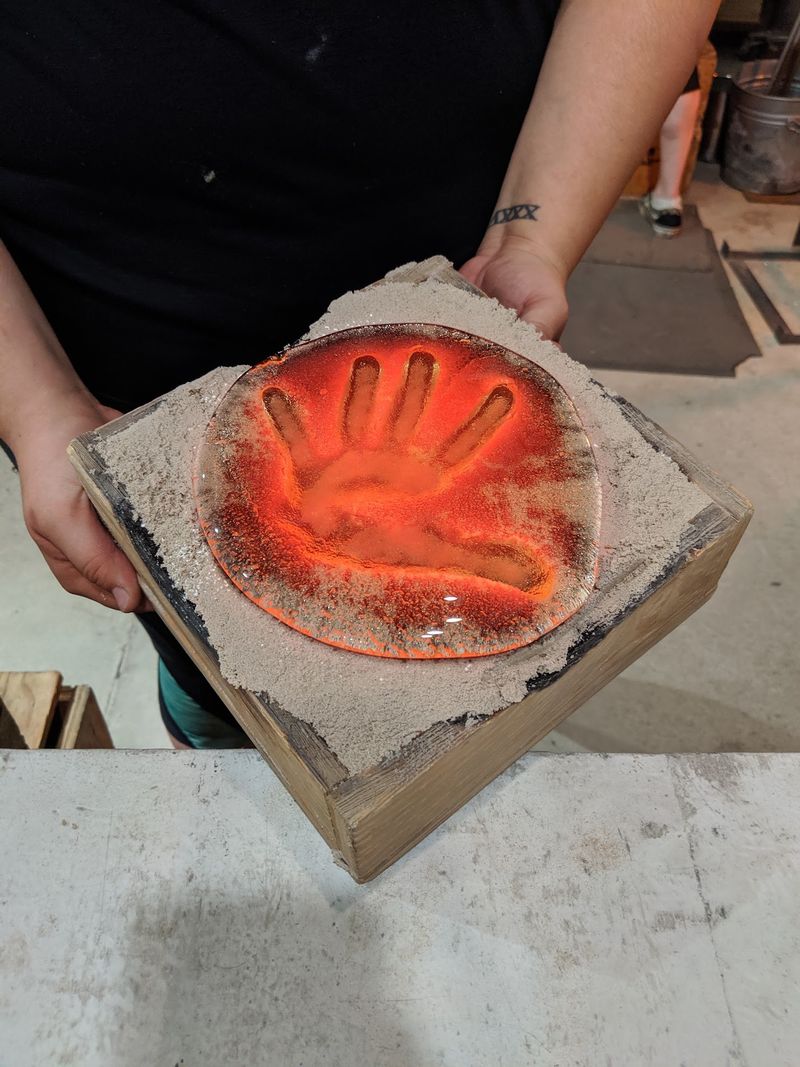
A family project can be as individual as a handprint. One account of a visit to Hot Sand describes making handprints as well as pet paw prints.
The participants said the process was explained step by step and that questions were answered along the way.
That detail matters because a handprint project has a different appeal from choosing the shape of a vase or ornament. The mark itself is personal.
It connects the finished object to a particular person and a particular outing, without requiring anyone to arrive with an elaborate design in mind.
Families considering this option should ask the studio what handprint projects are currently available and how the impression process works. The supplied information establishes that people have made them, but it does not give a full menu or a guaranteed turnaround time.
A quick conversation beforehand can set the right expectations. The lasting part is simple: the activity gives an ordinary family day a record that belongs to the people who took part.
Room for different kinds of makers
Creative outings can put people on uneven footing: one person is eager to try everything, while another worries about keeping up. Accounts from Hot Sand suggest the guidance can help bridge that gap.
A group spanning teenagers and adults made different projects during one scheduled glassmaking experience, and another family reported that children from ages 7 to 18 enjoyed their time there.
Accessibility deserves more care than a broad promise. One participant with concerns about hand function described receiving help with the pipe.
Another account describes staff using demonstrations to help a deaf guest and her companion follow the activity. These are specific reported experiences, not a guarantee that every need can be met in the same way.
If someone in your group would benefit from an adjustment, contact the studio before booking and describe what would help. That conversation gives the artists a chance to explain the current options.
A welcoming activity starts with practical questions, not assumptions about what anyone can do.
A creative outing for one or several
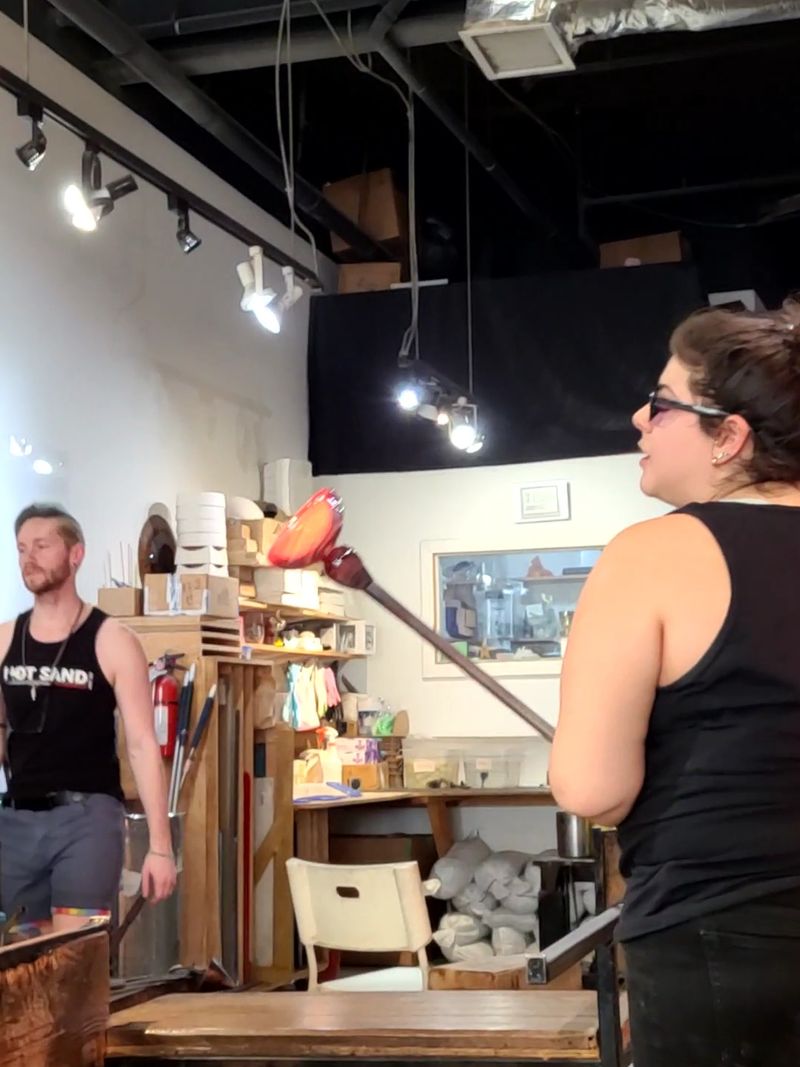
A glass project does not need a special occasion, although it can make one more memorable. Accounts mention birthday outings, a family trip, a date, a group of friends, and a solo activity.
The common thread is participation: everyone has something to choose, learn, and eventually take home.
Groups can enjoy comparing projects without making the same object. A solo participant can focus on the instructions and their own choices.
Gift certificates have also been used for a glassmaking experience, offering another way to plan an outing, though current terms should be confirmed with the studio.
The atmosphere described by participants is friendly and informative, with staff answering questions during the activity. That is useful context for someone who is interested but not especially crafty.
There is no need to turn the visit into a test of talent. A guided project gives the occasion a clear purpose, and the finished piece provides something concrete to remember it by.
The company, if you bring any, is your choice.
A little planning before the project
The schedule is refreshingly straightforward in the supplied listing: Hot Sand is listed as open from 10 AM to 6 PM every day of the week. Hours can change, so confirm them before traveling, particularly if you have a specific project in mind.
The studio’s website is listed as hotsandap.com.
Booking ahead is the safer plan for a guided activity. Some people describe scheduled sessions, and one person received help arranging a reservation.
Another account mentions being accommodated without an appointment, but that does not establish walk-in availability for a future visit. Ask about the project, the time needed, and any requirements before you set out.
No current prices are provided in the supplied information, so a cost estimate would be guesswork. Check the studio’s current rates directly, along with payment and collection arrangements.
Asbury Park and the Cookman Avenue address give you the essential destination details; confirming the rest keeps the day’s focus where it belongs, on making something.
The keepsake after the outing
The final part of a glassmaking visit may happen after you have gone home. Several accounts describe waiting about a week before collecting a finished project; others mention having pieces delivered or shipped.
One person reported a guided activity lasting a bit over half an hour, but project times and completion arrangements can vary. Ask about both when you make plans.
That delay is worth understanding in advance. A same-day outing can still have a later finish, and a return trip or delivery may be part of the plan.
Confirm how the studio currently handles your chosen piece rather than counting on a particular collection date.
Hot Sand’s strongest appeal is not that every maker leaves with expert skills. It is the chance to choose a project, follow an artist’s guidance, and later recognize your decisions in a finished object.
For a New Jersey outing with something personal at the end of it, that is a satisfying reason to make the trip.
Share this story