Europe is packed with famous rivers, but some of the best water trips happen far from the big tourist crowds. From turquoise mountain streams in Slovenia to slow forest paddles in Estonia, these rivers offer rafting, kayaking, hiking, and plenty of scenery without the long lines.
Some run through national parks, some pass old stone bridges, and some bend in shapes that look unreal from above. Others are quiet enough that a canoe trip feels like a private escape.
This list covers twenty rivers across the continent, each with a clear reason to earn a place on your travel wish list. Save it for your next trip, and send it to the friend who always says they want something different.
Soča River, Slovenia
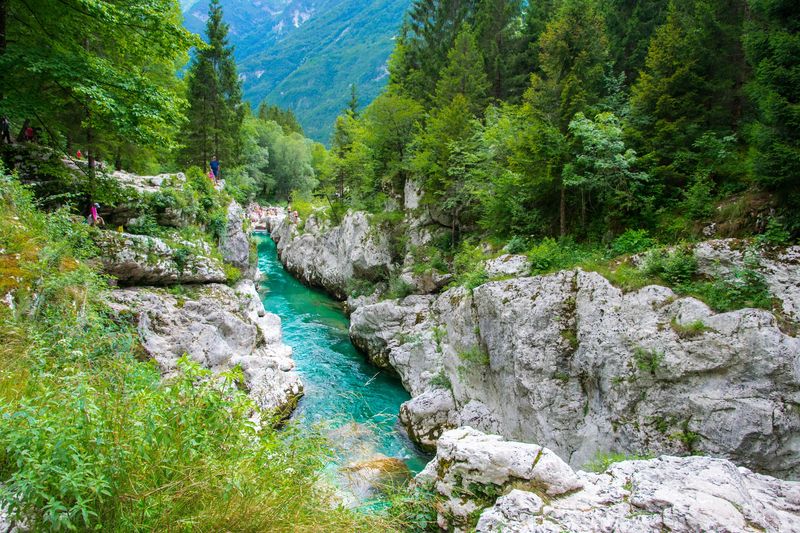
Few rivers have a color this bold. The Soča starts in Slovenia’s Julian Alps and runs through forested mountains, rocky gorges, waterfalls, and bright emerald pools before it crosses into Italy.
Bovec, Kobarid, and Tolmin work well as bases, since each puts you close to the water and the trails. Rafting and kayaking are signature activities in the valley, and Slovenia’s tourism organization also promotes guided canyoning and hiking experiences.
If you would rather stay dry, walking and cycling routes follow the riverbank. That makes the valley a good choice for groups where not everyone wants to paddle.
I would plan at least a couple of days here, so you can mix one active outing with a slower walk beside the water. The valley rewards people who give it time, and the river stays in view almost everywhere you go.
It also pairs well with a trip through the wider Julian Alps region, which has plenty of mountain scenery to fill extra days.
Tara River, Montenegro
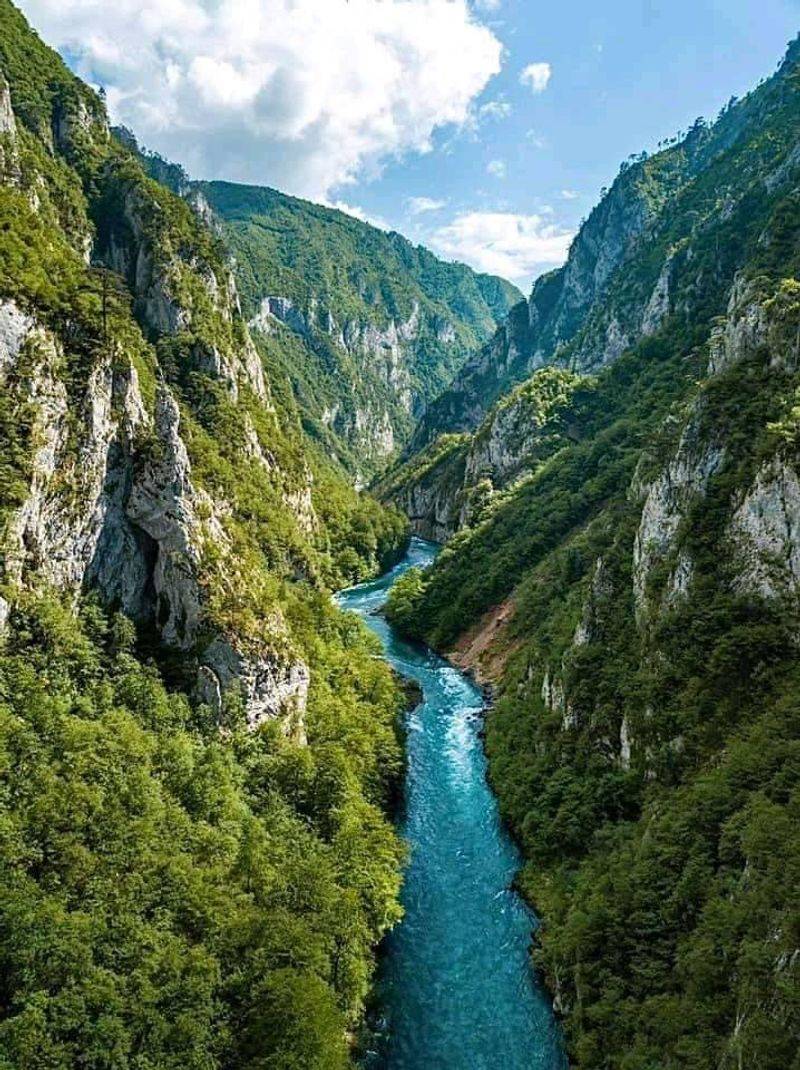
Standing on the Đurđevića Tara Bridge, you get an easy first look at one of Europe’s deepest river landscapes. The Tara flows through Durmitor National Park and the huge Tara Canyon, framed by limestone cliffs, dense forest, and waterfalls.
The bridge is a simple viewpoint, but the classic way to see the canyon is from the water. Montenegro’s tourism authority lists the rafting season as roughly April through October, so timing your trip matters.
Rafting is not the only draw. Kayaking, hiking, fly fishing, and ziplining above the canyon all give travelers more reasons to stay a while.
Plan for a full day if you book a rafting tour, and check conditions with the operator before you go. Water levels shift through the season, and local guides can tell you which stretch fits your skill level.
Pack a dry change of clothes and sturdy shoes for the riverbank.
Vjosa River, Albania
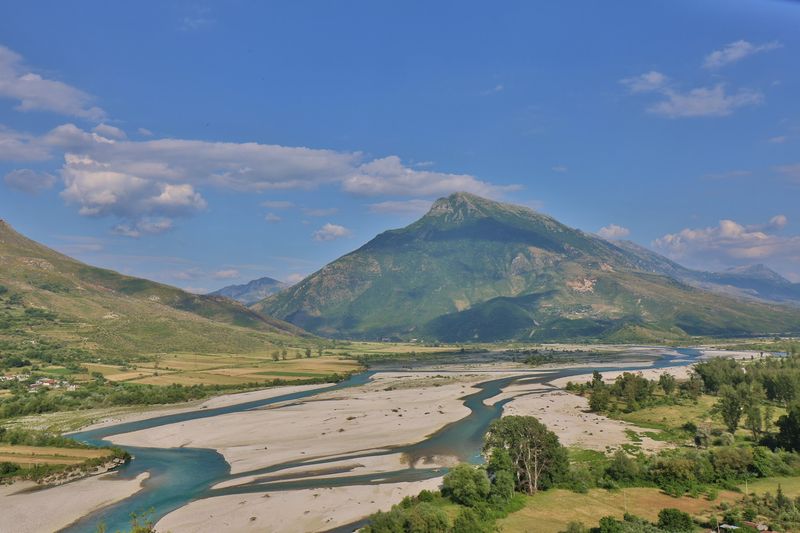
Dams chop up most European rivers, which is exactly why the Vjosa stands out. It flows from Greece through southern Albania to the Adriatic and remains largely free-flowing.
Albania created the Wild Vjosa River National Park in 2023 to protect the main river and its surrounding ecosystems. That status makes a visit feel meaningful, not just scenic.
The valley near Përmet is a great place to start. Mountains, gravel bars, traditional communities, and clear water all come together there.
Albania’s official tourism portal highlights rafting, kayaking, hiking, nature exploration, and ecotourism as ways to experience the river. Pick a guided outing if you are new to river travel, and give yourself time to wander the riverbanks.
The pace here is relaxed, and the landscape is the main event. Travelers who like open space and low crowds will find plenty to enjoy.
Voidomatis River, Greece
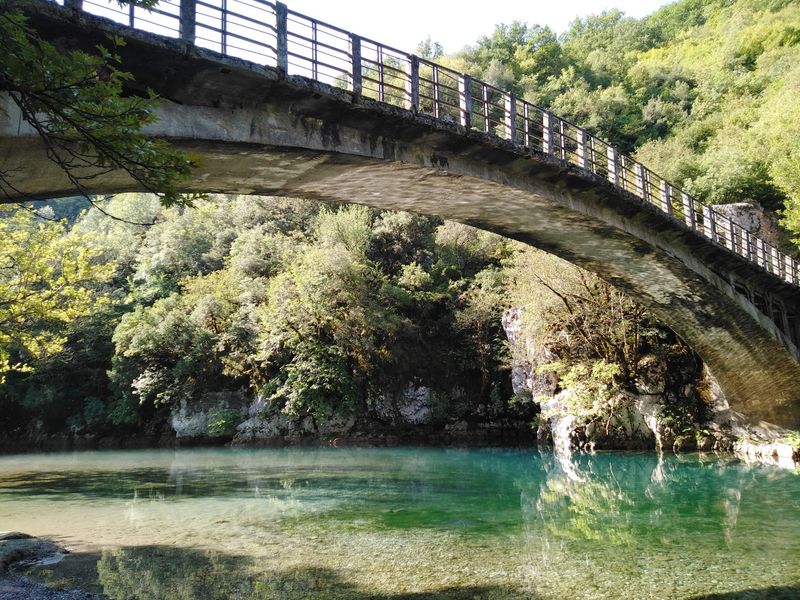
Greece does not always mean sun-baked islands. In the mountainous Zagori region of the northwest, the Voidomatis looks much more like an Alpine river.
Its clear, cold water runs through Vikos-Aoos National Park, passing plane trees, limestone cliffs, and historic stone bridges.
One of the most popular excursions begins around Aristi Bridge and follows a gentle rafting route that suits many beginners. Greece’s national tourism organization promotes rafting and kayaking along a section of about five kilometers, which eventually passes beneath the graceful Klidonia stone bridge.
Because the trip is short and mellow, it fits easily into a day of exploring the villages of Zagori. Bring a light jacket, since the water and mountain air can run cool even in warm months.
It is a good pick for families and first-time rafters.
Paiva River, Portugal
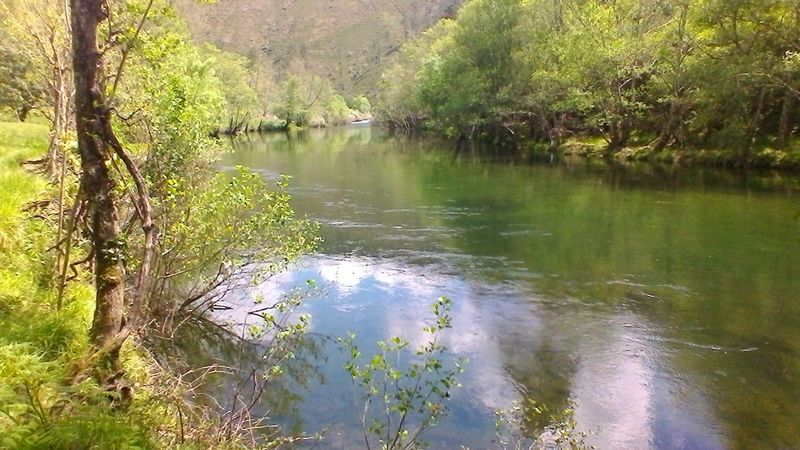
Portugal is not only beaches and old cities. In the Arouca UNESCO Global Geopark, the Paiva snakes between steep rocky slopes and forested countryside.
The big attraction is the Passadiços do Paiva, an approximately eight-kilometer wooden walkway along the riverbank between Areinho and Espiunca. Along the route, hikers pass river beaches, geological formations, and waterfalls.
Nearby, the 516 Arouca suspension bridge crosses high above the river and adds a dramatic second view. Portugal’s official tourism organization promotes both attractions.
Advance tickets are recommended for the walkways, so book ahead rather than hoping for a walk-up spot, especially on busy days. Wear good walking shoes, bring water, and leave enough time to stop at the river beaches.
A full morning or afternoon suits the walk well.
Zrmanja River, Croatia
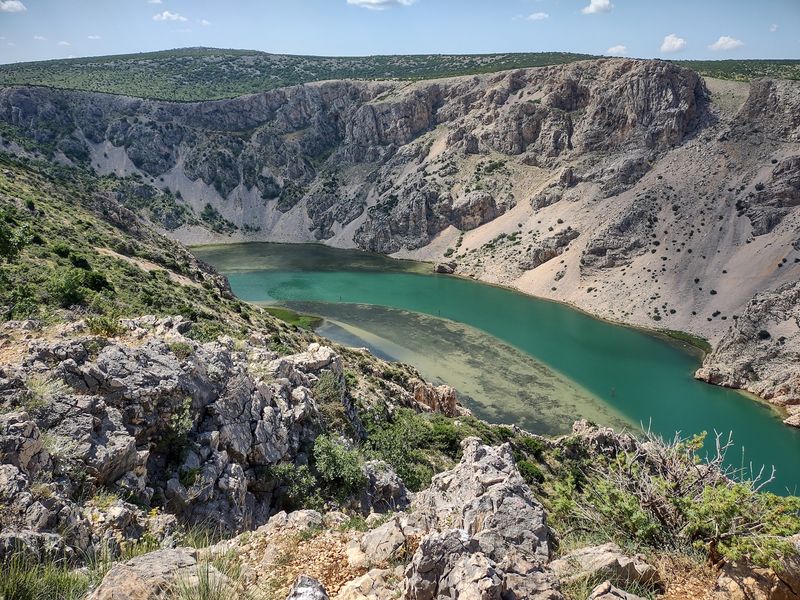
While crowds race toward Croatia’s islands, the Zrmanja quietly cuts a limestone canyon beneath the Velebit mountains.
Clear water, travertine waterfalls, rocky cliffs, and narrow passages make it one of the country’s most rewarding rivers for outdoor adventures. In places the canyon reaches roughly 200 meters deep.
Croatian tourism information highlights rafting in the upper reaches when water levels are higher. During lower-water summer conditions, organized kayaking or canoeing is the better fit.
That seasonal split is useful to know before booking. Ask your operator what the river is doing that week, and choose your activity to match.
The river eventually meets the sea near Novigrad, so a trip inland can pair neatly with a coastal stay.
Cetina River, Croatia
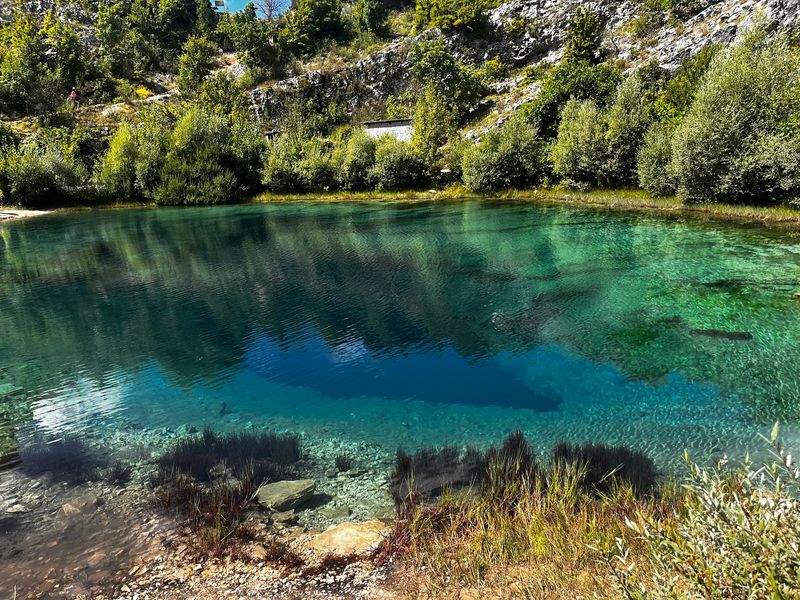
Just inland from the busy Adriatic coast around Omiš, the Cetina slips away through rugged cliffs and surprisingly green scenery.
The canyon shows a different side of Dalmatia. Rocky gorges, waterfalls, pools, and forest line sections of the river.
Rafting is the classic excursion, while canyoning and ziplining have also become established activities in the area. Croatian tourism materials continue to highlight the Cetina Canyon near Omiš and Zadvarje as an adventure destination, with cliffs rising dramatically above the water.
This makes a smart break from beach days. You can spend the morning on the river and still be back by the sea in time for the afternoon.
Pack water shoes and a change of clothes, since most activities here involve getting wet.
Neretva River, Bosnia and Herzegovina
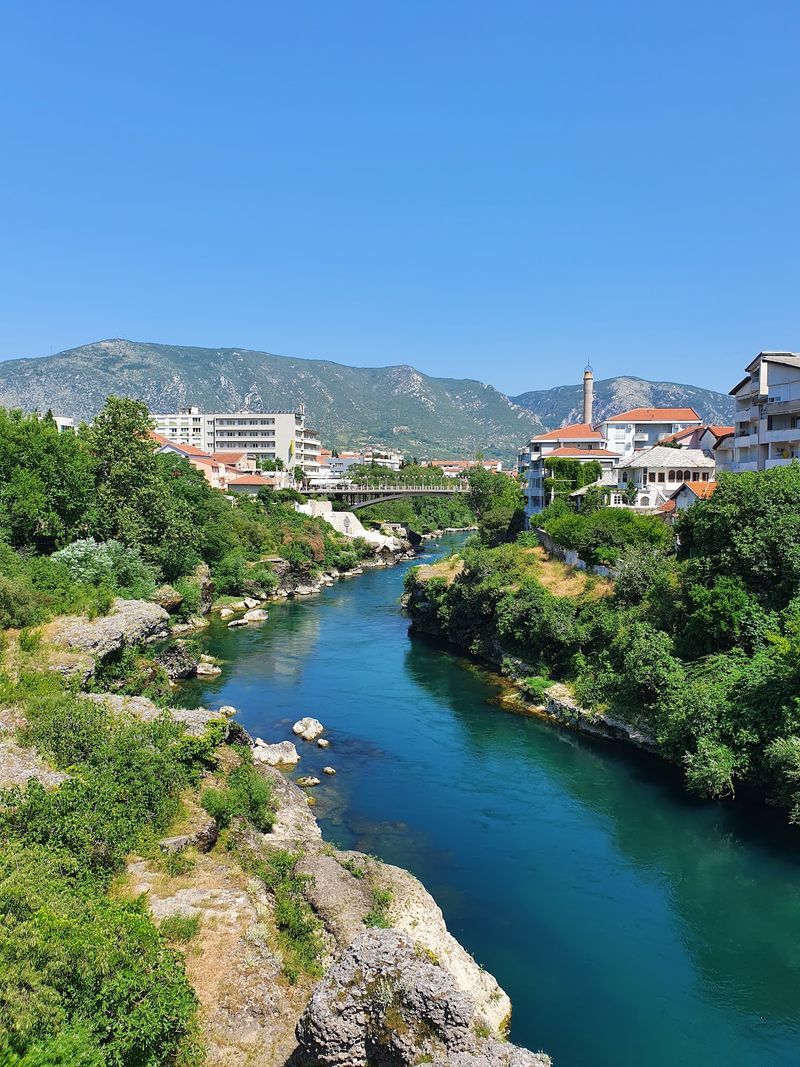
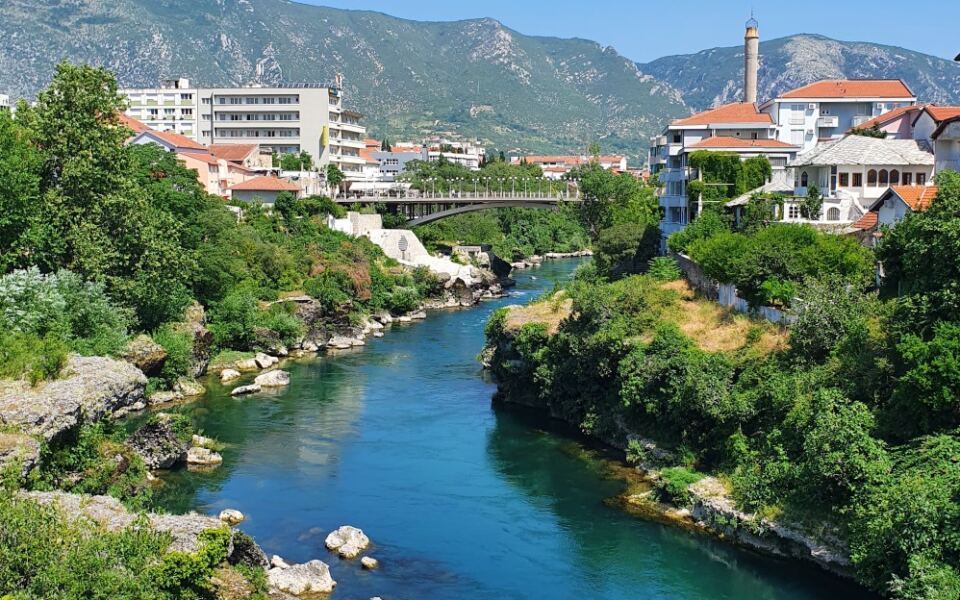
Locals know the Neretva well, yet many international travelers still skip it. Its intensely green water runs through dramatic mountain landscapes before passing through Konjic and Mostar and reaching the Adriatic.
Around Konjic, rafting trips explore a wild stretch upstream, through a canyon hidden from roads and settlements.
Bosnia and Herzegovina’s tourism portal reported the rafting season operating in 2025. It describes a route of roughly 23 kilometers, with around 16 kilometers passing through largely undeveloped canyon scenery.
That long, quiet stretch is the main reason to book a trip here. Choose a licensed operator, confirm the season dates before you travel, and consider pairing the river with a visit to Mostar for a full Bosnia and Herzegovina itinerary.
Una River, Bosnia and Herzegovina
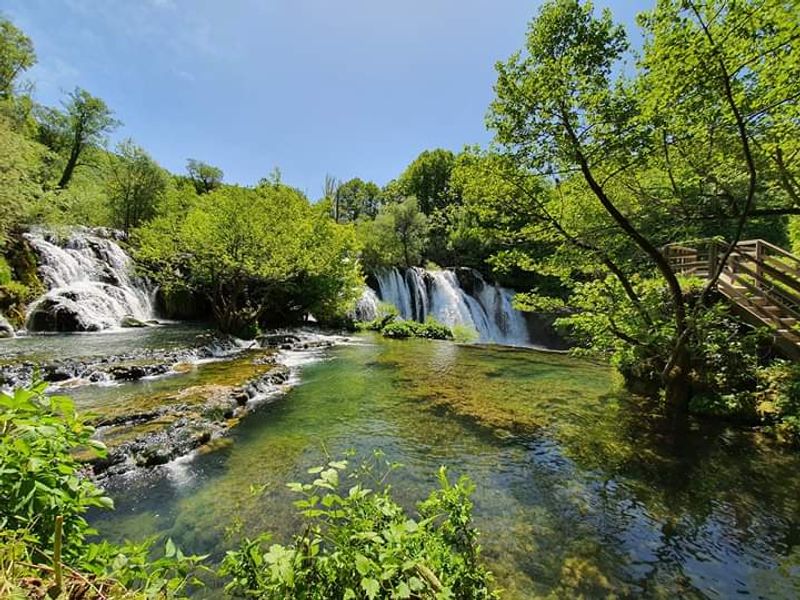
Waterfalls and emerald water rarely team up as nicely as they do on the Una. Much of its upper course flows through or beside Una National Park, where forests, islands, rapids, and travertine formations shape the scenery.
Štrbački Buk and the waterfalls around Martin Brod are among the standout sights.
Rafting is deeply established here, and boat trips, kayaking, and hiking give other ways to enjoy the area. The annual Una Regatta also brings visitors onto the water.
Bosnia and Herzegovina’s tourism authorities continue to feature the Una among the country’s major rafting destinations. Plan a stop at one of the waterfalls on foot, then save the river outing for a separate part of your day.
Uvac River, Serbia
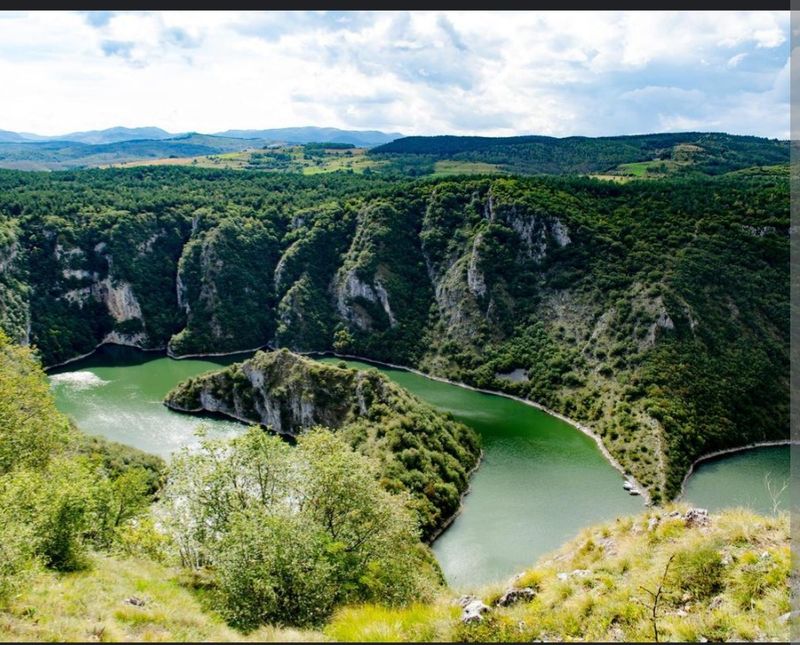
From a high viewpoint, the Uvac looks like a ribbon folded back on itself again and again. Enormous horseshoe-shaped meanders twist through the hills of southwestern Serbia.
Boat and kayak trips give a completely different perspective from below, where cliffs tower overhead and caves open along the shoreline.
The Special Nature Reserve is also one of Serbia’s important habitats for griffon vultures, so bring binoculars if you have them.
Serbia’s official tourism organization recommends experiencing the gorge by boat or kayak. It also notes that guided access requirements apply within protected areas, so book through an authorized guide instead of heading out on your own.
A viewpoint stop and a water trip together give the fullest picture.
Drina River, Serbia and Bosnia and Herzegovina
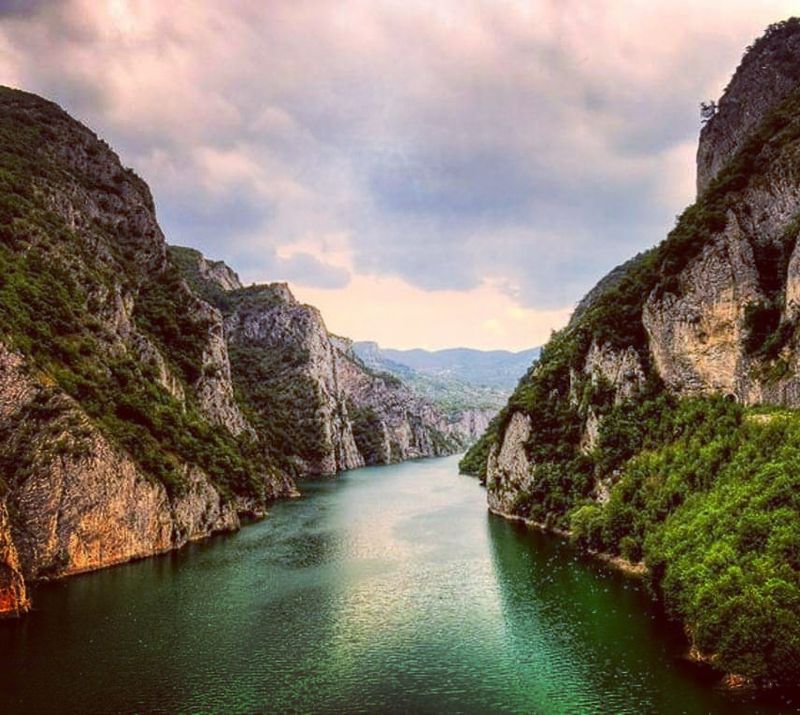
Along much of the border between Serbia and Bosnia and Herzegovina, the Drina blends mountain scenery, deep canyon sections, lakes, and historic towns.
Some parts are fast enough for whitewater rafting. Calmer sections suit slow boat and raft trips.
The annual Drina Regatta draws thousands of participants, which makes for a lively scene. Visits outside major events, though, reveal a much more peaceful river.
Serbia’s official tourism organization lists organized sailing and rafting opportunities through the Drina’s canyon landscapes. Decide whether you want the party atmosphere of regatta time or the calm of a quiet weekday, then plan around that choice.
Either way, local operators can help you pick the right stretch.
Oulanka River, Finland
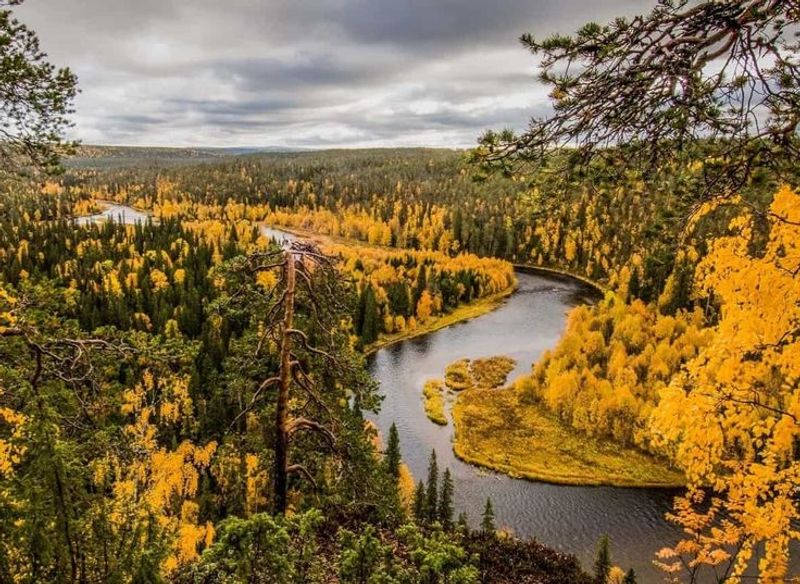
Northern Finland offers a river escape unlike anything in southern Europe. The Oulanka flows through Oulanka National Park near Kuusamo, framed by pine forests, sandy banks, and cliffs.
The wilderness seems to stretch in every direction. Calm stretches mixed with rapids make the river especially good for canoeing.
Visit Finland lists both guided and self-guided canoe trips operating during the summer and early autumn season.
Even if you never get into a boat, the area still pays off. Nearby hiking routes and the dramatic Kiutaköngäs rapids give you plenty to see on foot.
Pack layers, since northern weather can change quickly, and check trail conditions before setting out.
Ahja River, Estonia
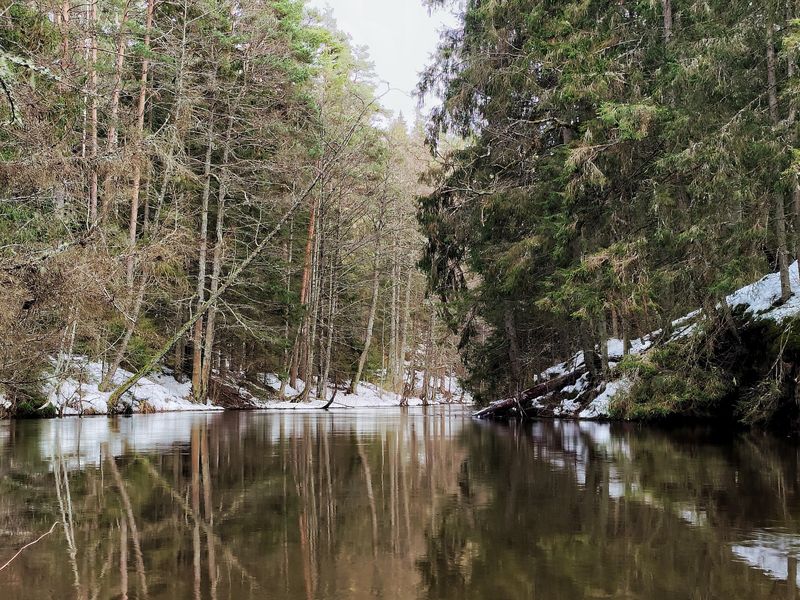
Slow adventures suit the Ahja River in southern Estonia perfectly. Around Taevaskoda, the water passes beneath dramatic sandstone cliffs and through heavily wooded countryside.
Canoes and kayaks are the easiest way to appreciate the scenery. Routes range from short outings to multi-day trips, so you can choose a pace that fits your schedule.
Estonia’s official tourism portal lists operators offering trips from spring through autumn. It also describes more than 40 sandstone outcrops along sections of the Ahja valley.
That number gives the river real variety, with new rock faces appearing around many bends. Book a rental in advance during summer weekends, and bring a waterproof bag for your phone and snacks.
Gauja River, Latvia
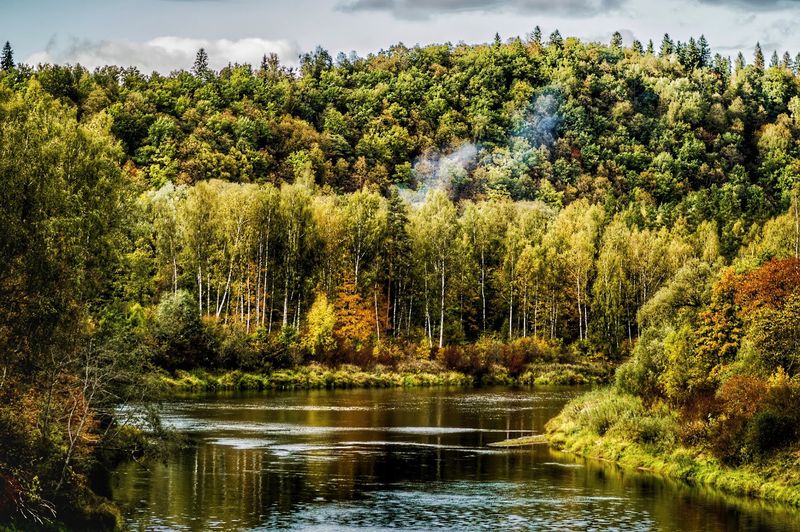
Sandstone cliffs, caves, and castles all share space along the Gauja. The river curves through one of Latvia’s most scenic regions, particularly within Gauja National Park.
Dense woodland and quiet riverside camping areas make it a good fit for a slow-paced outdoor trip.
Visitors can spend anything from a few hours to several days paddling. Latvia’s official tourism portal describes routes between Valmiera and Murjāņi that range from five-hour excursions to four-day journeys.
Rest areas and guesthouses are available along the river, which makes planning a longer trip easier. Start with a shorter outing if you are new to paddling, then extend your route if you enjoy it.
Suir River, Ireland
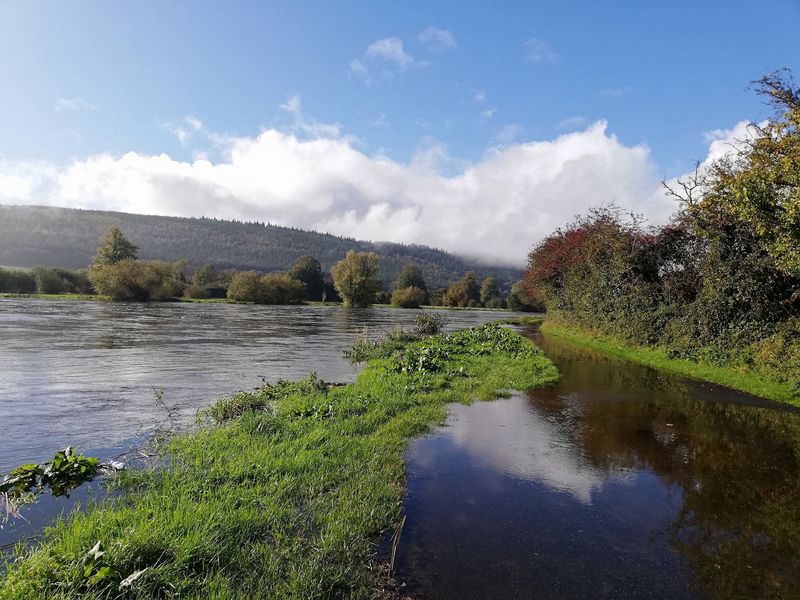
Ireland’s Shannon hogs the spotlight, which leaves the River Suir pleasantly overlooked. Through County Tipperary, it connects medieval towns, castles, historic bridges, and gentle green countryside.
The Suir Blueway offers around 53 kilometers of paddling routes, plus a cycling and walking trail beside part of the waterway.
Ireland’s official tourism site calls the Suir a hidden gem, and it highlights guided paddling past landmarks including Cahir Castle and the Swiss Cottage.
That mix of history and water makes it easy to fill a day. Join a guided paddle for the castle views, then walk or cycle a stretch of the trail on dry land.
Kolpa River, Slovenia and Croatia
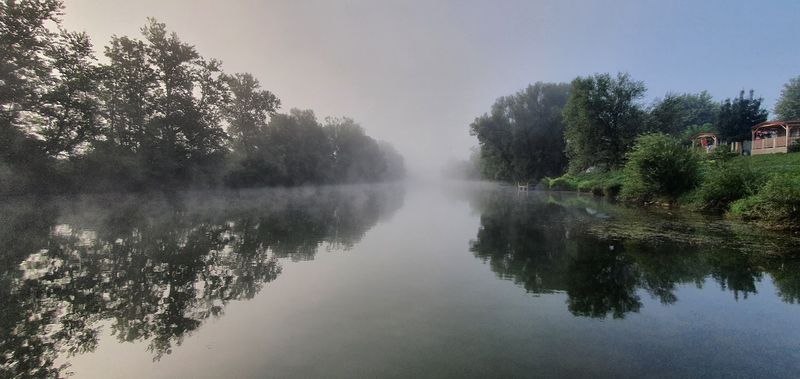
Slovenia’s Alpine fame overshadows the Kolpa, but this border river deserves a look. It forms part of the line between Slovenia and Croatia and stays far quieter than the better-known mountain destinations.
Its warmer summer water makes it a favorite for swimming, canoeing, rafting, and stand-up paddleboarding.
Forests, pebble banks, villages, campgrounds, and gentle countryside line much of the Slovenian side.
Slovenia’s tourism organization promotes designated bathing areas, canoe trips, rafting in upper sections, camping, and multi-day river adventures throughout Bela Krajina. A summer trip here suits anyone who wants to splash around without needing serious paddling skills.
Krka River, Slovenia
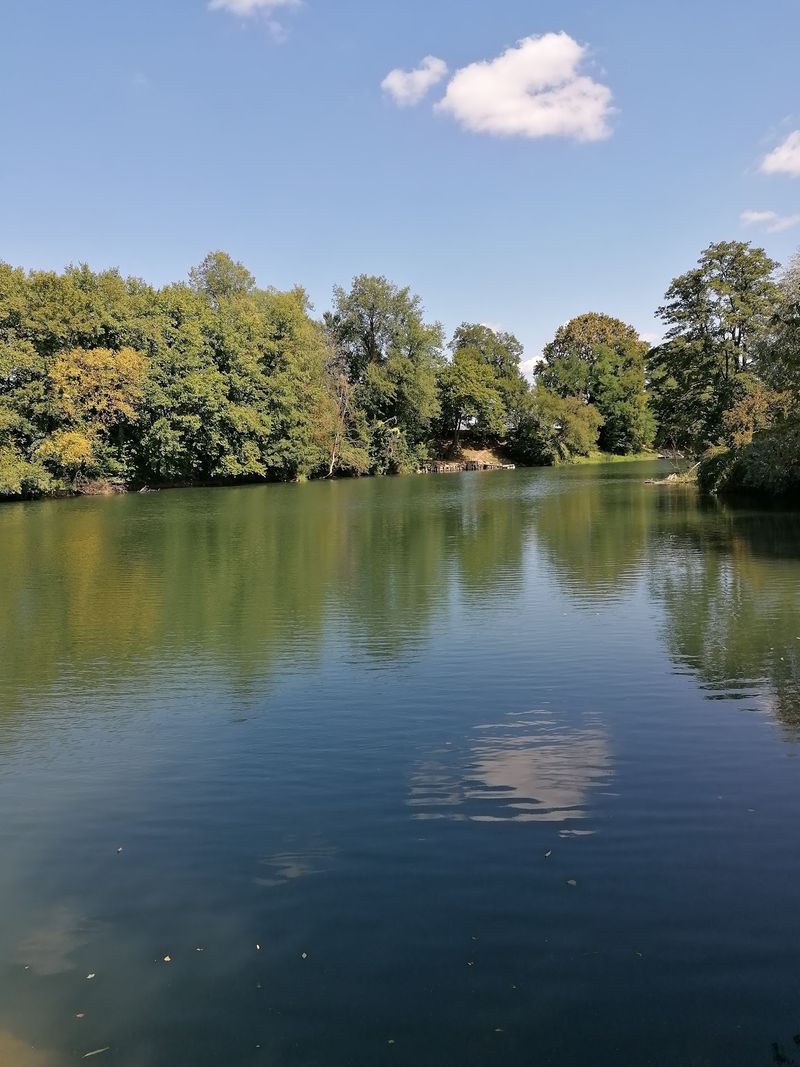
Mixing up the Krka with Croatia’s famous national park is an easy mistake, but Slovenia has its own river by that name. It winds through the green countryside of the Dolenjska region.
The tiny town of Kostanjevica na Krki is especially unusual, since its historic center sits on an island surrounded by the river.
Elsewhere, travelers find castles, wooded banks, small cascades, and peaceful countryside.
Slovenia’s tourism authority promotes swimming, paddleboarding, boating, kayaking, walking, cycling, and camping around sections of the Krka, particularly near Kostanjevica and Novo Mesto. It is a calm option for travelers who want a river holiday without the crowds.
Semois River, Belgium
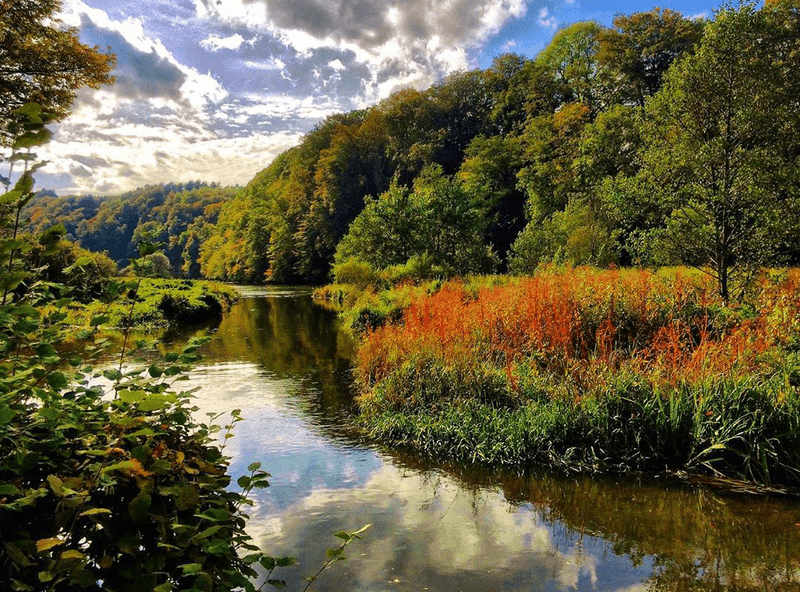
Tight bends and thick woods give the Semois a look all its own. The river winds lazily through the Belgian Ardennes, beneath densely wooded hills and rocky viewpoints.
Towns such as Bouillon and villages including Frahan make good bases for exploring the valley.
In 2026, tourism information continues to list kayak trips on the river, including routes from Bouillon through Poupehan toward Frahan.
The surrounding Semois Valley National Park also maintains visitor facilities, hiking routes, viewpoints, and guidance for responsible paddling. Pair a morning paddle with an afternoon hike to see the valley from both the water and the heights.
Ourthe River, Belgium
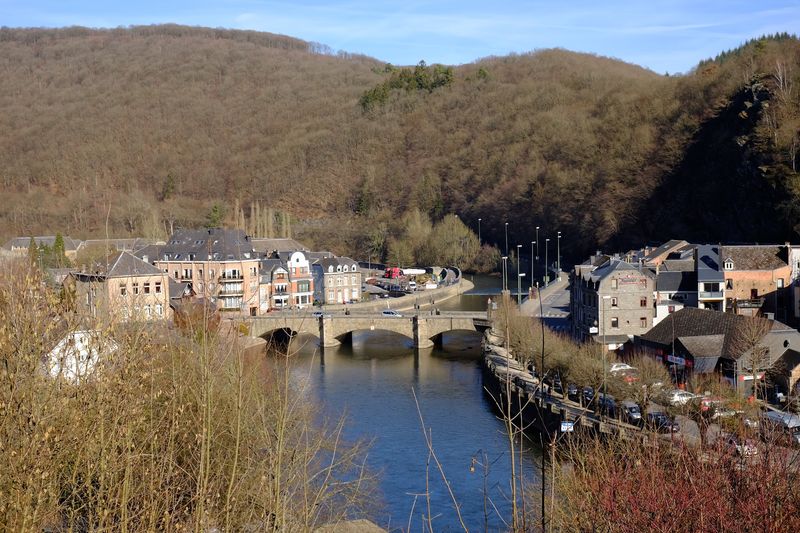
Another Ardennes favorite, the Ourthe, runs through wooded hills, limestone landscapes, and attractive towns. Durbuy, Barvaux, Hamoir, and La Roche-en-Ardenne all sit along its path.
Kayaking is one of the classic ways to see it, and the riverbanks also host an extensive cycling and walking network.
Current Wallonia tourism listings include kayak operators around Durbuy and Hamoir.
The official RAVeL route follows the Ourthe through long stretches of preserved valley scenery, which makes it simple to switch between paddle and pedal. Plan a kayak morning and a cycling afternoon for a balanced day.
Arda River, Bulgaria
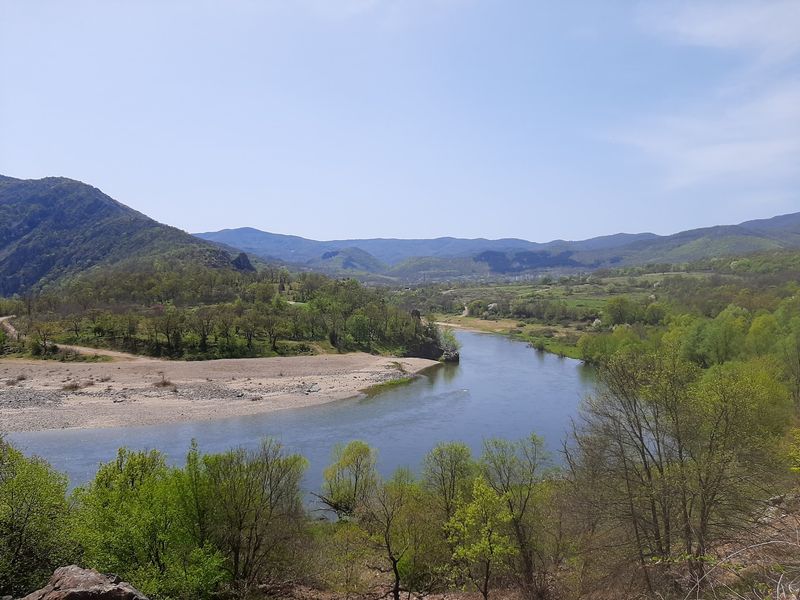
Some of southeastern Europe’s most photogenic river bends sit deep in Bulgaria’s Rhodope Mountains. The Arda carves them out beneath wooded hills and rugged terrain.
Reservoirs have widened sections of the river, creating sweeping meanders that look best from above.
The curves around Kardzhali Reservoir and Ardino are particularly striking from viewpoints over the water.
Bulgaria’s Ministry of Tourism continues to promote the Arda meanders as a regional attraction. It identifies several easily accessible viewing areas, including the well-known bend between Ribarci and Star Chitak.
Bring a camera and plan for a few scenic stops along the road.
Share this story