
Grandma had a trick for almost everything, from a stuffy nose to a smudged window. Some of those habits are backed by real research today.
Others need a careful update, and a few are more tradition than science. Here is a friendly look at 17 classic tips, what they can actually do, and where to use a little caution.
Keep this list handy the next time someone says, Grandma always did it this way.
Vinegar for Cleaning

That jug of white vinegar under the sink has earned its spot. Its acetic acid can help loosen mineral buildup, soap residue, and everyday grime, so diluted vinegar works well on glass, faucets, and some kitchen surfaces.
Still, vinegar is not a cure-all. It is not a universal disinfectant, and it should never be mixed with bleach, because that combination can release dangerous chlorine gas.
Keep the two products far apart.
Surfaces matter too. Vinegar can damage natural stone such as granite and marble, along with certain metals and some flooring finishes.
Test a tiny hidden spot first if you are unsure.
Grandma kept the bottle close for good reason. Modern cleaning advice simply asks for a bit more know-how about where it belongs.
Use it on windows, shower doors, and water spots, and pick a different cleaner for delicate countertops. Smart use keeps the old trick helpful instead of harmful.
Baking Soda as a Deodorizer
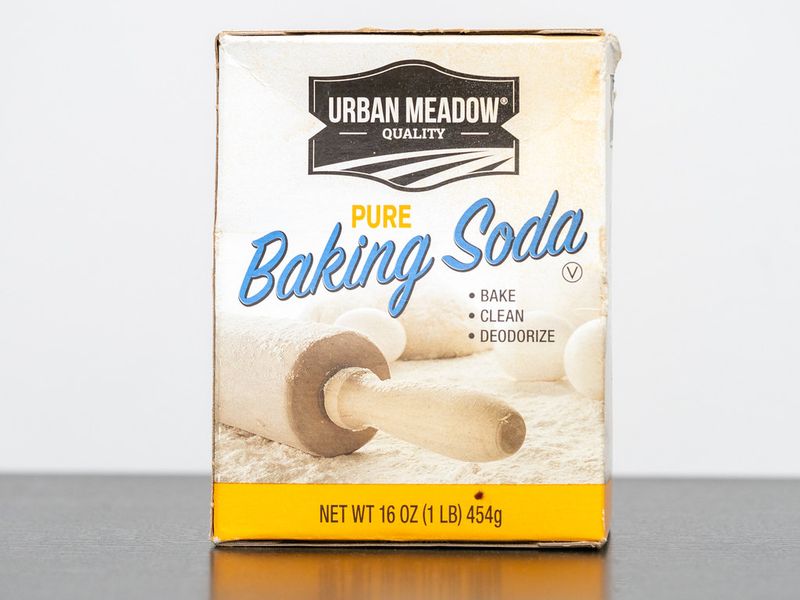
An open box in the back of the refrigerator is one of the most recognizable household habits around. Baking soda, also called sodium bicarbonate, can interact with some acidic and alkaline odor molecules.
That means it helps neutralize certain smells instead of just covering them up with fragrance.
People use it in refrigerators, trash cans, carpets, and shoes. A light sprinkle, a little waiting time, and a good vacuum or shake-out is the usual routine.
The powder is also mildly abrasive, so it can help scrub sinks, pots, and tubs without harsh scratching on many surfaces.
Let us be honest, though. It will not erase every stain or fix every stubborn odor.
Strong smells from spoiled food or damp spaces need the source removed first. As a cheap pantry staple, it remains one of the simplest multipurpose helpers a home can have.
Aloe Vera for Minor Burns

Aloe plants on a sunny windowsill were common in grandma’s house, and they were not just for decoration. People have applied aloe to irritated skin for centuries, and aloe products are still widely used for minor burns and sunburns.
Research suggests aloe may have soothing and moisturizing properties. The evidence does vary, depending on the kind of burn and the product studied, so expectations should stay realistic.
First things first, though. A minor burn should be cooled with cool running water, not ice.
Aloe can come afterward as a gentle comfort option.
Some burns need a professional. Blistering, electrical, chemical, or large burns call for medical care right away.
Think of aloe as a helpful soother for small skin irritation, not a replacement for proper burn treatment.
Honey for Sore Throats and Coughs

Stirring a spoonful of honey into warm tea is a comfort ritual with some science behind it. Studies suggest honey can help reduce coughing linked to upper respiratory infections, especially in children older than one year.
Its thick texture can also coat and soothe an irritated throat.
Mayo Clinic notes that honey has performed about as well as some over-the-counter cough treatments in certain studies. Researchers do say more high-quality studies are still needed.
Here is the big safety rule. Honey should never be given to children younger than 12 months, because of the risk of infant botulism.
For everyone else, a warm drink with honey at bedtime is a simple, low-cost option when a cough keeps you up. If symptoms linger or get worse, check in with a doctor.
Chamomile Tea Before Bed
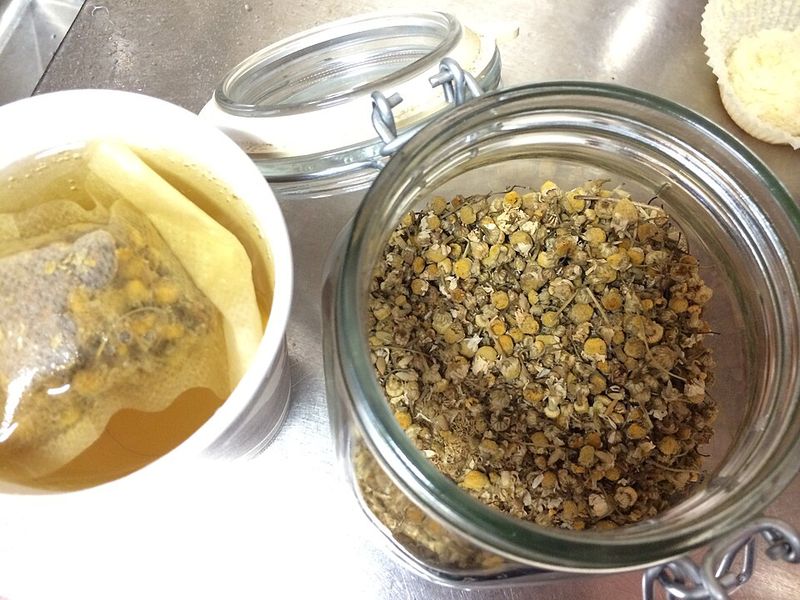
Chamomile tea has a reputation as the official drink of bedtime. The science, however, is much thinner than the reputation suggests.
The National Center for Complementary and Integrative Health notes that very little research has looked at chamomile for insomnia. One review found no clear benefit for the sleep disorder.
That does not mean the cup is pointless. A warm, caffeine-free drink as part of a quiet evening routine can help many people slow down.
Dimming the lights, putting away the phone, and sipping something calming can all signal that the day is ending.
So brew a cup if you enjoy it. Just think of chamomile as a comforting ritual rather than a proven sleep medication.
If sleep trouble goes on for weeks, a health professional can help find the real cause.
Lavender for Relaxation

Lavender sachets tucked into linen cupboards were a classic touch in grandma’s home. The scent has long been linked with calm rooms and bedtime routines.
Scientists have looked at lavender for anxiety and relaxation, but results depend on how it is used. Inhaling it, taking it by mouth, and using it during massage have all been studied, with mixed findings.
NCCIH reports that some studies suggest benefits, especially from certain oral lavender preparations. It also says stronger research is still needed before firm conclusions can be drawn.
For many people, simply enjoying the aroma is a pleasant addition to an evening wind-down. A pillow spray or a small sachet can be part of that routine.
Aromatherapy should not replace medical treatment for anxiety, so talk with a professional if worry is affecting daily life.
Lemon for Brightening Skin

Here is one grandma beauty trick that really needs an update. Lemon juice contains citric acid, which is why it became popular in homemade skin treatments.
Putting fresh citrus juice straight on the face can irritate skin, though. Sunlight adds another problem.
Citrus compounds combined with sun exposure can cause phytophotodermatitis, a reaction that may bring redness, burning, blistering, and dark marks.
Dermatologists generally point people toward better options. Products with controlled amounts of vitamin C or other brightening ingredients are made to be used on skin more safely than a squeezed lemon.
Daily sunscreen matters just as much. It protects against dark spots and helps any brightening routine do its job.
Keep the lemons for lemonade and salad dressing, and let skincare products handle the face.
Coconut Oil for Moisturizing Dry Skin
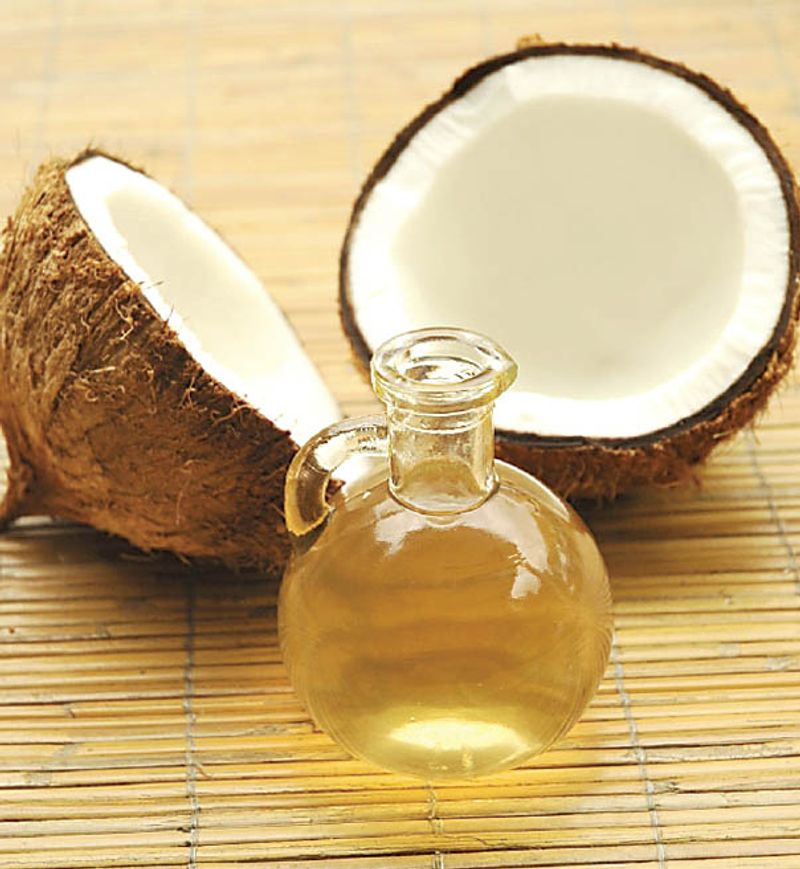
Coconut oil has moisturized skin in many cultures for generations, and some research backs up the habit. In a randomized clinical trial with people who had mild to moderate dry skin, virgin coconut oil improved hydration.
It performed about as well as mineral oil.
It tends to suit dry patches such as elbows, legs, and hands. A thin layer after a shower is a common way to use it.
The face is a different story. Coconut oil can feel heavy, and it may clog pores in some people who are prone to acne.
That means it is a handy body moisturizer for many, but not a perfect fit for every skin type. If your skin reacts or breaks out, switch to another product.
A dermatologist can suggest options for stubborn dryness.
Oatmeal for Itchy Skin

Few old remedies have earned as much modern respect as the oatmeal bath. Colloidal oatmeal is finely ground oatmeal made for skin use, and it has moisturizing and anti-inflammatory properties.
Research has found improvements in itch, scaling, roughness, and dryness among people using colloidal oatmeal products. That is why it shows up in so many store-bought lotions, bath treatments, and eczema creams.
Shoppers can look for the words colloidal oatmeal on the label. A bath soak is a simple way to try it when skin feels dry and itchy.
A rash that sticks around or looks severe deserves more attention. Finding the underlying cause is still important, so a doctor visit makes sense if the itch will not quit.
For everyday dry skin, grandma’s oats hold up well.
Garlic for Cold Relief

Garlic has been tied to cold fighting for centuries, but the tradition runs ahead of the evidence. The bulb contains biologically active compounds, and it is a nutritious food.
Clinical research has not shown it to be an effective cold treatment.
Reviews have found too little high-quality evidence to say whether garlic prevents colds or makes them shorter. In other words, the jury is still out.
Eating garlic in meals is generally safe for most people. Swallowing large amounts, or leaning on supplements instead of proper treatment, is another matter.
A bowl of grandma’s garlic soup can still feel comforting when you are under the weather, and it makes a tasty meal. Just do not count on it as a guaranteed cure.
Rest, fluids, and medical advice when needed remain the dependable plan.
Saltwater Gargle for a Sore Throat
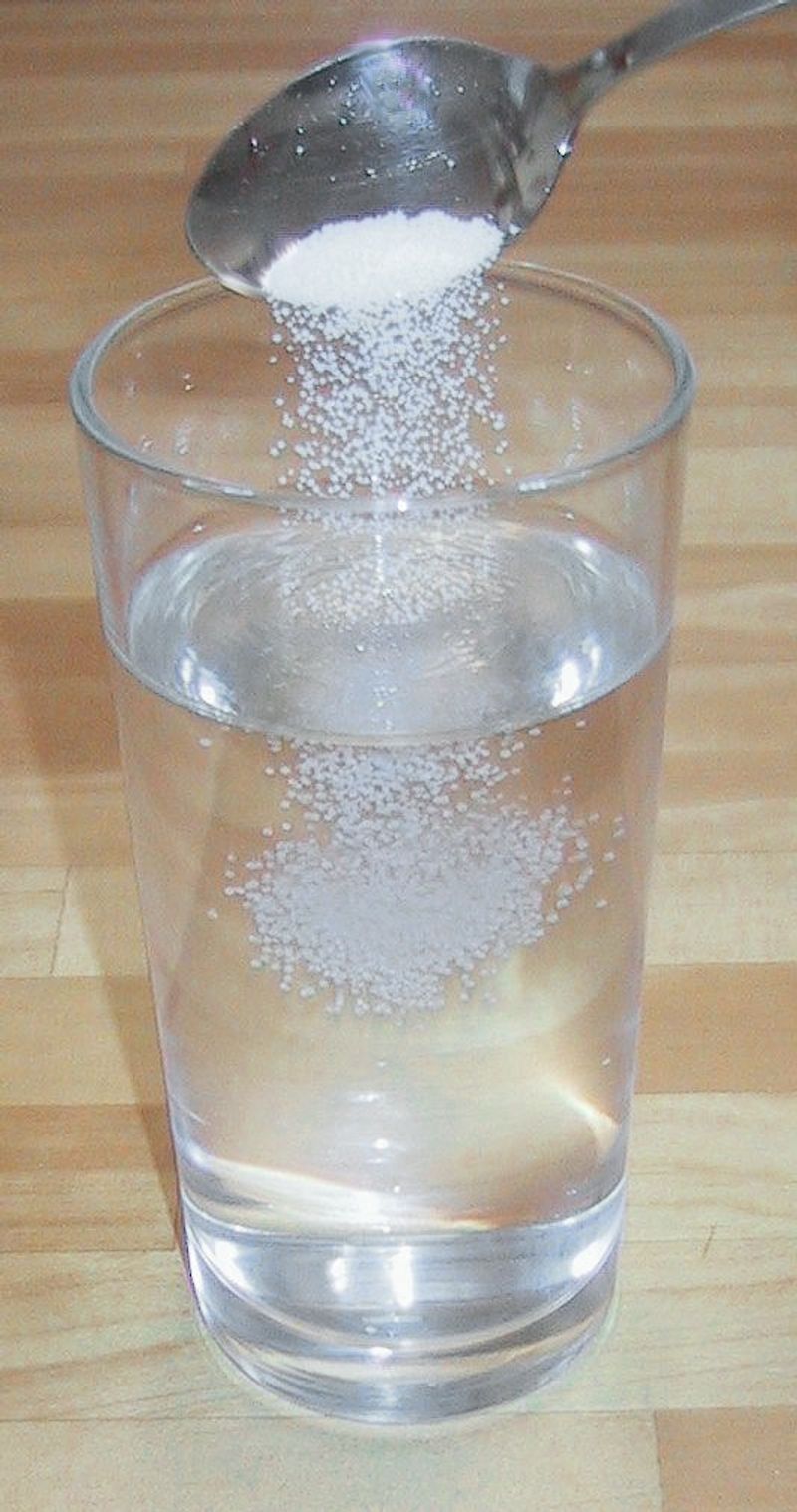
Some remedies stay popular because they are simple, cheap, and easy to do at midnight. Gargling warm salt water fits that description perfectly.
It can temporarily soothe discomfort and help loosen mucus. It does not treat every cause of throat pain, so think of it as short-term comfort.
The usual method is to dissolve a small amount of salt in warm water, gargle, and spit it out. Do not swallow it.
Younger children may have trouble gargling safely, so a grown-up should decide if it is a good fit.
Know when to stop home care. A sore throat with trouble breathing, severe swelling, dehydration, a persistent high fever, or symptoms lasting several days deserves a medical check.
Repeating home remedies in those cases only delays real help.
Peppermint for Digestive Troubles
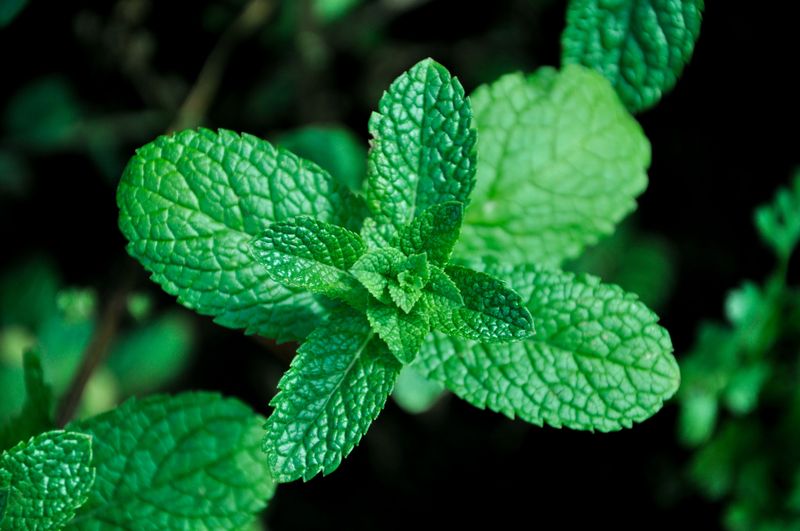
Peppermint has been used for stomach complaints since ancient Greece, Rome, and Egypt. That is a long track record for a little green leaf.
Modern studies have found that enteric-coated peppermint oil capsules may help reduce belly pain and other symptoms in some adults with irritable bowel syndrome. The coating helps the oil reach the intestines.
The evidence does not mean a cup of peppermint tea will fix every digestive problem. Peppermint can even make heartburn or reflux worse in some people, so it is not right for everyone.
Still, this traditional remedy keeps drawing real scientific interest, which is not true of every old tip. If you want to try capsules, check with a health professional first, especially if you take other medicines.
Eucalyptus for a Stuffy Nose

Cold season and the strong scent of eucalyptus go hand in hand. It shows up in chest rubs, steam products, and lozenges, usually to create the feeling of easier breathing.
The oil is often inhaled in diluted formulas. Concentrated eucalyptus oil, however, calls for real caution.
Poison Control warns that pure eucalyptus oil can irritate the skin, eyes, and airways. If swallowed, it can cause severe poisoning.
For that reason, grandma’s steam-bowl method is better swapped for properly made products used exactly as the label says. That is especially important around children, who can be more sensitive.
Store oils up high and out of reach. A warm shower and plenty of fluids can also help when your nose feels blocked.
Ginger for Nausea
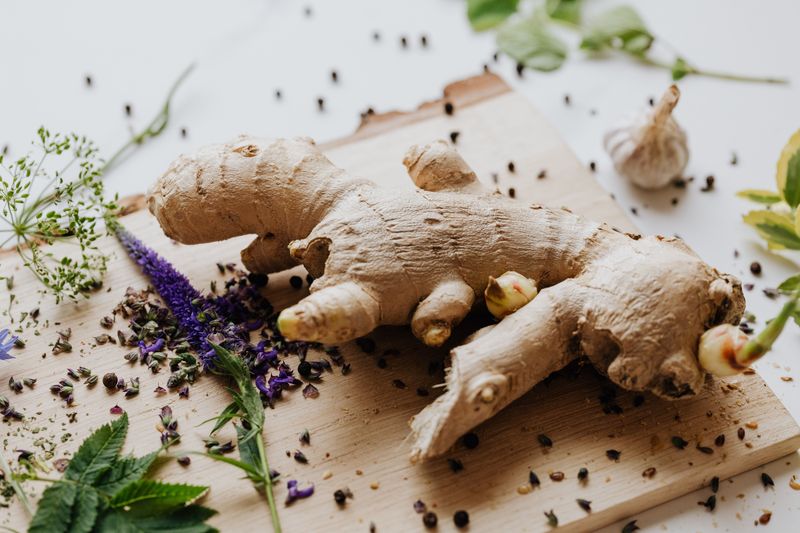
If one remedy on this list has strong backing, ginger is a top candidate. People have turned to it for digestive upset for centuries.
Modern research suggests ginger supplements can help with nausea and vomiting linked to pregnancy. The evidence is less convincing for motion sickness and some other kinds of nausea.
Ginger tea or ginger-containing foods may also feel soothing when the stomach is unsettled. Small sips and slow snacks are a gentle place to start.
Dose matters, though. Concentrated supplements can interact with medications and may cause heartburn or stomach discomfort.
Larger medicinal amounts should be treated differently from the ginger you slice into dinner, so ask a doctor or pharmacist first, especially during pregnancy.
Turmeric for Inflammation

Golden turmeric has a long history in traditional Asian medicine and cooking. Curcumin, one of its main components, has been studied widely for possible anti-inflammatory effects.
Today, turmeric supplements are promoted for conditions such as osteoarthritis and other inflammatory problems. The picture is not that tidy, though.
NCCIH emphasizes that research findings vary and that many health claims remain uncertain. Bold marketing can run well ahead of the science.
Adding turmeric to meals is an easy way to enjoy the spice in soups, rice, and curries. Concentrated supplements are a different thing, and they should not automatically be treated like prescription anti-inflammatory medicine.
If joint pain is a daily problem, talk with a health professional before swapping any treatment.
Rice Water for Hair Care
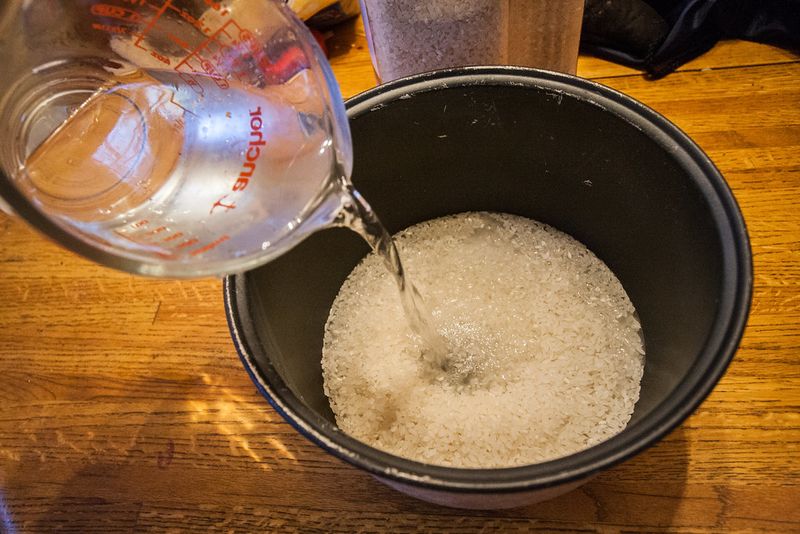
Rice water has been part of Asian hair-care traditions for centuries, and social media has made it hugely popular again. The basic idea is to soak or rinse rice, then use the cloudy water on hair.
It contains starch that can coat the hair cuticle. That may reduce friction and leave hair feeling smoother.
The big promise is faster growth, and that part has not been scientifically proven. Cleveland Clinic dermatologists describe the evidence as largely anecdotal.
The good news is that risk is relatively low for most people who rinse it out well. So it can work nicely as a conditioning ritual if you enjoy it.
Just keep your expectations realistic, and see a dermatologist if hair loss is a worry.
Castor Oil for Eyelashes

Castor oil has made a big comeback as a beauty tip. People brush it onto lashes or brows hoping for longer, thicker hair.
Convincing scientific evidence for extra eyelash growth is lacking. The oil may coat and condition hairs, which can make them look shinier or fuller for a while.
That is different from stimulating new growth, and the difference matters when you decide what to spend money on.
Cleveland Clinic also warns that castor oil can cause skin reactions and problems if it gets into the eyes. Take extra care around such a sensitive area.
This grandma trick is best treated as a cosmetic tradition rather than a proven growth treatment, and an eye doctor can advise if irritation appears.
Share this story