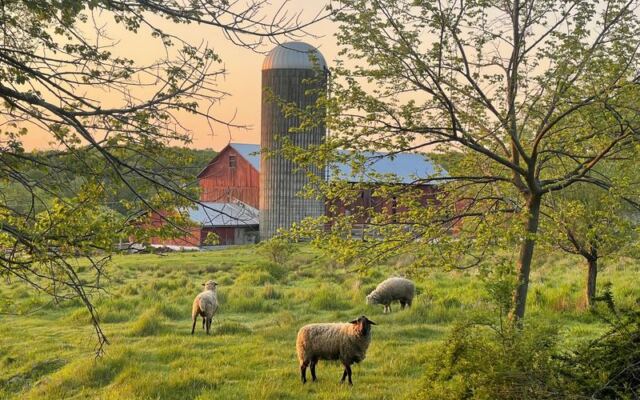
A stop for meat can turn into a closer look at where it comes from. In New Jersey, one small farm gives shoppers a chance to buy directly from the people raising the animals.
It is the kind of unassuming place that could make a hungry person curious enough to plan a weekend drive. Here is what makes the farm different, and what to check before going.
A Farm Stop in Wantage
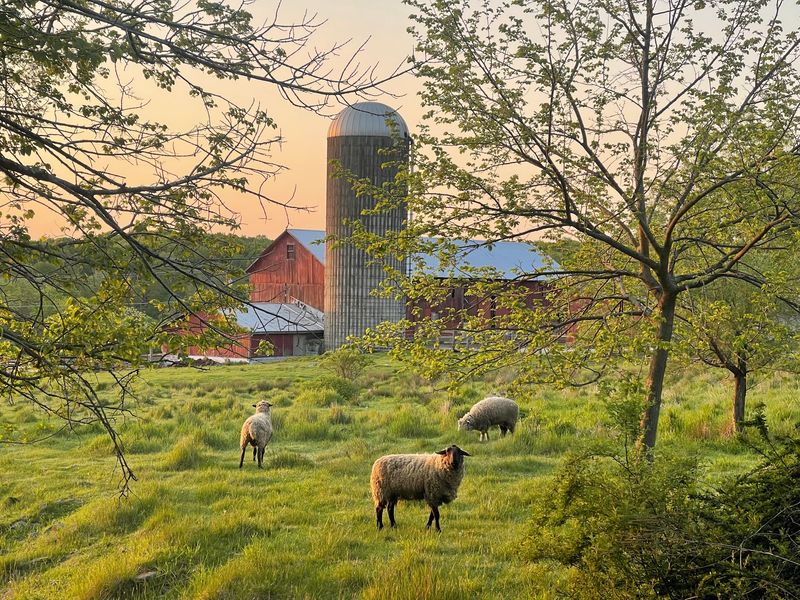
A shopping trip has a different purpose when the farm is also the source. Wormuth Farm is at 577 County Road 519, Wantage, NJ 07461, United States, and it operates as a farm where customers can buy meat directly.
That address matters if the goal is to find the farm itself, rather than a separate shop carrying its products. People who have stopped in describe buying meat and meeting the people behind the operation.
Some also describe being shown around, giving a purchase more context than a label could provide.
Wantage is in Sussex County, an area the farm itself identifies with local farming. Nothing in the available information suggests a restaurant or a prepared meal, so the useful plan is to shop for food to take home.
The appeal is straightforward: the place selling the meat is closely connected to the animals and the work of raising them.
A Shorter Path Between Farm and Shopper
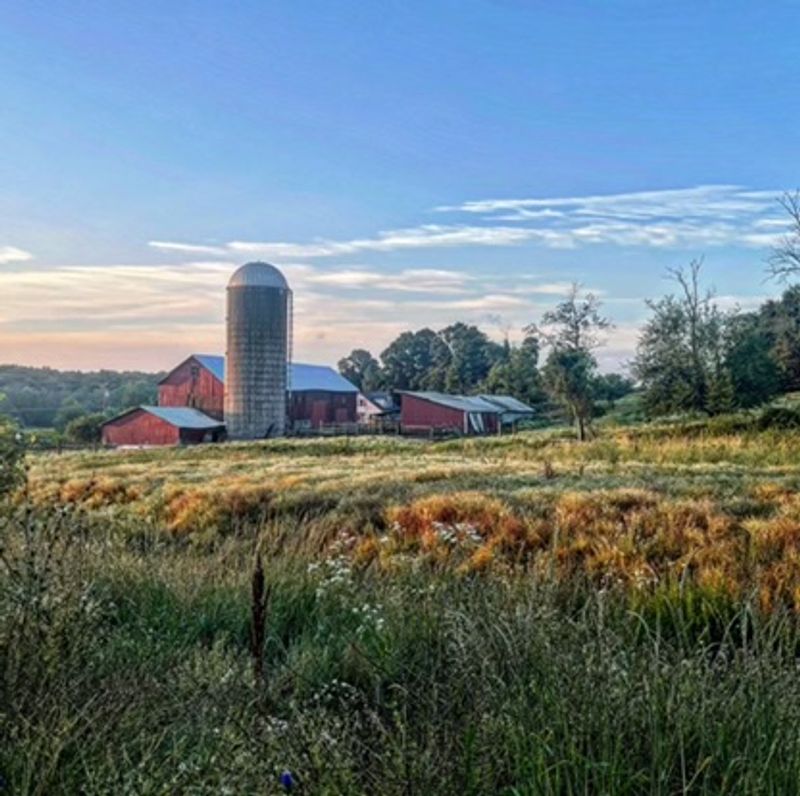
Meat usually arrives with little explanation beyond its package. At Wormuth Farm, the connection is easier to follow because people buy from the farm associated with raising the animals.
Accounts of shopping here include conversations with the owners and, on some occasions, a look around the property. That does not make every purchase a formal lesson, but it does give curious customers a chance to ask more direct questions.
The farm has also handled online orders, according to past customers, so an in-person stop is not the only way people have purchased its products.
The available information does not spell out every stage of production or establish a fixed tour program. Still, the direct relationship is the distinctive point of the visit.
Rather than trying to decode a distant supply chain, shoppers can start with the farm responsible for the animals. For people interested in where their meat comes from, that is a practical reason to pay attention.
Animals at the Center of the Story
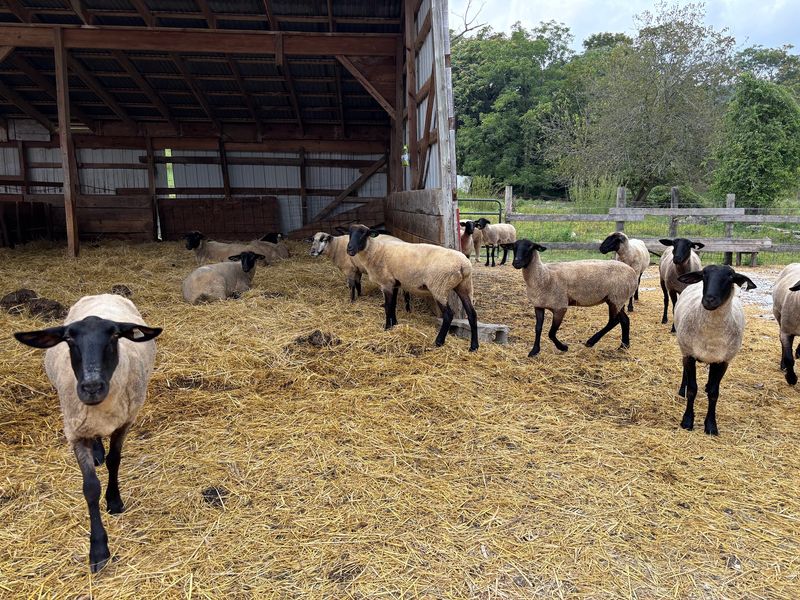
Questions about animal care need more than a cheerful slogan. At this farm, people who have been shown around repeatedly mention the animals and the care they appeared to receive.
Those accounts describe friendly animals and owners willing to explain what they do. One customer specifically connected a tour with understanding where the food came from, while others noted that meeting the animals changed the character of an ordinary shopping stop.
These are firsthand impressions, not a published audit of farm practices. They are most useful as a reason to ask thoughtful questions during a visit.
The farm is also described by a customer as family-owned and run, with attention to sustainability and animal care. The supplied information does not define those practices in technical terms, so broad guarantees would go too far.
What can be said plainly is that the animals are part of the experience people remember, and their care is a subject worth discussing with the farm directly.
Chicken With a Clearer Origin
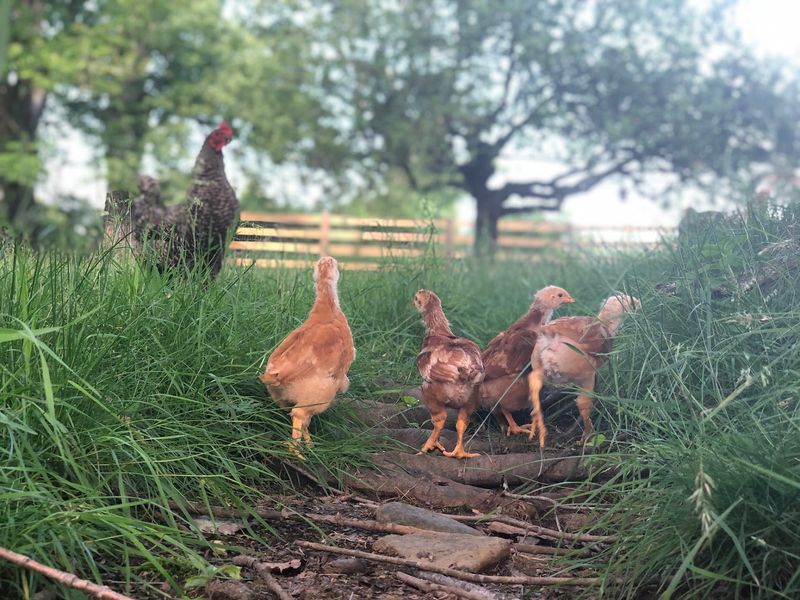
Chicken is one reason people seek out Wormuth Farm instead of making their usual grocery stop. Past customers have described buying chicken there, including whole birds and individual portions.
The phrase pasture raised appears in accounts of the farm’s chicken, but availability and exact choices should be checked before setting out. Someone planning a particular meal should not assume that every cut will be in the farm store on every open day.
A quick look at the farm’s current information, or a direct question, is more reliable than building a shopping list around an older account.
What stays consistent across those accounts is the interest in buying chicken from the people connected to raising it. Some shoppers have also described conversations that helped them understand the farm’s approach.
That makes the stop useful even for someone who already knows how to cook dinner: the purchase can come with a clearer account of its origin.
Pork Beyond the Usual Shopping List
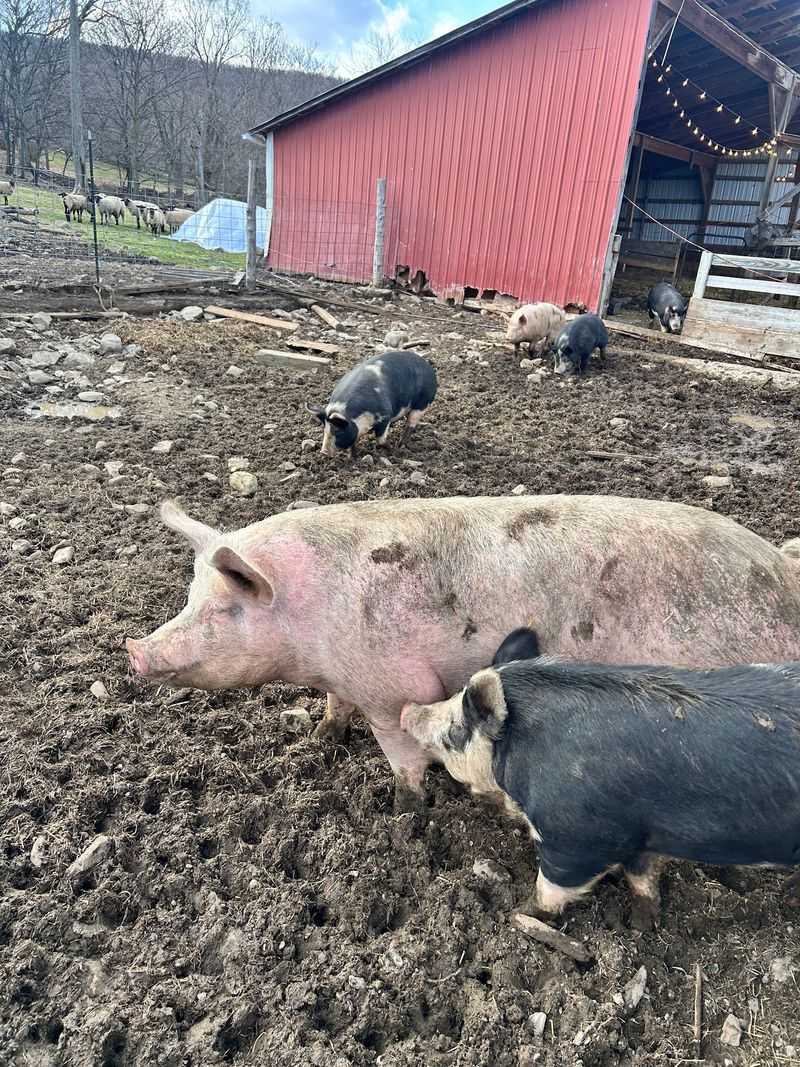
Pork gives this farm another way to turn a routine errand into a more deliberate purchase. Accounts from customers mention several pork options, including chops, cutlets, bacon, sausage, and fat for home use.
That range is helpful context, not a promise that every item is available today. Farm inventory can change, and the supplied information offers no live stock list.
Anyone traveling for a specific cut should confirm it first. The point is not to collect every possible option in one trip, but to know that the farm has offered more than one standard package.
People also describe discussing purchases with those working at the farm, which can be useful when deciding what to buy. The information provided does not establish a set menu, a standing order schedule, or any fixed package size.
It does establish that pork has been a meaningful part of the farm’s direct sales, with enough variety to reward a shopper who arrives with a question.
Lamb for a Planned Meal
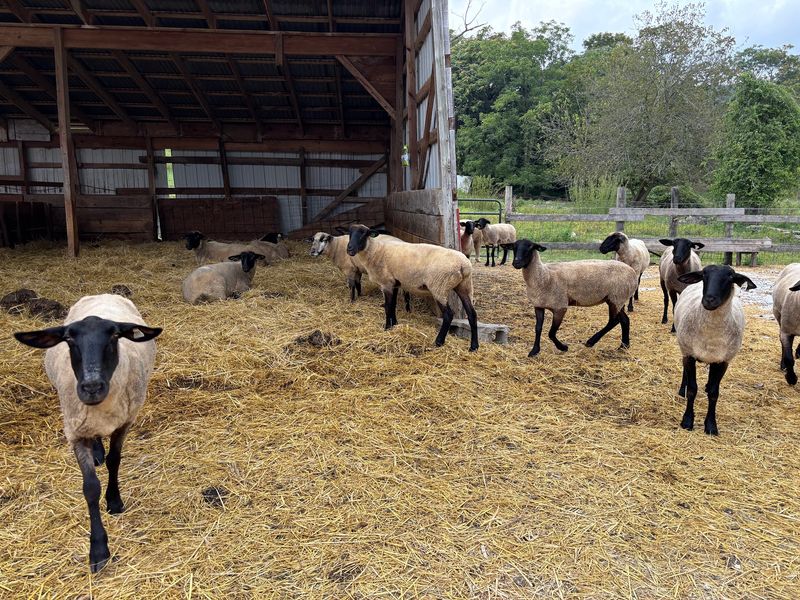
Lamb tends to be the purchase people plan around, rather than pick up on a whim. Wormuth Farm customers have described buying it for meals at home, including a leg of lamb.
Several accounts mention speaking with the farm before buying or ordering meat. That makes particular sense for a cut needed on a particular date: checking what is available could prevent a wasted drive.
The supplied information does not give current quantities, advance-order rules, or a guaranteed selection. It is better to treat past purchases as examples of what the farm has sold, not as a permanent catalog.
The lamb also shows how a direct farm purchase can extend beyond a quick weekend errand. A shopper may have a meal in mind and want to understand the source before choosing the main ingredient.
For that kind of decision, the chance to ask the farm a question is more useful than assuming a product will be waiting.
A Store Connected to the Farm
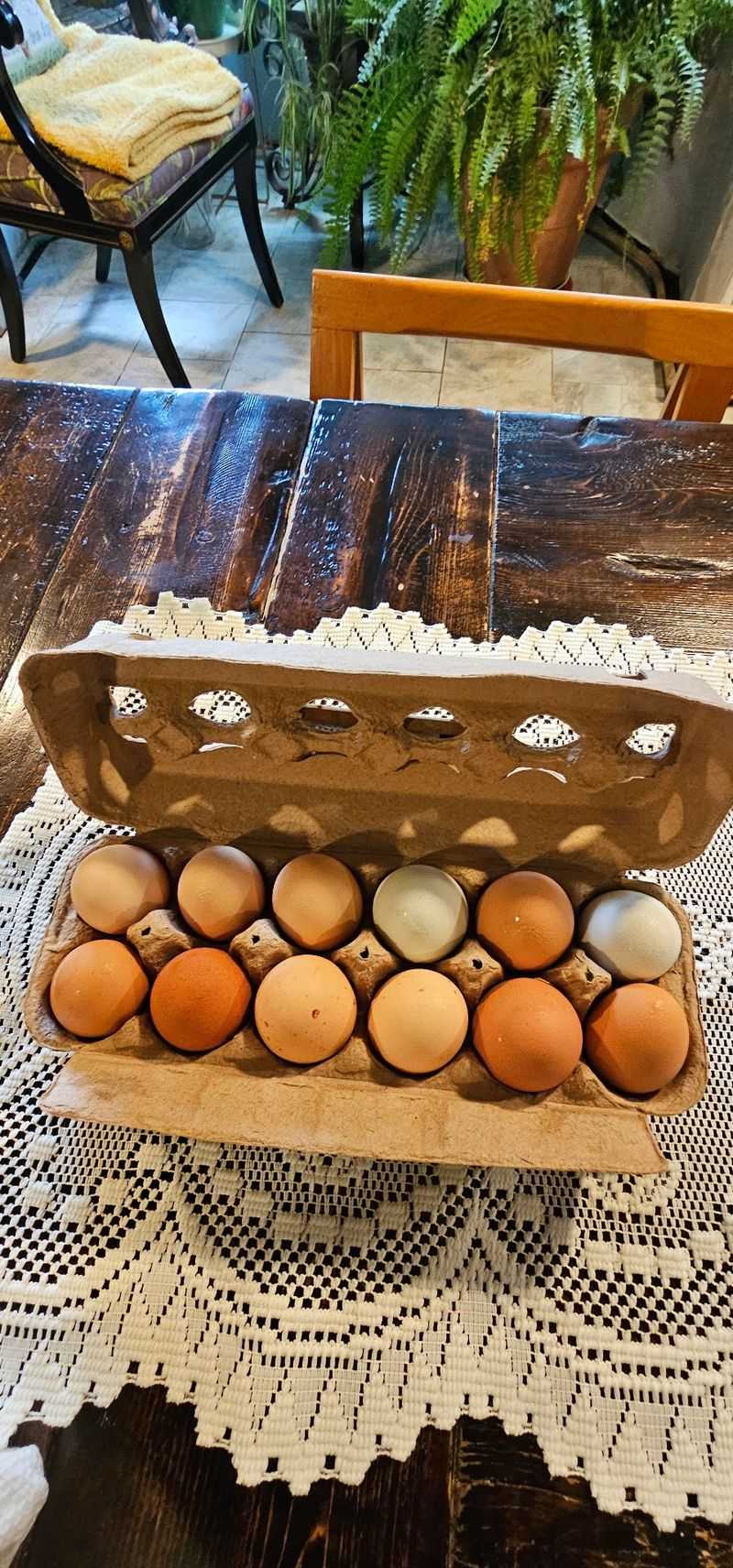
A farm store makes the idea of buying directly feel practical. People have described stopping at Wormuth Farm, choosing products, and leaving with purchases for home.
One account mentions the store being opened for a late arrival, but that was an individual courtesy, not a reason to expect service outside posted hours. The dependable approach is to plan around the published schedule and confirm details if timing matters.
Customers have also mentioned helpful conversations during purchases, suggesting that questions about what is on hand are welcome, though no particular interaction can be guaranteed.
There is no verified store layout, current product list, or checkout policy in the supplied information. That may sound like a small omission until a shopper needs a specific item or payment method.
Check with the farm before a longer trip if either is essential. The store’s main draw remains simple: it brings the farm’s products and the people behind them into the same shopping stop.
The Chance to Ask About the Farm
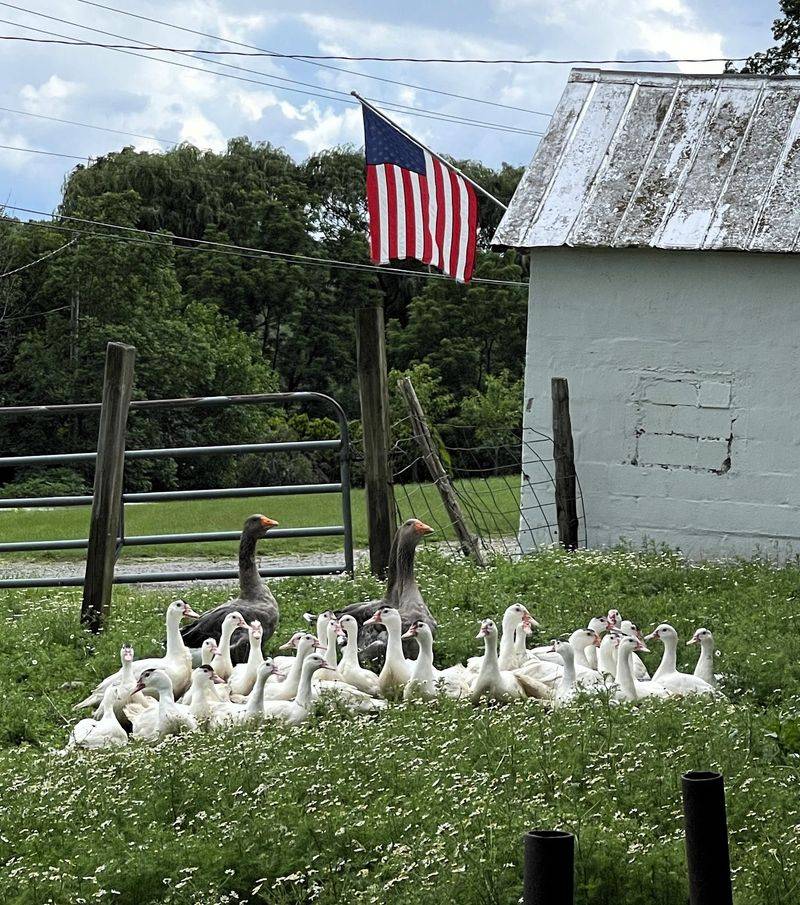
Sometimes the most useful part of a farm stop is a conversation. Several people describe Wormuth Farm owners taking time to explain the operation, and some recount informal tours.
Those stories make the farm interesting to shoppers who want more than a transaction. They also deserve a careful reading: an offered tour is not the same as a scheduled public tour.
No booking process, tour hours, or admission details appear in the supplied information. Anyone hoping to see more than the store should ask the farm what is possible before traveling, especially when bringing children or working with a tight schedule.
The reported conversations do suggest an approachable setting for basic questions. A shopper could ask about the available meat, the animals, or the best way to make a future purchase.
That opportunity may be the detail that sets this outing apart. It lets curiosity guide the stop without turning someone else’s kind gesture into a standing promise.
An Outing for Curious Shoppers
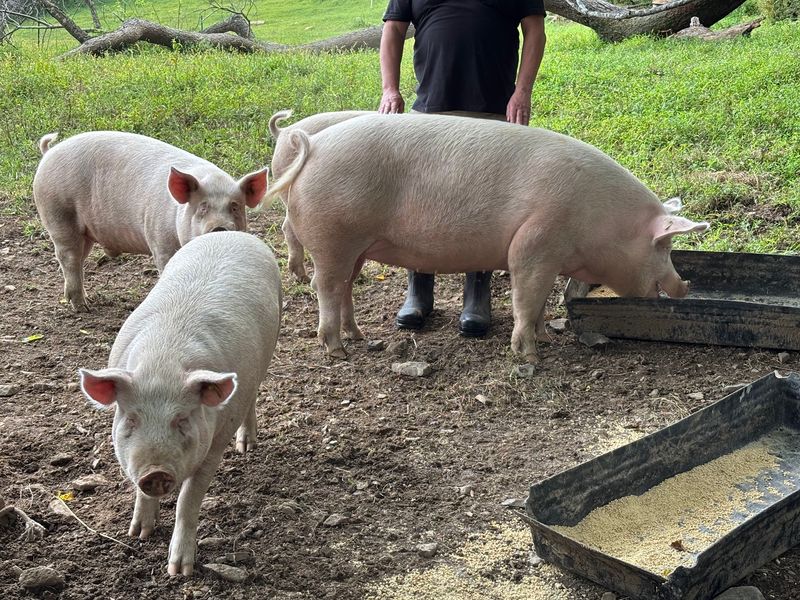
Not every good outing needs a long list of activities. Wormuth Farm is most clearly suited to people who want to shop directly from a farm and learn something about the source.
Accounts include families whose children enjoyed meeting animals, as well as adults who came for meat and found the owners willing to talk. Others describe making the stop while exploring the area or returning because the farm was nearby.
Together, those experiences suggest a flexible visit: it can be a focused purchase or a longer conversation if the farm is able to accommodate one.
There is no verified program of children’s activities, self-guided access, or guaranteed animal encounters. Parents should check ahead rather than promise a tour.
Shoppers should likewise plan around what the farm actually offers, not a full day of entertainment. The strongest match is someone who values a direct purchase and considers a little more knowledge about it time well spent.
Weekend Hours and a Sensible Plan
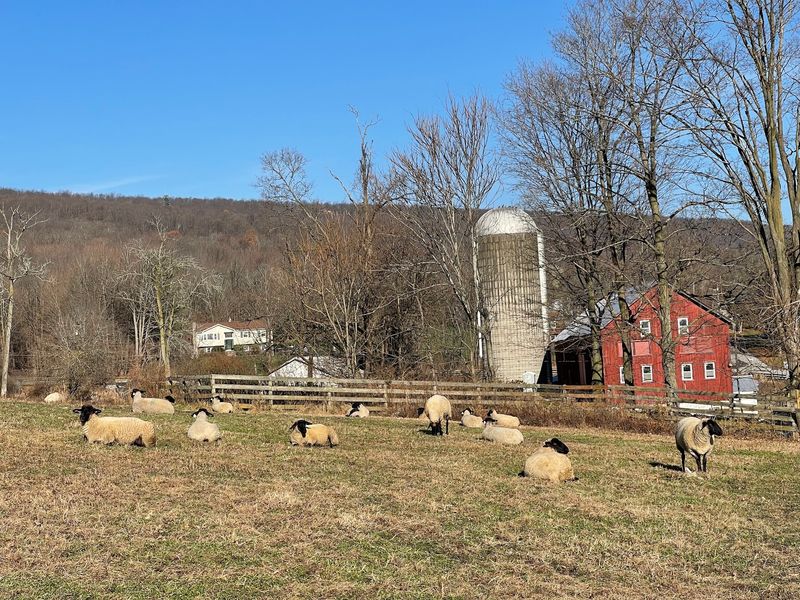
The calendar is the detail to check before making this trip. The listed hours are Saturday from noon to 4 p.m. and Sunday from 10 a.m. to 3 p.m.; the farm is listed as closed Monday through Friday.
Those hours leave a fairly narrow window, particularly for someone traveling for a specific purchase. Check the farm’s current schedule before leaving, since listed hours can change.
Use the street address for directions, and allow enough time to shop within the posted window. The supplied information does not establish parking arrangements or any public transit option, so neither should be assumed.
Prices are not provided in the available data. One past customer described the selection as reasonably priced, but that impression is not a current price list.
Ask the farm about the cost and availability of a particular cut before making it the purpose of a drive. A little planning keeps the outing focused on the farm rather than on guesswork.
A Purchase With a Place Behind It
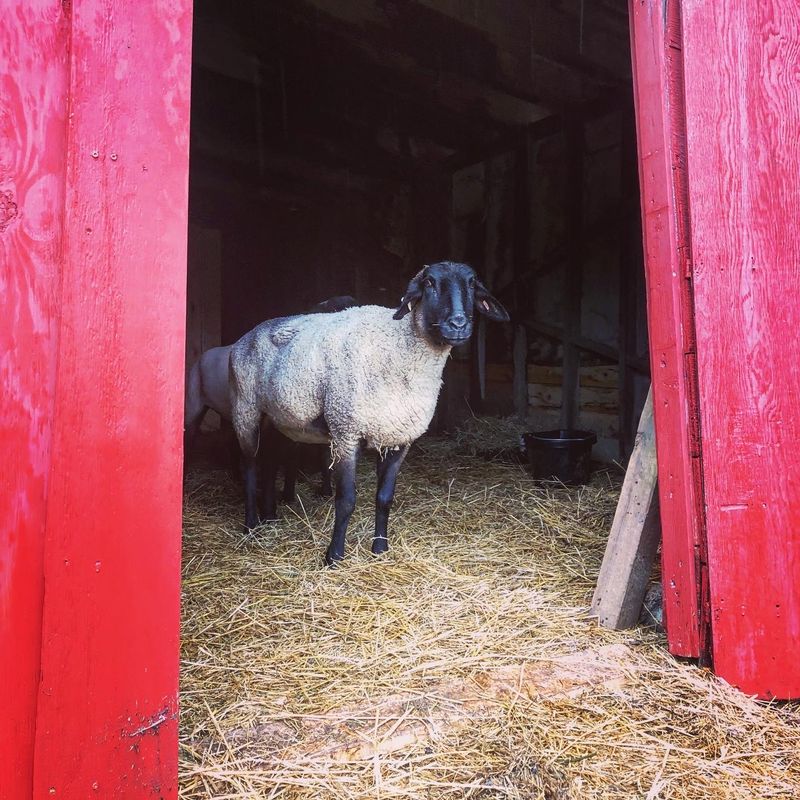
The lasting point of Wormuth Farm is not that every stop will become a tour. It is that a shopper can go to a farm, buy meat associated with the animals raised there, and potentially speak with the people doing the work.
That is a modest claim, but it gives the visit its purpose. Past accounts describe chicken, pork, and lamb purchases, along with helpful conversations and occasional introductions to the animals.
None of those accounts guarantees a particular item or experience on a future weekend. The sensible version of the trip starts by checking the hours, asking about anything essential, and leaving room for the farm to operate on its own terms.
For New Jersey residents interested in buying more directly, the farm offers a concrete place to start. It turns a question about where meat comes from into one that can be put to the people raising it.
That is reason enough to remember the address when the next shopping trip comes around.
Share this story