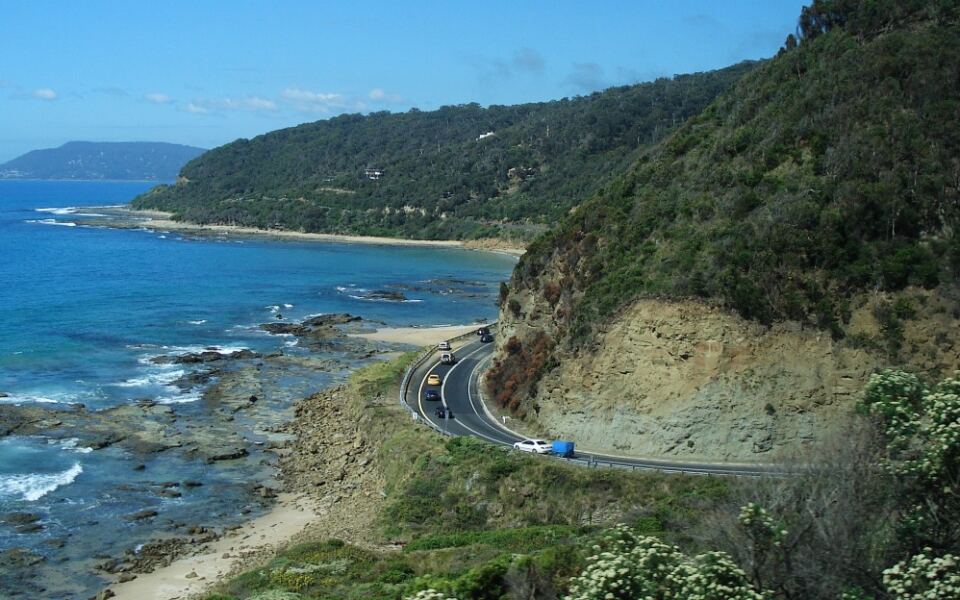
Some trips are remembered more for the road than for the place at the end of it. Mountain passes, ocean bridges, and winding coastal highways can turn a simple drive into the best part of a vacation.
Here are 15 routes around the world where the trip itself is the main event. Each one offers views, history, and tips to help you plan your own drive.
1. Going-to-the-Sun Road, Montana
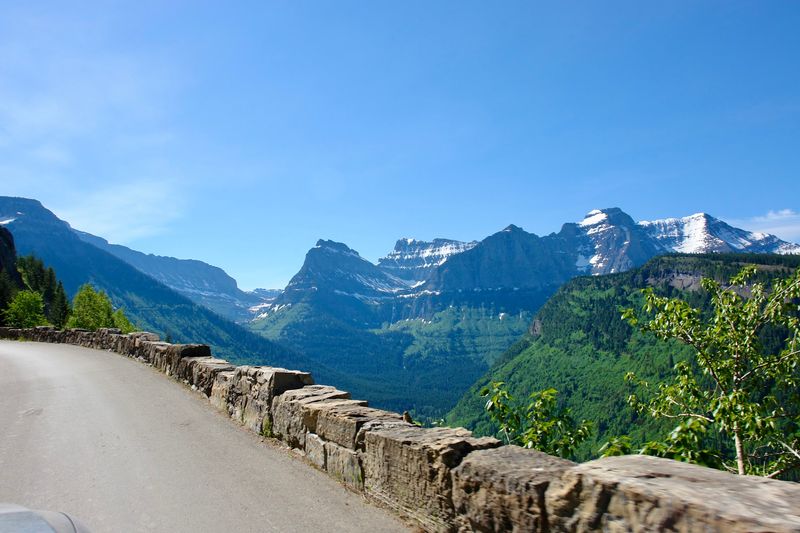
Engineers once called this route impossible, yet it opened in 1933 and still amazes visitors. The 50-mile road crosses Glacier National Park and climbs to Logan Pass at over 6,600 feet.
Stone walls and sheer drops sit right beside the lane.
Plan around the weather. Snow often keeps the full road closed until late June or July, so check the park website before you go.
Vehicle size limits also apply on the narrowest stretch.
Start early in the morning. Parking at Logan Pass fills up fast, and wildlife like mountain goats and bighorn sheep is easier to spot in cool hours.
Pull into the overlooks rather than stopping in the lane.
Bring layers, because the temperature can drop quickly near the top. A waterfall called Bird Woman Falls drops far across the valley, and it makes a nice photo stop.
2. Road to Hana, Hawaii
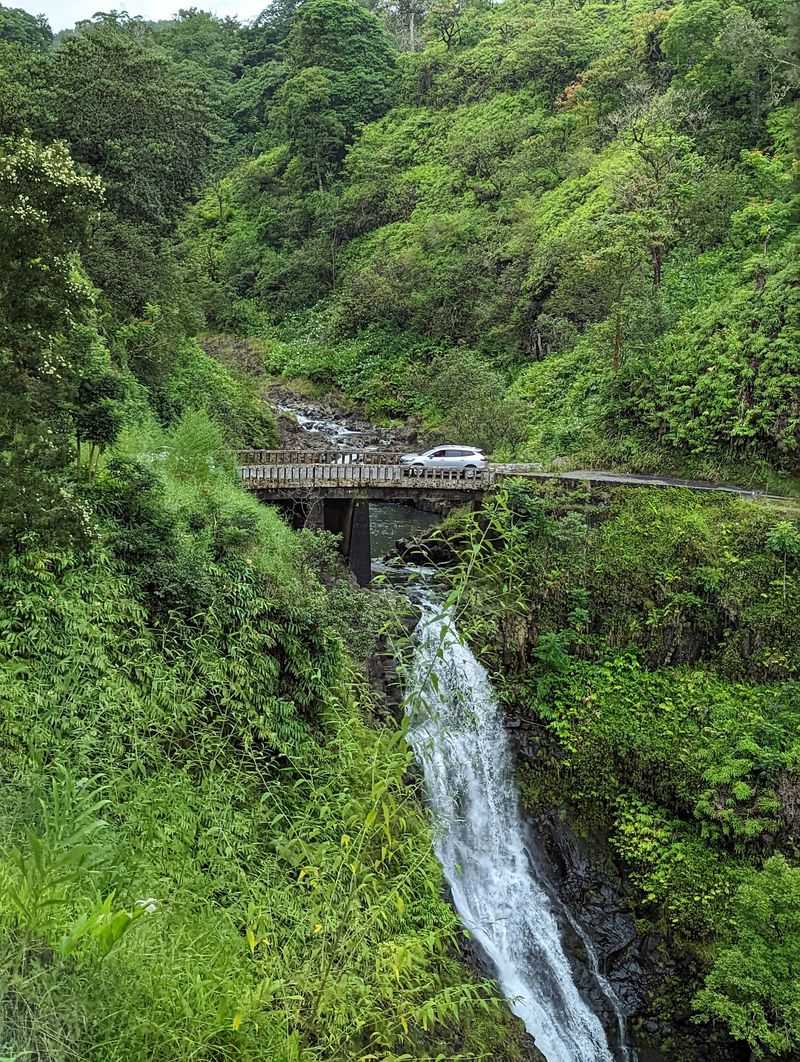
About 600 curves and 50 bridges make this Maui road a slow, twisty adventure. Many of the bridges are only one lane wide, so drivers take turns.
Patience is part of the experience here.
The 64-mile route runs from Kahului to Hana through rainforest, past waterfalls and black sand beaches. Waianapanapa State Park near the end requires a reservation for entry, so book ahead online.
Leave early and pack snacks, water, and a swimsuit. Cell service is spotty, so download maps before you set out.
Roadside banana bread stands are a local tradition worth a stop.
Respect private property and park only in marked spots. Many visitors choose to do the drive in a full day, not as a rushed side trip.
3. Blue Ridge Parkway, North Carolina and Virginia
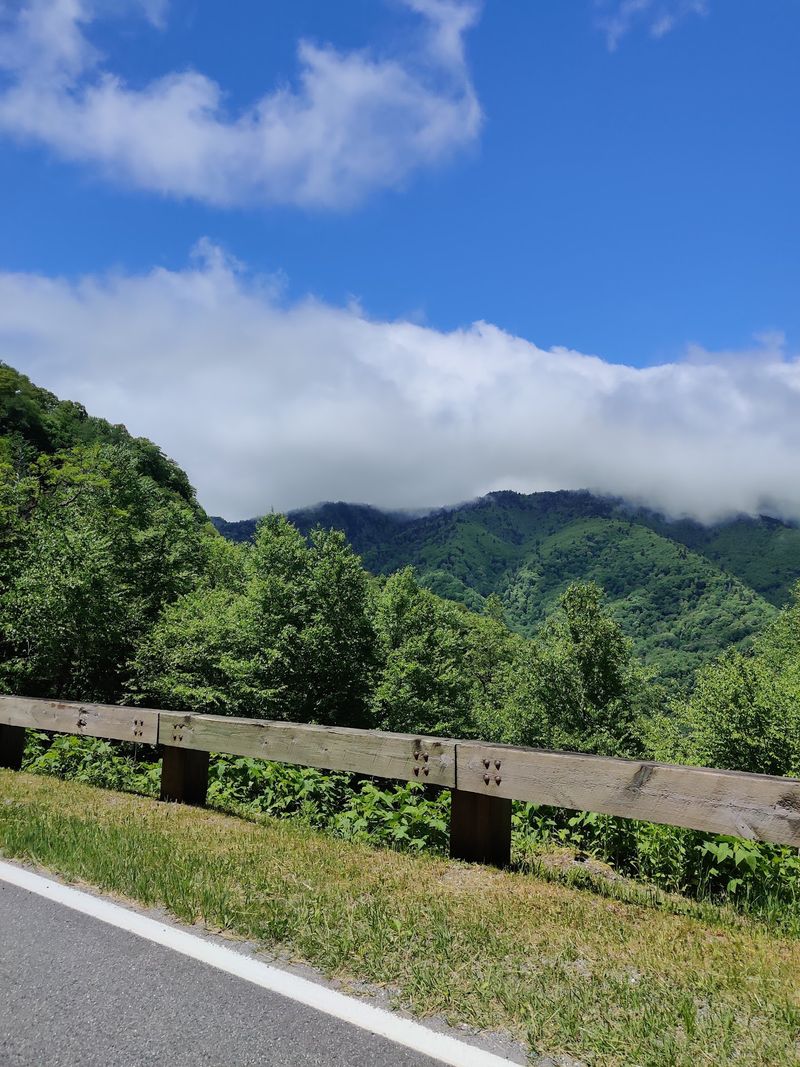
Picture a road with no billboards, no stoplights, and no trucks. That is the Blue Ridge Parkway, a 469-mile ribbon through the Appalachian Mountains.
Construction began in 1935, and it is now one of the most visited sites in the National Park Service.
The speed limit tops out at 45 miles per hour, which is the whole idea. Overlooks appear every few miles, offering views of misty ridges that give the mountains their name.
Fall color usually peaks in October, but spring wildflowers and summer hikes are great too. Waterfalls, old mills, and farm exhibits sit just off the road.
Gas stations are limited along the route, so fill your tank in nearby towns like Asheville or Waynesboro. Weather can close sections in winter.
4. Pacific Coast Highway, California
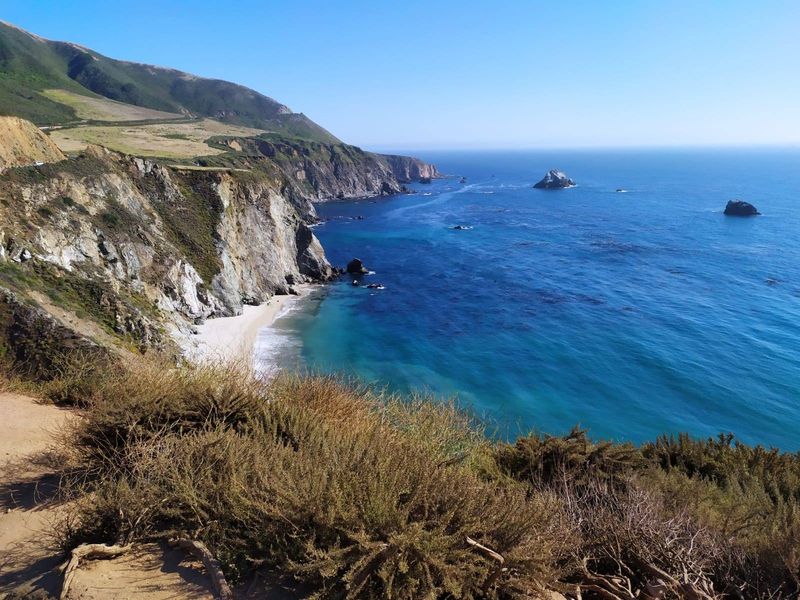
Cliffs, fog, and crashing surf set the mood on California’s famous coastal road. Highway 1 stretches for hundreds of miles, but the Big Sur section is the star.
Bixby Creek Bridge, built in 1932, is a favorite photo stop.
Drive north to south if you can. That puts you on the ocean side of the road, which makes pulling into overlooks much easier and safer.
Landslides sometimes close parts of the highway, so check Caltrans updates before you travel. Services are thin in Big Sur, and food and fuel cost more there.
Look for elephant seals near San Simeon and sea otters around Monterey. Late afternoon light turns the coastline gold, and sunsets are often worth the wait.
5. Million Dollar Highway, Colorado
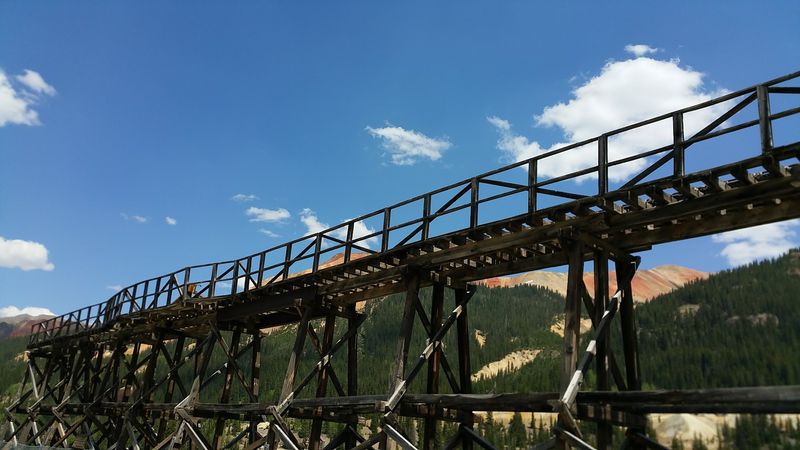
Guardrails are rare on this stretch of U.S. Highway 550, and that gets a driver’s attention.
The 25-mile section between Ouray and Silverton hugs cliffs high in the San Juan Mountains. Its name may come from the gold-bearing gravel used to build it, though locals tell several versions of the story.
Red Mountain Pass climbs above 11,000 feet. Take your time on the tight curves and use pullouts to let faster traffic pass.
Summer and early fall are the safest seasons. Winter storms bring snow, ice, and avalanche risk.
Ouray is nicknamed the Switzerland of America, and its hot springs feel great after a long day of driving. Silverton keeps its old mining town charm.
6. Beartooth Highway, Montana and Wyoming
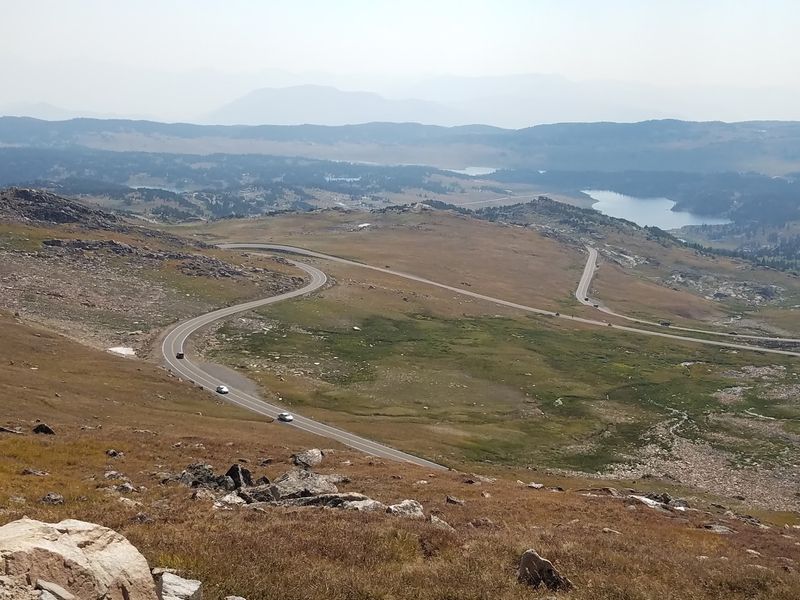
Charles Kuralt once called it the most beautiful drive in America, and many travelers agree. U.S. 212 climbs to nearly 11,000 feet at Beartooth Pass.
Up there, the land looks more like the Arctic than the Rockies.
The road links Red Lodge, Montana, with the northeast entrance of Yellowstone National Park. It makes a scenic path into the park, with alpine lakes and wide open plateaus along the way.
Plan for a summer visit, since the road usually opens around Memorial Day and closes with heavy snow in October. Snow can fall even in July.
Bring a jacket and watch for mountain goats, marmots, and moose. Allow at least three hours for the drive without long stops.
7. Overseas Highway, Florida
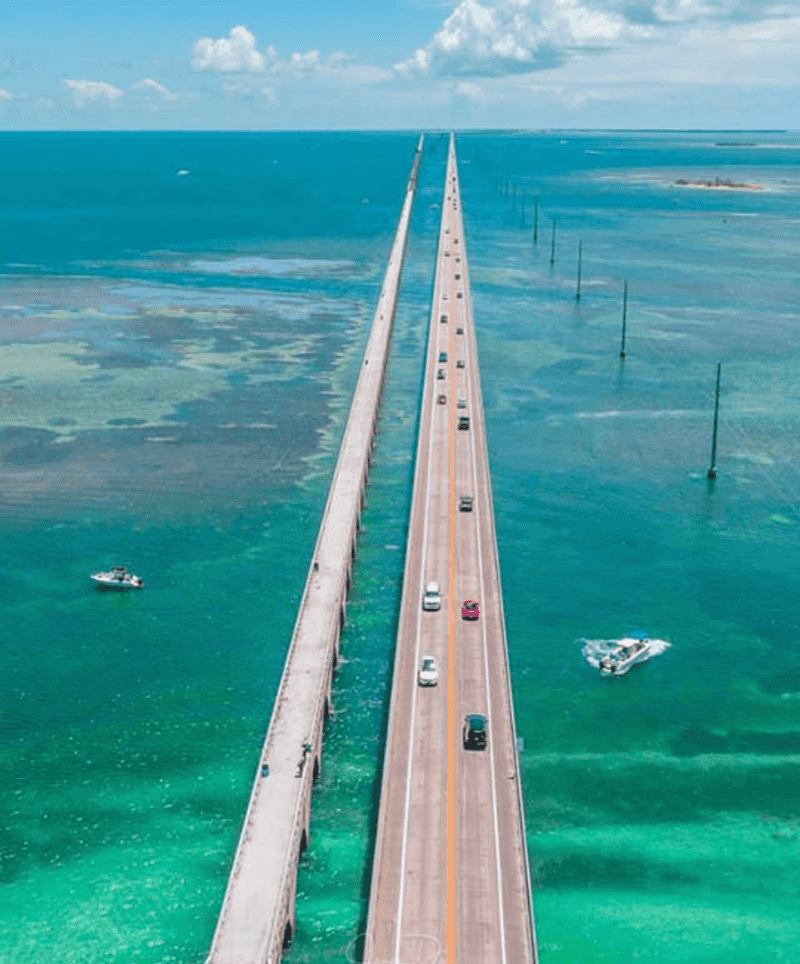
Driving across open water for miles feels a little like floating. The Overseas Highway runs 113 miles from Key Largo to Key West, crossing 42 bridges.
The Seven Mile Bridge is the longest, and the water on both sides glows turquoise.
The road follows the path of Henry Flagler’s old railroad, which was damaged by a hurricane in 1935. The highway was built on much of that foundation.
Plan stops for snorkeling at John Pennekamp Coral Reef State Park and for key lime pie anywhere you see it. Mile markers guide addresses, so watch for the small green signs.
Traffic can be slow on weekends. Weekday mornings are calmer, and you will have more time to enjoy the view.
8. Icefields Parkway, Canada
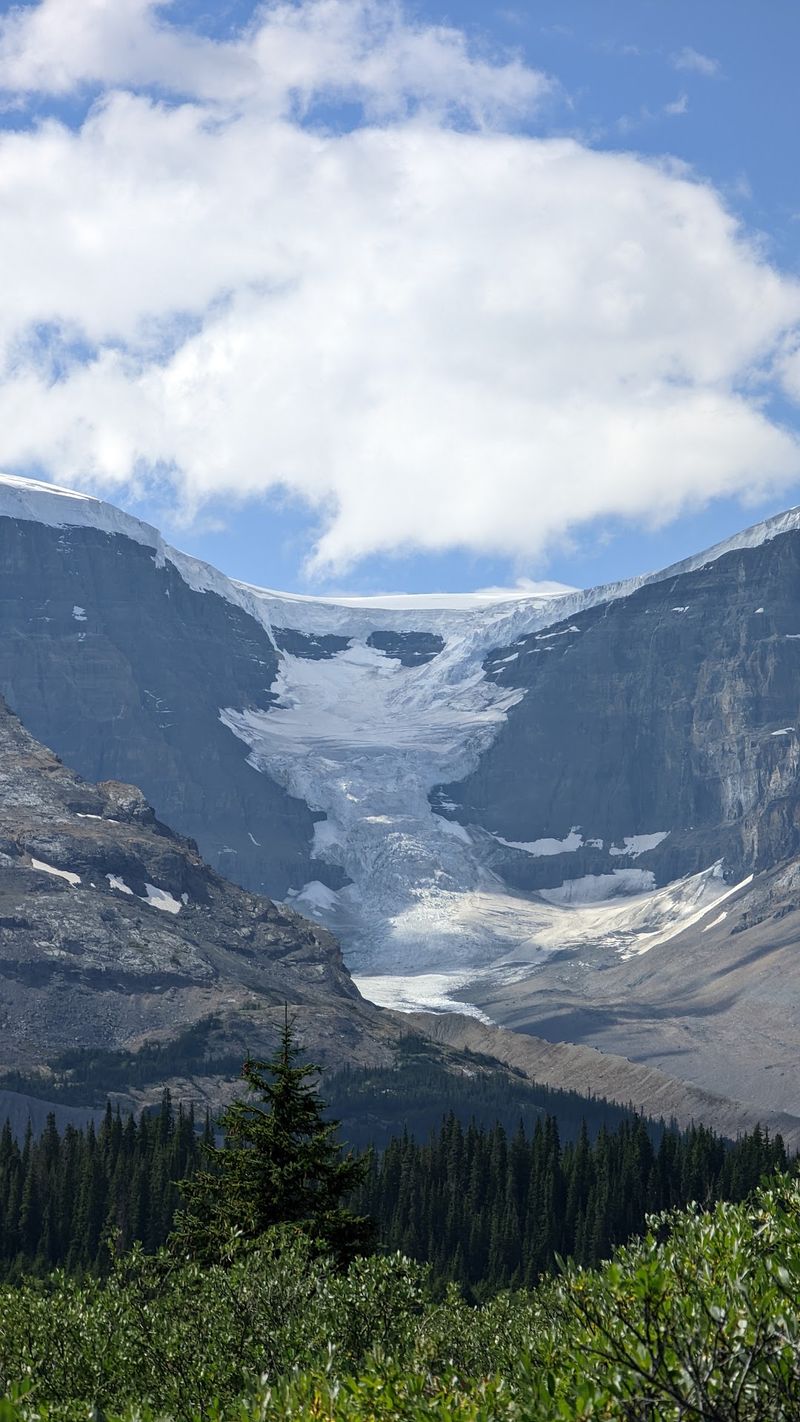
Glaciers, turquoise lakes, and wildlife line the 143 miles between Banff and Jasper. The Icefields Parkway passes more than 100 ancient glaciers in the Canadian Rockies.
Many stops need only a short walk from the car.
Peyto Lake and Bow Lake show off an unreal shade of blue caused by glacier silt, called rock flour. The Columbia Icefield is a highlight, where visitors can walk on the Athabasca Glacier on a guided tour.
You will need a Parks Canada pass to stop in the national parks. Gas stations are few, so fill up at the start.
Black bears and elk are common, so keep your distance. Winter driving needs proper tires and checks of road conditions.
9. Great Ocean Road, Australia
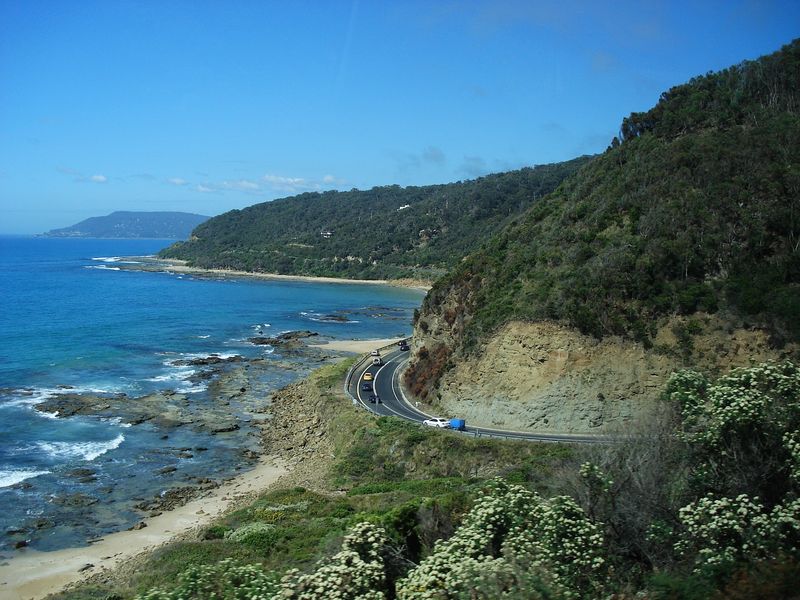
Built by returning soldiers after World War I, this road is a memorial as well as a scenic drive. The Great Ocean Road stretches about 150 miles along Victoria’s southern coast.
It is often said to be the largest war memorial in the world.
The Twelve Apostles are the best-known stop, a group of limestone stacks rising from the sea. Erosion keeps changing them, and several have collapsed over the years.
Beyond the coast, the road dips into the Great Otway National Park, where tall rainforest trees shade the pavement. Koalas often nap in the eucalyptus branches near Kennett River.
Remember that Australians drive on the left. Give yourself two days so you can enjoy the beaches and small seaside towns.
10. Atlantic Ocean Road, Norway
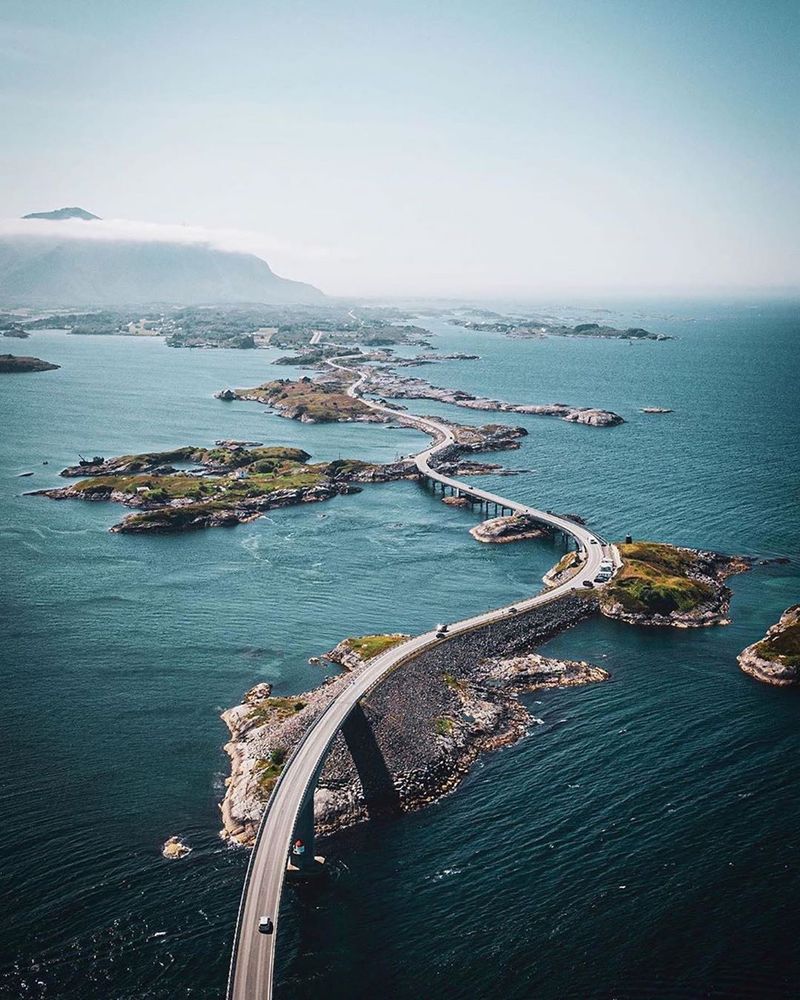
Only five miles long, the Atlantic Ocean Road packs a lot of drama into a short drive. Eight bridges hop between small islands and skerries on Norway’s west coast.
The Storseisundet Bridge curves in such a way that it looks like it ends in the sky.
Opened in 1989, the road was named Norway’s construction of the century. Storms can send waves over the road, which adds to the thrill.
Fishing platforms and walking paths let you enjoy the scenery on foot. Whales, seals, and sea eagles are sometimes spotted offshore.
The road is part of the longer route toward Kristiansund and Molde. Visit in summer for long daylight hours or in autumn for stormy skies, but avoid the road during severe weather warnings.
11. Grossglockner High Alpine Road, Austria
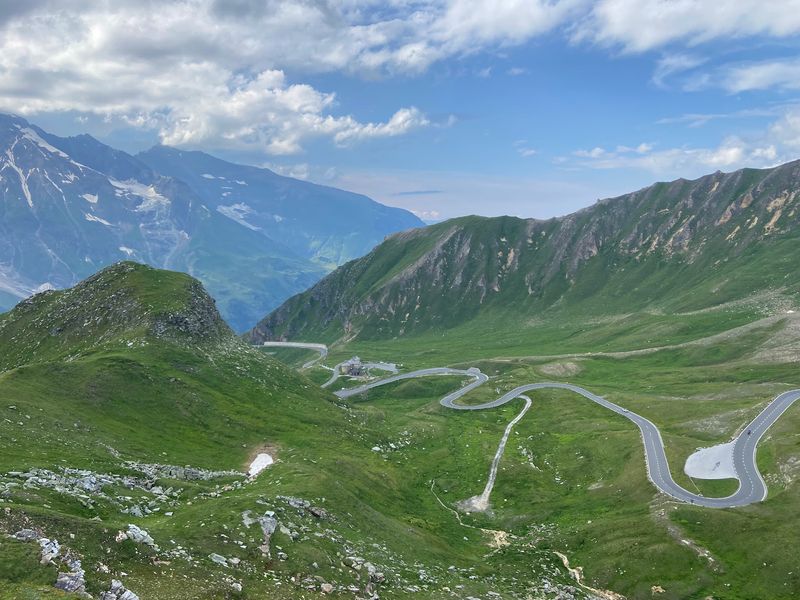
Thirty-six hairpin turns lead to views of Austria’s tallest peak. The Grossglockner High Alpine Road runs about 30 miles through Hohe Tauern National Park.
It reaches 8,215 feet at the Hochtor tunnel.
The road opened in 1935 and was built to create jobs during hard economic times. It is a toll road, so be ready to pay at the entrance gate.
The Kaiser-Franz-Josefs-Höhe viewpoint overlooks the Pasterze Glacier, the longest in the Eastern Alps. Marmots often pop up near the trails.
Visit between May and October, when the road is open. Mornings tend to be clearer, since clouds can settle on the summit by afternoon.
Cyclists love this route too, so share the lane with care.
12. Transfăgărășan Highway, Romania
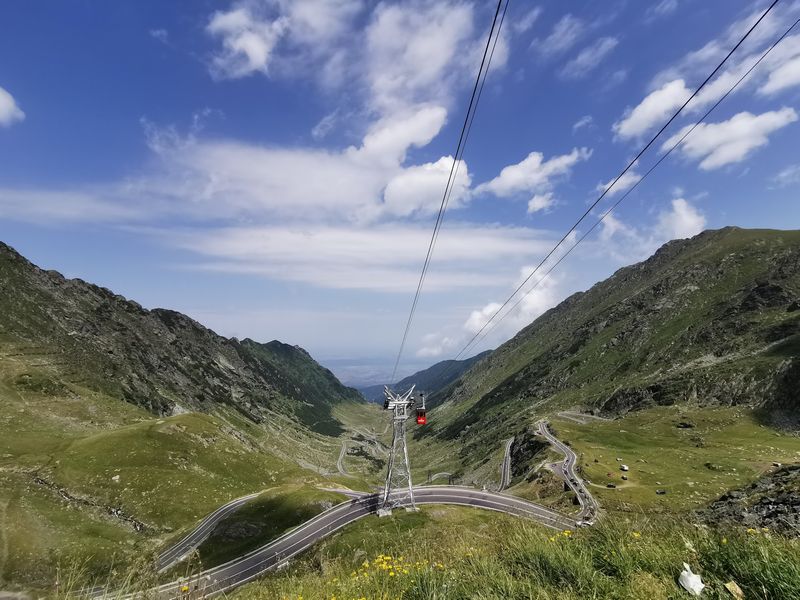
Romania’s dictator ordered this road built in the early 1970s as a military route. Today it is a favorite for travelers who enjoy twists and turns.
The Transfăgărășan crosses the Făgăraș Mountains and reaches about 6,700 feet.
Tunnels, viaducts, and sharp switchbacks lead to Bâlea Lake, a glacier lake near the top. Cabins and snack stands sit nearby for a rest.
The high section is usually open from about July to October, because snow closes it for much of the year. Check local reports before heading out.
Expect slow driving, since many curves are tight and the road surface can be uneven. Stop at Vidraru Dam on the northern side for views of the large reservoir below.
13. North Coast 500, Scotland
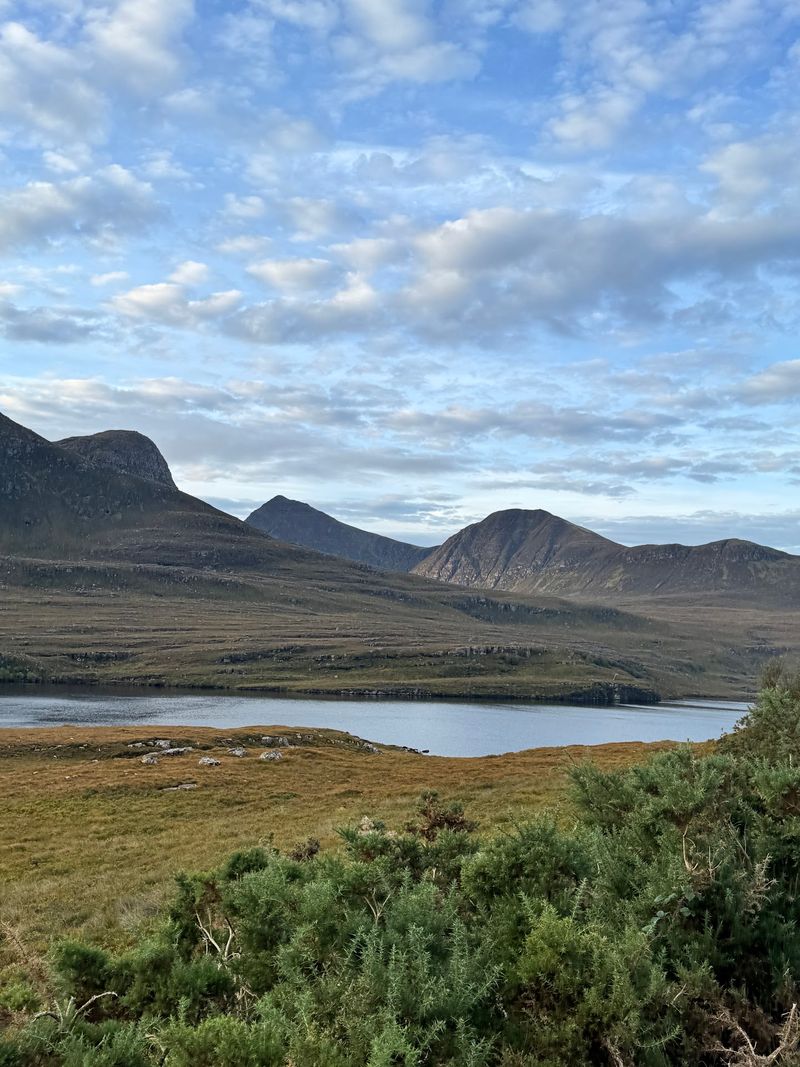
Think of it as Scotland’s answer to Route 66. The North Coast 500 is a 516-mile loop that starts and ends in Inverness.
It winds past castles, beaches, lochs, and the rugged peaks of the Highlands.
Many roads are single-track with passing places. Pull in to let others go by, and wave a thank-you as locals do.
Plan at least five days to enjoy the loop. Stops like Applecross, Durness, and Dunrobin Castle are favorites.
Fuel stations can be far apart, so top up when you see one.
Weather changes fast, so bring a rain jacket even in summer. Book accommodation early, since small villages fill up from May to September.
14. Milford Road, New Zealand
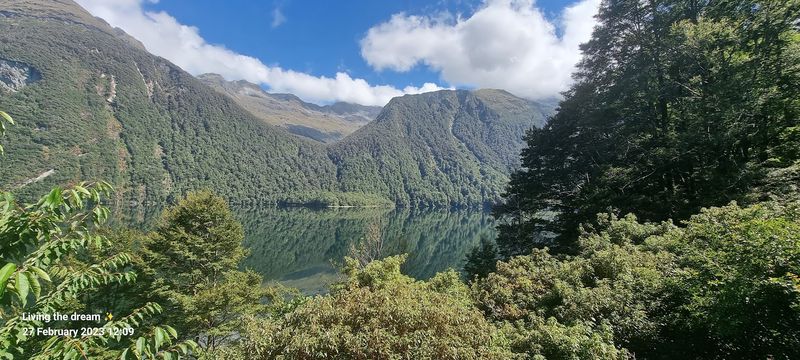
Few roads end at a place as dramatic as the one that leads to Milford Sound. State Highway 94 runs about 75 miles from Te Anau through Fiordland National Park.
Rudyard Kipling once called Milford Sound the eighth wonder of the world.
Along the way, you pass the Mirror Lakes, Eglinton Valley, and the Chasm walk. The Homer Tunnel, cut by hand through solid rock, is a highlight.
The weather here is wet. Rain brings out hundreds of temporary waterfalls, which can be a bonus.
Carry snow chains in winter, since avalanche risk can close the road. Keep an eye out for kea, the clever mountain parrots that sometimes pick at car rubber.
Do not feed them.
15. Sani Pass, South Africa
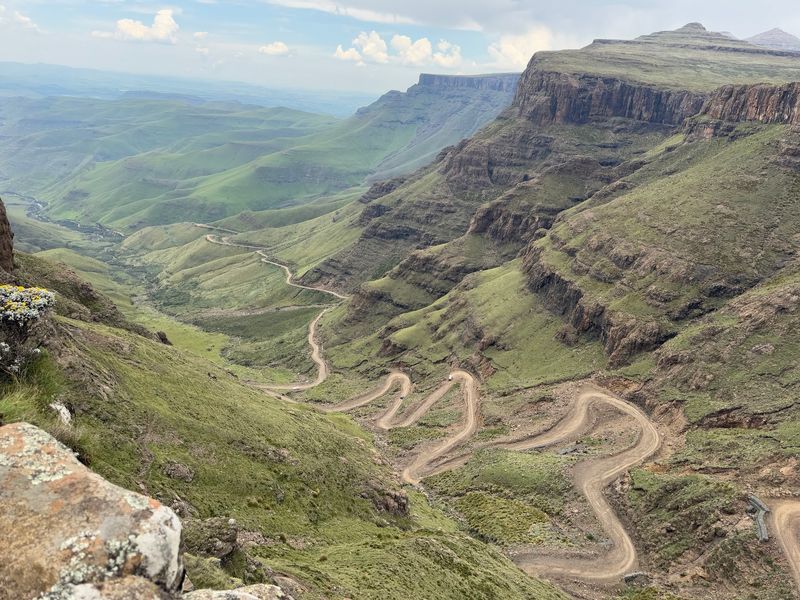
Reaching the highest pub in Africa takes some effort. Sani Pass climbs about 3,000 feet in under five miles, connecting KwaZulu-Natal with Lesotho.
The gravel track is steep and rocky, and only four-wheel-drive vehicles are allowed.
Many travelers join a guided tour from Underberg or the Drakensberg area. Drivers there know every bend and can share stories about the Basotho people and the mountain kingdom above.
At the top, the Sani Mountain Lodge serves meals and drinks at around 9,400 feet. Views stretch across the Drakensberg escarpment.
Bring your passport, since the pass crosses a border. Weather can turn quickly and snow sometimes closes the road in winter.
Go early for the best light and clearer skies.
Share this story