A house on a New Jersey street may not sound like the start of a memorable meal. Then you find out that the house dates to 1898 and serves afternoon tea, tea sandwiches, and scones.
There is more to explore here than a place at the table: the building also welcomes overnight guests. Here is what makes a visit interesting, and what is worth checking before you go.
A Victorian Address in Toms River
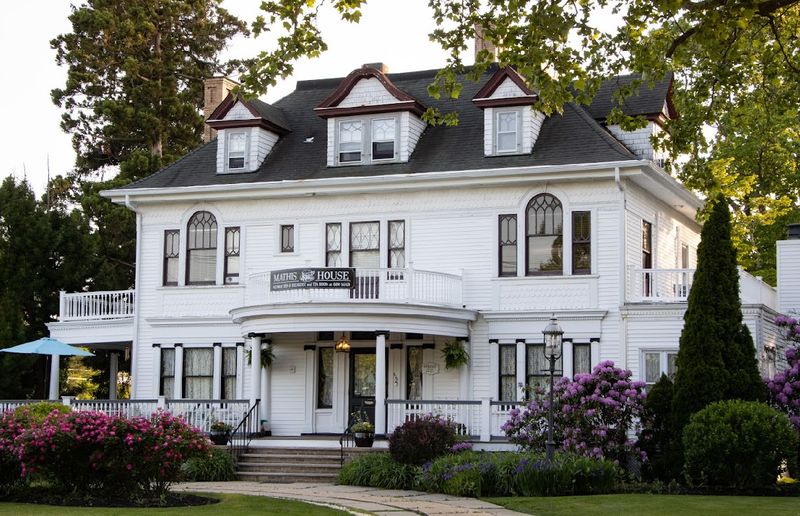
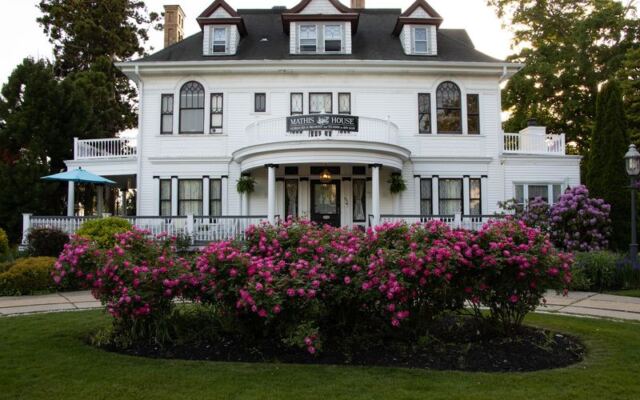
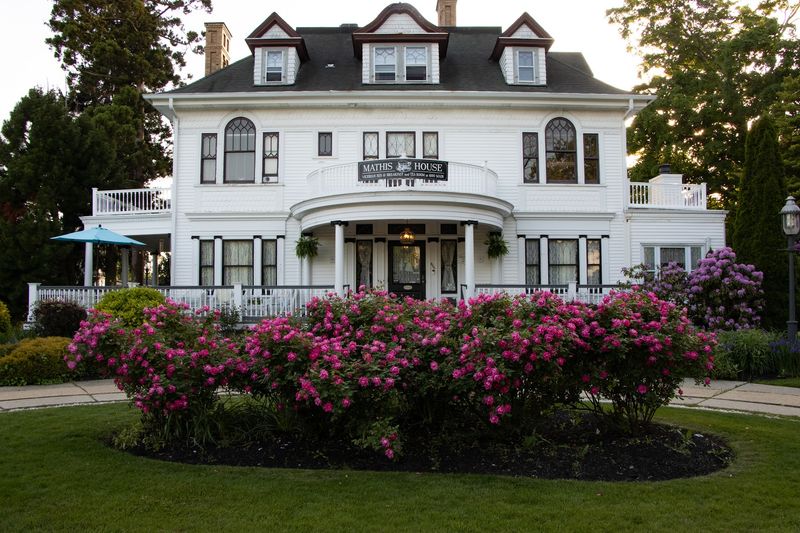
Tea has a particularly fitting address here. Mathis House a Victorian Bed & Breakfast and Tea Room stands at 600 Main St, Toms River, NJ 08753, United States.
It is both a place to stay and a place to have afternoon tea, so a trip does not have to include an overnight booking.
The house sits on a tree-lined street. That setting matters because the visit begins with an actual historic property, not a modern dining room decorated to resemble one.
Guests can come for the formal tearoom, while those staying overnight have the bed-and-breakfast side of the house to consider.
New Jersey residents planning a short outing have a useful starting point: decide which experience they want before making plans. A tea reservation and a room booking are different commitments.
The common draw is the house itself, which gives both kinds of visit a reason to linger beyond the table.
An 1898 House With a Present-Day Purpose
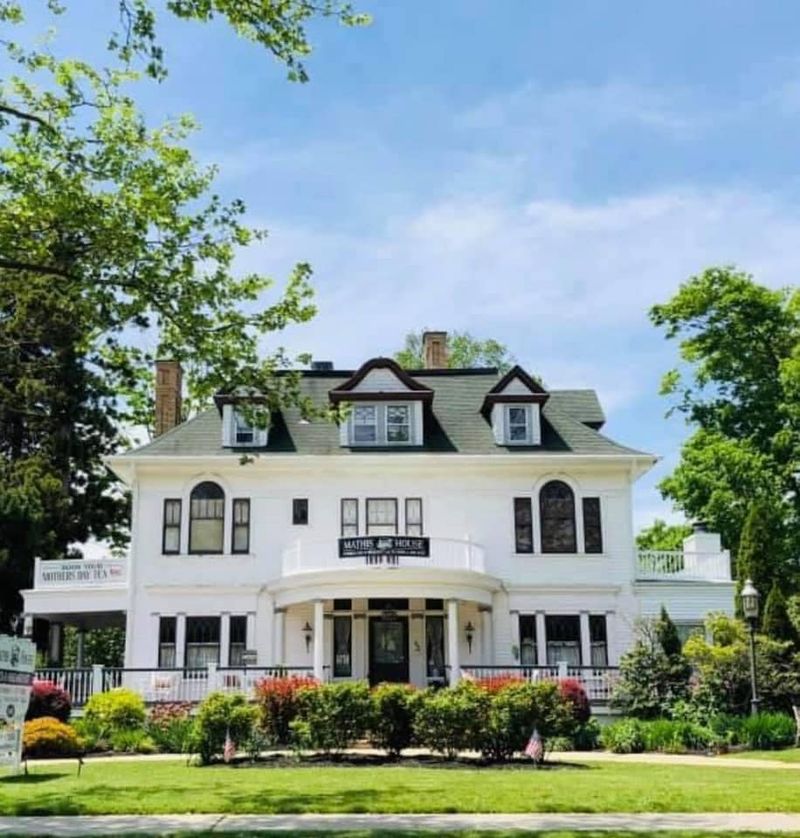
Its age is more than a date for a brochure. The Victorian house was built in 1898, and it now serves as a bed-and-breakfast with a formal tearoom and lounge.
That continued use is central to the appeal: people can spend time in the building rather than only pass it on the street.
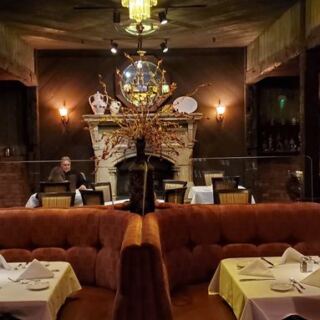
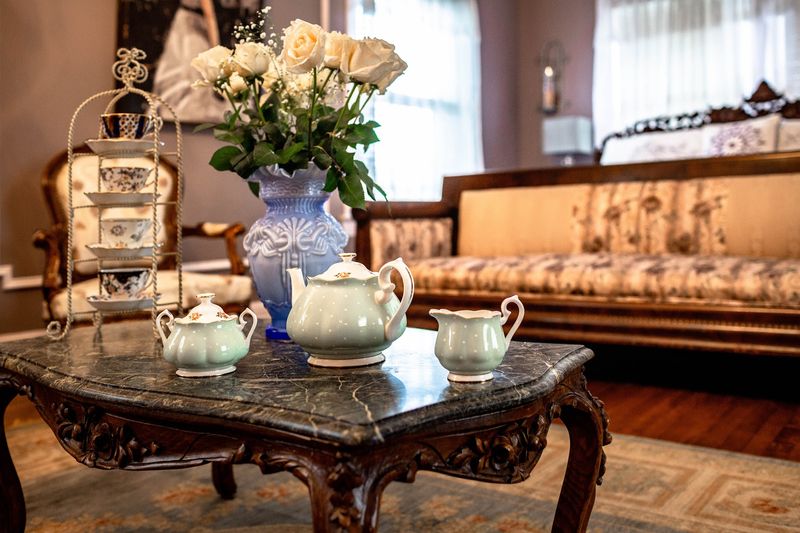
Period character carries through the property. Some guest rooms contain antiques, four-poster beds, or other period furnishings, while accounts of the shared spaces describe wood paneling and an architectural staircase.
Those details help explain why the setting has a role in the visit, even for someone whose main plan is afternoon tea.
The available information does not establish a detailed ownership history or a full account of past renovations. There is no need to invent one.
The confirmed story is interesting enough: a house from the late 19th century has a current life built around lodging, breakfast, and time at the tea table.
Rooms That Keep the House in View
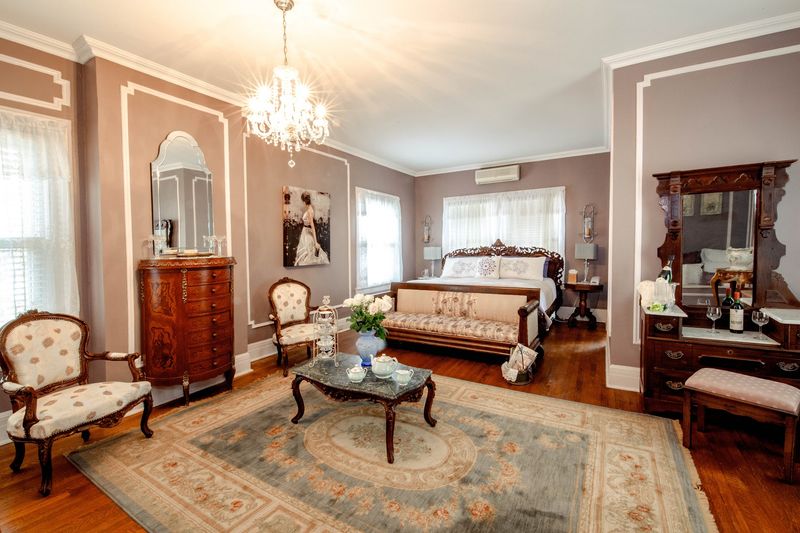
A dining table is only part of the reason to come. Mathis House also has shared spaces, including a lounge, that make the property feel like more than a single-purpose tearoom.
Accounts of the main floor mention wood paneling, antique furniture, and an architectural staircase.
Those features give curious guests something to notice between the practical parts of a visit. The surroundings are not presented as a museum exhibition, and access to particular rooms may depend on what is happening at the house.
It is better to appreciate the areas open to guests than to assume every part of the property is available to explore.
There is a pleasing balance to the concept. The building retains its Victorian identity while hosting ordinary plans such as a meal, a gathering, or a night away.
Anyone drawn by old-house details can keep the architecture in mind when choosing between a brief tea appointment and a longer stay.
Afternoon Tea in a Formal Tearoom
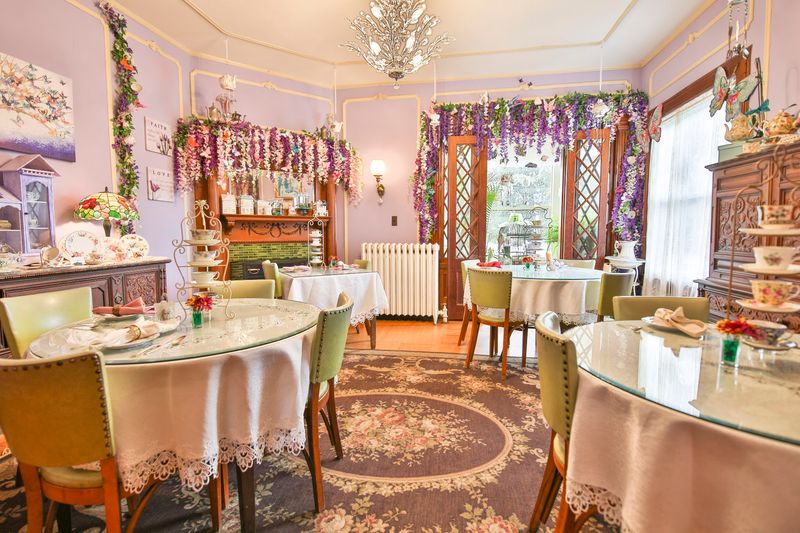
Here is the part that turns curiosity into a plan: afternoon tea is available at the house. The formal tearoom places the meal within the historic property, making tea an activity rather than a quick stop for a cup.
Guests have described a seated occasion with attentive pacing and room to spend time together.
Details can vary by booking or event, so a past guest’s experience should not be treated as a guaranteed menu. What remains consistent in the supplied information is the house’s commitment to tea service.
Tea sandwiches and scones are among the foods associated with it, and the tearoom is an established feature of the bed-and-breakfast.
This is a useful choice for people who want their outing to have a clear beginning and a reason to slow down. Before committing to a date, check the current tea offering directly with Mathis House.
That small step leaves more time for the visit itself.
Tea Sandwiches With a Place at the Table
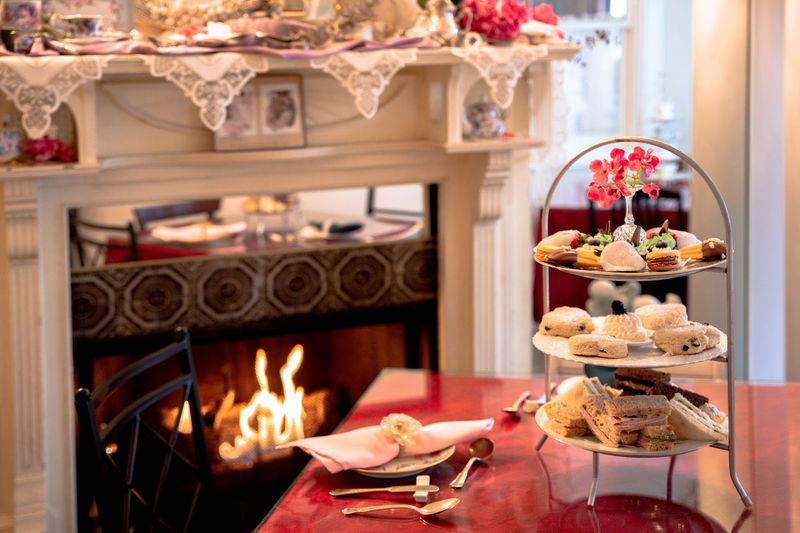
Tea sandwiches are small, but they give the afternoon its proper meal-time purpose. They appear repeatedly in accounts of tea service at Mathis House, alongside scones.
Their presence also helps explain why this outing can work as more than a pause between other plans.
The available information does not establish a fixed list of sandwich fillings. Guests with a particular preference should ask about the current menu rather than count on an item served at a past event.
Vegetarian guests have described helpful menu adjustments, which makes an advance conversation especially sensible when food choices matter.
There is a social advantage to the format, too. A seated tea service gives friends or family a set occasion without requiring an overnight stay.
The sandwiches belong to that larger experience: time at a table inside a historic house. Confirming the day’s offerings beforehand keeps the focus on good company instead of a menu surprise.
Scones That Earn Their Own Conversation
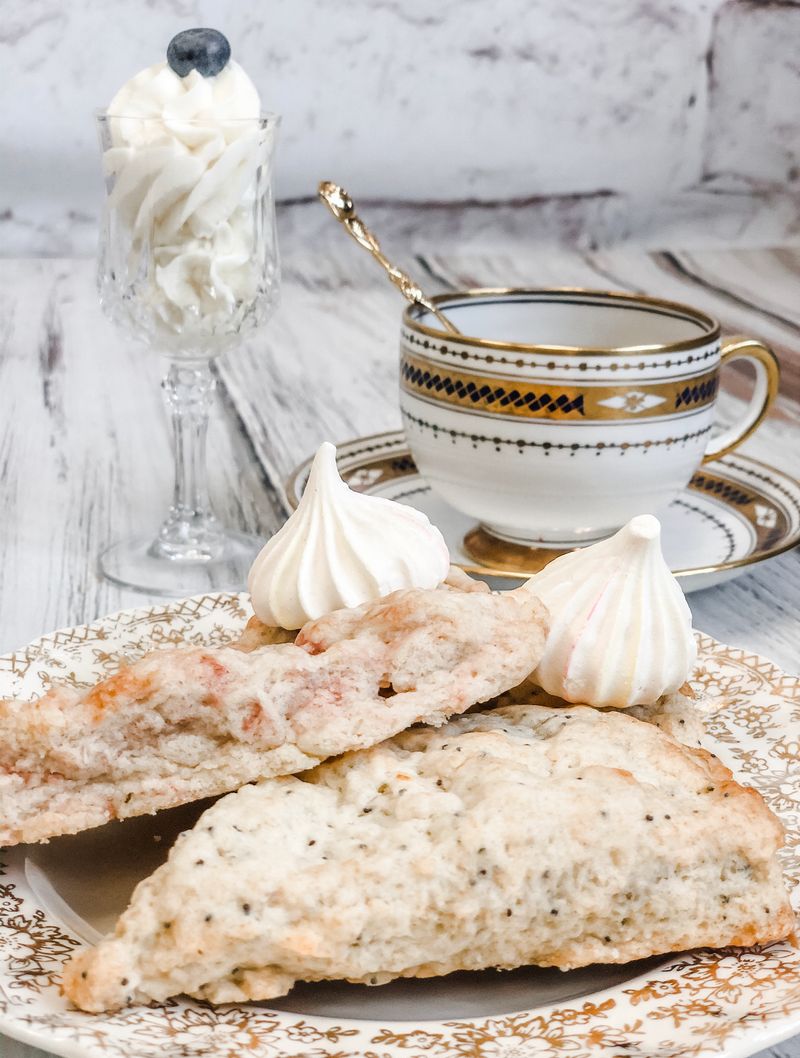
Some foods become the reason a plan gets made. At Mathis House, scones are a recurring point of interest in accounts of afternoon tea and breakfast.
Guests have mentioned different varieties on different occasions, which is a good reason to ask what is being served rather than expect a particular one.
Clotted cream also appears in descriptions of the tea experience. It is a detail worth checking when booking if the full tea-and-scones occasion is what appeals to you.
As with the sandwiches, the supplied information supports the presence of scones but not a promise that every past pairing will appear on every date.
For a group choosing a New Jersey outing, that distinction is useful. The attraction is not a single guaranteed flavor; it is the chance to have scones as part of a planned visit to an 1898 house.
The menu can change, while the setting remains the reason the afternoon stands apart.
A Tea Choice Worth Taking Time Over
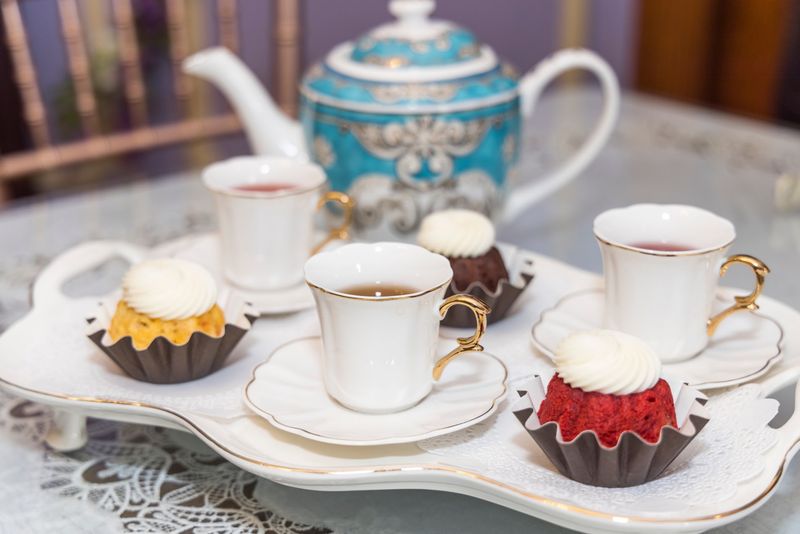
The cup deserves some attention, not just the food beside it. Afternoon tea is a core offering at Mathis House, and accounts of visits describe a broad selection of teas.
That choice gives people a small decision to enjoy before the rest of the service begins.
There is no verified current count of varieties in the supplied information, and a tea mentioned from a previous visit may not be available now. Anyone set on a specific option should ask when arranging the outing.
Otherwise, leaving the choice open can be part of the fun without turning a changing selection into a promise.
Tea also gives the historic setting a practical role. It brings people together at a table in the formal tearoom, where conversation can take its time.
Guests who do not usually plan an afternoon around tea may find the format appealing because the house makes the occasion feel deliberate, rather than like an ordinary break in the day.
Gatherings That Fit the House
Not every tea table is set for a party, but the house also hosts celebrations. Accounts describe bridal showers, birthdays, and baby showers held at Mathis House.
That range makes the tearoom relevant to people planning an occasion as well as those arranging a simple afternoon together.
Some past gatherings have included a pianist, and guests have mentioned themed events. Neither detail should be assumed for an ordinary reservation.
Event arrangements, entertainment, and food service can depend on the date and booking, so the best starting point for a group is a direct discussion with the property.
A historic house can give a gathering an identity without asking the guests to create one from scratch. The practical questions still matter: confirm the space, the menu, the number of people, and what the booking includes.
With those details settled, the Victorian setting can do what it does best, providing a distinctive place for people to spend time together.
Five Guest Rooms and a Longer Stay
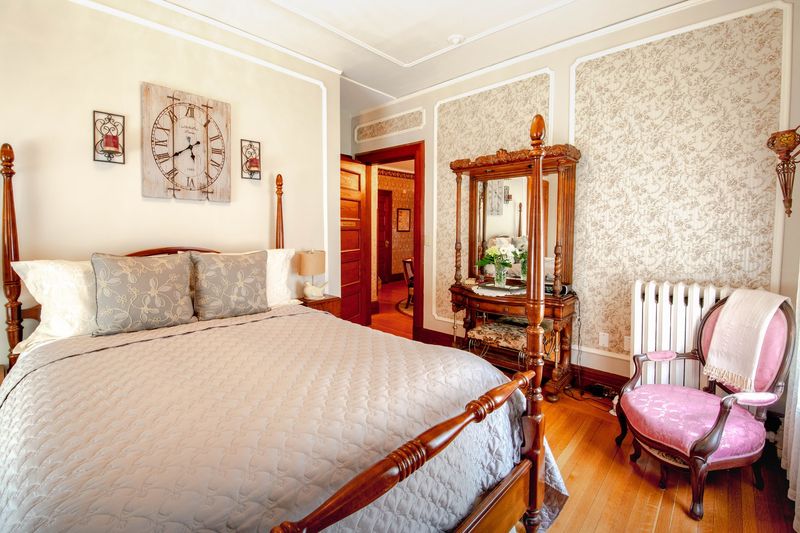
An afternoon appointment can turn into a different kind of trip here. Mathis House has five guest rooms, making it possible to stay within the Victorian property rather than leave after tea.
The rooms offer Wi-Fi and TVs, while some include four-poster beds, antiques, or period furnishings.
Because those historic features are described as appearing in some rooms, guests who want a particular style should ask about the room they plan to reserve. The distinction matters.
A general description of the house does not guarantee that every bedroom has the same layout or furnishings.
An overnight stay also changes how the property fits into a New Jersey itinerary. There is breakfast in the morning, shared space in the house, and the option to make the building itself a main part of the trip.
For someone who usually chooses lodging only for convenience, five individually described rooms offer a reason to consider the booking more carefully.
Breakfast Beyond the Tea Appointment
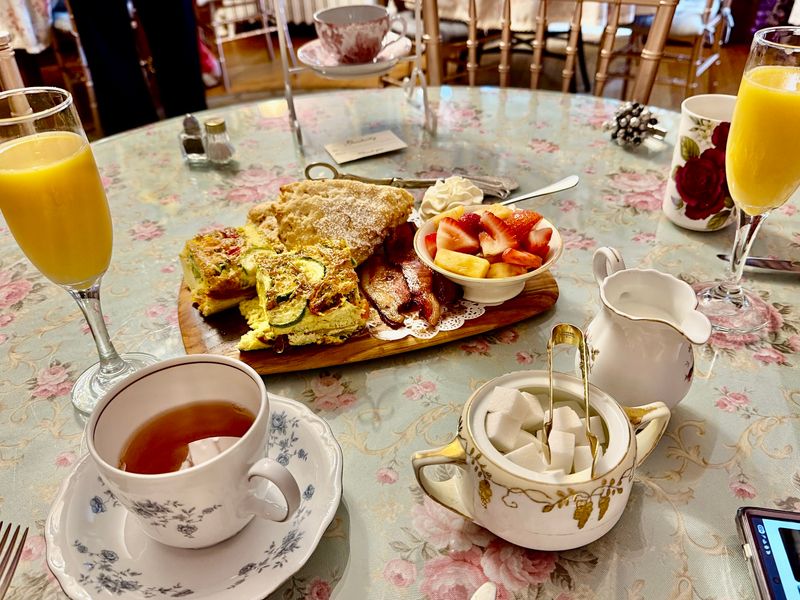
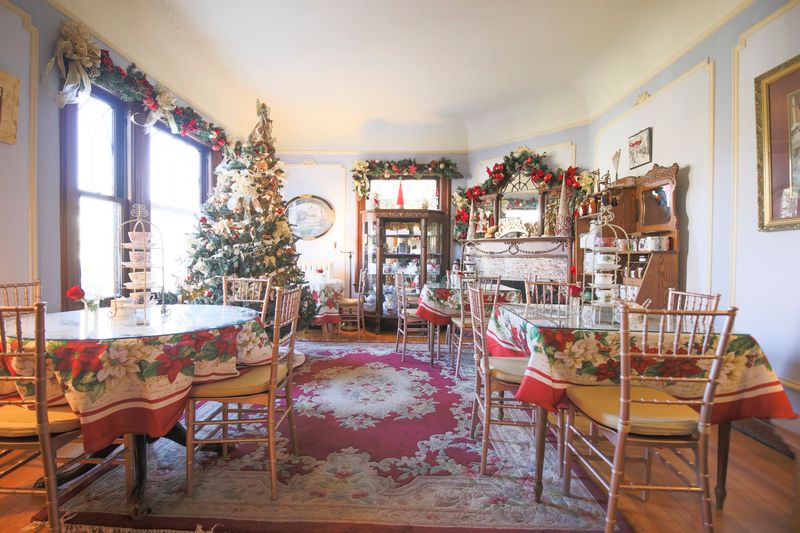
Morning guests get another way to use the house. Breakfast is served in a decorated dining room, adding a separate meal to the overnight experience.
Accounts from people who stayed describe carefully arranged tables and a breakfast that felt like part of the property, not merely a box to check before leaving.
The supplied details do not establish a fixed breakfast menu or serving time. Anyone booking around a schedule should confirm both directly.
That is especially helpful when a stay is tied to another commitment nearby and the morning cannot be left entirely open.
The breakfast room also shows why it is useful to distinguish lodging from afternoon tea. One is part of an overnight plan; the other can be an outing on its own.
Both take place inside the same Victorian house, but each has its own practical details. Choosing the right experience first makes it easier to ask the right questions when arranging a visit.
A Few Details to Settle Before Going
A little planning protects the unhurried part of the outing. The property lists free parking, and Highway 9 is about a mile away.
Those details make a car trip straightforward to consider, though guests should confirm any parking instructions that apply to their particular booking.
Current tea hours, room rates, and tea prices are not established in the supplied information. Rather than relying on an old event listing or a previous guest’s bill, check the property’s website for the latest offerings and confirm the details directly before traveling.
Reservations are especially sensible when a particular date, group size, or menu accommodation matters.
The same caution applies to amenities. Wi-Fi and breakfast are listed for the bed-and-breakfast, but a tea appointment and an overnight reservation serve different purposes.
Ask what your booking includes. A few clear answers beforehand leave less to sort out on arrival and more time for the house, the tea, and the company.
A House Worth Making Time For
The strongest reason to go is also the simplest: this is an 1898 house where tea is part of the property’s present-day life. Tea sandwiches and scones give the afternoon a clear focus.
Historic rooms give guests something else to consider before and after the meal.
Mathis House can suit a planned catch-up, a family gathering, or a stay for someone who wants lodging with period character. None of those plans requires pretending that every visit will be identical.
Menus and events can change, and the five guest rooms have their own features. Checking the current arrangements is part of choosing the experience that fits.
For New Jersey residents, the appeal lies in finding a specific, visitable place with more than one purpose. Come for tea, consider a room if the trip calls for one, and let the building be part of the occasion.
It is a modest plan with an unusually memorable address.
Share this story