The classic Western turned one tiny moment into a movie ritual: two men, two holsters, and a street that suddenly goes quiet. From the late 1930s through the 1990s, filmmakers kept finding new ways to stage that moment, and each decade added its own twist.
Some actors really did practice with revolvers for years, while others relied on editing and camera angles to make speed look almost impossible. Nobody can time a movie draw with a stopwatch, so this list focuses on how each character shaped the idea of a fast gun on screen.
You will meet heroes, hired guns, and one young bluffer who proves that reputation and reality are not always the same. Along the way, you will see how Westerns changed from simple tales of good versus bad into stories that questioned the legend itself.
Keep reading to find out which gunfighters earned their place, and why audiences still remember them.
1. The Man With No Name, Clint Eastwood, A Fistful of Dollars
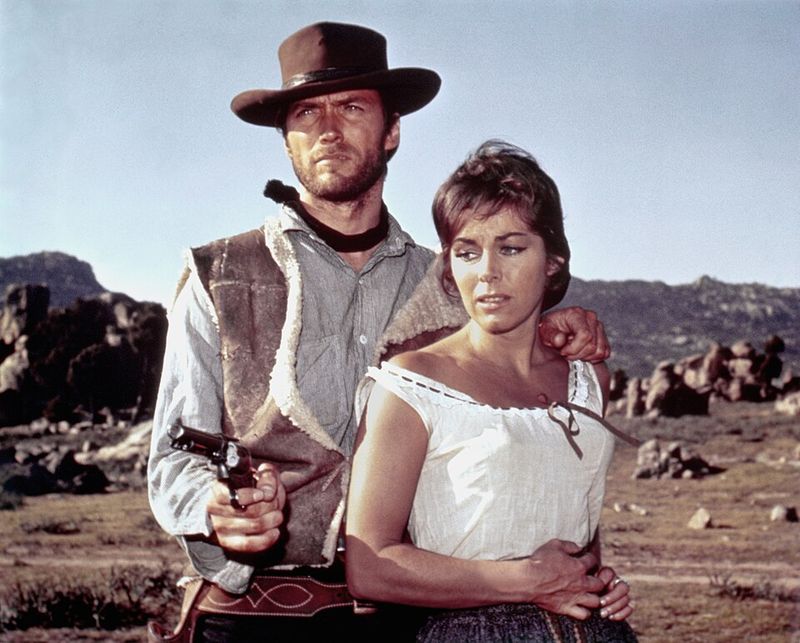
Hurrying was never part of this gunslinger’s plan. Clint Eastwood’s calm manner made him far more unsettling than any loud rival.
In Sergio Leone’s A Fistful of Dollars, the stranger rides into a border town and quickly shows that quiet does not mean weak. After armed men mock him, he returns and deals with four of them in a scene still ranked among cinema’s best quick-draw moments.
Here is a fun fact: the Man with No Name label was a marketing idea from the American distributor. The character is actually called Joe, Manco, and Blondie across the three films.
Leone stretched the pause before the shooting with extreme close-ups. When the draw finally came, it felt instant.
Eastwood proved that an intimidating gunfighter could say very little.
2. Chris Adams, Yul Brynner, The Magnificent Seven
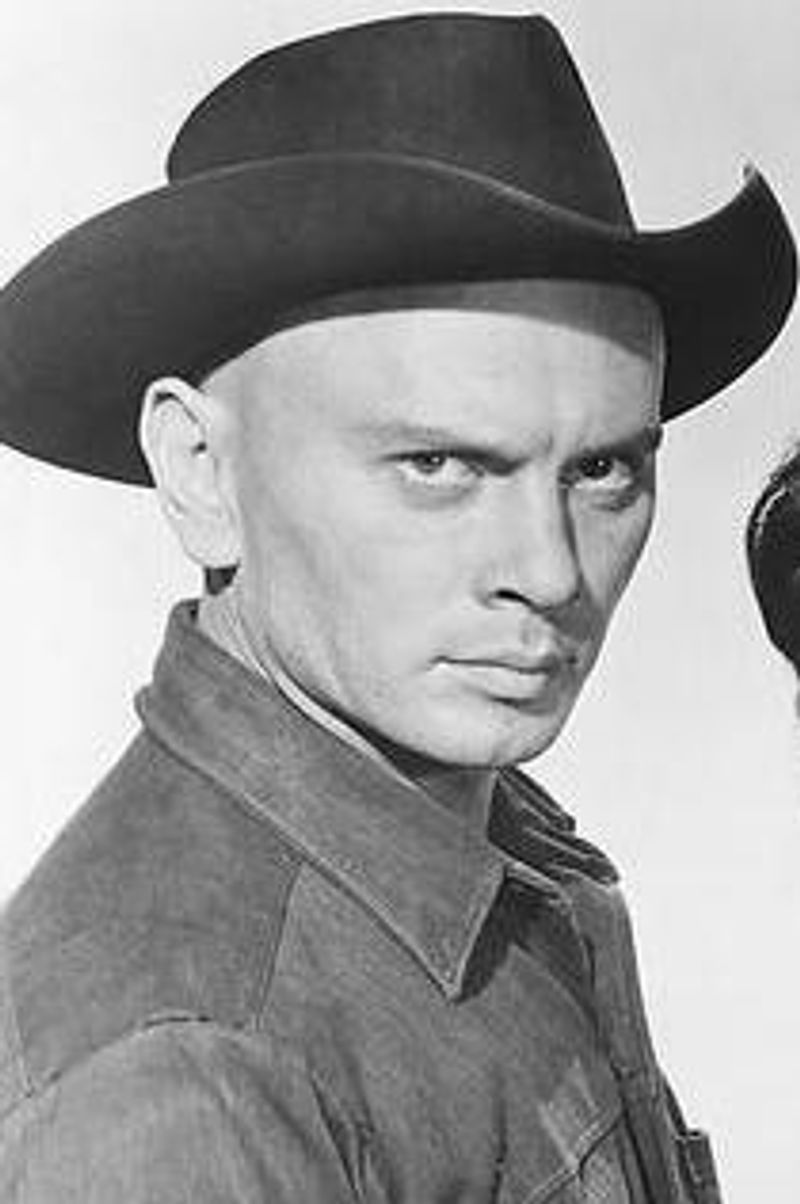
Volunteering to drive a hearse past angry, armed townsmen is a bold way to introduce yourself. That is exactly how Yul Brynner’s Chris Adams enters The Magnificent Seven in 1960.
The scene shows composure under pressure, and it explains why he is later trusted to gather six other gunmen. Their mission is to protect a Mexican village from bandits, even though the pay is tiny.
Brynner played Chris with remarkable restraint. He wears black, treats guns as tools, and rarely needs to advertise his skill.
When shooting starts, he is quick, economical, and calm.
Critics have often called him a black-clad version of Shane. His look was even echoed when Brynner played the android Gunslinger in Westworld in 1973.
Among a cast full of memorable shooters, Chris still feels like the natural leader.
3. Vin Tanner, Steve McQueen, The Magnificent Seven
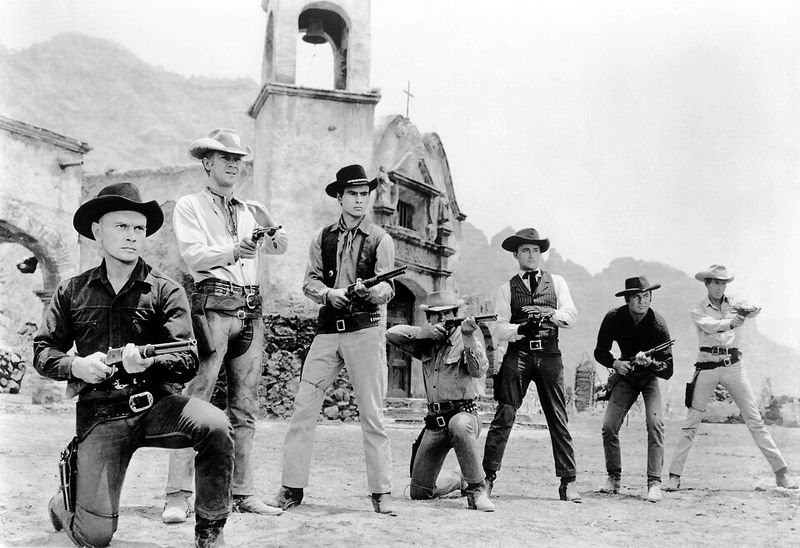
Sharing a scene with Yul Brynner without being overshadowed sounds nearly impossible. Steve McQueen managed it with small, clever touches.
As Vin Tanner, he checks his ammunition, adjusts his hat, and handles his revolver as if it were part of his hand. Those little gestures made the character feel completely at ease around danger.
Vin joins Chris on the hearse ride early in the film, proving he can stay cool while trouble waits on every side.
Once the seven begin defending the village, his skill becomes even clearer.
McQueen’s speed was only part of the appeal. He made quick-draw ability look effortless, as if it needed no special preparation.
Instead of acting out a dramatic gunfight, Vin seemed like a man who had worn a holster his whole life. That ease became central to McQueen’s screen persona.
4. Britt, James Coburn, The Magnificent Seven
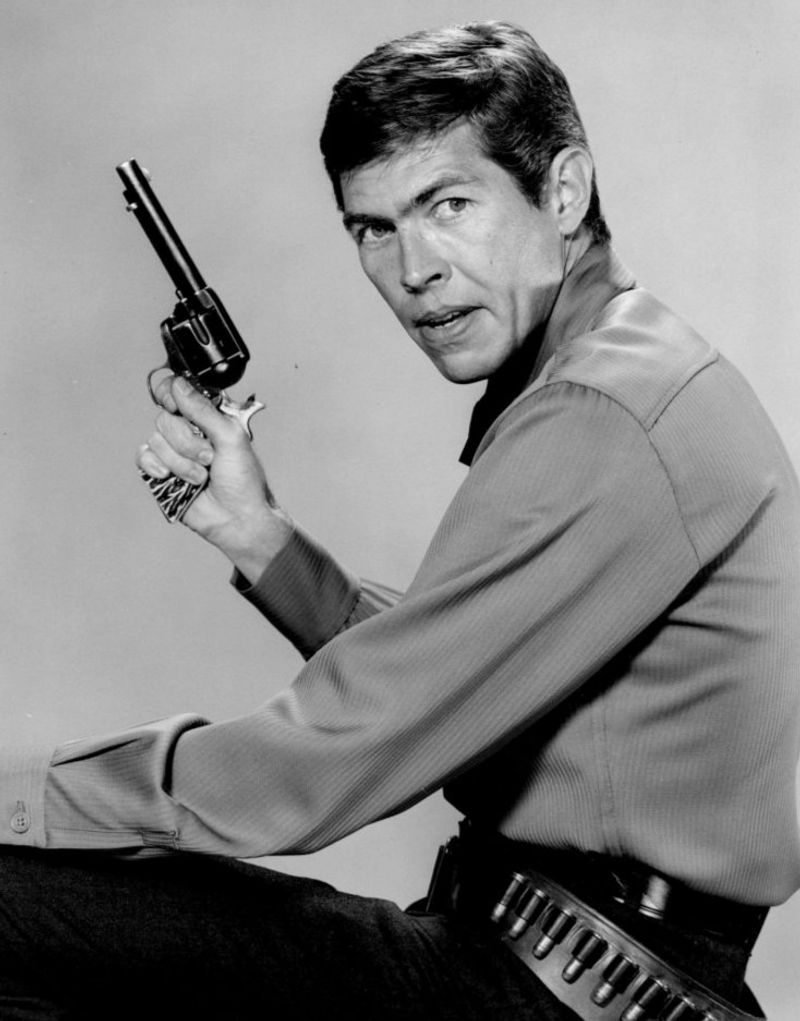
A knife against a revolver sounds like a mismatch, and that is the point. Britt’s introduction in The Magnificent Seven is one of the most talked-about in Western history.
Another man challenges him to a contest. The rival has a gun, Britt has a blade, and the question is whether the gunman can draw and fire before the knife lands.
Britt wins.
The scene tells viewers this is no ordinary hired gun. His timing, confidence, and accuracy are in a class of their own.
James Coburn’s lean frame and relaxed delivery made the role stick. Britt never seems desperate to prove himself, even when others try to test him.
That calm is central to the quick-draw archetype. The fastest gunfighters in Westerns rarely looked nervous.
They looked as if the result was already settled.
5. Shane, Alan Ladd, Shane
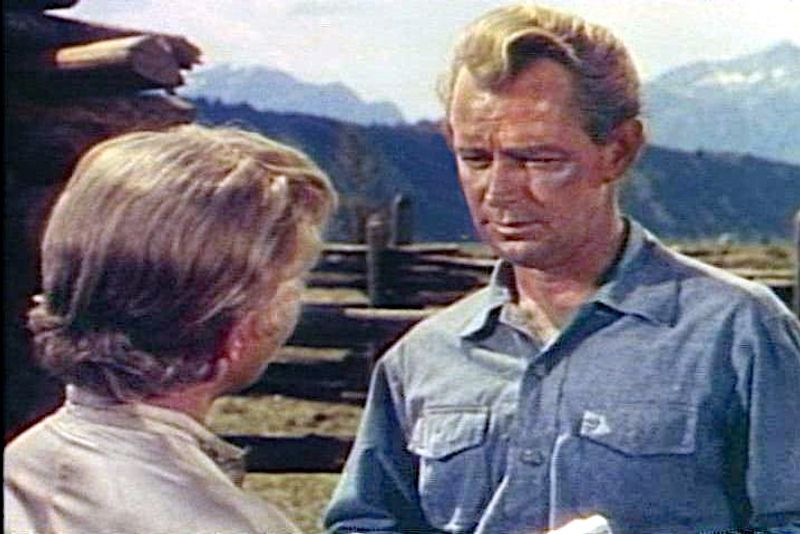
A quiet traveler arrives at a homestead hoping to leave his past behind. That is how the 1953 classic Shane begins, and Alan Ladd gave the title role a gentle, careful presence.
Little by little, the film reveals that Shane is extremely skilled with a revolver. Young Joey Starrett becomes fascinated, especially when Shane shows off his shooting.
But the talent comes with a cost. Being very good at violence makes it hard to ever escape it.
His showdown with Jack Wilson, played by Jack Palance, is about more than who draws first. It stands for the life Shane has tried to put away.
Even so, when the moment comes, there is no doubt that he is still lightning quick.
Shane remains one of the most influential heroes the genre ever produced.
6. Jack Wilson, Jack Palance, Shane
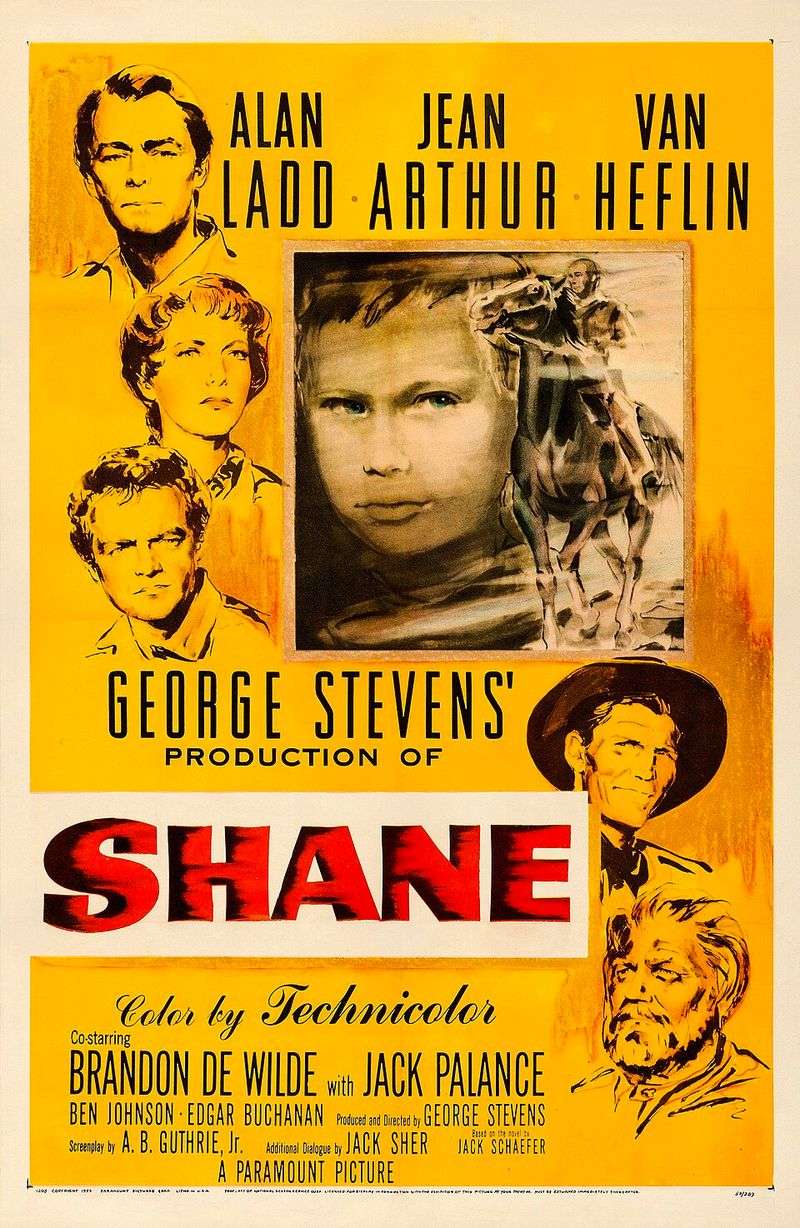
Black clothes, slow steps, and a thin smile say it all. Jack Wilson needs no long introduction in Shane.
Jack Palance played the hired gunfighter as the dark mirror of Shane himself. Both men are highly skilled, but Shane wants to move past that life while Wilson treats it as a profession.
The film’s most unsettling scene shows Wilson facing homesteader Frank Torrey. He provokes the argument on purpose before drawing.
That moment shows why the character is so feared. His speed matters, but so does his skill at steering a confrontation until the other man has no real chance.
It also sets up the final showdown with Shane in a very effective way.
Two professionals finally face each other, and the audience knows the quick draw will decide everything.
7. Joe, Glenn Ford, The Fastest Gun Alive
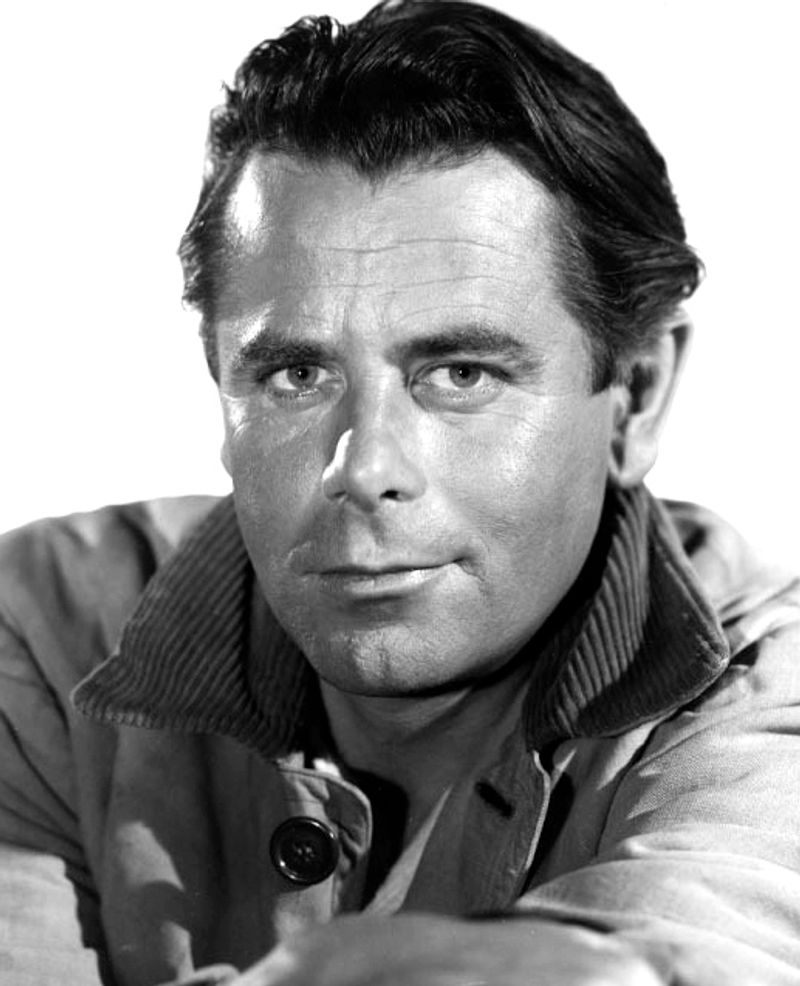
A title that bold has a lot to live up to. The Fastest Gun Alive, released in 1956, makes quick-draw speed the center of the whole story.
Glenn Ford plays George Temple, a quiet shopkeeper with a secret. He is incredibly fast with a revolver, and he has worked hard to hide it.
He knows what happens to a man known as the fastest gun around. Sooner or later, someone wants to challenge him.
Once his talent is revealed, word spreads. Outlaw Vinnie Harold, played by Broderick Crawford, cannot stand the idea that anyone might be faster.
The film asks a smart question about the legend. Being the quickest is not always a gift.
It can turn into a trap, and Ford sold that idea with a thoughtful, reluctant performance.
8. Harmonica, Charles Bronson, Once Upon a Time in the West
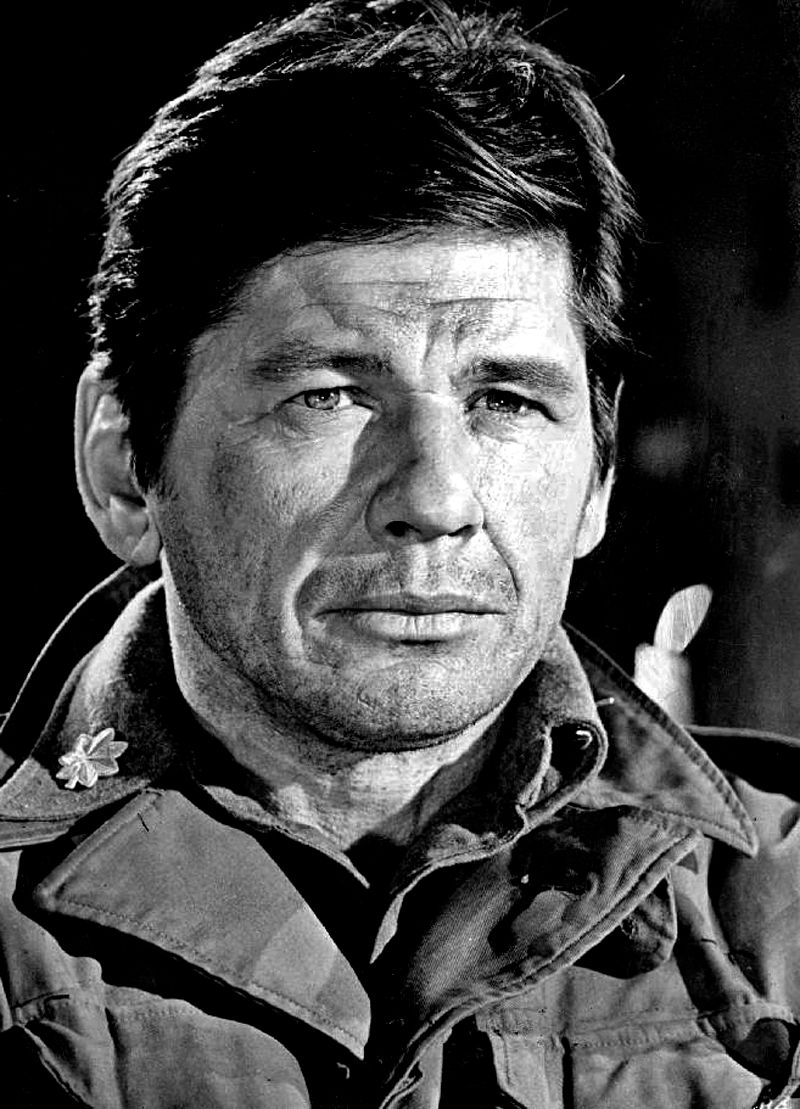
Three horses, one man, and a very short conversation. Sergio Leone’s 1968 film opens with three gunmen waiting at a remote railroad station.
When Charles Bronson steps off the train as Harmonica, he notes that they brought two too many horses. Seconds later the shooting settles the matter.
That scene tells audiences how dangerous he is before they learn anything else about him.
Harmonica pairs speed with patience. He wastes little movement, keeps his revolver hidden until the right moment, and rarely shows fear.
Bronson’s minimalist acting did a lot of the work. Piercing eyes and slow, deliberate motion made the character a silent anti-hero.
His final duel with Frank, played by Henry Fonda, turns the quick draw into something close to a formal ceremony, built on close-ups and long silence.
9. Cole Thornton, John Wayne, El Dorado
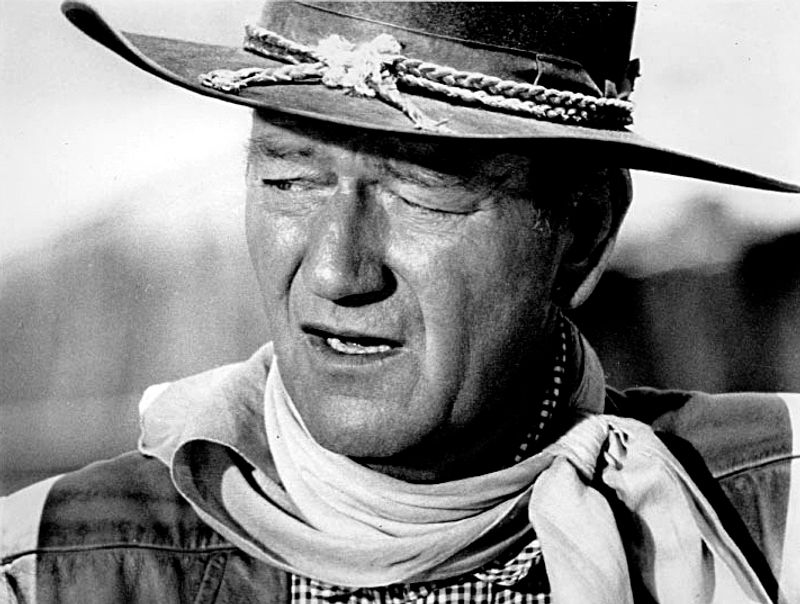
By 1966, John Wayne had nothing left to prove in a Western. That freedom shows in El Dorado, directed by Howard Hawks.
Cole Thornton arrives with a reputation already attached. He is a professional gunfighter, hired because people know what he can do.
Hawks avoids turning every fight into a big display. Thornton simply handles trouble when it appears.
What makes him interesting is that he is not invincible. An old bullet wound causes problems, including temporary paralysis in one hand.
For a gunman, that is a serious worry.
Wayne therefore plays a legend whose skill must compete with age and physical limits.
Still, Thornton stays dangerous. The film suggests that speed mattered, but experience and steady nerve mattered just as much.
10. Frank, Henry Fonda, Once Upon a Time in the West
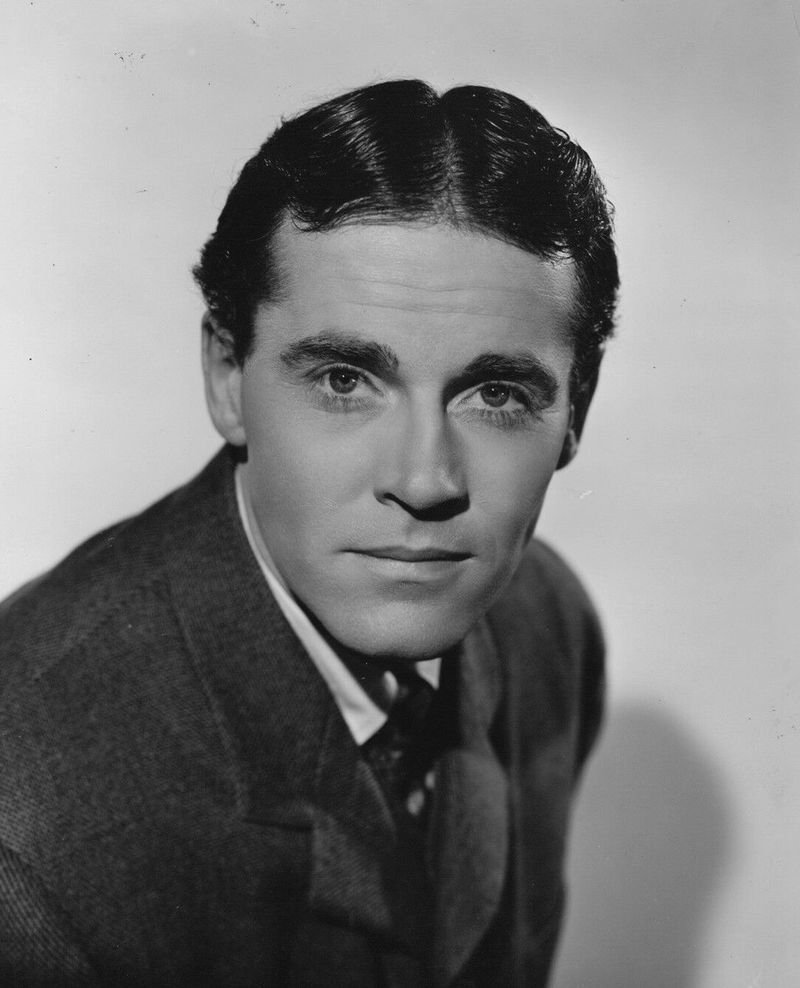
Casting Henry Fonda as a villain was Sergio Leone’s boldest gamble. For years, Fonda had played decent, honest men, and audiences trusted him.
In Once Upon a Time in the West, Frank is a ruthless hired gun with icy blue eyes. His first scene shows him and his men attacking the McBain family, which stunned viewers in 1968.
Yet Frank is more than a cold schemer. He is also a seasoned, formidable gunfighter.
That matters when his path crosses Harmonica’s mysterious quest for revenge.
Their final duel is classic Leone. Close-ups stretch the tension while both men wait for the smallest opening.
When the draw arrives, it feels like the entire film was built to lead to those few seconds.
11. Will Kane, Gary Cooper, High Noon
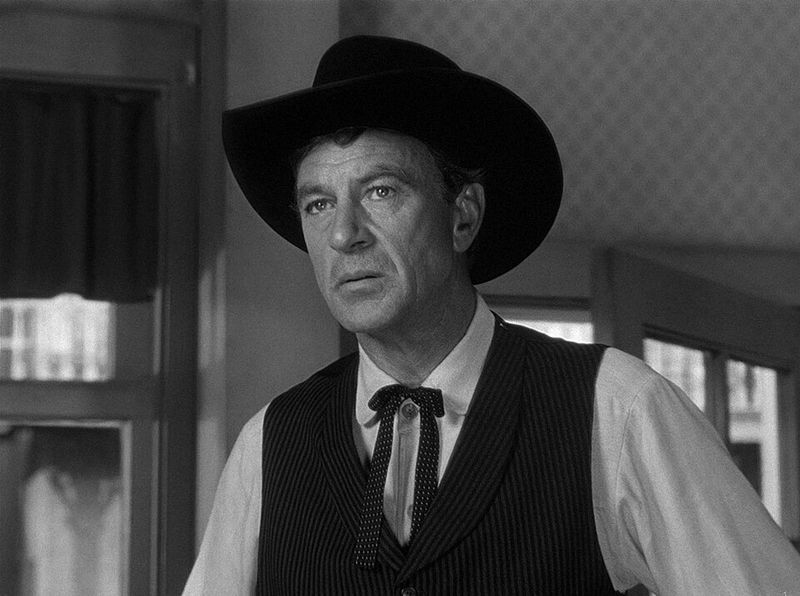
Worry is not what most Western heroes show. In High Noon, Gary Cooper made it the heart of Will Kane.
Kane knows Frank Miller and his gang are arriving on the noon train. He understands he may have to face them mostly alone, and he knows the risk.
He stays anyway.
When the confrontation comes, he shows why he earned respect as a marshal. He relies on position, patience, and accurate shooting instead of a flashy quick draw.
That sets him apart from many gunslingers on this list.
His strength comes from acting despite fear, not from pretending it is absent.
Cooper won the Academy Award for Best Actor for the role in 1953, and Kane became one of the defining lawmen in Western movie history.
12. J.B. Books, John Wayne, The Shootist
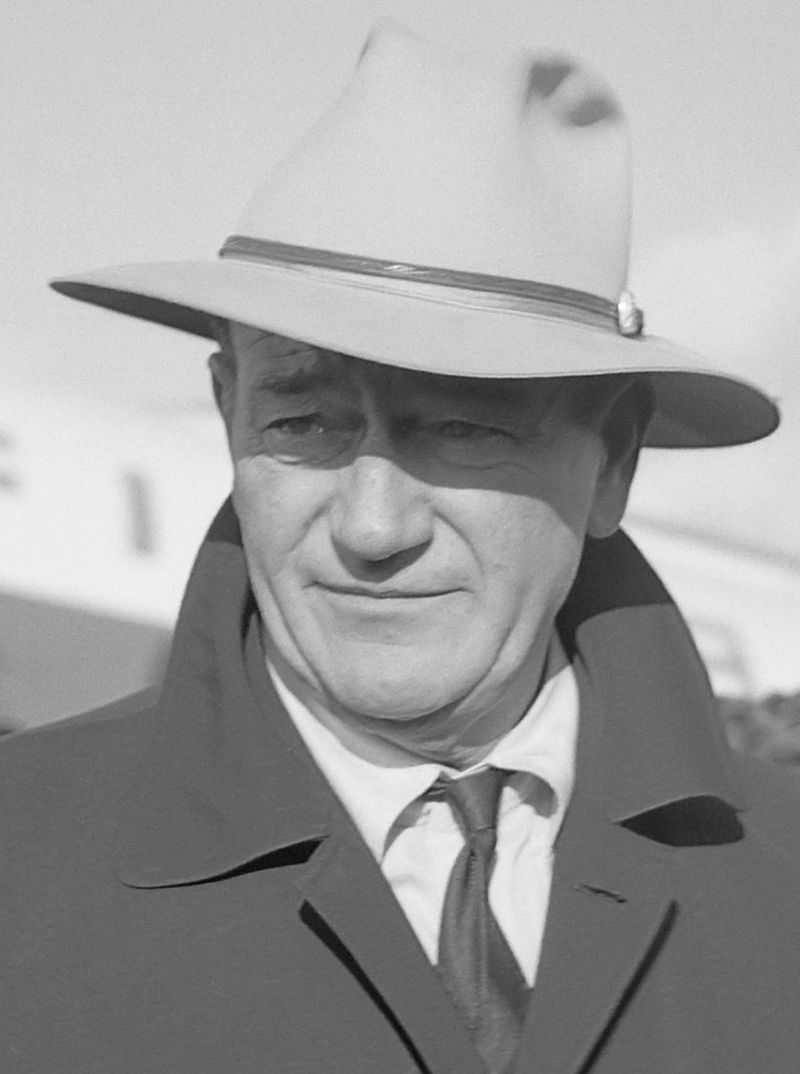
John Wayne’s final film gave him one of his richest roles. In The Shootist, released in 1976, J.B.
Books is famous for being fast.
He arrives in Carson City in 1901 carrying decades of reputation. People know his name and the stories attached to it.
But Books is seriously ill, and that changes everything. The man who outlasted countless armed encounters now faces something no quick draw can beat.
Wayne’s own health problems added extra weight for audiences, and it was hard to ignore.
Still, Books stays dangerous. Age and illness have not erased the instincts that kept him going for so long.
Rather than celebrating gunplay without consequences, the film asks what is left after a lifetime of being better with a gun than everyone else.
13. Ben Wade, Glenn Ford, 3:10 to Yuma
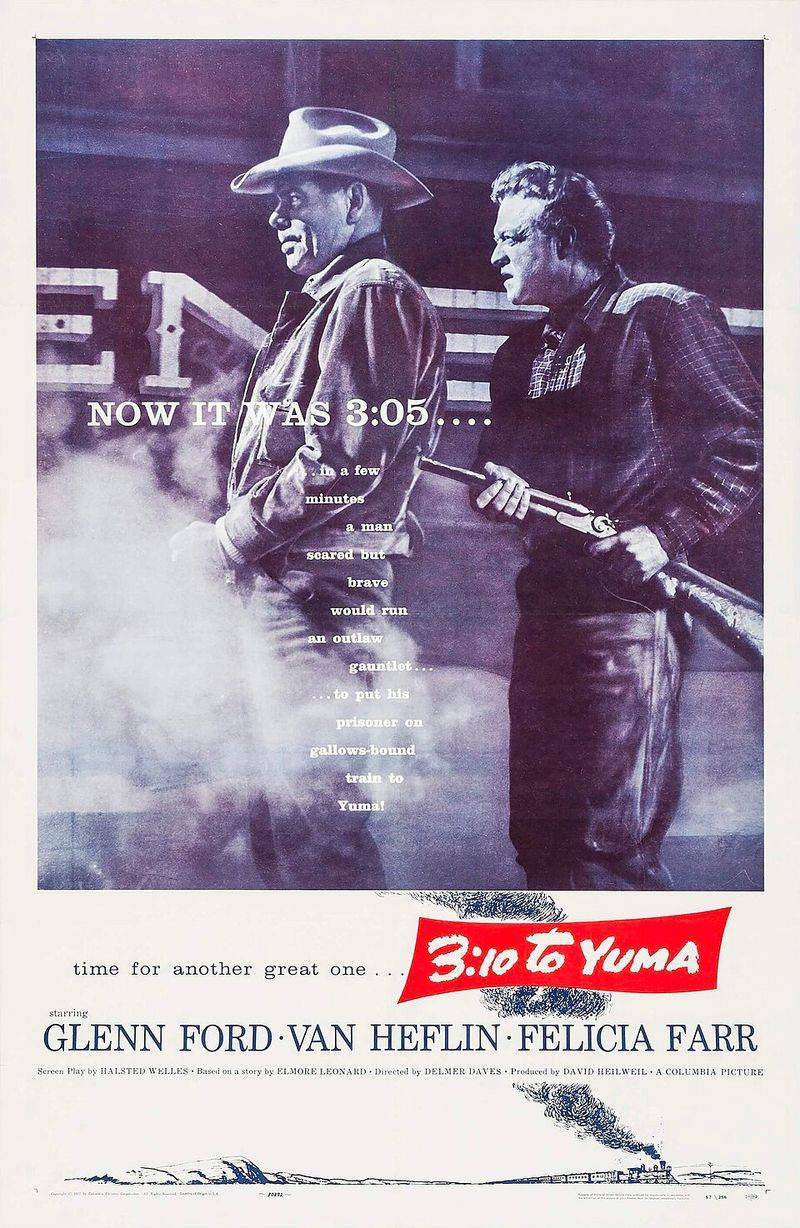
Glenn Ford could make danger look almost friendly. As outlaw leader Ben Wade in the original 1957 3:10 to Yuma, he rarely acts like a wild-eyed bandit.
He smiles, he talks, and he waits. That makes him more worrying, not less.
Wade is an experienced gunman, and the men around him understand his reputation. Yet much of the film’s tension comes from his mind games with rancher Dan Evans, played by Van Heflin.
Evans must keep Wade under guard until they can board the train to Yuma. Along the way, Wade offers money and picks at every doubt.
The chance of gunfire hangs over nearly every conversation.
Ford showed that a great Western gunfighter did not have to draw constantly. Viewers only needed to believe that if he did, the other man would be too late.
14. Ringo Kid, John Wayne, Stagecoach
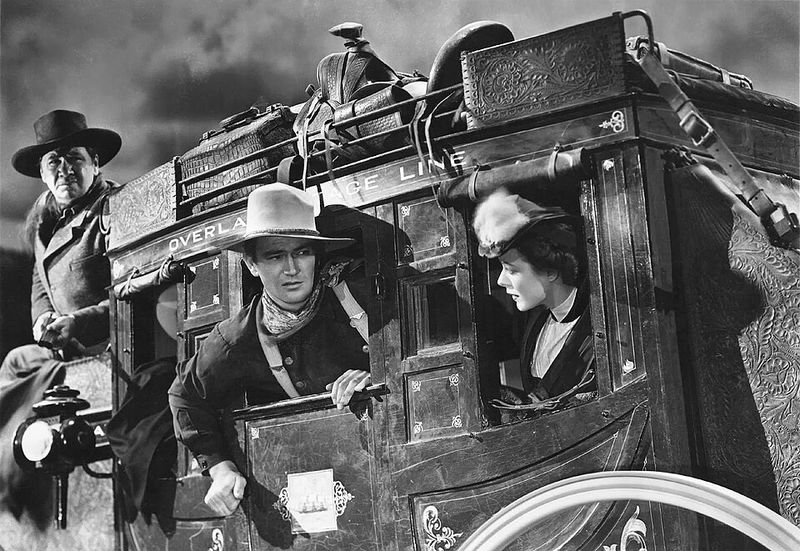
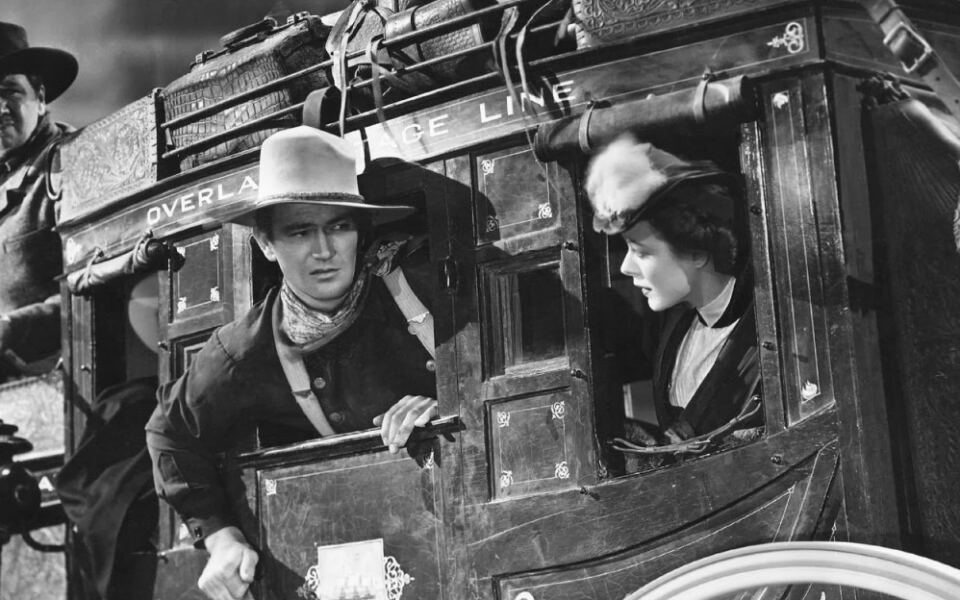
One spinning rifle and one rushing camera shot launched a legend. John Ford’s 1939 film Stagecoach introduced John Wayne as the Ringo Kid, and audiences met a new kind of star.
Wayne had made many Westerns before, but most were low-budget pictures. This role moved him into the top tier of Hollywood.
Ringo is not a reckless troublemaker. He is controlled, direct, and dangerous only when someone forces his hand.
The final showdown reinforces that reputation without needless flash.
Wayne would spend the next four decades refining the screen gunfighter. His draw was not always shown as the very fastest, but few actors handled a firearm so naturally.
Ringo Kid set the template that later cowboys followed.
Share this story