Some of the biggest moments in history never made it into the classroom. Maybe the lesson ran out of time, or the story felt too complicated.
Either way, many people finish school without hearing about revolts, strikes, disasters, and policies that changed whole nations. This list gathers 15 of those stories from around the world, from a sticky flood in Boston to a rebellion in China that reshaped an empire.
Some are inspiring, some are hard to read, and all of them are worth knowing. Each entry sticks to the facts historians have recorded, so you can learn something new and pass it along to a friend who thinks they have heard it all.
The Haitian Revolution, 1791-1804
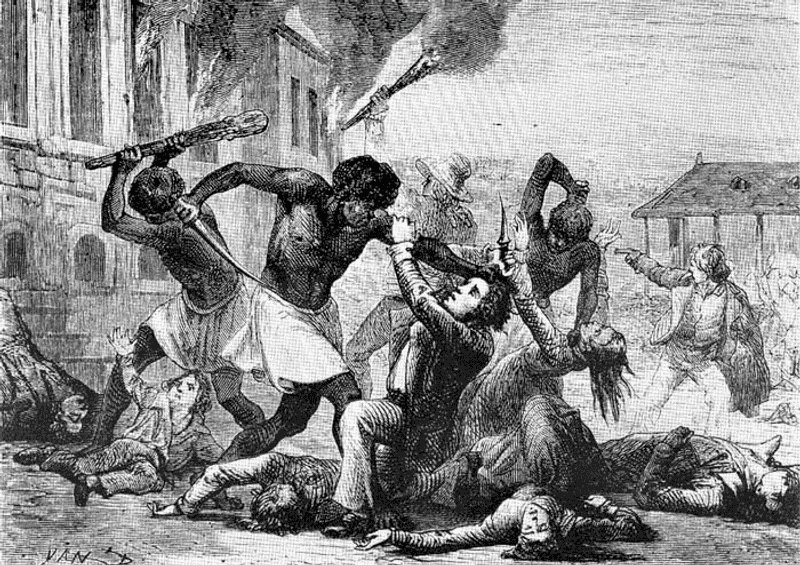
Few revolts changed the world as much as the one that began in 1791 in the French colony of Saint-Domingue. Enslaved people rose up against a plantation system that had made the colony extraordinarily profitable for France.
Toussaint Louverture became one of the most important leaders of the struggle, though he died before independence arrived. Jean-Jacques Dessalines later led forces against the troops sent by Napoleon.
On January 1, 1804, Haiti declared independence. It became the first independent Black republic and the first modern nation created through a successful revolt of enslaved people.
That fact alone makes the story stand out, yet many students only hear a sentence or two about it. The revolution showed that the ideas of liberty being debated in Europe and the Americas could be claimed by people who had been denied them.
Its influence reached far beyond the Caribbean, and it remains a landmark in the history of freedom.
The Taiping Rebellion, 1850-1864
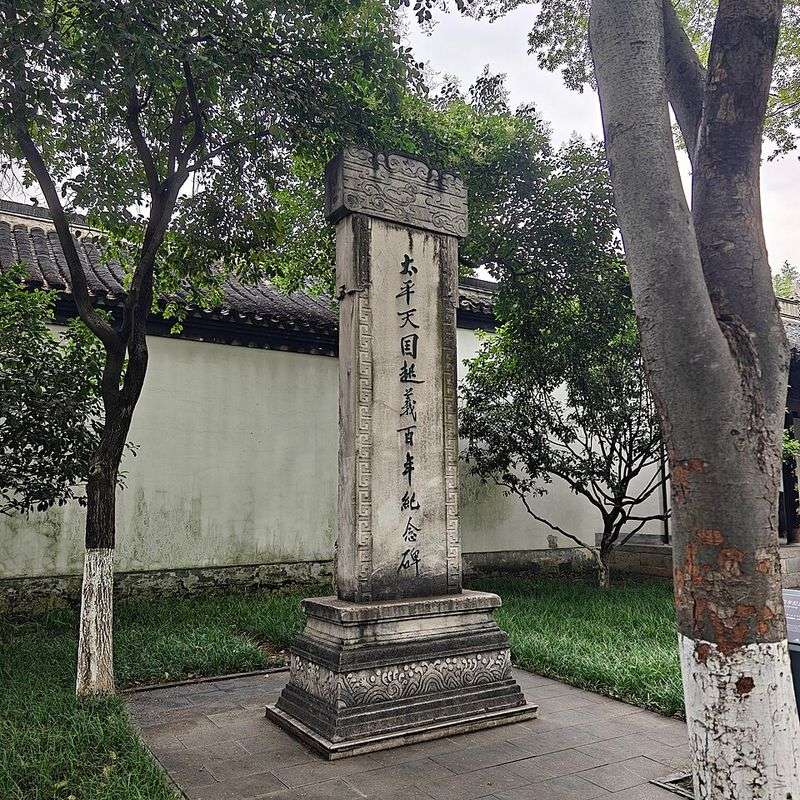
One of the deadliest conflicts in human history barely registers in many Western history courses. The Taiping Rebellion erupted in China under Hong Xiuquan, a man who claimed religious visions and eventually established the Taiping Heavenly Kingdom.
His forces captured Nanjing in 1853 and made it their capital. From there, the movement challenged China’s Qing dynasty for more than a decade.
The fighting devastated large areas of the country. Estimates vary, but historians commonly place the toll at around 20 million or more, which makes it one of the nineteenth century’s greatest catastrophes.
Numbers that large are hard to picture, and that may be part of why the story gets skipped. Yet the rebellion weakened the Qing government and shaped Chinese history for generations.
Anyone curious about how modern China developed will find this chapter a useful starting point, even though it is rarely taught outside specialized courses.
The Wilmington Coup of 1898
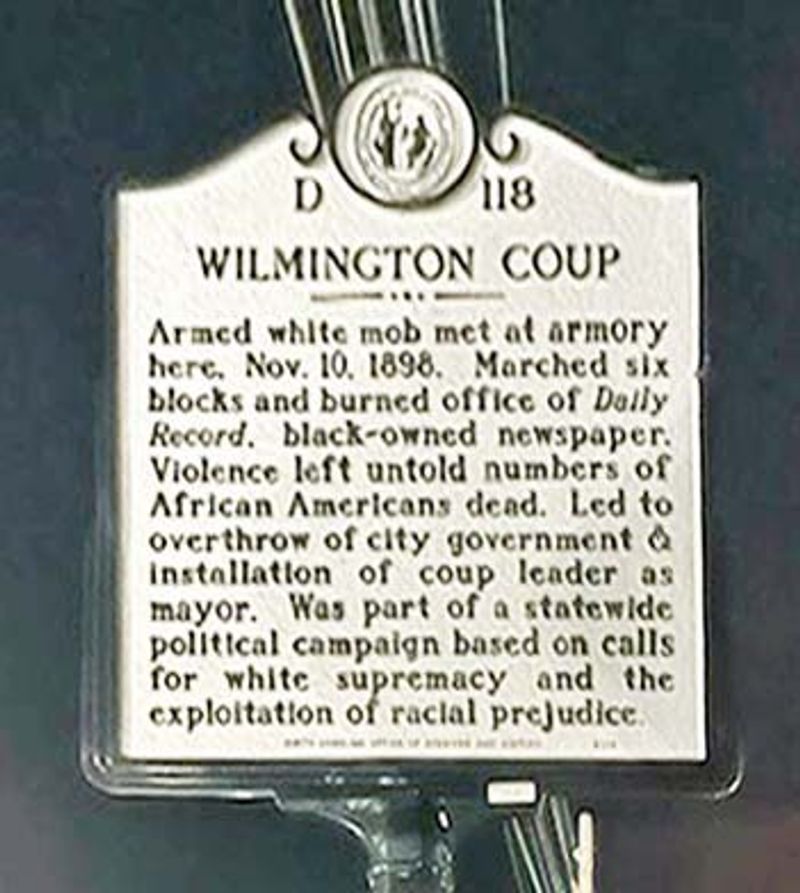
A city government was removed by force in the United States, and most people have never heard of it. On November 10, 1898, white supremacists in Wilmington, North Carolina, overthrew the city’s elected biracial government.
The violence followed an organized campaign aimed at destroying Black political and economic power. Armed white men attacked Wilmington’s Black community, burned the office of the Black-owned Daily Record newspaper, and forced political leaders from office.
What makes Wilmington particularly significant is that it was not simply a riot. It involved the deliberate removal of legitimately elected officials and the seizure of local political power.
That makes it a remarkable episode in post-Civil War American history. It shows how political rights won after the war could be taken away through planning and pressure, and why historians return to this event when they study the era.
The Triangle Shirtwaist Factory Fire, 1911
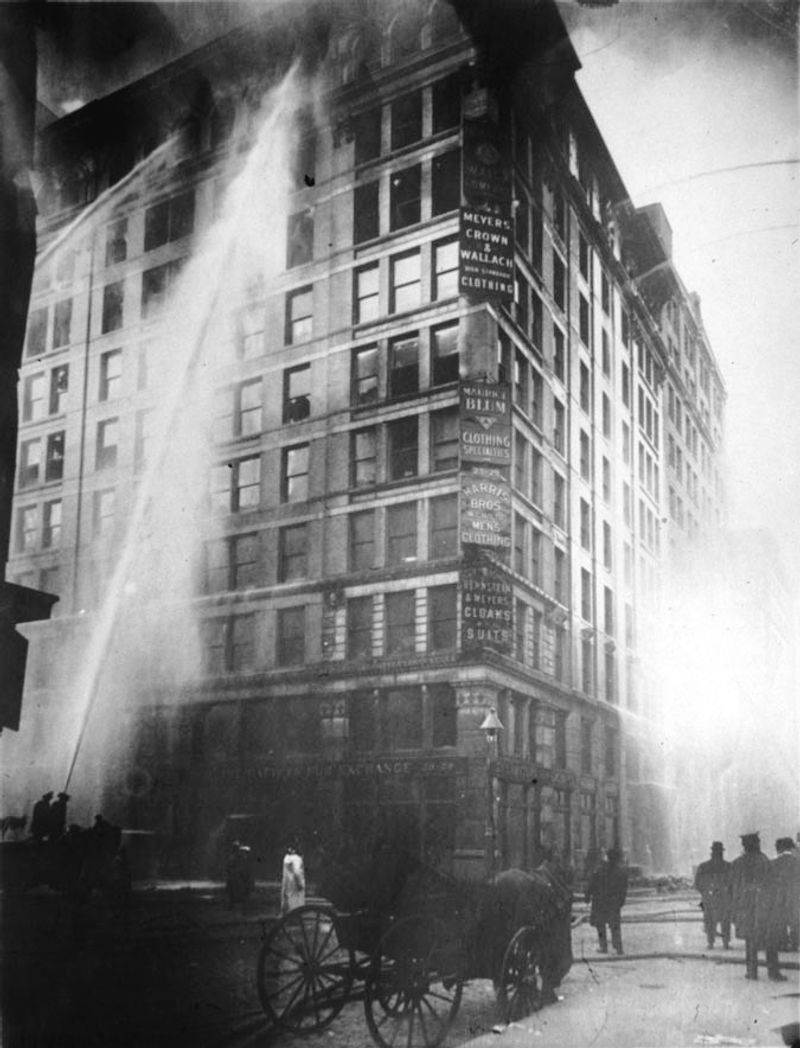
Picture a busy garment factory on a spring afternoon in New York City. On March 25, 1911, a fire tore through the Triangle Shirtwaist Company, and the workers inside had few safe ways out.
Most of them were young immigrant women. Escape routes were inadequate or inaccessible, and the disaster killed 146 people.
Some workers jumped from upper-floor windows when flames blocked other exits.
Public outrage over the preventable deaths helped fuel major workplace reforms. New York strengthened factory inspection, building, fire, and labor regulations.
Many of the safety rules workers rely on today trace back to changes sparked by this event. It turned an industrial tragedy into an important moment in the history of worker safety, and it is a good reminder that everyday protections like clear exits and fire drills were once fought for.
The Ludlow Massacre, 1914
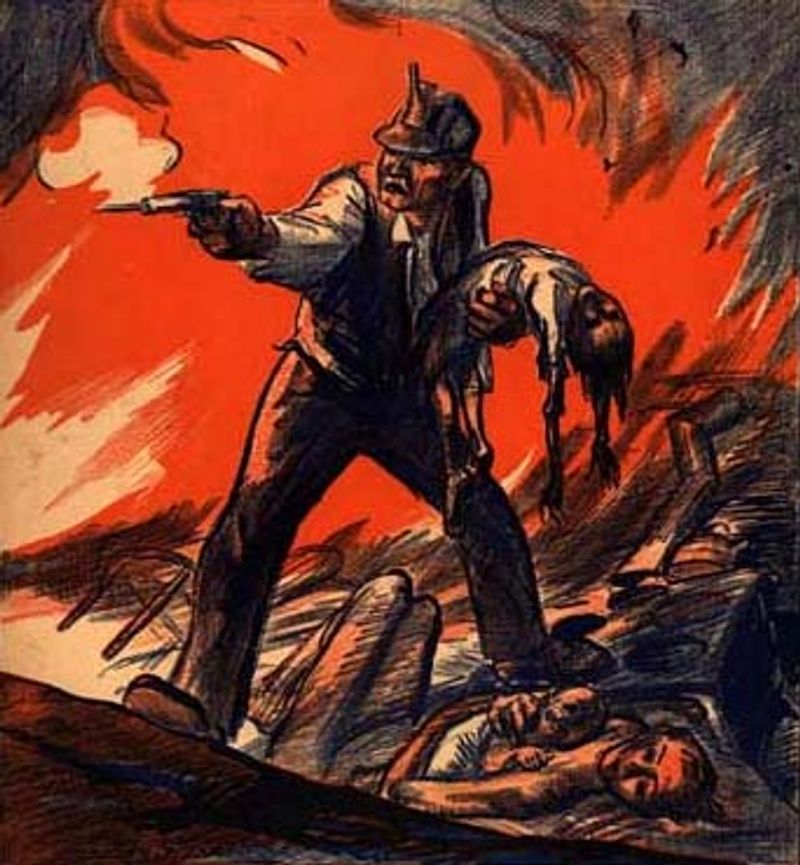
Colorado’s coalfields became the scene of a bitter struggle between miners, mine owners, private guards, and the National Guard. It all grew out of a major strike that began in 1913.
After being evicted from company housing, striking miners and their families lived in tent colonies. On April 20, 1914, violence erupted at the Ludlow colony, and the camp was burned.
The dead included women and children who had sheltered beneath the tents.
The massacre provoked national outrage. Newspapers across the country covered it, and public attention turned toward how mining companies treated their workers.
It became one of the defining episodes in the long American battle over union rights and working conditions. Anyone who wants to understand why labor laws exist can learn a lot from what happened on that spring day in Colorado.
The Armenian Genocide, 1915-1916
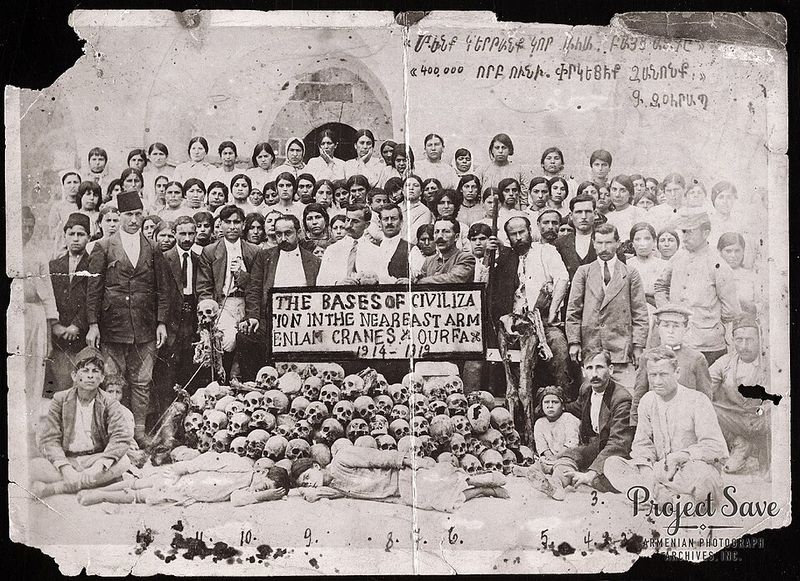
During World War I, Ottoman authorities carried out mass deportations and killings of the empire’s Armenian Christian population. It is a painful subject, but an important one to understand.
The U.S. Holocaust Memorial Museum estimates that at least 664,000 and possibly as many as 1.2 million Armenians died between spring 1915 and autumn 1916.
People were killed in massacres or died from starvation, dehydration, exposure, disease, and brutal conditions during the deportations.
The events also shaped the future of international law. Raphael Lemkin, the lawyer who coined the term genocide, was influenced by these atrocities.
He went on to campaign for international laws against the destruction of entire groups.
Learning about this history helps explain why those laws exist today, and why remembering such events matters for communities whose families were affected.
The Great Molasses Flood, 1919
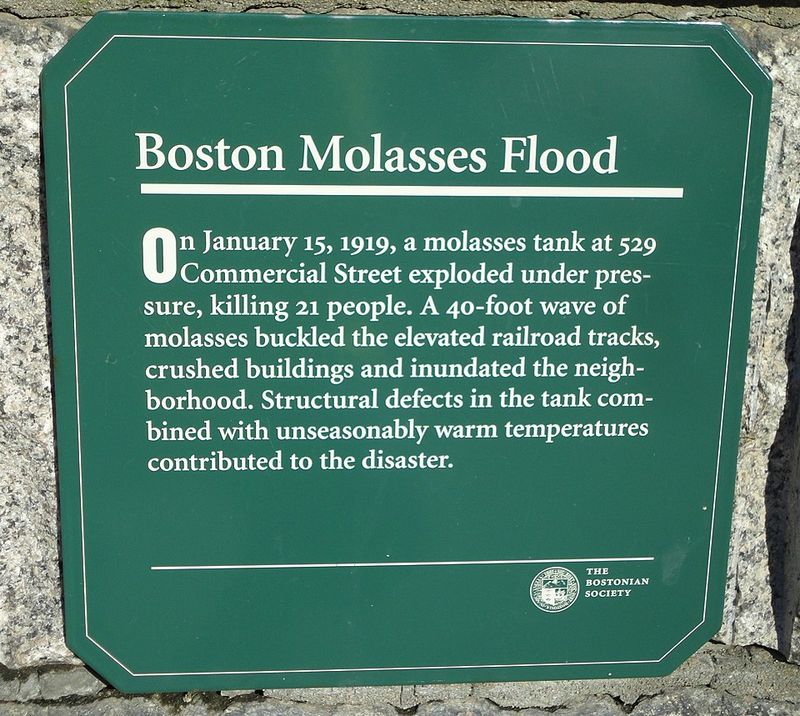
Strange but true: a wave of molasses once rolled through the streets of Boston. On January 15, 1919, a massive storage tank holding about 2.3 million gallons burst in the city’s North End.
The wave smashed buildings, damaged an elevated railway structure, and trapped people and animals. It reportedly reached speeds of about 35 miles per hour.
Twenty-one people died and roughly 150 were injured.
After years of litigation, the tank’s owner was held responsible. Investigations pointed to structural problems and poor oversight, rather than the sabotage theories the company first suggested.
The case is often remembered as a quirky headline, yet it had a serious legacy. It highlighted the need for better engineering standards and oversight, and it showed that a sweet substance could become dangerous when a structure was not built safely.
The Tulsa Race Massacre, 1921
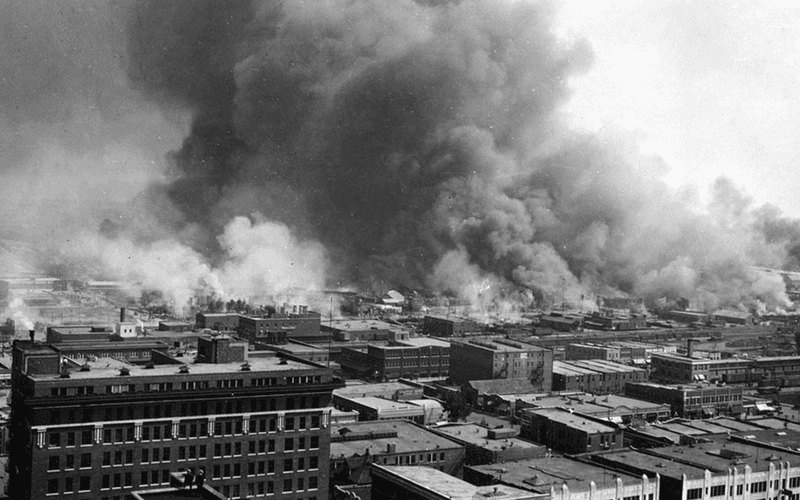
Known as Black Wall Street, Tulsa’s Greenwood district was one of America’s most prosperous Black communities. Its businesses and homes showed what a thriving neighborhood could build.
That changed between May 31 and June 1, 1921, when white mobs attacked Greenwood residents. Homes and businesses were destroyed across dozens of blocks.
Thousands of Black residents were left homeless. Historians believe the death toll reached into the hundreds, although the precise number remains uncertain.
For decades, the massacre received little public attention. Records disappeared, newspaper coverage was suppressed, and the event was rarely discussed in classrooms or textbooks.
Many Americans only learned about it in recent years. Its story is now being told more widely, which helps restore a piece of history that was kept out of view for far too long.
The Battle of Blair Mountain, 1921
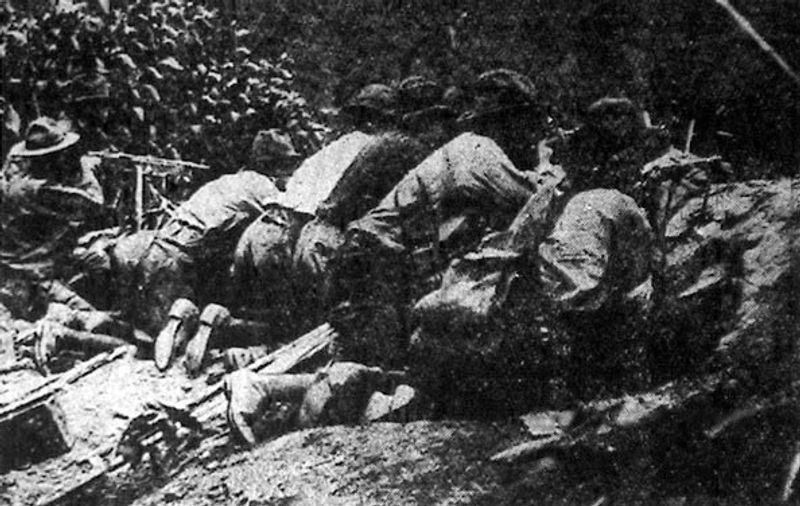
Thousands of armed coal miners marched through West Virginia in August 1921. The confrontation became the largest armed labor uprising in American history.
Miners were fighting against harsh working conditions, anti-union mine owners, and company-controlled towns. They lived in a system where workers could even be paid in company-issued currency.
At Blair Mountain, miners confronted forces supporting the coal companies. Fighting lasted several days before federal troops arrived and many miners dispersed.
Although the uprising failed militarily, it left a strong mark. Blair Mountain became an enduring symbol of the violent struggle that accompanied America’s labor movement.
The story is a useful reminder that benefits like safer workplaces and fair pay did not simply appear. Many came after years of organizing, protest, and sacrifice by ordinary workers.
The Bonus Army March, 1932
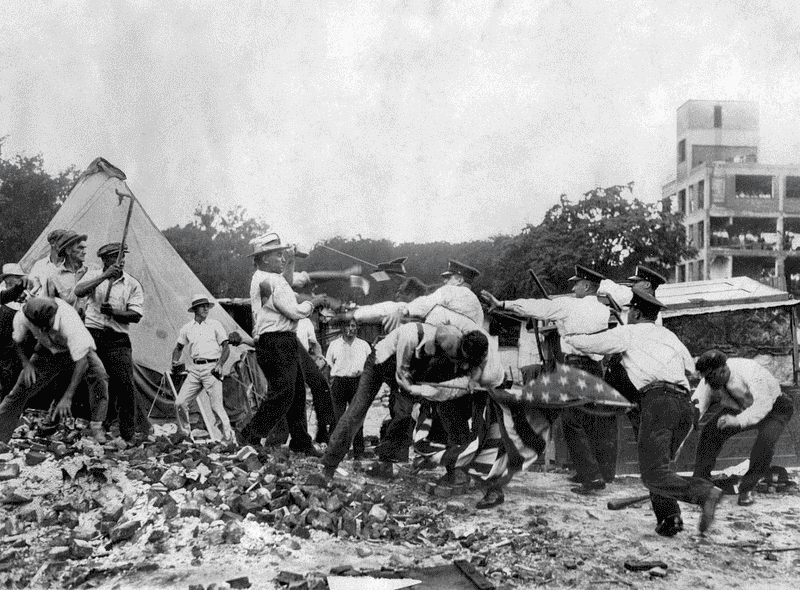
Imagine thousands of veterans camping in the nation’s capital just to ask for money they were promised. During the depths of the Great Depression, World War I veterans traveled to Washington, D.C., demanding early payment of bonuses for their military service.
Veterans and their families established large camps while Congress considered their demands. After lawmakers rejected the proposal, many protesters remained.
On July 28, federal troops under General Douglas MacArthur drove them from their encampments using cavalry, troops, tear gas, and tanks. The camps were then burned.
Images of American soldiers confronting former American soldiers created a political disaster for President Herbert Hoover.
The public reaction was strong, and the episode helped shape the political mood of the time. Veterans benefits became a bigger national conversation in the years that followed.
The Tuskegee Syphilis Study, 1932-1972
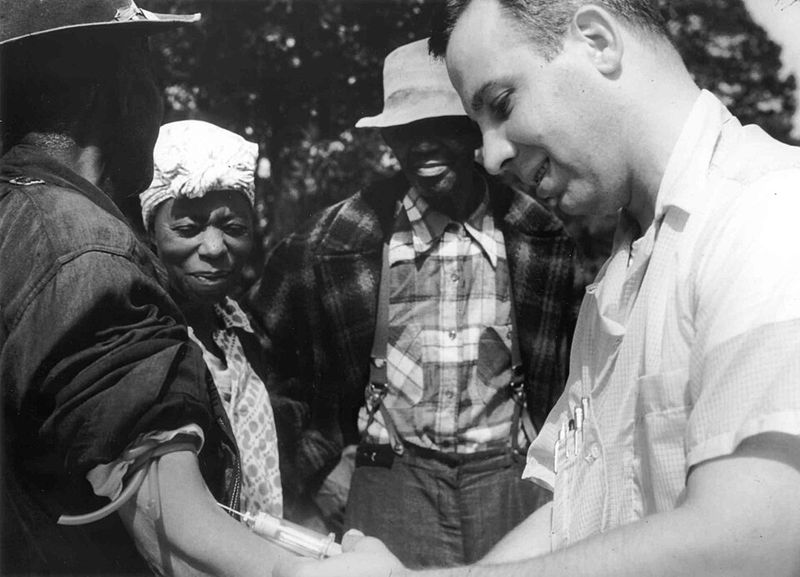
In 1932, the U.S. Public Health Service began studying the progression of untreated syphilis among Black men in Alabama.
The study included 600 men, 399 of whom had the disease.
Participants did not provide informed consent. They were told they were receiving care for bad blood.
Even after penicillin became the standard treatment for syphilis, researchers did not offer it to participants. The study continued until 1972.
When the facts became public, the scandal sparked a national reckoning about ethics in medicine.
It contributed to major reforms governing medical research, including stronger informed-consent requirements and independent review of research involving human subjects. Those protections are part of why patients today are asked to understand and agree to what a study involves before taking part.
Japanese American Incarceration During World War II
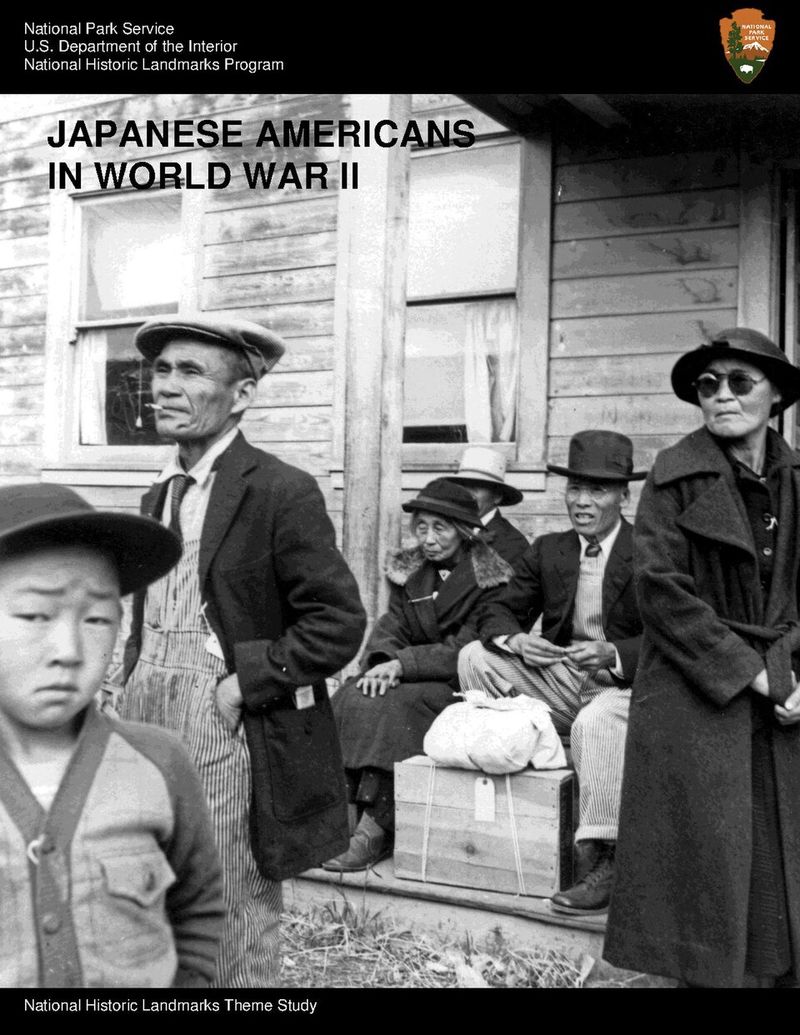
February 19, 1942, is a date that changed life for roughly 120,000 people. After Japan attacked Pearl Harbor, President Franklin D.
Roosevelt signed Executive Order 9066.
The policy paved the way for the forced removal and incarceration of people of Japanese ancestry, most of whom were U.S. citizens.
Families lost homes, businesses, property, and years of their freedom. There was no individualized evidence that they posed a security threat.
Decades later, the U.S. government formally acknowledged the injustice. President Ronald Reagan signed the Civil Liberties Act in 1988, providing an official apology and reparations to surviving detainees.
The story is a lasting lesson about how fear can lead to decisions that harm innocent people, and why protecting civil liberties matters even in tense times.
The Partition of India, 1947
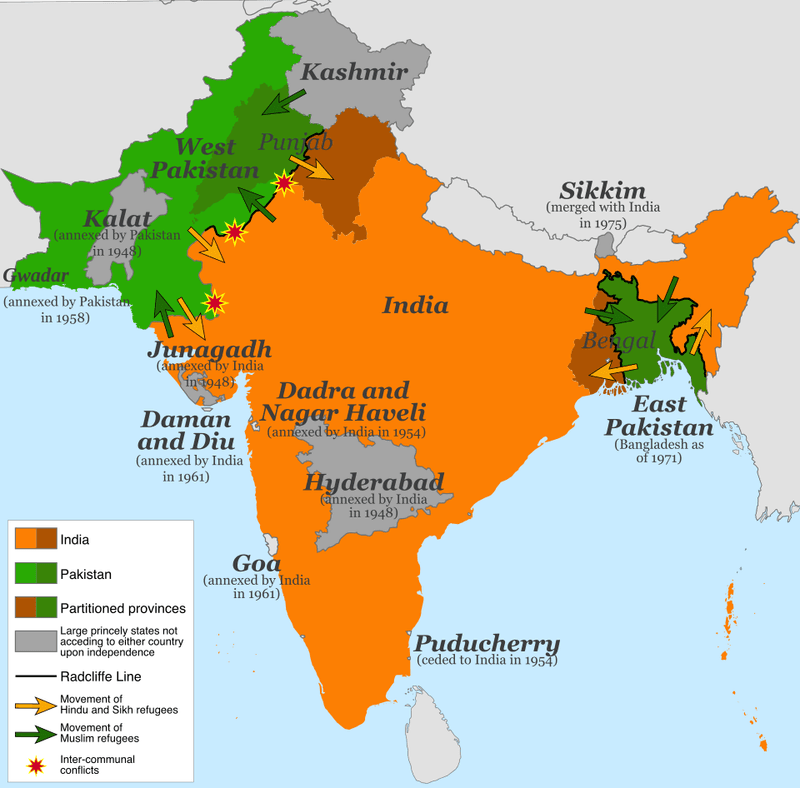
British rule over India ended in August 1947, but independence came with a major division. British India was split into Hindu-majority India and Muslim-majority Pakistan.
Borders were drawn through Punjab and Bengal, separating communities that had lived alongside one another for generations.
Millions suddenly found themselves on the opposite side of a new international boundary from the country with which they identified. Enormous migrations followed, accompanied by horrific communal violence involving Muslims, Hindus, and Sikhs.
Around 10 million people became refugees during the initial upheaval, which makes Partition one of history’s largest mass migrations.
Many families in South Asia and around the world still carry stories passed down from that time. Learning about it helps explain the region’s politics and the deep personal memories connected to those new borders.
The Philadelphia MOVE Bombing, 1985
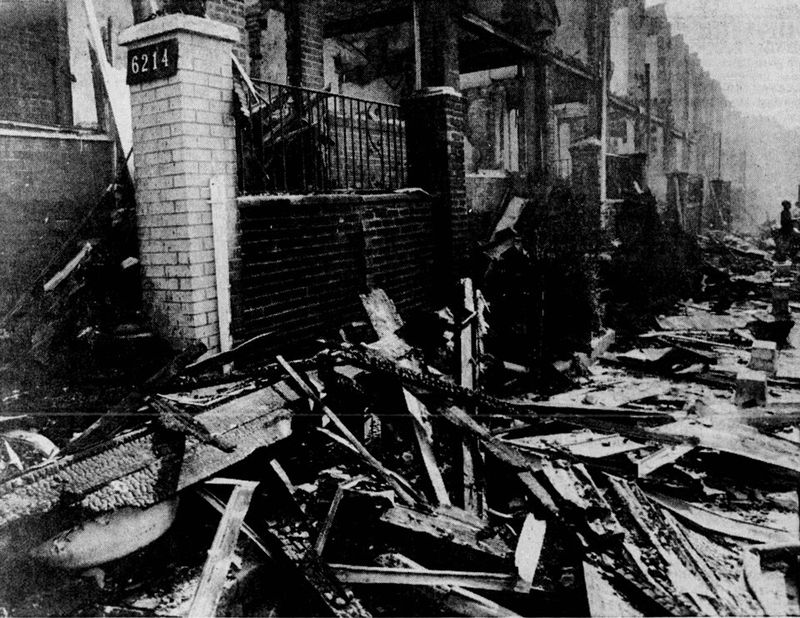
An American city government bombed a residential building within its own borders. That extraordinary fact makes this story one of the most shocking and comparatively little-known episodes in modern U.S. urban history.
On May 13, 1985, a confrontation between Philadelphia police and members of the MOVE organization escalated dramatically.
Police dropped an explosive device from a helicopter onto MOVE’s fortified row house on Osage Avenue. A fire followed and was allowed to spread.
Eleven people inside the MOVE house died, including five children, and 61 surrounding homes were destroyed.
Neighbors lost their houses and belongings, and the event led to years of questions about how city leaders made their decisions. It is still studied as a case of how a standoff can spiral into harm for an entire community.
The Srebrenica Genocide, 1995
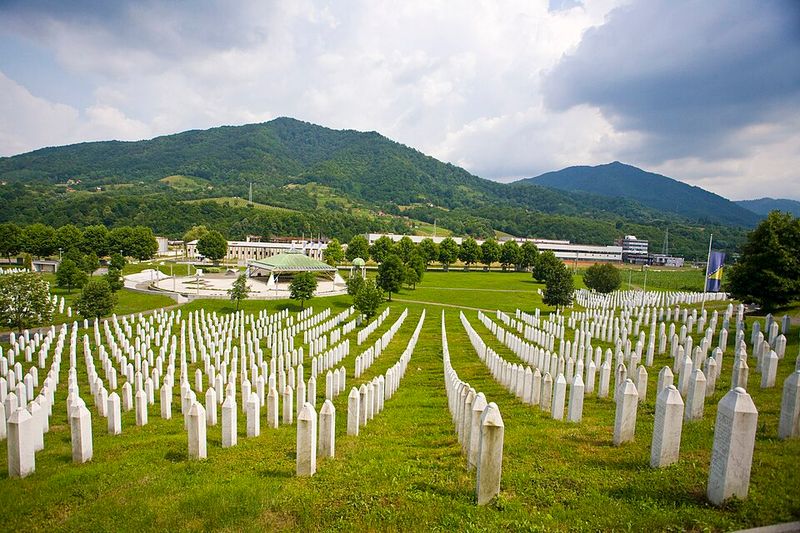
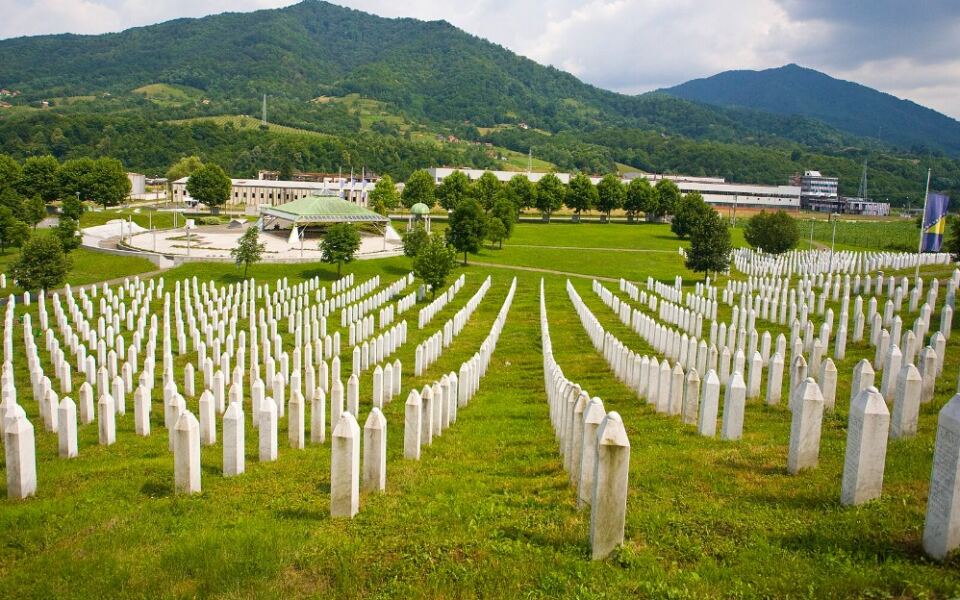
During the Bosnian War, the United Nations designated Srebrenica as a safe area for civilians. That protection collapsed in July 1995, when Bosnian Serb forces took control of the enclave.
Bosniak men and boys were separated from women, children, and elderly people. Thousands were systematically executed and buried in mass graves.
The U.S. Holocaust Memorial Museum notes that as many as 8,000 Bosnian Muslim men and boys were killed.
International courts later recognized the killings as genocide. That ruling makes Srebrenica one of the most important cases in the development of modern international criminal justice.
It happened in Europe only a few decades ago, which surprises many readers. Remembering it helps keep attention on the promise of protection that was made to civilians and the importance of keeping such promises.
Share this story