A train ticket might not be the first thing that comes to mind when hunger starts making plans. But an unassuming New Jersey railroad offers a more curious outing: a heritage train ride with meal options on select trips and countryside along the route.
The appeal is simple, though choosing the right ticket matters more than the headline might suggest. Here is what makes the railroad worth considering, plus the details to check before turning a meal into a day on the rails.
A Heritage Railroad With a Different Dinner Plan
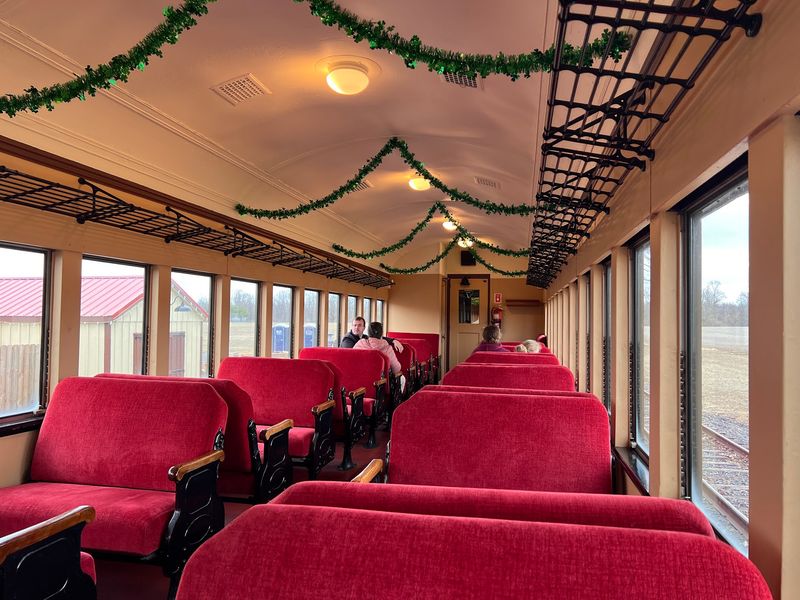
A meal outing does not have to begin with a restaurant reservation. Woodstown Central Railroad is a heritage railroad at 650 Alloway-Woodstown Rd, Woodstown, NJ 08098, in the United States, where selected excursions combine rail travel with onboard food options.
The distinction matters: this is not a restaurant that happens to have train decorations. The journey itself is the main attraction, with restored equipment, different seating choices, and themed departures shaping the experience.
Meal arrangements depend on the trip selected, so the title should not be taken as a promise that every ticket includes dinner. The supplied information documents food offerings, but it does not establish a standard dinner departure lasting exactly one hour.
That leaves a useful starting point for planning: choose the excursion first, then check its duration, seating, and meal details. A little homework keeps the outing focused on what the railroad actually offers.
Restored Coaches From the 1930s
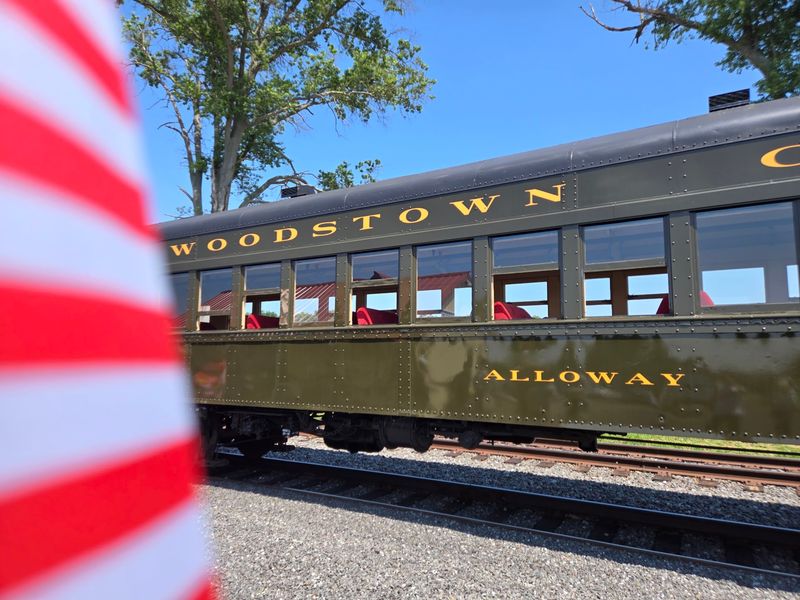
The age of the equipment gives the outing a purpose beyond getting somewhere. Restored coaches from the 1930s are part of the railroad experience, connecting a present-day excursion with an earlier chapter of passenger travel.
Preservation here includes work on the rails and equipment, not just a decorative theme inside a car. The railroad describes that restoration as an ongoing effort to keep local rail history available through actual rides.
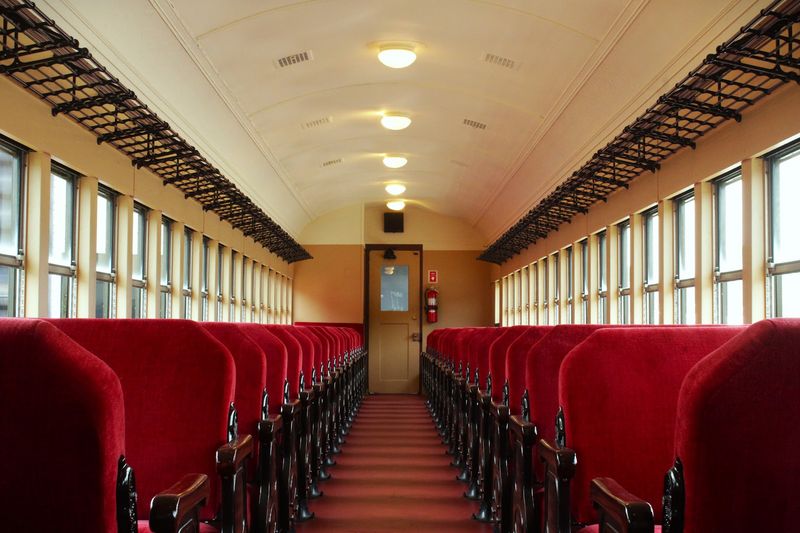
Clean, well-kept interiors also matter when an older train becomes the setting for a meal or family gathering. Historic equipment can be interesting without requiring passengers to treat the trip as a museum lesson.
No supplied history identifies every coach, its original route, or its complete restoration timeline. Those details are best asked about directly rather than filled in with guesswork.
For a curious passenger, the equipment provides plenty of reasons to ask questions before the journey is over.
South Jersey Beyond the Road
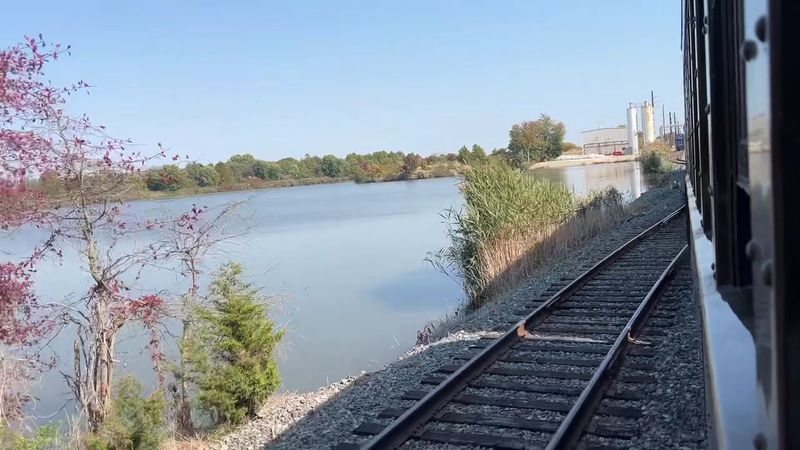
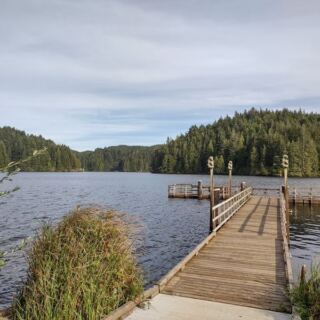
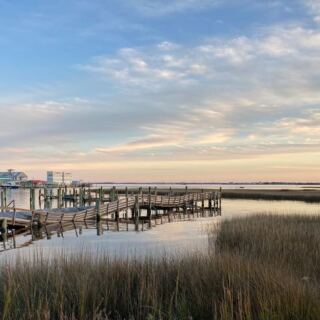
Working farmland, wooded stretches, and waterways give the railroad its countryside setting. The supplied accounts also describe lakes along a journey, making the route a chance to spend time with a different side of South Jersey.
A rail excursion changes the practical arrangement of a day out. Instead of one person handling the driving throughout the trip, the group can share the same activity once everyone is aboard.
Route choice still matters because the railroad offers more than one excursion. A description of one departure should not become a guarantee that every train passes the same features or follows the same direction.
The landscape is part of the appeal, but it is not presented as a nonstop sequence of major landmarks. Expect a countryside-focused outing rather than a packed sightseeing schedule.
That distinction helps explain why the journey suits people who want an activity without a long checklist of stops.
Meal Options With Important Fine Print
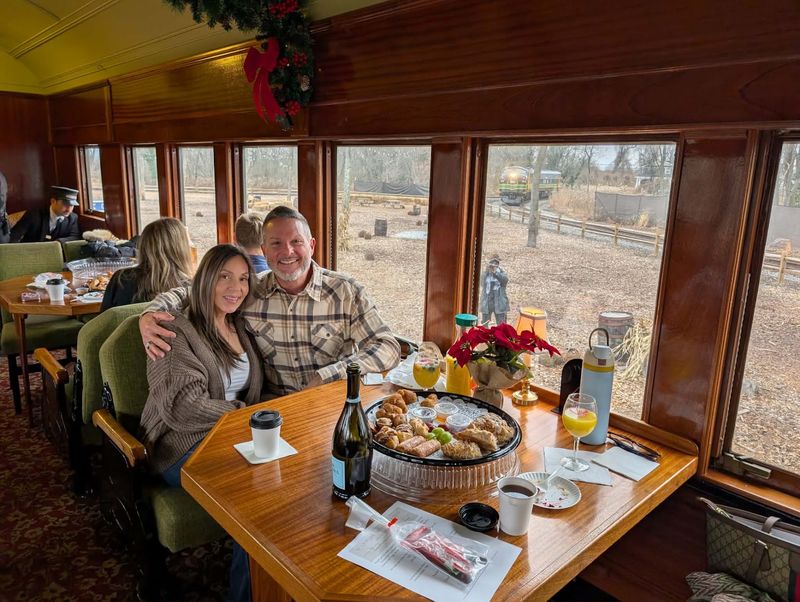
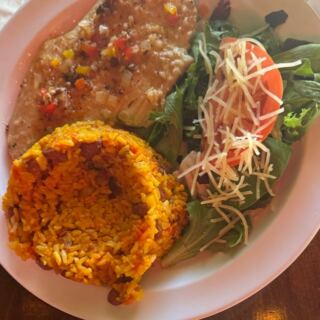
Hunger deserves a little attention before the ticket purchase. The railroad has offered onboard food experiences, including an optional boxed meal on Scenic Rambler trips, but the supplied information does not support calling every departure a full dinner service.
The operator describes that boxed option as a light, convenient meal rather than a full dining-car experience. That is an important difference for anyone expecting the train ride to replace a substantial evening meal.
Other accounts document food served during selected excursions and meals associated with table seating. Those examples establish that eating aboard is possible, not that one menu or package applies across the schedule.
Before booking, check what the selected ticket includes, what must be purchased separately, and what portion of the outing involves food. The most useful dinner plan is the one built around the actual excursion description, rather than an assumption that every seat comes with a meal.
Table Seating and Caboose Choices
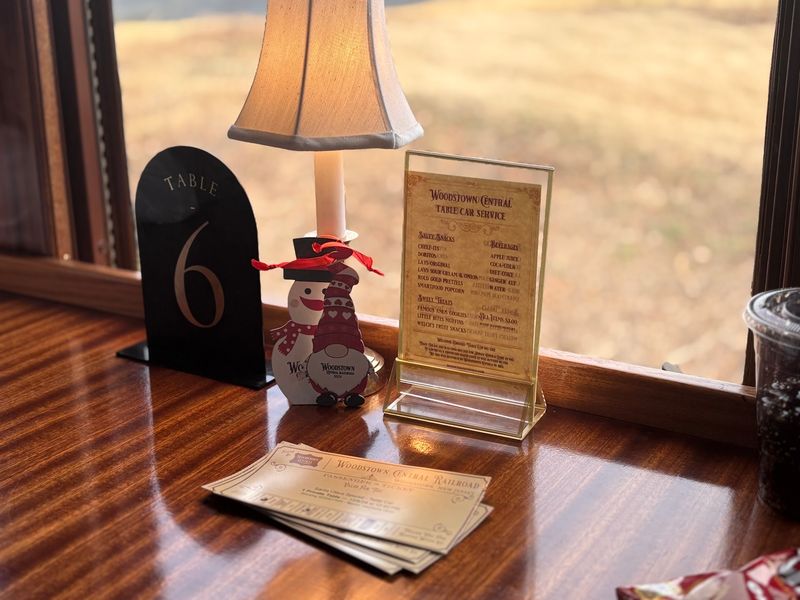
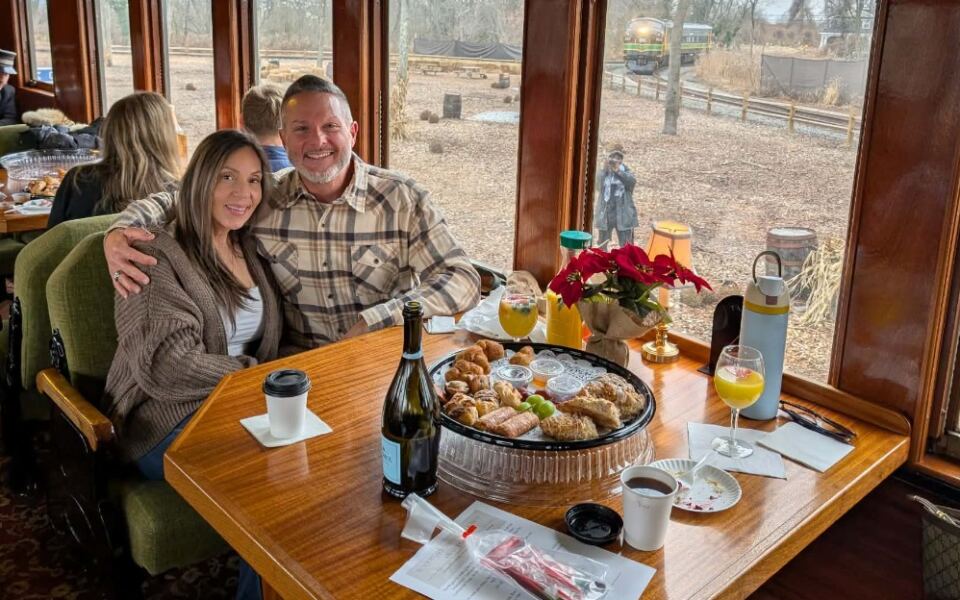
Seat selection can change the character of the outing almost as much as the excursion theme. The supplied information documents coach seating, table-car bookings, and caboose experiences, including a ride in the raised cupola.
A table-car reservation has been used for a group of four, making that arrangement relevant when the plan centers on sharing time and food. Current seating layouts and booking rules still need confirmation for the chosen departure.
The caboose offers a different connection to historic railroad equipment. It is a documented option on some experiences, but availability should not be assumed for every trip or every ticket category.
Rather than choosing solely by the excursion name, compare the seating descriptions before paying. A family gathering, a meal-focused outing, and an equipment enthusiast’s trip may call for different arrangements.
The right seat is not necessarily the fanciest one; it is the one that fits the reason for going.
Local History Along the Journey
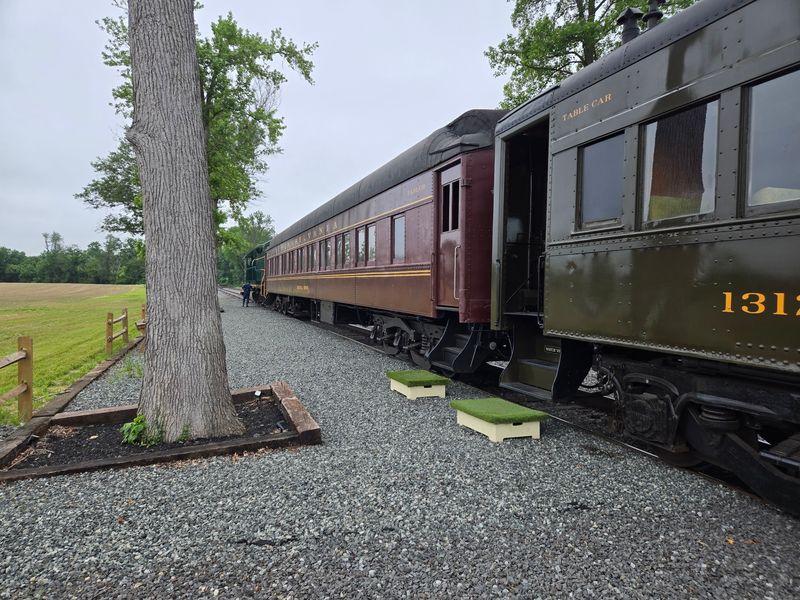
Questions about the railroad do not have to wait until the trip ends. Staff and conductors are described as knowledgeable about the equipment and the area’s history, adding context to an excursion that might otherwise be only a ride.
Narration about the train and local history has been part of some departures. The available information does not establish that every excursion includes the same commentary, so it belongs on the list of details to check.
Onboard conversation can also affect how clearly announcements reach passengers. A narrated trip should not be treated as a guaranteed uninterrupted history presentation, especially when the car includes groups enjoying their own outing.
A direct question may be the better route when a particular detail catches someone’s interest. The railroad’s human connection to its equipment is one of its strengths, and a short exchange can make a historic coach more meaningful than a date printed on a ticket.
Excursions Beyond a Single Theme
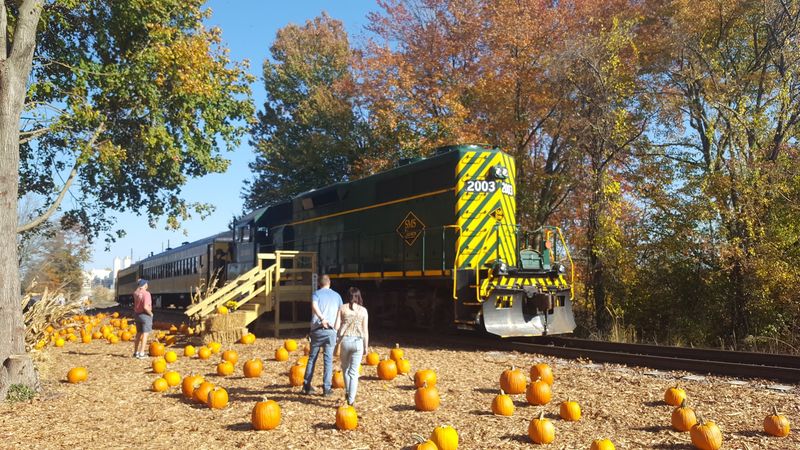
A railroad with several excursion types gives repeat outings a different starting point. The supplied information documents scenic trips, farm-linked outings, pumpkin excursions, Christmas departures, and private celebrations rather than one fixed experience repeated all year.
One farm-linked excursion included a wagon ride, learning about the farm, flower picking, and activities at the stop. That example shows how a rail journey can become one part of a broader outing.
Seasonal departures have also included pumpkin picking and Christmas-decorated trains with Santa. These are specific examples of past experiences, not evidence that the same events operate continuously or return on an unchanged schedule.
The practical lesson is to browse by activity, not merely by date. A meal-focused trip and an excursion with an off-train stop can require different expectations and time commitments.
The railroad remains the main subject, but the selected theme determines what passengers actually spend their day doing.
An Outing Across Generations
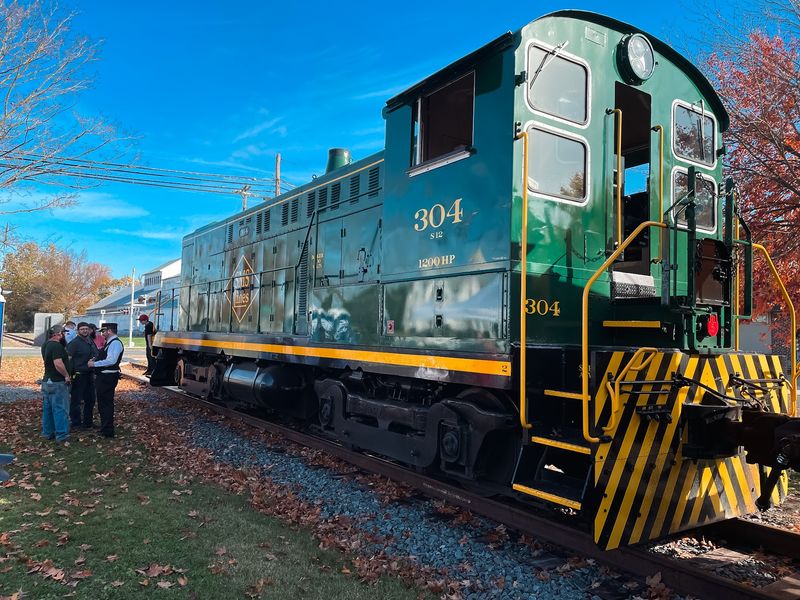
Not everyone in a group needs to be a train enthusiast for the plan to make sense. The documented experiences include children, older adults, couples celebrating anniversaries, and families choosing a railroad outing for a birthday.
That range suggests several possible reasons to book: an interest in historic equipment, time together, a seasonal activity, or a celebration with a different setting. It does not mean every excursion suits every age or occasion equally.
A Christmas departure and a meal-focused ride offer different ways to organize the day. The useful question is what the group wants to do aboard, not simply whether everyone likes trains.
Staff assistance and approachable conductors are recurring strengths in the supplied accounts. Even so, specific mobility needs and boarding requirements are not documented here and should be discussed directly.
A good group plan gives the least familiar passenger as much consideration as the most enthusiastic rail fan.
Celebrations With Their Own Car
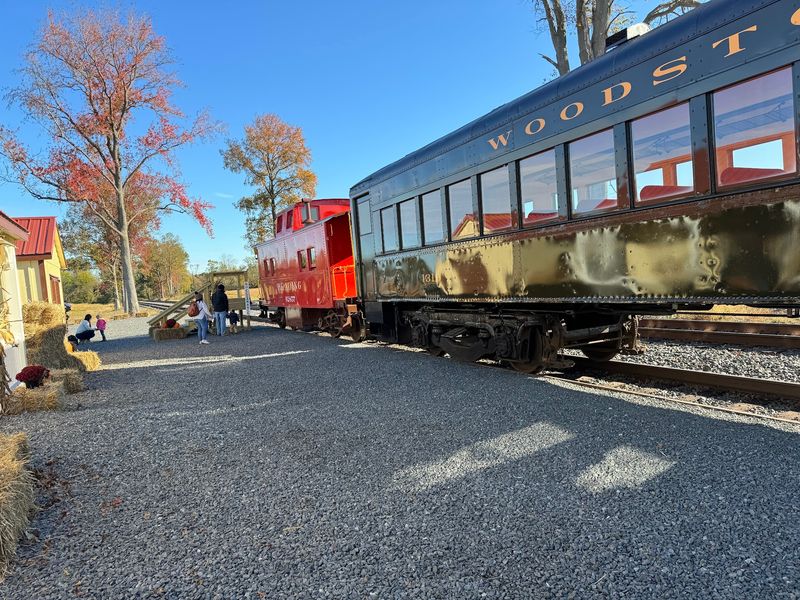
A birthday does not have to compete with an ordinary restaurant table. The railroad has hosted private celebrations, including a family gathering in its Mineral Spring party car, documented in an August 2024 account.
That event included family and friends, space for the group, and help with arrangements. Permission to arrive early for decorating was part of that particular experience, not a standing promise for every future booking.
Private space can make the railroad relevant to milestone occasions, especially when the group wants a shared activity rather than only a meal. The train itself supplies the central event, while the celebration gives the journey a personal purpose.
No current rental rate, capacity limit, or package terms are provided in the supplied material. Those details need a direct inquiry before invitations go out.
Treat the documented party as proof of possibility, then build the actual plan around the railroad’s current options and requirements.
Departure Times and Ticket Costs
The clock deserves more attention than the headline gives it. Listed operating hours are Saturday and Sunday, 9 a.m. to 5 p.m., with Monday through Friday marked closed, but those hours are not a train departure schedule.
Trip lengths vary in the supplied information. One excursion is described as roughly 25 minutes each way, while another account describes a 1.5-hour route, so an exact hour should not be assumed.
Advance tickets are recommended in the documented booking experiences. The railroad’s website, woodstowncentral.com, is the place to check the selected excursion, available seating, departure time, and current meal arrangements.
No current ticket-price list is supplied. A past optional-meal total does not establish today’s fare or the cost of another package, so quoting it would offer little planning value.
Compare the full booking details before purchase, especially when the outing depends on a particular seat, food option, or return time.
Parking and Station Basics
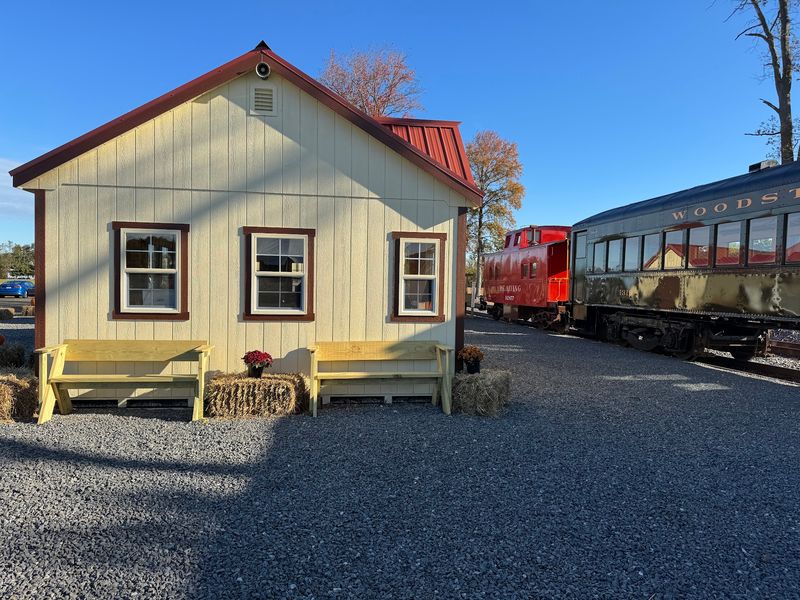
The outing begins before anyone boards, and a few station details help keep the plan practical. Parking is documented at the railroad, along with a small gift shop and portable restrooms at the station.
An onboard bathroom is also mentioned in the supplied material. Because the railroad uses different equipment and seating arrangements, passengers should confirm facilities for their particular excursion rather than assume every car offers identical amenities.
One booking account describes purchasing tickets online and collecting paper tickets at the ticket window upon arrival. Follow the instructions attached to the current reservation, since an earlier process does not establish a permanent rule.
The provided data does not specify a required arrival interval, public transportation connection, or detailed accessibility arrangements. Leave time to handle the booking instructions and ask the railroad about any special needs before travel.
Practical questions are easier to settle in advance than during the moments before departure.
A Journey Worth Choosing Carefully
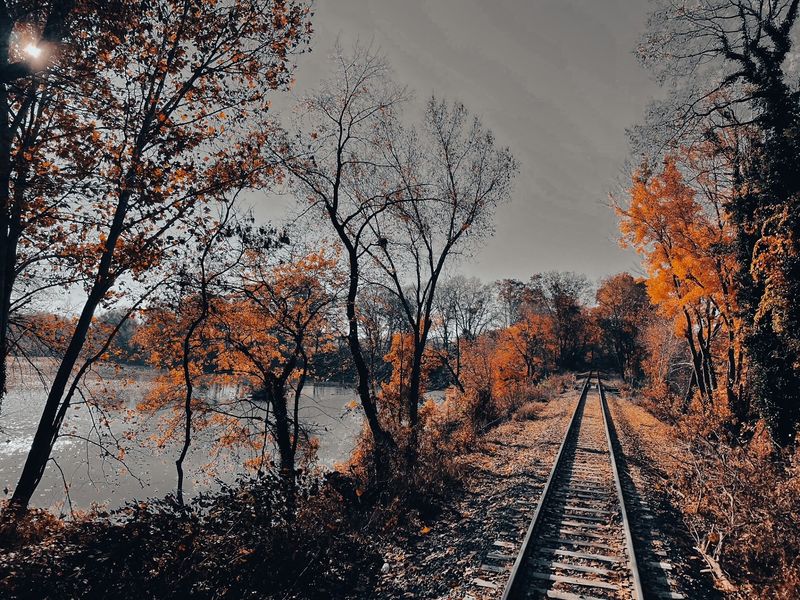
The strongest reason to book is the combination, not any single promise. Historic coaches, countryside routes, helpful railroad staff, and selected food options give this destination a clear identity without turning it into something it is not.
A person seeking a formal dinner service on every departure may need to adjust the plan. Someone interested in a heritage ride with a meal option, a table reservation, or a seasonal activity has a more accurate starting point.
The same care applies to timing. The supplied material supports varied excursions, not one universal hour-long ride, and the current booking page should settle the details that matter to the day.
Choose the train experience first and let the meal fit that choice. With expectations aligned, the appeal is straightforward: a New Jersey outing that gives the journey a place in the plan, rather than treating travel as something to finish before the occasion begins.
Share this story