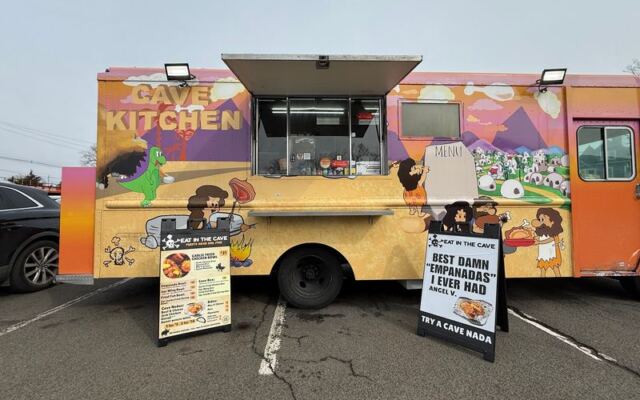
A food truck can turn an ordinary lunch plan into a place you keep thinking about long after the meal. In New Jersey, one family-run operation draws attention for its Puerto Rican roots, generous portions, and the care shown at its ordering window.
The appeal goes beyond finding something to eat: it is the chance to support a local business that makes newcomers feel welcome. Before hunger sends you out the door, here is what makes this stop worth considering and what to check before heading over.
A Train Station Food Stop
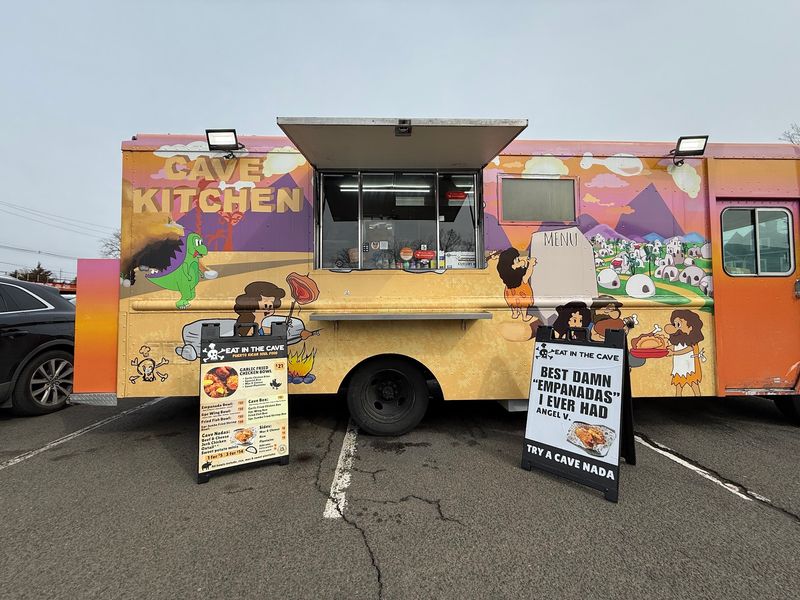
The address offers the first useful clue: The Cave Kitchen Food Truck is listed at Train Station, Dunellen, NJ 08812, in New Jersey, United States. Its setting makes a train station the starting point for finding a Puerto Rican food stop, rather than a traditional restaurant storefront.
That distinction matters when planning lunch. A food truck has a different routine than a fixed dining room, and this operation also takes part in events away from its listed location.
The supplied address does not include a street number, so there is no reason to invent one. Use the business name and station listing when checking directions, then confirm where the truck will be serving that day.
For nearby residents, the attraction is straightforward: a local meal with a clear cultural identity and a personal approach to hospitality. The first step is finding the truck, not assuming it stays parked in one spot.
Family Behind the Window
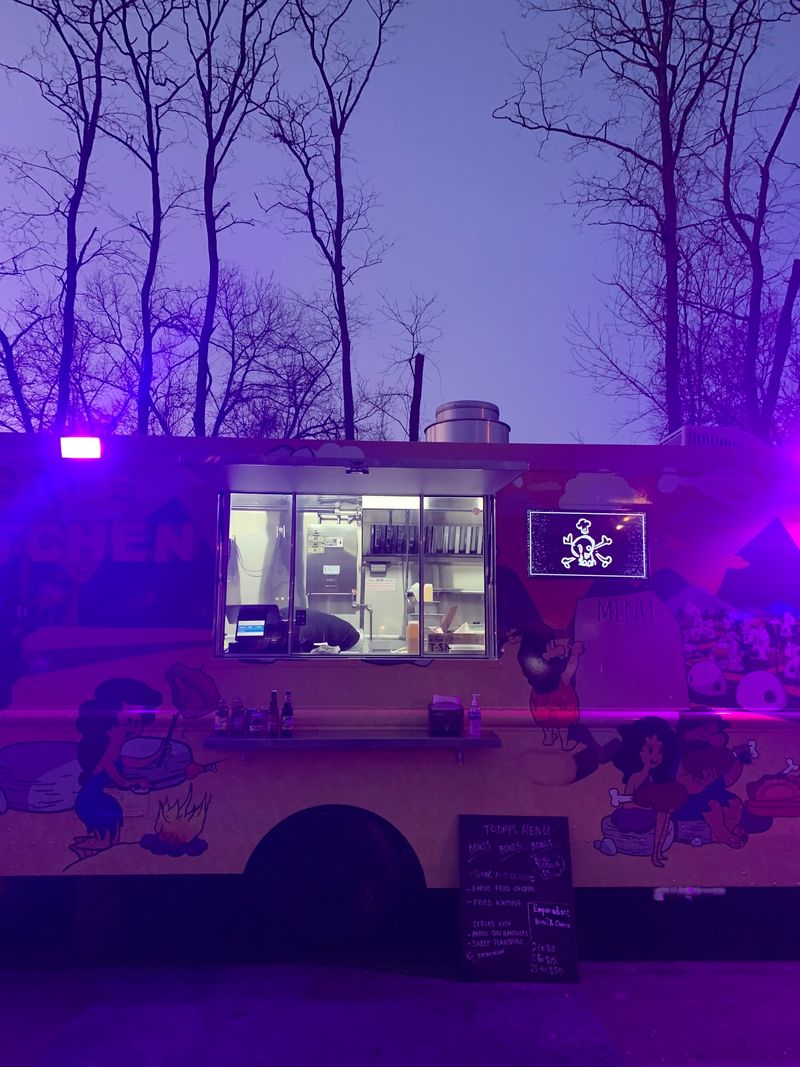
Family involvement is one of the clearest threads in the story of this business. The available accounts describe owners, relatives, and a son helping customers, giving the operation a personal character beyond its menu.
There is not enough information to tell a full founding story or name an opening year. What does come through is an active family presence and a shared interest in making people feel appreciated.
That shows up in patient help with orders, friendly exchanges, and recognition when customers return. Those everyday moments say more about the business than an unsupported tale about how it began.
A small operation can become part of someone’s routine through simple consistency. Here, the family connection helps explain why customers talk about coming back and bringing others along.
The draw is not a grand backstory; it is the sense that the people handling lunch care about the person placing the order.
Puerto Rican Roots, Soul Food Influence
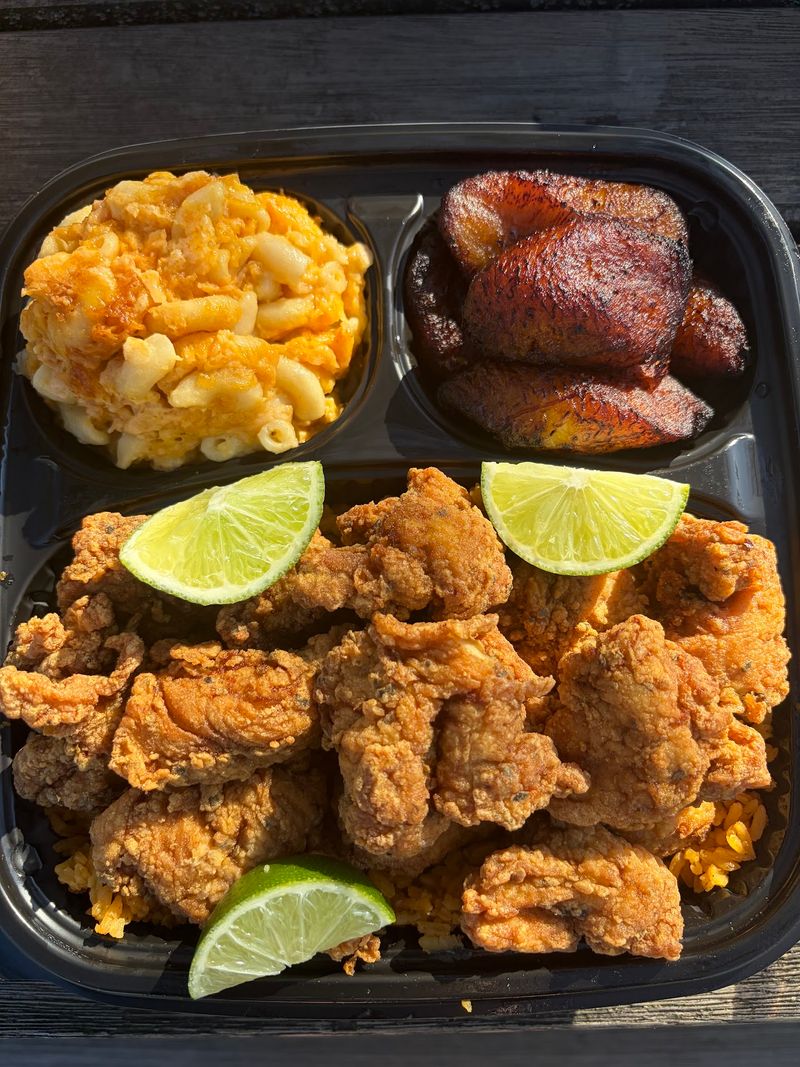
Puerto Rican cooking gives the truck its central identity, while soul food adds another part of its approach. That combination is repeatedly associated with the meals served here, making the title’s promise more specific than a general food truck outing.
The useful distinction is that this is not presented as a narrow, single-style menu. Customers describe choosing across different options and finding combinations that suit their own preferences.
For someone unfamiliar with the business, asking how the menu fits together is a sensible place to begin. The team has helped newcomers understand choices rather than leaving them to guess at the window.
No single order needs to stand in for an entire culture. The stronger reason to stop is the opportunity to explore this family’s approach to Puerto Rican food with soul food influence.
That clear point of view gives the truck an identity beyond simply being somewhere convenient to buy lunch.
Generous Portions
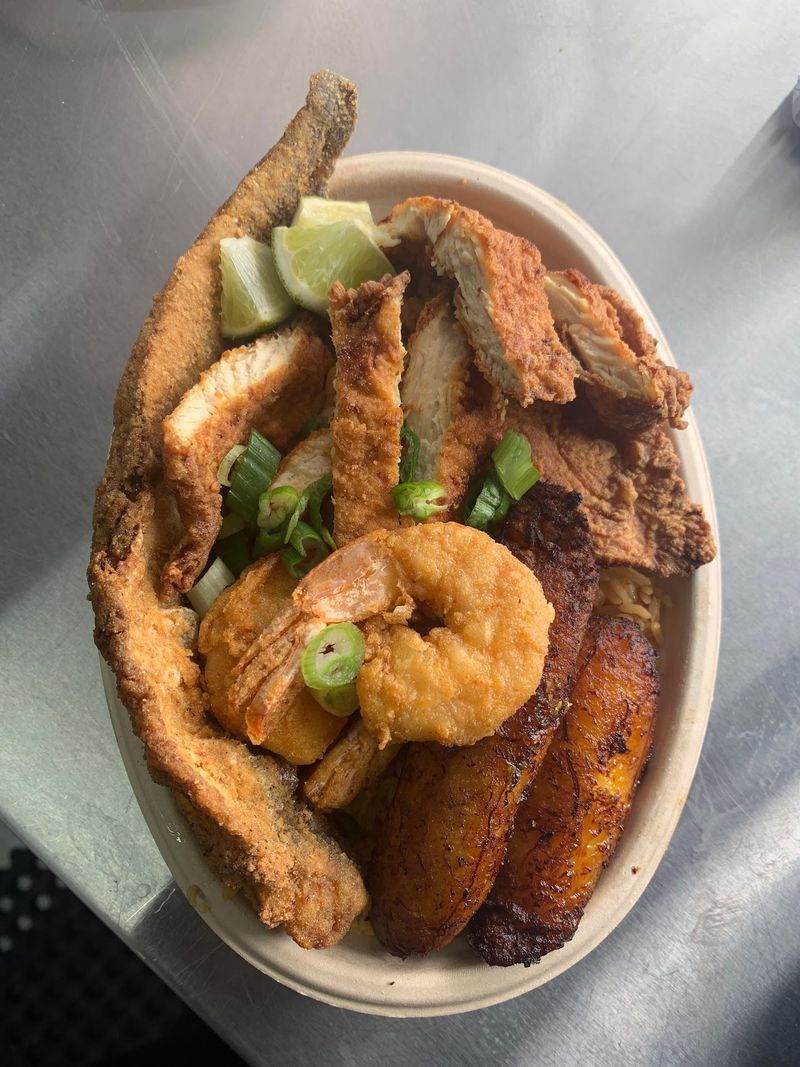
A modest lunch plan may need a little adjustment here: generous portions are a recurring part of the customer experience. The available accounts repeatedly describe substantial meals, including orders that encouraged people to take additional food home.
That is useful context, not a promise that every order will be the same size. Individual selections vary, and appetite is personal, so the safest approach is to ask what comes with the meal before adding extras.
People ordering for two or more can also check how much they actually need. A quick conversation may be more helpful than building a large order simply because several choices sound interesting.
The portion discussion matters because value is not only about a dollar amount. It also involves how well an order fits the occasion.
Come with a realistic idea of your appetite, and let the details of the meal guide the rest of the decision.
Help With the First Order
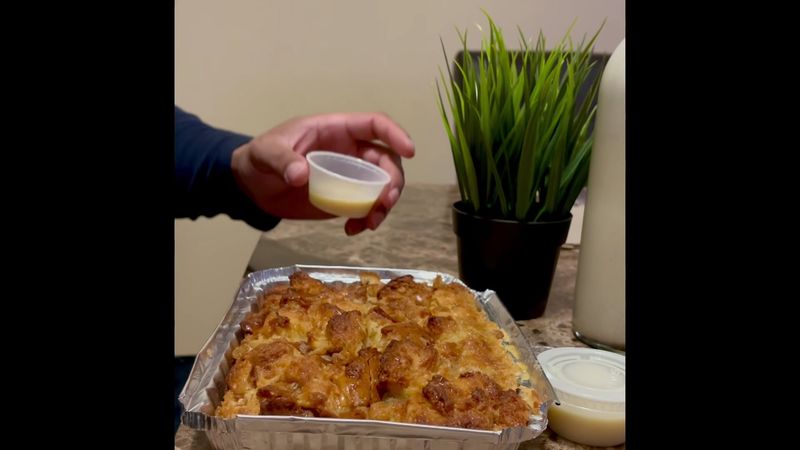
The first order does not have to involve a long round of guesswork. Menu explanations and recommendations are part of the helpful approach described at the truck, especially when someone is stopping for the first time.
Staff have asked about preferences and suggested choices accordingly. That gives newcomers a practical way to narrow the menu without feeling that they need to understand every option before reaching the window.
A useful question is what would suit your appetite or how a meal is put together. Anyone with dietary needs should also ask directly, because the supplied information does not establish ingredients, preparation methods, or a complete dietary policy.
Samples have been offered on some occasions, but they should be treated as a thoughtful extra rather than an expected part of every order. The dependable takeaway is simpler: conversation can help.
A little guidance makes choosing lunch less of a puzzle and more of a straightforward decision.
Hospitality Without the Formality
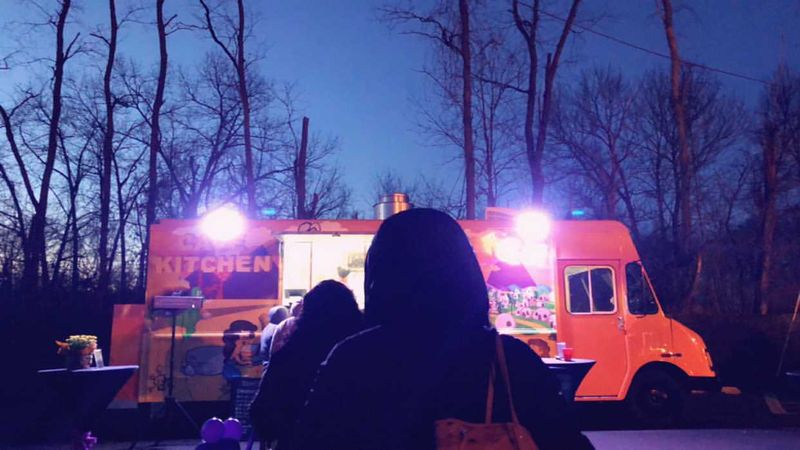
Kindness carries much of the atmosphere here. Welcoming greetings, patient assistance, and appreciation for customers appear throughout the supplied accounts, giving the truck a friendly character without the formality of a sit-down restaurant.
The setting suits a casual meal, but the personal attention is what distinguishes the experience. Customers have described feeling comfortable asking questions and returning with family members after an initial stop.
Couples have also made a lunch outing of it, while families have found the interaction approachable. Those examples suggest several ways to enjoy the place without claiming that every group will have an identical experience.
Details about tables, covered seating, and on-site facilities are not established, so do not plan around them without checking. The atmosphere described here comes primarily from the people at the window.
That is a useful reminder that hospitality does not need an elaborate dining room to make a local business feel welcoming.
Larger Orders for Shared Occasions
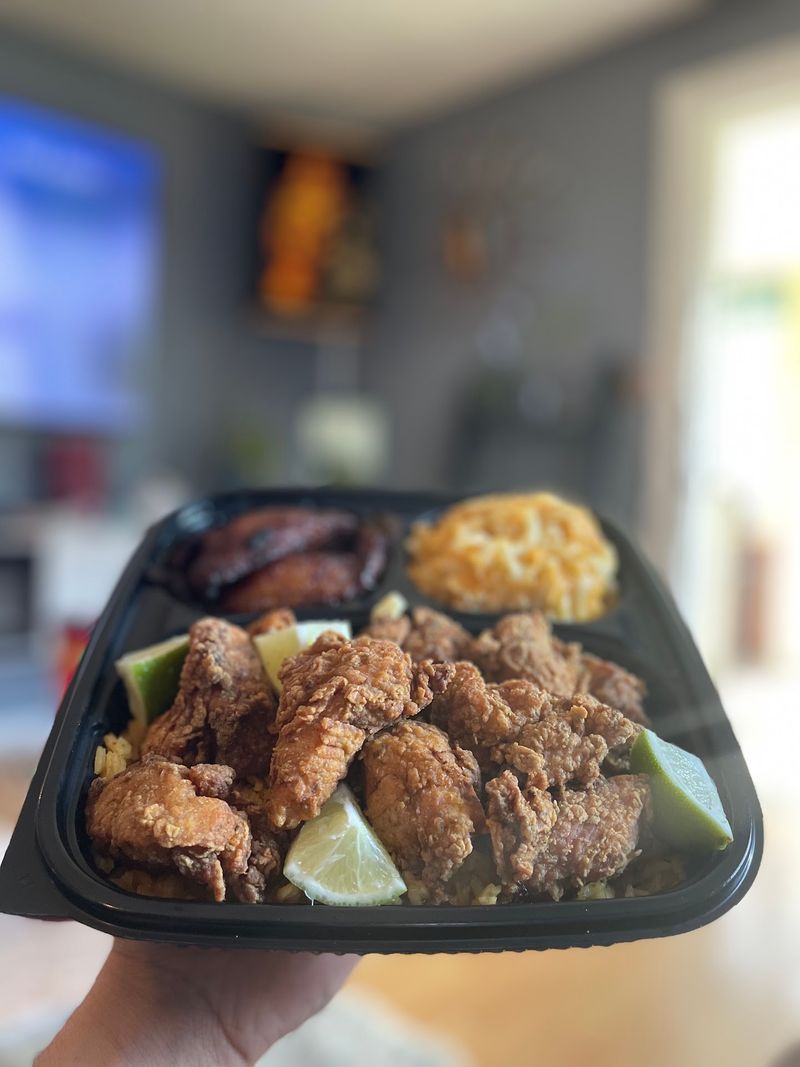
A gathering can call for a different kind of order than an ordinary lunch stop. Catering is supported by the supplied information, including a larger tray order arranged for a private get-together.
That example involved a direct request, a quote, and pickup assistance. It shows that the business has handled group orders, but it does not establish a standard package, minimum purchase, or guaranteed turnaround time.
Hosts should contact the business before setting their plans around it. Ask about the number of people, available choices, pickup arrangements, and the total cost rather than assuming the everyday menu answers every catering question.
A successful last-minute order in the past is not a reason to leave your own request until the final moment. Earlier communication gives everyone more room to work out the details.
For families or friends who already enjoy the truck, a shared order offers another way to bring that local connection into an occasion.
Discovery Through Local Connections
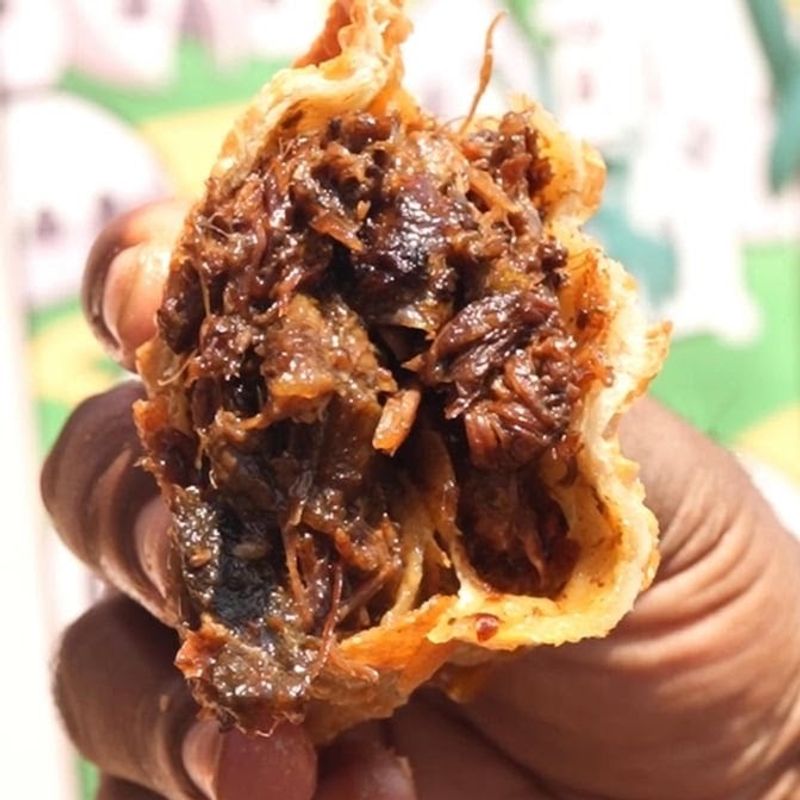
A recommendation from a relative can be enough to put this truck on someone’s lunch list. The supplied accounts include family referrals, social media discoveries, and people who returned after their first meal.
Instagram and TikTok have both helped customers learn about the business. Those routes explain how an unassuming food stop can attract interest beyond the people who happen to pass its regular location.
The important part is what happens after that first introduction. Helpful ordering advice, substantial meals, and friendly exchanges give people concrete reasons to make another trip or mention the truck to someone else.
Social media can also be a useful place to look for recent information, although no specific account handle is provided here. Check that any page belongs to the business before relying on a post.
A good recommendation starts the curiosity; accurate details are what turn that curiosity into a workable lunch plan.
An Afternoon-Friendly Schedule
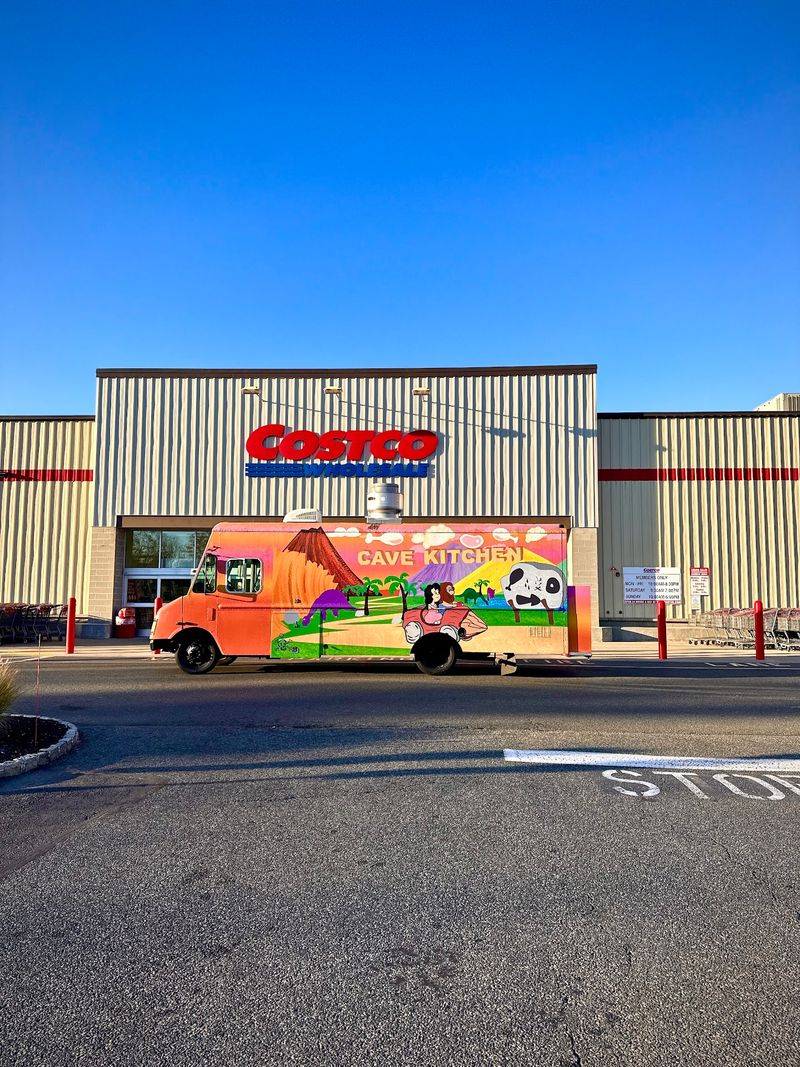
Noon is the listed starting time on most operating days. The supplied schedule shows Wednesday through Saturday service from 12 p.m. to 7 p.m., with Sunday hours running from 1 p.m. to 7 p.m.
Monday and Tuesday are listed as closed. That makes the later part of the week the relevant window for planning a meal, rather than treating the truck as an everyday option.
The Sunday start deserves special attention if you tend to eat lunch early. Arriving at noon based on the other days’ schedule could leave your plan an hour ahead of service.
Hours alone do not confirm the truck’s location, however. Event appearances have affected its presence at the station, so check both the day’s schedule and where service will happen before traveling.
A brief confirmation is especially worthwhile for a dedicated trip. Lunch is easier to enjoy when the practical details have already been settled.
A Clear Budget Starting Point
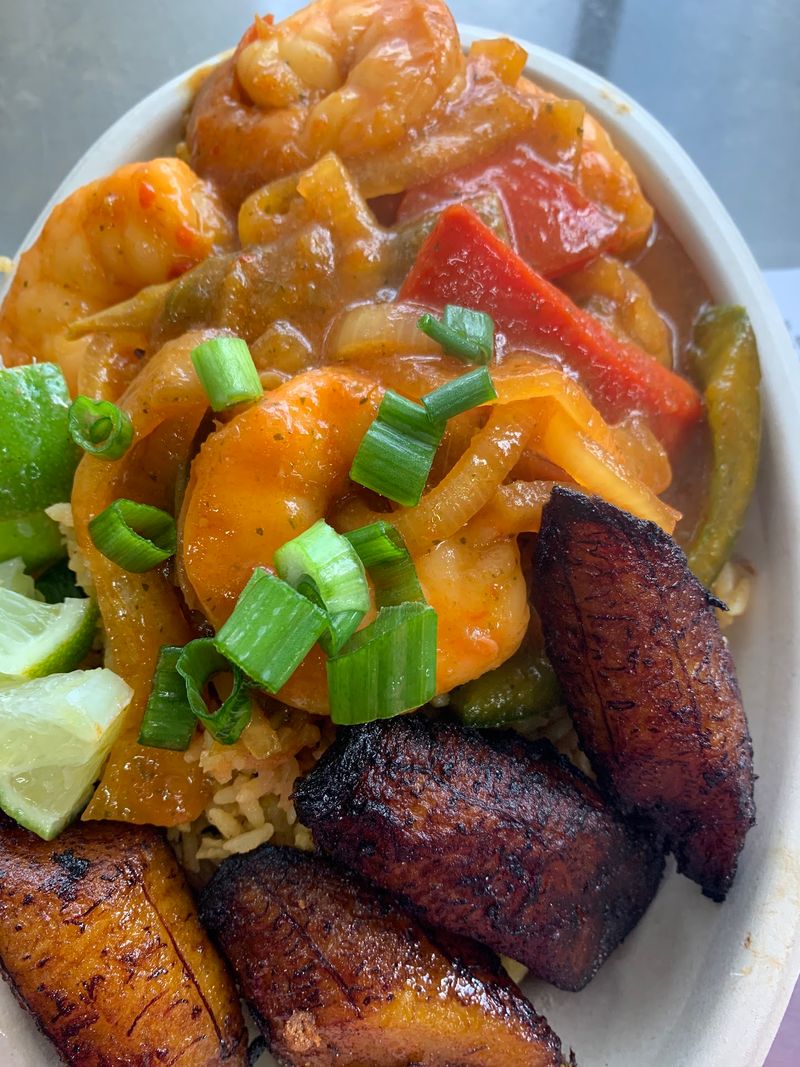
The supplied listing places the business in a $20 to $30 price range. That gives readers a useful starting point for budgeting, but it is not a complete menu or a guaranteed total for any particular order.
Exact item costs, add-ons, taxes, and catering charges are not provided. Ask about the current total before ordering, especially when choosing several extras or buying meals for a group.
Generous portions help explain why value comes up in accounts of the truck. Still, the best purchase is one that fits your appetite and budget, not simply the largest order available.
Families can make planning easier by deciding how many meals they need before reaching the window. Couples may prefer to begin with their main orders and ask about additional choices afterward.
The listed range provides a reasonable reference; the current menu and a direct conversation provide the details that actually determine what you spend.
The Location Check Before Leaving
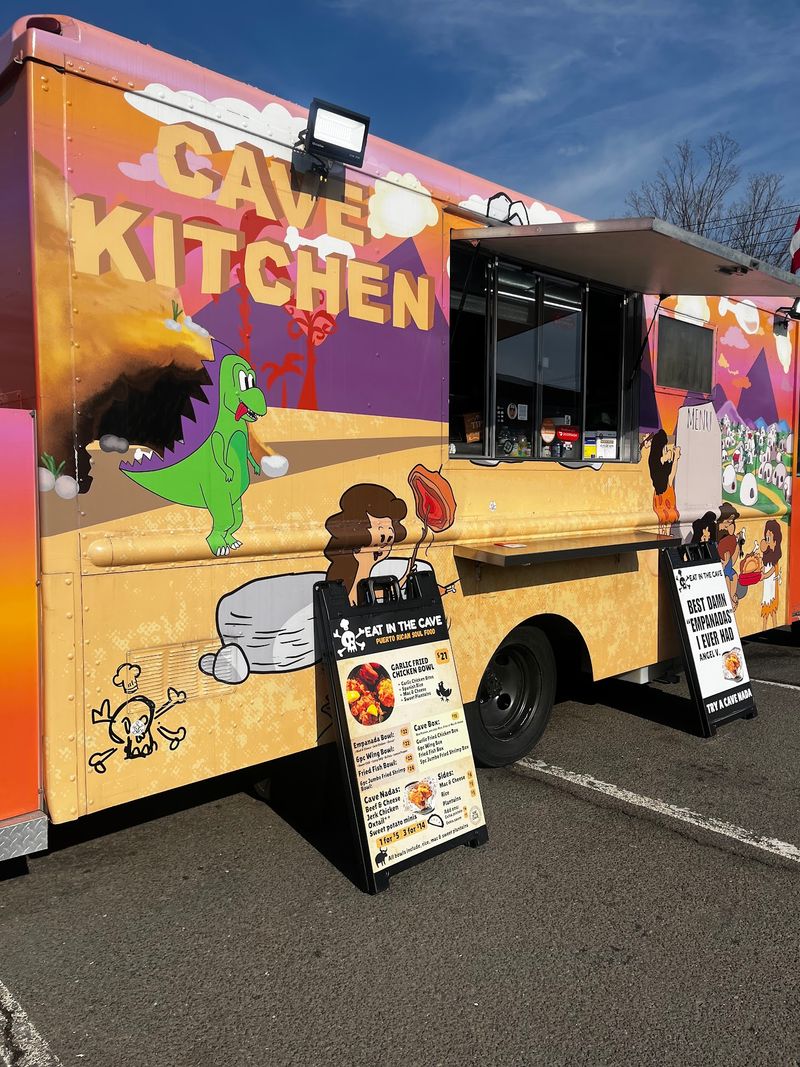
Before making a special trip, confirm that the truck is serving at its listed station location. The business participates in events, and its own response to a customer acknowledged that festival commitments had affected how often it was there.
That mobility is part of the operation, not a minor detail to overlook. A saved map listing can identify the usual starting point without proving where the truck will be on a particular afternoon.
Directions should use the business name and the station address already given. The supplied information does not establish parking arrangements, transit timetables, step-free access, or a precise position within the station area.
Anyone who needs those details should ask before departure rather than rely on assumptions. The same applies to seating and other facilities.
A short check can prevent an unnecessary journey and help make this a practical local outing, especially for someone coming specifically to eat at the truck.
A Local Stop With Good Reasons to Return
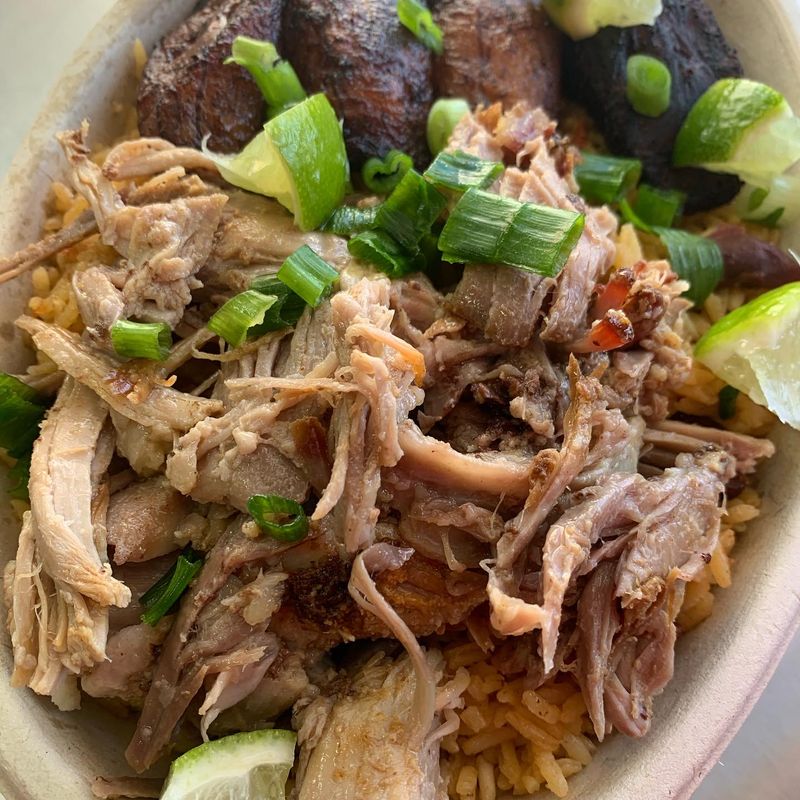
The strongest case for a stop is the combination of a clear food identity and thoughtful customer care. Puerto Rican roots, soul food influence, substantial portions, and helpful guidance give this truck more substance than a passing lunch suggestion.
It is especially suited to people who enjoy supporting a family-run business and do not need a formal dining setting. Newcomers can ask for help choosing, while returning customers have reasons to explore another order.
The practical limits are worth keeping in mind. Confirm the location, check the operating day, and ask about current menu costs or any needs that could affect your meal.
Once those details are settled, the appeal is refreshingly direct: a local business offering a personal welcome alongside its cooking. The train station listing gets you started, but the family behind the window helps explain why people make room for another visit.
That is a sound reason to keep this stop on your list.
Share this story