A hungry stop at an unassuming New Jersey restaurant can turn into something worth talking about long after the meal. Here, three courses come with a purpose: helping neighbors get a meal, even when money is tight.
Diners who can contribute support a community table where everyone is welcome. The surprising part is how naturally a regular meal out can become a small act of kindness.
A Community Table on Monmouth Street
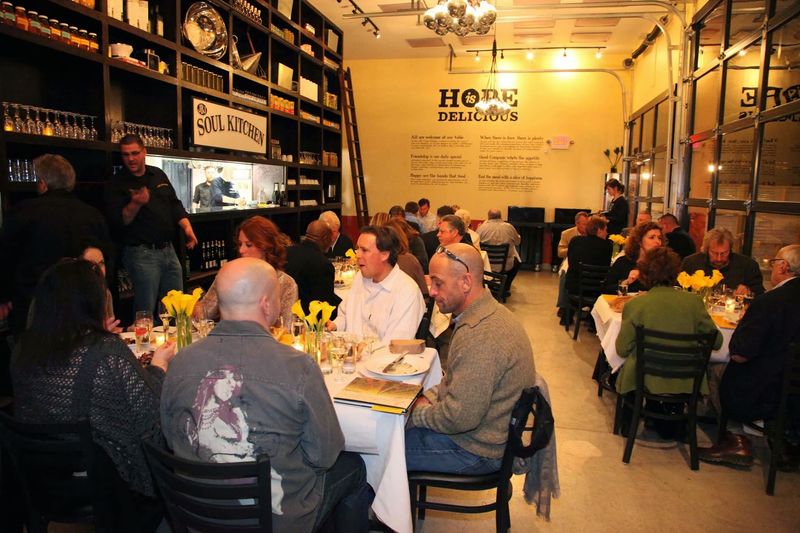
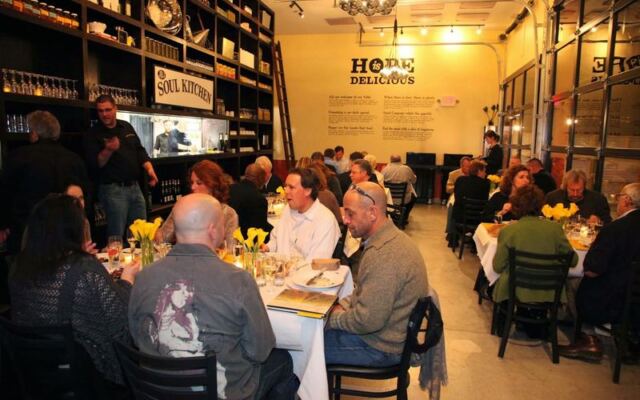
An ordinary restaurant stop takes on a different meaning at JBJ Soul Kitchen, at 207 Monmouth St, Red Bank, NJ 07701, United States. The American restaurant serves three-course meals through a community model that welcomes people with different financial circumstances.
Money is part of the operation, but it is not the measure of who belongs at the table. Diners who can contribute make a donation, while people unable to pay can learn about volunteer opportunities.
That distinction matters before anyone chooses a meal. Rather than separating a restaurant outing from community support, the concept brings both into the same dining experience.
For New Jersey residents planning a local outing, the address offers a concrete place to participate in that idea. There is no need to turn the occasion into a grand gesture.
A meal and a contribution are enough to begin understanding what makes this restaurant different.
The Foundation Behind the Meal
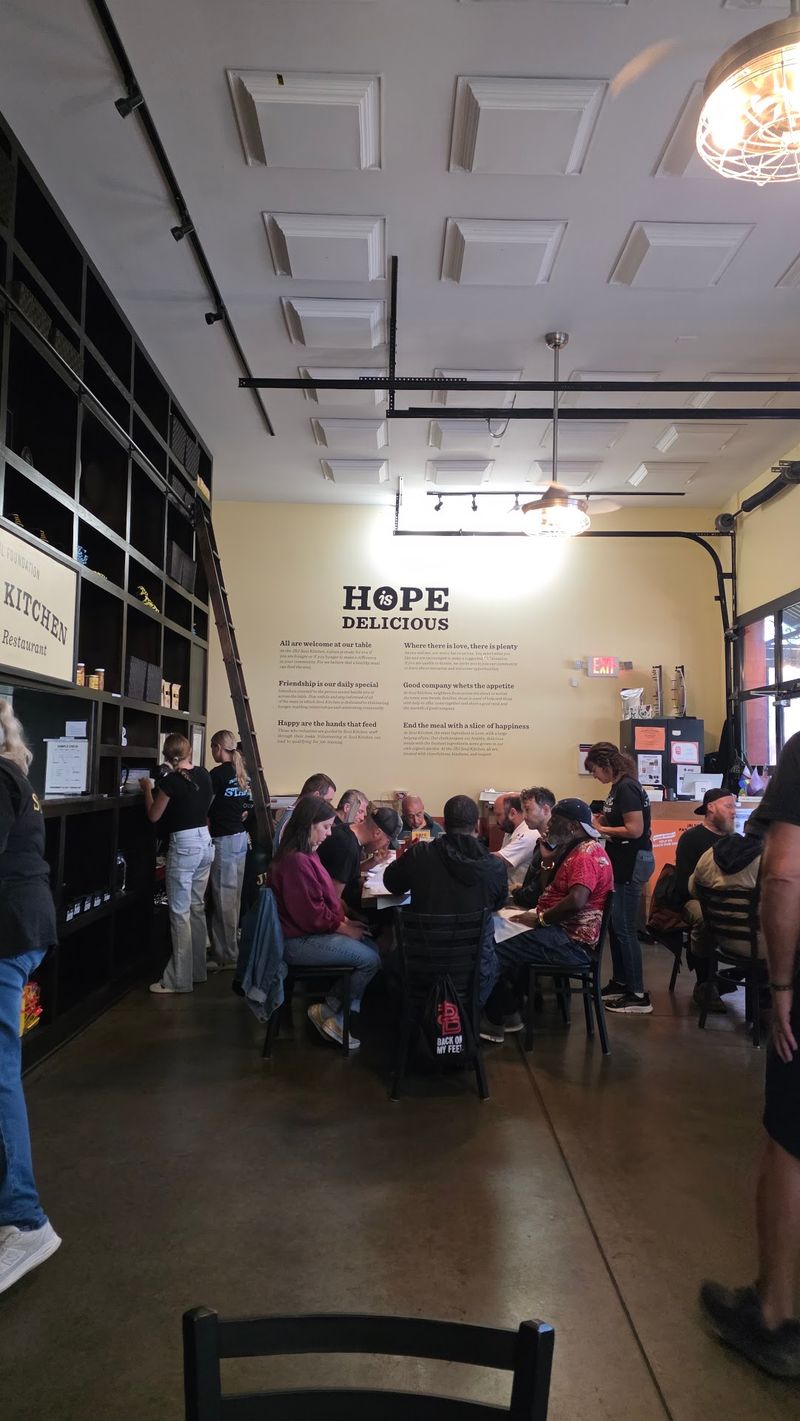
A famous name may spark curiosity, but the purpose deserves the attention. Established by the Jon Bon Jovi Soul Foundation, the nonprofit community restaurant addresses food insecurity through meals and participation.
The connection to Jon Bon Jovi helps explain why some people put the restaurant on their travel wish list. Still, the meaningful part of a stop here is the work happening around the tables, not the possibility of meeting someone famous.
Its mission includes paying diners and people who need assistance within the same restaurant. That approach gives the project a practical shape rather than leaving community support as a broad promise.
No celebrity appearance should be expected or treated as part of the outing. The reason to come is already on the schedule: a chance to eat, contribute if possible, and support a place built around access to meals.
The famous connection introduces the story; the community purpose carries it forward.
Donations With a Pay-It-Forward Purpose
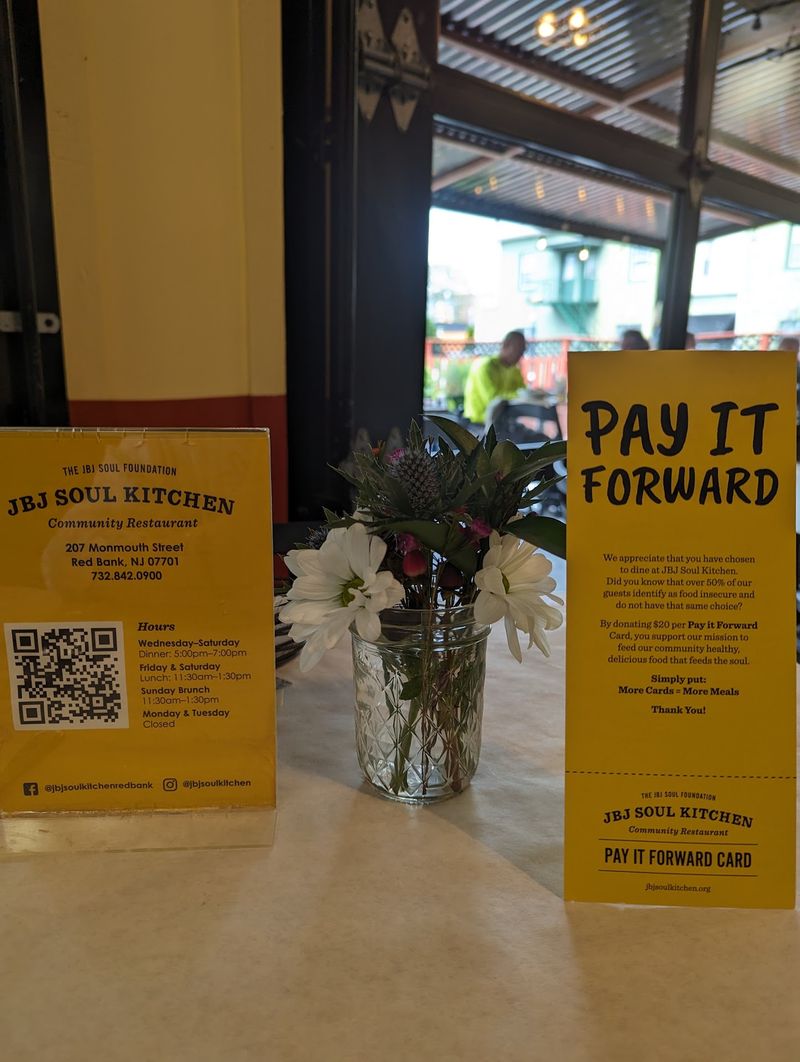
The contribution does more than cover an evening out. Diners who can afford to give are invited to make a suggested donation and contribute extra to help support meals for people unable to pay.
The supplied listing places the restaurant in a $20–30 range, while older accounts mention different suggested donation amounts. Those figures should not be treated as a confirmed current charge, so check the restaurant’s website before setting a budget.
Additional giving is an option, not a reason to turn dinner into a financial competition. The central idea is participation according to a person’s circumstances.
People unable to contribute financially are still welcome to eat and learn about volunteering. That makes the model more specific than a general promise to do good: donations help sustain a dining experience that includes neighbors with limited resources.
A little advance planning keeps the money question clear and leaves room for the meal itself.
Three Courses With Real Attention
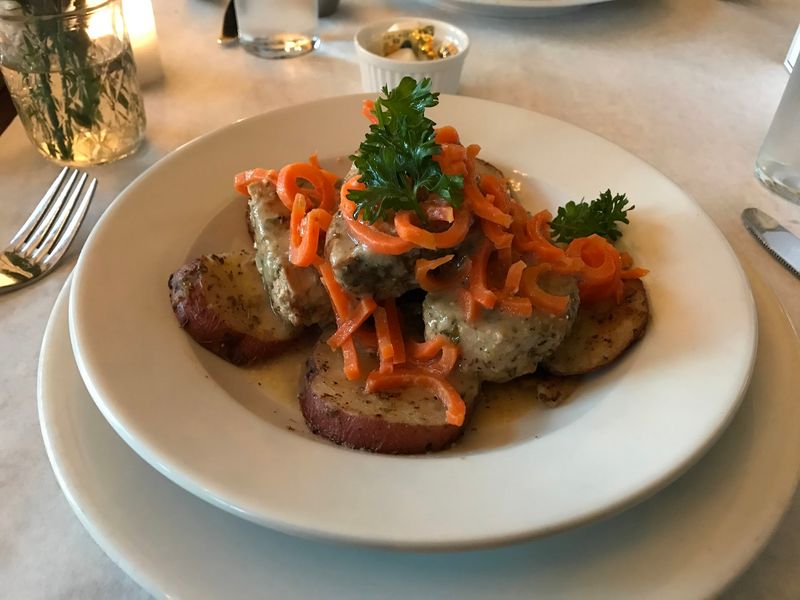
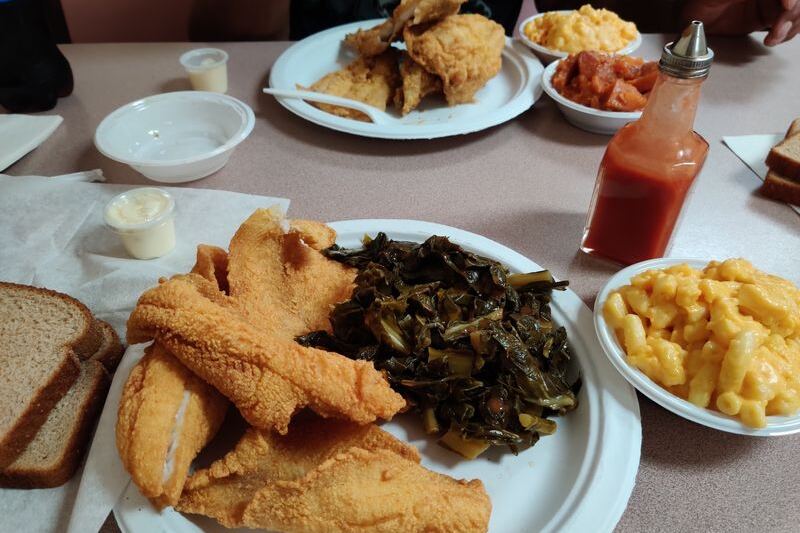
Three courses give the meal its own sense of occasion. The restaurant offers a complete dining experience, with regional and seasonal selections rather than treating its community purpose as a reason to overlook the food.
The supplied accounts repeatedly emphasize careful preparation and substantial portions. Those impressions support the restaurant’s appeal, but they do not guarantee that every meal will suit every preference.
A useful expectation is to arrive for a restaurant meal, not merely a donation with something to eat attached. The kitchen’s work is an important part of the mission because the people it serves deserve that attention.
Specific dishes are best left to the current menu, especially when planning a future outing. Choosing among what is available keeps the focus on the meal being offered that day.
The three-course format gives diners a clear reason to sit down and spend time here beyond making a quick contribution and leaving.
A Menu That Leaves Room for Change
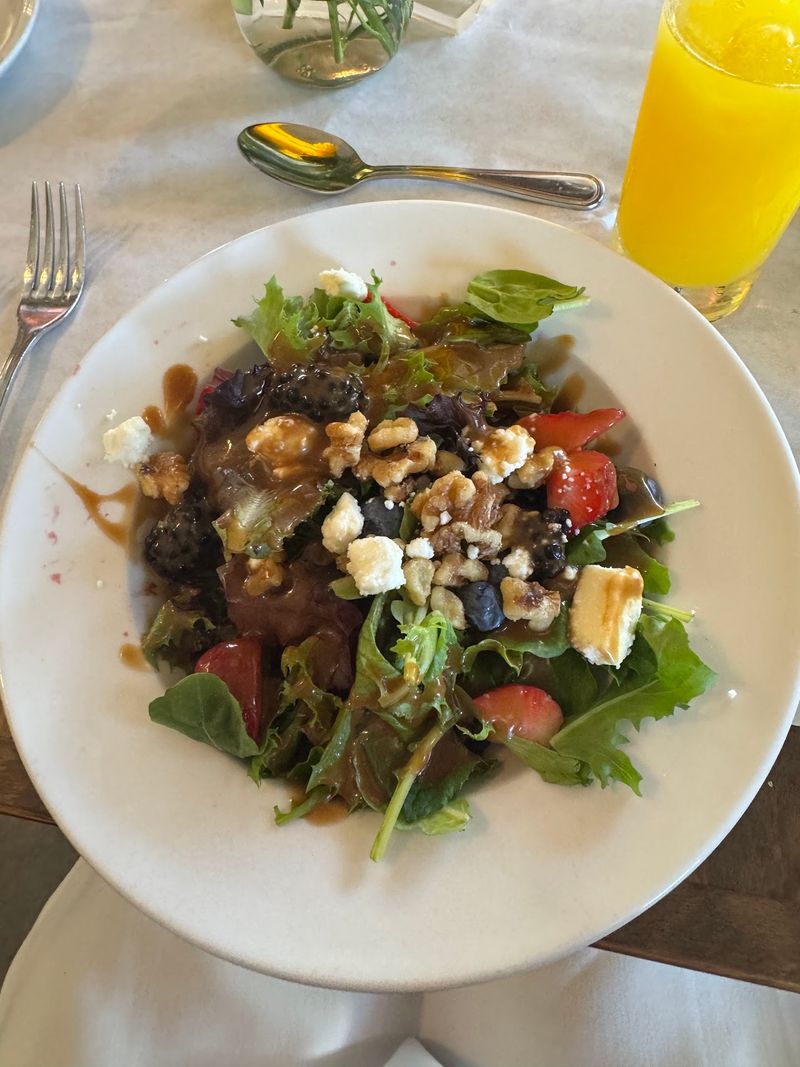
A favorite order is not the best starting point for planning this meal. The menu changes, and the restaurant’s regional and seasonal selections make flexibility more useful than arriving with one particular dish in mind.
That gives repeat meals a different appeal. Returning can mean exploring another set of choices while supporting the same community purpose, rather than repeating an identical order every time.
The provided information includes an account of the menu changing every two weeks. Because that timing is not a confirmed permanent schedule, it is safer to check current offerings than build an outing around a fixed rotation.
Dietary needs also deserve a direct conversation before the trip. The available data does not establish particular accommodations, so nothing should be assumed.
A quick check can settle important questions and prevent avoidable disappointment. Leave the detailed wish list at home, but bring any essential food requirements to the restaurant’s attention.
Volunteers at the Center

People give more than money here. Volunteers play a central role in the restaurant, helping make its community dining model possible through their time and involvement.
The supplied accounts describe volunteer servers and opportunities connected with restaurant work and gardening. Available roles and participation details should be confirmed directly rather than assumed from someone else’s earlier experience.
For people unable to pay, the restaurant offers a meal and an introduction to volunteering opportunities. That wording matters: a person should not arrive believing that an unconfirmed task or shift has already been arranged.
Anyone interested in helping can ask how to get involved through the restaurant’s official channels. Enthusiasm is useful, but understanding current needs is even better.
The volunteer element turns the mission into everyday work, with people contributing effort as well as funds. It also offers another way to stay connected after the plates have been cleared and the outing is over.
Shared Tables and New Conversations
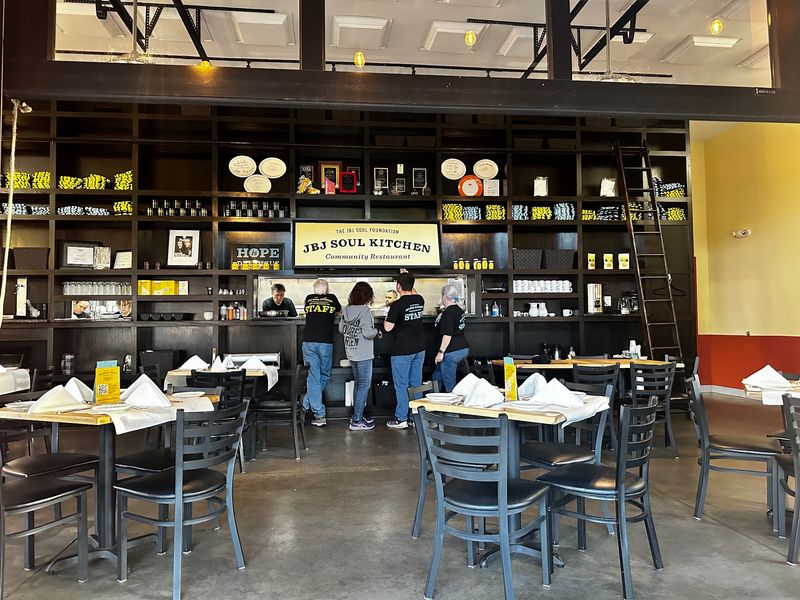
Coming alone does not necessarily mean eating alone. Shared seating appears in the supplied accounts, including solo diners joining others and couples finding themselves in conversation across the table.
It is a distinctive part of the community experience, though it should not be understood as a guaranteed seating arrangement. A particular meal may unfold differently depending on who is there and how the restaurant is operating.
For someone open to meeting people, that possibility adds another reason to choose the stop. Conversation can become part of the outing without requiring a planned group or special event.
A diner seeking a private occasion should ask about seating rather than assume a separate table. Neither preference needs a grand explanation; the useful step is making expectations clear.
The restaurant’s shared-table spirit is about inclusion, not a promise that every person will leave with new friends. Being open to conversation is enough to get started.
An Easygoing Setting for Meaningful Occasions
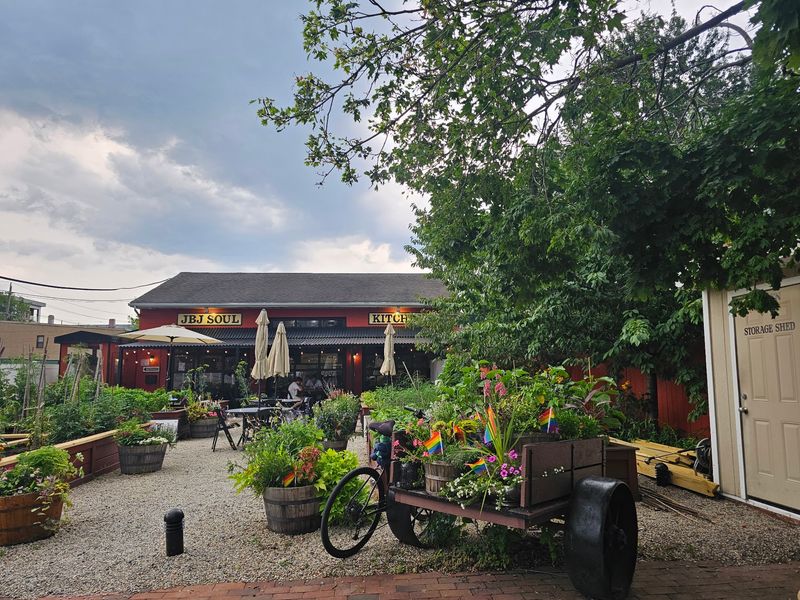
A first date, an anniversary, or a solo lunch can all fit the purpose here. The supplied accounts describe each of those kinds of outings, alongside group meals and repeat stops.
The common thread is a welcoming approach from the people working in the restaurant. Friendly exchanges and attentive help feature prominently in the available material, although no outing can promise the same personal experience.
For a couple, the mission offers something meaningful to discuss beyond choosing a meal. For a group, it gives the gathering a shared purpose without requiring everyone to plan a separate volunteer activity.
The setting is best suited to people who appreciate a community-focused restaurant rather than expecting a completely private or highly scripted occasion. Questions about seating, group arrangements, or other needs belong in advance planning.
A meaningful celebration need not be elaborate; sometimes the choice of where to eat supplies the most memorable part of the plan.
Short Service Windows Worth Planning Around
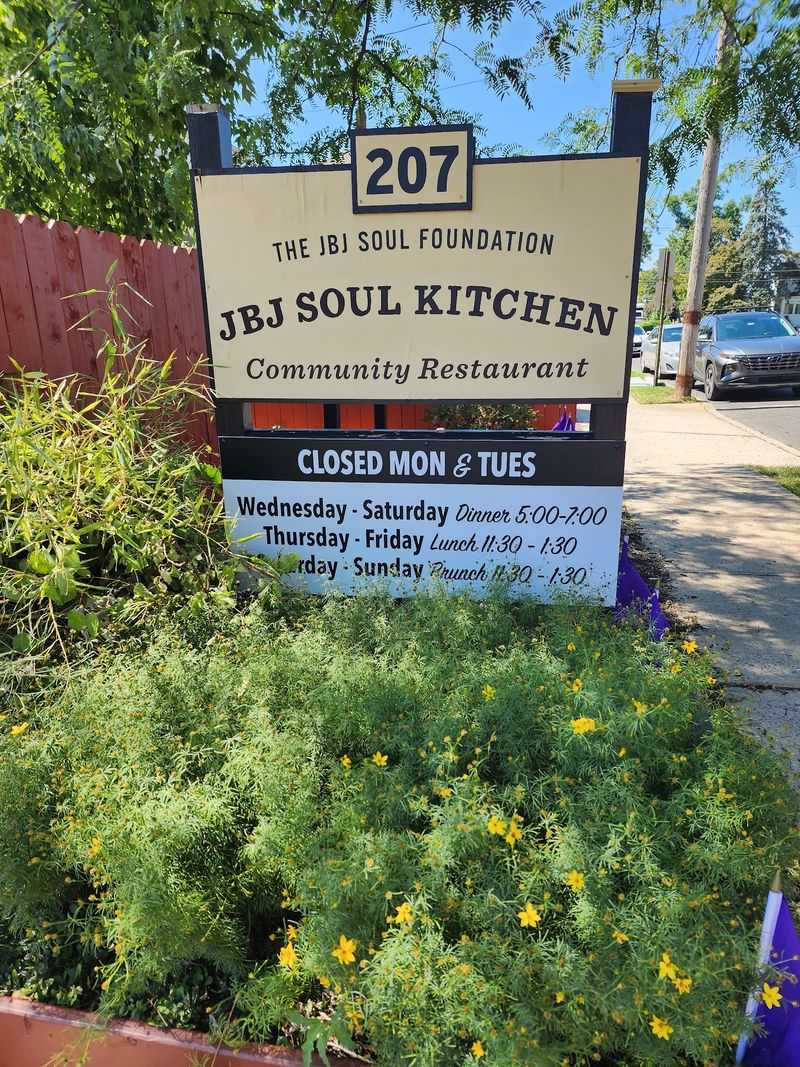
The calendar deserves attention before the appetite takes charge. Listed dinner hours are Wednesday through Saturday, 5–7 p.m., with Friday lunch also offered from 11:30 a.m.–1:30 p.m.
Sunday service runs from 11:30 a.m.–1:30 p.m. Monday and Tuesday are listed as closed, so this is not a place to assume will be available whenever an outing happens.
Check jbjsoulkitchen.org before traveling, since schedules can change. The supplied information does not confirm reservation rules, holiday service, or the latest arrival time within each window.
Use the Monmouth Street address for navigation and allow time to sort out parking. An account mentions a lot across the street, but access, cost, and restrictions are not verified.
Nor does the data establish transit directions or accessibility details. Confirm anything essential to the trip directly.
A modest amount of preparation is especially helpful when the listed meal periods last only two hours and leave limited room for delays.
A Meal With a Useful Aftereffect
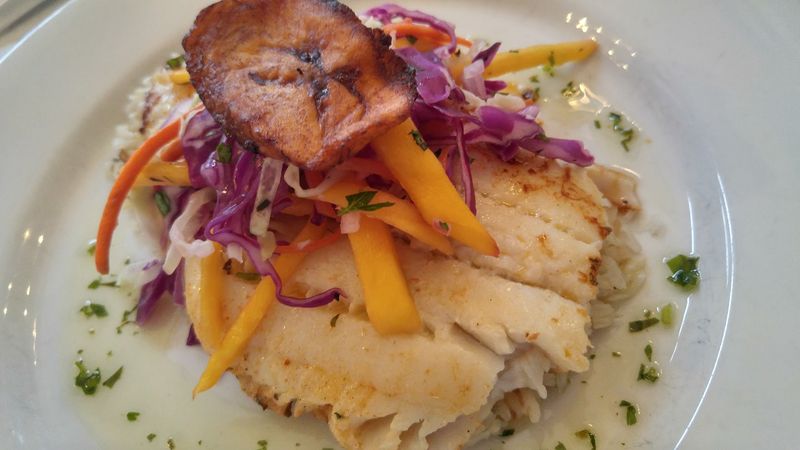
The strongest reason to choose this restaurant is also the simplest: dinner can support access to meals for someone else. The donation model connects an ordinary outing with a specific community purpose.
That does not require overlooking practical details. The changing menu, limited service windows, possible shared seating, and current suggested contribution all deserve consideration before making plans.
People looking for a conventional transaction may prefer to understand the format first. Those drawn to community dining have a clear opportunity to take part, either through a meal donation or by asking about volunteering.
The appeal rests on what the restaurant actually offers, not on a promised celebrity encounter or guaranteed personal transformation. Three courses provide the occasion, and the inclusive mission gives it significance.
A good plan is straightforward: check the schedule, confirm essential needs, and contribute as circumstances allow. The meal ends, but its purpose reaches beyond the people sitting at that particular table.
Share this story