A plate of scones and sandwiches can be reason enough to stop, but a tiered afternoon tea gives lunch a little more ceremony. At one small New Jersey tea room, the appeal goes beyond what arrives at the table: changing themes, an assortment of teacups, and a home-like setting make the outing feel thoughtfully planned.
The surprise is how much there is to consider before choosing a date, especially when reservations, dietary requests, and different meal options enter the conversation. Here is what makes this unassuming stop worth considering, along with the details that help turn a curious detour into a well-planned afternoon.
A Main Street Tea Stop
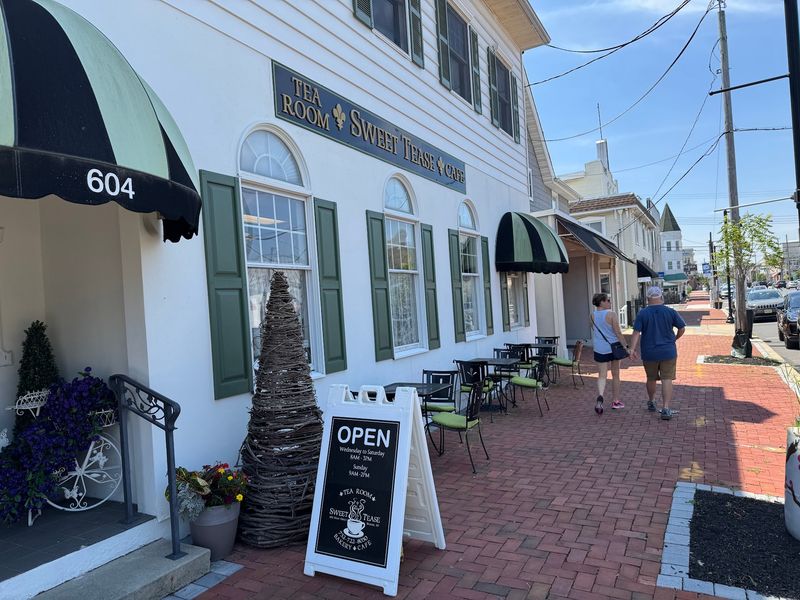
Main Street holds the first useful clue: Sweet Tease Tea Room is at 604 Main St, Belmar, NJ 07719, United States. It is a tea house built around a sit-down tea experience, with options beyond the full afternoon service.
The attraction is specific rather than sprawling. People come for tea, scones, sandwiches, and time together in a small setting, not a long checklist of things to do.
That makes it a straightforward destination for a local outing or a short drive with a clear purpose. The meal itself supplies the main event, so there is no need to build an elaborate itinerary around it.
Before choosing a date, decide how much of the experience you want. A full tea service and a smaller order are different plans, and confirming the available options helps match the stop to your schedule and appetite.
A Home-Like Setting
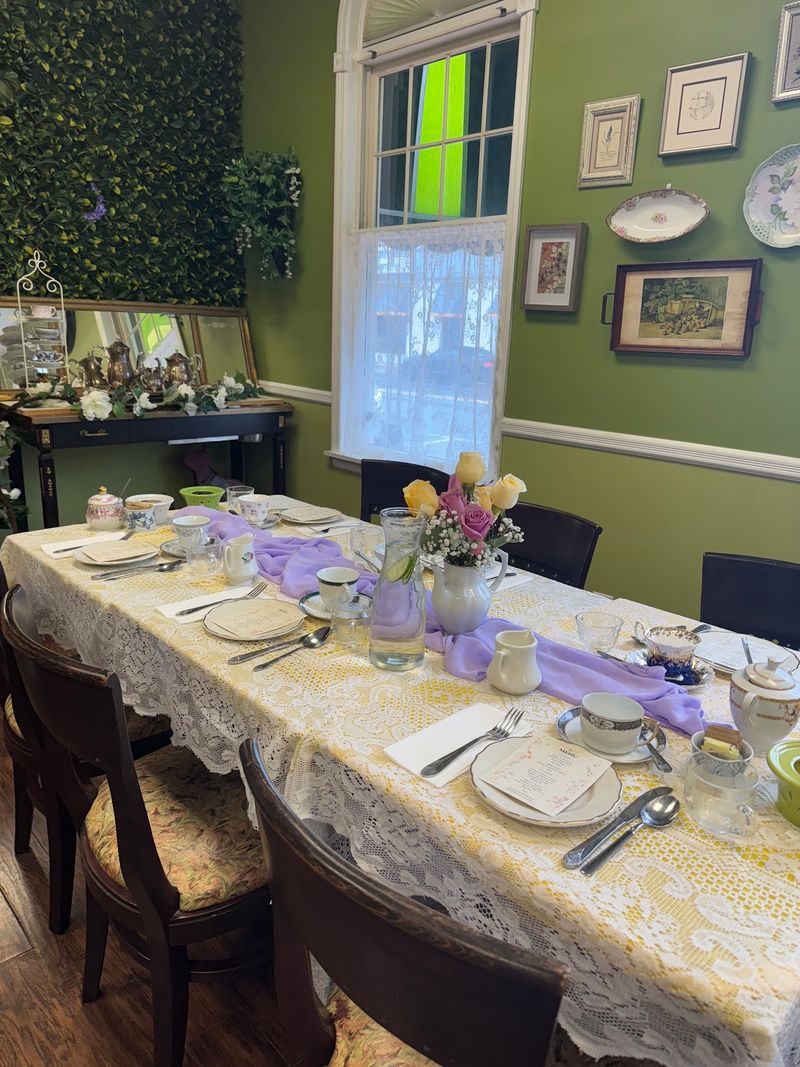
Formal tea does not have to mean a formal mood. The setting here has a home-like character, with dishes, cups, saucers, and teapots helping create an old-fashioned afternoon tea atmosphere.
The room is small, which matters as much for planning as it does for personality. A gathering should be arranged with the tea room rather than treated as an easy addition to an ordinary table booking.
Instead of relying on a grand dining room, the experience draws attention to the table and the people around it. That scale suits a catch-up with friends or a family occasion where conversation is part of the reason for coming.
There is also a useful distinction between cozy and spacious. Anyone organizing a larger group should ask about seating arrangements and available room before inviting everyone, keeping expectations tied to the actual space rather than the occasion alone.
Changing Themes at the Table
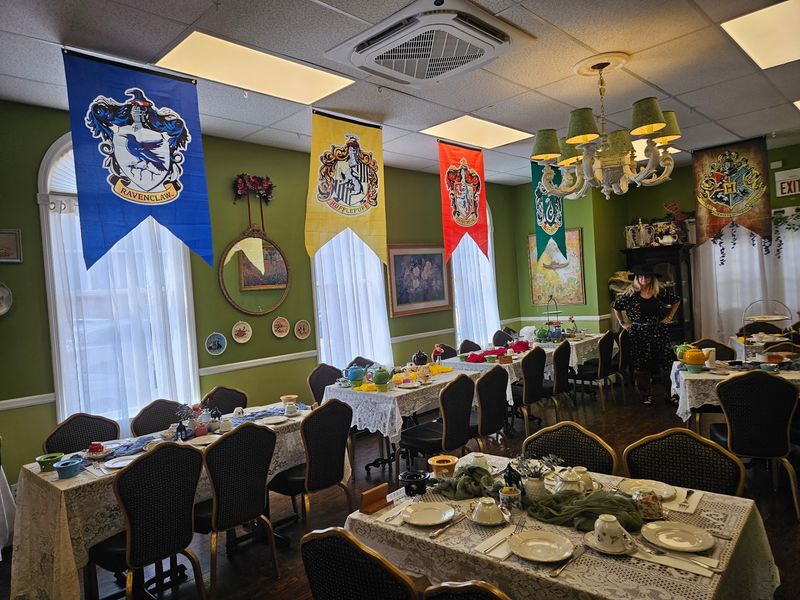
A return trip can have a different focus because themed teas are part of the room’s approach. Themes have changed by month, with the menu and table details connected to the chosen subject.
Past examples include The Wizard of Oz, Beatrix Potter, the Mad Hatter, and Harry Potter. Those examples show the range, but they should not be mistaken for the current schedule.
The interesting part is the coordination. A theme can shape more than a decoration or a title, giving the meal a shared idea that carries through the afternoon.
Check the tea room’s website before reserving to learn what is planned for your date. A favorite story may help you choose when to go, while the listed menu can help the whole group decide together.
The next visit need not be a repeat, but its details deserve a fresh check each time.
The Three-Tier Centerpiece
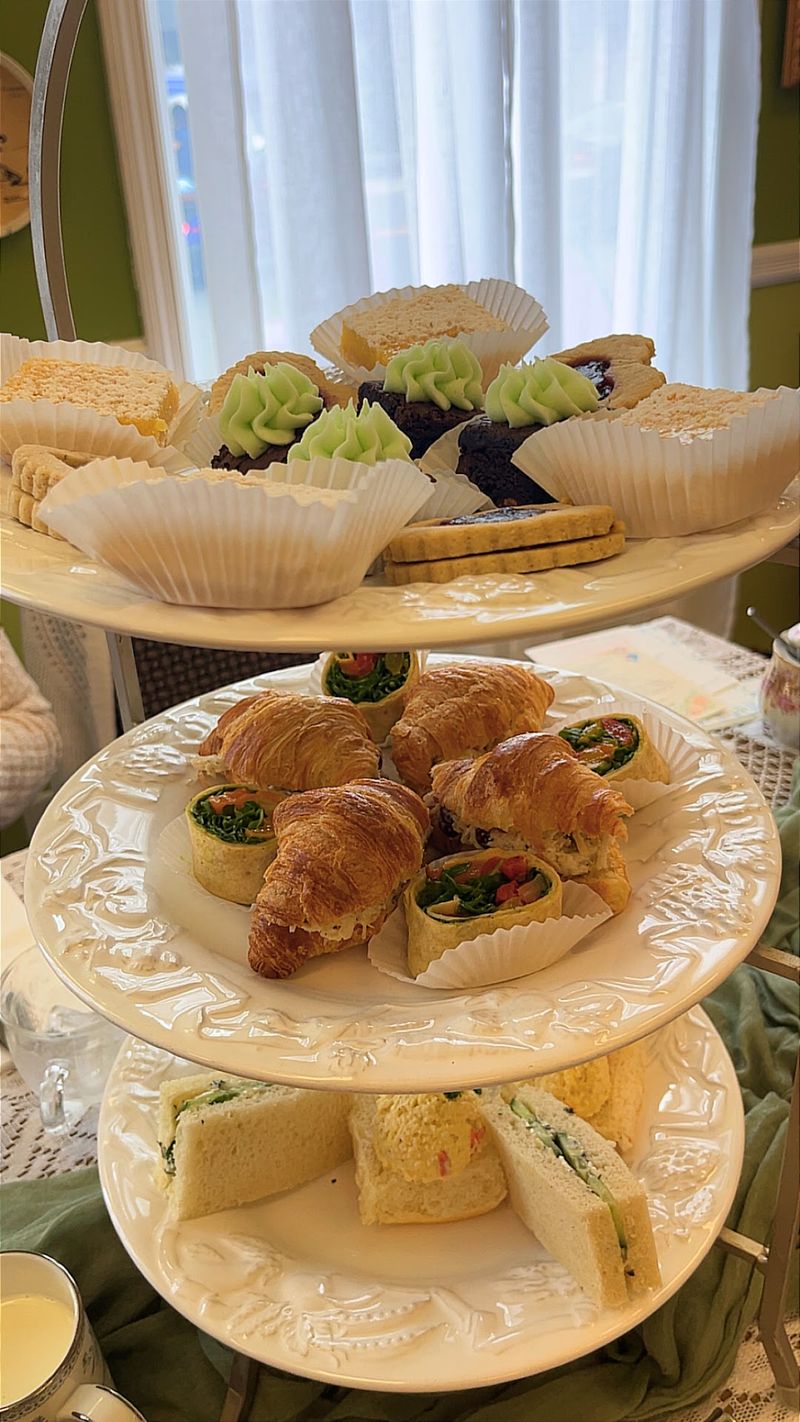
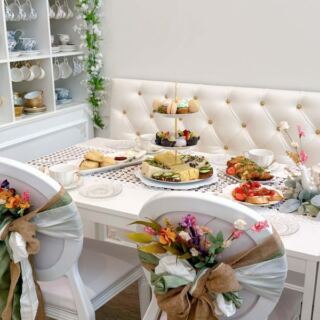
The headline attraction arrives on tiered plates rather than as a single lunch plate. A three-tier stand is part of the afternoon tea presentation, bringing different portions together in one shared arrangement.
Scones and sandwiches give that setup its familiar structure. The display also makes the full service feel distinct from ordering one item and moving on with the day.
Staff have explained the individual items when presenting the stand. That guidance is useful when a themed menu includes unfamiliar choices or when guests need to keep track of an arranged dietary substitution.
No fixed arrangement should be assumed for every date, since menus and themes change. Let the current offering determine expectations instead of counting on a photograph from an earlier event.
The tiered stand is the central idea, while its contents are a reason to check what is being served before booking.
Scones With a Place of Their Own
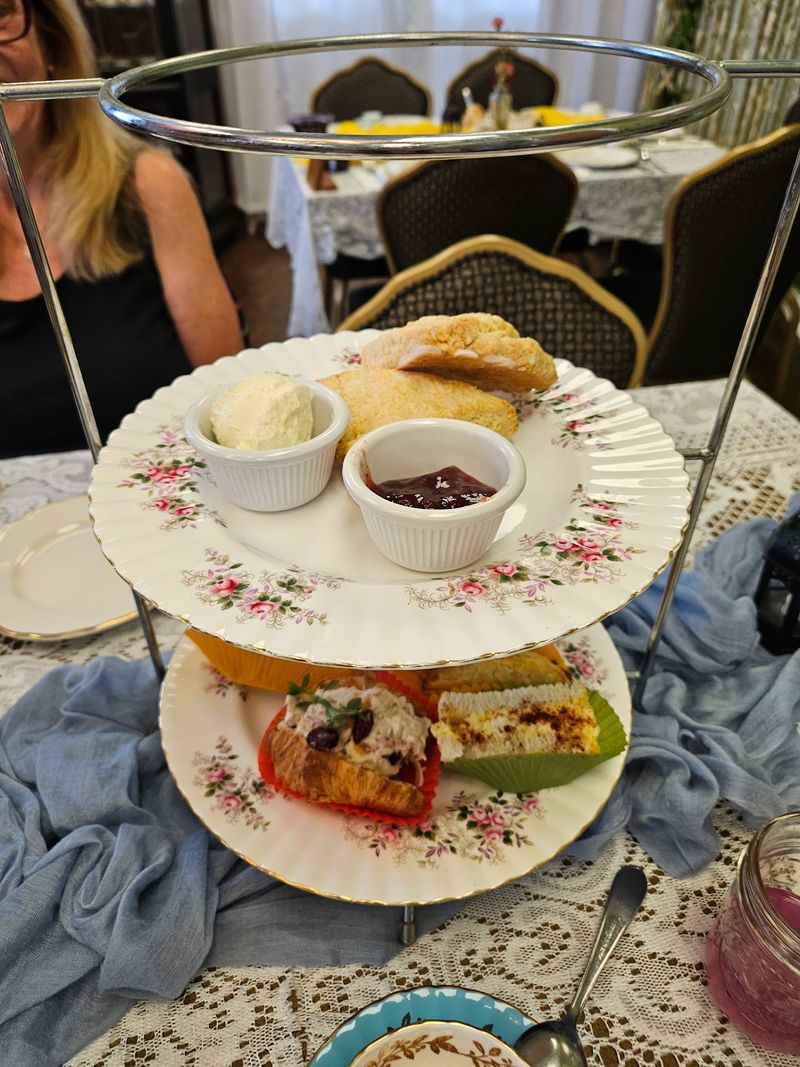
Scones earn their own attention here, rather than serving as a passing extra beside the sandwiches. They are a recurring part of the tea room’s offerings and help explain the appeal of the full afternoon service.
Past tea arrangements have placed them on the middle level of the stand. Separate cafe orders have also included scones, offering another possible approach for someone who does not want the complete meal.
The practical question is availability. A particular variety mentioned from an earlier visit is not a promise for the day you choose, especially at a place with changing food selections and themed menus.
Ask what is available when making plans, and confirm whether a smaller order can be accommodated that day. That leaves room to enjoy the scone-centered side of the experience without assuming every visit follows the same format.
A modest order can still have a clear purpose.
Sandwiches in Smaller Portions
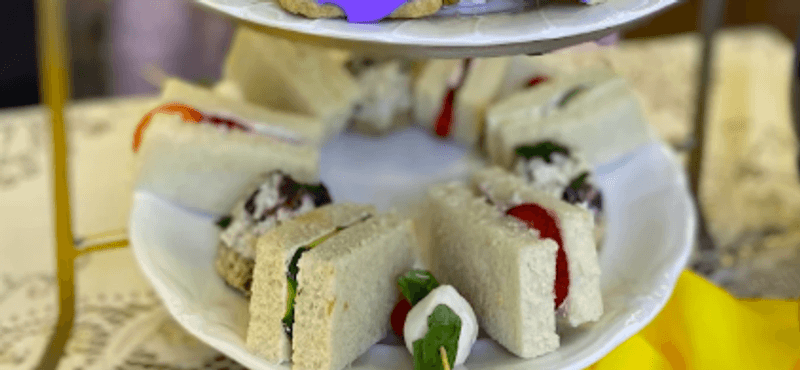
Small sandwiches make the tea service a meal rather than simply a pause for a drink. Assorted versions have appeared in the afternoon offering, giving the table several choices instead of one full-size sandwich.
Variety is part of the appeal, but personal preferences still matter. Not every selection will suit every person, and the current assortment may differ from an earlier themed menu.
For a group outing, it helps to ask about the sandwich selection before confirming the reservation. That conversation is especially useful when someone has a dietary restriction or a strong preference about what they eat.
Portions also deserve a realistic expectation. Afternoon tea follows a different format from a conventional sandwich lunch, so ask what the complete service includes rather than judging it by the size of one piece.
The whole arrangement, not an individual sandwich, is the relevant meal.
Tea Choices and Refill Questions
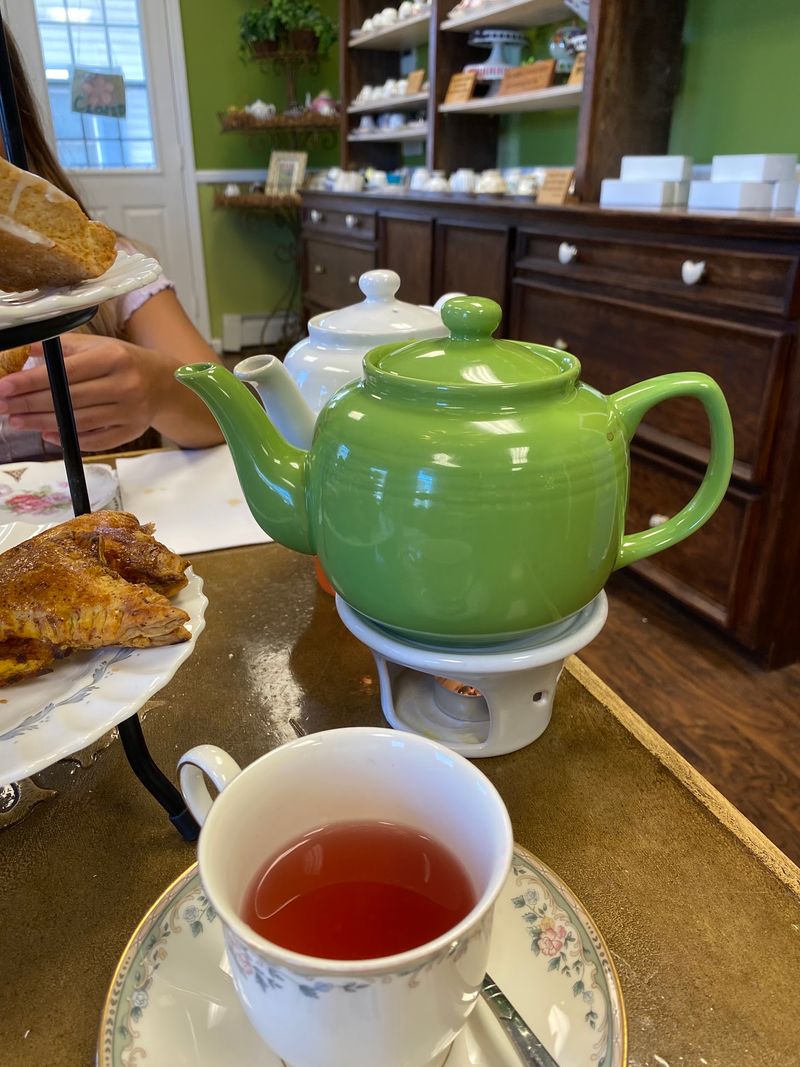
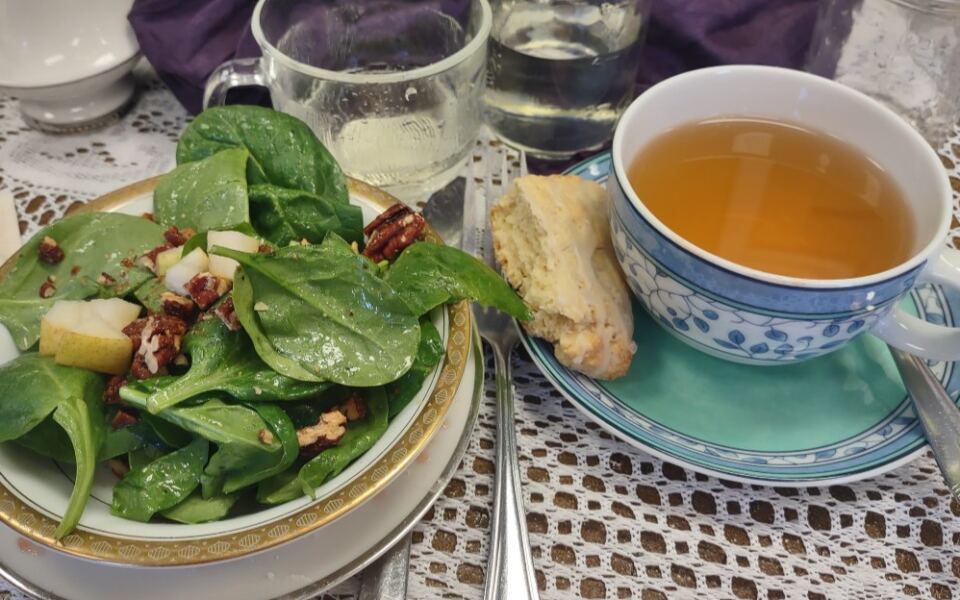
A tea selection gives each person something to choose beyond the shared food. The room has offered multiple teas, and bottomless pots have been part of some meal arrangements.
That does not mean every tea order follows the same rules. Past experiences include both unlimited tea packages and an extra charge for an additional tea, making a clear explanation worthwhile.
Before ordering, ask whether refills are included and whether changing varieties affects the total. Those are small questions that can prevent a surprisingly complicated conversation at the end of a relaxed afternoon.
Staff have also explained the tea being served during celebrations, adding guidance for people less familiar with the selection. There is no need to arrive with expert knowledge.
A few direct questions about choices, quantities, and what your package covers will do more for the experience than memorizing a long list of tea terms.
China With Character
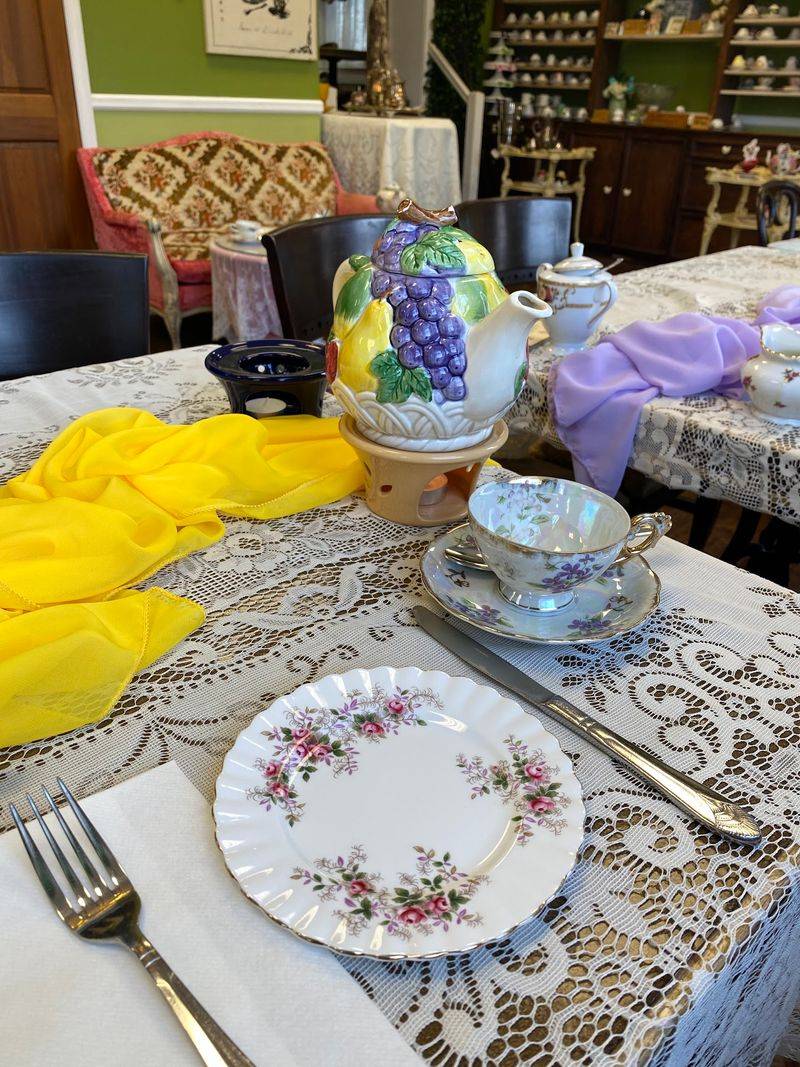
The cups are part of the outing, not just containers for the tea. An assortment of china and a wall of teacups give the room a detail worth noticing between courses.
That collection supports the old-fashioned character of the setting without requiring guests to treat lunch as a formal ceremony. The tableware belongs to the experience, alongside the themed presentation and the tiered serving plates.
For someone who enjoys the small details of a place, this is a distinct reason to choose a sit-down visit. A takeaway order may include the food, but it cannot include time at a table surrounded by the room’s own collection.
There is no need to turn the afternoon into a photo session, either. The china offers something to discuss while the meal progresses.
Sometimes the most memorable detail is the one that gives a conversation a natural place to begin.
Dietary Requests With Advance Planning
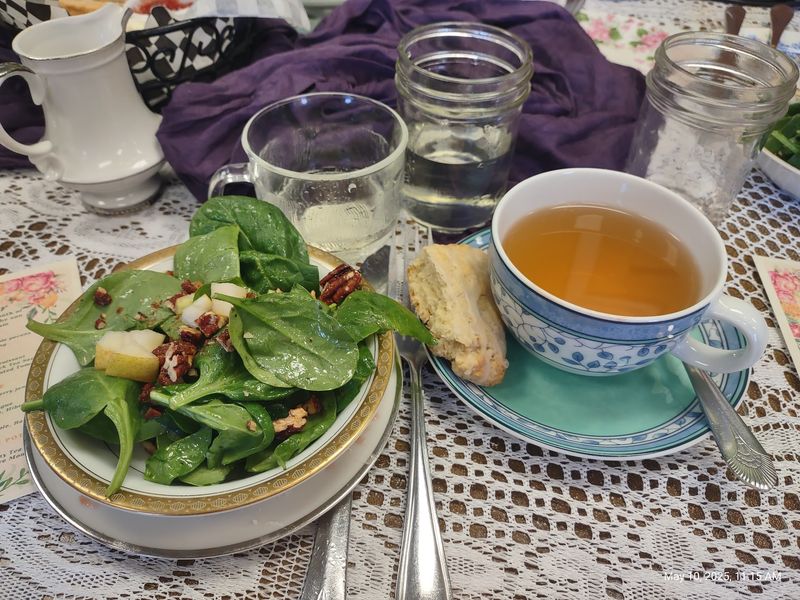
Dietary needs do not automatically rule out a shared tea outing here. Gluten-free, milk-free, pescatarian, and vegan requests have been accommodated during past meals and celebrations.
Those examples are encouraging, but they are not a guarantee for every menu or every restriction. A changing themed service makes an advance conversation more useful than an assumption based on an earlier meal.
Explain the exact request when arranging the booking, including whether it concerns a preference, intolerance, or allergy. Ask what substitutions are possible and whether the kitchen can meet the needs of the person concerned.
The supplied information does not establish preparation procedures or an allergen-free environment. Anyone who needs those details should obtain them directly before committing.
The goal is a shared occasion with fewer uncertainties, and that begins with specific questions rather than a broad request for something suitable after everyone is already seated.
Small Celebrations and Family Afternoons
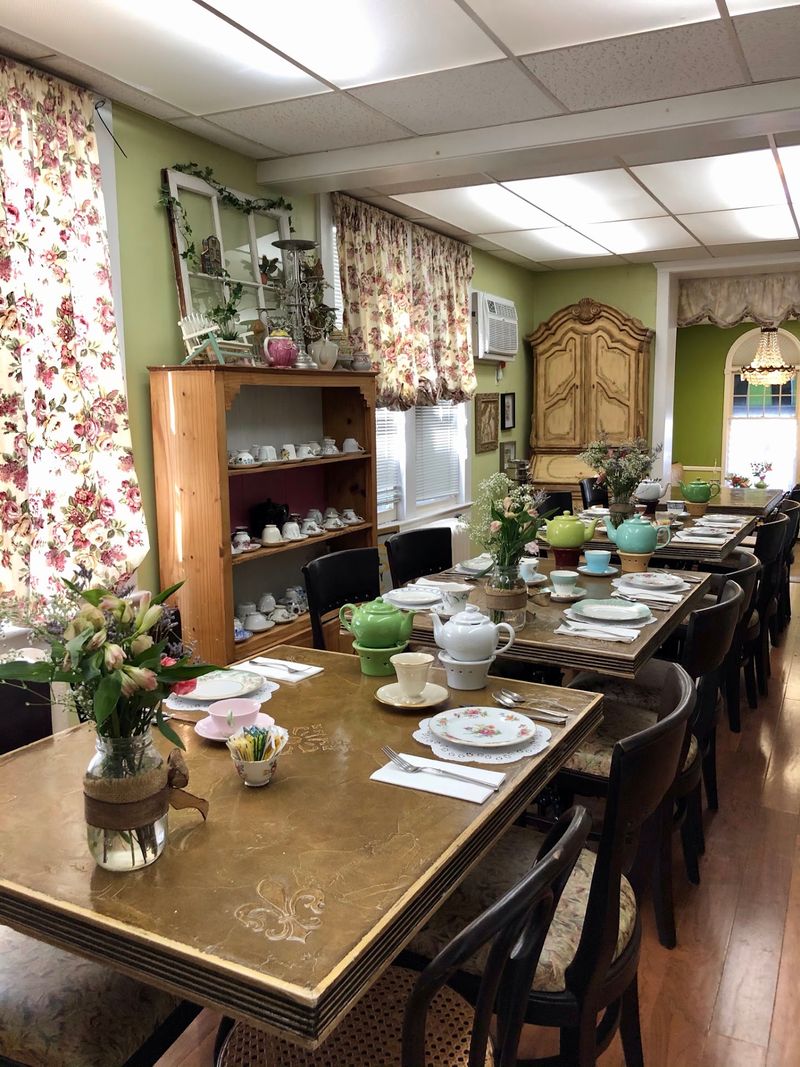
A baby shower or bridal shower gives afternoon tea a clear occasion, and both have taken place here. Birthdays, a graduation celebration, and gatherings with friends have also used the tea room’s setting.
Party coordination has included help from a manager, while family experiences have included younger children. That makes the place worth considering for a mixed-age gathering, provided the actual arrangements suit your group.
Ask about group size, seating, meal format, and any requirements before sending invitations. The available information does not establish capacity, private-room options, or a standard event package.
A small celebration can benefit from having the meal and table setting handled together. Still, the occasion should fit the room rather than expecting the room to fit every possible occasion.
Start with a conversation about the group, then choose the date and details that the tea room can genuinely support.
Hours, Reservations, and Parking
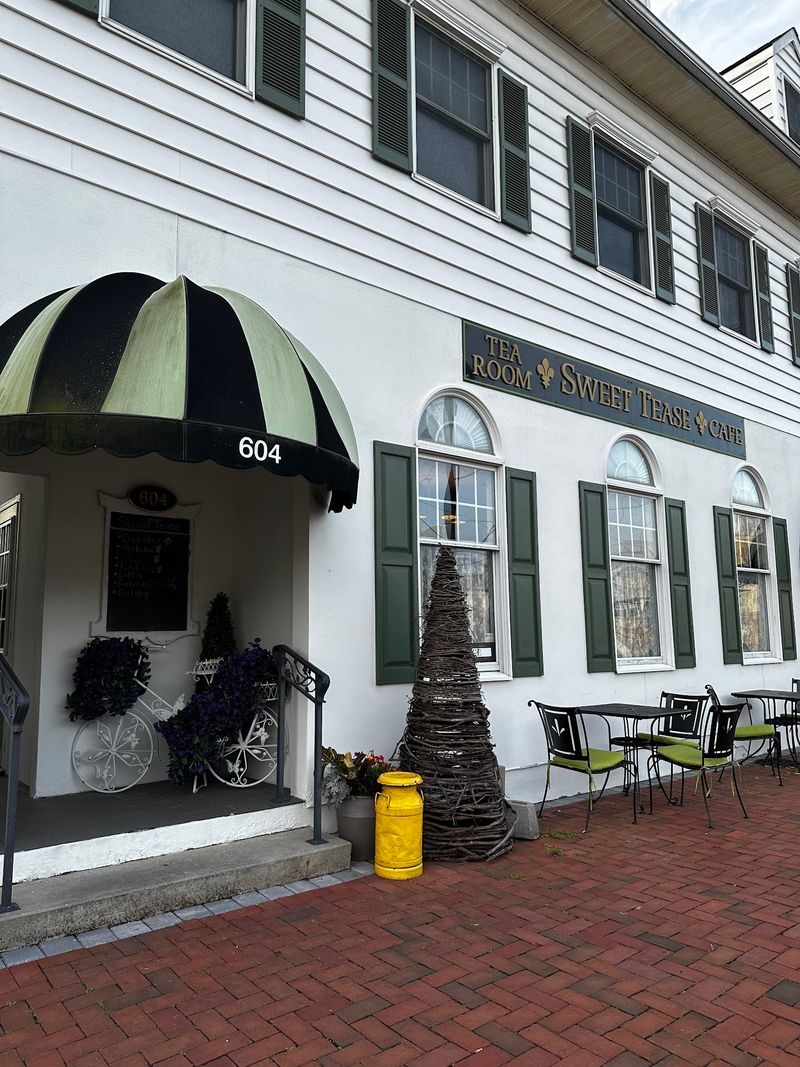
The calendar is simple: listed operating hours are Wednesday through Sunday, 10 AM to 3 PM. Monday and Tuesday are closed, so a weekday plan needs a little attention before anyone sets out.
Those hours are the business schedule, not a confirmed list of afternoon tea seating times. Reserve ahead and ask when your chosen service begins, especially for a themed meal or a group occasion.
Parking has been reported in front and in a lot behind the building. Availability, restrictions, and accessible arrangements are not established by the supplied information, so confirm any specific access needs directly.
The website, sweetteasetearoom.com, is a useful starting point for checking the theme and planning the booking. Reconfirm the schedule close to the date rather than relying only on saved details.
A little preparation keeps the drive focused on the tea table instead of avoidable questions at the door.
A Drive With a Clear Purpose
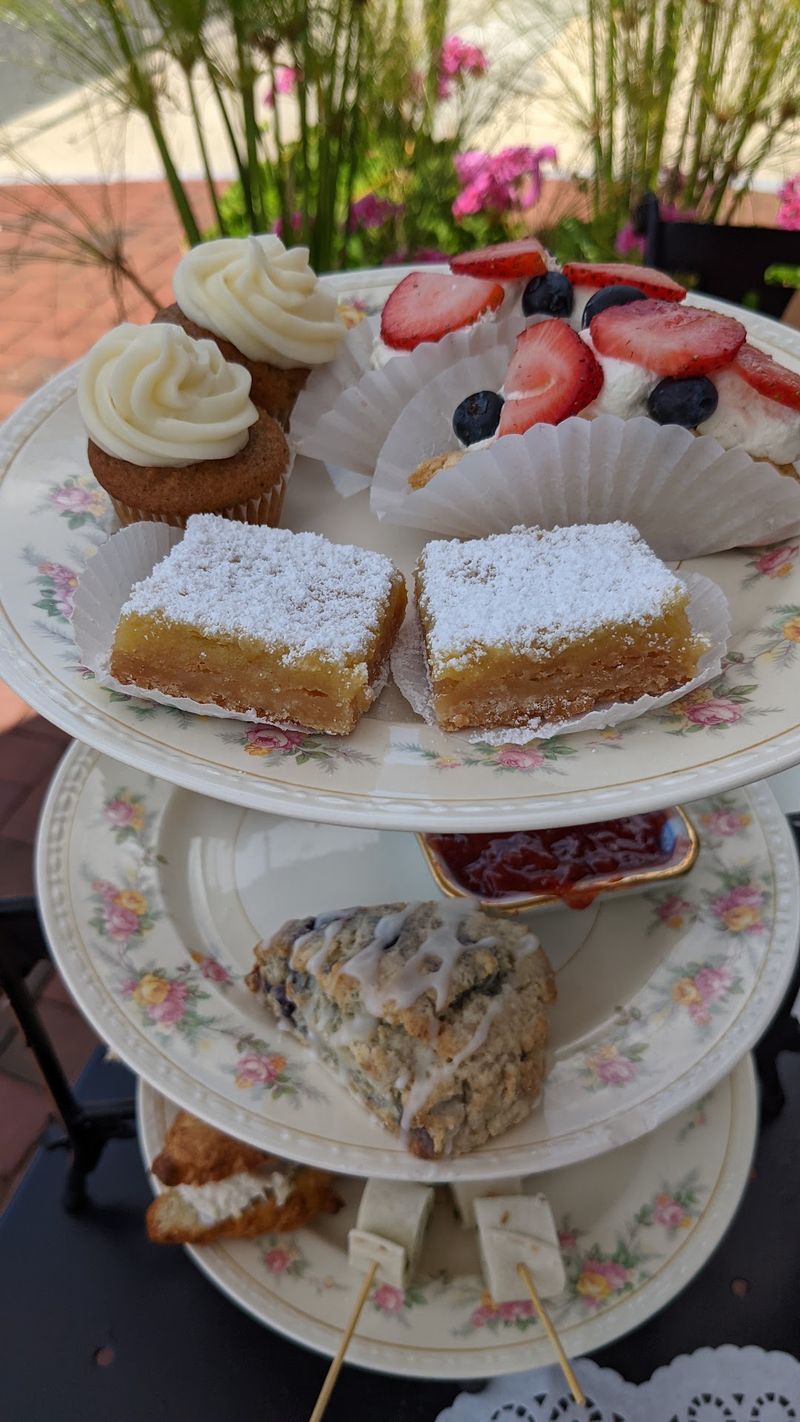
The strongest reason to make the trip is the complete sit-down experience. Tiered scones and sandwiches, changing themes, and the room’s china collection give the stop more structure than a quick tea order.
It is best approached with an interest in the format rather than a promise that every selection will suit everyone. Menus vary, preferences differ, and the small setting deserves practical planning.
Friends who want time together, families marking an occasion, and people curious about themed afternoon tea have clear reasons to consider it. Anyone seeking a brief stop should first confirm that a smaller order fits the day’s service.
Reserve, settle the cost questions, and share dietary needs before the drive. With those details handled, the appeal stays pleasantly straightforward: a table, tea, and a meal given a little ceremony.
That is enough of a reason to put an afternoon aside.
Share this story