An ordinary museum stop in New Jersey can turn into a much bigger discovery when the objects raise questions worth following. A Lenape exhibit gives that curiosity a starting point, with state history, art, and science adding more reasons to stay.
The appeal is not just learning what an object is, but understanding why it belongs in the story of a place. Here is what this free museum offers, where to focus your time, and what to check before heading out.
A Statewide Story in Trenton
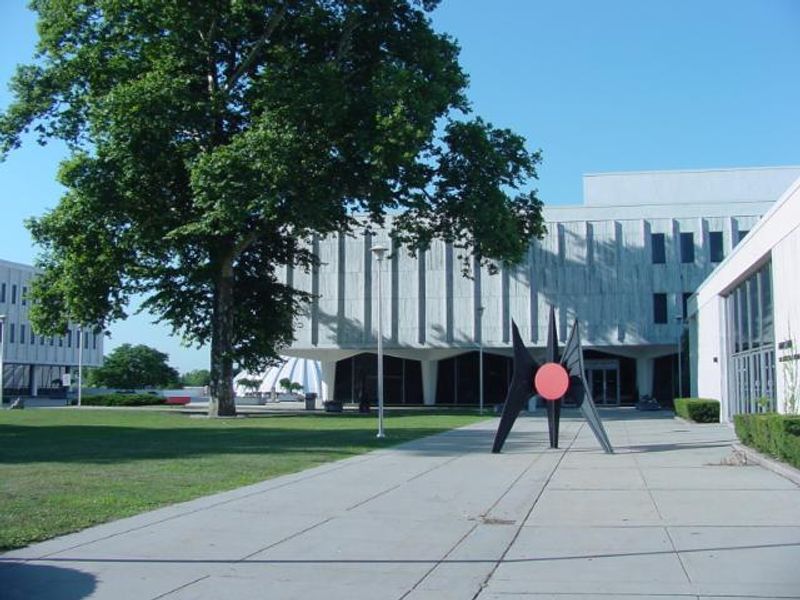
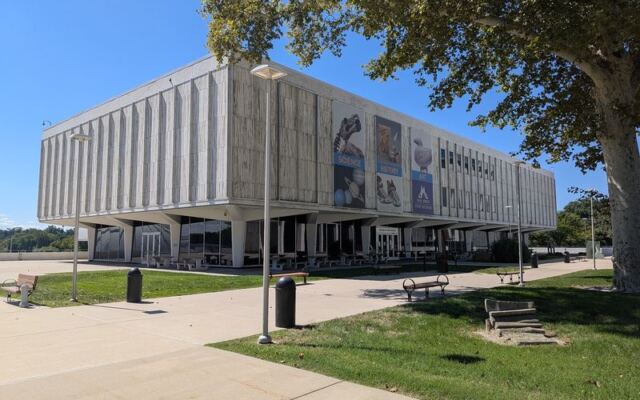
A single address brings several kinds of New Jersey history together. The New Jersey State Museum is at 205 W State St, Trenton, NJ 08608, United States, with collections devoted to archaeology, cultural history, natural history, and fine art.
The planetarium adds another option, but the main attraction for this story is the connection between objects and the people or places they help explain. The Native American and Lenape exhibit gives that theme a clear starting point.
Rather than treating the museum as one long assignment, choose a subject that interests you and build the outing around it. State history can lead naturally into art, while archaeology can prompt a stop among the fossils.
That range makes the destination useful for local families and short day trips. A focused visit can still cover several interests without requiring everyone to agree on a single favorite subject.
The Lenape Exhibit at the Center
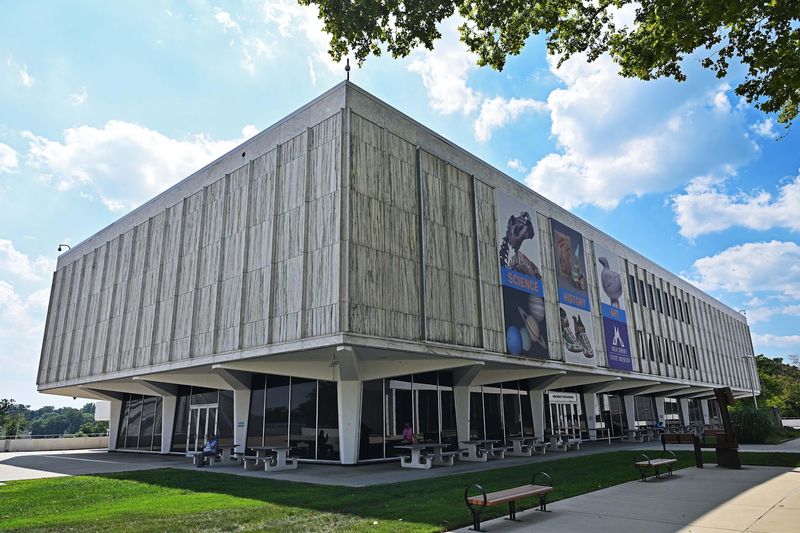
New Jersey history deserves more than a starting point tied only to familiar public figures. The museum’s Native American and Lenape exhibit creates space for a different focus within its broader account of the state.
For a useful visit, give this area its own time rather than treating it as a brief stop between other galleries. Read the information supplied with the objects, and notice how the exhibit places them within a larger historical account.
The supplied information confirms the exhibit, but does not identify individual Lenape artifacts. That means a responsible introduction should not promise a particular tool, vessel, material, or date.
The more rewarding approach is to arrive with questions. What does the museum identify about an object’s purpose?
What context accompanies it? Those questions keep attention on the evidence in the display and help make this section the foundation of the outing.
Everyday Objects in State History
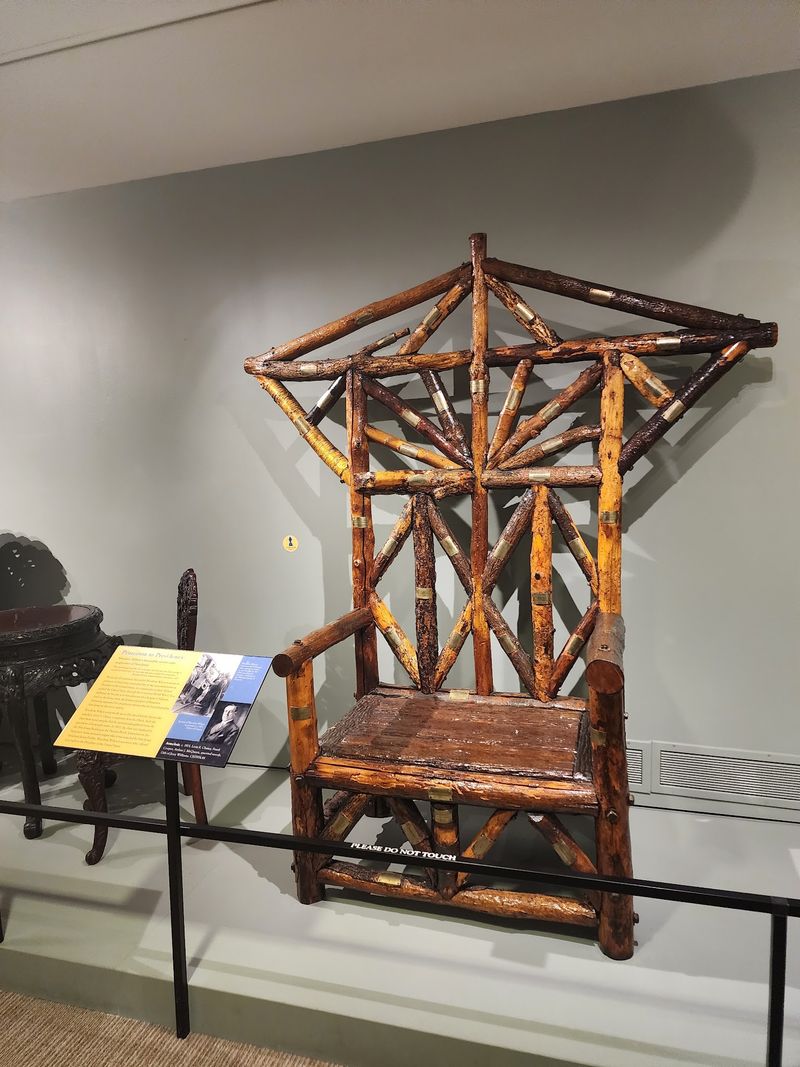
A refrigerator can earn its place in a history gallery just as surely as a famous person’s chair. The museum’s state history displays include household objects, furniture, and items connected with public life.
Examples described in the supplied accounts include an early twentieth-century refrigerator and a chair used by Woodrow Wilson during his time as governor. Such objects give the historical account something more specific than names and dates.
For families, ordinary belongings can be especially useful conversation starters. Ask what job an object performed, who might have used it, and how its role compares with something used today.
That approach also supports the article’s larger theme without assuming that every collection tells the same story. The Lenape exhibit and later state history displays concern different contexts.
Each deserves attention on its own terms, with the accompanying information explaining why particular objects belong in the account.
Industry and Local Connections
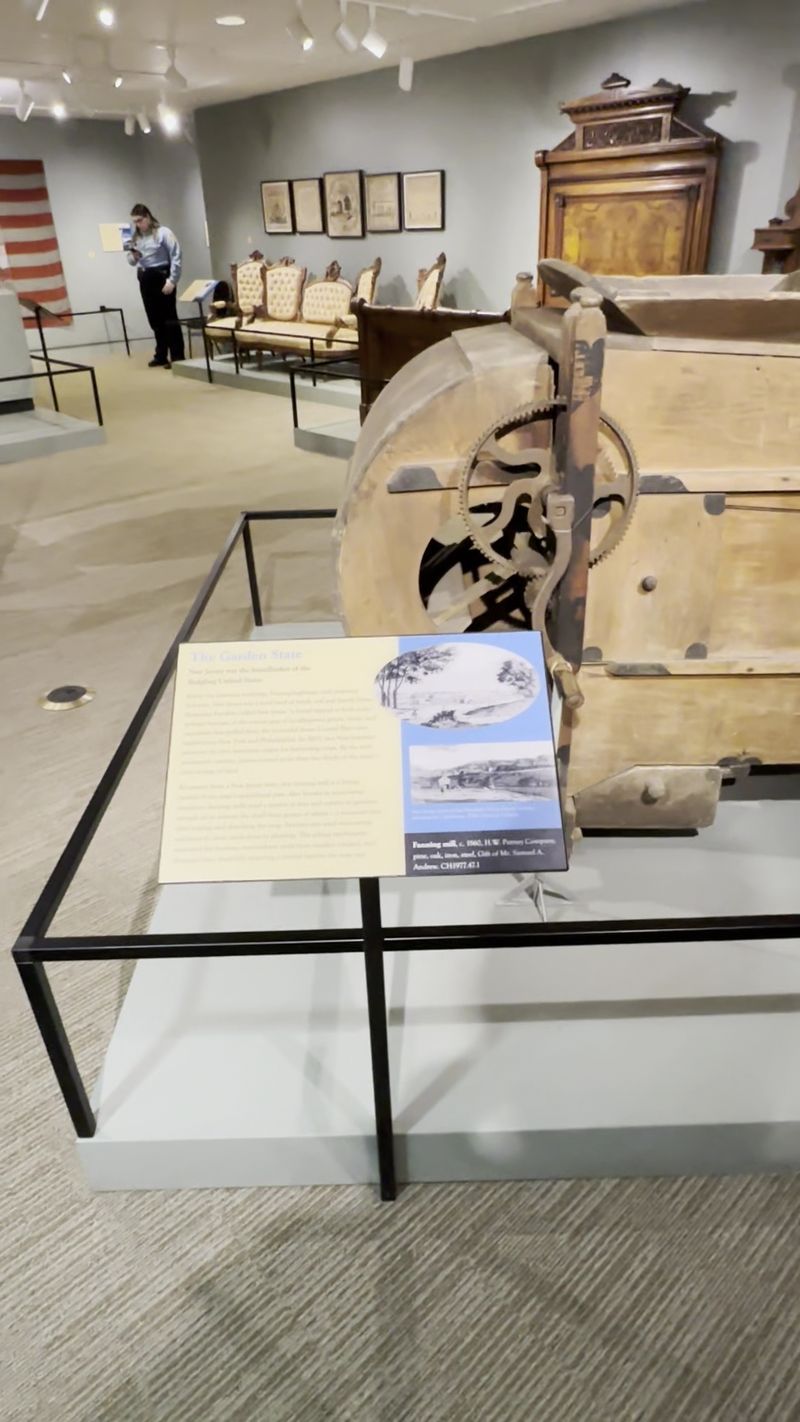
Local history becomes more specific when the subject is something people made or used. The museum’s cultural history displays include material connected with industry in Trenton and other parts of New Jersey.
Furniture and objects associated with the Roebling family appear in the supplied description of those collections. They offer another reason to approach the galleries through individual objects rather than trying to absorb every subject at once.
Follow the museum’s explanation of those connections carefully. An object’s owner, maker, and purpose are different pieces of information, and the label can help clarify which relationship matters in a particular display.
For New Jersey residents, this section adds local substance to the outing. The state’s history is presented through belongings and work as well as public events.
After the Lenape exhibit and household displays, industrial material adds another distinct question: how does an object connect to the community around it?
Fine Art Alongside History
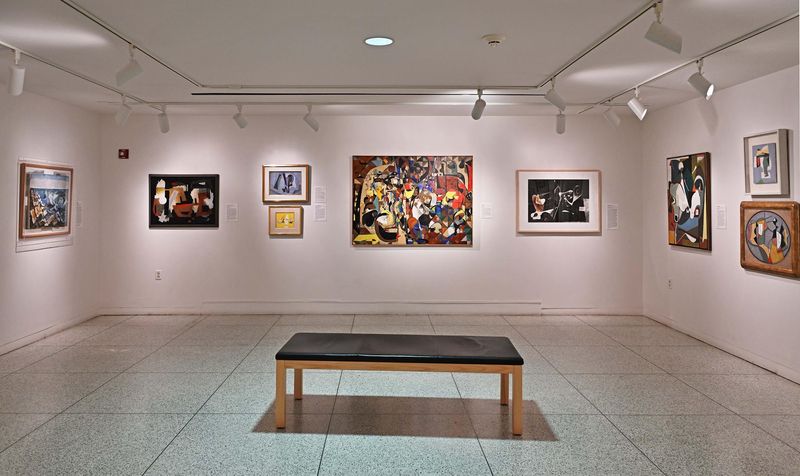
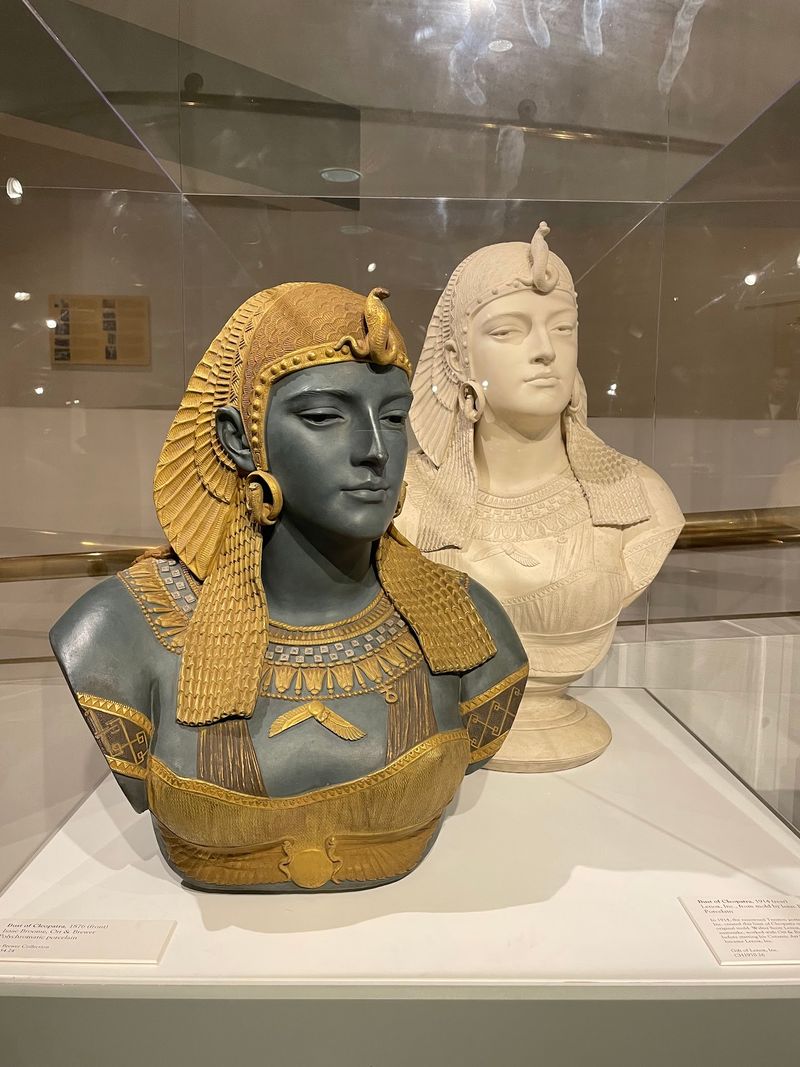
Art gives the outing a different direction without requiring a different destination. Fine art is one of the museum’s main collection areas, and American art is part of the experience described in the supplied information.
After spending time with historical objects, the galleries offer a chance to change the questions. Instead of asking only how something was used, consider what the artist chose to represent and what the museum explains about the work.
You do not need to study every painting to make this section worthwhile. Choose a few works, read their labels, and allow enough time to consider each one separately.
Temporary exhibitions also feature in the museum’s offerings, although their contents can change. Check the museum website before planning around a particular show.
The art collection helps keep the trip varied, especially when different members of a group have different interests and attention spans.
Fossils With a New Jersey Focus
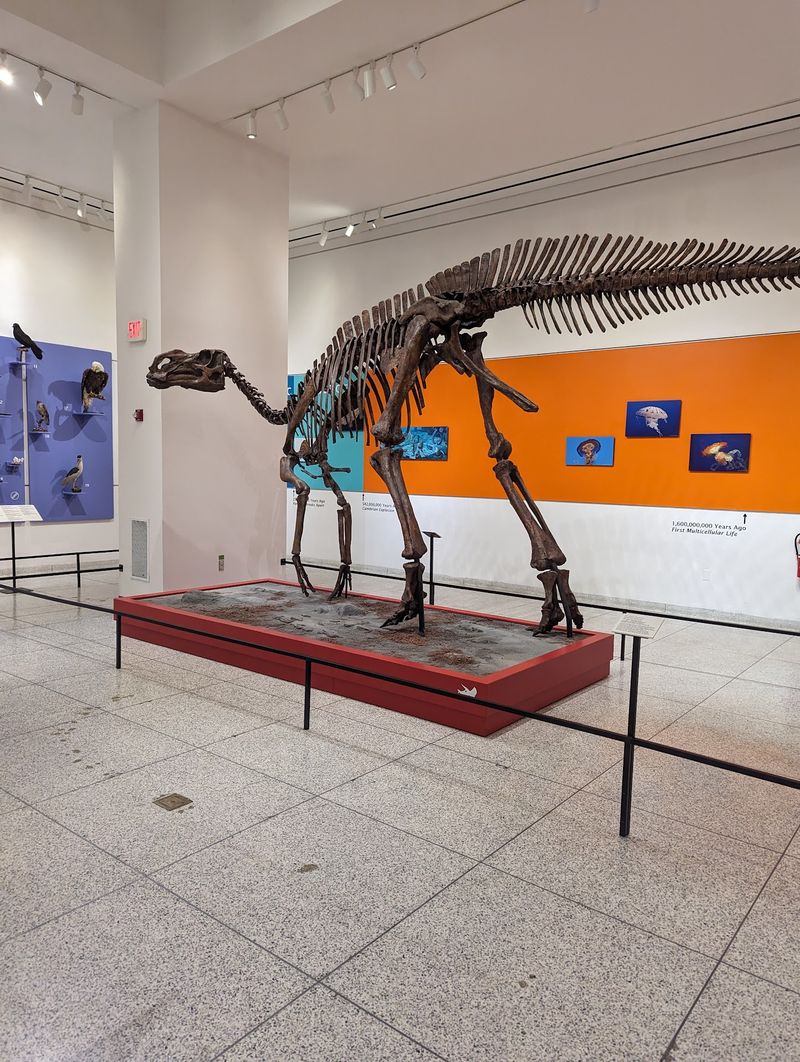
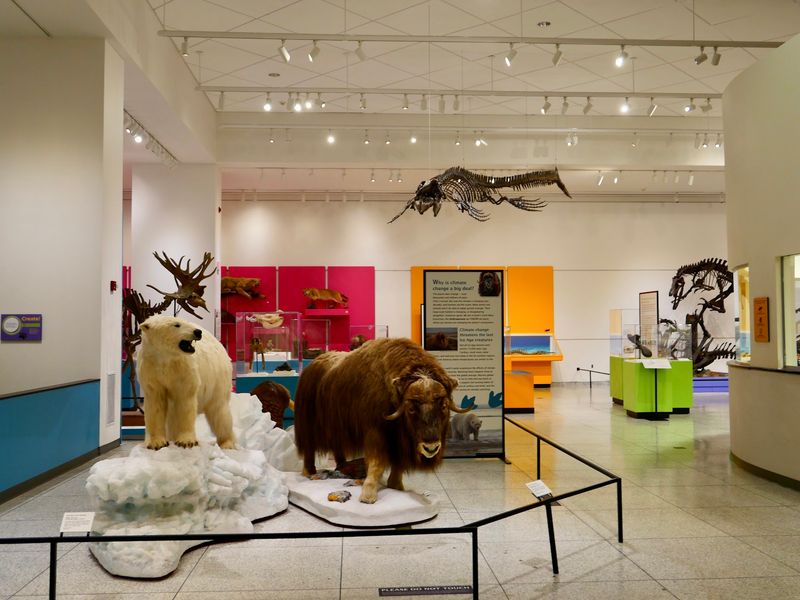
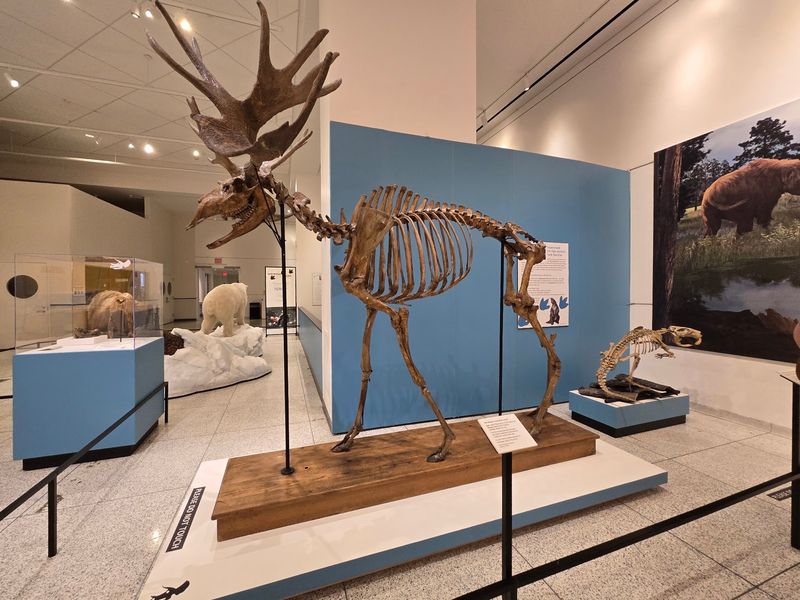
Dinosaurs are a strong reason to leave room for the natural history galleries. Fossils, rocks, and animal displays broaden the museum’s subject beyond human history while keeping the outing connected to New Jersey.
The supplied accounts describe a substantial fossil collection, including specimens discovered in the state. That local connection is useful: natural history becomes part of the same regional visit rather than an unrelated extra.
Keep archaeology and paleontology separate as you explore. Archaeology concerns evidence of human activity, while fossils belong to the study of earlier life.
The museum offers both subjects, but they answer different kinds of questions.
A family group can use that distinction as a simple organizing idea. Begin with the Lenape exhibit, move through state history, then change subjects among the fossils.
There is no need to make every gallery fit one theme when the destination’s range is part of its appeal.
Room for Younger Learners
Children do not need to approach the museum like adults with smaller shoes. The supplied information describes a dedicated children’s area and hands-on activities, giving families options beyond reading their way through the galleries.
Recent accounts also describe interactive updates to the state history presentation. Older accounts mention dress-up activities and puppet play in the Written in the Rocks area, but those particular activities should not be treated as guaranteed current offerings.
A flexible plan is more useful than a promise about one remembered activity. Alternate a focused exhibit stop with an available children’s activity, and let the group’s interest help set the pace.
Adults can keep the history conversation simple by asking what an object was for or what the label explains. Not every section needs to become a lesson.
A shorter outing with room for participation may suit younger learners better than a determined attempt to cover everything.
The Planetarium Option
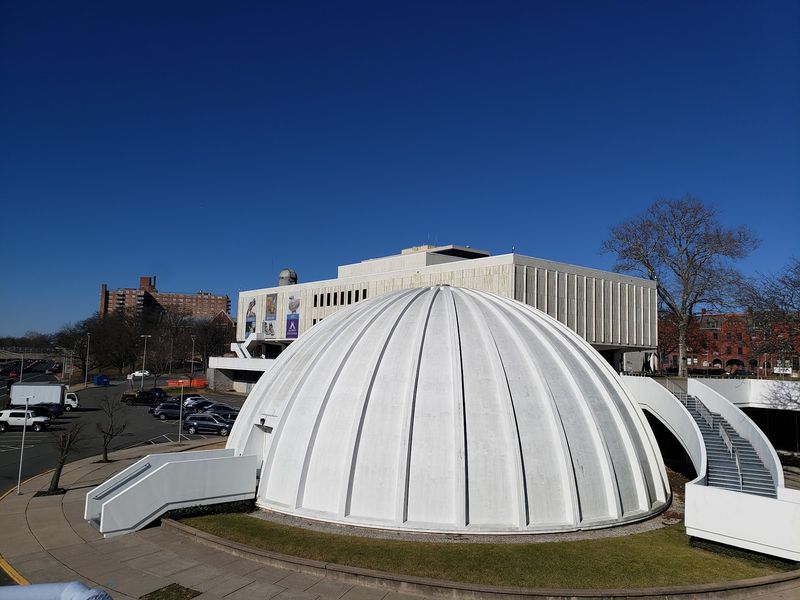
Space programs add a separate attraction to a museum outing already rich in subjects. The planetarium presents shows about astronomy, making it an option for groups whose interests extend beyond history and art.
General museum admission is free, but planetarium shows require a separate ticket. The supplied accounts include older ticket amounts and show lengths, so the museum website is the better place to confirm current costs and schedules.
Choose the program before deciding how to divide your gallery time. A scheduled show can provide structure for the outing, with the Lenape exhibit or natural history collection explored before or afterward.
The planetarium is an addition, not a requirement for a worthwhile stop. A history-focused trip can leave it for another day, while an astronomy-focused trip can use the galleries as an extra opportunity.
Either way, confirm the actual program rather than relying on a previously offered title.
A Flexible Pace for Mixed Interests
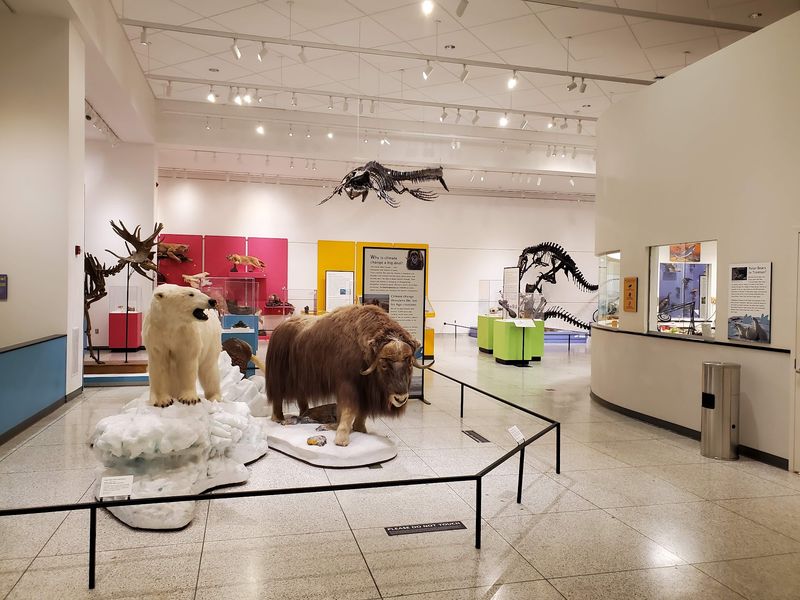
Not every good museum trip needs an all-day commitment. The supplied experiences range from brief stops to several hours, with some people concentrating on a few exhibits rather than covering every collection.
That makes a flexible plan sensible for couples, families, and groups with mixed interests. Pick one shared priority, then leave room for another subject that catches someone’s attention.
Some accounts describe an uncrowded setting, but attendance can vary. Plan around the collections and opening hours, not an expectation that the galleries will always be quiet or nearly empty.
Helpful staff are also a recurring part of the supplied experiences. Ask for guidance if the entrance, exhibit route, or planetarium arrangements are unclear.
The museum suits people who enjoy choosing their own pace, although younger children may need activity breaks. A manageable visit can be more satisfying than rushing through every available room simply to finish.
Hours, Admission, and Arrival
The listed schedule makes Monday the day to avoid. Museum hours are Tuesday through Sunday, 9 a.m. to 4:45 p.m., with Monday closed; confirm any changes at statemuseum.nj.gov before leaving.
General admission is free. Planetarium tickets are separate, so check the current program schedule and charge if a show is part of your plan.
Use the museum’s street address for navigation and allow time to find the correct entrance. The supplied accounts describe confusion between a parking garage and the museum, including difficulty with garage access afterward.
Before leaving a parked car, confirm the garage’s access arrangements and return route. An older account mentions free weekend parking, but that is not enough to promise a current parking policy.
No food is available inside according to the supplied information. Plan meal breaks separately, and arrive with enough time that the final part of your outing is not rushed.
A Worthwhile Stop for Curious Locals
The strongest reason to go is the chance to connect familiar New Jersey interests with specific objects. The Lenape exhibit provides one focus, while cultural history, industry, art, fossils, and astronomy offer distinct ways to extend the outing.
Free general admission makes a selective visit practical. There is no need to commit to every gallery or add a planetarium ticket unless that program interests your group.
Expect a museum that covers several subjects rather than a destination devoted only to Lenape history. For the title’s central question, the most useful answers will come from the actual exhibit labels and their context, not assumptions made in advance.
A thoughtful stop can be simple: choose a few displays, read carefully, and leave room for questions. The museum’s value lies in bringing objects and explanations together, giving local residents another way to understand the state without requiring an elaborate day-trip plan.
Share this story