Many grocery store items wear a health halo thanks to clever labels and friendly packaging. But a closer look at the nutrition facts can tell a different story.
Knowing which foods can be high in sugar, sodium, or saturated fat helps you shop with more confidence. Here are 15 common examples and simple ways to make better choices.
1. Flavored Yogurt
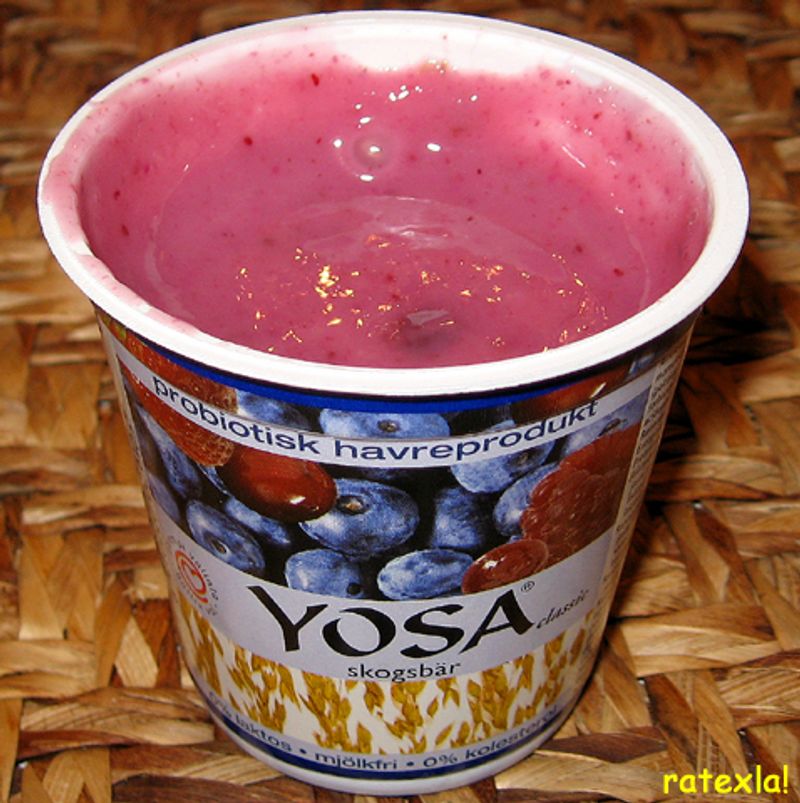
Picture a creamy cup of strawberry yogurt next to a bowl of fruit. It looks like the picture of good health.
Yet many flavored cups pack more added sugar than some desserts.
Yogurt does offer protein, calcium, and helpful bacteria. The trouble comes from sweeteners, fruit syrups, and candy toppings that get stirred in.
Some single-serve containers hold several teaspoons of added sugar.
The Dietary Guidelines for Americans suggest keeping added sugars below 10 percent of daily calories. One sweetened cup can use up a big share of that limit.
A smarter move is to buy plain yogurt and add your own fruit. Fresh berries, sliced banana, or a small drizzle of honey give you flavor with more control.
Check the label for the line called added sugars, and pick the lowest number you can find.
2. Granola
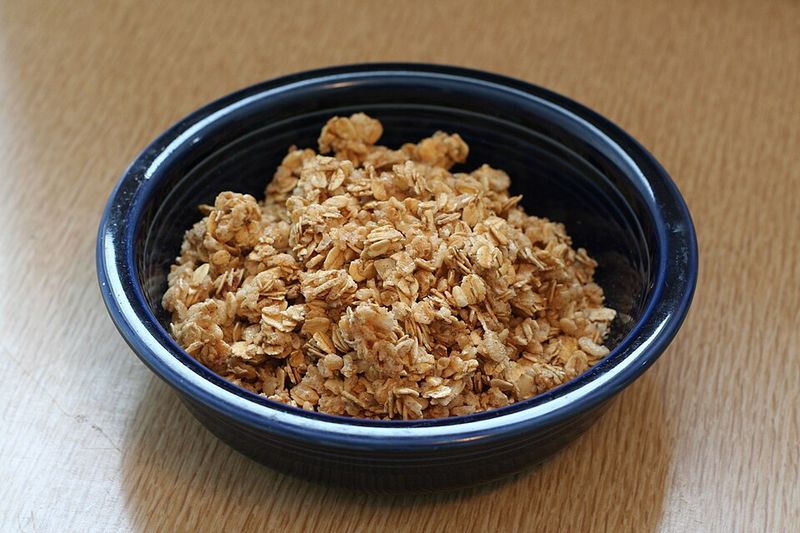
Crunchy, golden, and full of oats, granola seems like a wholesome way to start the day. Many store-bought bags tell a different story.
Honey, syrup, brown sugar, and oil are often baked in to create those tasty clusters.
Because granola is dense, a small scoop adds up quickly. A serving listed on the package may be only a quarter cup, but most people pour far more into the bowl.
That can push calories higher than expected.
Oats, nuts, and seeds do bring fiber and healthy fats. The key is choosing wisely and watching portions.
Look for options with short ingredient lists and lower added sugar. You can also use granola as a topping instead of the main event.
Sprinkle a spoonful over plain yogurt or fruit for crunch without going overboard.
3. Protein Bars

Tucked into gym bags and desk drawers everywhere, protein bars promise a quick boost. A look at the label can be surprising.
Many bars contain as much sugar or saturated fat as a candy bar.
Chocolate coatings, caramel layers, and syrups help the bars taste like dessert. Protein gets the headline on the front, while the sugar sits quietly in the fine print.
That does not mean every bar is a bad pick. Some are made with nuts, seeds, and modest sweeteners, and they can help in a pinch after a workout or on a busy day.
Try comparing a few brands side by side. Aim for a bar with a short ingredient list, plenty of fiber, and low added sugar.
If you have time, a hard-boiled egg or a handful of nuts is another easy option.
4. Fruit Juice
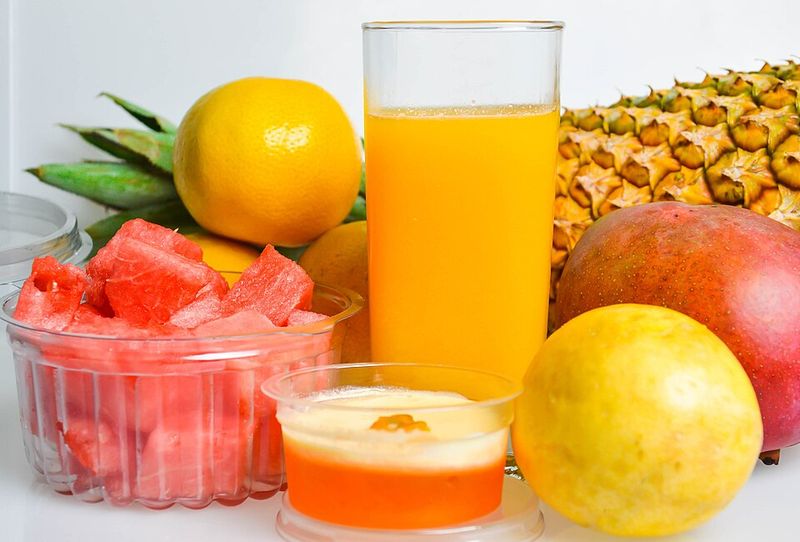
Ever notice how fast a glass of juice disappears? That is part of the issue.
Even 100 percent fruit juice delivers a lot of natural sugar in a small amount of liquid.
Whole fruit comes with fiber, which slows digestion and helps you feel full. Most of that fiber is removed when fruit is squeezed into juice.
A glass can hold the sugar from several oranges without the same filling effect.
Juice does provide vitamins, such as vitamin C, so it is not off limits. The question is how much you pour.
Health experts often suggest keeping servings small, especially for children. Try a half glass mixed with sparkling water for a lighter drink.
Better yet, eat the whole orange or apple and save juice for an occasional treat.
5. Veggie Chips
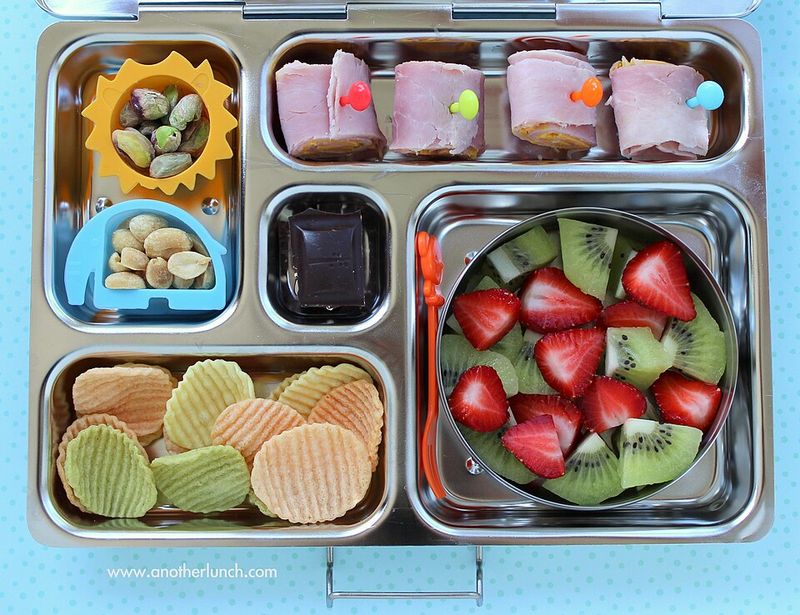
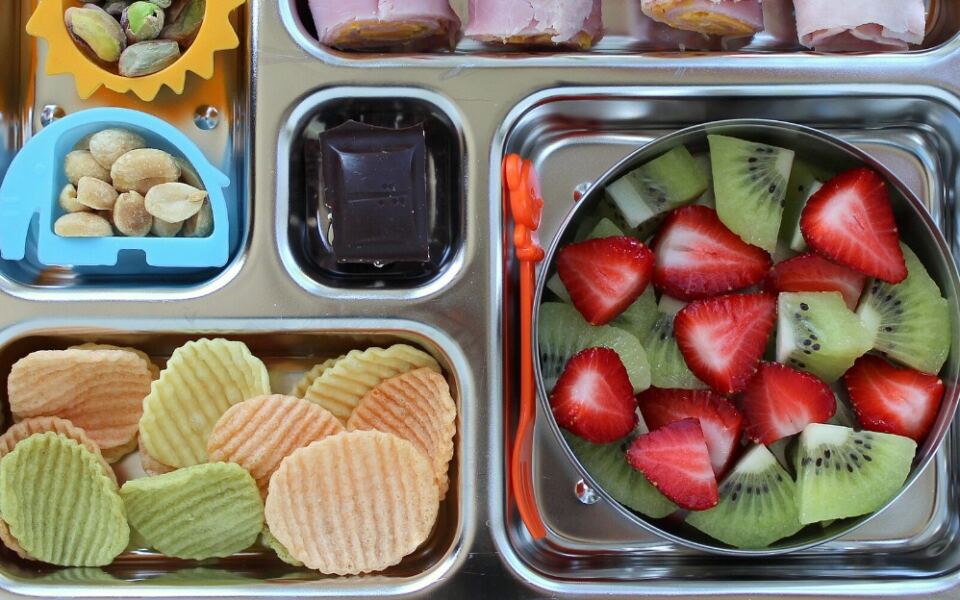
The colors look so garden fresh that it is easy to assume veggie chips are a smart swap. The bag tells the real tale.
Many are made mostly from potato starch, flour, or oil, with only a small dusting of vegetable powder.
As a result, the calories, fat, and sodium can be close to those of regular potato chips. Some brands even exceed them.
Vegetable content on the front of the package does not guarantee much nutrition inside.
Read the ingredient list and look for whole vegetables near the top. Compare sodium and fat per serving to a regular chip.
If you crave crunch, there are other options. Air-popped popcorn, roasted chickpeas, or baby carrots with hummus give you a satisfying bite.
Real vegetables bring fiber and vitamins that most chips cannot match.
6. Smoothies
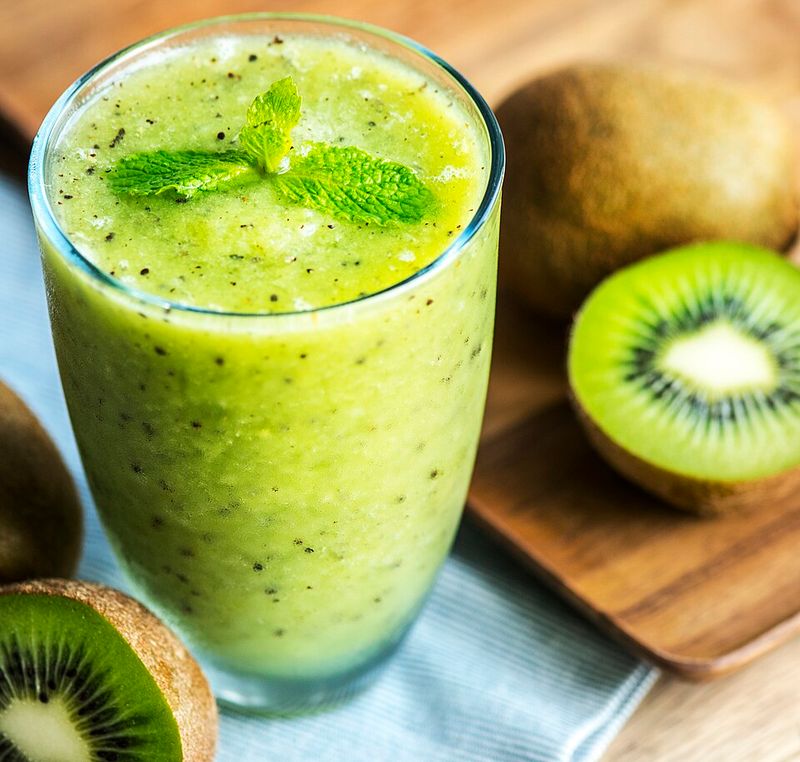
A cold, fruity smoothie from a shop near the mall feels like a treat that is good for you. Sometimes it is.
Other times, it is a milkshake wearing a health costume.
Commercial smoothies often include fruit syrups, sweetened yogurt, sherbet, or juice concentrate. Large cups can contain well over 300 calories and a big load of sugar.
Add-ins like honey or flavored protein powder raise the totals further.
Fruits and vegetables still offer real benefits, so the idea behind a smoothie is solid. The trouble is in the recipe and the cup size.
Making them at home gives you control. Blend frozen fruit, a handful of spinach, plain yogurt, and water or milk.
Skip added sweeteners. If you order out, ask for a small size and check whether nutrition details are posted.
7. Instant Oatmeal Packets
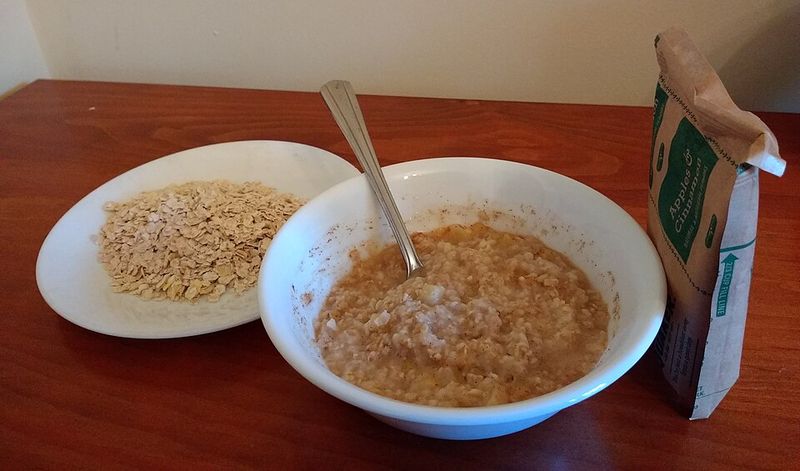
Oatmeal has a strong reputation for heart health, and for good reason. Plain oats are rich in fiber that can help lower cholesterol.
Flavored instant packets are a different matter.
Maple, cinnamon, and fruit varieties may carry several teaspoons of added sugar in one small pouch. The oats are often ground finer, too, which can make them digest faster than old-fashioned rolled oats.
Convenience is the real draw, and there is a simple fix. Buy plain instant oats or rolled oats and add your own toppings.
Sliced banana, cinnamon, chopped walnuts, or a few berries bring flavor without the extra sugar.
Short on time? Make a big batch at the start of the week and reheat single portions.
It takes about as long as tearing open a packet.
8. Gluten-Free Cookies

A gluten-free label can feel like a seal of approval. For people with celiac disease or a gluten sensitivity, it is essential.
For everyone else, it does not make a cookie a health food.
Gluten-free treats are often made with refined starches such as rice flour or tapioca. To improve taste and texture, makers may add extra sugar and fat.
Some versions have the same calories as regular cookies, or more.
They also tend to have less fiber and protein than whole grain products.
Remember that a cookie is still a cookie. Enjoy it for the flavor and keep the portion reasonable.
Compare the nutrition panel with a standard version before you decide. If you do not need to avoid gluten, there is usually no health reason to choose the gluten-free option.
9. Trail Mix
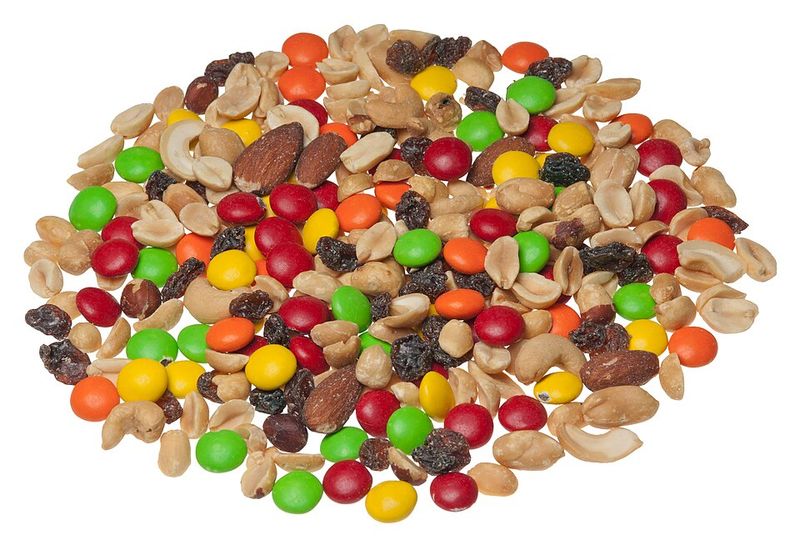
Hikers have long carried trail mix for quick energy. A handful of nuts and seeds really can fuel a long walk.
The store-bought bag, though, often tells a sweeter story.
Many mixes add chocolate pieces, yogurt coated raisins, and candy-coated treats. Sweetened dried fruit adds still more sugar.
The calories pile up fast because nuts are already energy dense.
Plenty of people eat straight from the bag without measuring, so a small snack becomes a mini meal.
Try building your own blend. Start with unsalted almonds, walnuts, or pumpkin seeds, then add a small amount of unsweetened dried fruit.
A few dark chocolate chips can stay if you like them.
Portion out about a quarter cup into small bags. That way the snack stays handy and balanced.
10. Sports Drinks
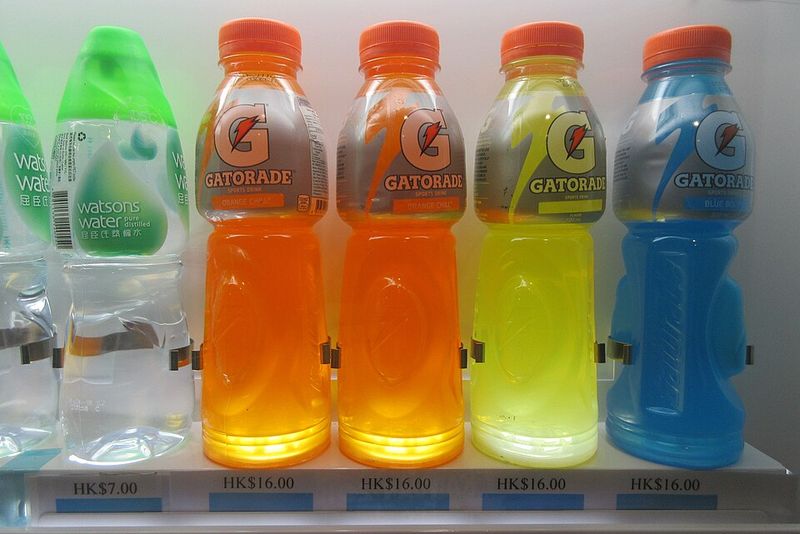
Athletes on TV sip them on the sidelines, so it is easy to think everyone needs one. Sports drinks were designed for hard, long workouts, where the body loses lots of sweat and salt.
Most of us are not exercising that way.
A typical bottle contains a fair amount of added sugar and calories. For a casual walk, a yoga class, or a short jog, plain water usually does the job.
The drinks can make sense during intense exercise lasting more than an hour, especially in hot weather. In that case, the sugar and electrolytes serve a purpose.
Otherwise, save your money and sip water. If you want some flavor, add a slice of lemon or a few berries.
A banana after your workout also replaces energy and potassium naturally.
11. Breakfast Cereals
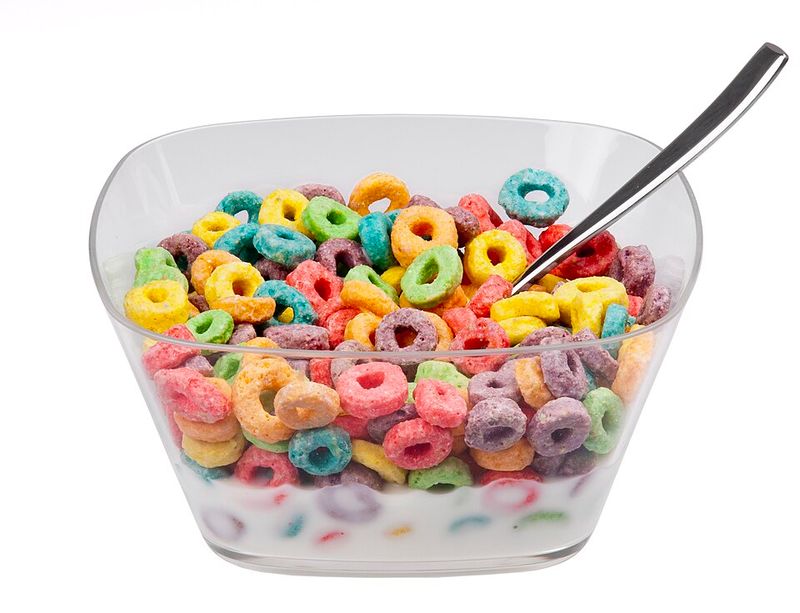
Bold claims fill the front of cereal boxes: whole grain, fortified with vitamins, heart smart. It is tempting to stop reading there.
The nutrition label on the side often holds the full picture.
Many cereals aimed at kids and adults alike contain high levels of added sugar. A bowl can supply a large part of the daily limit before the day has even started.
Fortification adds vitamins, but it does not cancel out the sugar.
Whole grains are a good thing, and some cereals deliver plenty of fiber.
When shopping, aim for options with at least three grams of fiber and as little added sugar as possible. You can also mix a sweeter favorite with a plainer bran or oat cereal.
Topping with fresh fruit adds sweetness naturally and helps you feel full longer.
12. Dried Fruit

Dried fruit sounds like nature’s candy, and in many ways it is. Raisins, apricots, and figs offer fiber, potassium, and antioxidants.
In moderate amounts, they make a fine snack.
The catch is size. Removing water shrinks the fruit, so it is easy to eat far more than you would of fresh.
A small box of raisins has about the same sugar as a cup of grapes, but takes a fraction of the time to eat.
Some products also include added sugar, especially cranberries and tropical fruits like mango or pineapple. Sulfites may be added to preserve color, which can bother some people.
Check labels for a simple ingredient list that names only the fruit. Measure a small handful, and pair it with nuts or cheese.
That combination slows digestion and keeps you satisfied.
13. Plant-Based Burgers

Meatless burgers that sizzle and even look like beef have taken over menus and freezer aisles. Skipping meat can be a great choice for many people.
Still, plant-based does not automatically mean light.
Many of these patties are highly processed. They often rely on oils such as coconut oil for juiciness, which raises saturated fat.
Sodium can also run high, sometimes reaching a quarter of the daily limit in a single patty.
On the plus side, they usually have no cholesterol and offer a decent amount of protein.
Read the label and compare it with a lean beef burger or a homemade bean patty. Black beans, lentils, and mushrooms make tasty options with more fiber.
If you enjoy the store-bought kind, load up the bun with lettuce, tomato, and onion for extra nutrition.
14. Bottled Green Tea
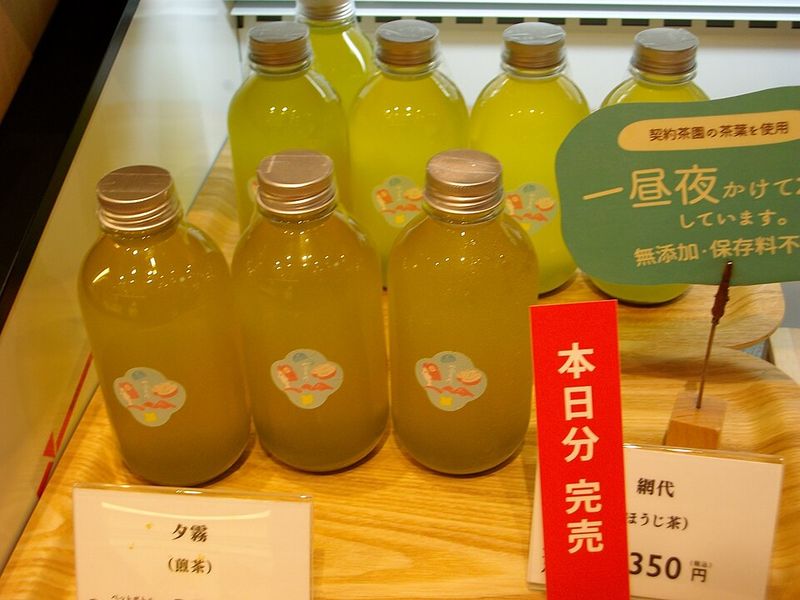
Green tea has a well-earned reputation. Brewed at home, it supplies antioxidants and a gentle lift of caffeine.
The bottled kind in the cooler is not always the same drink.
Many ready-to-drink versions are sweetened with sugar or honey. A single 16-ounce bottle can contain as much sugar as a can of soda.
Some also hold much less actual tea than the label art suggests.
Flip the bottle and check the added sugar line. Look for products marked unsweetened, which contain little or no sugar.
Better still, brew your own. Steep a tea bag in hot water, let it cool, and pour it over ice.
Add lemon, mint, or a sliver of ginger for flavor. It costs less, tastes fresh, and puts you in charge of the sweetness.
15. Low-Fat Salad Dressings

Salad is the poster child for healthy eating, so a low-fat dressing seems like a natural partner. Look closer, and the story gets more complicated.
When fat is taken out, flavor and texture go with it.
To make up the difference, some brands add sugar, salt, or thickeners. A two-tablespoon serving may have more sodium than you expect.
Sweet varieties, such as raspberry vinaigrette, can also be full of added sugar.
Fat is not the enemy here. Healthy fats, like those in olive oil, help your body absorb vitamins A, D, E, and K from the vegetables.
A simple homemade option takes only a minute. Whisk olive oil with lemon juice or vinegar, a pinch of salt, and a dab of mustard.
If you prefer bottled dressing, compare labels and measure a serving instead of pouring freely.
Share this story