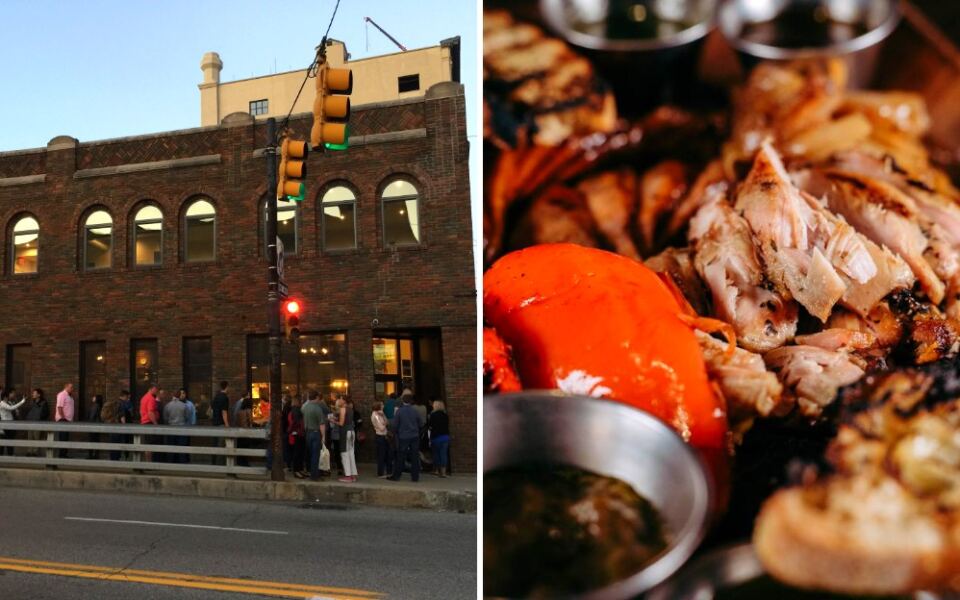
Steak at Gaucho Parrilla Argentina does not disappear behind a kitchen door and emerge from a conventional grill. The Pittsburgh restaurant builds much of its cooking around a wood-fired parrilla fueled by hardwoods including cherry, oak, and hickory.
Cooks adjust the grill over glowing embers, moving meats between hotter and cooler areas as they sear and finish. Even the bread gets toasted over the fire.
The menu goes well beyond steak. Diners can order mixed grilled-meat platters, handmade empanadas, fire-roasted vegetables, chimichurri and other house sauces, plus humita, a creamy corn pudding served with crispy pork and pepper oil.
Gaucho started in a much smaller Strip District storefront in 2013 before moving to a larger downtown location in 2020. Today, the fire remains at the center of what made the restaurant stand out in the first place.
Where the Smoke Leads You Downtown
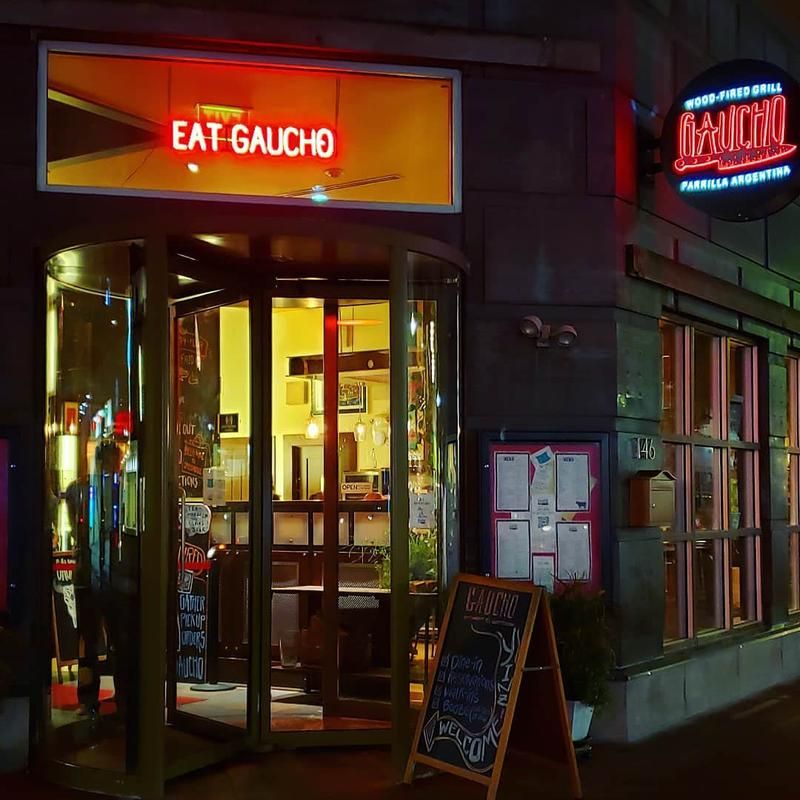
Follow your nose to 146 6th Street, Pittsburgh, PA 15222, and you will find Gaucho Parrilla Argentina right in the Cultural District. It is a South American restaurant in downtown Pittsburgh, Pennsylvania, and it sits close to Heinz Hall and the theaters nearby.
That spot makes it handy for a night out. Many diners come before a show or a Pirates game, and the place hums with people who have a curtain time to beat.
The restaurant moved here in the summer of 2020 from a tiny space in the Strip District. Owner Anthony Falcon had called the first spot Baby Gaucho, so the bigger home earned a bigger nickname.
A revolving door keeps the chill out on cold days. Once it spins you inside, the smell of burning wood tells you the kitchen is already hard at work.
Phone numbers and hours matter here, so plan ahead. The doors open at 11 AM Tuesday through Saturday and stay open until 9:30 PM, while Sunday and Monday are closed.
Now that you know where to stand, let me tell you how this whole story started in a much smaller room.
From Cramped Counter to Gaucho Grande

Back in 2013, a narrow storefront in the Strip District opened with a grill, a short menu, and big plans. Lines soon stretched out the door, and the steak sandwiches became local legend.
Anthony Falcon grew up in Brooklyn and fell for Argentine parrillas as a kid. His family ties to Argentina and Uruguay pushed him to bring that cooking style to Pittsburgh.
He also spent years running restaurants in Las Vegas, which taught him how to keep a busy room moving. That know-how came in handy when crowds kept growing.
National attention followed, and the restaurant landed on Yelp’s list of the 100 best places to eat in the country more than once. Not bad for a place that once squeezed diners elbow to elbow.
The downtown move gave the team space for real tables, a second floor, and a patio. Falcon nicknamed it G3, proof that he never lost his sense of humor.
Bigger rooms are nice, but the real draw is still what happens over the fire, which is where we head next.
A Fire That Runs the Whole Show
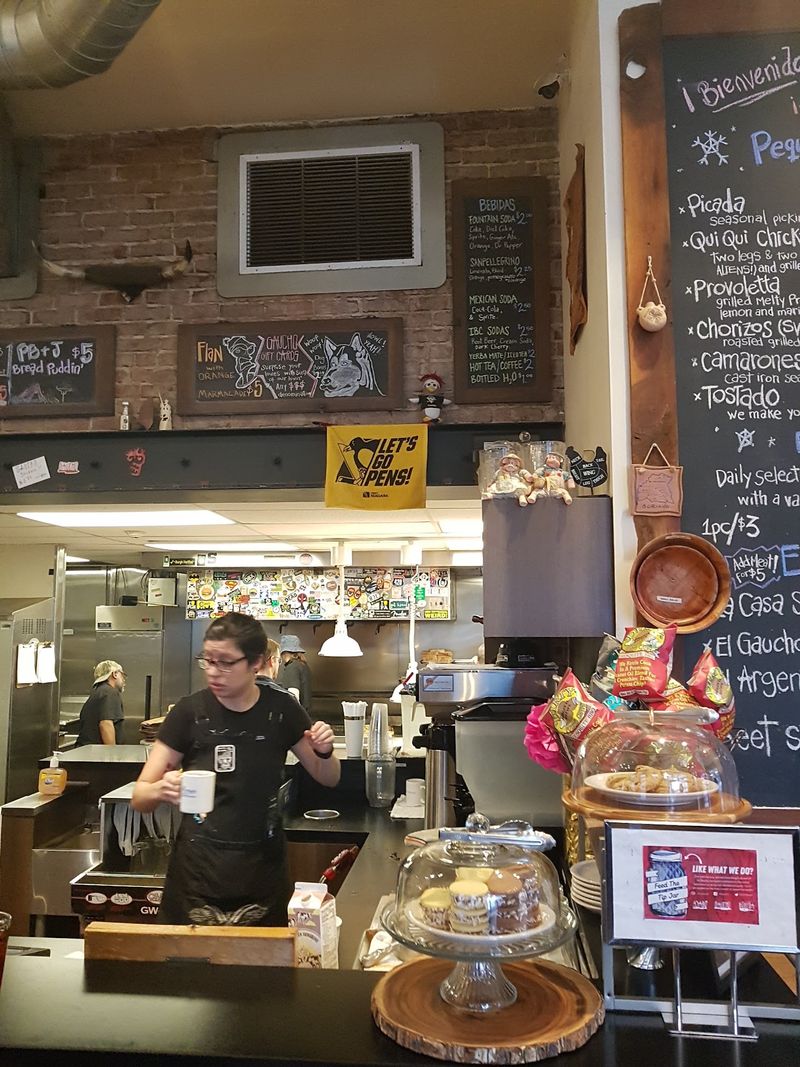
Gas burners are easy. Real fire is a moody coworker, and the cooks here have learned how to read it.
The grill, called a parrilla, sits at the center of the kitchen. Cooks shift the grate up and down, move food between hot and cooler zones, and keep the embers glowing.
The wood comes from Western Pennsylvania hardwoods such as cherry, oak, and hickory. Each one adds a gentle smoky edge that you can taste in every bite.
Cooking happens in stages. Meat gets seared, lifted, finished, and rested so it stays juicy instead of dry.
This approach follows the Argentine tradition of asado, where patience matters more than speed. Gauchos, the cattle herders of the Argentine plains, cooked over open flames long before restaurants copied them.
Even the bread gets a turn on the grates, and the toasty edges are part of the style. Some folks find it a bit dark, but that char is the point.
Fire explains the flavor, yet the room you eat in shapes the mood, so let me describe the vibe.
A Room Built Like a Cozy Fireplace
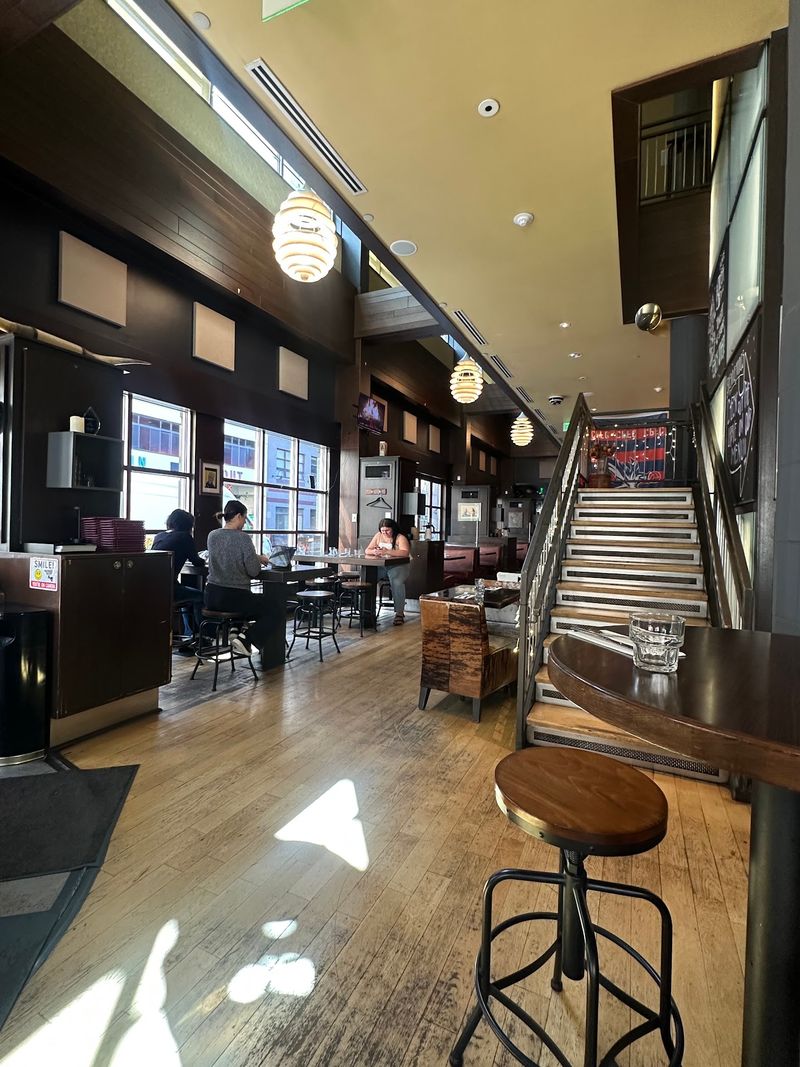
Wood is everywhere, from the paneling to the tables, and it makes the room feel like a gathering by a hearth. Soft lighting adds a glow that flatters everyone, even the person who spilled sauce on a sleeve.
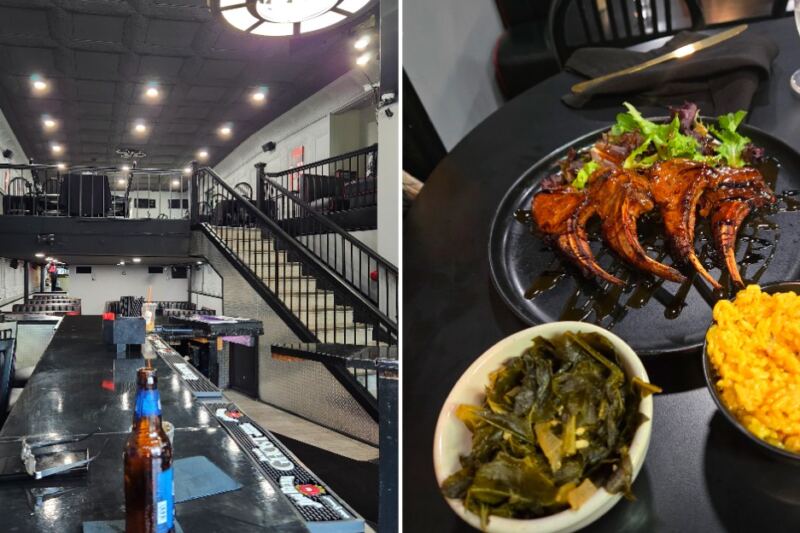
The downstairs area has the livelier energy, with conversation bouncing off the walls and servers weaving between tables. Upstairs is a little warmer and calmer, and it has an extra bar.
On cold days, the host area near the door can feel a bit chilly. Ask for a seat on the second floor if you want to stay toasty.
The place can get loud on busy nights, so plan to lean in and chat. That buzz is part of the charm for many guests.
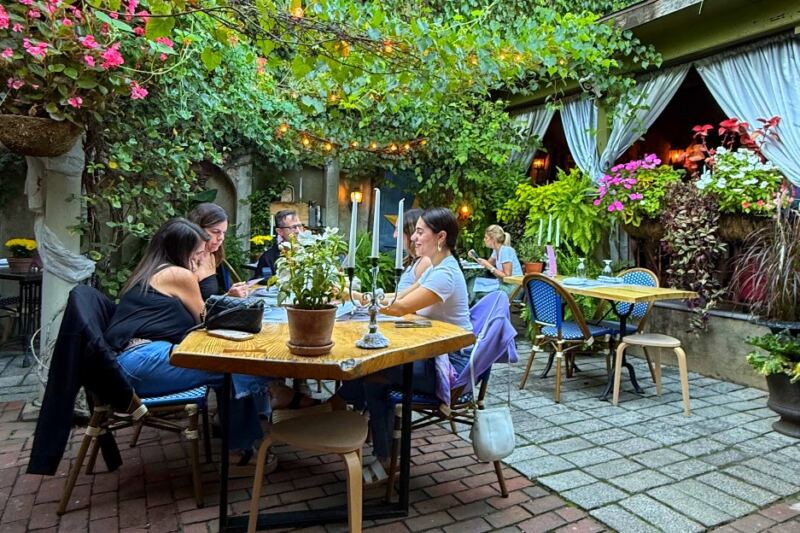
A patio and a rooftop seating area give you outdoor options when the weather behaves. Some regulars say the rooftop is next on their list.
Servers tend to ask about food allergies right away, which is a thoughtful touch. They are also happy to point out the favorites if it is your first visit.
Once you are seated, the real question is what to order, and the answer starts with the meat.
Steaks Worth Cutting In Line For
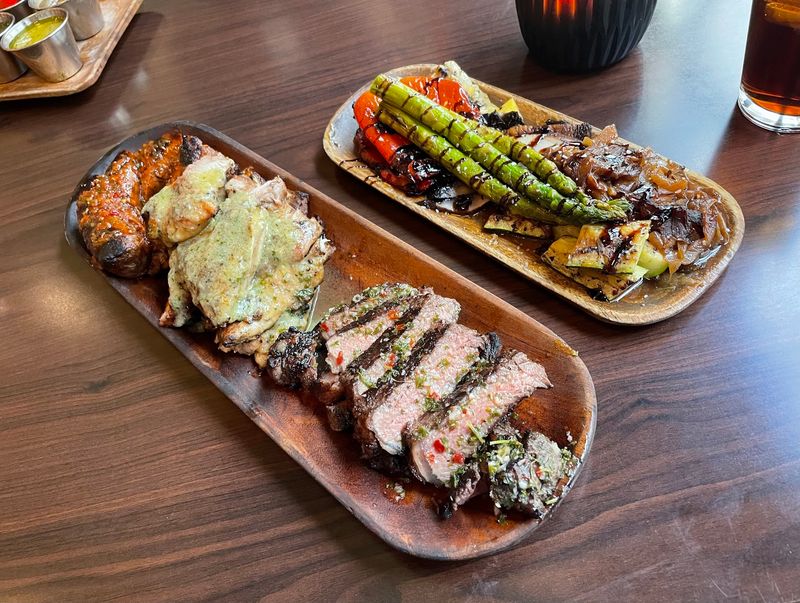
Steak lovers get a tidy lineup of Argentine cuts. Bife de Chorizo is the NY strip, Bife de Gaucho is the ribeye, Lomo is the filet, Vacio is sirloin, and Arrachera is flank.
The NY strip draws plenty of praise for being tender and flavorful. One bite shows how the flames leave a crisp char outside while the middle stays juicy.
Ask for your steak to your liking, and it usually arrives right on target. A medium rare sirloin flap steak has been a favorite order for many tables.
Portions are meant to be taken seriously, but some guests feel the price runs high for the size. Pairing a steak with sides makes the meal feel fuller.
Meat arrives on a wooden board at times, and it can spin when you cut. A quick hand to steady it solves the problem.
Quality is the focus here, and the beef comes from carefully chosen suppliers. That attention shows up in every slice.
Steak is only the opening act, though, because there is a platter built for sharing that steals the spotlight.
The Platter That Feeds the Table
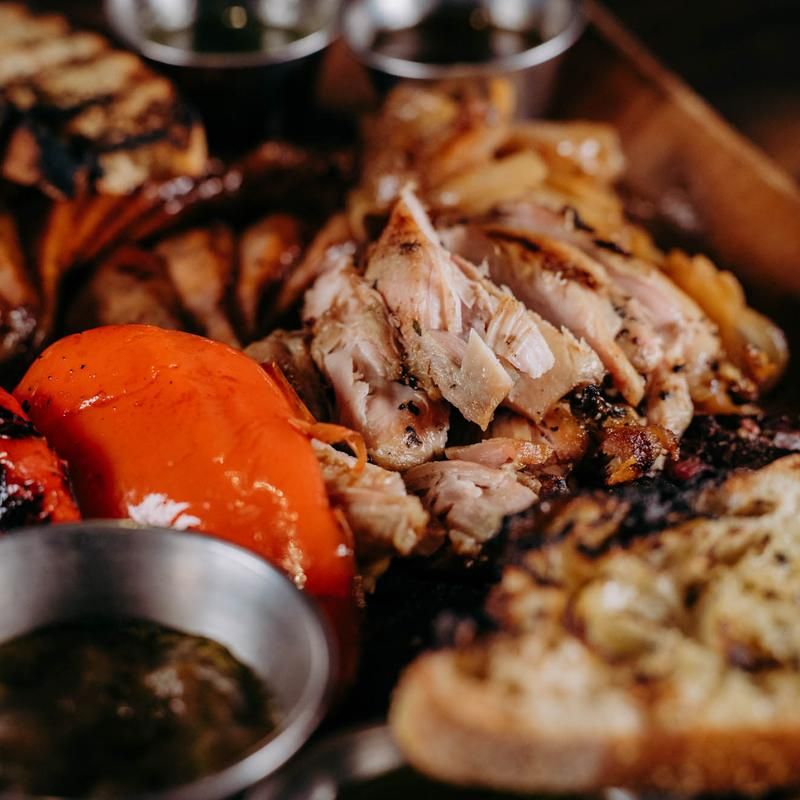
Order the Parrillada Mixta and a board of mixed grilled meats lands in the middle of the table. Steak, chicken, and sausage share the space, and everyone reaches in.
It is labeled for two people, but some hungry diners have finished one alone. Four people can share it without anyone feeling shortchanged, though leftovers are unlikely.
The chorizo gets lots of love for its gentle heat and juicy bite. The chicken stays warm and moist, which is not easy to pull off on a grill.
Charred vegetables often come along for the ride, and they carry plenty of flavor. A side of potatoes with a tangy horseradish sauce adds a sharp little contrast.
Groups can also try a shareable three-course experience priced per person. Servers describe it as covering the best sellers, and the amount of food is generous.
Sharing fits the Argentine spirit, where a meal is a social event. Passing plates makes the table feel like a backyard cookout with better lighting.
If that sounds like plenty of meat, wait until you see the sauces that come next.
Four Sauces and a Tiny Taste Test
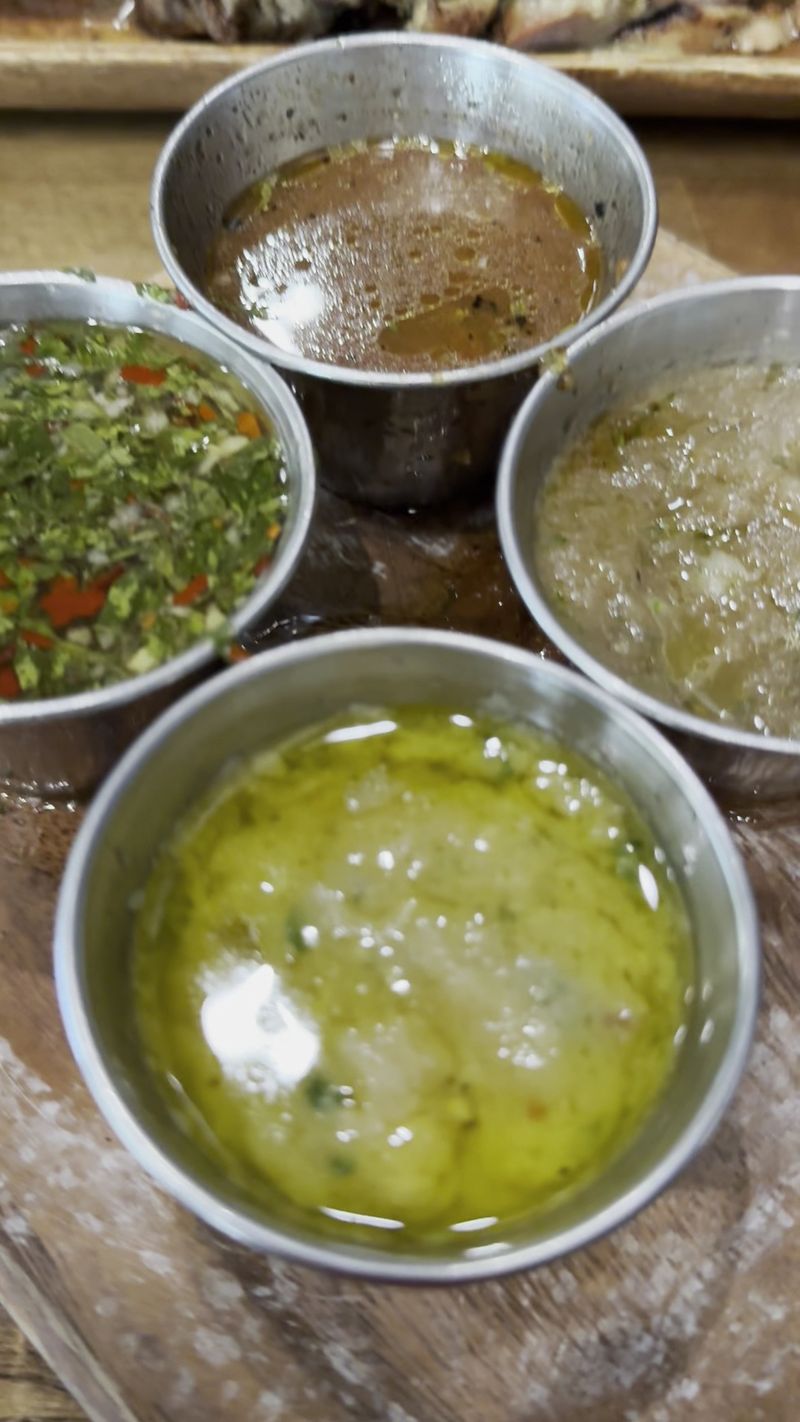
Chimichurri is the star condiment, and this kitchen treats it like a main character. Over ninety mentions in guest feedback show how often people talk about it.
The classic blend uses garlic, parsley, oregano, olive oil, and red wine vinegar. It brightens rich meat with a fresh, herby bite.
Other versions include Ajo, which is roasted garlic, Pimenton, a red pepper sauce, and Cebolla, made with caramelized onion. First-time guests sometimes get a small sample flight to try them all.
The red pepper sauce is a frequent favorite. Its mild sweetness plays well with steak and with sandwiches.
A sauce stand in the middle of the room lets you customize your plate. Some guests say extra sauces can add to the bill, so ask before you load up.
Try one sauce per bite and keep notes in your head. By the end of the meal you will have a winner and a runner-up.
Sauces are only half of the supporting cast, so next up are the sides and starters.
Corn Pudding and Other Side Show Stealers
Humita sounds humble, yet it has surprised many guests. This creamy corn pudding comes studded with crispy pork and topped with pepper oil.
One diner from the corn-growing Midwest expected not to like corn in a pudding and walked away a fan. Spices stay present without taking over.
Papas Caseras are another favorite, with oven-roasted fingerling potatoes, olive oil, rosemary, and garlic. The horseradish sauce on the side adds tang without bulldozing the flavor.
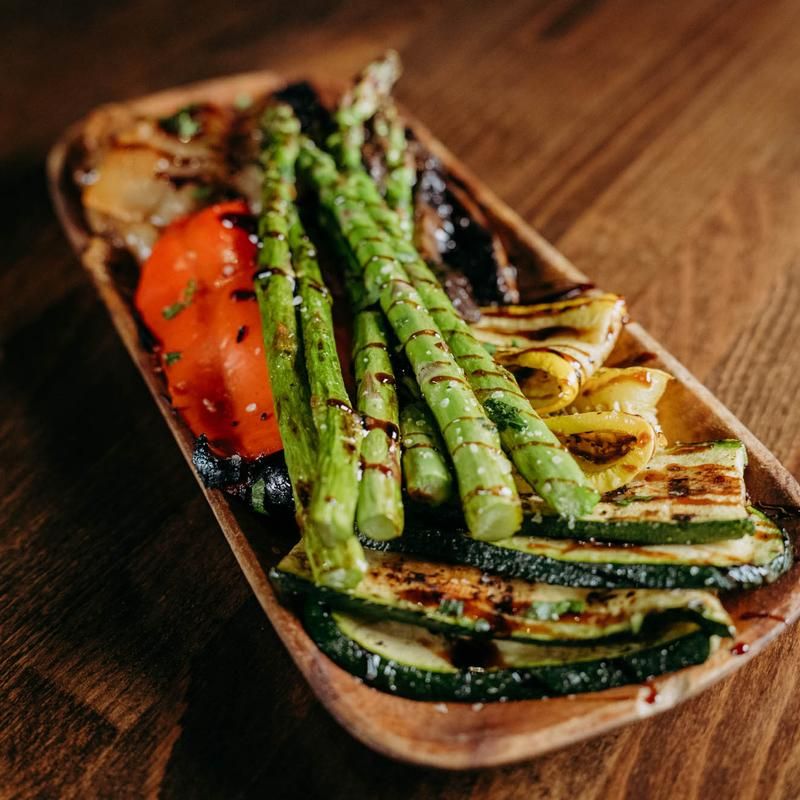
Fire-roasted vegetables such as asparagus, zucchini, eggplant, and charred peppers round out a plate. A mixed vegetable order can serve as a lighter main for a vegetarian friend.
Empanadas come handmade and baked fresh, with fillings that change by the day. Beef, chicken, pork, and vegetarian options make an easy starter to share.
Shrimp cooked a la plancha with garlic, rosemary, and charred lemon gets plenty of praise too. The seasoning is smoky and the texture stays tender.
All that food leaves little room for dessert, but a certain cake makes a strong case for itself.
Sandwiches, Paella, and Plant-Based Picks
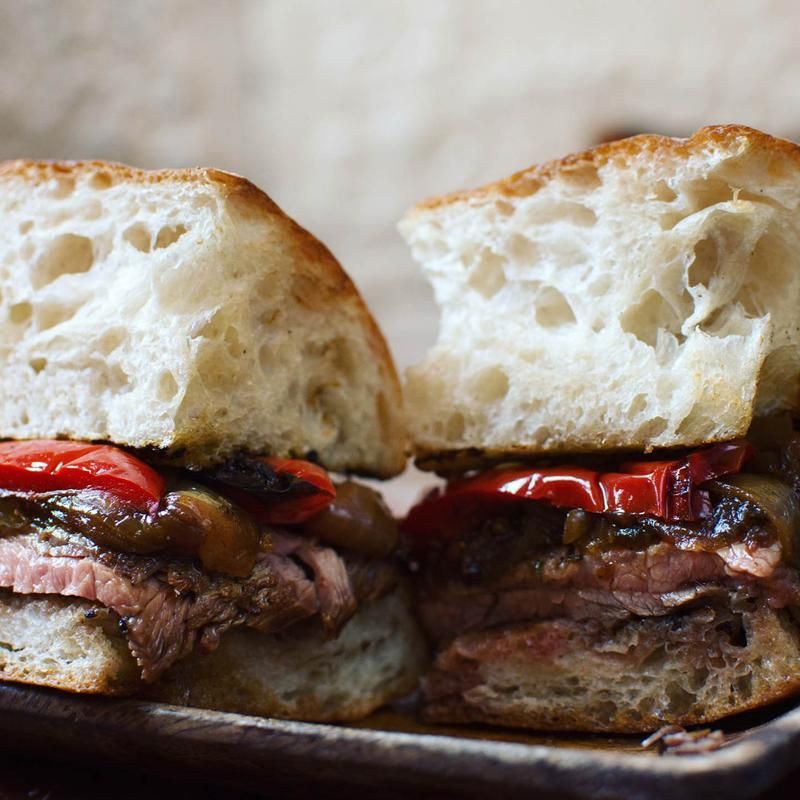
Sandwiches have been part of the story since the Strip District days. The braised beef sandwich is listed as the top guest favorite, and the beef is soft enough to cut with a stern look.
A steak burger is cooked over the wood fire and carries a smoky punch. Fewer toppings let that flavor shine, though sauces can bring in extra excitement.
Bread is toasted on the grill, so the edges come out dark. Some like the crunch, and others find it a touch too burnt.
Paella has nearly fifty mentions in guest feedback and splits opinions. Fans love the rich broth and generous seafood, while others find the price high for the pan size.
The shrimp and fish stay tender instead of rubbery. Lots of sauce in the rice means the crisp bottom layer is less pronounced.
Vegans have real choices, including a saffron rice dish loaded with vegetables. Seafood fans can try a hearty stew called Chupin de Mariscos.
With the menu mapped out, a few practical tips will help you book and budget before you go.
Booking Smarts for a Busy Night
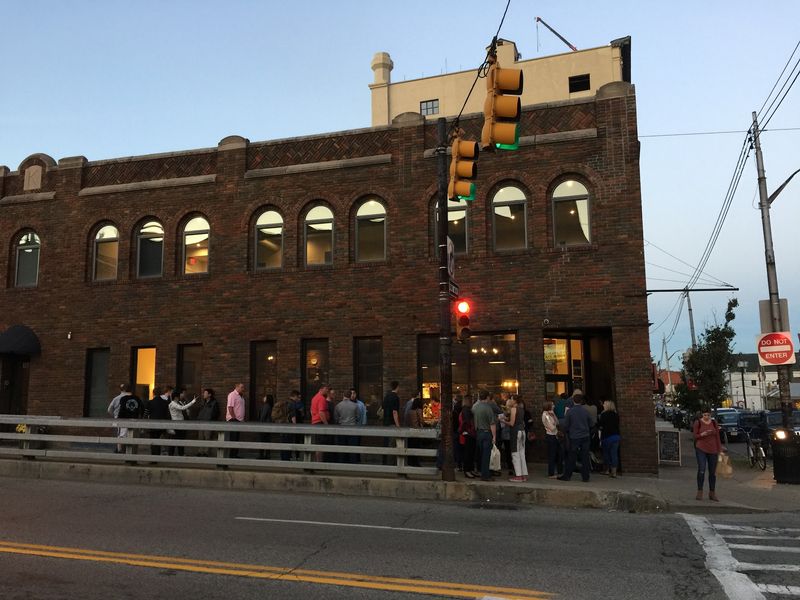
Reservations used to be rare here, but the downtown location now leans on them. Booking online through Resy or by phone at 412-709-6622 usually gets you seated quickly.
Show nights in the Cultural District change everything. Even an early Saturday dinner can fill up fast when curtains are about to rise.
Tell the host about your show time, and the staff can pace the meal. Orders tend to arrive quickly, sometimes faster than you expect.
Parking downtown can be tricky on event nights. Nearby garages work, but rates climb when games and concerts are in town.
Hours are simple to remember. The doors open at 11 AM Tuesday through Saturday and close at 9:30 PM, and the restaurant is closed Sunday and Monday.
Check the tip screen when you pay, since the handheld device may default to a higher percentage than you planned. A quick tap fixes it.
Prices run high for some guests, but special occasions feel worth it for many. Next, let me tell you why this place feels so Pittsburgh.
Sweet Finishes Worth Saving Room For
Dessert might not be on your plan, yet the pionono often changes minds. It is a rolled Argentine cake with a soft texture and a gentle sweetness.
Seasonal fruit tops it, and one version came with raspberries, strawberries, and vanilla. The flavor is unusual and lighter than a heavy slice of pie.
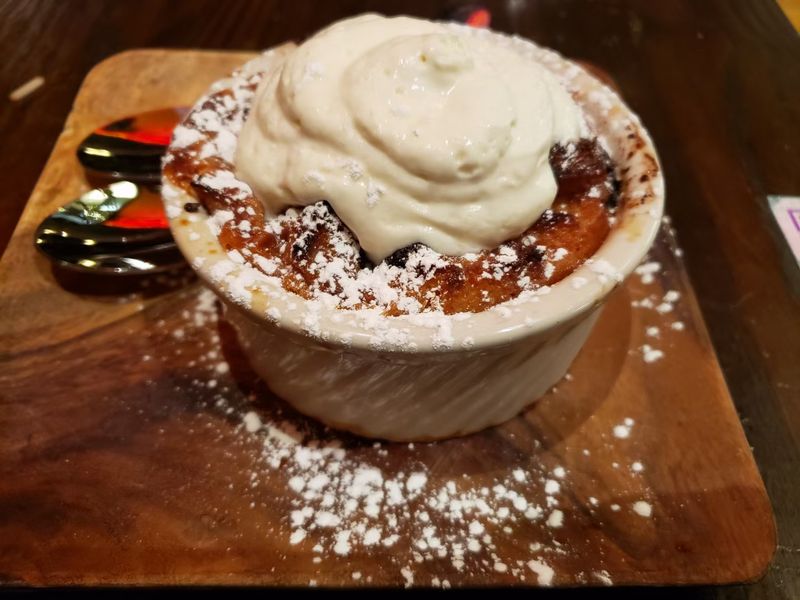
Bread pudding is a crowd pleaser too, with nearly thirty mentions from guests. Warm, soft, and rich, it works well for sharing.
A buttery shortbread cookie with a fruit and chocolate filling has also impressed visitors. Pound cake appears on some menus as well.
Order one dessert for the table and pass forks around. That way nobody feels overwhelmed after a big meal.
Drinks round out the evening for many guests, and the staff can guide you to nonalcoholic options. Ask about what is popular, because servers are happy to share their own favorites.
Sweet endings aside, the final piece of the puzzle is how the place fits into Pittsburgh itself.
Share this story