In Idaho’s Lemhi River Valley, one cultural center shares Sacajawea’s story in the homeland of the Agai’dika Shoshone people where she was born. Exhibits explore her early life and Indigenous perspectives beyond the familiar Lewis and Clark narrative.
The 71-acre property also features outdoor trails, traditional structure replicas, and seasonal demonstrations of skills such as cordage making, stone tool shaping, and deerskin tanning. The result is an immersive look at Sacajawea’s story in the landscape where it began.
A Valley Where Her Story Began
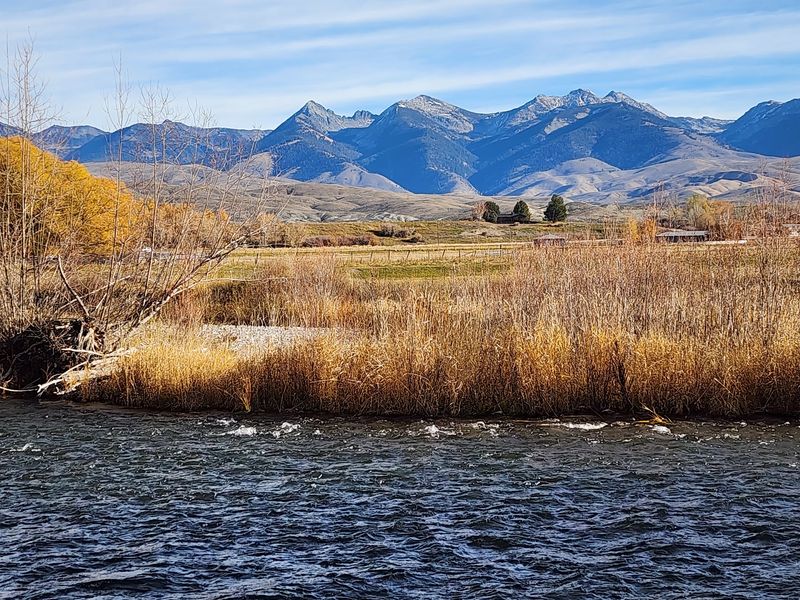
Two miles east of downtown Salmon, on Highway 28, a wide green park opens up against the Beaverhead Mountains.
This is the Sacajawea Interpretive, Cultural & Educational Center, found at 2700 Main Street, Salmon, ID 83467, in the Lemhi River Valley of Idaho, United States.
The setting is no random pick. The Lemhi River Valley is Sacajawea’s homeland, the place where she was born into the Agai’dika, or Salmon Eater, Shoshone people.
I stood in the parking lot for a full minute just turning in circles. The Salmon River runs along one edge, and the peaks of the Continental Divide line the horizon.
The park covers about 71 acres of river corridor and open fields. That space also protects habitat for local wildlife, so birds tend to outnumber tourists.
Parking is easy, with plenty of room for RVs and trailers. I noticed more than one road-tripper rolling in for a quick stretch and staying far longer than planned.
Before you start exploring, though, there is a small spelling detail on the sign worth a second look.
One Letter That Changes Everything
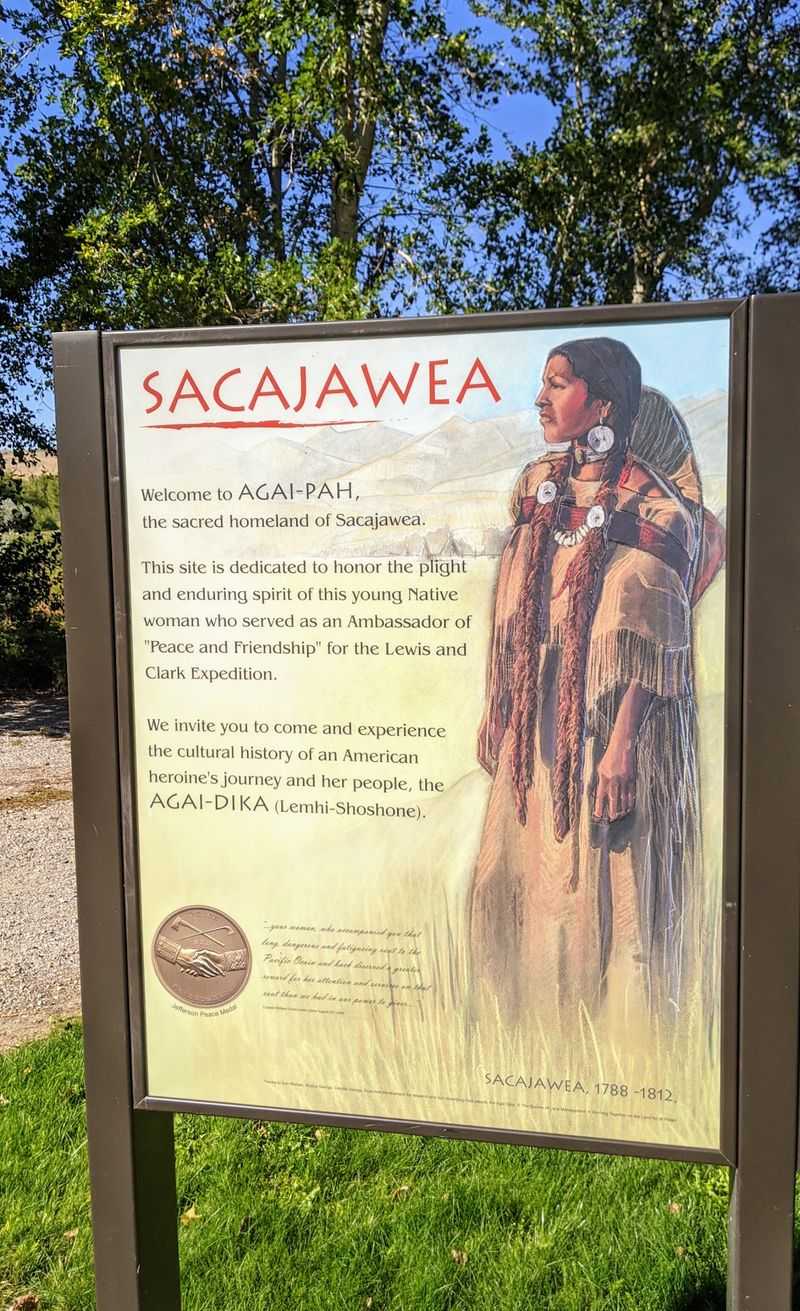
Most textbooks I grew up with spelled her name Sacagawea, with a hard g. The National Park Service still uses that version.
Here, the center chose the j spelling on purpose, because that is how many of her own people say her name.
I liked that choice right away. It tells you the place listens to the Agai’dika Shoshone-Bannock community instead of only to old maps and journals.
That community helped shape the whole project. Lemhi County residents, tribal members, and local, state, and federal groups shared the vision together.
The timing lined up with the bicentennial of the Lewis and Clark Expedition. The City of Salmon bought the 71 acres in 2001, and the park opened to the public in 2003.
There is a harder chapter too. This land is the traditional homeland of the Agai’dika people, who were forced to leave it in 1907.
That history gave every trail I walked later a little extra weight.
So what does the museum actually say about her? The answer surprised me.
The Journals Went Quiet, So the Exhibits Speak Up
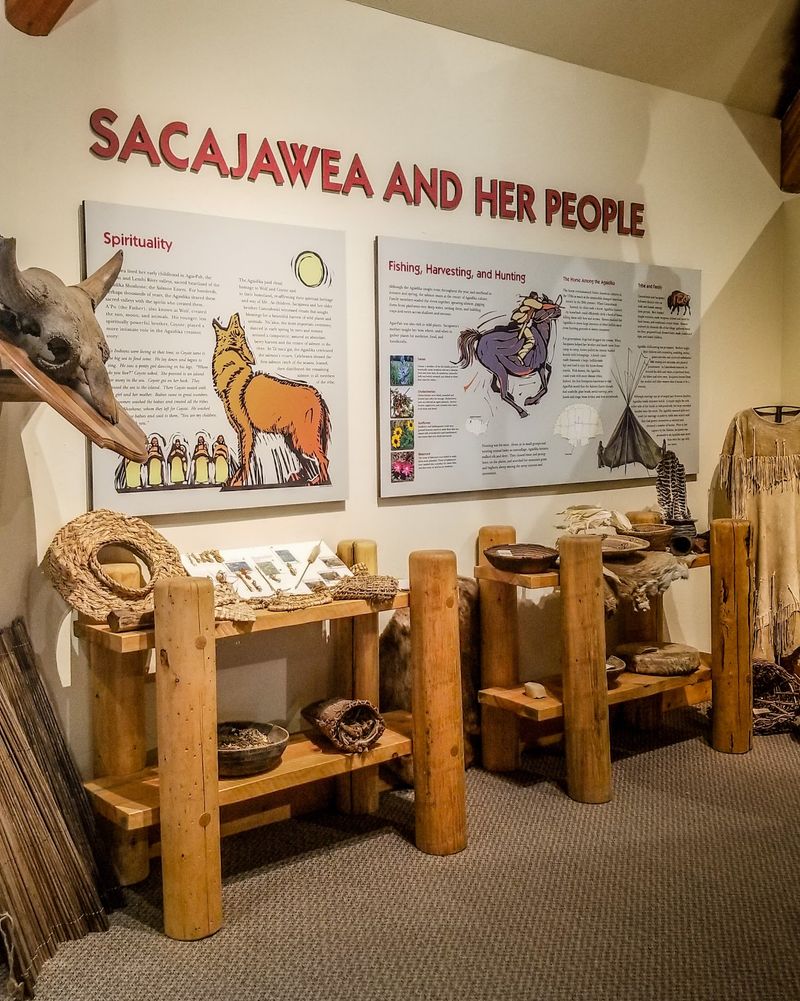
Here is a fact that stopped me mid-read. The expedition journals say surprisingly little about Sacajawea herself.
That gap explains why the exhibits work so hard to show her world, not just her moment in the spotlight.
My visit began with a short video in the first room. It sets the scene for the Corps of Discovery and the valley they entered.
The main display area goes much deeper. Panels cover her early life, her role on the journey, and the viewpoint of the Agai’dika Shoshone-Bannock people.
The building is clean, bright, and thoughtfully laid out. Some panels are packed with text, so I grabbed a bench now and then to rest my eyes.
Plan on 45 minutes to an hour inside if you like reading every word. I lingered longer, and I regret nothing.
Admission is $5 per person or $12 for a family. Kids 6 and under get in free, and so do Lemhi County residents.
Then I turned a corner and found the beadwork.
Beadwork That Steals the Show
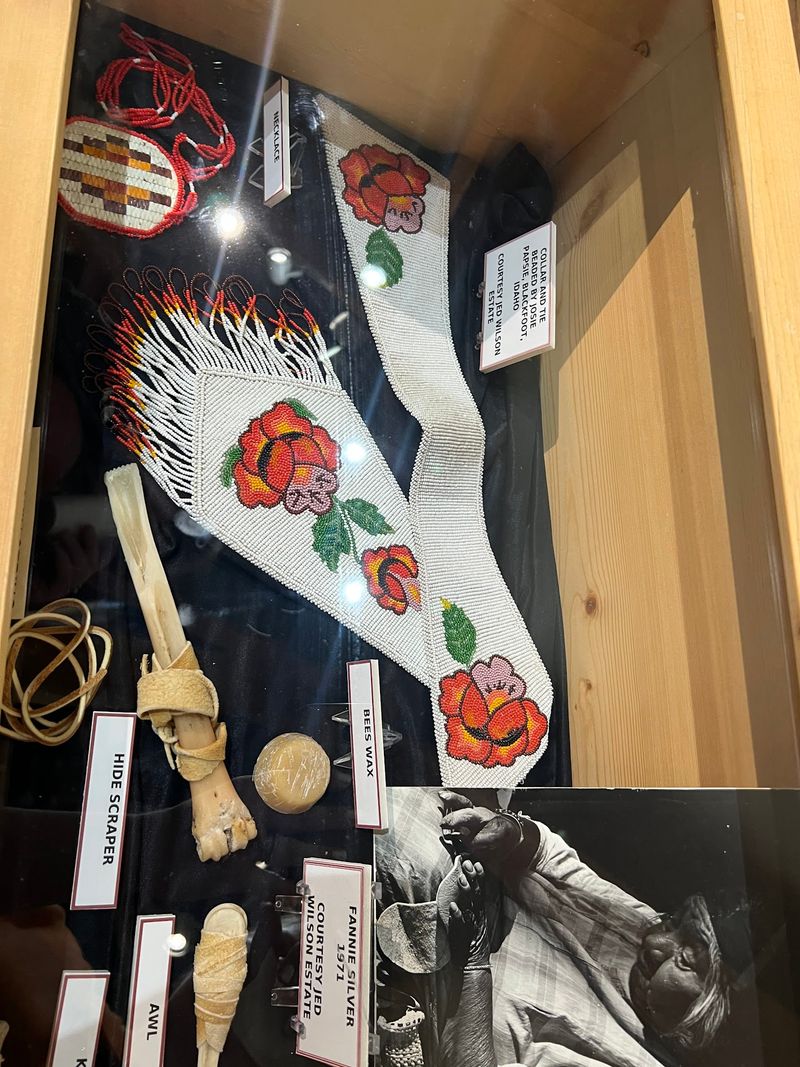
Tiny glass beads, thousands of them, pulled me across the room faster than any sign could.
The center displays Agai’dika Shoshone-Bannock beadwork and crafts, and the detail is stunning up close. Patterns run so tight and even that I caught myself leaning in until my nose nearly touched the case.
These pieces do more than look pretty. They show skill passed down through families, and they connect the story of Sacajawea to living artists and traditions today.
A docent nearby noticed me staring. Volunteers here are often happy to explain how items were made and what they meant to the people who used them.
My advice is simple. Ask questions, because the best details are not always printed on the panels.
Other artifacts and interpretive displays fill out the room. Together, they give a fuller picture of daily life in this valley long before and long after the expedition passed through.
Bead lovers, bring patience and maybe your reading glasses. Next up, the outdoors gets hands-on.
Arrow Points, Cordage, and Deerskin at Outdoor School
Ever tried turning a plant stem into rope? I fumbled it, and it was still one of my favorite parts of the trip.
During summer, the center runs an Outdoor School, usually on Thursdays, Fridays, and Saturdays. Classes and demonstrations focus on ancestral living skills.
Instructors show how stone gets shaped into arrow points. The tapping and flaking takes far more patience than I own.
Cordage making is next on the list. You twist fibers from plant stems into strong cord, and it is harder than it looks.
Visitors can also watch reed shelters being built. Deerskins get tanned for moccasins, which gave me new respect for my store-bought sneakers.
These sessions make history feel real. The tools and steps were part of everyday survival in this valley for generations.
Check the schedule before you go, since programs can shift from season to season. Calling (208) 756-1188 is the easiest way to confirm.
Once my hands were tired, I headed out to the loop trail, where a few surprising structures were waiting.
A Loop Trail Lined With Lodges and a Fish Weir
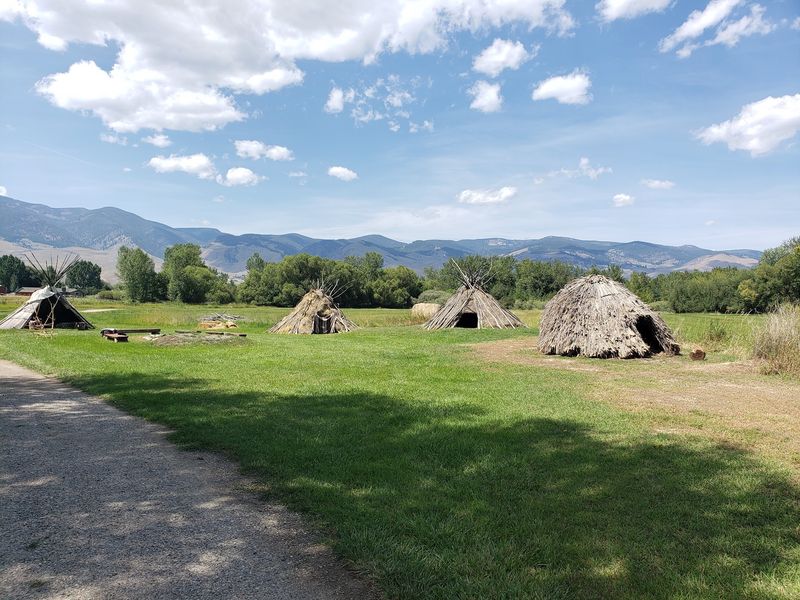
A teepee rising out of a field makes a strong first impression, and I spotted it before I even reached the trailhead.
One loop trail showcases replicas of a fish weir, a teepee, and summer lodges. Each one offers a glimpse into how Indigenous families lived, worked, and fed themselves here.
The fish weir caught my attention most. It makes sense in a valley tied to salmon, and to a people known as Salmon Eaters.
Interpretive signs pop up along the way with facts about plants, animals, and the ecosystem. I read nearly all of them, which slowed me down in the best way.
The paths are flat and easy, so nobody needs mountain legs. Half the route winds through shade, and the other half soaks up full sun.
Restrooms sit along the path, and they are clean and even heated in colder months. Small comforts matter on a long road trip.
Keep an eye out near the end. Two statues are waiting, and one of them has four paws.
Meet Seaman, the Expedition’s Most Famous Good Boy
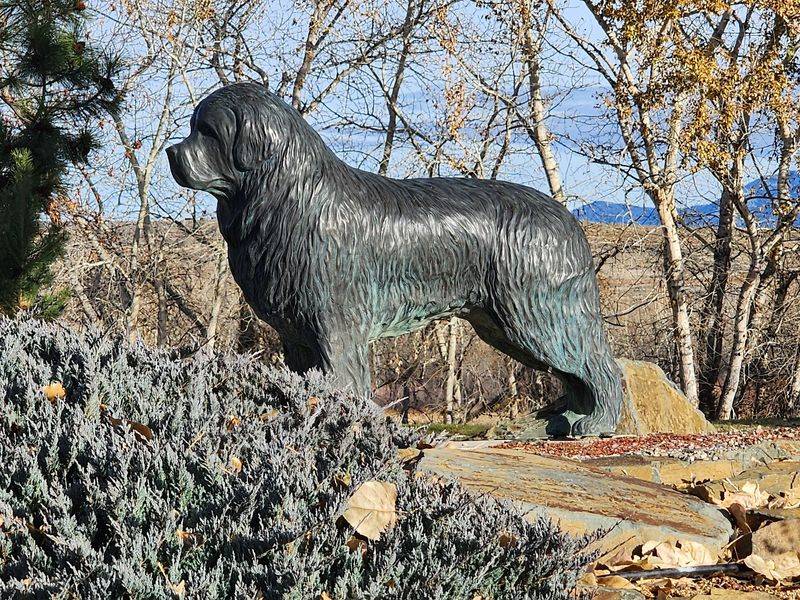
Not every hero walked on two legs. Seaman, Meriwether Lewis’s Newfoundland dog, traveled with the Corps of Discovery.
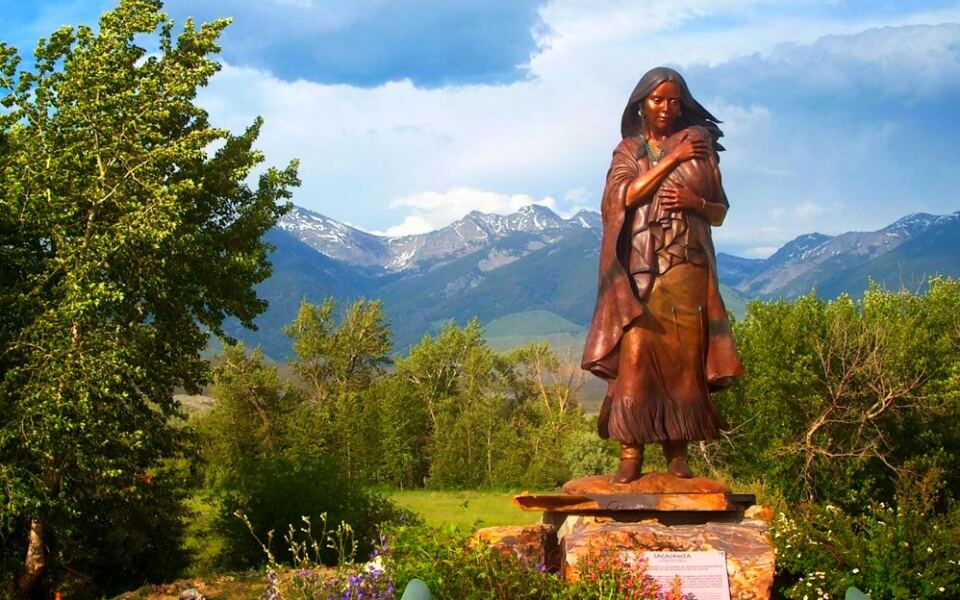
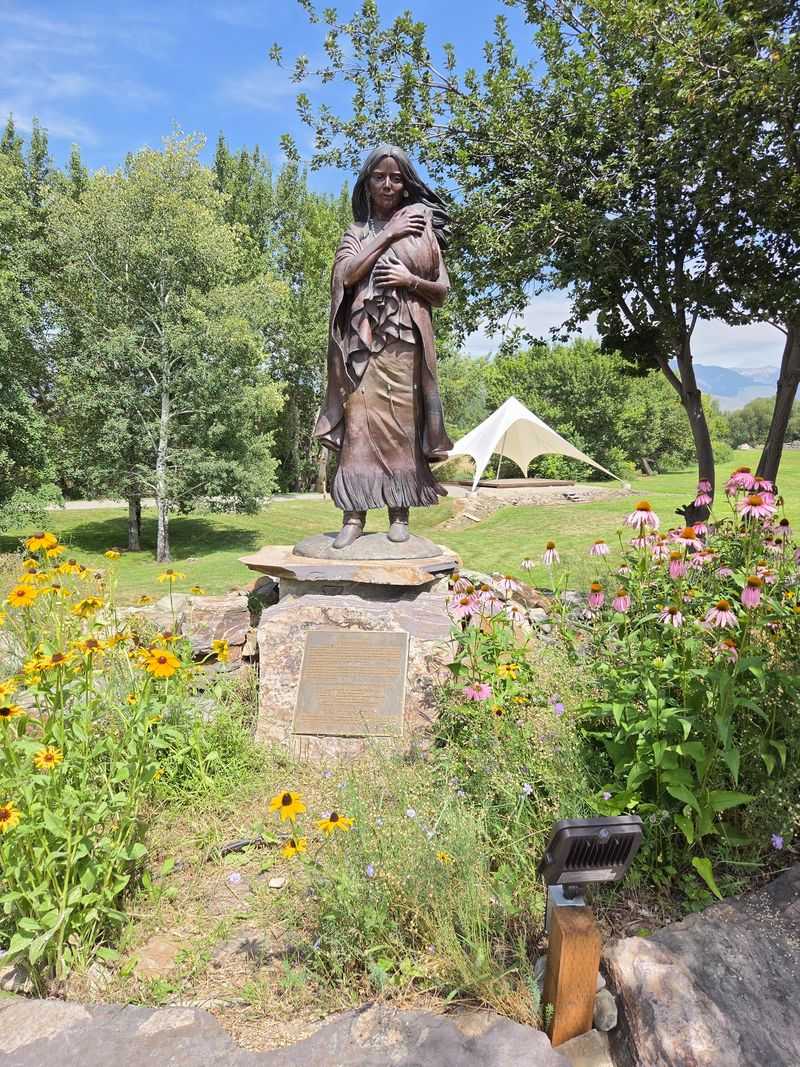
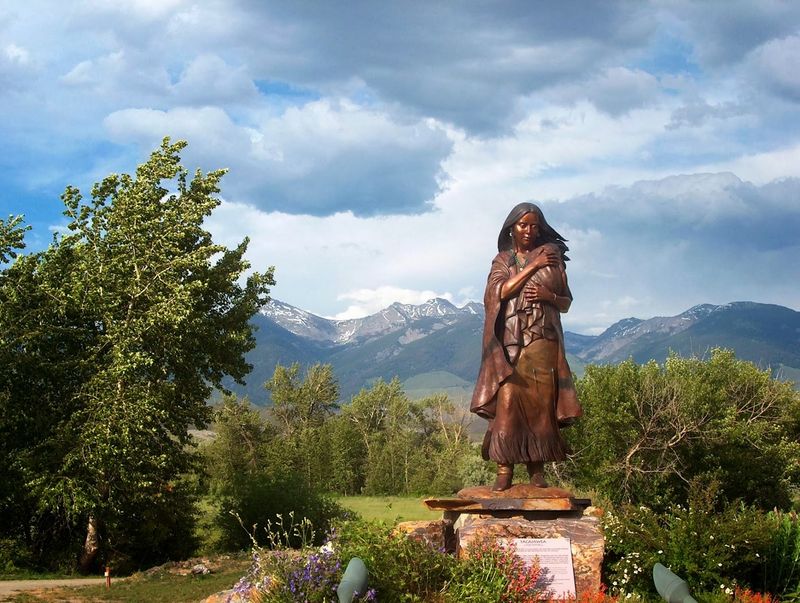
Outside the center, statues of Sacajawea and Seaman share the grounds. I took far too many photos of both.
The Sacajawea statue gives the park a quiet focal point. It is a nice spot to pause and think about how much of the trip depended on her and her people.
Seaman gets an extra honor too. The park has Seaman’s Dog Walk and Play Area, a small space where traveling pups can burn off energy.
Dogs are welcome on the trails, as long as they stay leashed. My own furry co-pilot approved of the sniff opportunities.
Bring water for your pet in summer, since shade can be limited on parts of the route. Clean up after them so the trails stay pleasant for everyone.
From the statues, the sound of moving water drifts over. The river was calling, so I followed it.
Cool Shade on the Salmon River Path
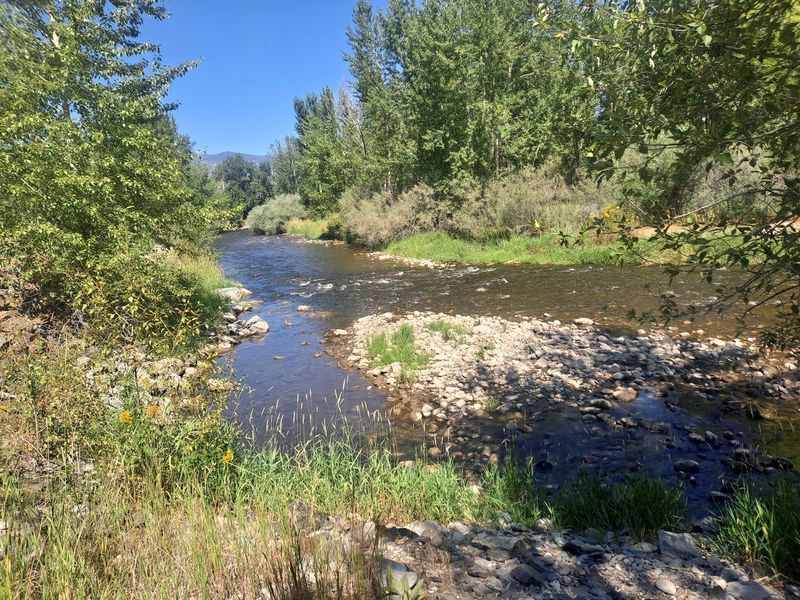
Cool air off the Salmon River hit me the moment the trail dipped toward the water.
A second trail offers a riverside walk, and it became my favorite escape from the afternoon heat. Trees along the bank throw welcome shade.
The river runs right past the property. I watched a few anglers casting from the shore, and fishing is possible here if you bring your gear and follow state rules.
Birds love this corridor. The river and open fields protect wildlife habitat, so binoculars are a smart thing to pack.
Early morning is the sweet spot. Bugs are still sleepy, the light is soft, and the mountains glow gold.
Summer days can get hot in this valley. Bring water, snacks, a hat, sunscreen, and sturdy walking shoes.
Wildfire smoke sometimes drifts in during late summer, so check air quality before a long walk. On clear days, the views are hard to beat.
All this greenery made me curious about the gardens, which turned out to be more than just pretty flower beds.
Gardens Where Little Hands Get Dirty
Rows of growing things have a way of slowing a person down, and the gardens here did exactly that to me.
The grounds include Heritage Community Gardens, where local growers tend plots through the season. It is a living link between the land’s past and the people who call Salmon home today.
Right nearby sits the Kid’s Garden. Children can see how food grows, which beats a grocery store lesson any day.
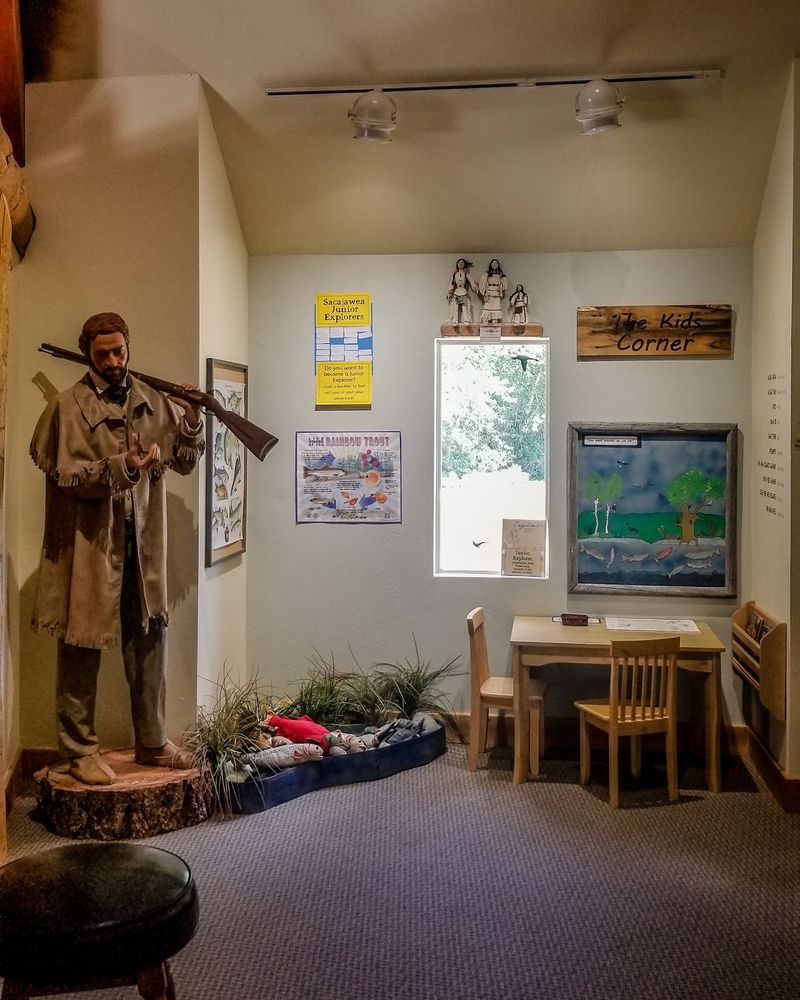
Families should also ask about the Junior Explorer program. Workbooks and activities are available for kids ages 6 to 12 and for those 13 and older.
July brings dedicated kids’ programs, and summer camps run at the center too. Homeschool families will find plenty of material here for a field trip.
My tip is to pair a garden visit with the interpretive trail. Kids burn off energy outside, then come back ready to look at exhibits.
Winter visitors get a bonus as well. A spot for sledding makes the cold months fun, and the next section reveals what else snow brings.
Snow Days, Skis, and Year-Round Trails
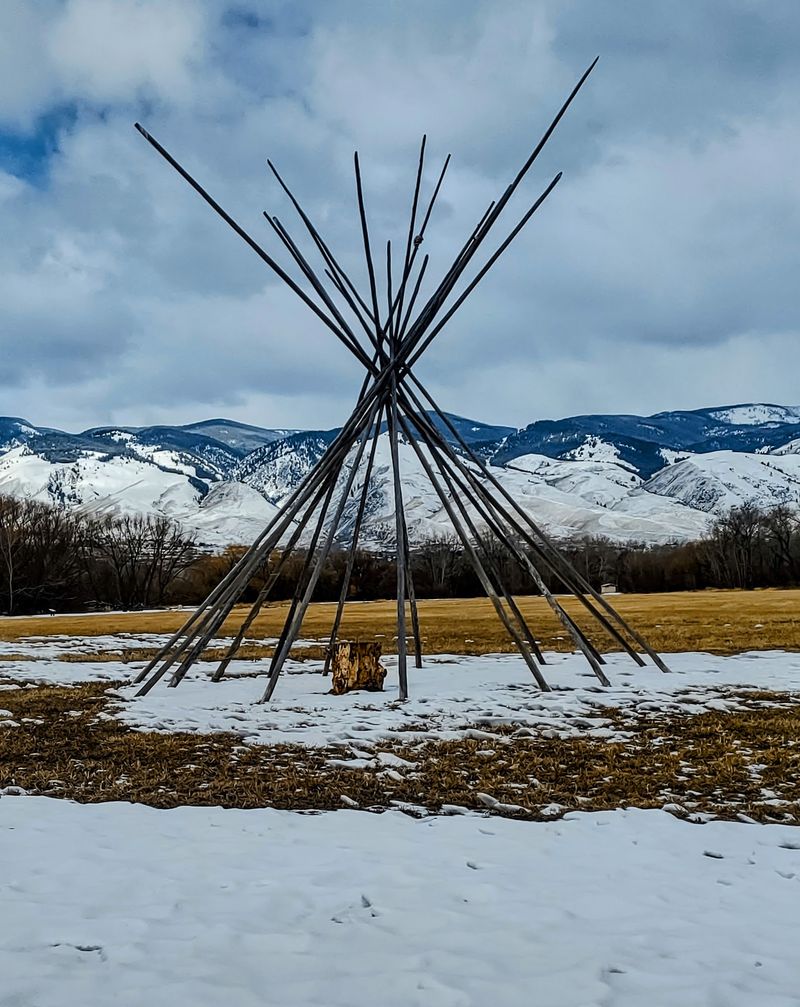
Plenty of museums close up for winter and leave the grounds empty. This park keeps the gates open.
The trails stay open year-round from dawn to dusk. In winter, they are groomed for cross-country skiing, which turns a summer stroll into a quiet glide across the valley floor.
The Interpretive Center itself is open daily from Memorial Day through Labor Day. Outside that window, the building closes, but you can book a visit with at least 48 hours of notice so staff can heat it.
That notice rule is easy to miss. I almost showed up cold, literally, before I read the fine print.
The administrative office generally runs Monday through Friday, 9 AM to 4 PM, when the center is closed. Staff schedules can vary, so a quick phone call saves headaches.
Bundle up in layers, because the open fields catch the wind, and nothing ruins a ski faster than frozen fingers.
Hours also shift by season, so double-check online before you drive out. Fall visitors have a good reason to plan ahead, and it involves pumpkins.
Gatherings, Frolics, and a Salmon Feast
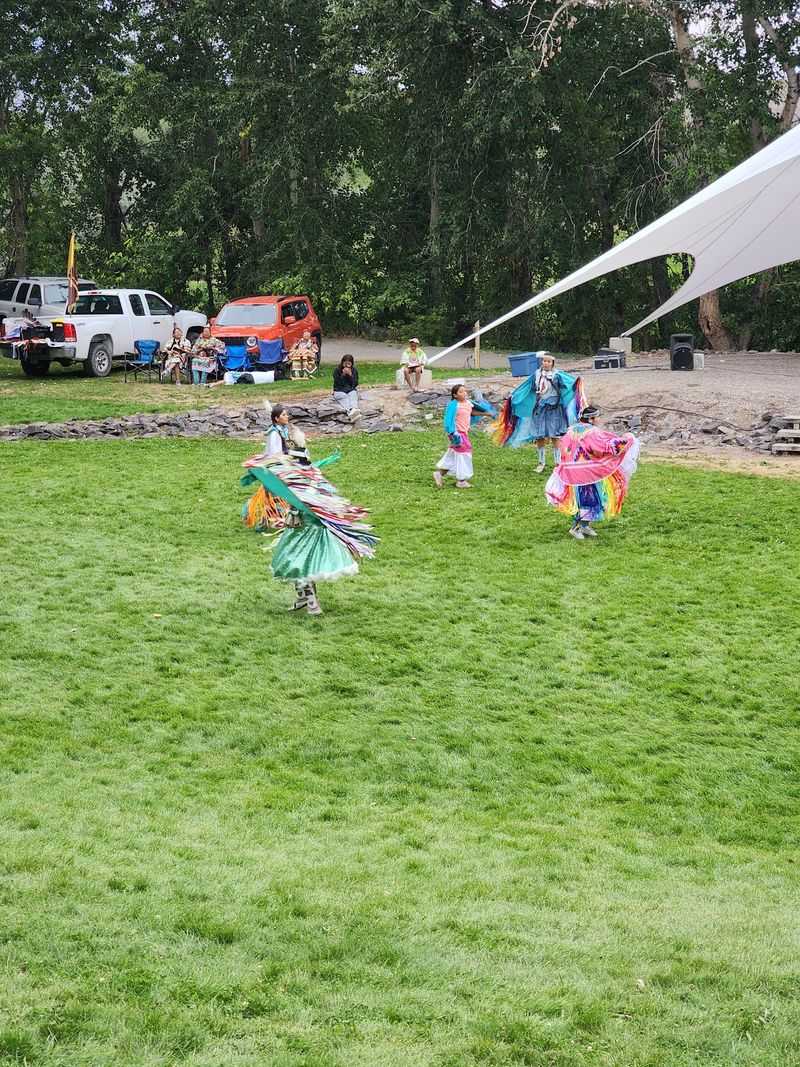
August brings the Agai Deka Gathering, and it might be the most meaningful time of year to visit.
Held with the Shoshone-Bannock Tribes, the gathering features a spiritual walk and run, singing, dancing, and a salmon feast. It celebrates culture right on the homeland where Sacajawea was born.
October has a lighter flavor. The Fall Frolic welcomes the season with pioneer games, crafts, food, music, and a pumpkin patch.
Concerts happen here too, both indoors and outdoors. Interpretive talks about Lewis and Clark and Sacajawea, often led by local experts, fill out the calendar, along with bird walks.
Need a venue? The Learning Center, finished in 2010, hosts classes, meetings, and community events.
The Meriwether Theatre is a rustic barn with stadium-style seating for about 75 people. Weddings, workshops, and performances all find a home there.
Outdoor spaces like the amphitheater, picnic area, and ranch yard can be rented as well. A small commercial kitchen, audio-visual gear, and Wi-Fi come with the indoor rentals.
Smart Moves for a Memorable Visit
Good planning turned my quick stop into a half-day I still think about.
Most people spend one to two hours exploring the exhibit and trails. Join a walk or program, and three hours can slip by without warning.
Arrive in the morning during summer. Afternoons get hot, and the shaded river trail fills the gap if the sun wins.
Pack water, sunscreen, and comfortable shoes. Bring a leash if your dog is riding along.
Budget a few minutes for the small gift shop. Books, DVDs, and hats make solid souvenirs, and the reading choices go well beyond the basics.
Sacajawea’s birthplace area lies not far from the center, so many travelers continue the journey afterward. The center makes a strong starting point for following the trail of the expedition.
I came for a short history lesson and left with a deeper respect for Sacajawea and the Agai’dika people. Her story feels most alive right here, in the valley she first called home.
Share this story