Some people take one big trip and talk about it for the rest of their lives. Others never seem to stop packing.
Between the 1760s and the early 2000s, a handful of men and women sailed tiny boats around the globe, sledged toward the poles, flew fragile planes across oceans, and climbed the highest mountain on Earth. Their tools changed from wooden ships and sextants to airships, tractors, and jet boats, but their restless habits stayed the same.
Not every journey went to plan, and several of these travelers left behind complicated legacies worth looking at honestly. Still, their stories show how curiosity, stubbornness, and careful preparation pushed the edges of the known map outward.
Keep reading to meet twenty people whose real lives sound more unlikely than most adventure novels, and to learn the surprising facts that textbooks often skip.
1. Nellie Bly
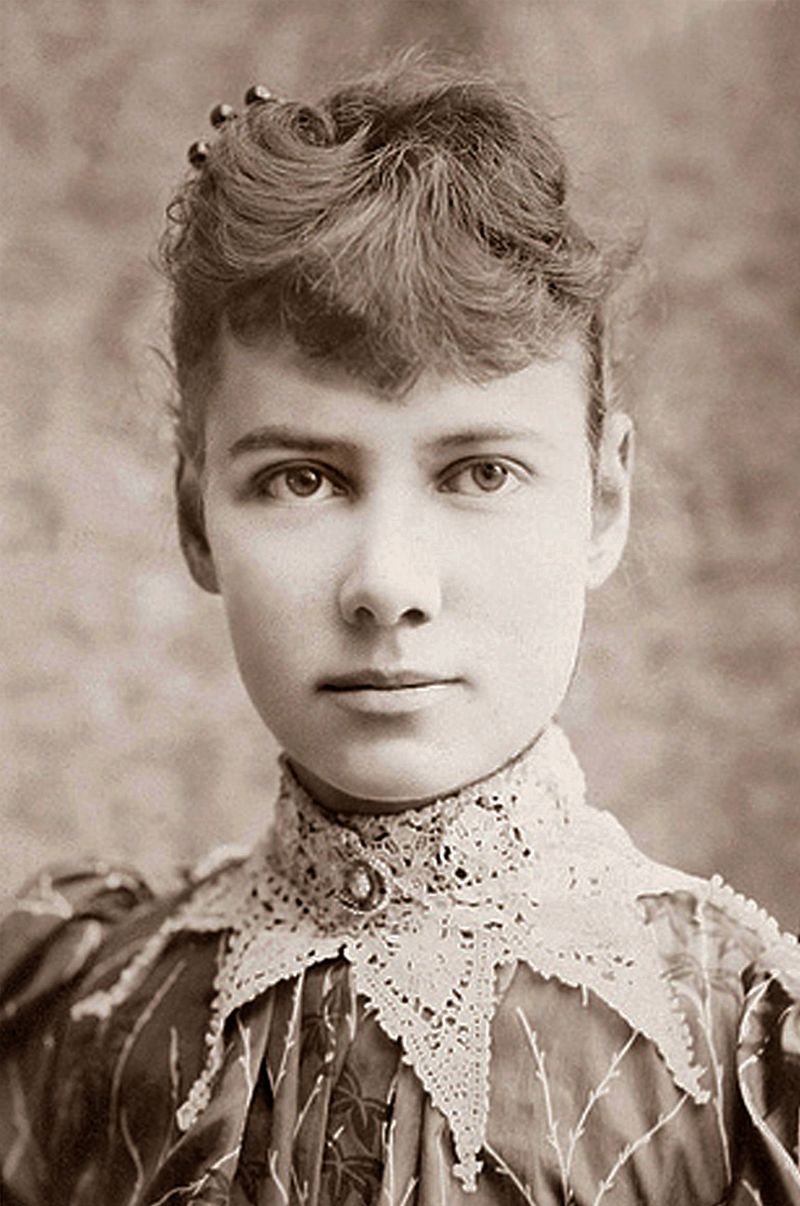
Jules Verne invented a fictional 80-day trip around the globe. A New York reporter decided to beat it for real.
In 1889, Nellie Bly convinced her newspaper, the New York World, to send her. She packed one small bag and traveled mostly alone through Europe, Asia, and across the Pacific.
She even stopped in France to meet Verne himself.
Bly finished in a little over 72 days and became an international celebrity.
Earlier, she had gone undercover inside the asylum on Blackwell’s Island and exposed its poor conditions. That report helped launch modern investigative journalism.
2. Joshua Slocum
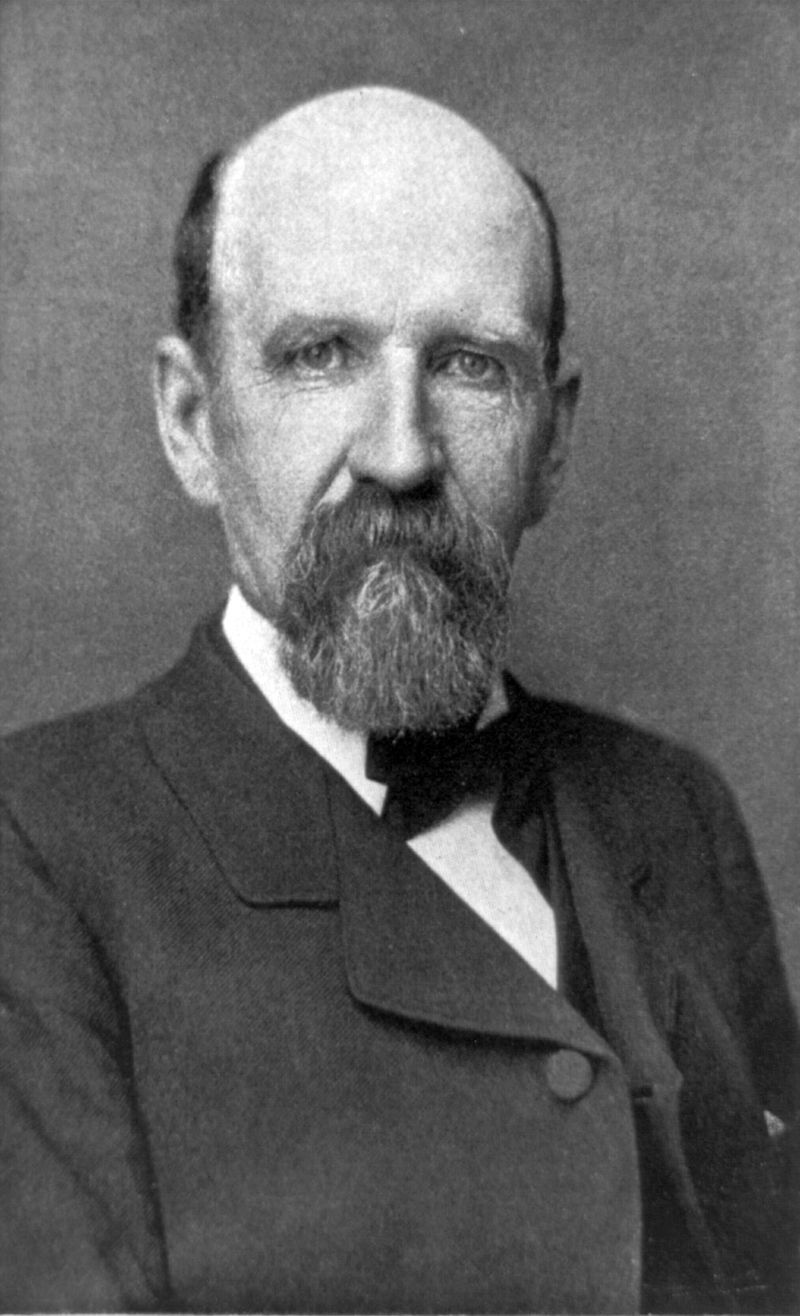
One sailor, one rebuilt boat, and roughly 46,000 miles of ocean. That was the whole crew list.
Joshua Slocum restored an old oyster sloop called Spray and left Boston in 1895. For three years, he handled storms and tricky coastlines with nobody else aboard.
In 1898, he completed the first known solo sailing trip around the world.
His book, Sailing Alone Around the World, is still read by sailors today.
Then came a final puzzle. In 1909, he set out on Spray again and was never heard from, leaving one of the sea’s lasting mysteries.
3. Gertrude Bell
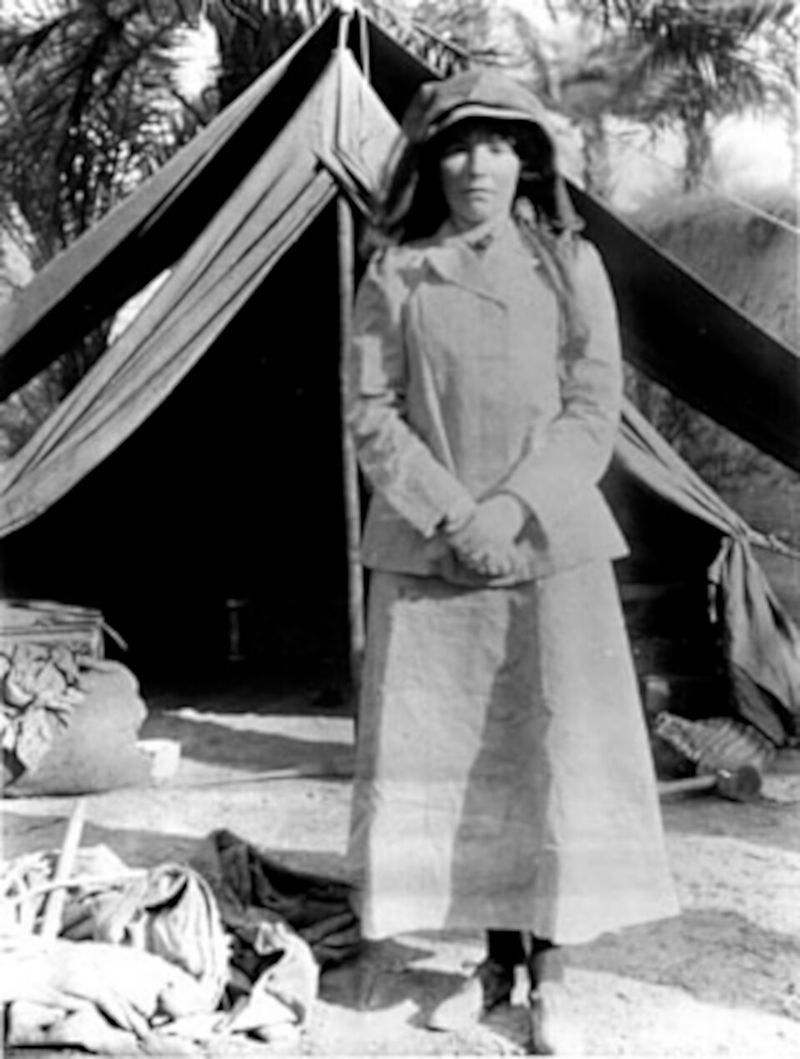
Wealthy Victorian women were expected to host tea parties. This one preferred mountains, deserts, and ancient ruins.
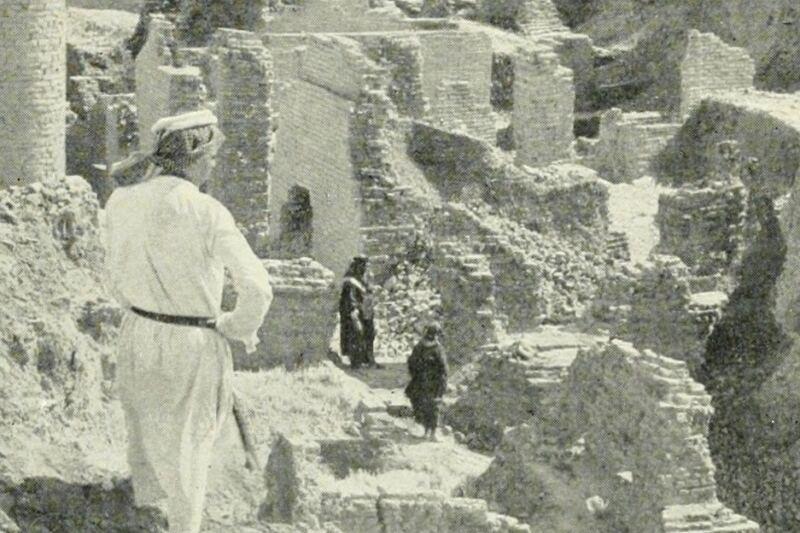
Gertrude Bell became a climber, archaeologist, photographer, and writer. She learned Persian and Arabic and traveled widely across the Middle East.
Her knowledge pulled her into British government work during and after World War I.
She helped shape modern Iraq and supported placing Faisal I on its throne in 1921. That role makes her legacy important but complicated.
She also helped found what became the Iraq Museum in Baghdad, which still protects the region’s ancient history.
4. Fridtjof Nansen
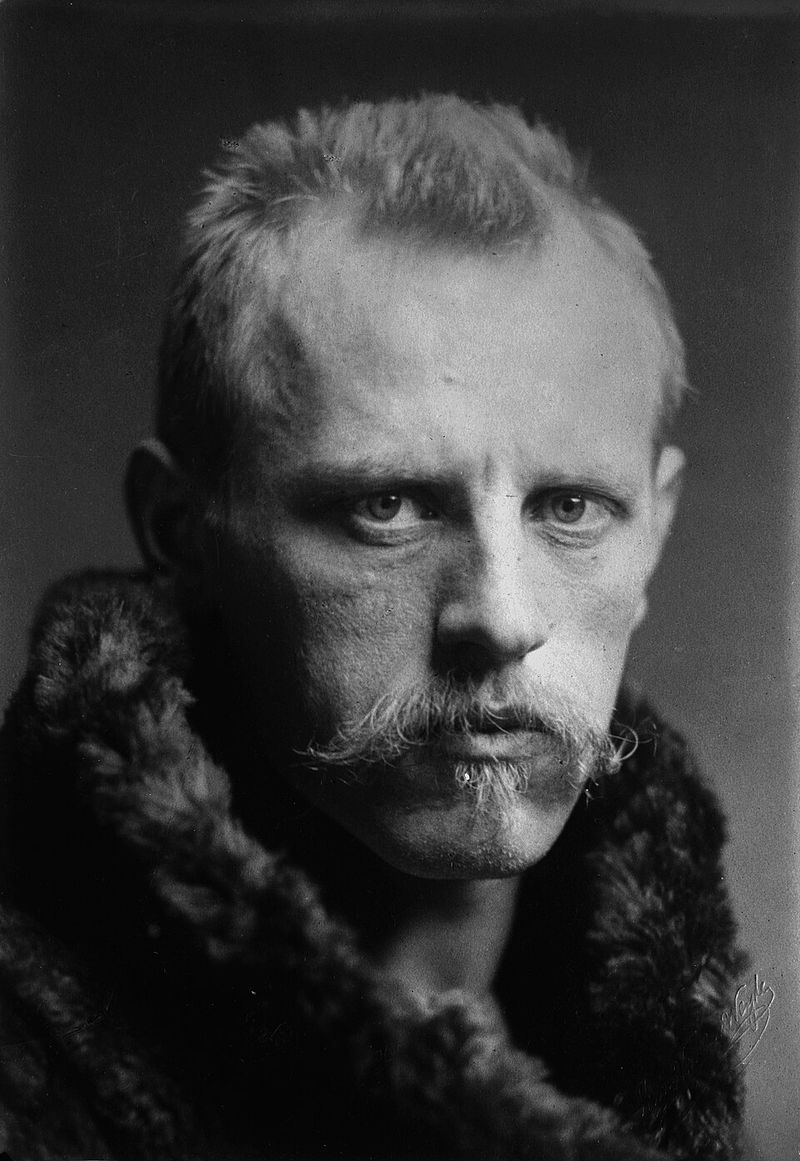
Most sailors try hard to avoid getting stuck in Arctic ice. A Norwegian scientist built a ship designed to do exactly that.
Fram had a rounded hull meant to rise up under ice pressure instead of breaking. In 1893, Nansen let it freeze into the pack and drift.
The drift moved too slowly for him. He and Hjalmar Johansen left by dogsled for the North Pole.
They set a record northern latitude, then wintered in a stone hut before getting home.
Later, Nansen helped refugees after World War I and won the 1922 Nobel Peace Prize.
5. Alexandra David-Néel
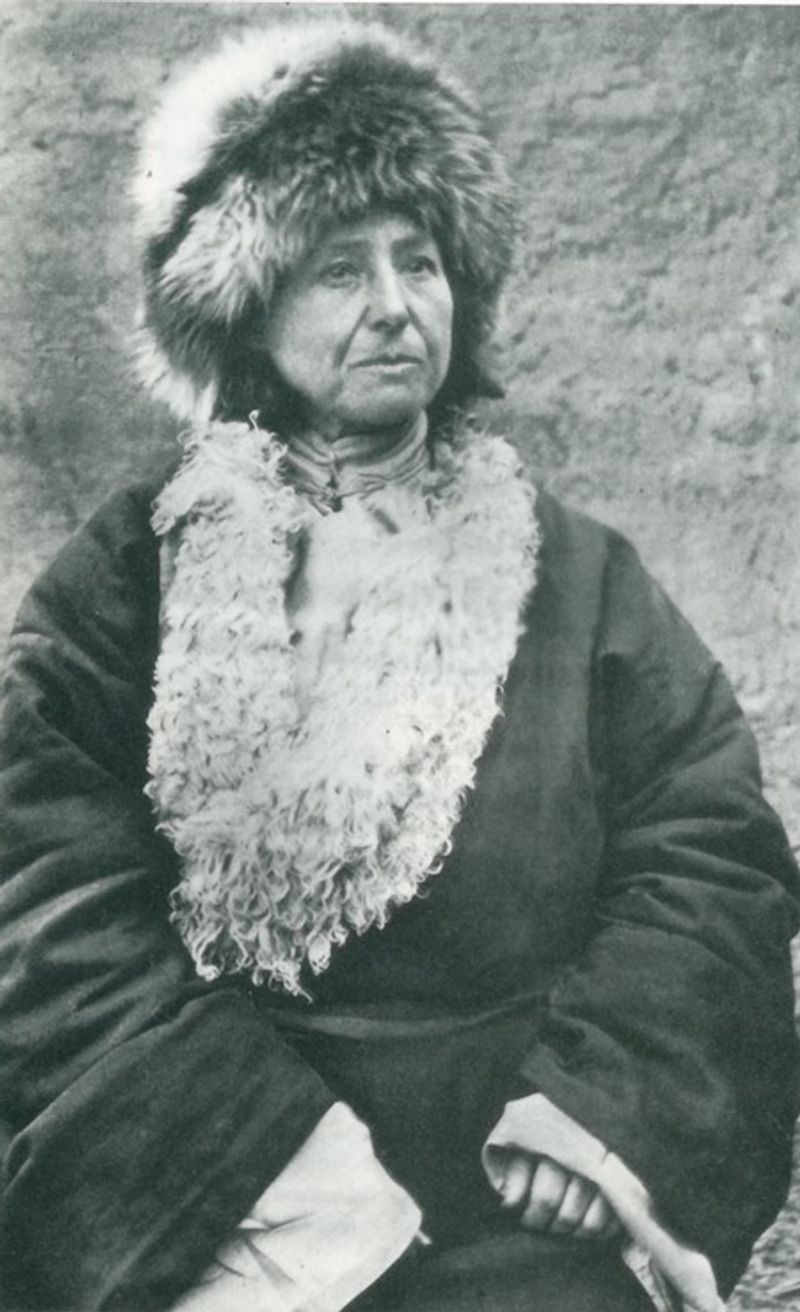
Retirement plans at age 55? For one French-Belgian traveler, that meant sneaking into a forbidden city.
Born in 1868, Alexandra David-Néel studied Buddhism and spent years in India and the Himalayas. Her big goal was Lhasa, Tibet’s capital, which was closed to most foreigners.
She and her adopted son, Yongden, traveled in disguise as pilgrims.
In 1924, they made it inside.
Her books introduced many Western readers to Tibetan traditions, though they reflect colonial-era views. She kept traveling and writing until she was over 100 years old.
6. Roald Amundsen
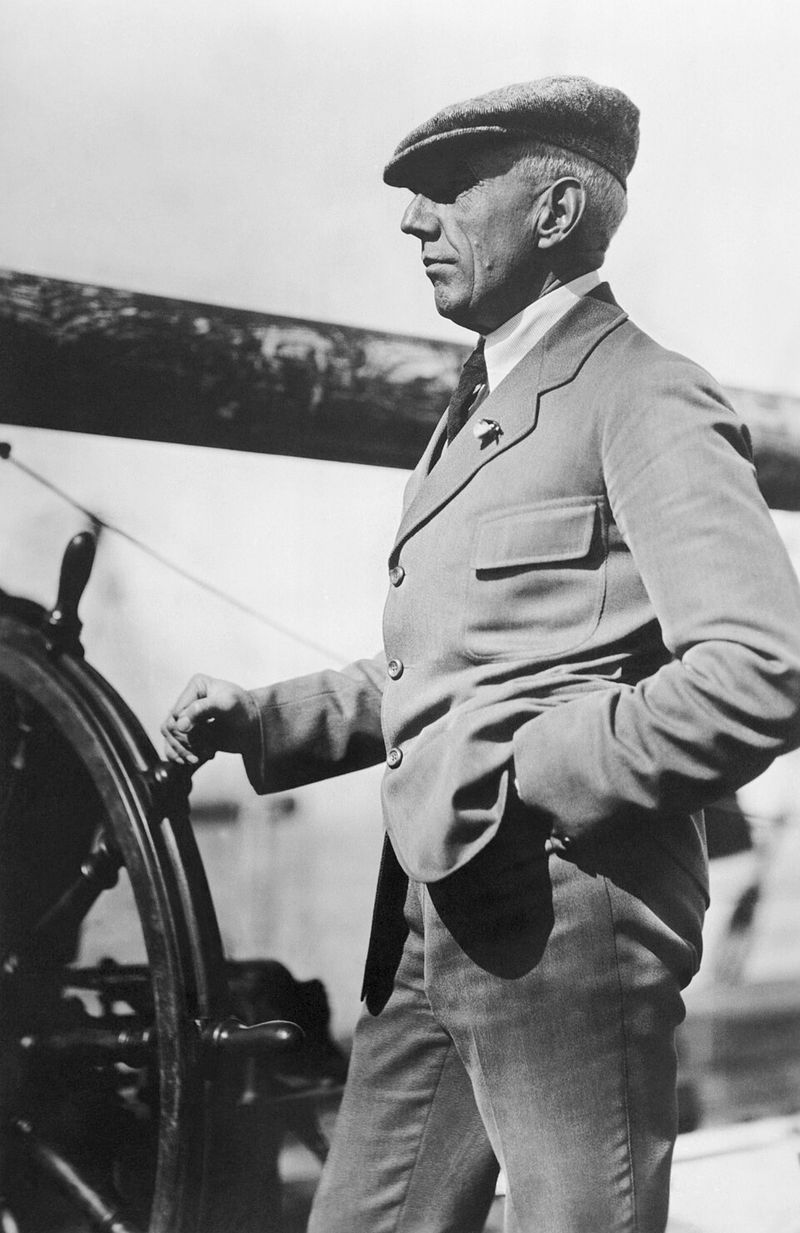
Few résumés include the Northwest Passage, the South Pole, and an airship flight over the North Pole. One Norwegian collected all three.
Amundsen reached the South Pole in December 1911, weeks ahead of Robert Falcon Scott’s British team.
His secret was preparation. He used skis, sled dogs, and carefully placed supply depots based on Arctic know-how.
In 1926, he flew over the North Pole aboard the airship Norge.
Two years later, he vanished while flying to search for the crew of the airship Italia. He disappeared while trying to help other explorers.
7. Bessie Coleman
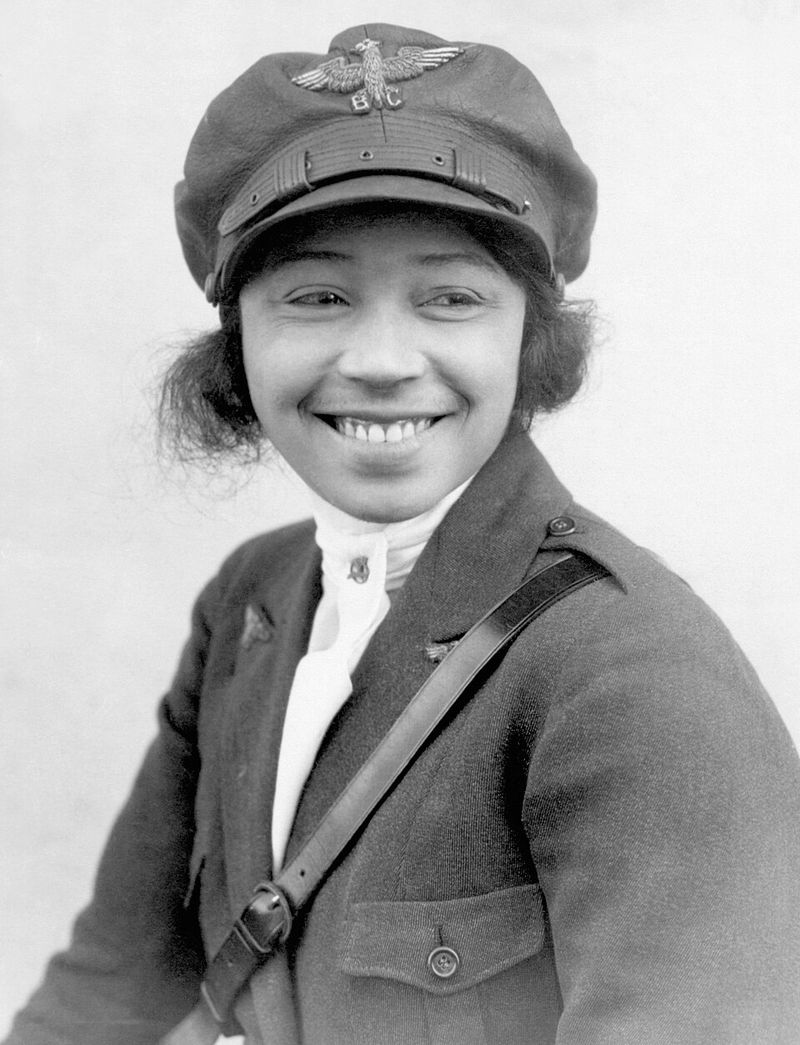
When American flight schools said no, she learned French and bought a ticket to France.
Bessie Coleman faced barriers as both a Black person and a woman in early aviation. In 1921, she earned an international pilot’s license from the Fédération Aéronautique Internationale.
She became the first Black woman known to hold a pilot’s license.
Back home, she performed loops and dives at air shows as “Queen Bess.”
Her dream was to open a flight school for African Americans. Her career ended early in a 1926 accident, but she inspired generations of future pilots.
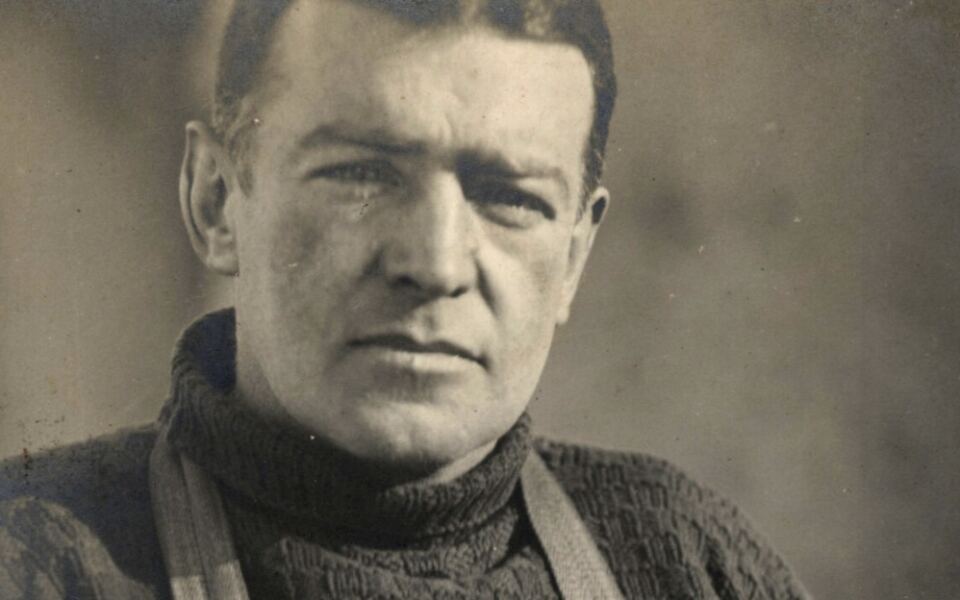
8. Ernest Shackleton
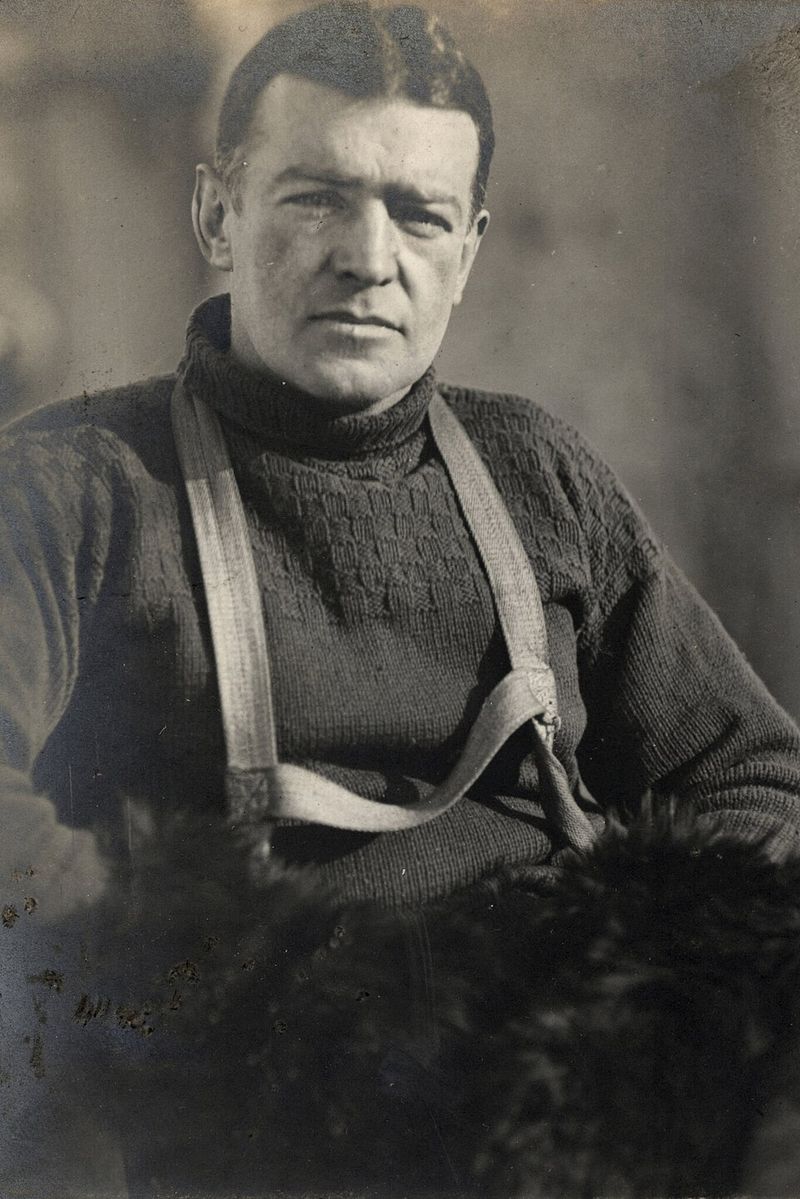
Plan A was crossing Antarctica on foot. Plan B, it turned out, was simply getting everyone home.
In 1915, pack ice crushed his ship, Endurance, during the Imperial Trans-Antarctic Expedition. The crew camped on drifting ice for months before reaching remote Elephant Island.
Shackleton and five men then sailed the 22-foot lifeboat James Caird about 800 miles to South Georgia. After landing, he hiked across the island’s mountains to a whaling station.
He organized a rescue, and every member of the Endurance party survived.
The expedition failed its goal, yet the rescue became one of exploration’s most famous leadership lessons.
9. Thor Heyerdahl
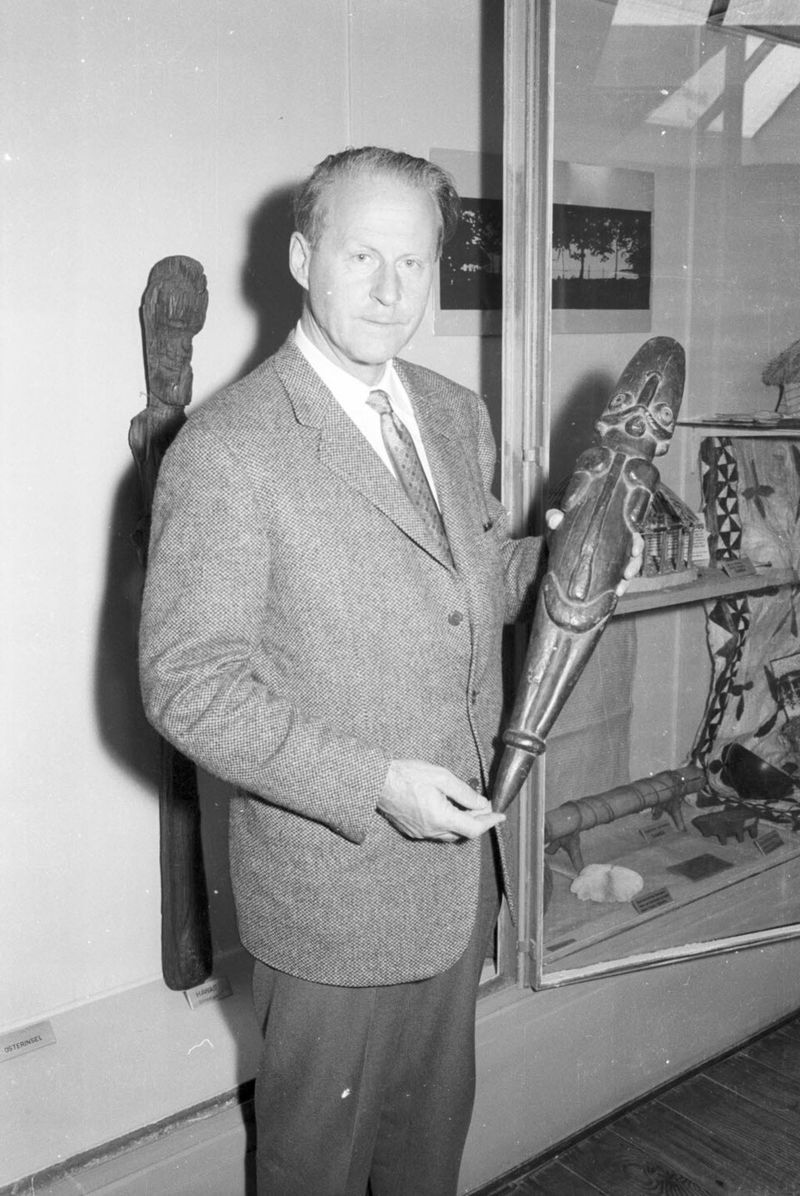
Some scientists test ideas in labs. This Norwegian tested his on a raft in the middle of the Pacific.
In 1947, Thor Heyerdahl and five companions sailed the balsa-wood Kon-Tiki from Peru. After 101 days, they reached the Tuamotu Archipelago.
The trip made him world famous, and his documentary won an Academy Award.
His main theory about Polynesian origins did not hold up. Evidence points to roots in Island Southeast Asia, with some later contact with South America.
Still, he proved simple watercraft could survive a huge ocean crossing.
10. Freya Stark
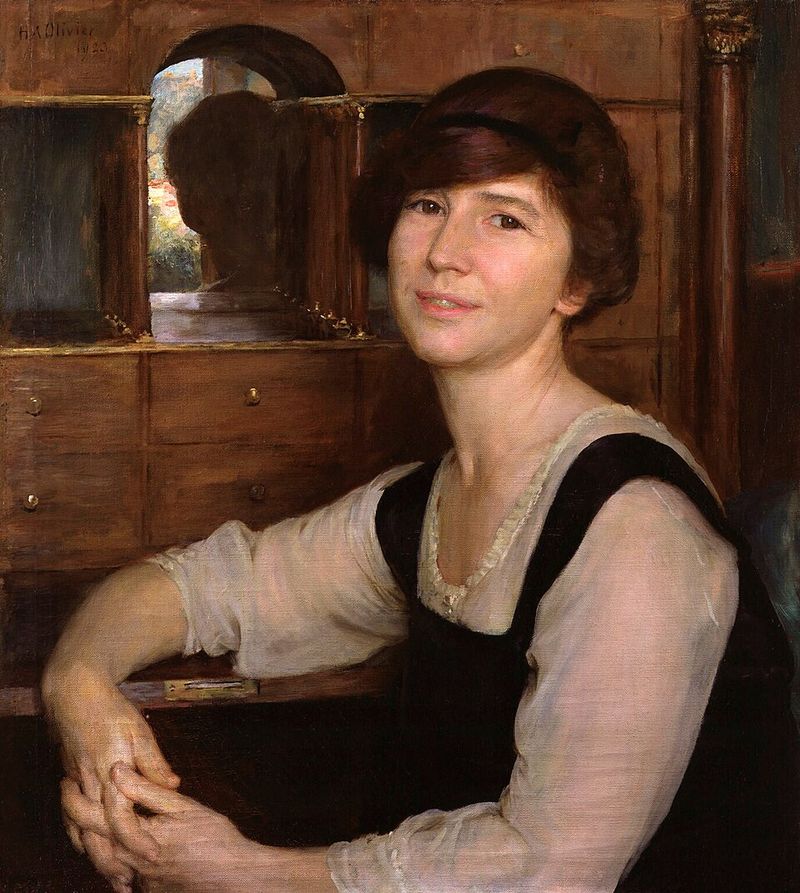
Late starters, take note. She did not begin her famous travels until her thirties.
Freya Stark explored parts of Iran and southern Arabia during the late 1920s and 1930s. Few European women traveled there independently at the time.
She learned Arabic and Persian, mapped valleys, and photographed communities.
Her books, like The Valleys of the Assassins, became bestsellers in Britain. They also reflect the colonial world she worked in.
She lived to 100. During that span, travel shifted from steamships and mule trails to jet airliners.
11. Tenzing Norgay
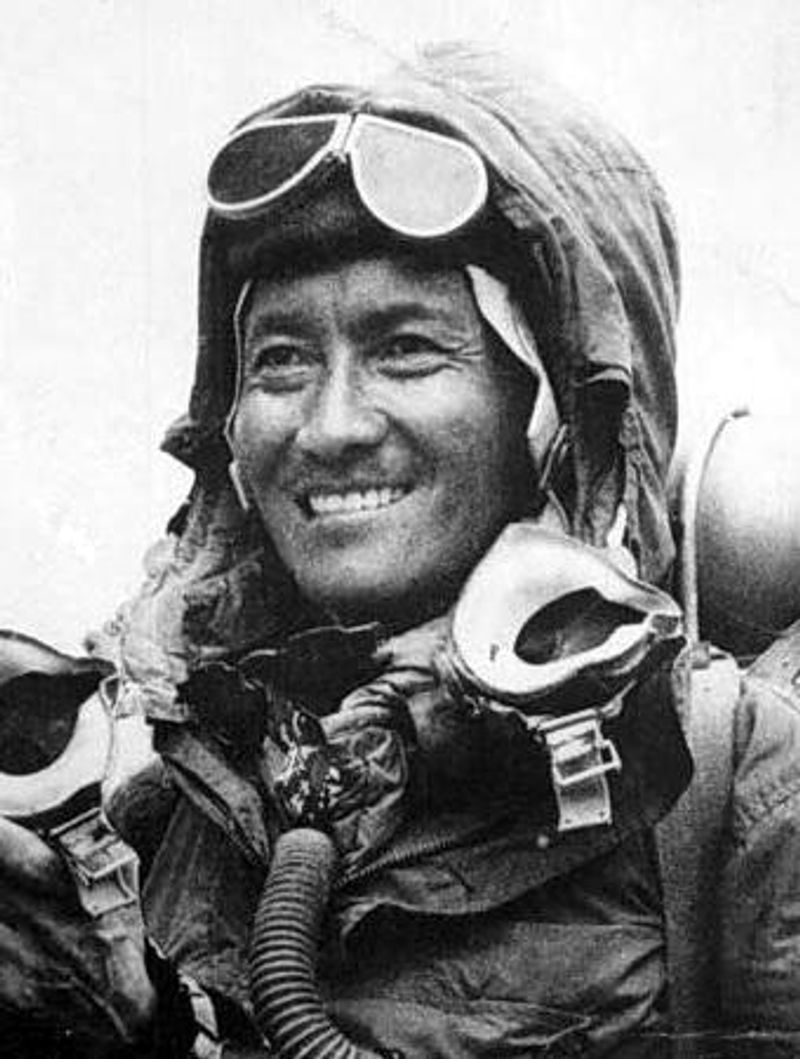
Six Everest expeditions came before the one that made history.
Tenzing Norgay grew up in the Himalayan region and became one of the most experienced high-altitude climbers of his time. He joined Everest attempts in the 1930s and early 1950s.
On May 29, 1953, he and Edmund Hillary reached the summit around 11:30 a.m.
The famous summit photo shows Tenzing holding his ice axe with flags.
Why no picture of Hillary? According to Hillary, Tenzing had never used a camera.
The climb made both men global celebrities.
12. Edmund Hillary
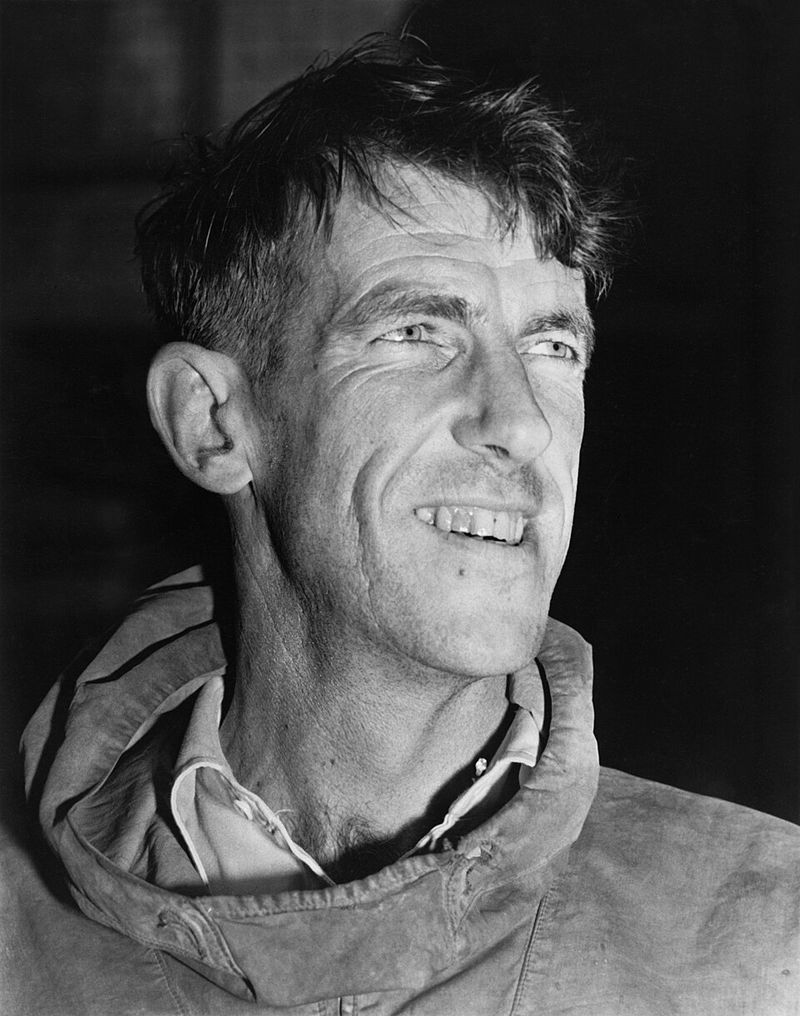
Reaching the top of the world might seem like a career peak. A New Zealand beekeeper just kept adding chapters.
After Everest in 1953, Edmund Hillary joined the Commonwealth Trans-Antarctic Expedition.
In 1958, he led his team to the South Pole using modified farm tractors. They were the first to reach it overland since Amundsen and Scott.
He later drove jet boats up the Ganges River.
His proudest work came in Nepal. Through his Himalayan Trust, he helped build schools, clinics, and bridges for Sherpa communities.
13. Amelia Earhart
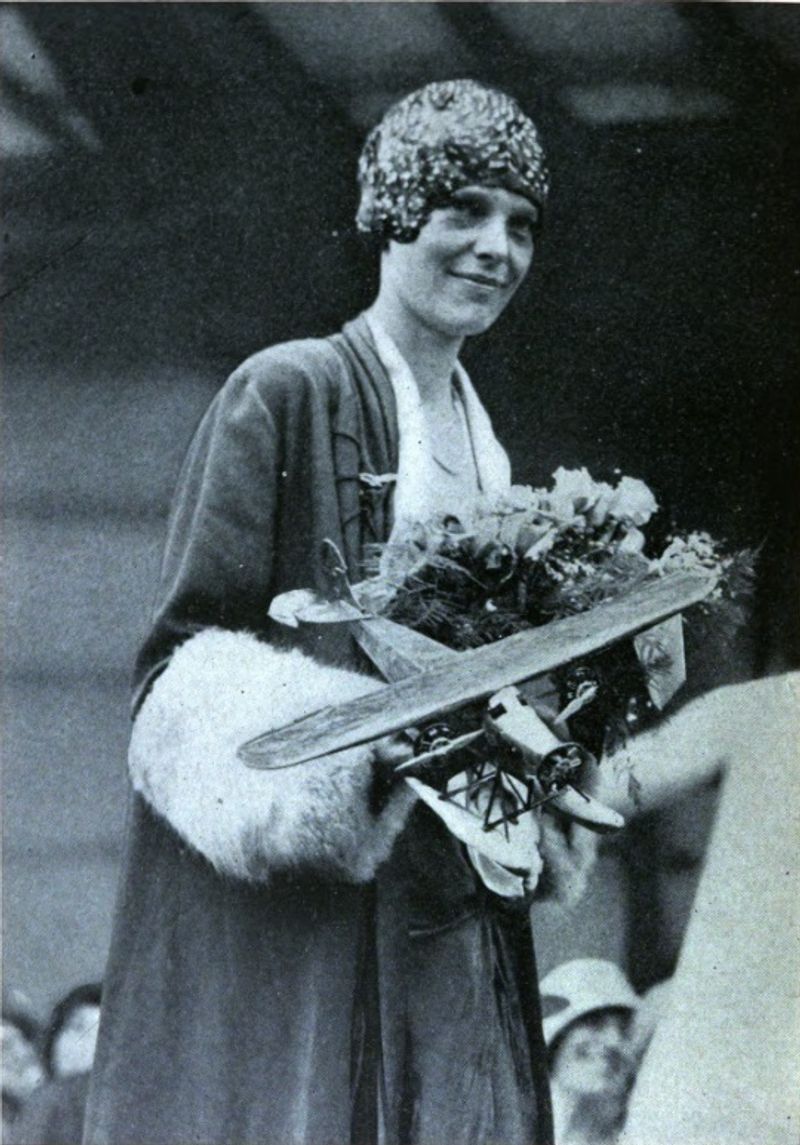
Long before her final flight became a mystery, she was already among the most famous pilots alive.
In 1932, Amelia Earhart became the first woman to fly solo nonstop across the Atlantic. She used her fame to open doors for women in aviation.
In 1937, she and navigator Fred Noonan attempted an equator-length flight around the world.
On July 2, they left Lae, New Guinea, for tiny Howland Island. They never arrived.
Theories still pile up today. Her real records, though, deserve the spotlight more than the puzzle.
14. Matthew Henson
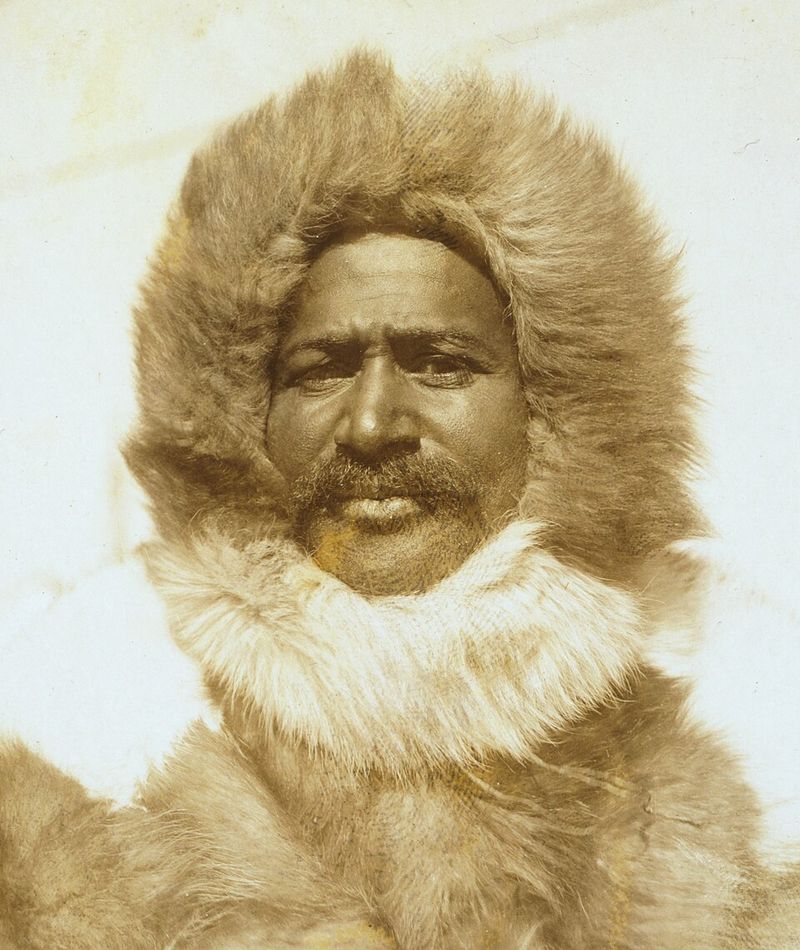
History books once called him an assistant. The facts tell a much bigger story.
Matthew Henson spent nearly two decades on Robert Peary’s Arctic expeditions. He learned the Inuit language, built sledges, and handled dog teams expertly.
In 1909, he joined the push toward the North Pole.
Henson said he reached the believed pole site ahead of Peary. Historians still debate whether they reached the true pole.
His skill is not in question. In 1988, his remains were moved to Arlington National Cemetery, a long-delayed honor for a key Arctic explorer.
15. Louise Boyd
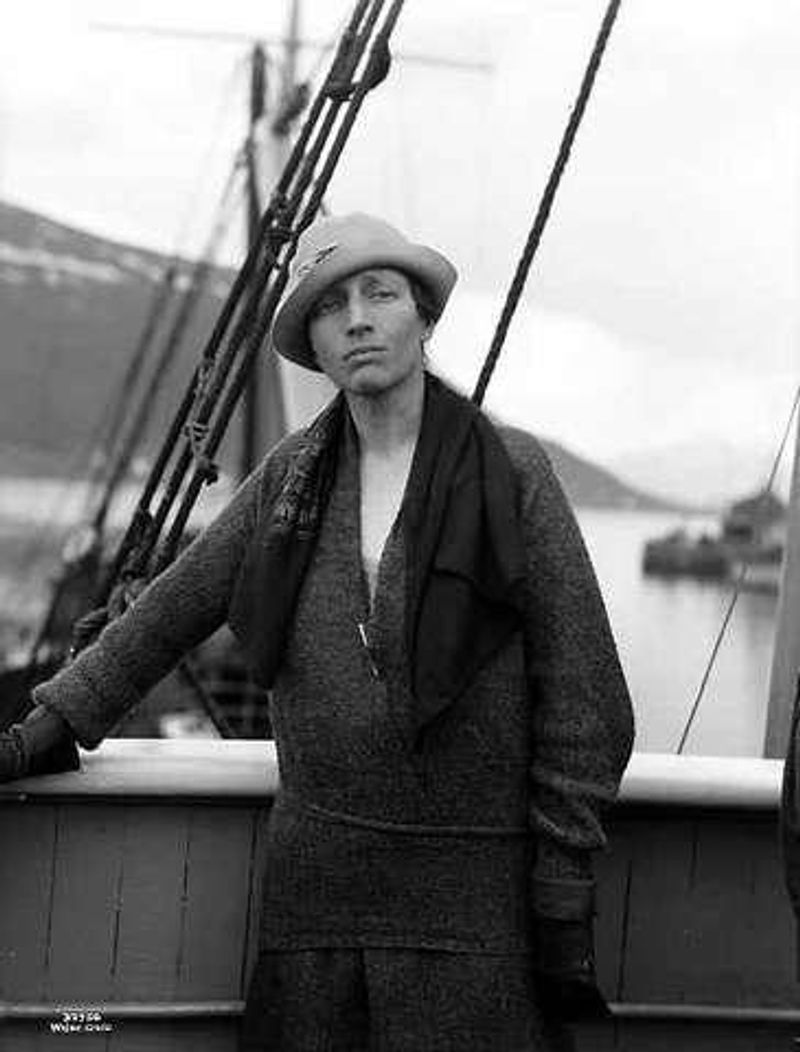
Inheriting a fortune usually leads to comfort. For one California heiress, it led to Greenland’s icy coast.
Starting in the 1920s, Louise Arner Boyd paid for and led Arctic expeditions. Her photographs helped map areas almost no one had recorded.
In 1928, she joined the search for Roald Amundsen after he went missing.
She did not find him, but her interest in the Arctic grew stronger.
In 1955, at age 68, she became the first woman to fly over the North Pole. She used her money to seek hardship, not escape it.
16. Richard Francis Burton
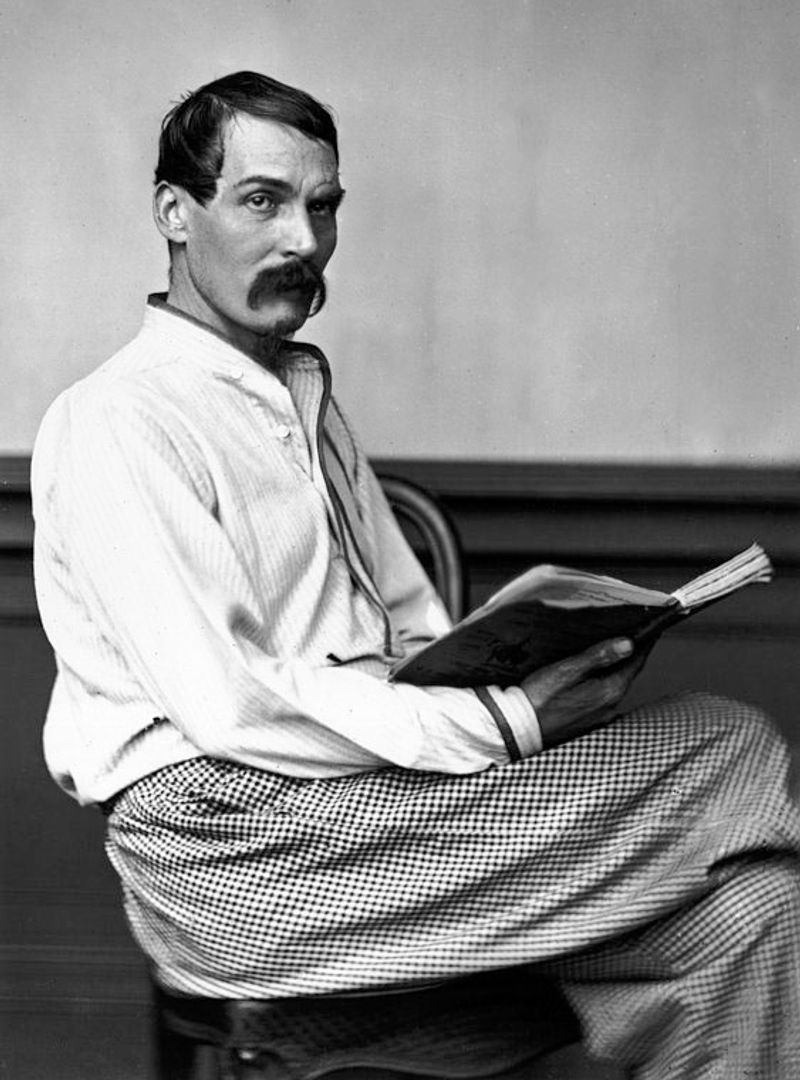
Soldier, translator, diplomat, writer, and traveler. Most people pick one job, but he took them all.
Richard Francis Burton reportedly spoke more than 25 languages. In 1853, he traveled in disguise to Mecca, a risky trip if discovered.
Later, he and John Hanning Speke searched East Africa for the source of the Nile.
The partners became bitter rivals over who was right.
Burton also translated The Arabian Nights into English. His writing carries Victorian imperial attitudes that need careful reading today, but his range was remarkable.
17. Jeanne Baret
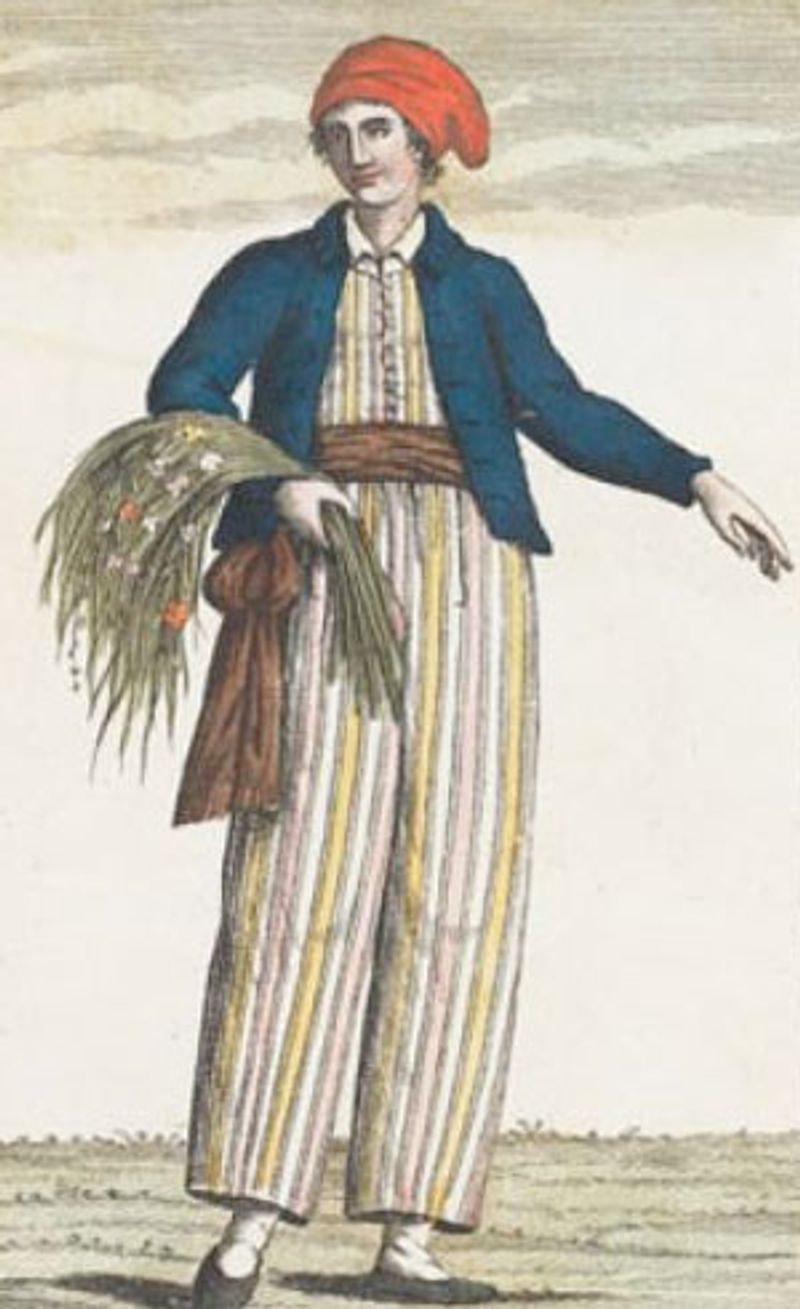
French naval rules banned women from ships in the 1760s. So she boarded one dressed as a man.
In 1766, Jeanne Baret joined Louis Antoine de Bougainville’s world voyage as the “male” assistant to botanist Philibert Commerson.
She was an expert on plants herself and helped gather specimens throughout the trip.
The crew eventually discovered her secret. She and Commerson stayed on Mauritius, and she later returned to France another way.
That made her the first woman known to sail around the world. A plant genus, Solanum baretiae, now carries her name.
18. Ernest Hemingway
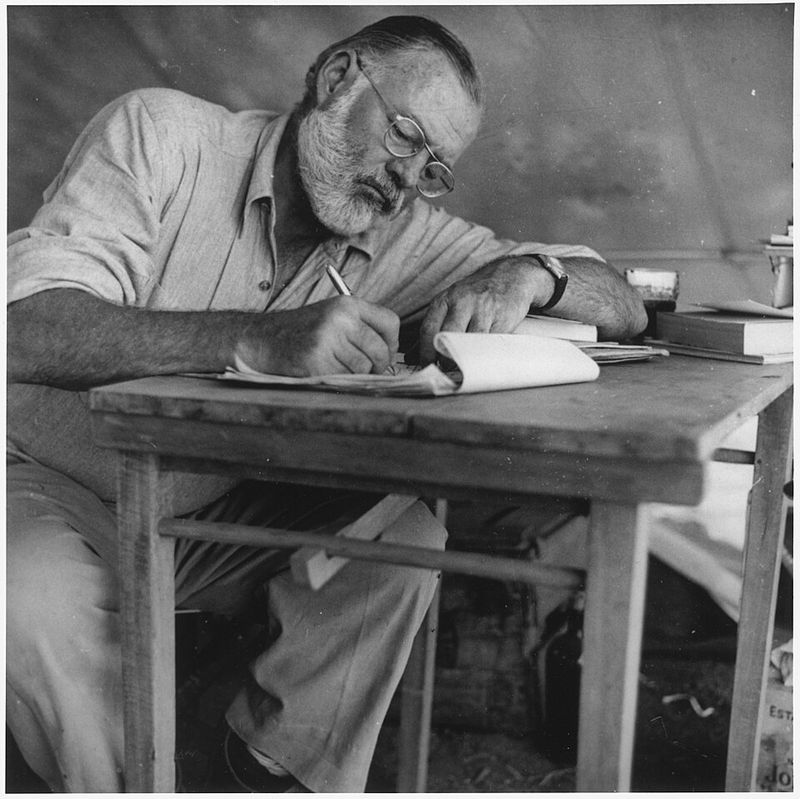
Novelists usually research adventures. A certain Nobel Prize winner insisted on living them first.
Ernest Hemingway drove ambulances in Italy during World War I and was badly wounded. He later reported on wars, went on African safaris, and fished the Caribbean.
He lived in Paris, Key West, and Cuba.
During World War II, he even watched for German submarines from his fishing boat, Pilar. Those patrols had little military impact.
Some stories about him grew larger over time. Still, plenty of real adventure shaped books like The Old Man and the Sea.
19. Peter Freuchen
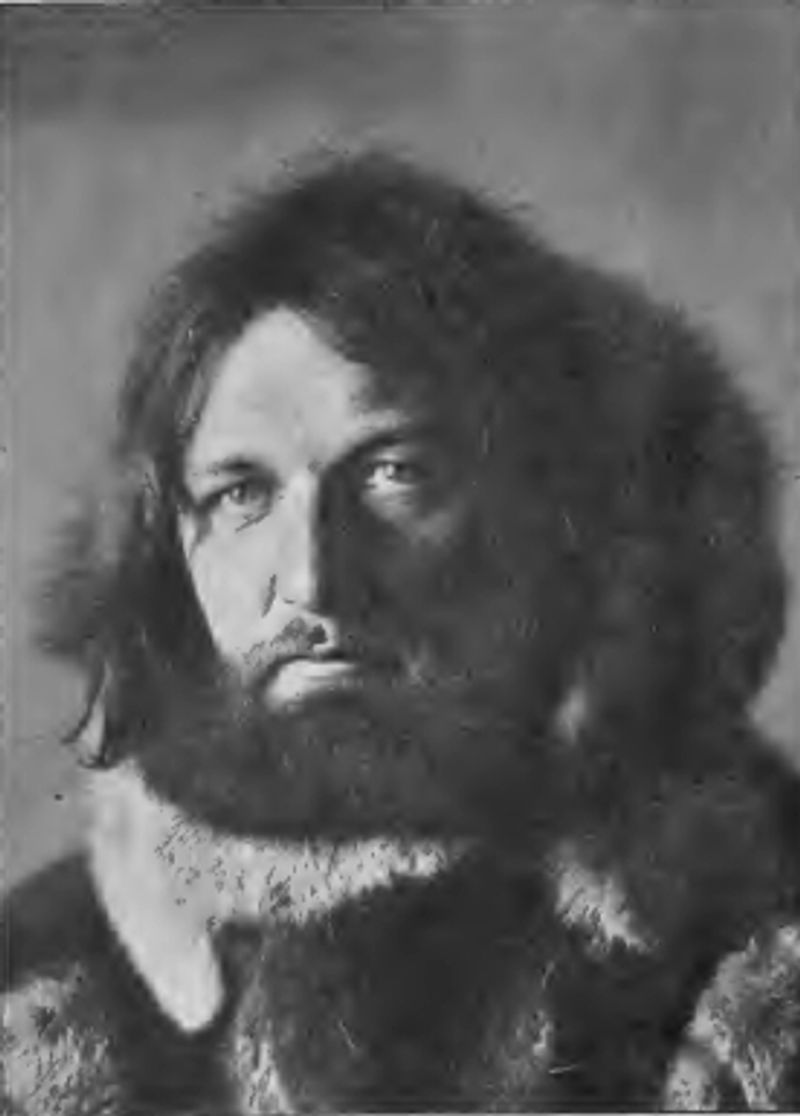
Put his life in a novel, and an editor might call it too far-fetched.
Peter Freuchen stood about 6 feet 7 inches tall. He spent years in Greenland, set up a trading post with Knud Rasmussen, and traveled widely by dogsled with Inuit communities.
Frostbite cost him a leg, yet he kept exploring.
During World War II, he joined the Danish resistance, was arrested, and escaped to Sweden.
He later moved to the United States, wrote books, worked on films, and won the TV quiz show The $64,000 Question.
20. Sir Ranulph Fiennes
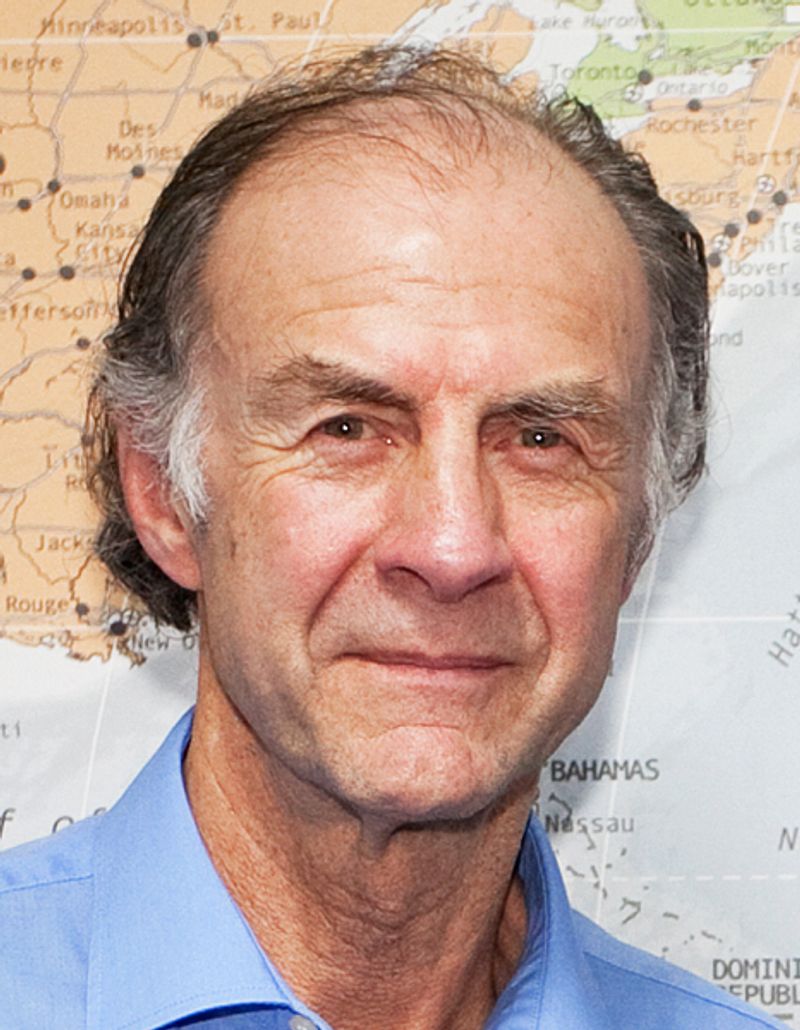
Modern planes made the planet easy to cross. A British adventurer spent decades making it hard again.
Ranulph Fiennes led the Transglobe Expedition from 1979 to 1982. His team circled the Earth through both polar regions.
Severe frostbite on a solo Arctic trip later cost him parts of several fingers.
He famously trimmed some of them himself with a saw in his garden shed.
In 2003, just months after heart surgery, he ran seven marathons on seven continents in seven days. In 2009, at age 65, he reached the summit of Everest.
Share this story