Chicken eggs fill most grocery store shelves, but they are far from the only eggs people eat. Cooks around the world enjoy eggs from other birds and even from fish.
Each type has its own size, taste, and best uses in the kitchen. Here is a look at twelve of them and what makes each one different.
1. Duck eggs
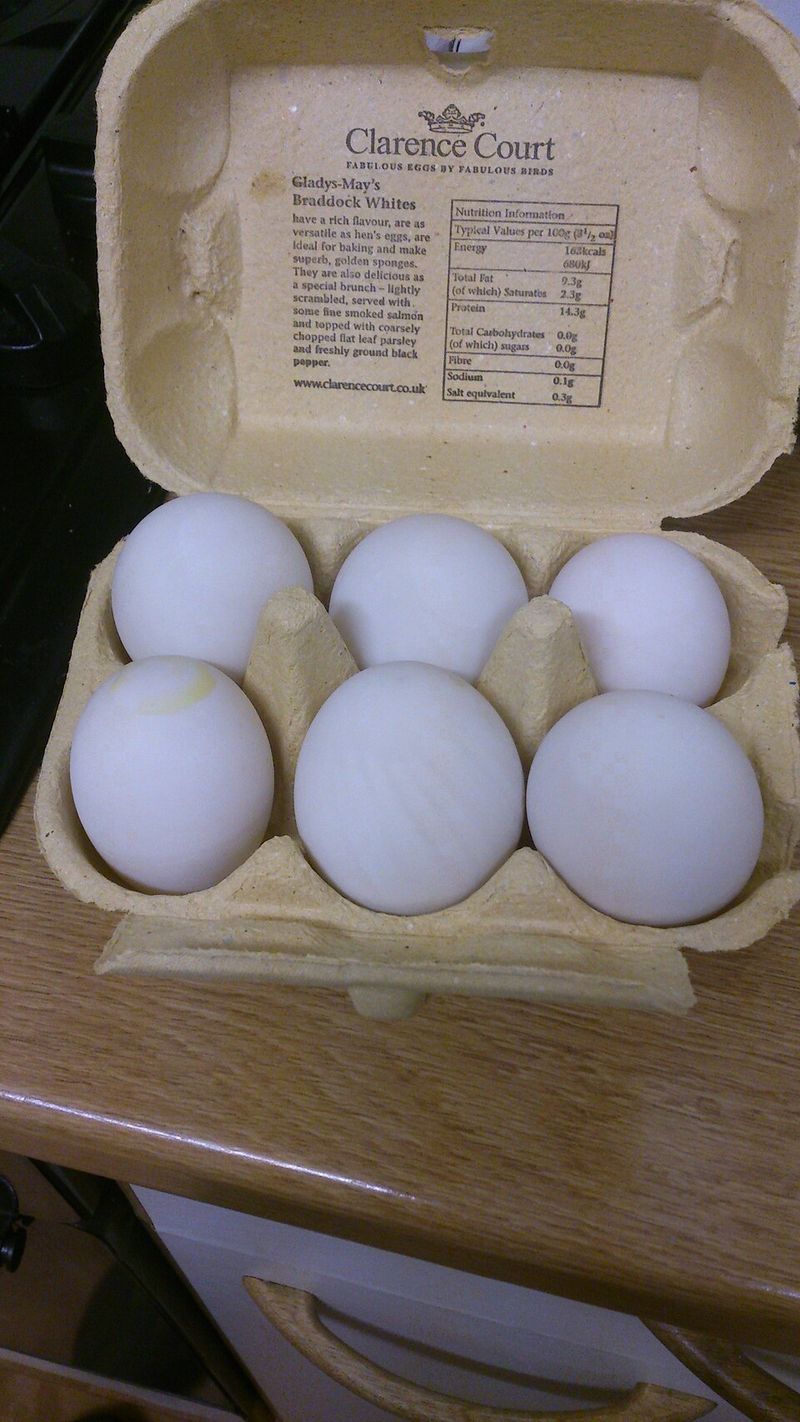
Bakers have long whispered that duck eggs make cakes taller and fluffier. There is some truth to it, since the whites hold more protein and the yolks carry extra fat.
A duck egg is usually larger than a chicken egg, with a thicker shell and a deep golden yolk. The flavor is richer, and the texture can feel a bit creamier when cooked.
Fried or poached, they make a hearty breakfast. They also shine in custards, pasta dough, and rich cakes.
Cooks should keep the heat gentle, because the whites can turn rubbery quickly.
Many people with chicken egg allergies still react to duck eggs, so anyone with an allergy should check with a doctor first. Farmers markets and some specialty grocers sell them, and they often cost more than chicken eggs.
Store them in the fridge and use them within a few weeks.
2. Quail eggs
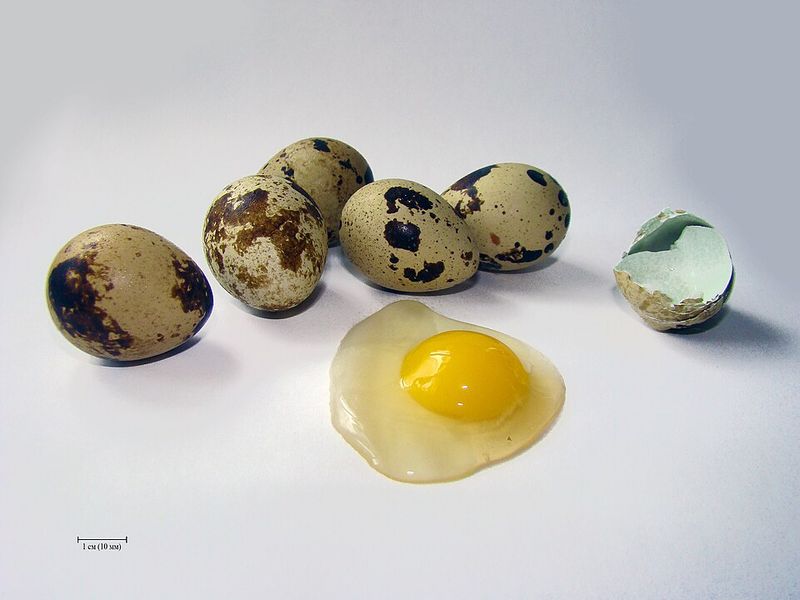
Tiny, speckled, and about the size of a large grape, quail eggs look like something from a toy kitchen. It takes roughly three of them to equal one chicken egg.
The taste is mild and very close to a chicken egg, though the yolk makes up a larger share of the whole. That gives them a rich bite in a small package.
Chefs like to use them as toppings on salads, ramen, and toast. In Japan, they often appear in sushi, and in the Philippines, people sell them as a popular street snack.
The shell is thin but tough, and the inner membrane is sturdy. A small pair of scissors or a special quail egg cutter helps open them cleanly.
Boil them for about two to three minutes for a soft center.
3. Goose eggs
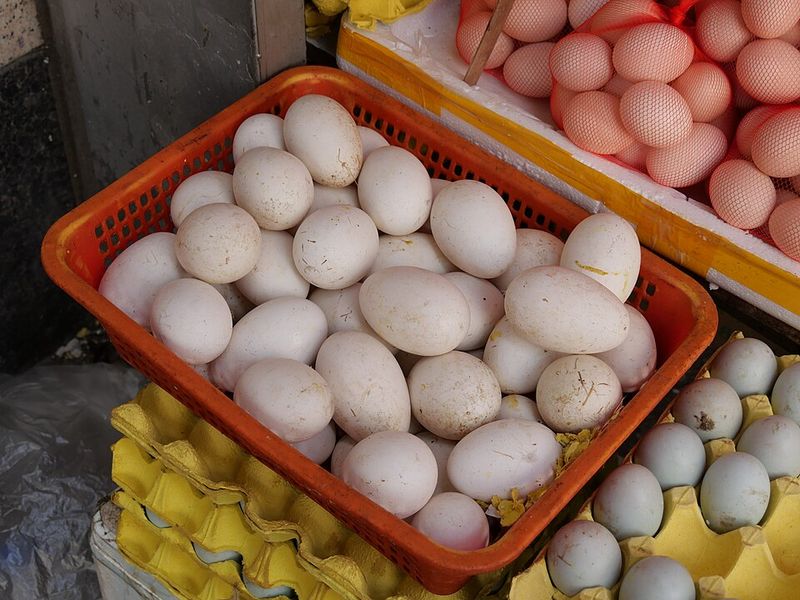
Picture one egg that could make breakfast for two or three people. A goose egg weighs about as much as three chicken eggs, so one is often enough for a full omelet.
The shell is thick and white, and the yolk is large and deep in color. The flavor is strong and rich, which some people love and others find a bit heavy.
Goose eggs are not easy to find because geese lay only a limited number each spring. Small farms and local markets are the best places to look.
They tend to cost much more than chicken eggs.
Cooks often use them in baking, scrambles, and custards. Because of the size, boiling takes longer, usually around 15 to 20 minutes for a hard-cooked egg.
Crack the thick shell with a firm tap.
4. Turkey eggs
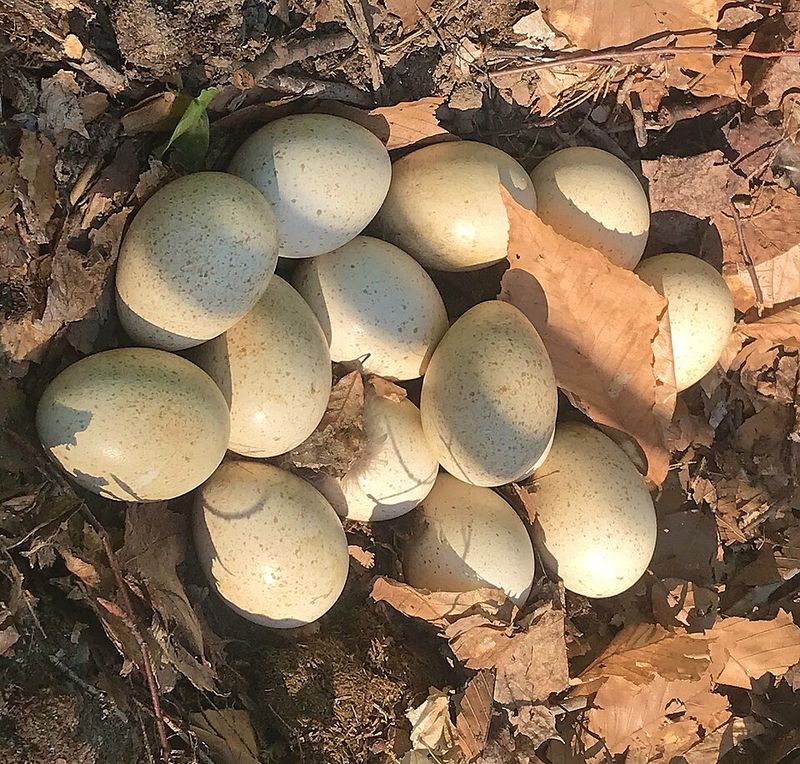
Turkeys give us a holiday dinner, yet their eggs rarely make it to the table. Farmers usually keep them to hatch more birds, which is why they are hard to buy.
A turkey egg is a little bigger than a chicken egg, with a creamy tan shell dotted with brown specks. The taste is close to a chicken egg, though many people say it is slightly richer and creamier.
Hens lay far fewer eggs than chickens do, and they often lay only during the spring and summer months. That limited supply keeps the price high.
If you do find some, use them like any other egg. Scramble, bake, or boil them as usual.
Try a local farm stand or a small poultry farmer to track them down.
5. Guinea fowl eggs
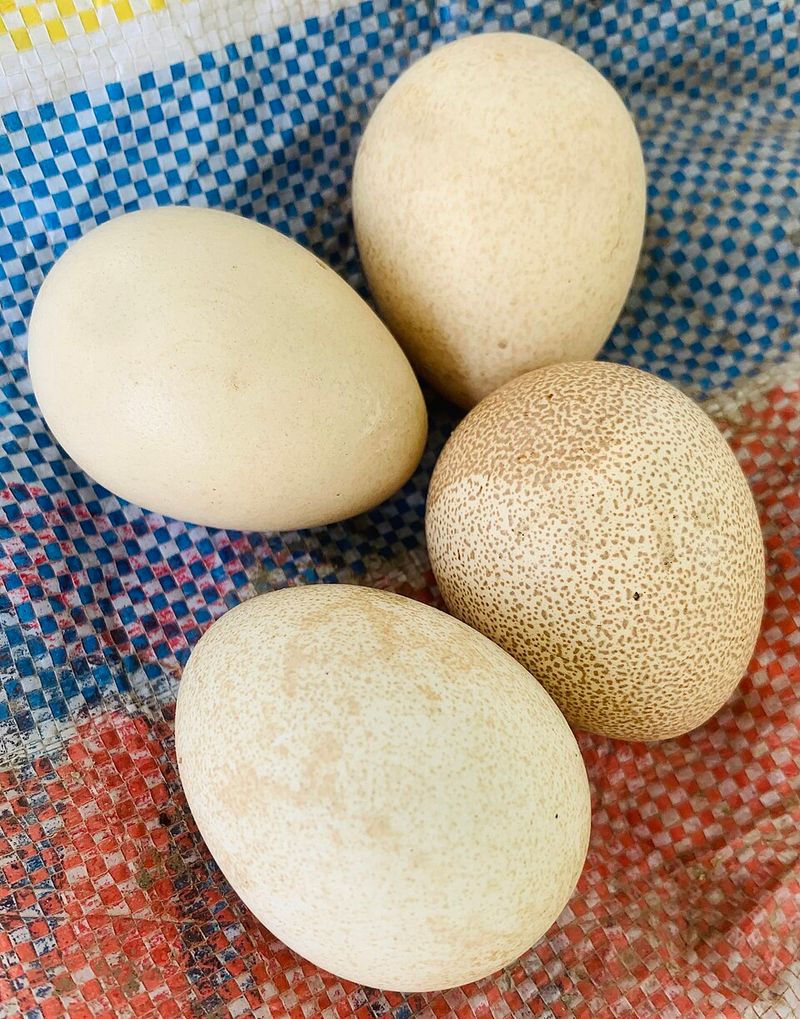
Guinea fowl are noisy, spotted birds that patrol farms like tiny security guards. Their eggs are small, pointed at one end, and wrapped in a shell so hard it can be tricky to crack.
Inside, the yolk is large compared to the white, and the taste is rich and a little gamey. Many cooks say it is a deeper flavor than a standard egg.
Because the shell is so tough, a light tap will not work. Use a sharp knife to cut through the top, or crack firmly on a flat surface.
They are great for deviled eggs, pickling, and simple fried eggs. Guinea hens lay mostly in warm months, so supply changes with the season.
Look for them at farm stands or from small local breeders.
6. Pheasant eggs
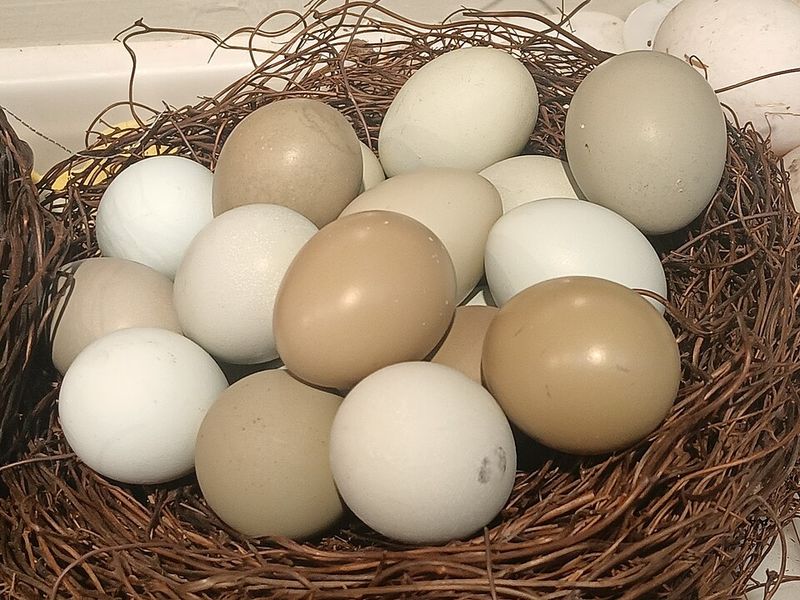
Olive-brown and smaller than a chicken egg, pheasant eggs bring a taste of the countryside. Game bird farms raise pheasants, and some sell the eggs for cooking.
The flavor is delicate and a bit richer than a chicken egg, with a creamy yolk. Many chefs enjoy them in simple dishes so the taste can stand out.
Soft-boiled pheasant eggs on toast, or lightly fried with butter, show off their character. Since the eggs are small, plan on using two or three per serving.
Wild pheasant eggs should not be collected, as laws protect many wild birds and their nests. Stick with eggs from licensed farms.
They are seasonal, typically available in spring, so ask a local game bird supplier when the next batch is coming.
7. Ostrich eggs
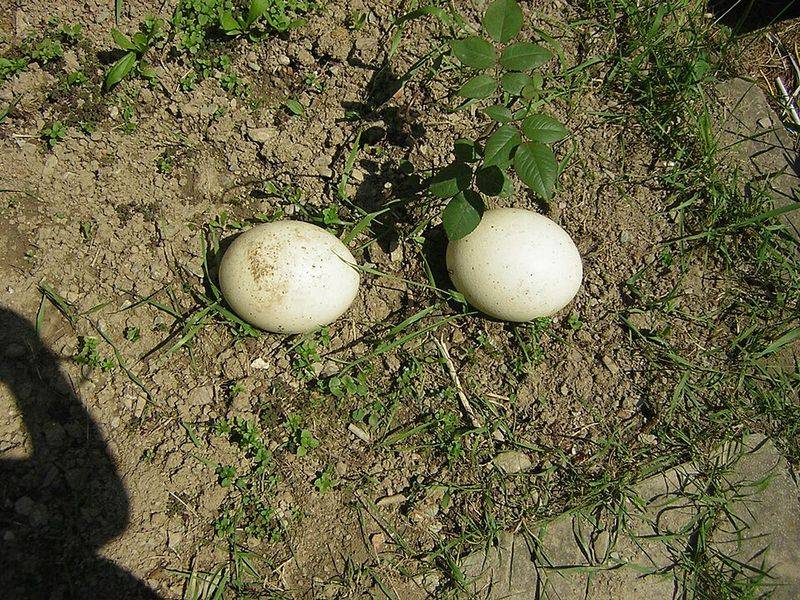
One ostrich egg equals about two dozen chicken eggs. It is the biggest egg from any living bird, usually weighing around three pounds.
The shell is thick enough that you may need a small hammer or a drill to open it. Once inside, you find a large yolk and plenty of white, ready for a very big omelet.
The flavor is similar to a chicken egg, though a touch richer. A single egg can feed a whole table at brunch, which makes it a fun choice for a special gathering.
Boiling one takes close to an hour and a half. Ostrich farms in places like South Africa and the United States sell them, often by order.
Expect a price that is much higher than ordinary eggs.
8. Emu eggs
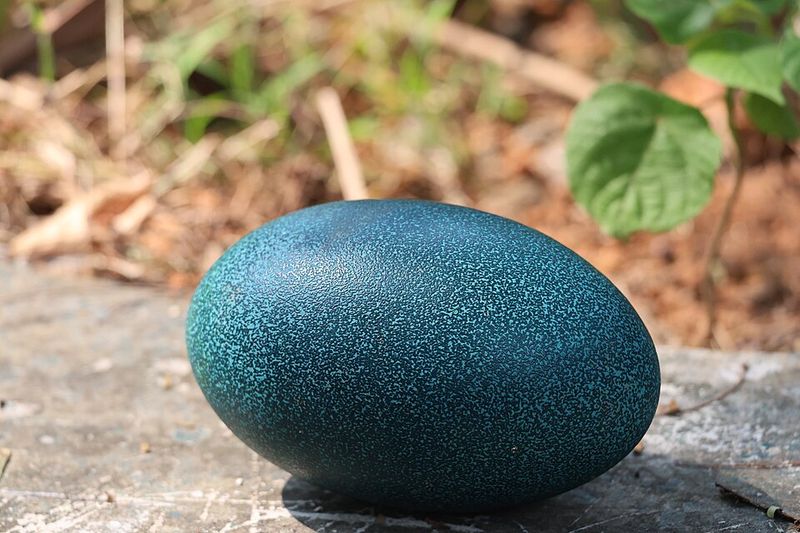
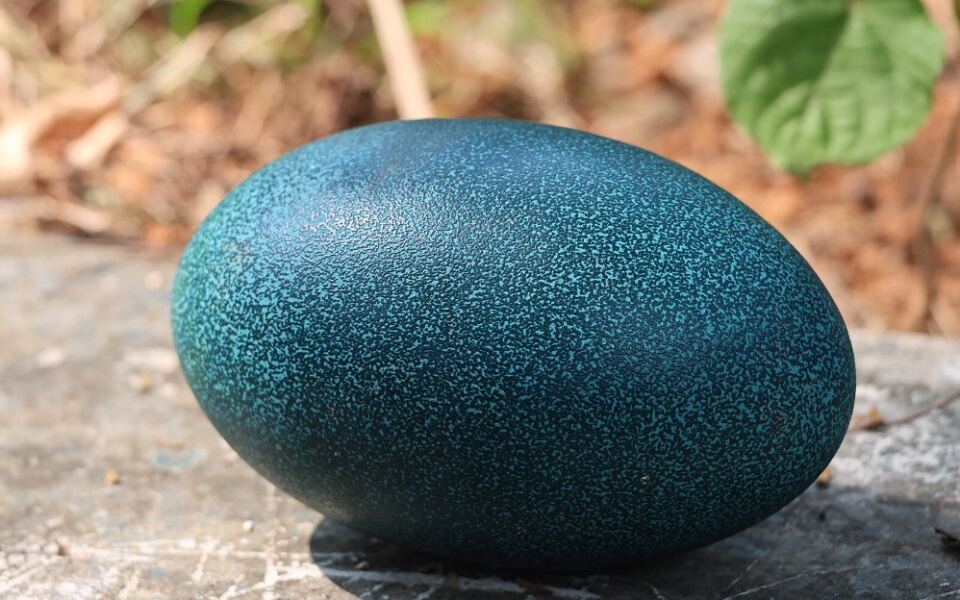
Dark green and bumpy, an emu egg looks almost like a polished stone. Underneath that deep teal shell, the egg is about as large as ten chicken eggs.
Emus come from Australia, and farms there and in other countries raise them for meat, oil, and eggs. The egg tastes much like a chicken egg but is richer, with a creamy, dense texture.
Many people buy emu eggs for their beautiful shells, which artists carve into decorations. The inside can be eaten, too, and one egg can serve a small group.
Crack the shell with care, as it is tough. Scrambled emu egg works well for a weekend breakfast.
Emus lay mainly in cooler months, so supply is seasonal and usually limited to specialty farms.
9. Gull eggs
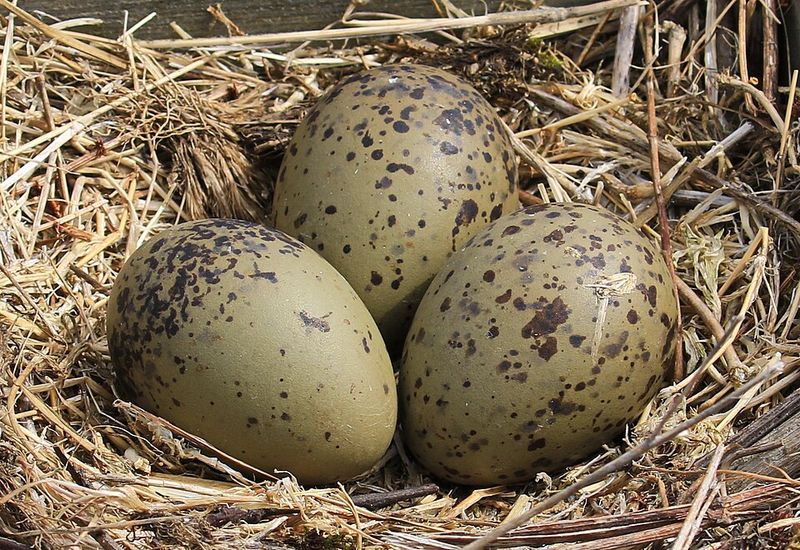
Each spring in England, a short season brings a rare treat to fine restaurants. Black-headed gull eggs are served soft-boiled with celery salt, and the supply lasts only a few weeks.
The eggs are pale olive with dark blotches. When cooked, the white turns a pearly, slightly translucent shade, and the yolk is deep orange and silky.
The taste is rich and a bit more mineral than a chicken egg. Many diners describe it as clean and delicate.
Collection is tightly controlled by law, and only licensed gatherers can take them. The eggs are never taken from just anywhere, so buying is limited to specialty suppliers.
Because of the short season and rules, they cost far more than common eggs.
10. Salmon eggs
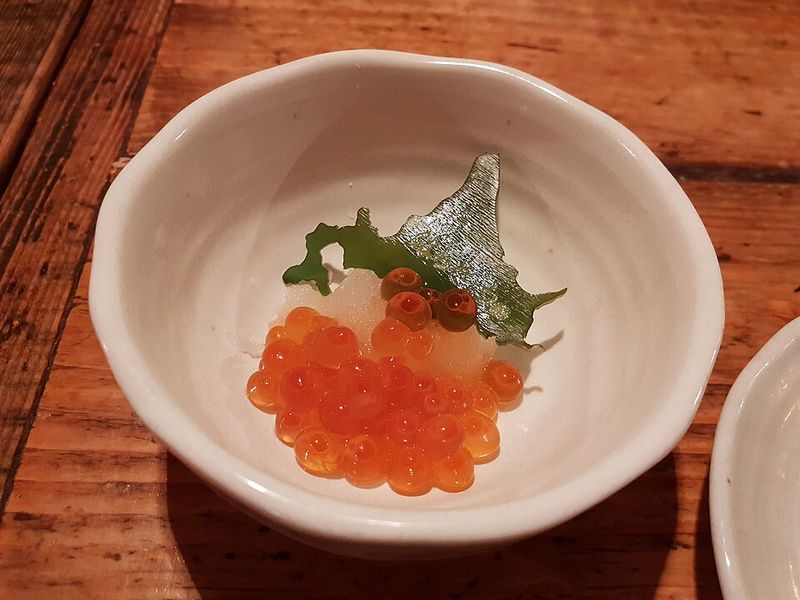
Bright orange and glossy, salmon eggs look like tiny jewels. Known as ikura in Japanese cooking, they are about the size of a small pea.
Each one pops in the mouth with a burst of salty, slightly sweet liquid. The taste is clean and ocean-fresh, and the texture is the main attraction.
Sushi chefs place them on rice or in small bowls. At home, they work well on crackers with cream cheese, or over a plain rice bowl.
Salmon roe is rich in omega-3 fats and protein, but it is also high in sodium, so small servings are best. Keep it cold and eat it within a few days of opening the container.
Look in the refrigerated seafood section of larger grocery stores.
11. Trout eggs
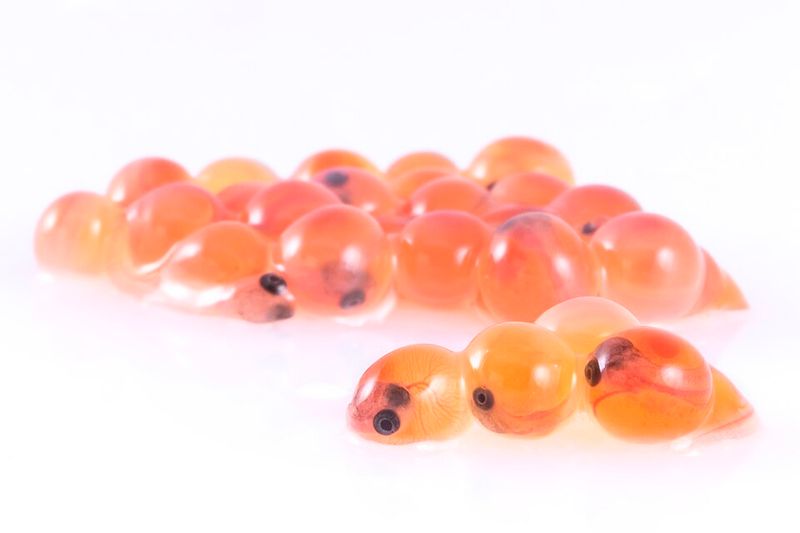
Smaller than salmon roe and lighter in color, trout eggs offer a softer, more delicate pop. They range from pale gold to light orange, and each egg is about the size of a pinhead.
The taste is mild and slightly sweet, with less saltiness than larger roe. That makes it a friendly starting point for people new to fish eggs.
Cooks often use them as a garnish for deviled eggs, smoked fish, and creamy soups. A small spoonful adds color and a gentle burst of flavor without overpowering a dish.
Trout roe usually comes from farmed rainbow trout, which makes it more affordable than many other fish eggs. Keep the jar chilled and use it within a few days after opening.
Serve it cold for the best texture.
12. Sturgeon eggs (caviar)
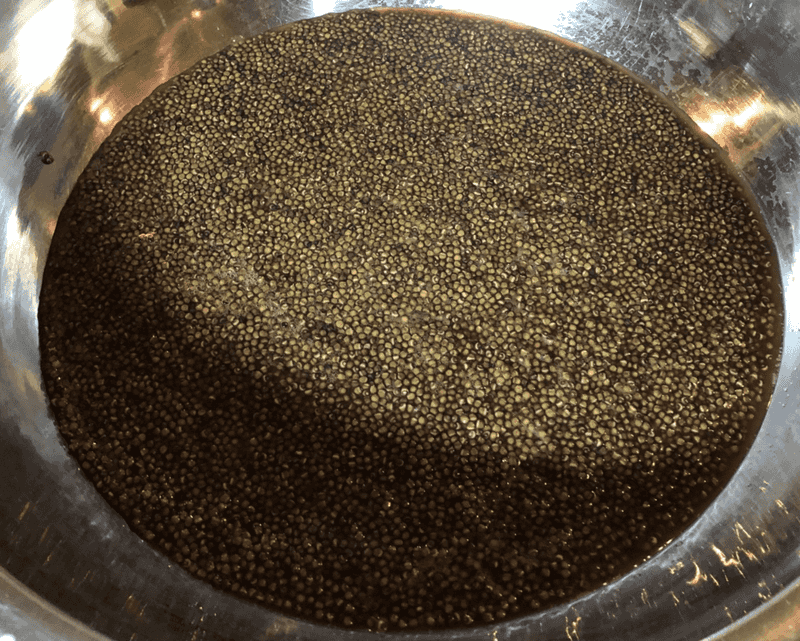
Few foods carry as much fame as caviar. True caviar comes from sturgeon, a large fish that can take many years to mature, which is a big reason for the high price.
The tiny eggs range from black to gray to golden, depending on the type of fish. The flavor is salty, buttery, and a little nutty, with a soft pop on the tongue.
Traditionally, caviar is served on its own or with plain blinis, crackers, or toast. A mother-of-pearl spoon is often used, since metal can change the taste.
Wild sturgeon are protected in many places, so most caviar today comes from fish farms. Look for labels that mention responsible farming.
Store the tin in the coldest part of the fridge and enjoy it soon after opening.
Share this story