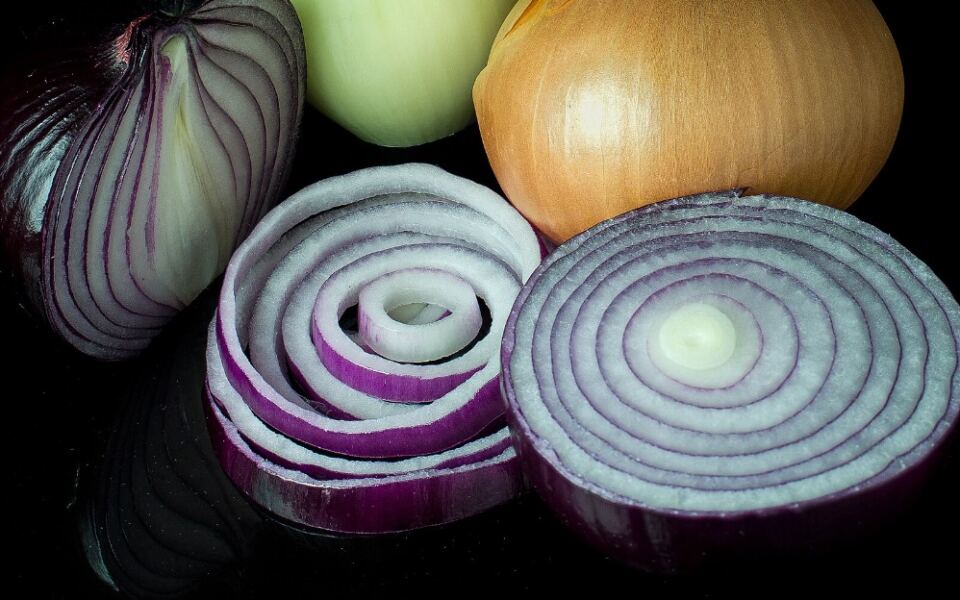
Plenty of kids push their vegetables to the edge of the plate and wrinkle their noses at strong flavors. Then something changes, and those same foods start showing up on grown-up menus and shopping lists.
Taste buds, cooking skills, and habits all shift with age. Here are 15 foods that many people once avoided and now truly enjoy.
1. Brussels Sprouts
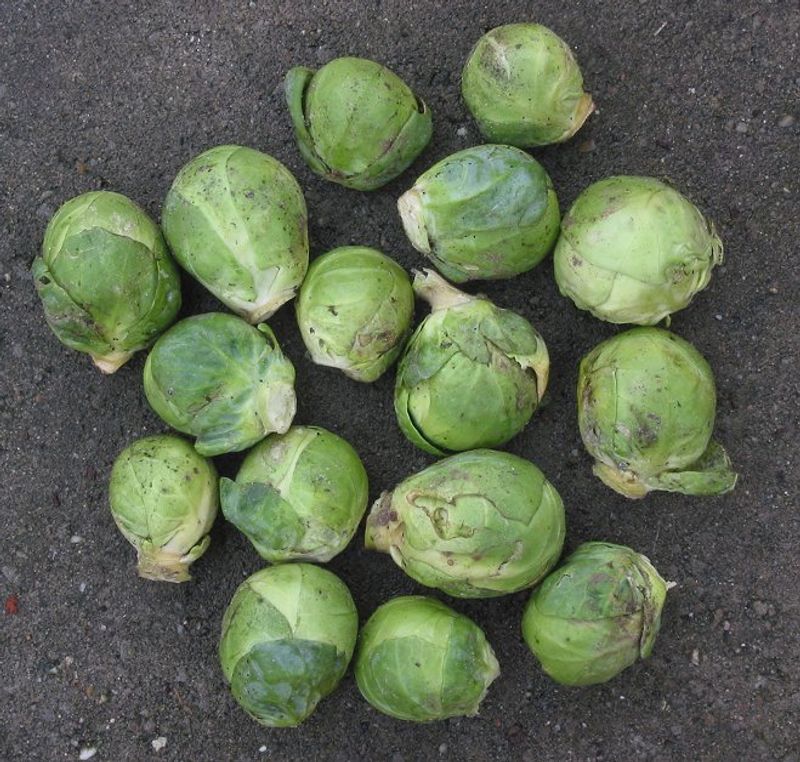
Boiled until gray and soft, Brussels sprouts earned a terrible reputation at many family tables. The smell alone could clear a kitchen, and the bitter taste made kids push them aside.
Roasting changed the story completely. High heat browns the edges, softens the centers, and brings out a nutty sweetness that boiling never could.
A simple toss with olive oil, salt, and garlic is enough to win over many skeptics. Some cooks add crispy bacon, a splash of balsamic vinegar, or a sprinkle of Parmesan for extra flavor.
Cut each sprout in half and place it cut side down on the pan for the best browning. Roast at about 425 degrees Fahrenheit for 20 to 25 minutes, and the leaves turn crisp like tiny chips.
2. Broccoli
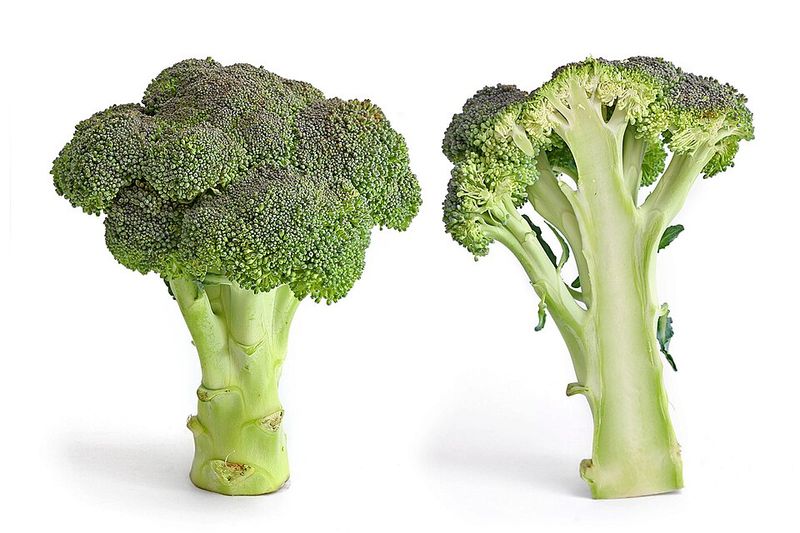
Few vegetables have sparked as many dinner-table standoffs as broccoli. Those little green trees seemed more like punishment than food, especially when they were steamed into mush.
Grown-up cooks know better. Roasting at high heat crisps the tips and gives the stalks a mellow, slightly sweet taste.
Grilling adds a smoky edge, and a blanket of melted cheddar turns the whole dish into comfort food. A squeeze of lemon or a pinch of red pepper flakes can brighten it up even more.
Broccoli also delivers vitamin C, vitamin K, and fiber, so the habit pays off. Try cutting the florets into similar sizes so they cook evenly, and do not crowd the pan.
3. Mushrooms
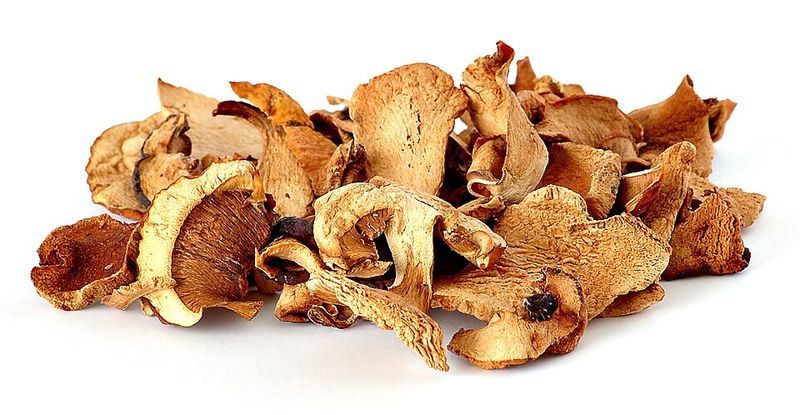
Ask a child about mushrooms and the answer often involves the word slimy. That chewy, soft texture can feel downright odd when you are seven years old.
Adults tend to notice something different: a deep, savory, earthy flavor that makes meals feel richer. Chefs call this quality umami, and mushrooms are packed with it.
The secret to great mushrooms is patience. Cook them in a hot, dry pan until the moisture escapes, then add butter and herbs so they brown instead of steaming.
They are wonderful on pizza, stirred into pasta, piled on burgers, or tucked into omelets. Portobello caps even work as a hearty stand-in for meat on the grill.
4. Olives

Here is a fun trick that many kids know: olives fit perfectly on fingertips. Eating them is another matter, since the salty, briny punch can feel overwhelming to young taste buds.
Over time, people grow to enjoy bold flavors, and olives deliver plenty. Green ones tend to be sharp and firm, while black ones are milder and softer.
Kalamata olives, from Greece, bring a fruity richness that works in salads and pasta sauces. Castelvetrano olives are buttery and mild, which makes them a smart starting point for newcomers.
Olives are also a classic part of the Mediterranean diet, loved for their healthy fats. Set out a small bowl with cheese and crusty bread, and you have an easy snack plate.
5. Blue Cheese
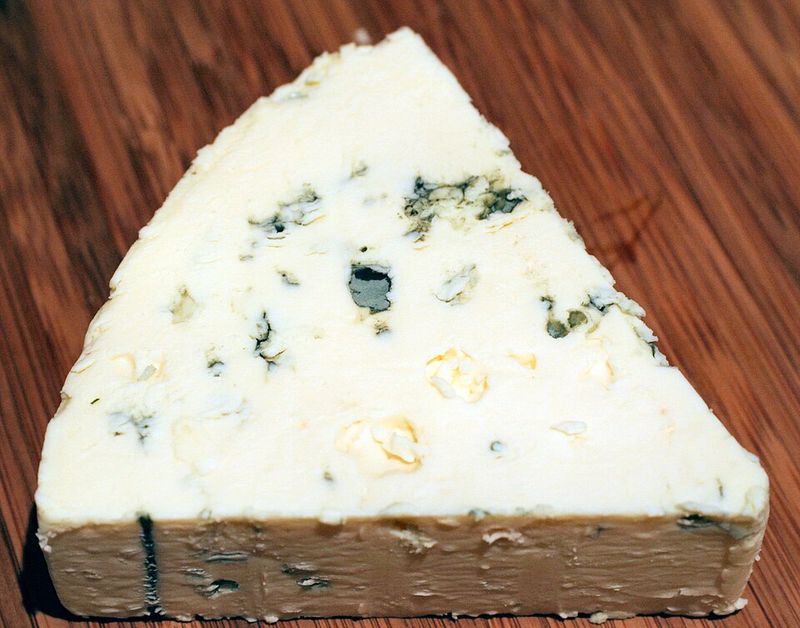
Strong smell, odd veins, and a sharp tang: blue cheese can seem like a science experiment to a child. Many kids take one sniff and decide that is enough.
With age, that bold personality becomes the main attraction. The tang balances sweet and rich foods beautifully, which is why it pairs so well with honey, pears, and walnuts.
The blue-green streaks come from a harmless mold called Penicillium, added during cheesemaking. Popular types include Gorgonzola, Roquefort, and Stilton, each with its own level of sharpness.
Crumble it over a steak salad, melt it into a burger, or whisk it into a creamy dressing for chicken wings. A little goes a long way, so start small and build up.
6. Spinach

Cartoon sailors made spinach look like a superpower, yet real-life spinach often arrived as a dark, soggy heap from a can. No wonder many children refused to touch it.
Fresh spinach is a completely different experience. Baby leaves are tender and mild, and they taste great raw in salads or tossed into a warm pasta.
Cooking shrinks the leaves dramatically, so a whole bag becomes just a few spoonfuls. Sauteing with garlic takes only two minutes, and stirring it into cream sauce makes a classic like creamed spinach.
It also supplies iron, folate, and vitamin A. Blend a handful into a fruit smoothie, and you will barely notice it is there.
7. Asparagus
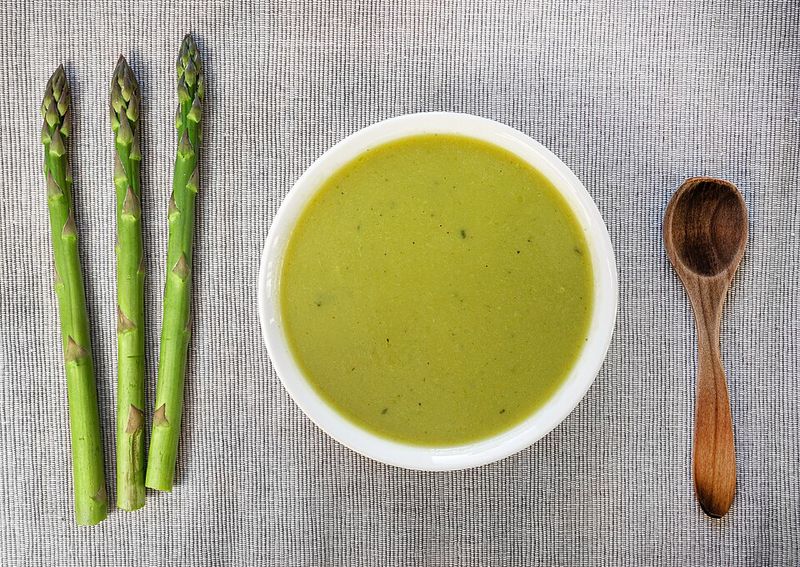
Long green spears with a woody bite and a strange effect on the bathroom: asparagus gave kids plenty of reasons to complain. Overcooked stalks turned stringy and limp, which did not help.
Done right, asparagus is a springtime treat. Thin spears roasted for about ten minutes turn tender with a little crunch left at the tip.
Grilling adds a smoky char, and a pat of butter with lemon zest finishes the dish nicely. Wrapping spears in prosciutto makes an easy appetizer for guests.
To prepare, snap off the tough bottom of each stalk where it bends naturally. Asparagus is also a good source of vitamin K and folate, so it earns its spot on the plate.
8. Avocados
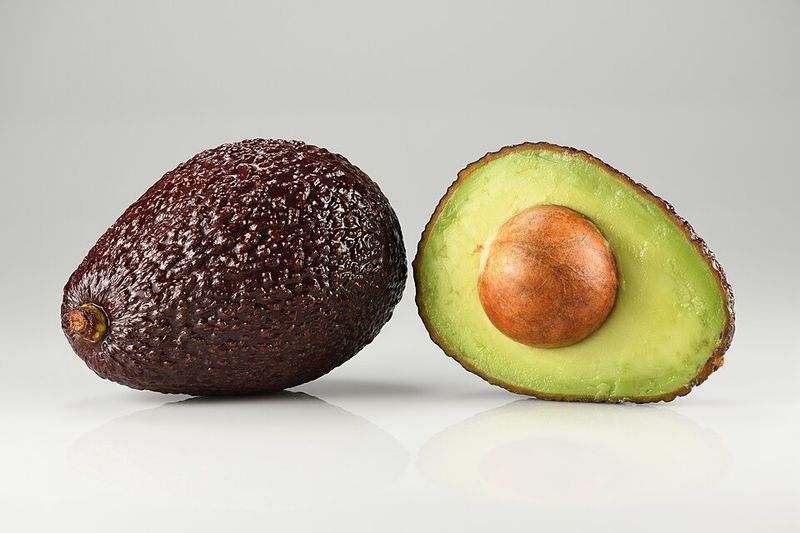
Picture a child poking at a green, mushy fruit and asking what exactly it is. Avocados have a soft, buttery texture and a very mild taste, which can seem strange at first.
Adults tend to appreciate that creaminess, especially when it is mashed into guacamole with lime, onion, and cilantro. Spread on toast with a sprinkle of salt and chili flakes, it makes a quick breakfast.
Avocados contain heart-friendly monounsaturated fats and plenty of fiber. They also work as a rich topping for tacos, burgers, and grain bowls.
For the best results, pick one that gives slightly when pressed gently. If it is still hard, leave it on the counter for a few days to ripen.
9. Eggplant
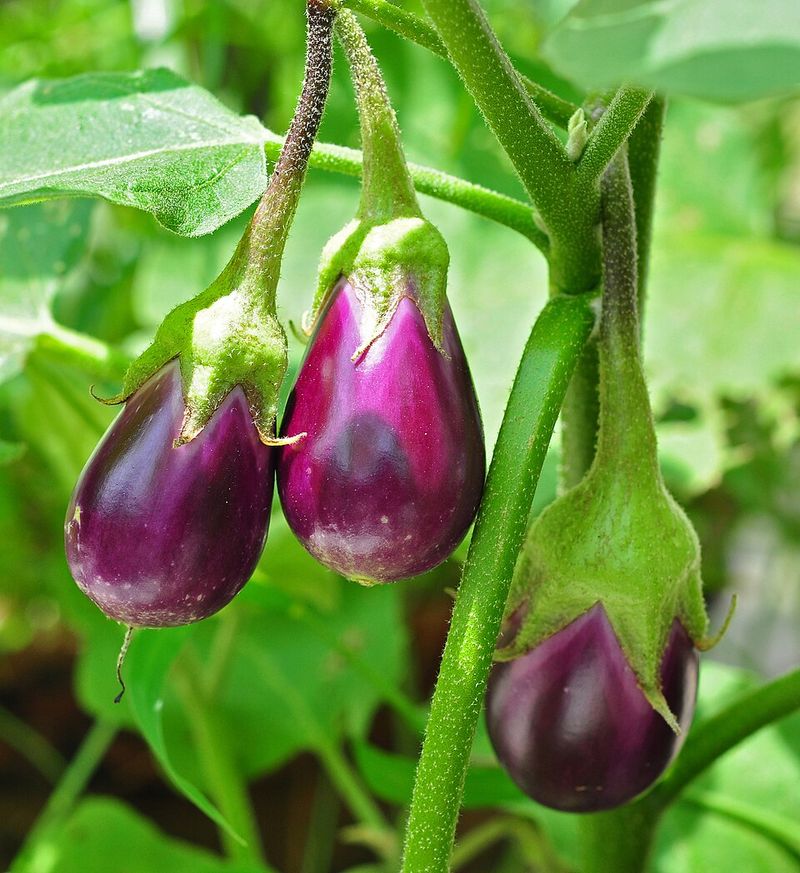
Dark, glossy, and a bit mysterious, eggplant puzzled many young eaters. Cooked badly, it turns spongy and bitter, which is hardly a winning combination.
The trick is heat and a little salt. Sprinkling slices with salt for about 20 minutes draws out moisture, so they brown nicely instead of soaking up too much oil.
Then the possibilities open up. Layered with tomato sauce and cheese, it becomes eggplant Parmesan, an Italian favorite.
Roasted and blended with tahini and lemon, it turns into smoky baba ganoush from the Middle East.
Eggplant also shows up in curries, stir-fries, and ratatouille. Once the texture clicks, it is hard to go back to skipping it.
10. Onions
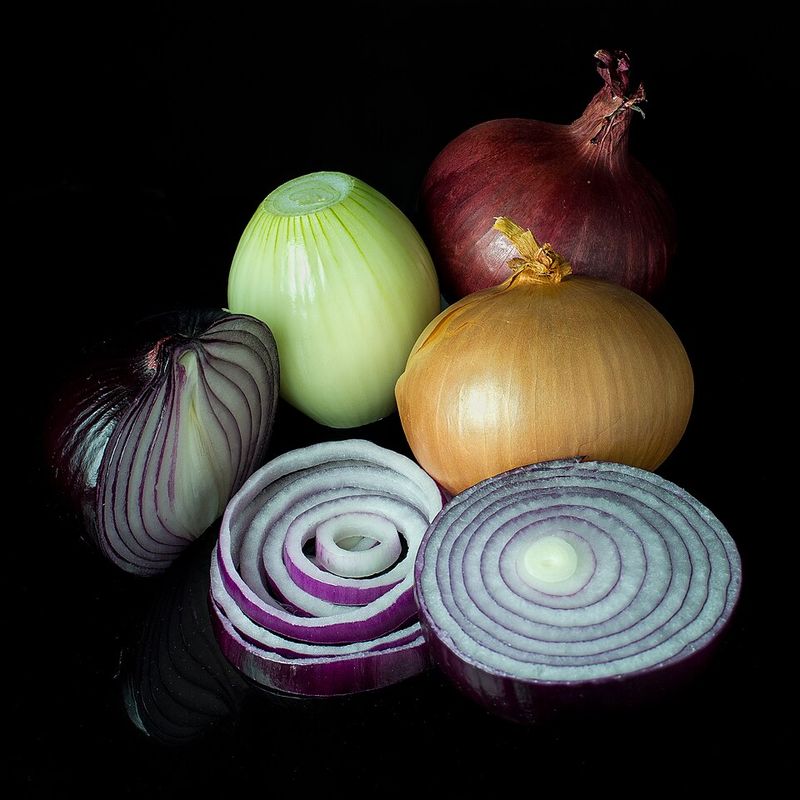
Anyone who has ever carefully picked onion bits out of a meatloaf knows the struggle. Kids notice them right away, thanks to their sharp bite and crunchy texture.
Cooking changes everything. Slowly sauteed onions turn soft, golden, and sweet, because their natural sugars caramelize over low heat.
That sweetness is the base for countless dishes, from French onion soup to burgers to pasta sauce. Raw red onion, sliced thin, adds a crisp zing to tacos and salads.
Soaking sliced raw onions in cold water for ten minutes softens their punch. Keep in mind that caramelizing takes patience, often 30 to 45 minutes, but the reward is worth every stir.
11. Pickles

One bite of a sour pickle can make a child’s face scrunch up like a raisin. That tangy, vinegary snap is simply a lot for young taste buds to handle.
As adults, many people crave exactly that kind of zip. A crisp dill slice cuts through the richness of a burger or a deli sandwich and makes every bite feel balanced.
Pickling is an old method of preserving cucumbers in brine, and it has been practiced for thousands of years. Today you can find sweet bread-and-butter styles, spicy versions, and even fried pickles at restaurants.
Fermented pickles, made with salt water instead of vinegar, also offer probiotics. Try a few chopped into potato salad or tuna salad for a fresh twist.
12. Dark Chocolate

When milk chocolate is the standard, a square of dark chocolate can feel like a letdown. It is less sweet, a little bitter, and far from the candy bar a child expects.
Over the years, taste buds learn to notice subtle flavors, such as cherry, coffee, and toasted nuts. Many adults prefer that depth, and a small piece can feel satisfying all on its own.
The percentage on the label tells how much cocoa the bar contains. A 70 percent bar is a good place to start, and higher numbers taste more intense.
Dark chocolate also contains antioxidants called flavanols, though it is still a treat. Pair it with berries, almonds, or a cup of tea for a simple dessert.
13. Coffee
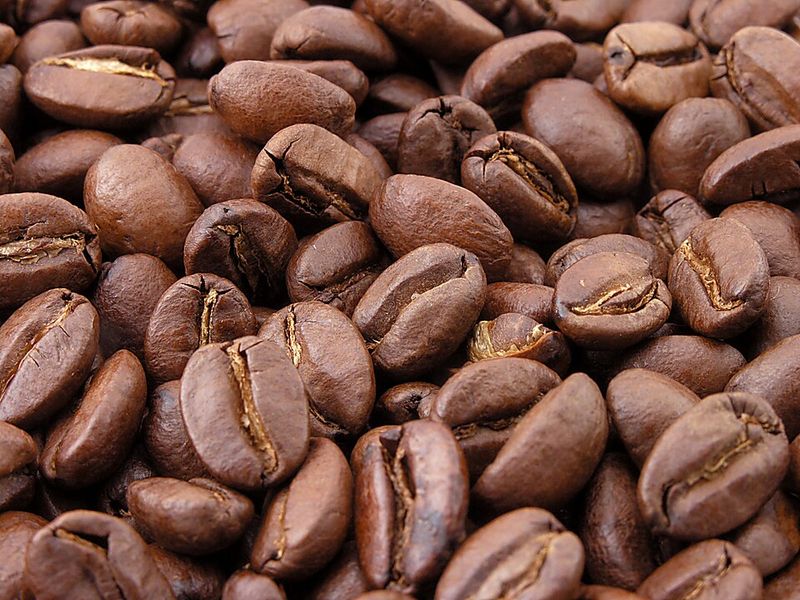
Did you know that coffee beans are actually the seeds of a fruit called a coffee cherry? Kids rarely care, because the drink itself tastes harsh and bitter to them.
Then comes a busy morning, a long workday, or a cozy weekend. Slowly, the smell of fresh coffee becomes comforting, and a cup turns into a daily ritual.
Many people begin with milk and sugar, then gradually move toward lighter additions or none at all. Brewing method matters too, since a pour-over, a French press, and an espresso machine each bring out different flavors.
Moderation is wise, and most health experts suggest keeping caffeine to about 400 milligrams a day for adults. That is roughly four cups of regular brewed coffee.
14. Cabbage
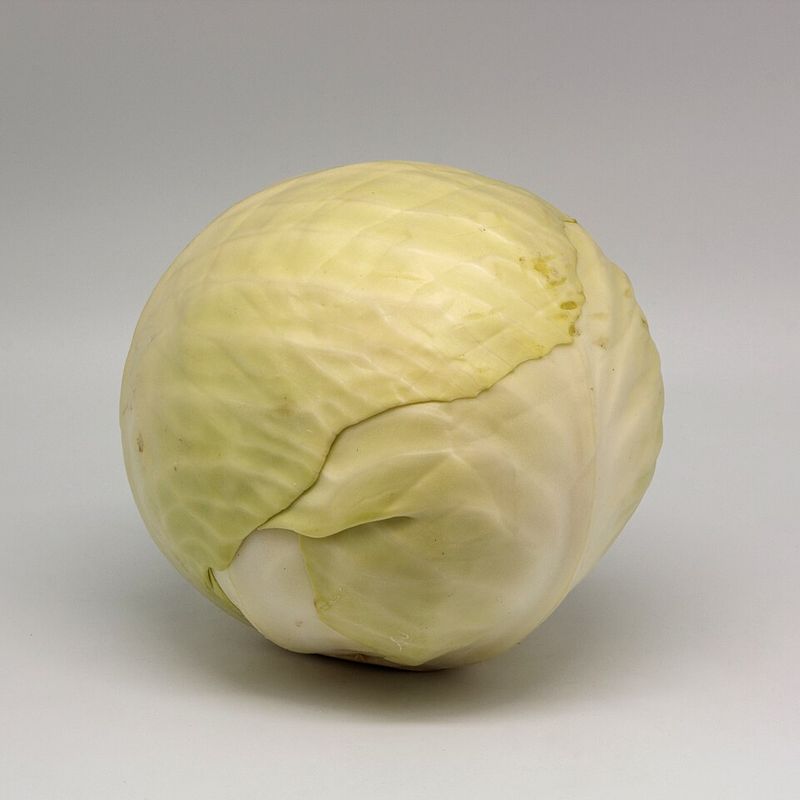
Boiled cabbage has a smell that lingers in the house, and that alone was enough to make many children groan. The soft, watery leaves did not help its case.
Fresh preparations tell a different story. Shredded raw in coleslaw, cabbage is crunchy and cool, with a creamy or tangy dressing.
Stir-fried quickly, it turns sweet and lightly charred. Roasted wedges brushed with olive oil get crispy edges that taste almost like potato chips.
Cabbage is also the base of sauerkraut and kimchi, two fermented foods enjoyed around the world. It is inexpensive, keeps for weeks in the fridge, and provides vitamin C and fiber, making it one of the smartest buys in the produce aisle.
15. Beets
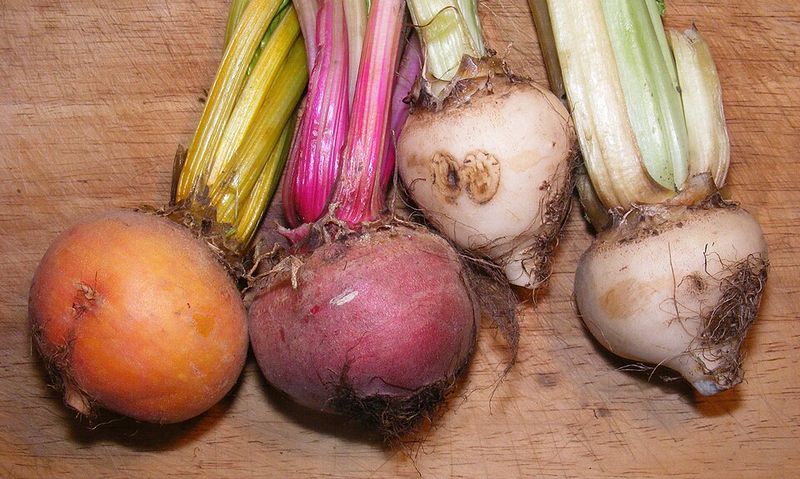
Magenta fingers, magenta plates, and a flavor like dirt: that was the childhood view of beets. Canned versions, often swimming in juice, made things worse.
Roasting is the game changer. Wrapped in foil and cooked for about an hour, beets turn tender and sweet, and the skins slip right off.
The famous pairing is goat cheese, since its creamy tang balances the earthy sweetness. Add walnuts, arugula, and a splash of vinaigrette, and you have a restaurant-style salad at home.
Golden beets are milder and will not stain everything in sight. Beets also offer folate and potassium, so this former dinner-table enemy is worth a second chance.
Share this story