One state has an official question, and it’s about chile sauce. Lawmakers voted on it in 1996, and the correct answer can actually be both.
That little detail sent me straight down a rabbit hole. It led to a landlocked state with an official crustacean, a donut with legal standing, and a soft drink flavored with bitter gentian root.
I love that these choices come from real pride. Some honor old frontier tools that fed cowboys and settlers.
Others started with high school students who asked lawmakers to notice a tiny orange creature living in the woods.
Across America, state symbols usually mean birds, flags, and flowers. The list below wanders somewhere much stranger, with breakfast drinks, prehistoric giants, and an 11-food meal that sounds like a holiday feast.
So which state turned its kitchen table into official business, and which one made a sport out of spearing tiny rings?
1. Utah’s Official State Crustacean
Utah has no ocean, yet it proudly claims an official crustacean. That makes it the only landlocked state with one.
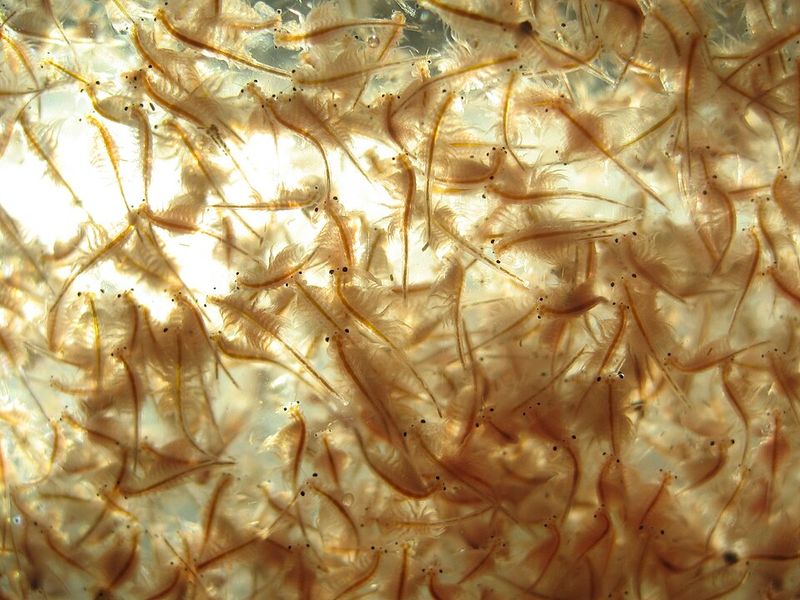
The honor belongs to the brine shrimp, known to scientists as Artemia franciscana. Gov. Spencer Cox signed the bill making it official on March 17, 2023.
Don’t expect a seafood platter, though. These little swimmers measure about one-third to one-half inch long.
They thrive in the super salty water of the Great Salt Lake, where few creatures can survive. Millions of migratory birds rely on them as a major food source.
Here’s a surprise for trivia night. The commercial harvest of brine shrimp cysts from the lake supplies over 40 percent of worldwide demand.
So the smallest symbol on this list might pull the biggest weight. Not bad for a critter you could barely spot.
2. Massachusetts’ Official State Donut
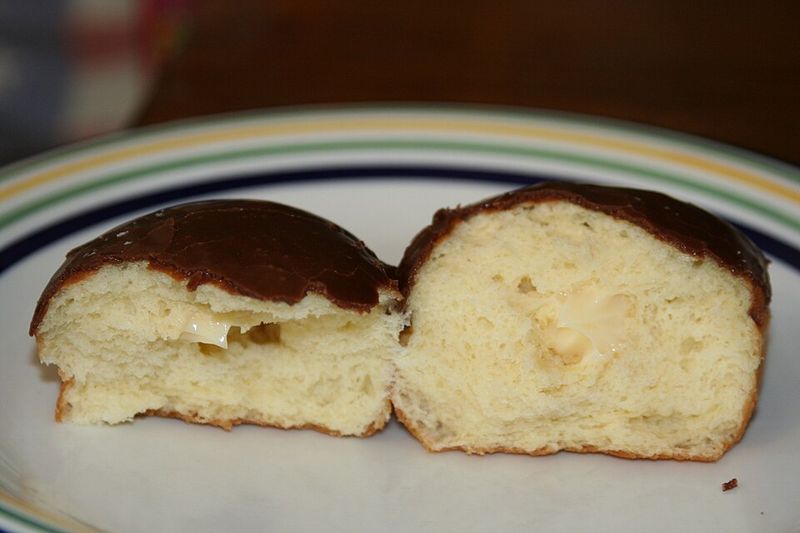
Sweet tooths of Massachusetts, your favorite snack has paperwork. In 2003, the Boston cream donut became the official state donut.
Yes, a whole state has a designated donut. You can respect the commitment even if you prefer sprinkles.
The treat comes filled with custard and topped with chocolate. It borrows its style from Boston cream pie, a classic dessert that also comes from Massachusetts.
That family connection makes the choice feel less random. One famous dessert basically inspired its handheld cousin, and both now carry hometown pride.
I think it’s a smart pick because nearly anyone can try it. No fancy trip required, just a bakery and a few spare minutes.
Next time you bite into one, you’re tasting state history. Feel free to call your coffee break a civic duty.
3. Texas’ Official State Cooking Implement
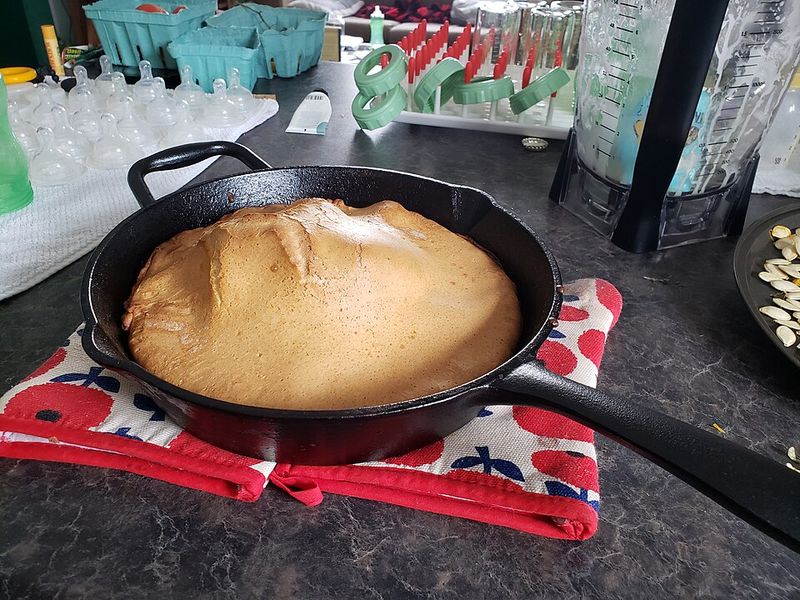
Only Texas would give a heavy iron pot its own official title. The cast-iron Dutch oven became the state cooking implement on June 18, 2005.
Think of it as the cowboy’s slow cooker. Spanish explorers, early settlers, ranchers, and chuckwagon cooks used it to make meals over open fires.
Its tough build helped it survive long trails and rough camps. A Dutch oven could handle stews, beans, and bread without fancy kitchen gear.
Here’s a fun twist. The design with legs and a flat lid for holding coals is often credited to Paul Revere.
The tradition still sizzles today. Groups like the Lone Star Dutch Oven Society keep teaching people how to cook with these pots across Texas.
If you own one already, you’re holding a piece of frontier history. Go ahead and brag a little.
4. Oklahoma’s Official State Meal
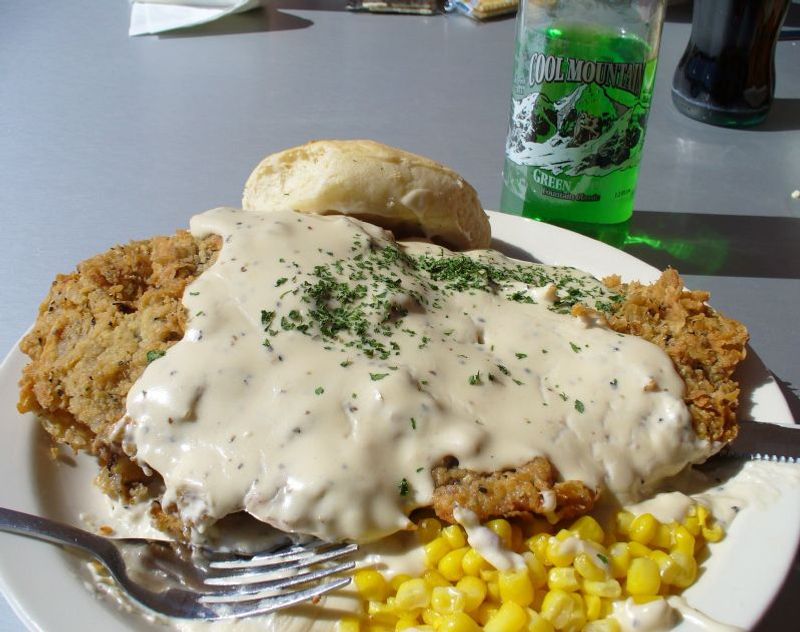
Picking one state food felt too small for Oklahoma. In 1988, the 41st Oklahoma Legislature named an entire Official State Meal instead.
Loosen your belt before reading the menu. It includes chicken-fried steak, barbecued pork, biscuits, sausage and gravy, fried okra, cornbread, and grits.
The list keeps going with corn, squash, and black-eyed peas. Strawberries and pecan pie close things out on a sweet note.
The spread reflects Oklahoma farming and Southern cooking traditions. Each dish connects to food that people in the state have grown, raised, or cooked for generations.
Honestly, it sounds more like a family reunion than a law. I can’t think of a tastier way for lawmakers to spend an afternoon.
Want a fun challenge? Try cooking the whole lineup for friends, and maybe recruit helpers for the pie.
5. Maryland’s Official State Sport

Knights in Maryland? Sort of, and they’ve been at it since colonial times.
Jousting became the official state sport on June 1, 1962. That made Maryland the first state to adopt an official sport at all.
Relax, nobody gets knocked off a horse. Maryland’s ring tournaments ask riders to gallop at full speed through an 80-yard course.
Their goal is to spear small rings hanging in the air with a lance. It takes sharp aim, steady hands, and a horse that trusts its rider.
Men, women, and children compete equally in the sport. The events still carry plenty of old tournament pageantry.
Competitions usually run from May through October. If you love horses or history, catching one sounds like a fantastic summer outing in Maryland.
6. Maine’s Official State Soft Drink
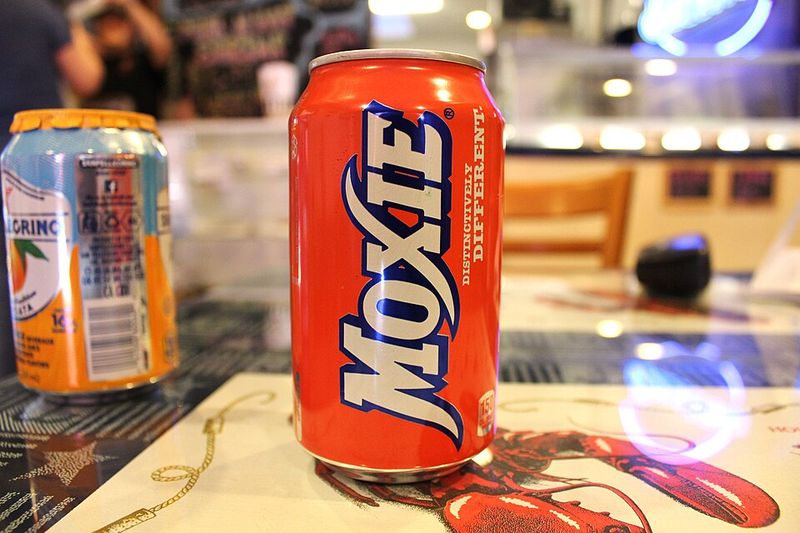
Bitter soda might sound like a mistake. In Maine, it’s an official point of pride.
Moxie became the state soft drink on May 10, 2005. Its unusual flavor comes from gentian root extract, which gives it a sharp, bitter bite.
The drink has a wild backstory. Augustin Thompson created it around 1876 in Lowell, Massachusetts.
Back then, it was sold as a patent medicine called Moxie Nerve Food. Over time, it shifted into a regional soda with a loyal fan base, especially in New England.
Fans even throw it a party. The annual Moxie Festival takes place in Lisbon Falls, Maine.
Curious? Grab a can and decide for yourself.
You’ll either become a fan or have a great story about the strangest sip you’ve tried.
7. Ohio’s Official State Beverage
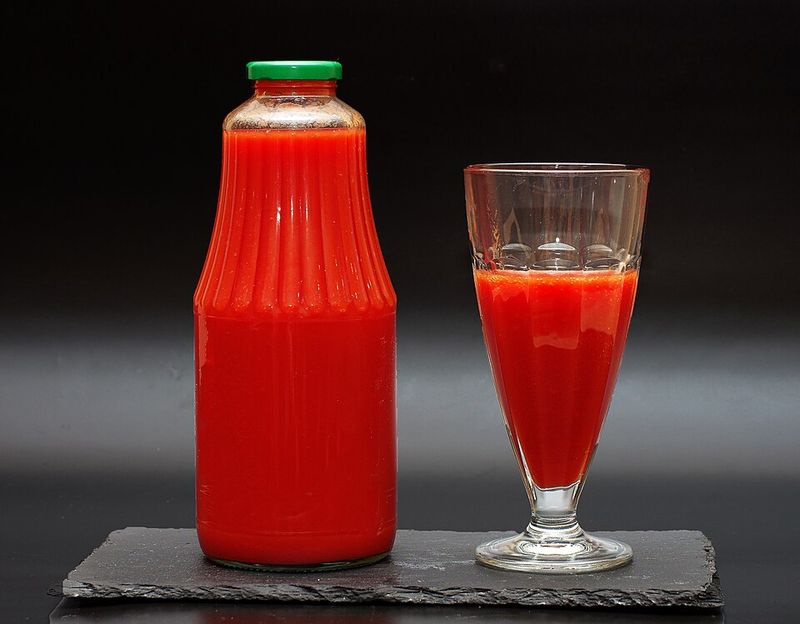
Some states toast with fruit punch. Ohio raises a glass of tomato juice.
In 1965, Ohio became the first state to name an official beverage. Its choice honors a long history of growing and processing tomatoes.
One name stands out in that story. A.W. Livingston, born in Reynoldsburg, Ohio, in 1821, is credited with developing improved, sweeter tomato varieties in the late 1800s.
His legacy still gets celebrated. Reynoldsburg hosts an annual Tomato Festival in his honor.
Ohio didn’t stop at juice, either. In 2009, the state also named the tomato its official state fruit.
That settles the old fruit or vegetable debate, at least in Ohio. Next time someone argues about it at lunch, you’ll have a perfect comeback ready.
8. Michigan’s Official State Fossil
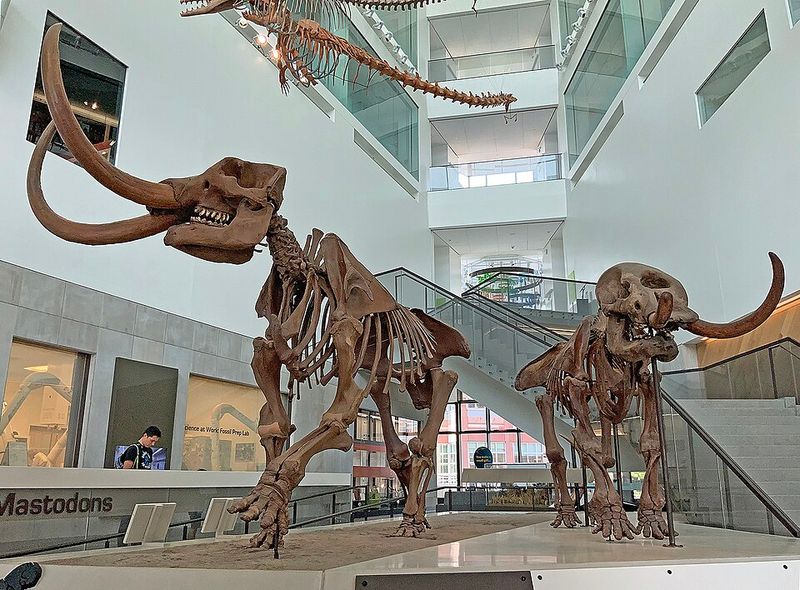
Long before cars rolled out of Detroit, giant beasts roamed Michigan. On April 8, 2002, the American mastodon became the official state fossil.
Mastodons were large, elephant-like mammals. They lived in North America during the Pleistocene epoch and munched on woody plants and leaves.
Michigan has plenty of proof they were here. Mastodon fossils have turned up in over 250 locations around the state.
One of the most complete skeletons was found near Owosso. You can see it displayed at the University of Michigan Museum of Natural History.
I love how this symbol stretches the timeline. It reminds you that the ground under Michigan towns holds stories much older than any city.
Kids who love dinosaurs will especially enjoy this one. Just don’t tell them mastodons weren’t dinosaurs until after the museum trip.
9. Vermont’s Official State Flavor
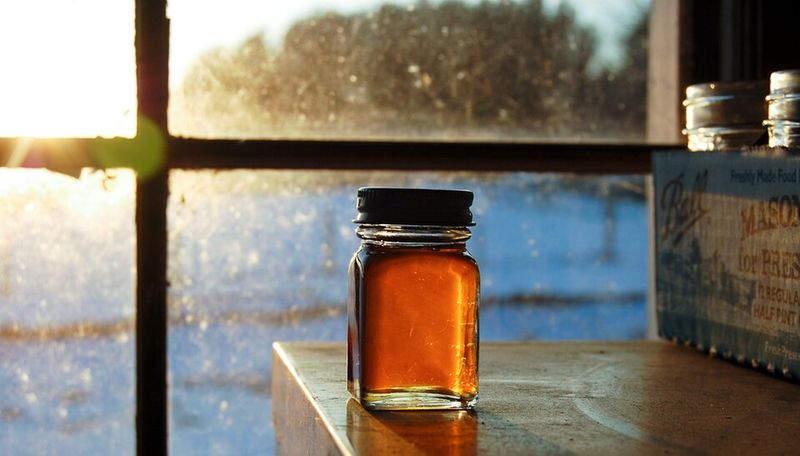
Plenty of states have a state fruit. Vermont went bolder and claimed an entire flavor.
The winner, of course, is maple. The choice honors a tradition rooted deep in Vermont’s landscape and culture.
Vermont leads the country in maple syrup production. More than 7 million sugar maple trees help power its famous maple industry.
That means the flavor shows up in a lot of places. You’ll spot it in syrup, candies, and plenty of desserts.
Out of every symbol on this list, this one might be the easiest to enjoy. You don’t need a museum or festival, just a drizzle over breakfast.
Here’s a sweet idea for your next pancake morning. Use real maple syrup and tell everyone you’re celebrating a state symbol with a fork.
10. Nebraska’s Official State Soft Drink
Oh yeah, that’s right. Nebraska named Kool-Aid its official state soft drink in 1998.
The drink mix was born in Hastings, Nebraska, in 1927. Inventor Edwin Perkins found a clever way to turn a liquid concentrate into powder.
That earlier product was called Fruit Smack. Turning it into powder made it much easier to ship.
The idea grew into a household name. For many people, those bright colors bring back memories of summer afternoons and sticky smiles.
Hastings still embraces its claim to fame. The town throws a yearly Kool-Aid Days festival each August.
Planning a road trip through Nebraska in late summer? Timing your drive around that festival could make for a very colorful stop, and probably a few tinted tongues.
11. Tennessee’s Official State Wild Animal
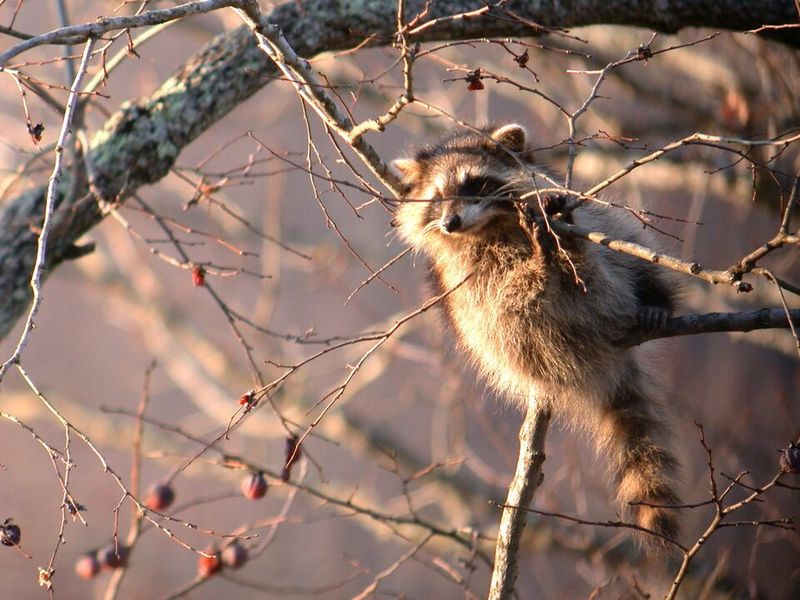
Tennessee could have chosen a fierce predator. Instead, the state went with a masked bandit.
The raccoon became the official state wild animal in 1971. Its scientific name is Procyon lotor.
You probably know the look already. Raccoons have a black facial mask and a bushy, ringed tail.
They’re also famous for adapting to just about anywhere. Raccoons live in forests, wetlands, and even city neighborhoods across Tennessee.
Their diet helps them succeed, since they’ll eat plants and animals alike. Frontier legends, including stories tied to Davy Crockett, add even more Tennessee flavor.
I appreciate a symbol with real personality. If one ever raids your trash can, maybe think of it as a visit from state royalty, then secure the lid.
12. New Mexico’s Official State Question
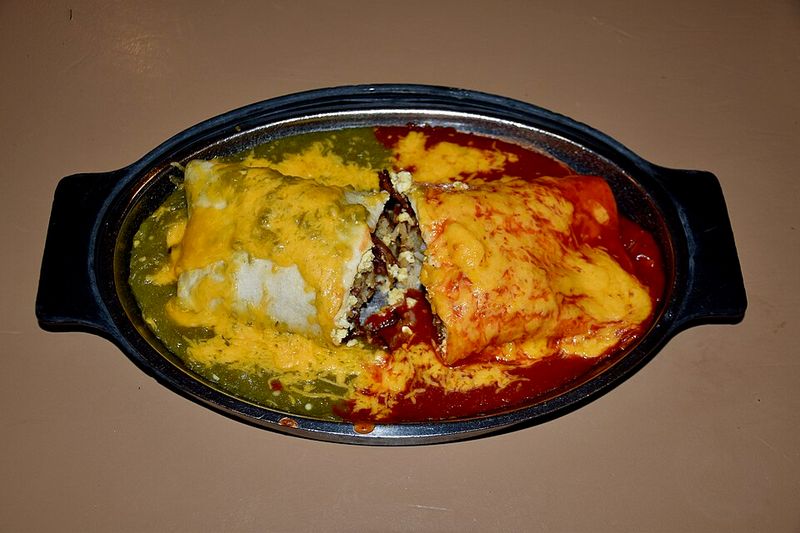
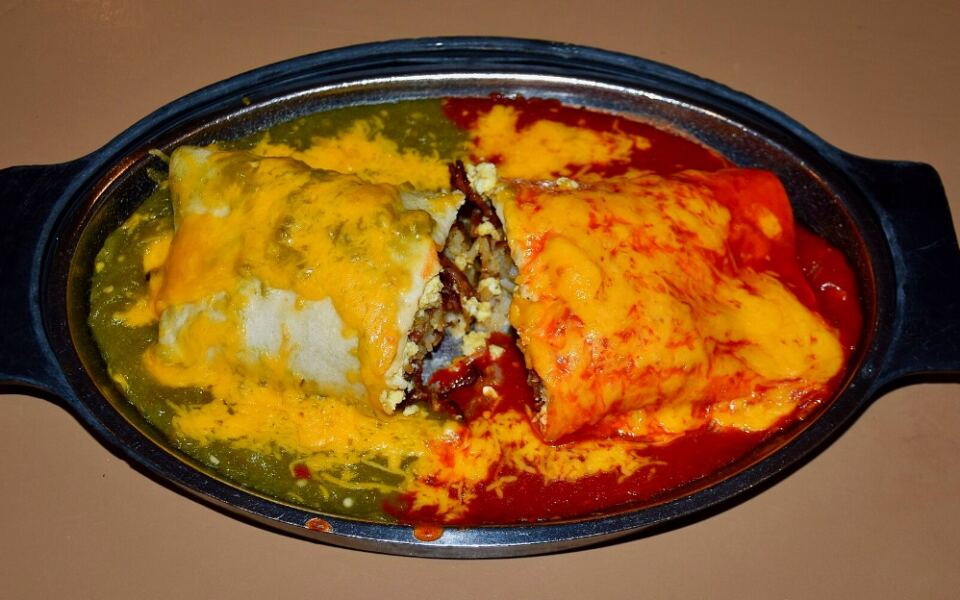
Most states pick a motto, but New Mexico picked a dinner dilemma. In 1996, lawmakers made Red or Green? the official state question.
The question refers to chile sauce, and you’ll hear it at restaurants across the state. Servers want to know if you’d like red chile or green chile on your food.
Can’t choose? You don’t have to, because New Mexico has a perfect escape hatch.
Just say Christmas, and you’ll get both sauces on the same plate.
I adore that a government made indecision so delicious. It turns a simple menu choice into a little piece of local identity that visitors quickly learn.
Before you visit, think about which camp you belong to. Or skip the pressure entirely and go festive, no matter what month it is.
13. New Hampshire’s Official State Amphibian
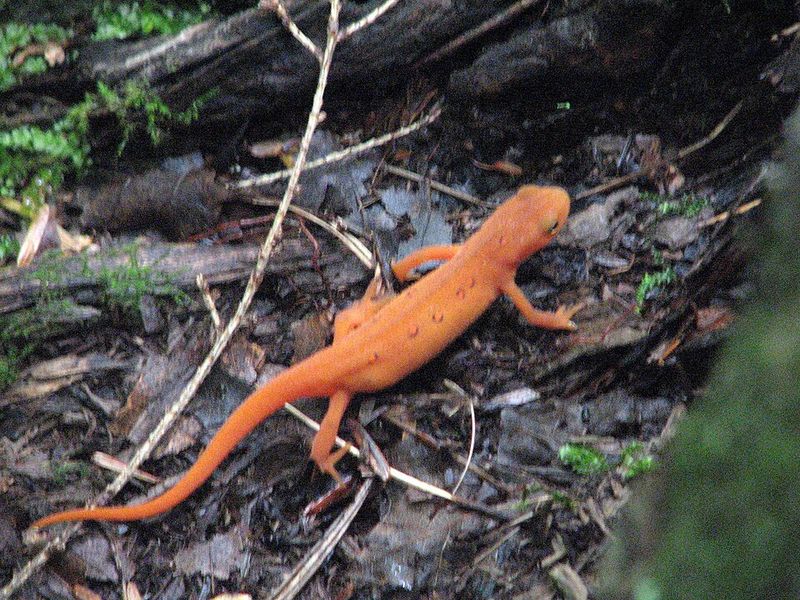
High school students pulled off something impressive in New Hampshire. Their two-year campaign helped make the red-spotted newt the state amphibian in 1985.
That’s a great reminder that young people can shape state laws. A little persistence went a long way here.
The newt lives an odd double life. Its juvenile stage, called a red eft, is bright orange or red and lives on land for several years.
That flashy color has a purpose. It warns predators that the eft’s skin is toxic.
Adults look quite different, with olive to brownish-green skin and red spots. They move into ponds and marshes.
So one creature represents both woods and water in New Hampshire. If you spot an orange eft on a trail, admire it and let it be.
14. Alaska’s Official State Sport

In Alaska, the state sport comes with paws. Dog mushing became official in 1972.
Long before it was a sport, it was a lifeline. For centuries, sled dogs carried people and messages across remote, snowy country.
One famous moment came in 1925. Sled dog teams rushed diphtheria serum to Nome, delivering medicine the town badly needed.
That bravery still inspires people today. The Iditarod Trail Sled Dog Race, first held in 1973, covers roughly 1,000 miles from Anchorage to Nome.
Picking this sport makes total sense for Alaska. It honors the dogs, the mushers, and the winter skills that helped communities stay connected.
Fun thought for dog lovers? Your pup might nap all day, but its northern cousins are basically elite athletes on snow.
15. Wisconsin’s Official State Pastry
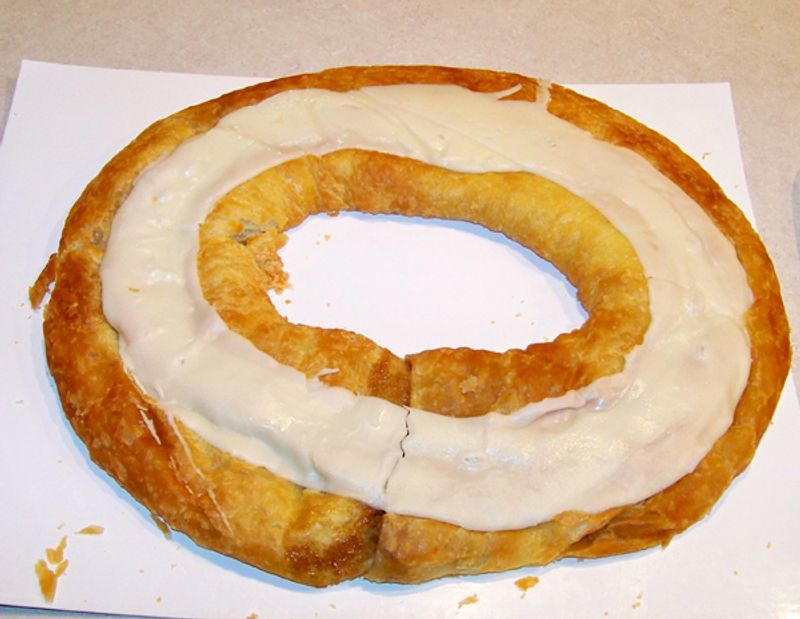
Wisconsin gave its official pastry a date on the calendar. The kringle earned the title on June 30, 2013, and June 30 is now Wisconsin Kringle Day.
Kringle is a flaky, layered pastry. It’s traditionally shaped into an oval and filled with fruit or nuts.
Danish immigrants brought it to Wisconsin in the 1800s. Their recipe stuck around and became a beloved part of state culture.
Racine is especially famous for it. The city’s kringles have become a local specialty and a symbol of Danish-American heritage.
I love that this symbol feels like a family recipe made official. It honors the people who carried traditions across an ocean.
Mark June 30 on your calendar. Sharing a kringle that day sounds like the sweetest way to finish a tour of America’s quirkiest symbols.
Share this story