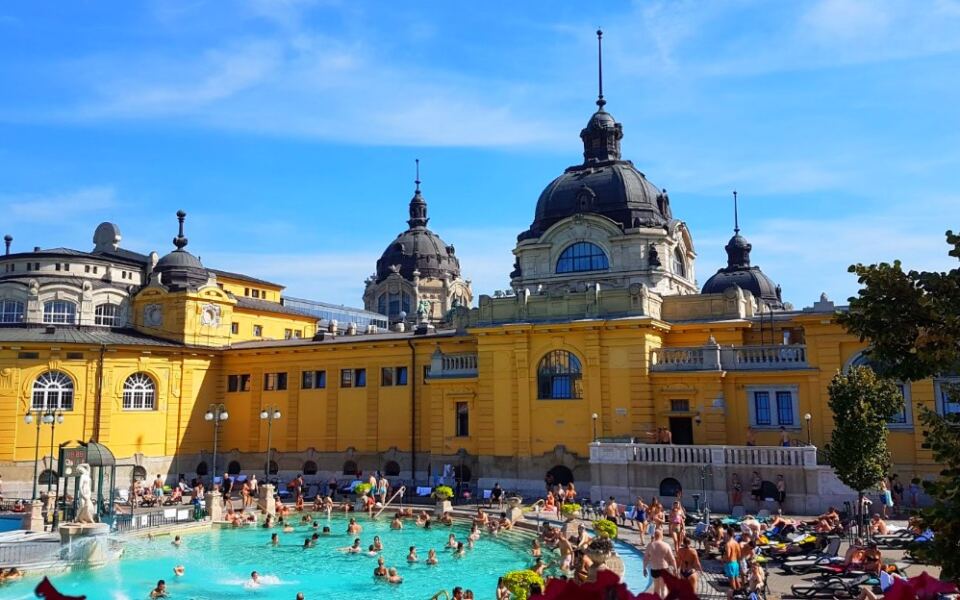
One hot spring in the Czech Republic blasts water up to 12 meters into the air. It does this under a roof, and people sip the cooled water from fountains right beside it.
That detail sent me straight down a rabbit hole. One city in Japan pumps out so much hot water that only Yellowstone beats it.
In England, rain that fell thousands of years ago still bubbles up at about 40°C.
I love that whole towns grew up around this water. People came to soak, chat, and ease sore joints, and they never really stopped coming.
Simple pools turned into grand bathhouses, and muddy banks turned into fancy walkways.
In a few places, you can still soak where Romans once did. In others, the pools run so hot they are strictly for looking.
So which one would you jump into first?
1. Bath, England, United Kingdom
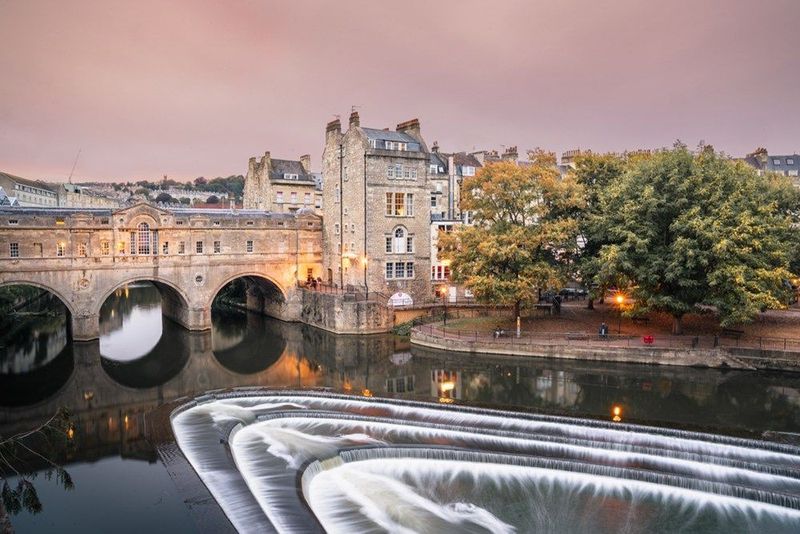
The Romans named this place Aquae Sulis, and they clearly knew a good soak when they found one. They built a temple and bathing complex here by around AD 70.
Today you can stroll the original Roman pavements at the Roman Baths. The Great Bath, fed by the King’s Spring, still steams below stone columns.
Don’t skip the museum, either. Its star is a gilt bronze head of the goddess Sulis Minerva.
You can’t swim in the Roman pool, sadly. For that, head a few steps away to Thermae Bath Spa.
Its open-air rooftop pool gives you city views while you float. The water stays at a comfy 35.5°C.
Fun fact: the springs deliver about 1.3 million liters a day. That water started as rain on the Mendip Hills thousands of years ago.
Later, the Georgians turned Bath into a fashion hot spot. Their honey-colored buildings still line the streets.
2. Karlovy Vary, Czech Republic
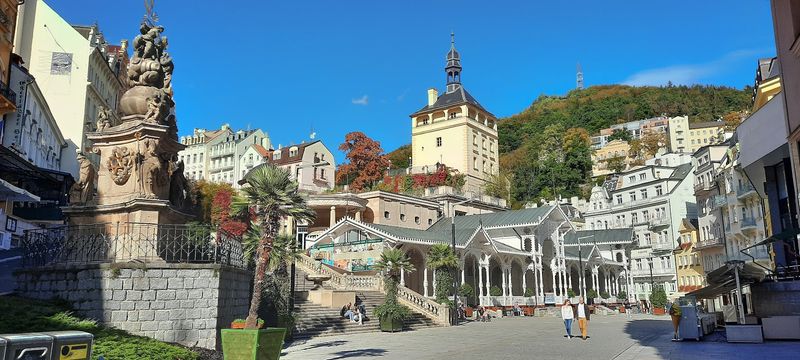
Here, people drink the hot springs instead of just sitting in them. Strolling with a little spa cup is basically the local hobby.
Legend credits Emperor Charles IV with finding the springs around 1350. The town was formally founded in 1370.
Your first stop should be the Mill Colonnade, built between 1871 and 1881. It has 124 Corinthian columns and statues for the months of the year.
Five springs flow inside, ranging from 53°C to 65°C. Entry is free, and it’s open around the clock.
Then comes the showstopper, the Vřídlo inside the Hot Spring Colonnade. It shoots water up to 12 meters high at about 73°C.
Cooled fountains let you taste it at different temperatures. Brave taste buds only, maybe.
From May to September, you can tour the underground spring area. You’ll even see how stone-coated souvenirs get made.
3. Beppu, Oita Prefecture, Japan
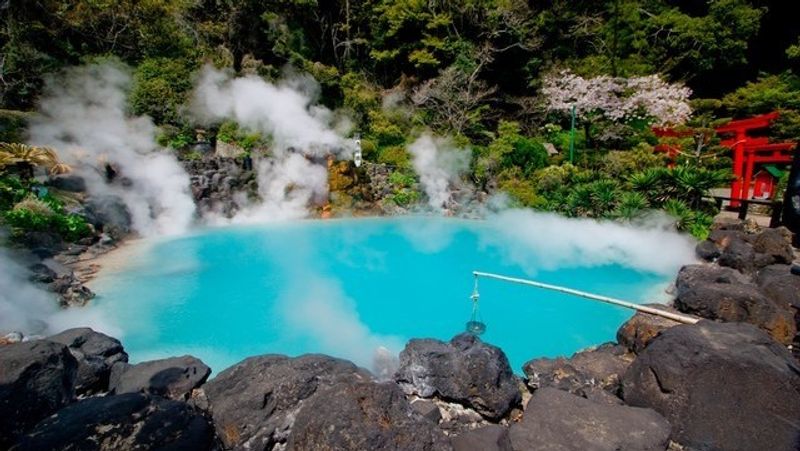
Steam drifts out of the streets in Beppu like the whole city is quietly simmering. Honestly, it kind of is.
Beppu has the most hot spring sources in Japan. Its water output is second only to Yellowstone worldwide.
Head to the Kannawa district for steam vents around nearly each corner. Locals use 98°C steam for a cooking style called jigoku-mushi.
Then tour the Hells of Beppu, seven wildly colored pools. Umi Jigoku glows cobalt blue, while Chinoike Jigoku looks bright red.
Keep your toes out, though. Some of these pools top 100°C, so they’re for viewing only.
Want to actually bathe? Try Takegawara Onsen, opened in 1879 and rebuilt in 1938.
It offers sand baths, where staff bury you in naturally heated sand. It sounds odd, but it’s a Beppu classic.
The Hells open daily from 8 AM to 5 PM. Plan for a full morning.
4. Baden-Baden, Germany
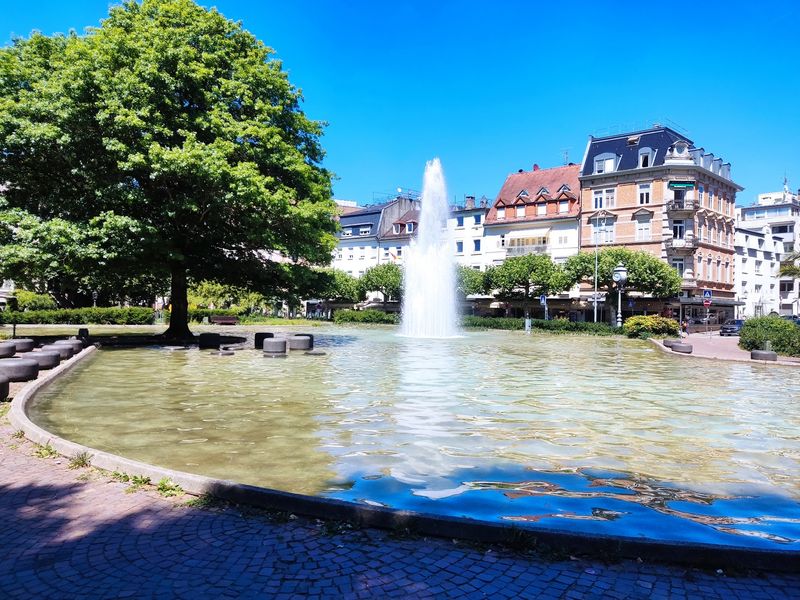
A town so nice they named it twice also happens to sit on twelve thermal springs. Roman soldiers were bathing here around 70 AD.
You can still see their bath ruins beneath the Friedrichsbad. They’re open as a separate museum.
Upstairs, Friedrichsbad opened in 1877 with domed marble halls and painted tiles. You move through a 17-station bathing ritual of steam, heat, and cool pools.
Quick heads-up: bathing there is usually textile-free. Swimsuits are allowed on Wednesdays and Saturdays.
Prefer your soak with swimwear and space? Caracalla Spa sits right next door.
It has indoor pools, a grotto, and outdoor marble pools open year-round. The water runs between 32°C and 38°C.
Afterward, wander the Lichtentaler Allee, a leafy 3-kilometer promenade. It’s free, open all day, and lined with villas and museums.
Emperor Caracalla supposedly came here for his sore joints. You’ll understand why.
5. Saturnia, Tuscany, Italy
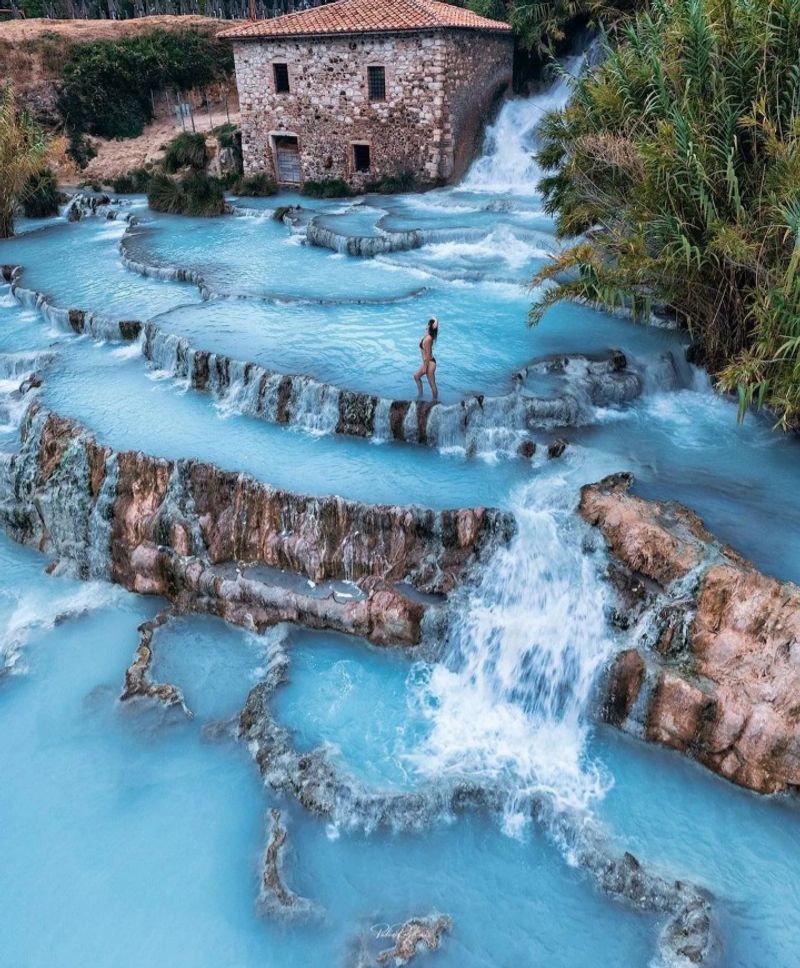
Legend says the god Saturn made these springs, and frankly, he did great work. The water tumbles over pale stone terraces into milky blue pools.
Cascate del Mulino is the famous spot. It’s free and open 24 hours, which feels almost too generous.
The water holds steady around 37.5°C all year. That’s basically bathwater, minus the rubber duck.
Sunrise and sunset are lovely times to go. A seasonal snack bar and paid showers sit nearby.
The Etruscans used these springs back in the 4th century BC. The Romans followed and built baths of their own.
Up in the village, you’ll find pieces of ancient walls, including Porta Romana. The Saturnia Archaeological Museum holds finds from prehistoric to Roman times.
Want more pampering? The Terme di Saturnia resort offers a thermal park and spa treatments.
One tip: the water smells of sulfur. Your swimsuit may remember the trip too.
6. Budapest, Hungary
Chess in a hot tub? In Budapest, that’s a normal afternoon at the baths.
The city sits above more than 100 thermal springs. Romans bathed here in the 1st century AD, and Ottoman rule deepened the tradition in the 1500s.
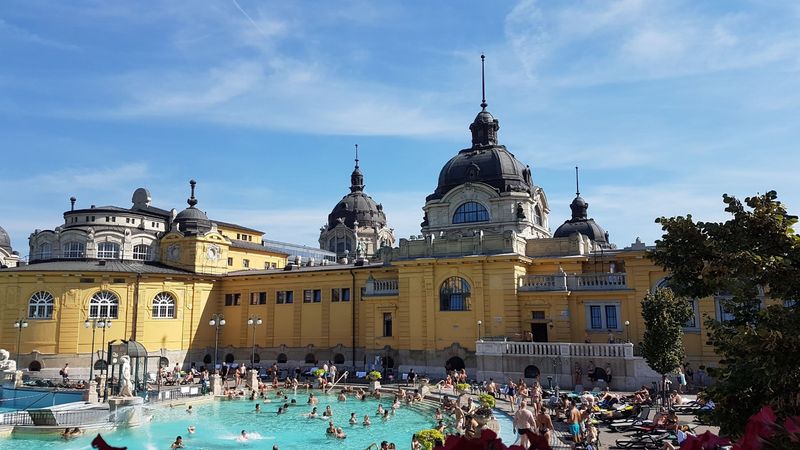
Széchenyi Thermal Bath is the big star. It opened in 1913 and boasts 18 pools.
Three large pools sit outside, framed by yellow Neo-Baroque buildings. The outdoor pools arrived in 1927.
Go in winter if you can. Steam rises off the water while the air bites your nose.
Outdoor pools generally run from 6 AM to 10 PM. Indoor areas close earlier, around 7 PM.
Got extra time? The Buda side holds historic baths like Gellért and Rudas.
Those sit along the main fault line, close to the springs. Széchenyi, on the Pest side, uses deep wells instead.
Bring flip-flops and a towel. You’ll be glad you did.
7. Pamukkale, Denizli Province, Turkey
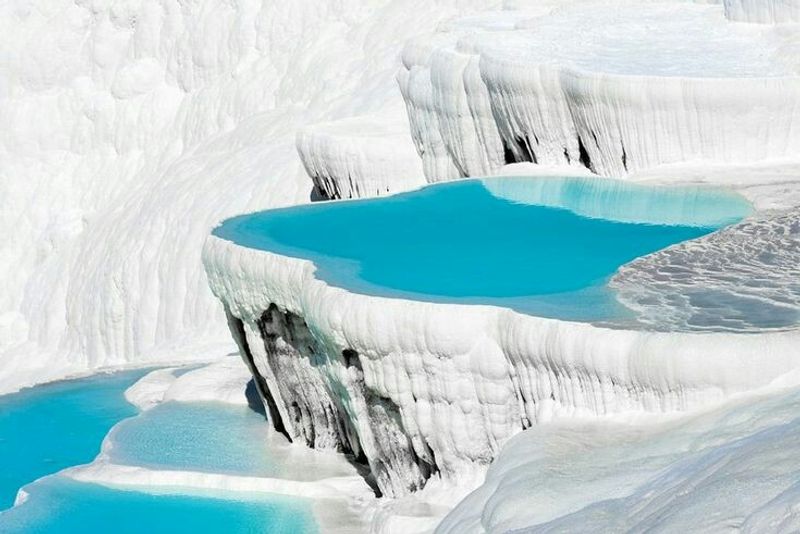
Pamukkale means Cotton Castle, and one look tells you why. Bright white terraces spill down the hill like a frozen waterfall.
Calcium-rich spring water built them over a very long time. The process has been going for at least 600,000 years.
You can walk the terraces barefoot on marked paths. Shallow pools along the way sit around 35°C.
At the top lies Hierapolis, founded as a spa city in the early 2nd century BC. Its Roman theater still impresses.
A huge necropolis holds thousands of tombs. The archaeology museum sits inside the old Roman baths.
Now for the wild part. Cleopatra’s Pool lets you swim among sunken ancient columns.
They toppled during an earthquake in the 7th century CE. Few pools can claim that kind of decor.
The whole site became a UNESCO World Heritage site in 1988. Pack sunglasses, because that white stone glares.
8. Rotorua, New Zealand
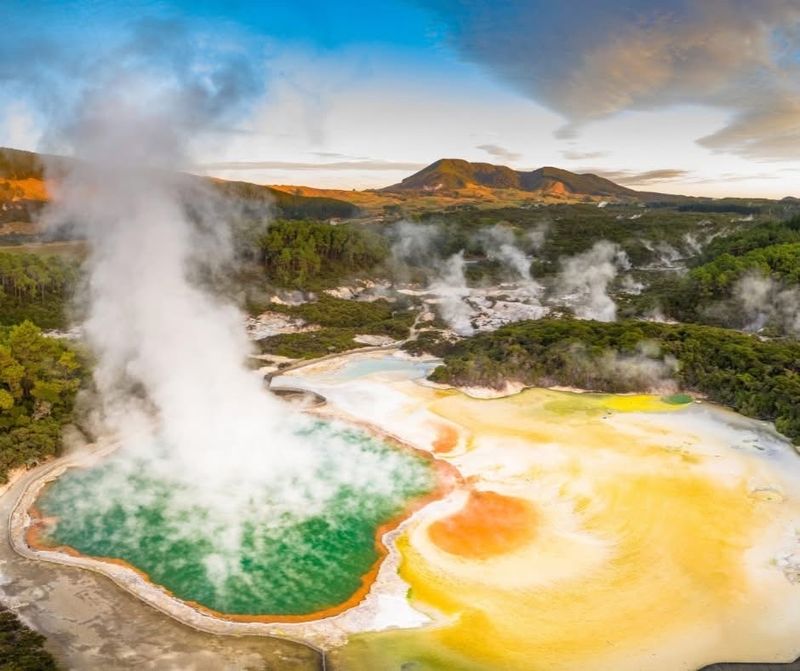
Over 1,500 geothermal features bubble around Rotorua. Yes, that faint eggy smell comes free with your visit.
Māori communities have used this heat for generations. They cook, bathe, and heal with the steam and hot water.
At Whakarewarewa, The Living Māori Village, descendants of the Tūhourangi Ngāti Wāhiao people still live. Guided tours show daily life beside the hot pools, including cooking in them.
You can also see Pōhutu Geyser from there. It’s the largest active geyser in the Southern Hemisphere.
The village opens daily from 9 AM to 4 PM. Cultural performances happen each day too.
For a soak, the Polynesian Spa overlooks Lake Rotorua with 28 mineral pools. Two springs feed it, the alkaline Rachel Spring and the acidic Priest Spring.
It opened in 1972 on the site of older bathhouses. Rotorua’s first formal bathhouse dates to 1882.
Stay late, since the spa runs until 11 PM.
9. Vichy, France
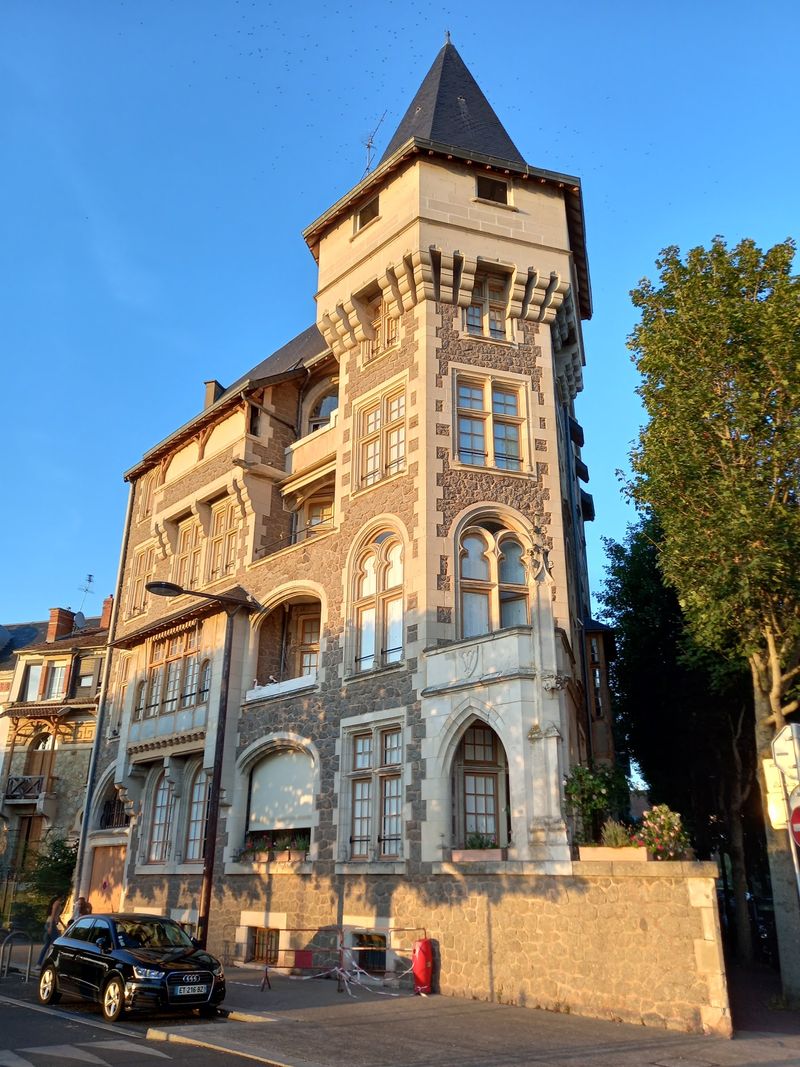
You’ve probably seen the name Vichy on a water bottle. The town behind it is just as fizzy with history.
Romans knew these springs long ago. The real glow-up came later, when Vichy became a fashionable French spa resort.
Head for the Hall des Sources, a historic pavilion with mineral water fountains. You can taste the waters right there.
Fair warning, each spring tastes a bit different. Some are salty enough to surprise you.
Outside, the Parc des Sources keeps the old resort mood alive. Covered walkways let you stroll even if it rains.
Back in the day, visitors came to take the waters for weeks. They also came to see and be seen.
Today, you can follow their footsteps at an easier pace. Wander the park, then explore the grand buildings nearby.
Vichy is part of the UNESCO Great Spa Towns of Europe. Bath and Baden-Baden share that honor.
10. Ourense, Galicia, Spain
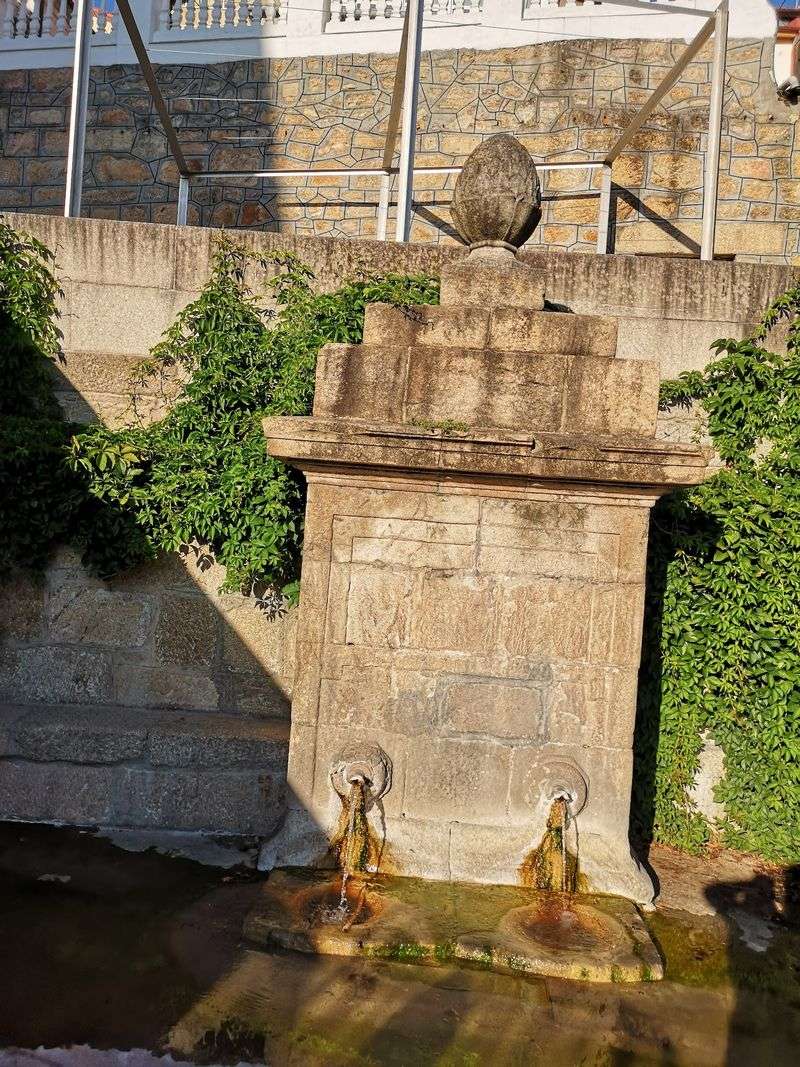
Most cities put a statue in the middle of town. Ourense put a steaming hot spring there instead.
The As Burgas springs rise right in the historic center. People have linked them to the city since Roman times.
On a chilly day, you’ll see steam curling off the stone fountains. It looks a little magical against the old Galician granite.
Go ahead and dip your fingers in. The water comes out properly hot, so be careful.
After that, roam the old town streets around the springs. They make an easy walk from the fountains.
The thermal fun doesn’t stop downtown. More thermal areas line the nearby Miño River.
Facilities and access there vary, so check conditions before you go. Bring a swimsuit just in case.
Ourense proves you don’t need a fancy resort to enjoy hot springs. Sometimes the best soak sits right beside the river.
11. Hot Springs, Arkansas, USA
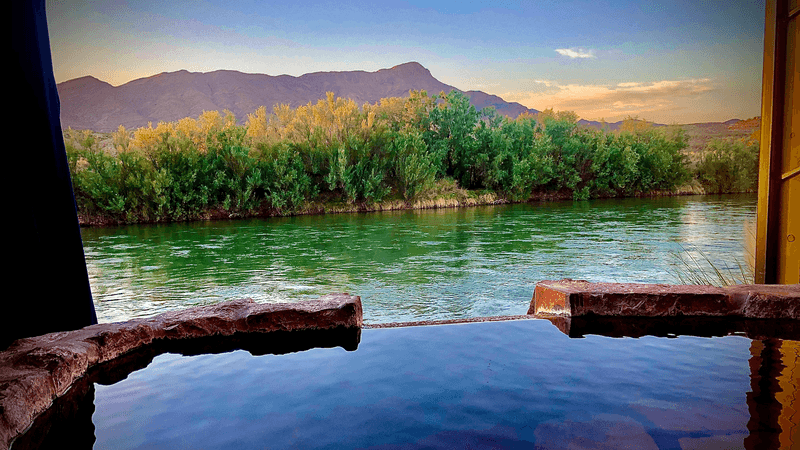
A town named Hot Springs had better deliver, and this one does. Heated water flows from the slopes of the Ouachita Mountains in Arkansas.
Indigenous peoples knew these springs long before the resort days. Later, the town grew into a major American bathing spot.
Bathhouse Row is the main event. Its historic buildings line Central Avenue inside Hot Springs National Park.
Want the old-school soak? The Buckstaff Bathhouse still offers traditional thermal baths.
Other restored bathhouses now hold exhibits and businesses. The Fordyce Bathhouse serves as the park’s visitor center.
Look for public fountains where you can fill a jug with spring water. Plenty of visitors bring their own bottles.
Behind the row, the Grand Promenade gives you a pleasant brick walk. It’s a nice way to peek at the town from above.
Arkansas doesn’t get enough credit for spa history. This town changes that fast.
12. Montecatini Terme, Tuscany, Italy
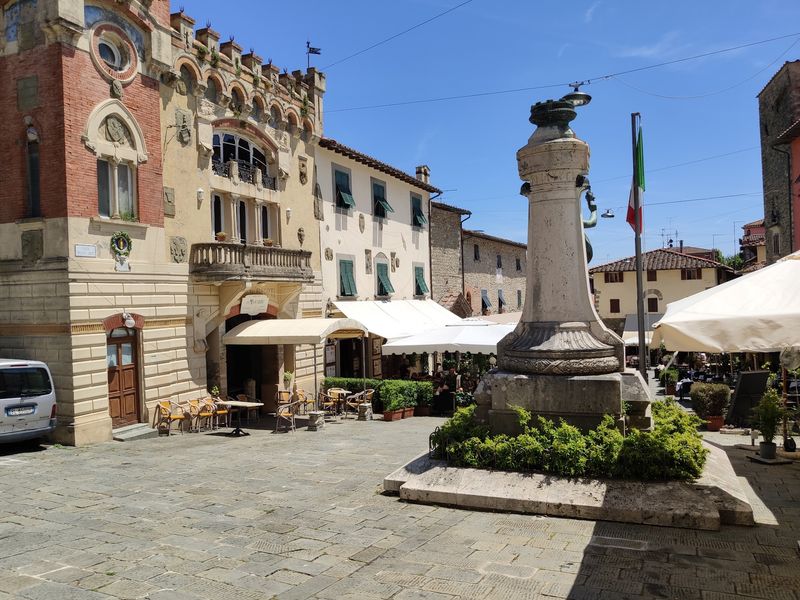
Montecatini Terme did spa life with serious style. Grand hotels, leafy parks, and fancy bathing halls rose around its mineral springs.
The Terme Tettuccio complex is the architectural showpiece. Its colonnades and classical details look straight out of a movie set.
Here’s the twist that charms visitors most. A historic funicular climbs from the spa town up to hilltop Montecatini Alto.
The little red cars creak up the slope through olive groves. Your view gets bigger with each meter.
Up top, you’ll find a quiet medieval village and a small square. The Tuscan countryside spreads out below like a postcard.
The funicular usually runs seasonally, so check the schedule first. Missing it means a steep hike.
Back down in town, the parks make an easy afternoon stroll. Look for the elegant old spa buildings along the way.
Montecatini is also on the UNESCO Great Spa Towns of Europe list. Fancy company indeed.
13. Wiesbaden, Germany
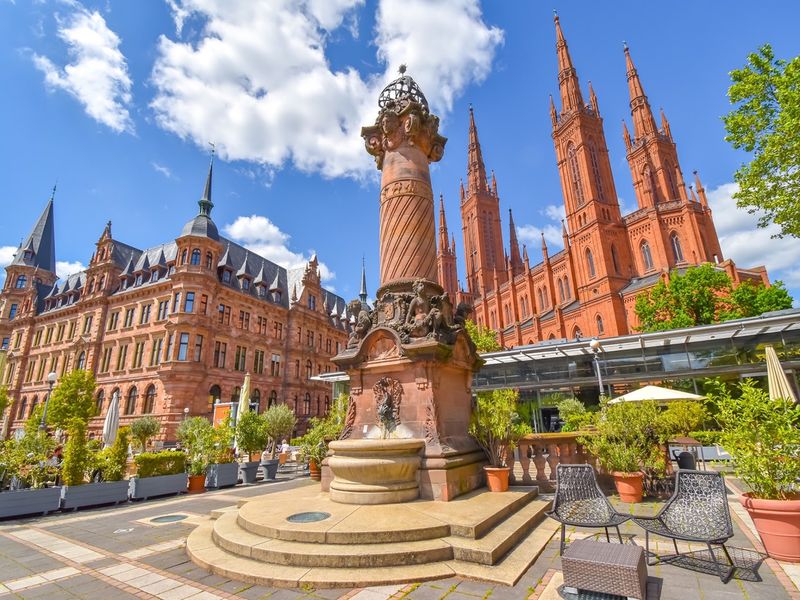
Wiesbaden’s name even hints at bathing, since baden means to bathe in German. Romans enjoyed these springs centuries ago.
Later, the city became one of Germany’s grandest spa resorts. Wide streets and stately buildings still show off that success.
Start at the Kochbrunnen fountain on Kranzplatz. Hot mineral water bubbles up there, and the stones turn rusty orange from minerals.
Sniff with caution. The water has a strong salty, mineral scent.
Next, visit the Kaiser-Friedrich-Therme, a historic bathhouse. It keeps the feel of a classic European bath with saunas and steam rooms.
Then stroll to the ornate Kurhaus. Back in the day, spa visits were as much about parties as pools.
The park behind the Kurhaus makes a lovely loop. It’s a fine spot to cool down after a long soak.
Wiesbaden is a proud member of the Great Spa Towns of Europe. Not a bad final splash.
Share this story