Albert Einstein reportedly skipped socks. Nikola Tesla built daily routines around the number three.
Paul Erdős carried his whole life in a suitcase. Brilliant minds have rarely followed ordinary schedules, and the stories left behind can be as memorable as their discoveries.
From the scientific labs of the 1600s to the recording studios of the 1960s, some of history’s best thinkers developed rituals, hobbies, and habits that baffled the people around them. A few of these tales have grown larger with each retelling, so we will sort the well-documented from the doubtful along the way.
Strange habits did not create genius, but they do show the real people behind famous names. Read on to meet fifteen thinkers, artists, and inventors whose personal quirks became part of their legacies, and see which stories hold up and which deserve a raised eyebrow.
1. Nikola Tesla, The Inventor Fascinated by the Number Three
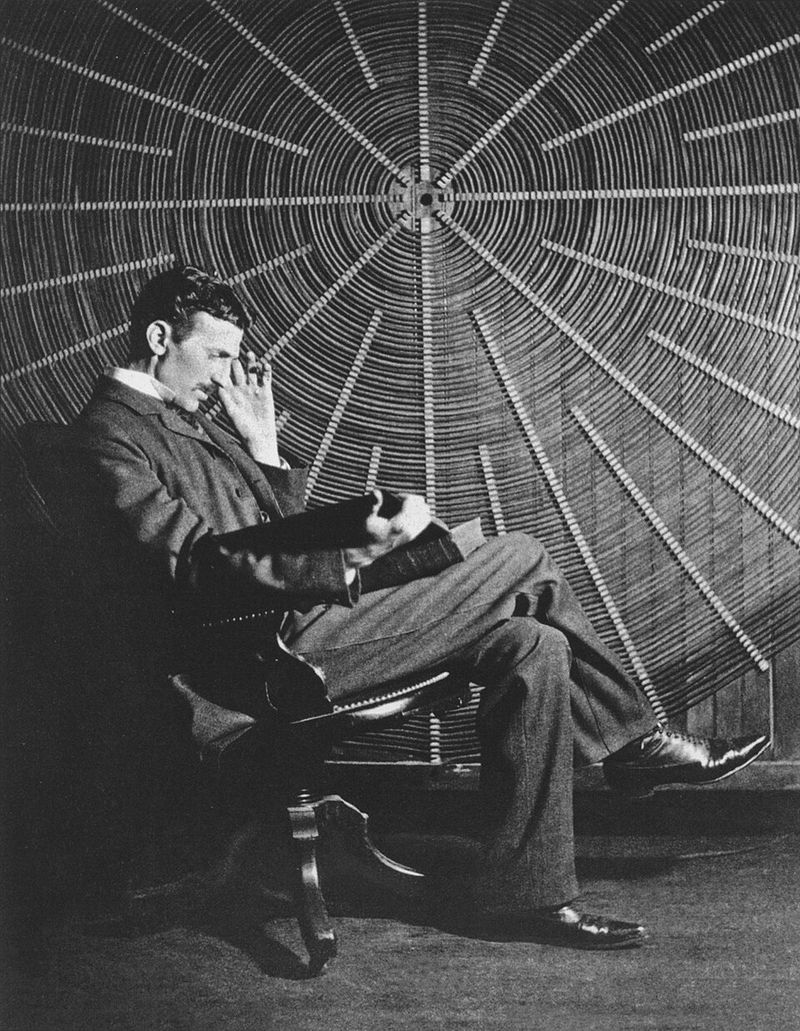
Walking around a city block three times before entering a building sounds like a puzzle, but Tesla reportedly did exactly that. Accounts say he also wanted hotel rooms with numbers divisible by three.
At dinner, he supposedly asked for 18 napkins to polish his silverware and glasses. He was also known for strong worries about germs and avoided shaking hands.
Later in life, pigeons became his closest companions in New York City. He fed them in parks and carried injured birds back to his hotel room.
He once said he loved one white pigeon deeply, and that she gave his life purpose.
Some tales about Tesla have been stretched by retelling. Still, his number habits and long daily walks of eight to ten miles are well recorded in accounts of his life.
2. Isaac Newton, The Scientist Who Experimented on His Own Eyes
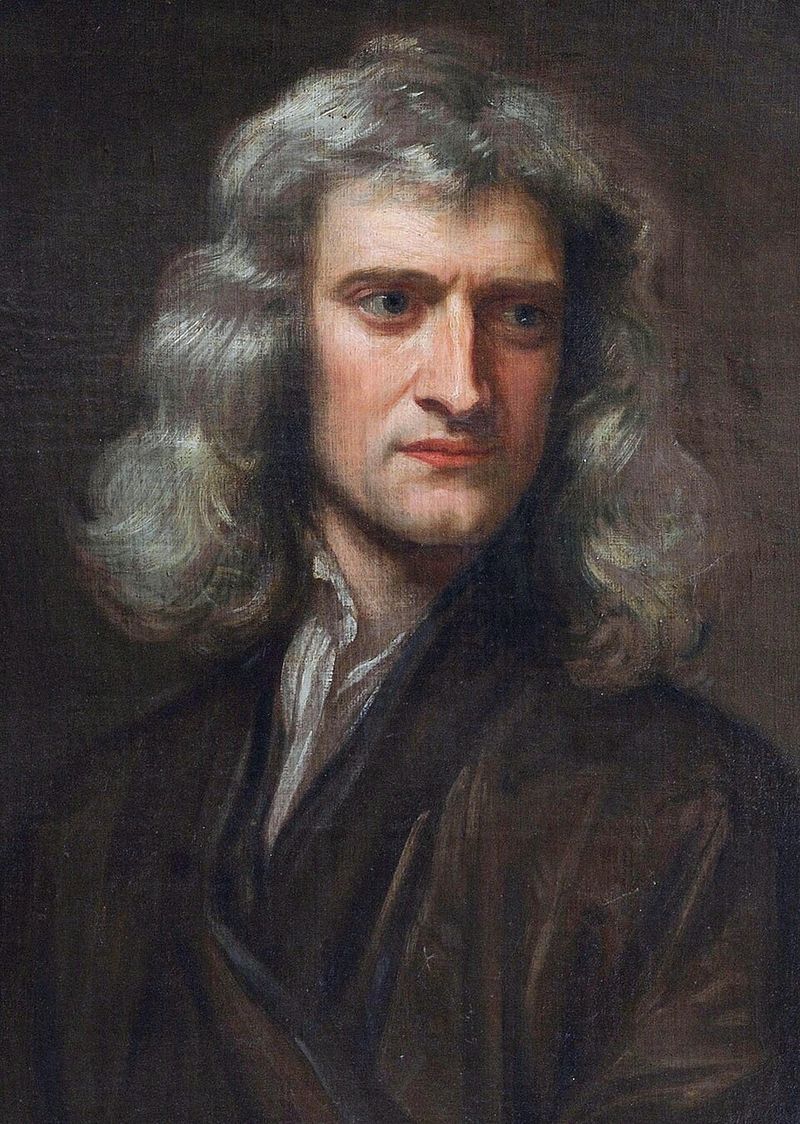
Some scientists test ideas on paper. Newton once tested his on his own eyeball.
In the 1660s, while studying light and vision, he slid a bodkin, a blunt tool, between his eye and the bone of the socket.
He pressed down and carefully recorded the colored circles he saw. Today, those effects are known as phosphenes.
As a young man, he also stared at the sun’s reflection in a mirror to study afterimages. The experiment temporarily affected his vision, and he spent several days in darkness recovering.
His curiosity stretched well beyond physics. Newton devoted an extraordinary amount of time to religious studies, producing extensive writings on biblical interpretation, theology, and ancient history.
He also studied alchemy and examined biblical prophecies, calculating that the end of the world would not occur before 2060.
For someone remembered for explaining the laws of motion, Newton spent a surprising amount of his life investigating mysteries that modern science would approach very differently.
3. Ludwig van Beethoven, The Composer Who Counted Coffee Beans
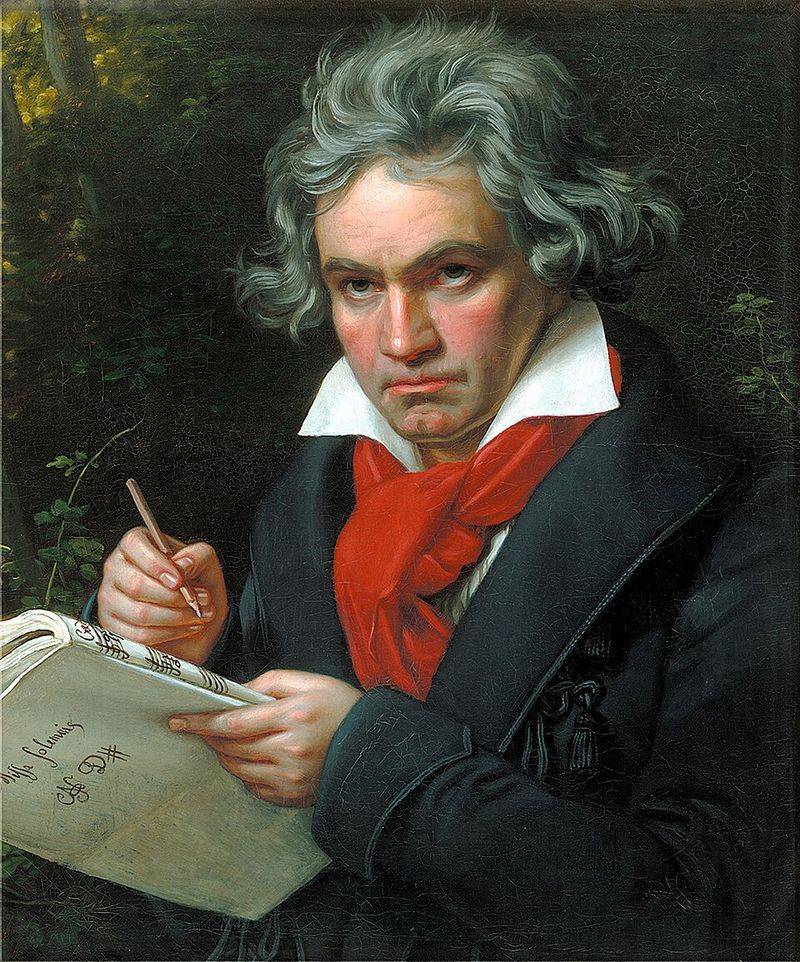
Sixty beans per cup is the number that supposedly defined Beethoven’s morning. The detail comes from his early biographer Anton Schindler, and it has become one of music’s most repeated oddities.
Here is the catch. Modern scholars have found that Schindler altered entries in Beethoven’s conversation books and overstated his closeness to the composer.
So the coffee story is best seen as a famous reported habit, not a proven daily routine.
Other details stand on firmer ground. Beethoven began experiencing hearing problems in his late twenties, and his condition gradually worsened over the following decades.
By his later years, his hearing loss was profound, making ordinary conversations extremely difficult. Friends and visitors often wrote their side of conversations in notebooks so he could respond.
He also moved frequently around Vienna, sometimes because his loud piano playing and difficult relationships with landlords created problems.
His home life could be chaotic, but the music he composed remained remarkably sophisticated and carefully structured.
4. Salvador Dalí, The Artist Who Took His Pet Anteater for Walks
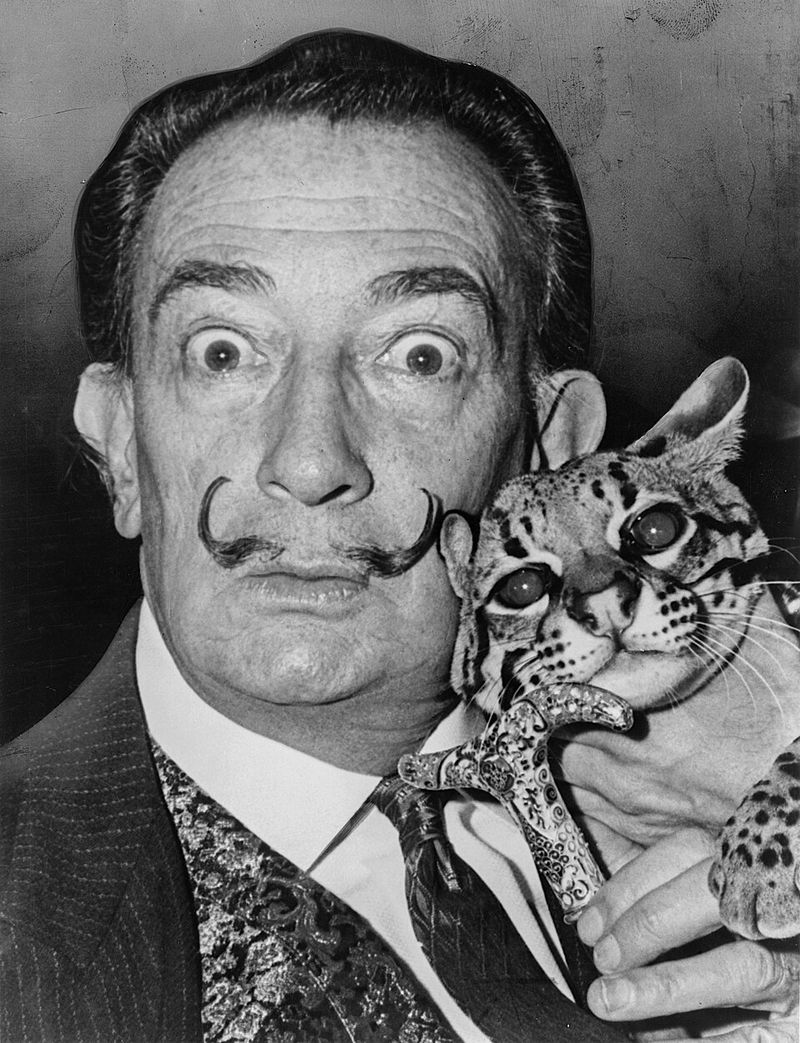
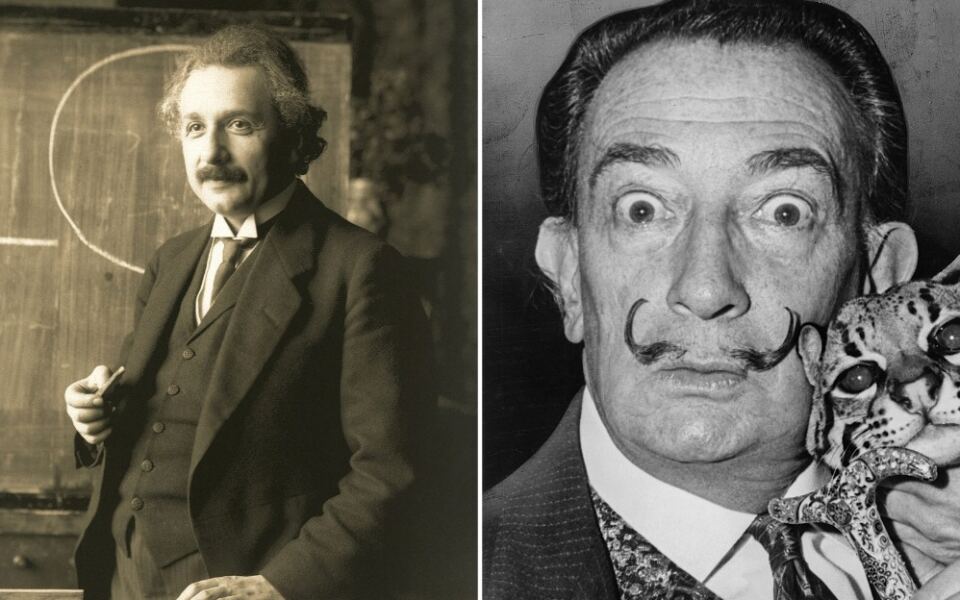
A giant anteater on a leash made headlines in Paris in 1969, and Dalí was holding the other end. Photographs even captured him emerging from a Metro station with the unusual animal.
The scene became one of his most recognizable publicity stunts, although the anteater’s ownership remains uncertain. It is often suggested that the animal was borrowed rather than kept as a household pet.
Two years later, he appeared on The Dick Cavett Show with a smaller anteater, adding another bizarre moment to his television appearances.
His better-documented exotic companion was an ocelot named Babou. The spotted wild cat accompanied Dalí to restaurants, hotels, and social gatherings, sometimes surprising people who expected an ordinary house cat.
Dalí reportedly reassured one startled diner by claiming Babou was simply a regular cat he had decorated in an op art style.
Between his elaborate mustache, eccentric appearances, and carefully staged stunts, Dalí treated public life as another canvas for his imagination.
5. Charles Dickens, The Novelist Who Needed Everything in Its Place
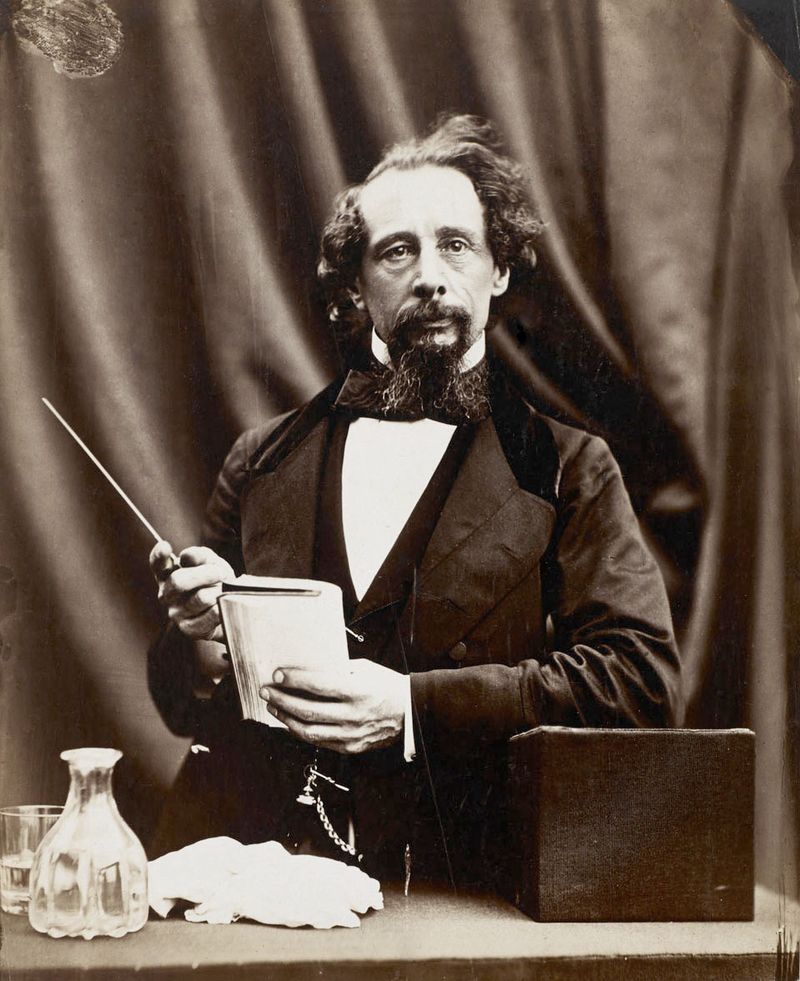
Two bronze toads fencing sat on Dickens’s desk, and he reportedly noticed right away if anyone moved them. The same was true of a monkey in a pill-box cap and a dog-fancier figure with small dogs.
His writing space was carefully arranged, with familiar objects and writing supplies kept close at hand. Dickens was particular about his surroundings and preferred an orderly desk when working on his novels.
His former London home is now the Charles Dickens Museum, where visitors can explore rooms connected to his daily life and literary career.
Walking was another pillar of his routine. He often covered long distances on foot, sometimes walking as many as 20 miles in a day.
These excursions took him through London streets and surrounding neighborhoods, giving him opportunities to observe the people and places that appeared in his fiction.
Walking also helped him think through stories and cope with restless nights.
For Dickens, an orderly writing space and hours spent exploring the city were two very different habits that helped shape his extraordinary literary output.
6. Albert Einstein, The Physicist Who Disliked Socks
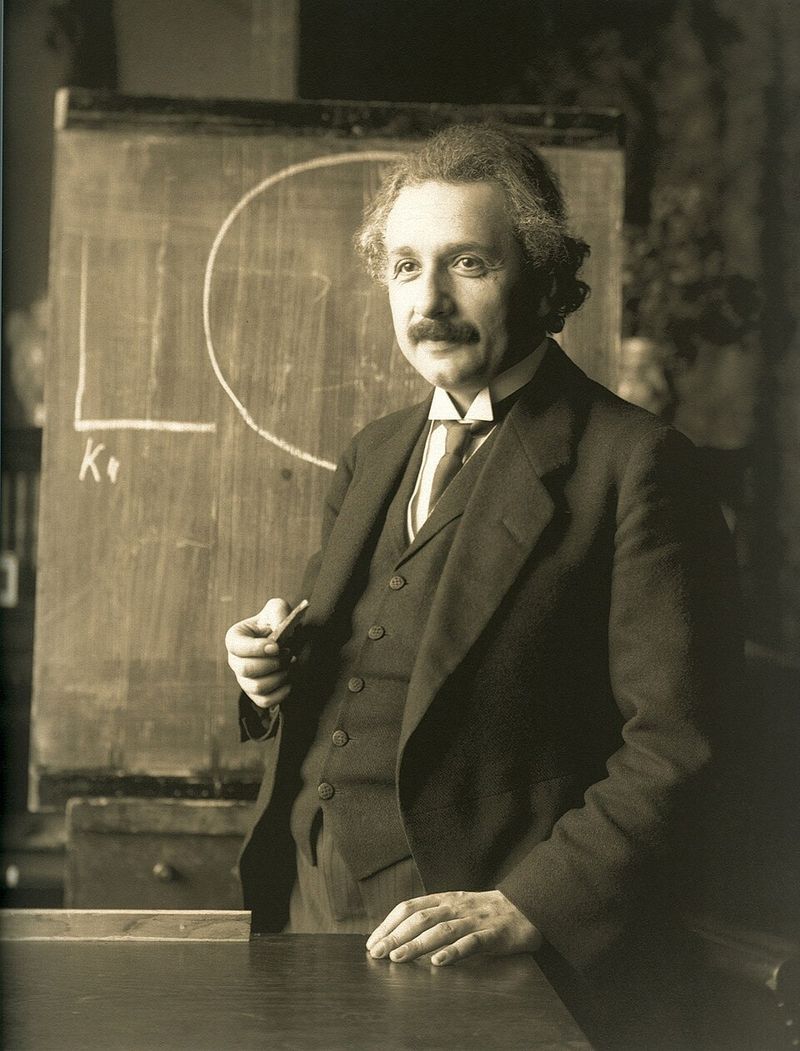
Few scientists reworked physics as thoroughly as Einstein, yet he treated socks as an optional burden. In a letter to his future wife Elsa, he explained that his big toe kept making holes in them.
He later told a family friend that the fewer things he needed in daily life, such as automobiles and socks, the freer he felt.
His wild hair added to the look. It was tidy in his youth, but it grew famously untamed after he moved to America in the 1930s.
Music and sailing filled his spare time. He played the violin, which he called Lina, nearly every day.
He took up sailing on Lake Zurich in the 1890s, though he sometimes ran aground. Einstein cared deeply about ideas, and everyday appearances ranked far below them.
7. Howard Hughes, The Billionaire Who Became a Recluse
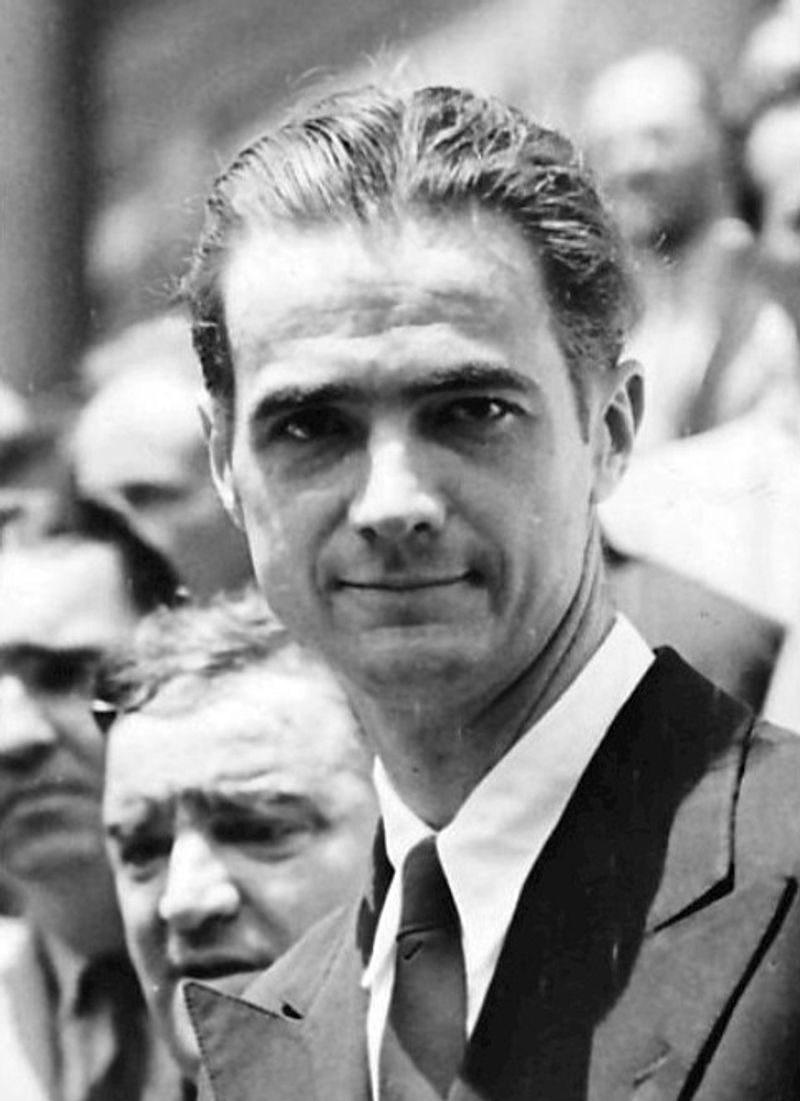
Opening a can of peaches required nine steps in Hughes’s world. Staff had to soak and remove the label, scrub the can down to bare metal, and wash it again before pouring the fruit without the can touching the bowl.
Once a film maker and aviation record-setter, Hughes grew isolated in his later years. He lived in hotel suites, often in darkened rooms, and spoke mostly through a small group of aides.
His behavior is widely linked to severe obsessive-compulsive symptoms and an intense fear of germs.
Employees washed their hands repeatedly and wrapped objects in layers of tissue before handing them over.
His fortune stayed enormous, which let him enforce these rules. By 1976, his health had declined badly after years of poor nutrition and chronic pain from a 1946 plane crash.
8. Benjamin Franklin, The Inventor Who Practiced Air Baths
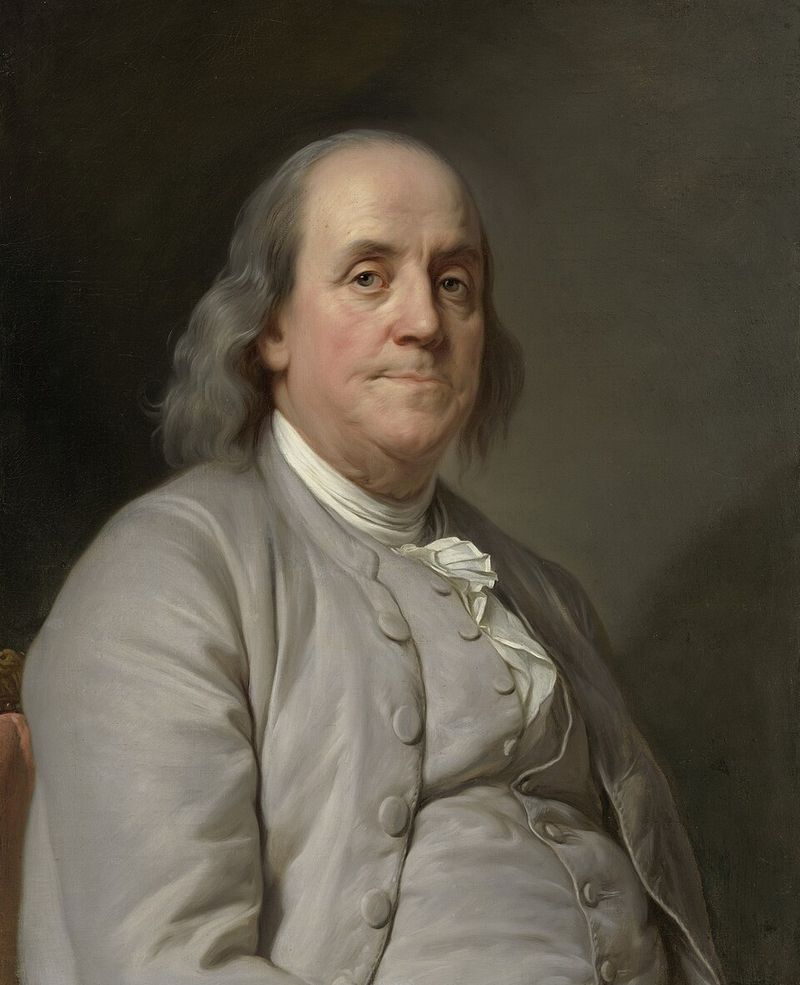
Cold-water baths struck Franklin as too jarring, so he developed a gentler habit. He would sit unclothed in his room for thirty minutes to an hour, exposing himself to the air.
He called it an air bath and described the practice in a 1768 letter. Franklin believed that exposure to cool air could benefit his health, and he sometimes used the quiet time to read or write.
His practical streak ran through everything he did. He never patented his inventions, preferring that useful discoveries remain available to others.
The Franklin stove arrived in the 1740s, and his experiments with electricity helped establish the principles behind the lightning rod.
Bifocals are also commonly credited to him, although historians continue to discuss the precise origins of the invention.
As a boy, he even experimented with swimming aids, including wooden paddles designed to help him move through the water.
For Franklin, curiosity rarely stayed confined to books. Even an ordinary morning routine could become an opportunity to test an idea.
9. Leonardo da Vinci, The Artist Who Wrote Backward
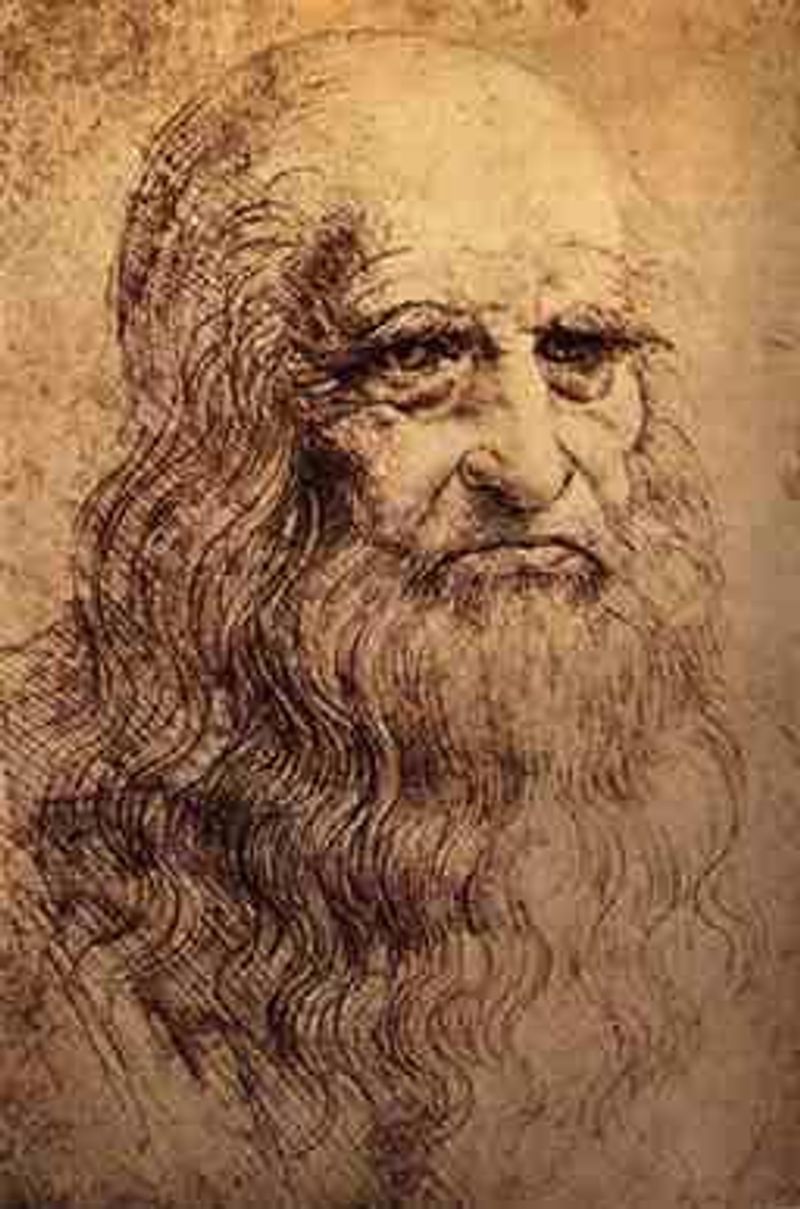
Hold a page of Leonardo’s notes up to a mirror and the words suddenly make sense. Many of his thousands of notebook pages were written in mirror script, running from right to left.
Some theories point to secrecy, but the most accepted reason is practical. As a left-handed writer using quill and ink, he would have smudged wet lines by moving left to right.
Going the other way kept his hand on clean paper. A recent Uffizi Gallery study even suggests he could write well with both hands.
His notes jump from human flight to water flow to anatomy, often on the same page.
That restless curiosity left many projects unfinished, including the Adoration of the Magi and the giant horse statue planned for Francesco Sforza.
10. Thomas Edison, The Inventor Who Took Unusual Naps
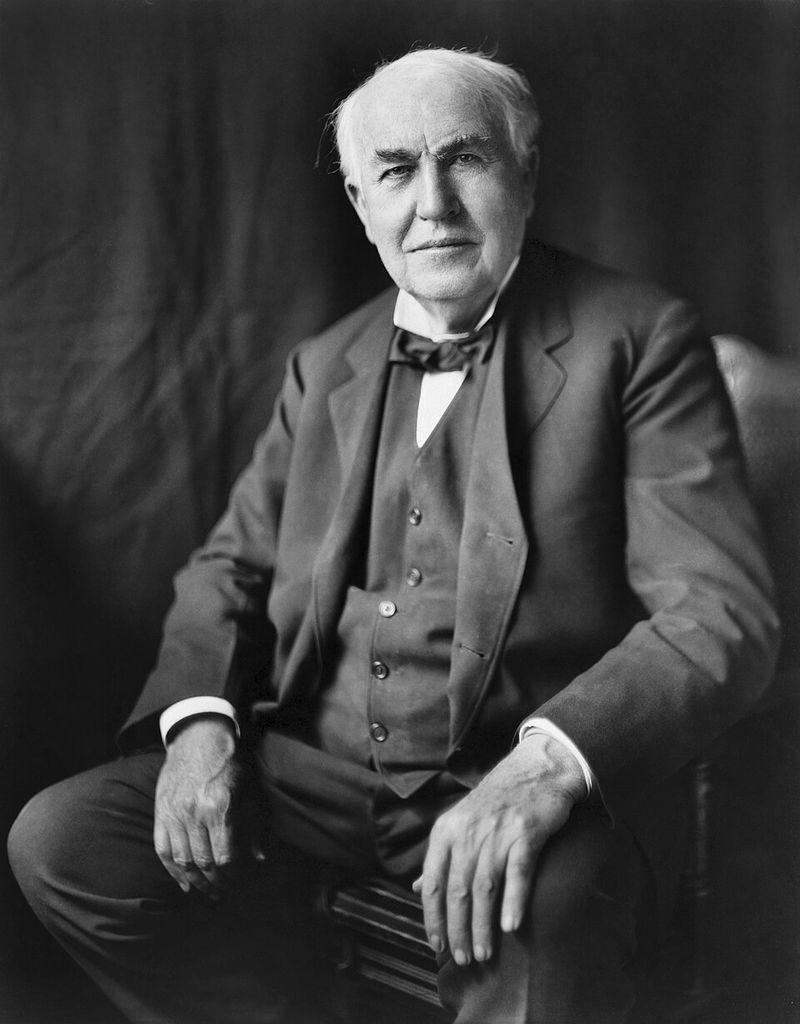
Edison called sleep a heritage from our cave days and a waste of time. He reportedly preferred short nights, sometimes claiming to need only four or five hours of sleep.
Yet photographs and recollections show that he was hardly opposed to napping. He rested in his laboratories, on workbenches, and wherever he could find a convenient place.
One famous story describes him holding metal balls above pans while drifting toward sleep. When his grip relaxed, the balls supposedly fell, waking him before he entered deeper sleep.
The technique is frequently attributed to Edison, although the details of how regularly he practiced it are difficult to establish.
Interestingly, a 2021 scientific study found that spending a brief period in the earliest stage of sleep could improve performance on certain creative problem-solving tasks.
Edison’s West Orange laboratory complex in New Jersey was known for its demanding work schedules and ambitious experiments.
Over his lifetime, he received 1,093 U.S. patents, leaving behind one of the most extensive inventive records in American history.
11. Srinivasa Ramanujan, The Mathematician Who Saw Formulas in Dreams
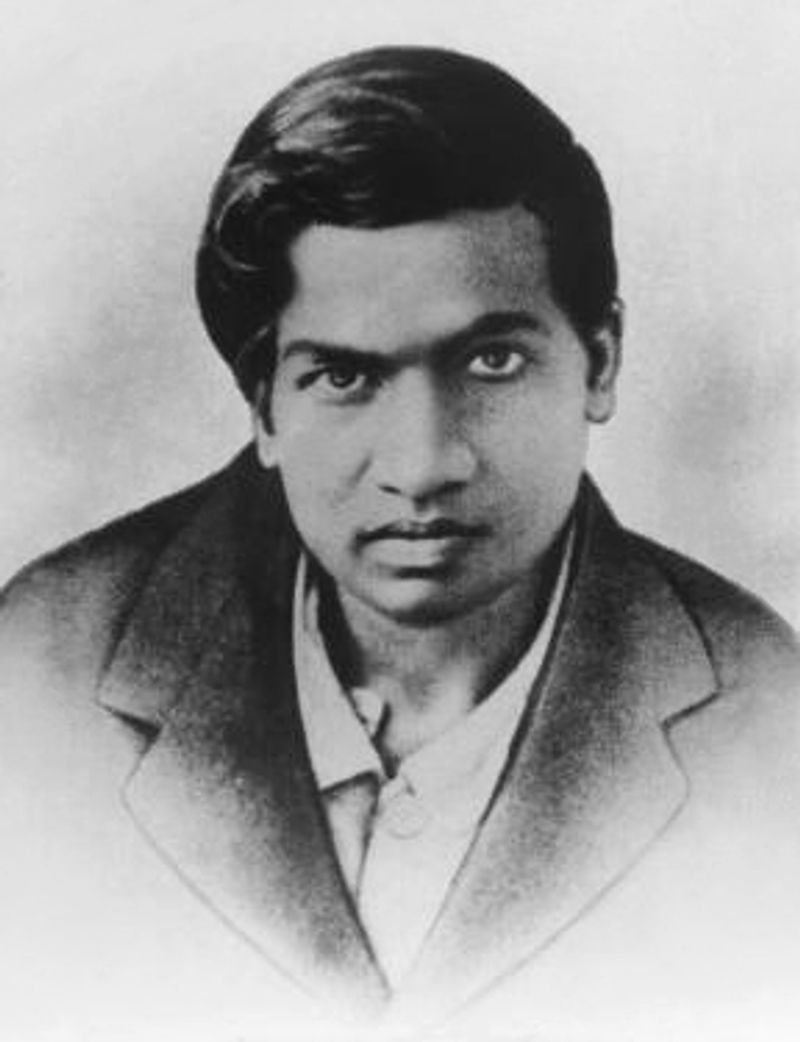
Thousands of formulas filled Ramanujan’s notebooks, many with no proofs attached. Mathematicians are still studying them more than a century later.
He was largely self-taught and credited some of his insights to the Hindu goddess Namagiri. He described receiving mathematical ideas through dreams and spiritual inspiration.
In 1913, he wrote to British mathematician G. H.
Hardy at Cambridge, sending pages of remarkable mathematical results. Hardy, who valued rigorous proof, quickly recognized that the unfamiliar correspondent possessed exceptional talent.
Hardy helped bring Ramanujan to Cambridge, where the two mathematicians developed an influential working relationship.
Their collaboration produced important research in number theory, partitions, and related mathematical fields. Although Ramanujan published dozens of papers during his short career, only a small number were jointly authored with Hardy.
Hardy later described his association with Ramanujan as the one romantic incident of his life.
A collection of Ramanujan’s unpublished mathematical work, commonly called his lost notebook, came to wider attention in 1976. It contained remarkable investigations of mock theta functions and other mathematical ideas that continue to inspire research today.
12. Glenn Gould, The Pianist Who Brought His Own Chair
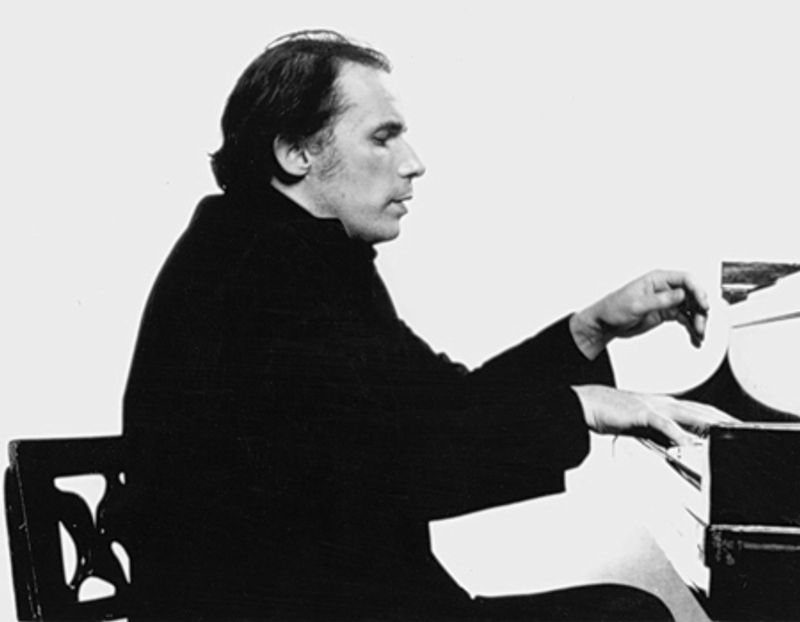
Fourteen inches off the ground is where Gould sat at the piano. His low chair began as a folding bridge chair that his father modified in 1953, with shortened legs and adjustable extenders.
He used it for practice, concerts, and recordings for the rest of his life. It grew worn and squeaky, and he oiled it as part of his pre-performance routine.
He also hummed and sang while playing. He said it came from thinking the music, and he played less well without it.
In 1964, at age 32, he left the concert stage after fewer than 200 concerts. He disliked the gladiatorial feel of live shows.
The recording studio became his cathedral, where he could edit and splice takes toward a perfect performance.
13. Yoshiro Nakamatsu, The Inventor Who Took Notes Underwater
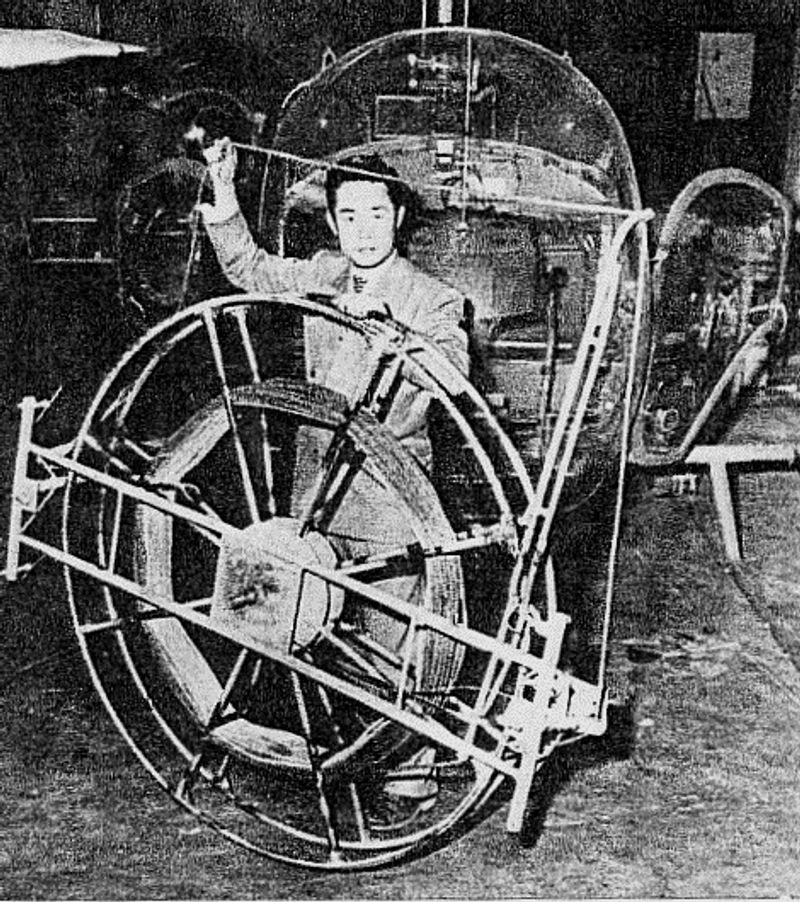
Most inventors keep a notebook near the desk. Nakamatsu, known as Dr. NakaMats, takes his underwater.
He says his best ideas arrive during deep dives, when his brain is short on oxygen. He then writes them down with a waterproof pad and pencil he designed himself.
His invention claims are enormous, with reported totals running into the thousands. He has also claimed a role in developing technology associated with the floppy disk, although that claim remains disputed.
His approach to food is just as unusual. He has described photographing and analyzing his meals for years, an obsession that earned him the 2005 Ig Nobel Prize in Nutrition.
Nakamatsu has also claimed to follow an extremely restricted diet, sometimes describing his daily intake as roughly 700 calories. That figure is his own reported practice rather than an independently established nutritional record.
He has publicly expressed the ambition to live to 144 years old and has described unusual features of his home, including rooms decorated with gold.
Whether every claim withstands scrutiny or not, Nakamatsu has built a public identity around the idea that nearly every part of daily life can become an experiment.
14. Richard Feynman, The Physicist Who Loved Cracking Safes
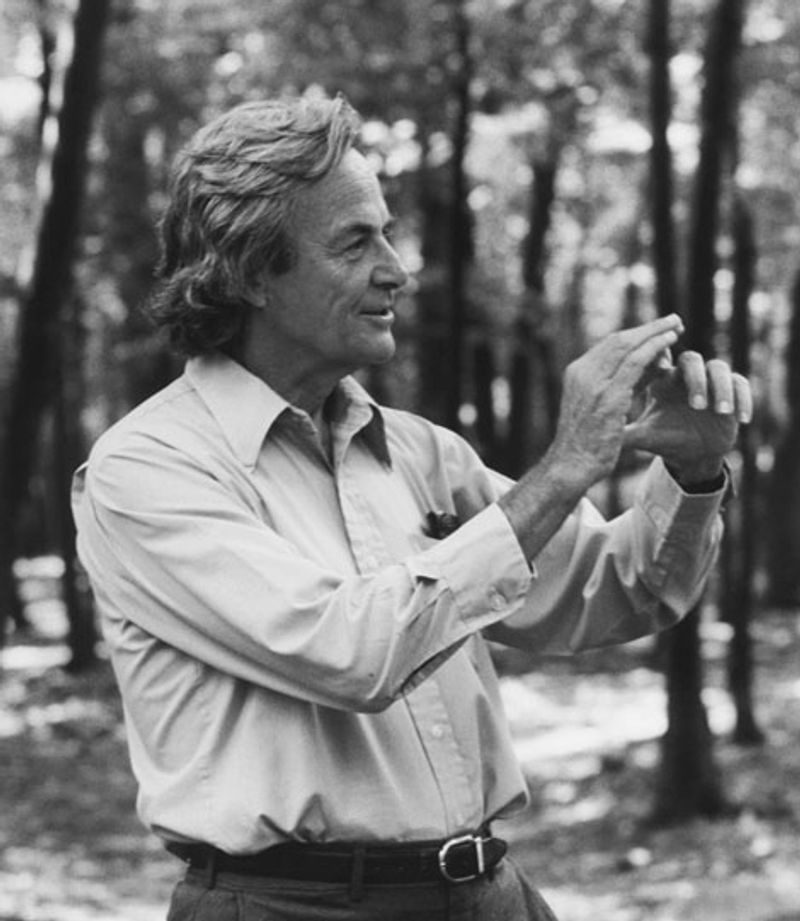
A bent paperclip was enough to open some filing cabinets at Los Alamos. Feynman discovered weaknesses like this during World War II while working on the Manhattan Project.
When he turned his attention to combination locks and safes, he found that many colleagues relied on predictable numbers or failed to change factory settings.
He also studied the mechanisms of locks to understand how they worked, developing techniques that allowed him to open supposedly secure storage containers.
Feynman sometimes left humorous notes behind after demonstrating these weaknesses. Although he treated the activity as a challenge and a prank, his experiments exposed genuine problems in the protection of sensitive research.
The lesson was serious. Even sophisticated security systems could be undermined by predictable combinations, careless habits, and misplaced confidence.
He later recounted his adventures in Surely You’re Joking, Mr. Feynman!, where the stories became some of his most memorable anecdotes.
Away from the laboratory, he played drums and painted, sometimes signing his artwork Ofey.
His curiosity extended far beyond physics, and he seemed to enjoy challenging assumptions wherever he encountered them.
15. Paul Erdős, The Mathematician Who Lived Out of a Suitcase
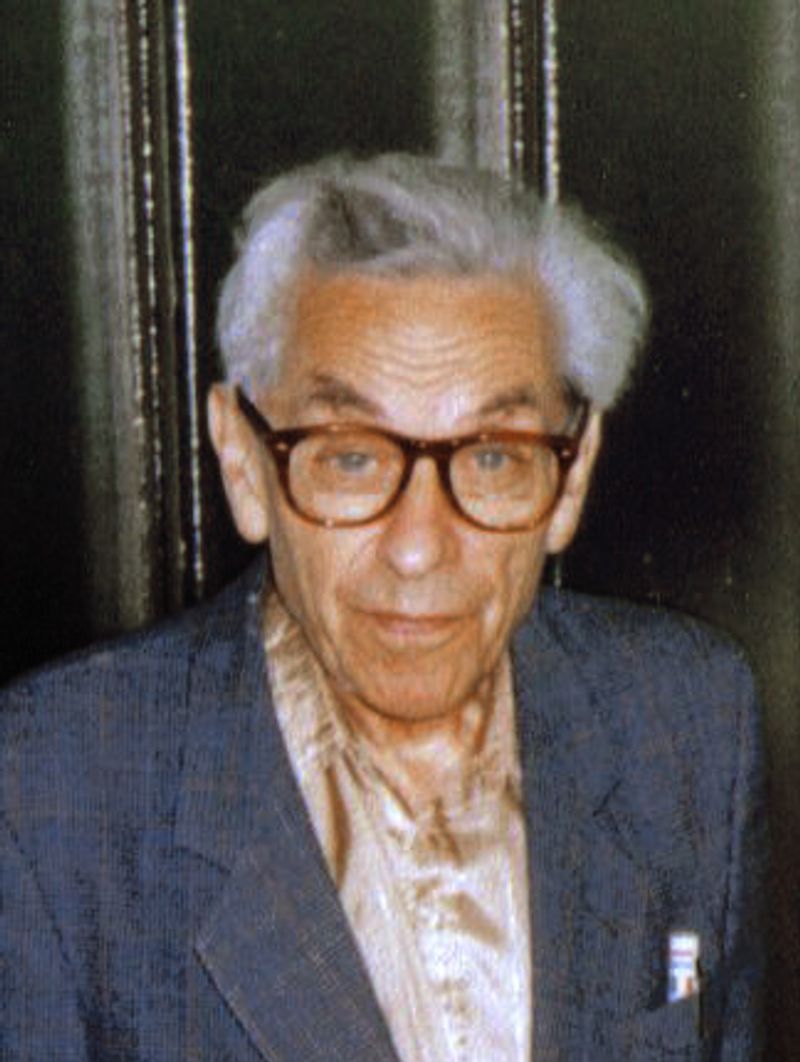
My brain is open was the greeting Erdős used when he appeared at a colleague’s door. He carried a shabby suitcase and an orange plastic bag, and that was nearly everything he owned.
He traveled between universities and homes across four continents. Hosts handled his meals, laundry, and travel plans in return for his insight.
He wrote or co-wrote about 1,525 papers with more than 500 collaborators. That network produced the Erdős number, a playful measure of collaborative distance from him.
He had his own vocabulary too. Children were epsilons, a term for tiny quantities in calculus.
He imagined a Supreme Fascist who kept The Book of perfect proofs.
Fueled by coffee and caffeine pills, he worked at a ceaseless pace, finding home in problems rather than places.
Share this story