Some towns look so unusual that a photo almost seems edited. Then you learn the place is real, lived in, and open to visitors.
This list gathers 17 towns from around the world with looks you will not find anywhere else. Some are painted in a single color, some are tucked under cliffs or dug into the ground, and others are built around boulders, canals, or volcanic edges.
Each one has verified details that explain why it stands out, from UNESCO recognition to local building traditions that still shape daily life. If you enjoy planning trips, daydreaming about future ones, or just looking at places that break the usual rules of what a town should be, keep scrolling.
You may find a new favorite destination and a few ideas worth sharing with a travel buddy.
Chefchaouen, Morocco
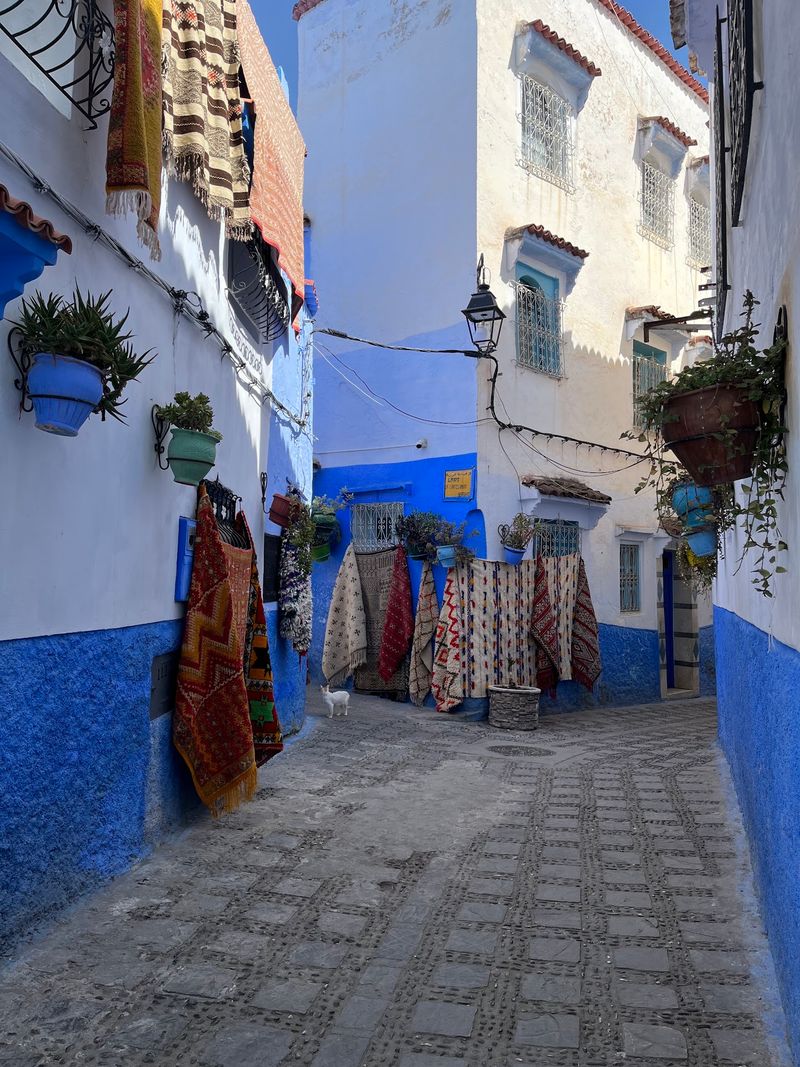
Few towns are tied to one color as completely as Chefchaouen. It sits against the Rif Mountains in northern Morocco, and much of its historic medina is washed in different shades of blue.
Narrow stairways, arched doorways, and winding alleys fill the old quarter. The color covers walls, steps, and doorframes, so the whole town reads as one continuous blue scene.
The Moroccan National Tourist Office describes Chefchaouen as a mountainside city whose blue-rinsed houses create its distinctive character. That is the headline feature, but there is more to do than take photos.
Visitors can explore the old medina, visit the kasbah, browse traditional craft shops, and head out on the surrounding mountain trails. Comfortable shoes are a smart idea, since the lanes climb and dip constantly and stairs appear around nearly every corner.
Plan a slow wander rather than a checklist visit. The town rewards people who take side streets and pause often.
Alberobello, Italy
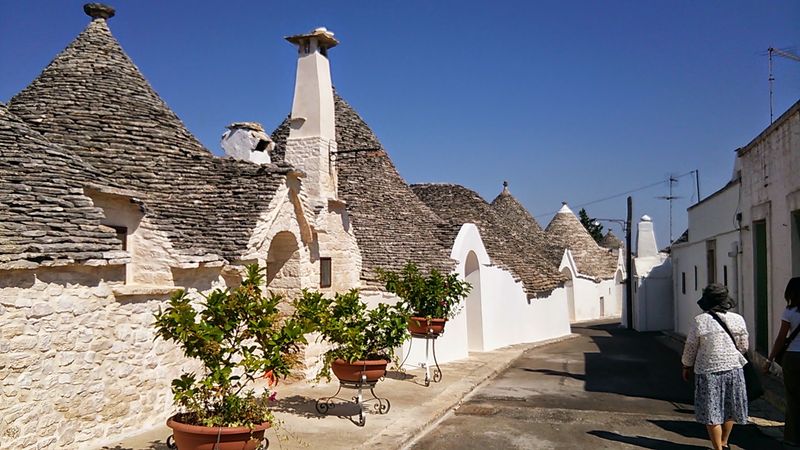
Picture a village of tiny stone cottages that seem pulled from a fantasy novel, and you are close to Alberobello. Its signature buildings are called trulli, whitewashed limestone structures topped with conical roofs.
UNESCO says the town contains more than 1,500 trulli, with the biggest concentrations in the Rione Monti and Aia Piccola districts. That is a lot of cone-topped homes packed into one place.
Many of these centuries-old buildings are still in use today, which keeps the town from feeling like a museum set. Some serve as homes, and others host shops and visitor stays.
Rows of white walls, gray stone cones, symbols painted on rooftops, and twisting pedestrian streets make this one of southern Italy’s most recognizable townscapes.
Walk both main districts to compare their moods. Rione Monti is the busier slope, while Aia Piccola tends to feel quieter and more residential.
Setenil de las Bodegas, Spain
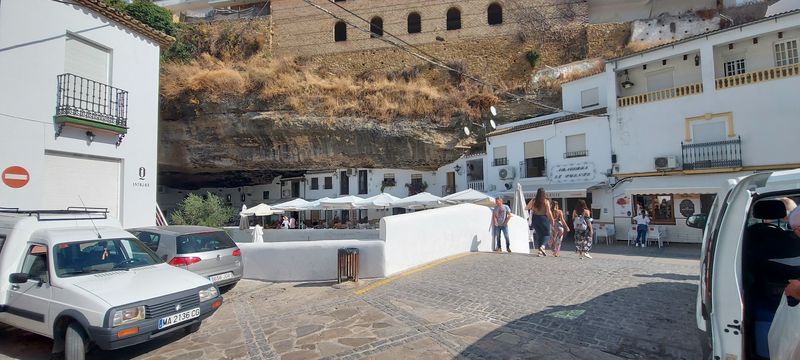
Most towns build beside a cliff. Setenil de las Bodegas built right under one.
Along streets such as Cuevas del Sol and Cuevas de la Sombra, enormous slabs of rock stretch over whitewashed houses and businesses. In some spots the stone replaces the conventional roof entirely.
The official Setenil tourism organization explains that the town developed inside the canyon of the Guadalporcun River and is particularly known for these troglodytic homes. The river carved the gorge, and residents made use of the overhanging rock.
Walking beneath a giant boulder while passing cafes and houses is not something you can do in many Andalusian white villages. It gives Setenil a look that stands apart from its neighbors.
Plan to explore on foot, since the lanes are narrow and the best views come from slowly strolling the two shaded streets and looking up often.
Giethoorn, Netherlands
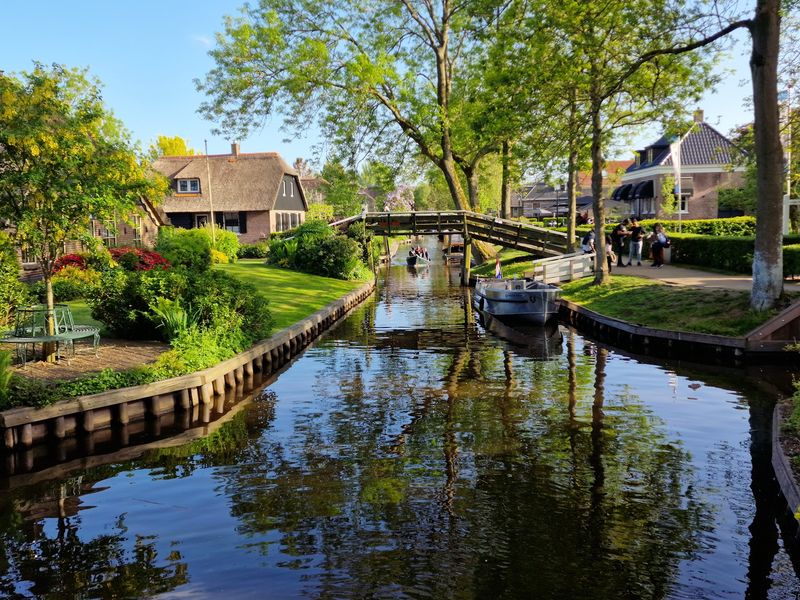
Cars take a back seat in historic Giethoorn. Instead of broad streets, the village is defined by waterways, narrow paths, wooden bridges, and thatched-roof houses.
Visitors travel the canals in small boats, passing gardens and traditional cottages that sit right beside the water. Walking paths run alongside as well, so you can switch between boat and foot.
The appeal comes from a blend of canals, greenery, bridges, and old farmhouses rather than one single monument. Every bend in the canal brings a slightly different arrangement of the same ingredients.
Giethoorn remains an established visitor destination, with canal walks, boat routes, and access to the surrounding Weerribben-Wieden landscape.
If you want a calmer visit, aim for earlier in the day, when fewer boats are out. That gives you more space to enjoy the bridges and water views.
Matera, Italy
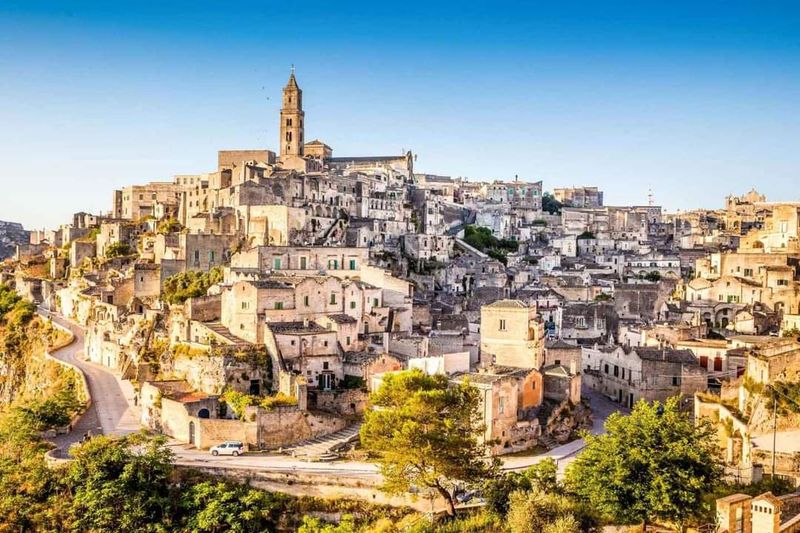
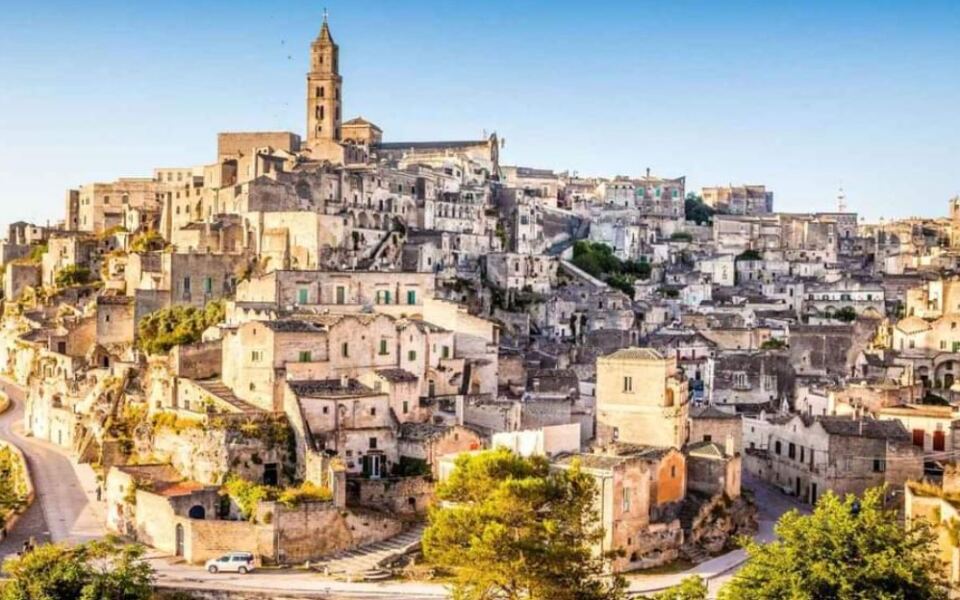
From across the ravine, Matera can look less like a conventional town and more like a city sculpted straight from stone.
Its famous Sassi districts hold houses, churches, monasteries, and other spaces built in and around natural caves. The stone seems to flow down the hillside in layers.
UNESCO describes Matera as an exceptional example of a Mediterranean troglodyte settlement. It also notes that the landscape shows evidence of human occupation stretching back thousands of years.
After decades of restoration and revival, the historic quarters once again contain homes, businesses, accommodations, and cultural attractions. That makes the Sassi a living neighborhood, not just a ruin to look at.
For the best first impression, find a viewpoint across the ravine before heading down into the lanes. Seeing the whole hillside first helps the details make more sense once you are walking its steps.
Hallstatt, Austria
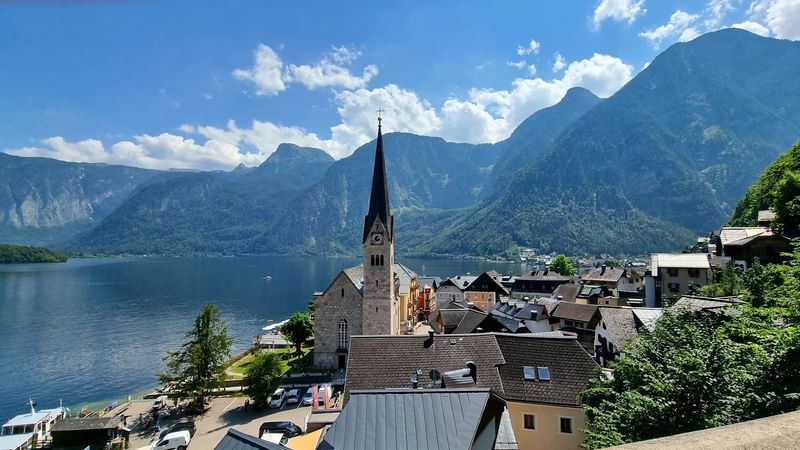
Squeezed onto a narrow strip between mountain and lake, Hallstatt has buildings that look stacked on top of one another.
Wooden houses cling to the hillside, church towers rise above the lakefront, and enormous Alpine peaks fill the background. There is very little flat land, so the village grew upward and sideways.
The surrounding Hallstatt-Dachstein/Salzkammergut Cultural Landscape is a UNESCO World Heritage Site. Its history is strongly connected to salt mining that stretches back into prehistoric times.
The combination of traditional architecture, steep terrain, water, and mountains gives Hallstatt its instantly recognizable silhouette. It is a small place with a big visual punch.
Because the village is compact, you can cover its main lanes and lakefront on foot without much planning. Leave time to look at it from the water side too, since the full layered shape shows best from a distance.
Shirakawa-go, Japan
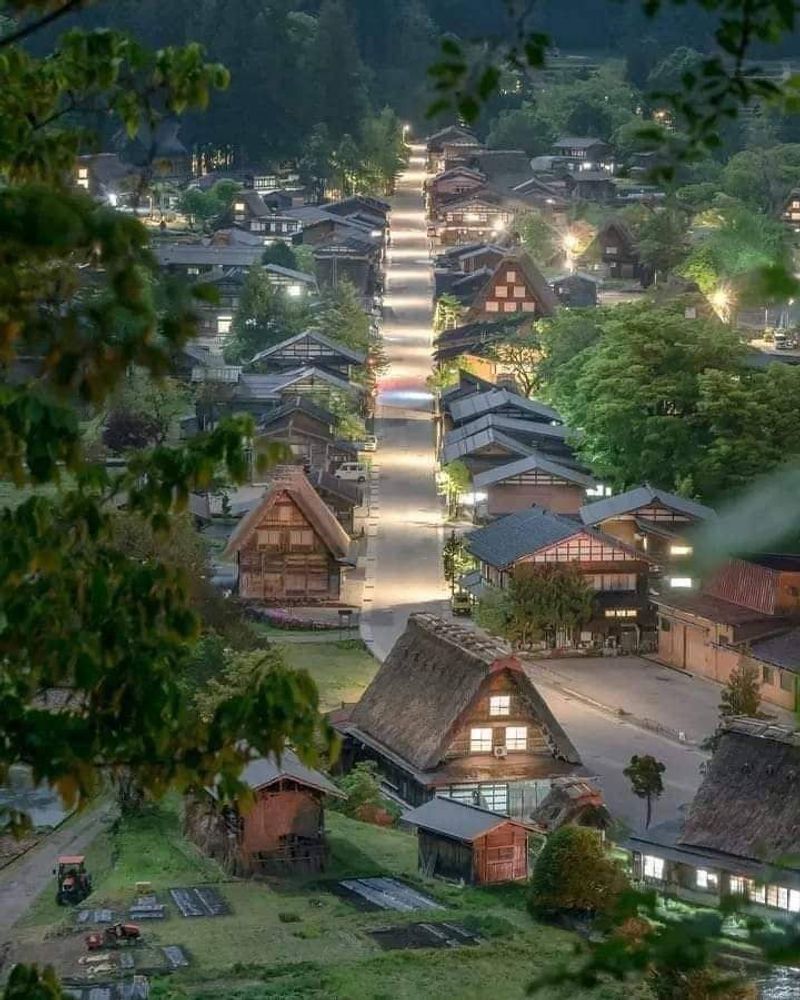
Roofs shaped like hands pressed together in prayer give Shirakawa-go its look. The village of Ogimachi is famous for large traditional farmhouses with steep thatched roofs known as gassho-zukuri.
The steep angle was designed to cope with the region’s heavy snowfall, so the style is practical as well as striking.
UNESCO recognizes Ogimachi together with Ainokura and Suganuma as part of the Historic Villages of Shirakawa-go and Gokayama. The houses remain grouped within their original rural landscape.
Mountains, fields, waterways, and forests surround the farmhouses, which keeps the setting feeling genuine. It reads as a working rural area with deep roots.
Snow changes the village especially dramatically in winter, turning the thick roofs white. If you visit in colder months, dress warmly and wear shoes with good grip for paths that can get slippery.
Colmar, France
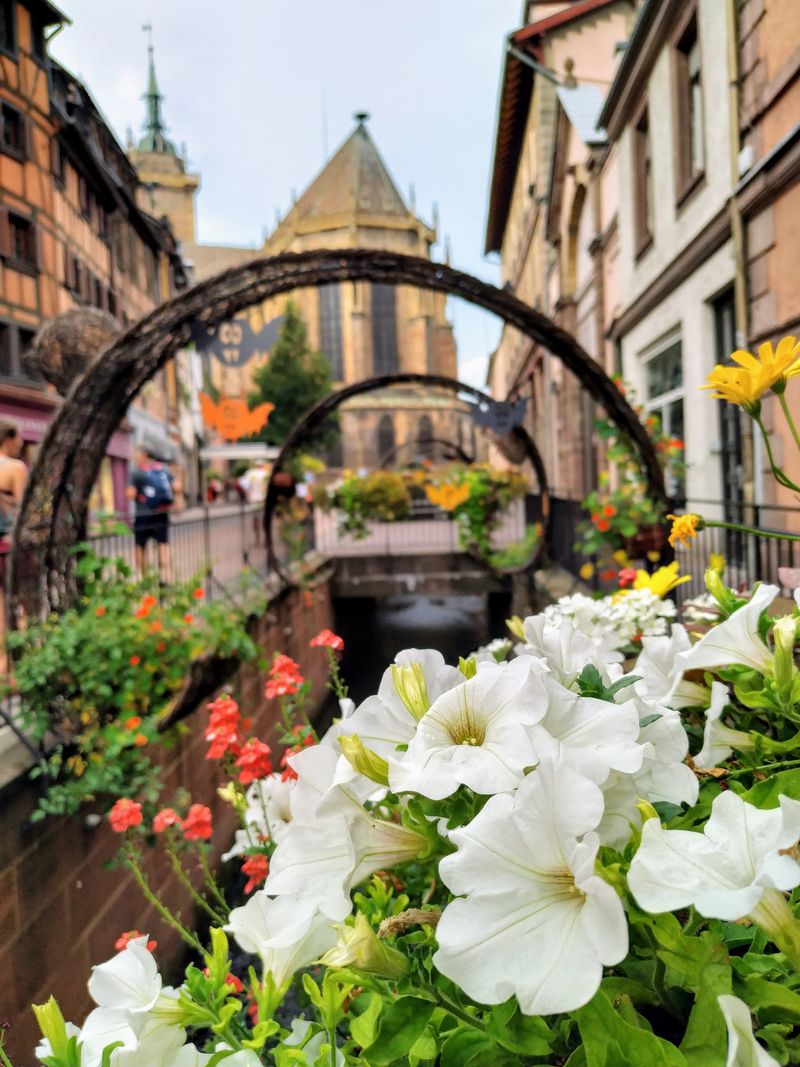
Colmar packs canals, cobbled lanes, flower-covered windows, and brightly painted half-timbered houses into a compact historic center.
Its best-known area is nicknamed Little Venice and follows waterways lined with colorful Alsatian buildings. It is an easy neighborhood to explore on foot.
The tourism office highlights the town’s historic half-timbered homes, while Visit Alsace describes Colmar as especially colorful and known for its canals and preserved architecture.
A mix of medieval and Renaissance-era details gives whole streets the look of elaborate film sets. Even so, this remains a lively French town, not a reconstructed attraction.
Because the center is small, you can wander without a strict route and still see most of what makes the town special. Keep your eyes up, since many of the best carvings and window details sit above the shop signs.
Guatapé, Colombia
Look down at the base of the walls in Guatapé and you will find the town’s real signature. Its brightly painted buildings are famous for zocalos, colorful relief panels running along the lower portions of facades.
The images can show animals, occupations, local history, or everyday objects. Each panel adds a small story to the street.
The town’s official tourism site describes Guatapé as a hand-painted destination. It highlights the Plazoleta de los Zocalos and Calle del Recuerdo among its most recognizable areas.
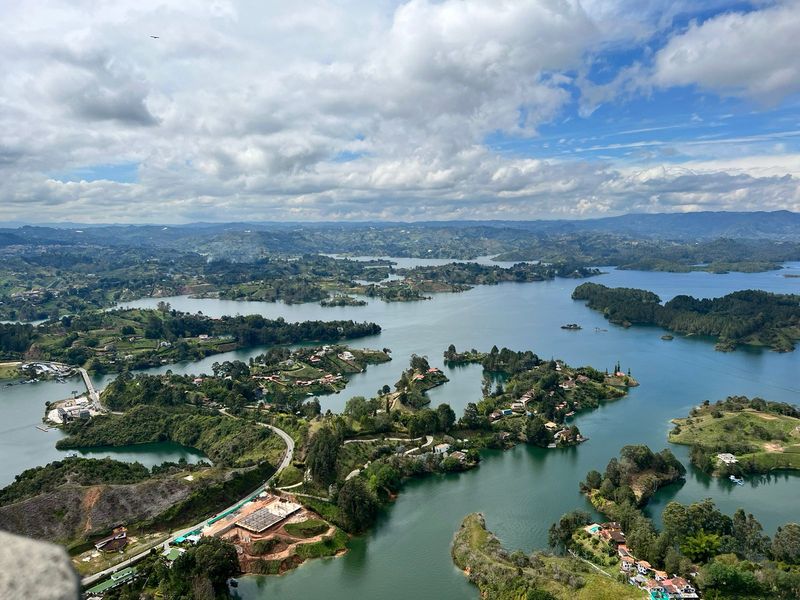
Add the surrounding reservoir and the nearby El Penon rock formation, and the whole setting becomes remarkably distinctive.
Plan time for both the town streets and the wider landscape. The painted lanes make a good morning walk, and the water and rock views fill out the rest of the visit.
Coober Pedy, Australia
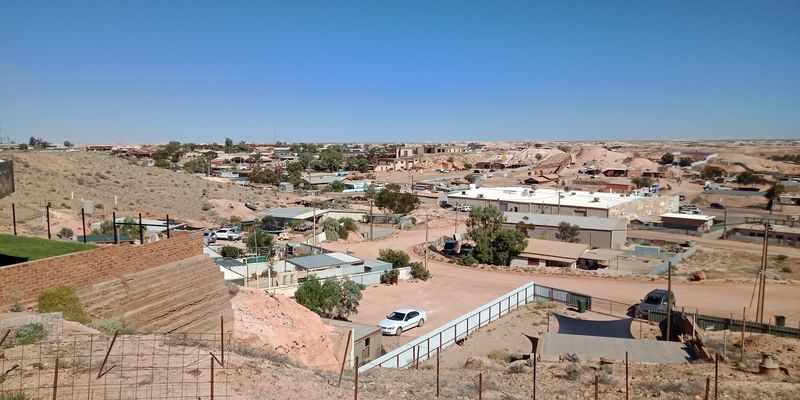
Much of what makes Coober Pedy unusual cannot be seen from street level.
Because of the intense Outback heat, residents have long created underground dugout homes in the area’s rock. Visitors can also find underground hotels, churches, shops, and former mines.
South Australia’s official tourism site describes Coober Pedy as an underground town surrounded by a sun-baked, almost lunar landscape. That setting explains why going below ground made practical sense.
Above ground, mining equipment and piles of excavated earth add to the settlement’s stark appearance. The surface looks rough and open, while the interesting spaces sit beneath it.
If you go, plan to see at least one underground site so you understand how the town works. It is a good example of a community shaped by climate and by the work of digging.
Burano, Italy
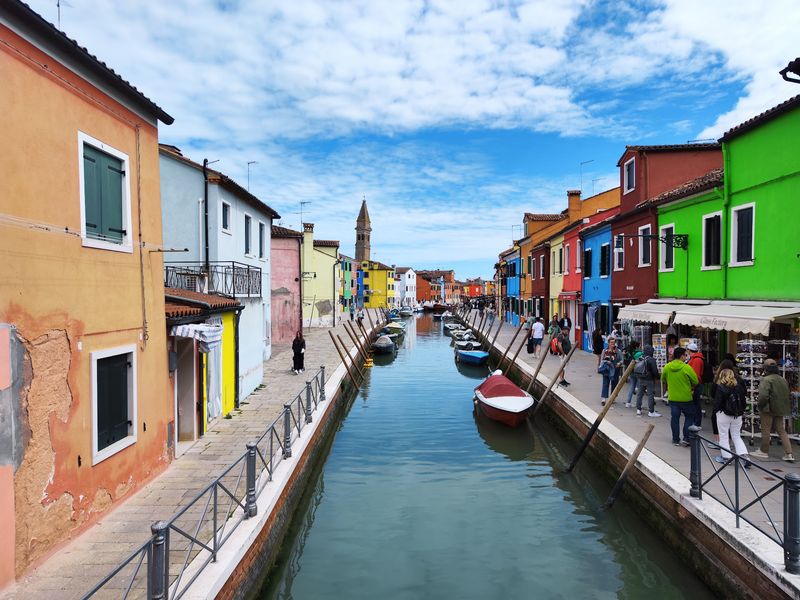
A walk through Burano turns into a color parade almost immediately.
The island community in Venice’s lagoon is famous for rows of houses painted in vivid pinks, blues, greens, yellows, oranges, and reds. The facades are reflected in the canals, and small boats sit directly outside many homes.
Burano is also historically associated with lace making. Venice tourism information confirms that the island remains inhabited and is known specifically for its brightly colored houses and traditional lace craft.
That mix of everyday housing and craft heritage keeps it grounded. People live here, and the colors are part of ordinary streets.
The island is small, so a relaxed loop of its canals and lanes covers a lot. Bring a camera, and also leave time to look at the lace work that gave the island its reputation.
Monsanto, Portugal
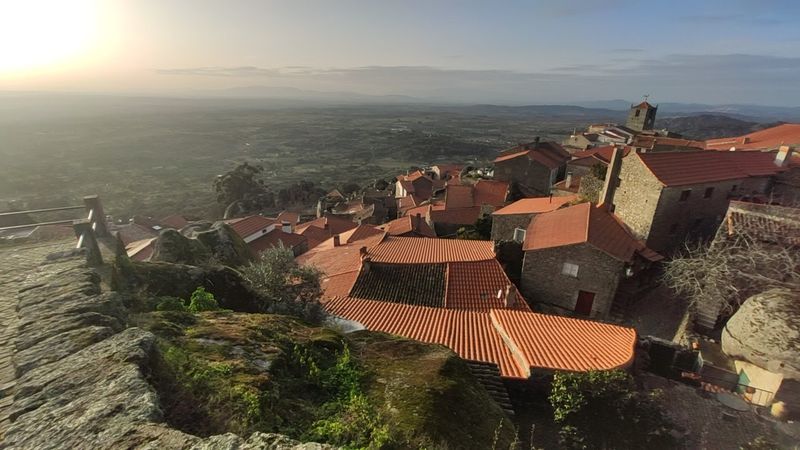
Instead of clearing away giant boulders, Monsanto seems to have been built around them.
Some homes incorporate enormous rocks directly into their walls, while others use a single massive boulder as part of the roof. The granite is part of the architecture, not an obstacle to it.
Portugal’s official tourism organization describes Monsanto as a historical village spreading across a steep hillside where granite blocks were incorporated into the houses.
Above the village, castle ruins provide wide views over the surrounding countryside. The climb through the lanes leads up to them.
The result is an extraordinary combination of architecture and geology. Wear sturdy shoes, since the paths are steep and the stone surfaces can be uneven.
Valparaíso, Chile

Valparaiso spreads across a natural amphitheater of steep hills overlooking the Pacific.
Dense neighborhoods climb the slopes in irregular layers, linked by staircases, narrow streets, viewpoints, and historic funicular elevators. Brightly painted buildings and extensive street art add even more color.
UNESCO recognizes the city’s historic quarter for its unusual urban development. It points in particular to how the architecture and transportation systems adapted to the challenging hillside terrain.
That adaptation is easy to spot as you move around. Stairs become streets, and funiculars act as shortcuts between levels.
Plan for plenty of uphill walking and take at least one funicular ride to understand the layout. Viewpoints along the way give you a clear picture of how the city fits into its bowl of hills.
Aït Benhaddou, Morocco
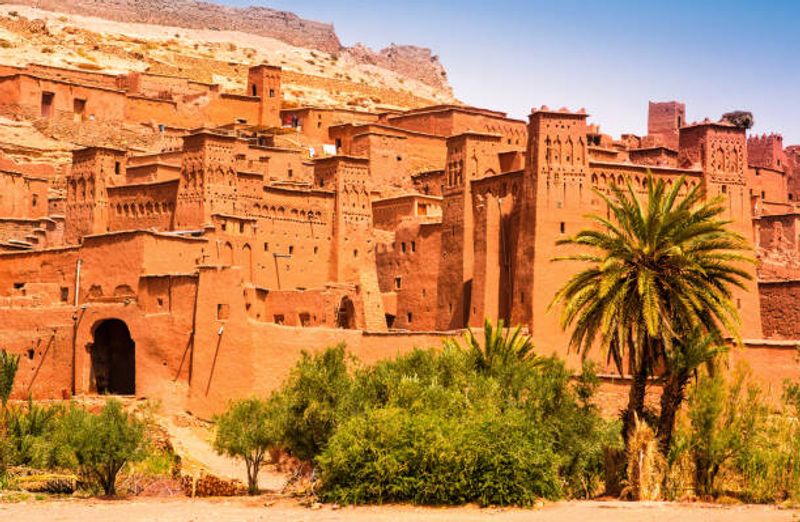
Rising straight out of the desert landscape, Ait Benhaddou looks like an enormous sand-colored fortress.
The settlement is a ksar, a traditional fortified collection of earthen buildings enclosed by defensive walls. Towers decorated with geometric details rise above tightly packed houses inside.
UNESCO describes Ait Benhaddou as a striking example of southern Moroccan architecture and one of the most famous ksars in the Ounila Valley.
Its nearly monochromatic earthen construction gives the entire settlement an exceptionally unified appearance. Walls, towers, and houses all share the same warm tone as the ground around them.
Walking up through the lanes gives you a closer look at the decorated towers and the way the buildings are packed together. Bring water and a hat, since shade can be limited in the open landscape.
Oia, Greece
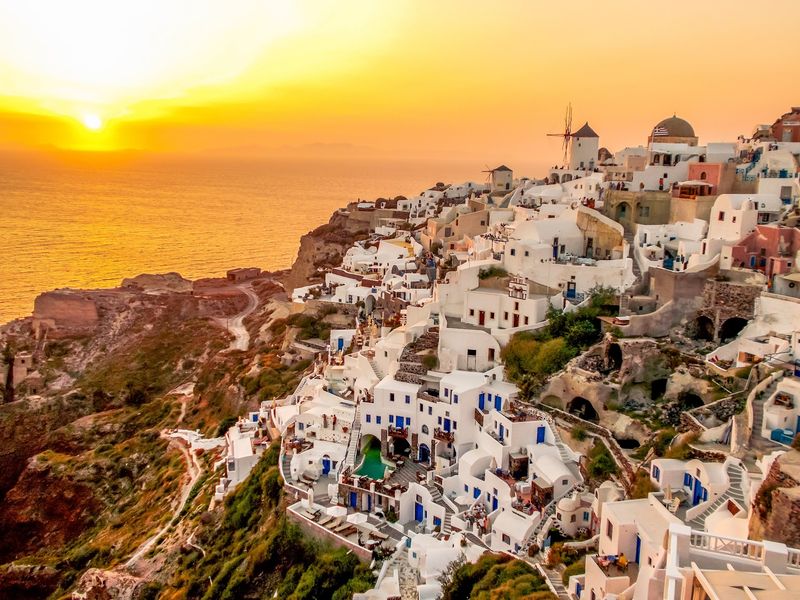
Few places use their landscape as dramatically as Oia.
This Santorini village spreads across the edge of volcanic cliffs. Whitewashed buildings, blue-domed churches, winding pedestrian lanes, terraces, and cave houses overlook the Aegean Sea.
Santorini’s tourism organization notes that many buildings have been carved directly into the volcanic cliffs. Greece’s official tourism site also highlights Oia as one of the island’s historic settlements, known for traditional architecture and caldera views.
The cliffside position is what sets it apart. Homes and terraces step down the rock face, so the village and the view are tied together.
Stroll the pedestrian lanes at an unhurried pace and pause at the terraces. Comfortable shoes help on the stone paths and stairs that connect the different levels.
Reine, Norway
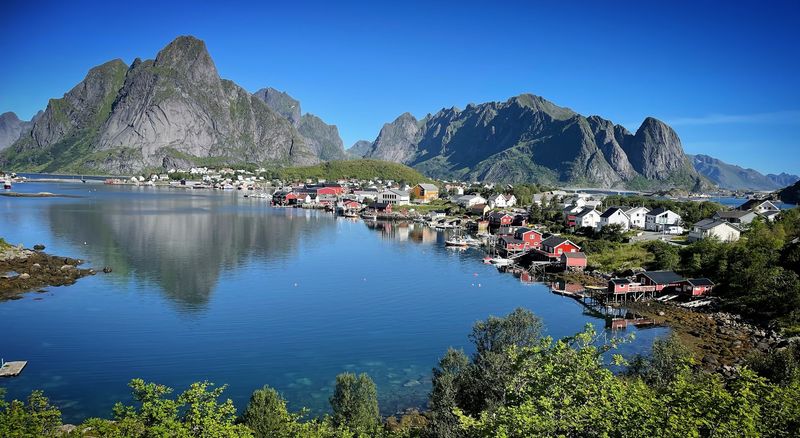
Reine pairs architecture with wilderness in a way few communities can match.
Traditional red fishermen’s cabins sit at the water’s edge while steep mountains rise almost vertically behind the village.
The village is spread across several small islands linked by roads and bridges. That layout looks especially dramatic when viewed from above.
Visit Lofoten confirms that Reine remains an active fishing community of roughly 300 residents. Fishing and fish processing are still important to local life.
That working side matters, because the cabins are part of a living community and not only a backdrop. Check the weather before heading out, since conditions in the Lofoten Islands can change, and bring layers to stay comfortable by the water.
Izamal, Mexico
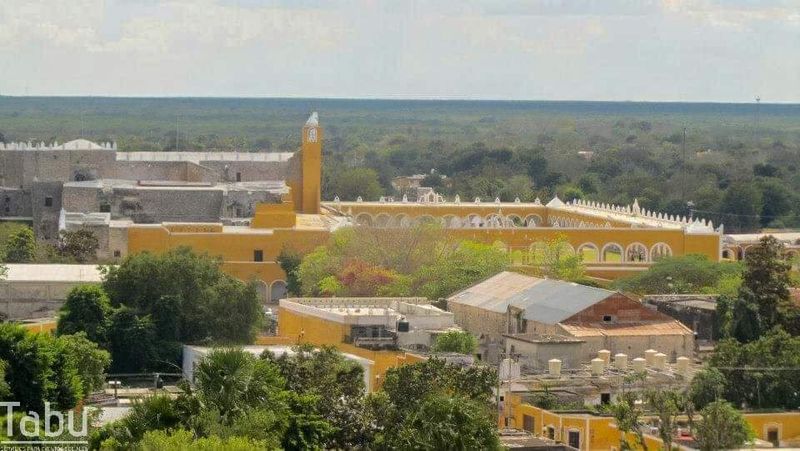
One visual theme is nearly impossible to miss in Izamal: yellow.
Buildings throughout the historic center are painted in shades of golden yellow with contrasting white trim. That look earned the town its nickname, the Yellow City.
Mexico’s Secretariat of Tourism notes that the town’s houses, shops, and churches share this golden color scheme. The result is a street scene that feels unified from one block to the next.
Izamal is also unusual because Spanish colonial architecture stands alongside major Maya remains. Archaeological structures are found within the town itself.
That blend of eras makes a walk here more than a color tour. Look for the contrast between the colonial buildings and the ancient structures as you move through the center.
Share this story