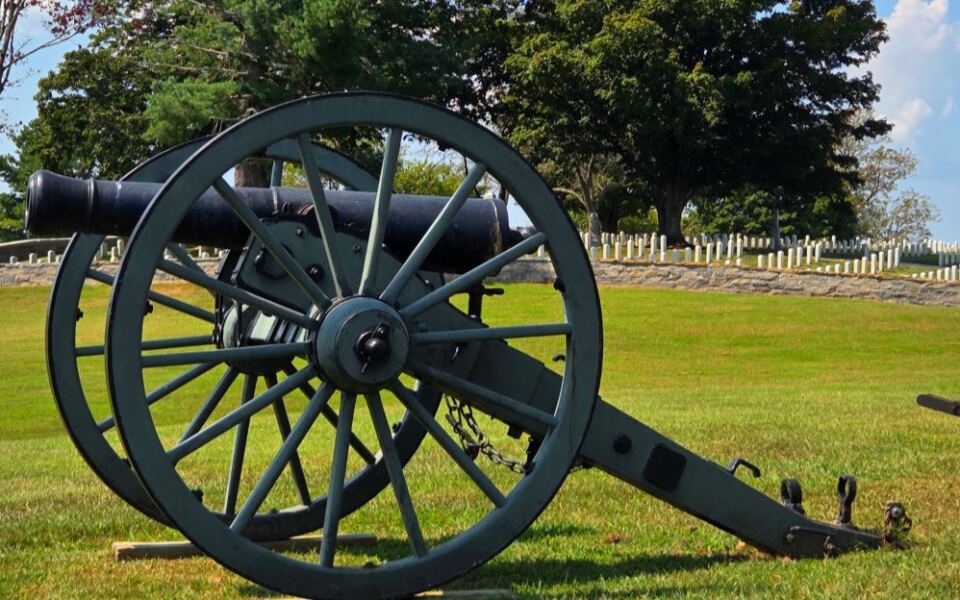
Between 1861 and 1865, Union and Confederate armies clashed in thousands of places, from quiet farm fields to busy river ports. Some fights involved tens of thousands of soldiers, while others were small but changed supply routes and control of key land.
In 1993, a federal group called the Civil War Sites Advisory Commission studied all of it and picked out 384 principal battlefields across the country. One state alone holds about a third of that total, which is a pretty big slice of history.
The rest of the ranking holds a few surprises, including a state that never left the Union and still saw intense fighting. This list uses the commission’s official count, so every number comes from the same trusted source.
Keep reading to find out which states made the top 12, what happened there, and which parks let you walk the ground today. Your next road trip might just get a history upgrade.
1. Virginia, 123 Principal Battlefields
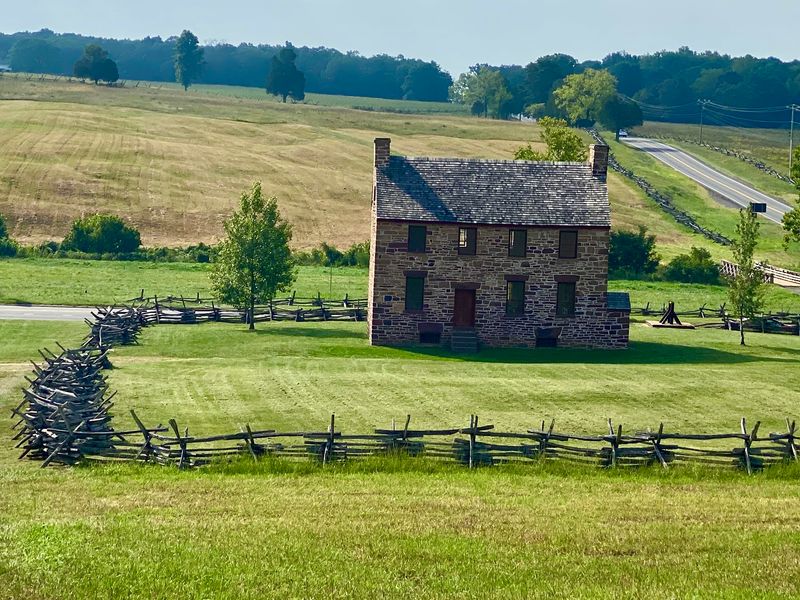
One state holds nearly a third of every principal battlefield in the nation, and that state is the clear champion here. Virginia claims 123 of the 384 sites, more than three times the total of second place.
Geography explains a lot. Richmond served as the Confederate capital for most of the war, and Washington, D.C., sat just across the Potomac River.
Armies kept marching back and forth over the land between those two cities. The First Battle of Bull Run, also called First Manassas, ended hopes of a short war in July 1861.
Later campaigns brought huge fights to Fredericksburg, Chancellorsville, the Wilderness, Spotsylvania, and Petersburg. The story wrapped up in April 1865, when Robert E.
Lee surrendered to Ulysses S. Grant at Appomattox Court House.
Visitors today can explore Manassas National Battlefield Park, Fredericksburg and Spotsylvania National Military Park, and Appomattox Court House National Historical Park. Some fields have been lost to roads and neighborhoods, so the protected ones matter even more.
Plan several days if you want to see the highlights.
2. Tennessee, 38 Principal Battlefields
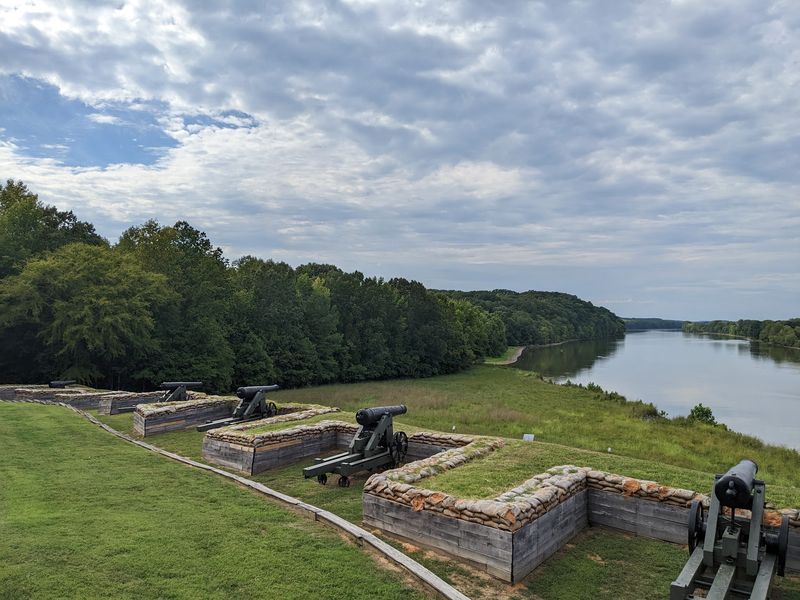
Rivers and railroads made Tennessee a prize that neither side wanted to give up. Its spot between the Upper South and the Deep South turned it into a key crossroads.
Shiloh came first in a big way. The April 1862 battle shocked Americans with its size, and Union troops held the field after two days of fighting.
More major clashes followed at Stones River, Chattanooga, Franklin, and Nashville. Union success around Chattanooga in 1863 opened a path deeper into the South, setting up the later push toward Atlanta.
The year 1864 brought two dramatic chapters. Franklin saw a massive Confederate assault in November, and Nashville delivered a major Union victory just weeks later in December.
History fans have plenty of choices here. Shiloh National Military Park and Stones River National Battlefield both offer driving tours, walking trails, and visitor centers with maps and exhibits.
Franklin has also restored land once covered by shops and parking lots. That effort gives visitors a clearer picture of how the western campaigns shaped the final outcome of the war.
3. Missouri, 29 Principal Battlefields
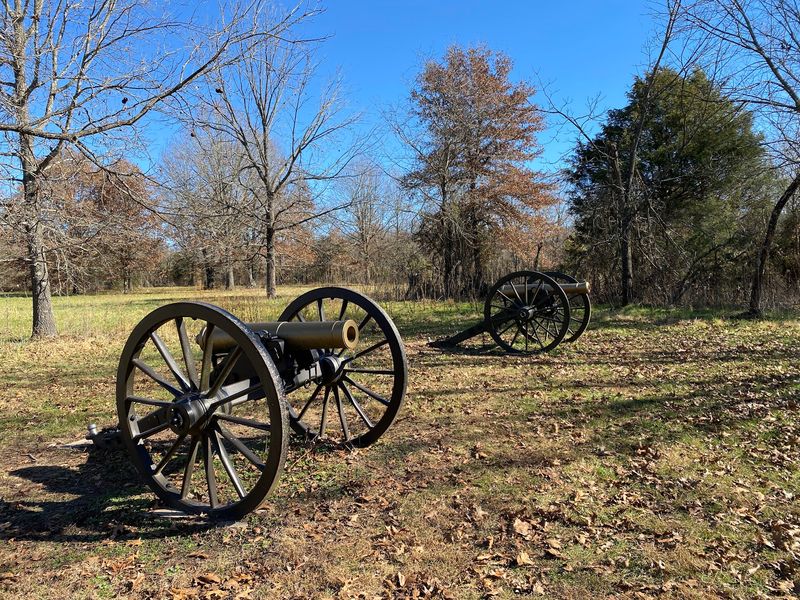
Here is the surprise of the list. Missouri never left the Union, yet it ranks third with 29 principal battlefields.
Loyalties inside the state were split down the middle. Some residents backed the Union, others supported the Confederacy, and both sides wanted control of its rivers and central location.
The Battle of Wilson’s Creek near Springfield in August 1861 was one of the first major fights west of the Mississippi River. Fighting soon spread to Lexington, Carthage, Pilot Knob, and many other towns.
Missouri’s war looked different from Virginia’s. Along with regular battles, the state dealt with raids and guerrilla attacks, and civilians were often caught in the middle.
That mix makes Missouri a fascinating stop for anyone curious about the war’s wider story. Wilson’s Creek National Battlefield has a tour road with stops and a visitor center with a solid research library.
Battle of Lexington State Historic Site is another good choice. Look for the Anderson House, which still shows marks left from the 1861 fighting.
4. Georgia, 28 Principal Battlefields
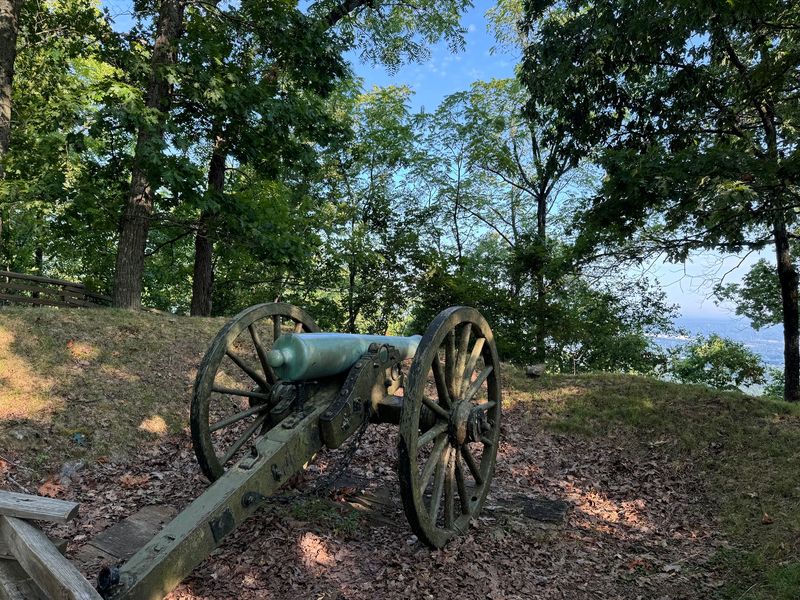
Atlanta sits at the center of Georgia’s Civil War story, but the action started farther north. In September 1863, the Battle of Chickamauga unfolded in the state’s northwestern corner and became one of the largest fights of the war.
A year later, Union General William Tecumseh Sherman headed toward Atlanta. His troops clashed with Confederate forces at Resaca, Kennesaw Mountain, Peachtree Creek, and other spots along the railroad lines.
Atlanta came under Union control in September 1864. Sherman then began his March to the Sea, wrecking railroads, supply depots, and other military resources on the way to Savannah.
Railroads were the real target. Cutting them weakened the Confederacy’s ability to move troops and food.
Chickamauga and Chattanooga National Military Park is the oldest national military park in the country, set up in 1890. Kennesaw Mountain National Battlefield Park offers a summit trail with a wide view of the area.
Hikers enjoy the mountain loop, so bring good shoes and water. The earthworks along the trail are still easy to spot.
5. Louisiana, 23 Principal Battlefields
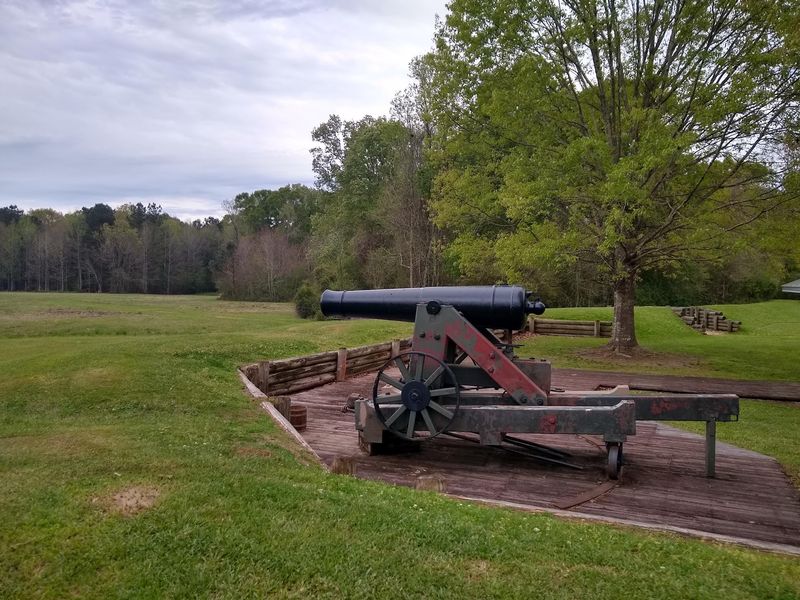
Control the Mississippi River, and you control a huge chunk of the South. Louisiana’s 23 principal battlefields show how hard both sides worked to win that waterway.
New Orleans fell to Union forces in 1862. Losing its largest city and busiest port was a heavy blow for the Confederacy.
The fighting did not stop there, though. Port Hudson faced a long Union siege in 1863, lasting about 48 days, one of the longest in American military history.
In 1864, the Red River Campaign brought battles at Mansfield and Pleasant Hill. Union troops hoped to push into Texas, but the campaign fell short.
Bayous, swamps, and few good roads made moving armies tricky. Low river water even trapped Union gunboats until soldiers built dams to float them free.
Port Hudson State Historic Site offers trails, boardwalks, and well-kept earthworks. Mansfield State Historic Site has a museum covering the Red River fighting.
Both make easy stops on a Louisiana road trip, and they rarely feel crowded.
6. North Carolina, 20 Principal Battlefields
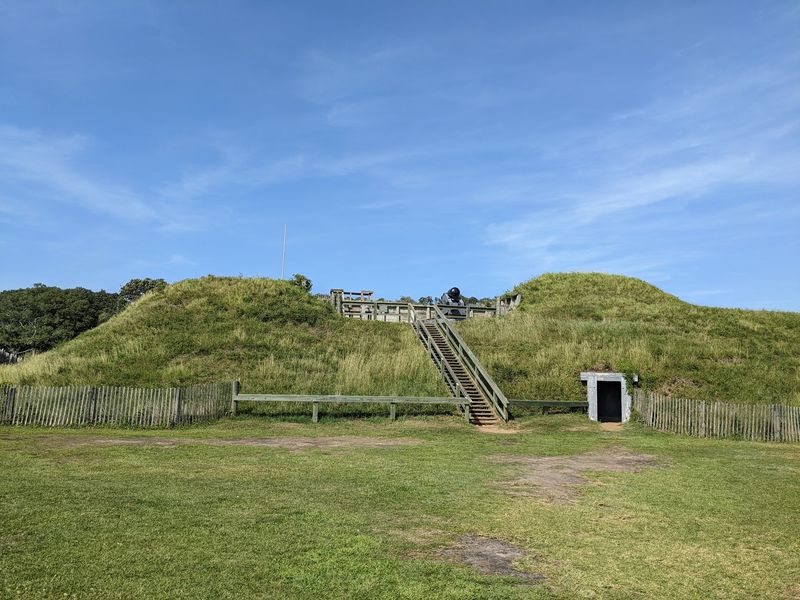
Beaches and battlefields share the same map in North Carolina. The state’s 20 principal sites stretch from the Atlantic coast to farm country inland.
Union forces moved early against coastal forts and shipping routes. Fights followed at Roanoke Island, New Bern, and Fort Fisher.
Fort Fisher guarded Wilmington, a key port for blockade runners carrying supplies into the South. When Union troops captured it in January 1865, one of the Confederacy’s last major sea supply lines closed.
Just two months later came Bentonville. General Joseph E.
Johnston made a stand against Sherman’s army there, and it became the largest Civil War battle in the state.
A few weeks after that, Johnston surrendered to Sherman at Bennett Place near Durham. That surrender involved more troops than the one at Appomattox.
Fort Fisher State Historic Site has a museum and a short trail along the remaining earthworks. Bentonville Battlefield State Historic Site includes a restored farmhouse and walking paths.
Pair Fort Fisher with a beach day for a fun mix.
7. Arkansas, 17 Principal Battlefields
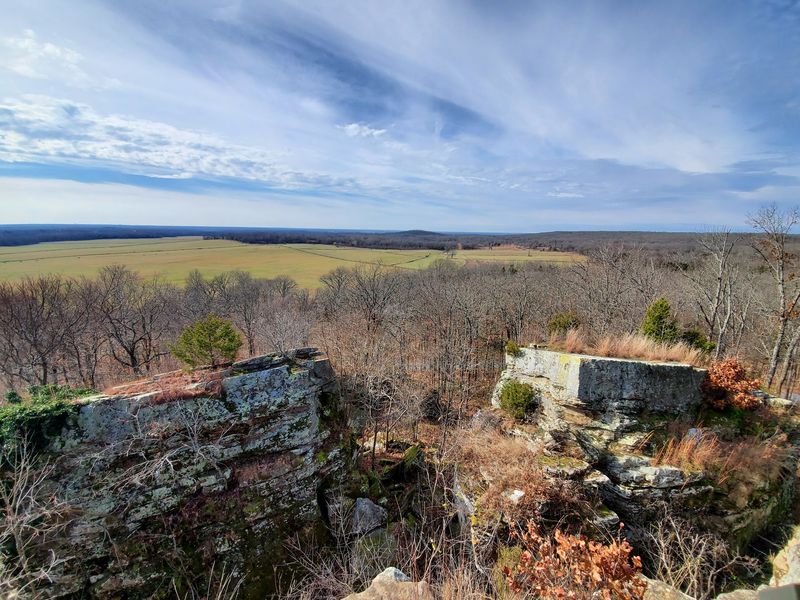
West of the Mississippi River, Arkansas carried more of the war than many people realize. Its 17 principal battlefields prove the conflict was never just an eastern story.
Pea Ridge stands out first. The March 1862 Union victory there helped keep Missouri in federal hands.
Later fighting took place at Prairie Grove, Helena, Poison Spring, and other spots. Armies had to move through forests and hills with limited roads, which slowed supplies.
Guerrilla attacks and fights over rivers added to the challenge. Control of the Arkansas River and the Mississippi mattered to both sides.
Poison Spring in 1864 holds a painful place in history. Black Union soldiers were attacked during and after the battle, and the site now honors their service.
Pea Ridge National Military Park offers a seven-mile tour road and a rebuilt Elkhorn Tavern. Prairie Grove Battlefield State Park has historic buildings and a hiking trail.
The Prairie Grove reenactment, held every other December, draws big crowds. Check dates before you go.
8. Mississippi, 16 Principal Battlefields
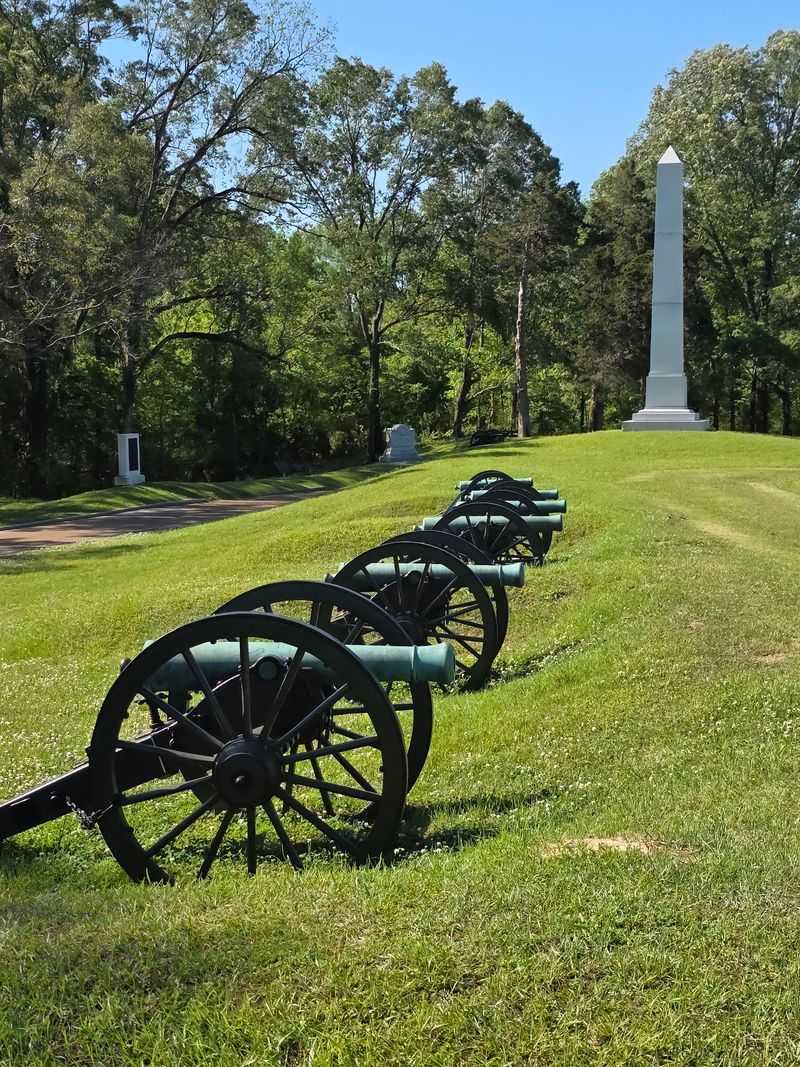
July 4, 1863, was a big day in Mississippi history. After a long siege, the city of Vicksburg surrendered to Union General Ulysses S.
Grant.
That win gave the Union control of the Mississippi River. It also split the Confederacy in two, cutting off Texas, Arkansas, and Louisiana from the eastern states.
Vicksburg was only one piece of the puzzle. Fighting also took place at Corinth, Champion Hill, Raymond, and Brices Cross Roads.
Champion Hill pushed Confederate troops back into the Vicksburg defenses. At Brices Cross Roads in 1864, cavalry under Nathan Bedford Forrest defeated a larger Union force.
Corinth mattered because two major railroads crossed there. Whoever held that junction could move troops and supplies much faster.
Vicksburg National Military Park has a 16-mile tour road lined with more than 1,300 monuments and markers. The highlight for many visitors is the USS Cairo, a Union ironclad raised from the Yazoo River and put back together.
Give yourself at least half a day there.
9. West Virginia, 15 Principal Battlefields
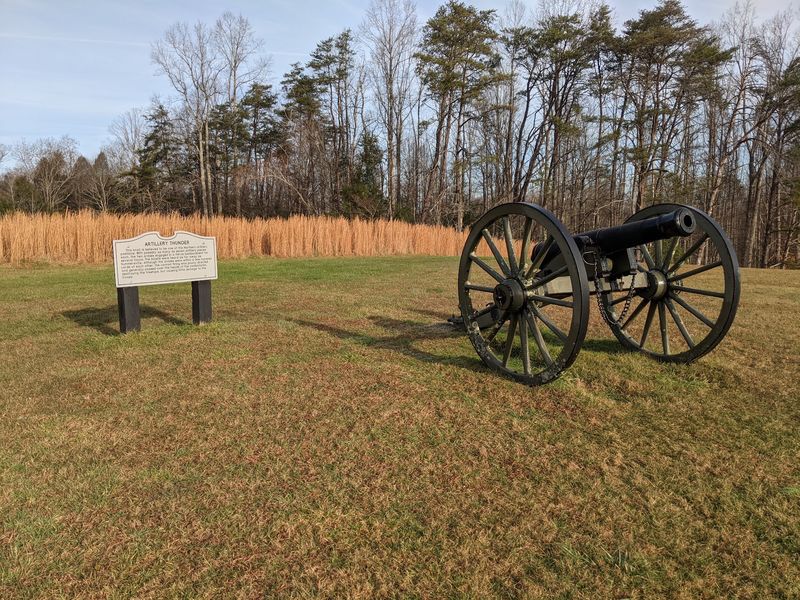
Few states can say the war actually created them. West Virginia can, and its 15 principal battlefields tell that unusual story.
Virginia left the Union in 1861, but many people in its northwestern counties disagreed. Their political push led to a brand new state joining the Union in June 1863.
Battles started long before the paperwork was done. The Battle of Philippi in June 1861 was an early Union win, and it is often called one of the first land battles of the war.
Rich Mountain followed a month later. That victory helped Union forces hold much of western Virginia and boosted the career of General George McClellan.
Mountains and valleys shaped every move. Roads and rivers were few, so controlling them made a huge difference.
Harpers Ferry sits where the Potomac and Shenandoah rivers meet, and it changed hands many times. Harpers Ferry National Historical Park offers museums, trails, and old town streets.
Philippi still has its covered bridge from 1852, used by troops during the war.
10. Kentucky, 11 Principal Battlefields
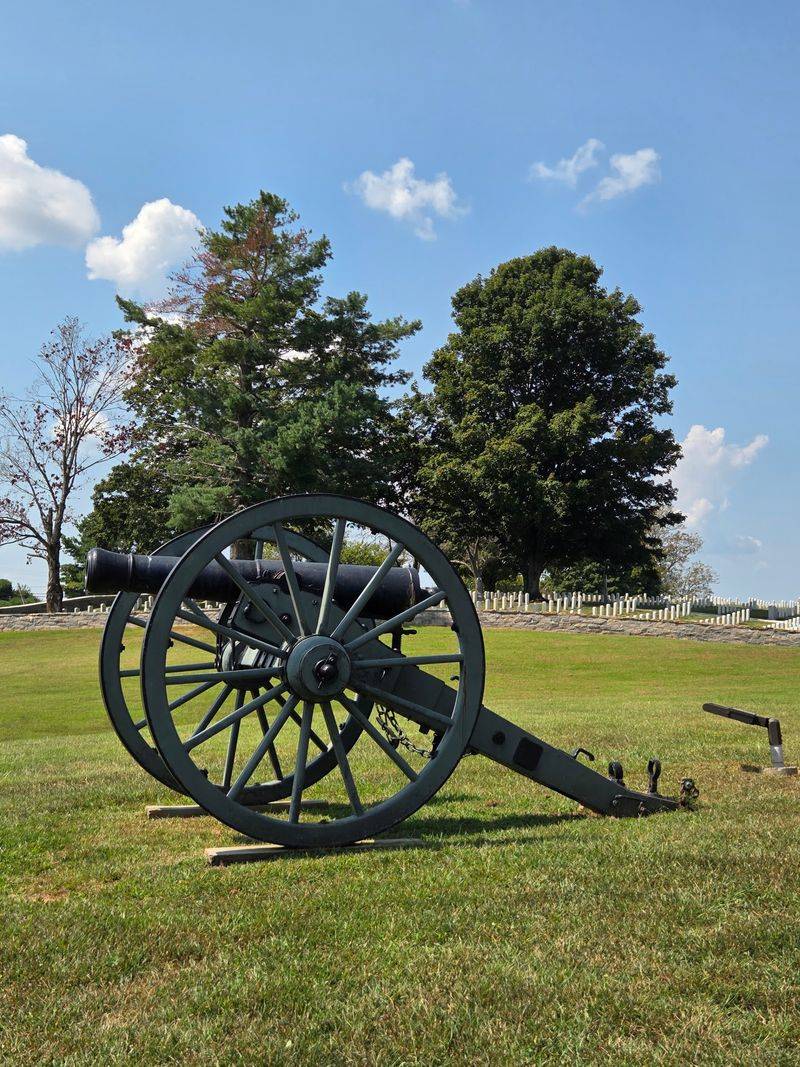
Abraham Lincoln reportedly said he hoped to have God on his side but had to have Kentucky. That quote shows how much the state mattered.
Kentucky was a slaveholding border state that stayed in the Union. It first tried to stay neutral, but Confederate leaders kept trying to pull it their way.
The Battle of Perryville in October 1862 was the largest fight in the state. It ended the Confederate invasion of Kentucky and pushed those forces back into Tennessee.
Other engagements happened at Mill Springs, Richmond, Munfordville, and Cynthiana. The Ohio and Cumberland rivers made the state a key route for moving troops and supplies.
Holding Kentucky also protected Union operations to the south. Without it, campaigns in Tennessee would have been much harder.
Perryville Battlefield State Historic Site protects much of the original landscape. Few modern buildings block the view, so the land looks close to how it did in 1862.
Mill Springs Battlefield is now a national monument with its own visitor center.
11. South Carolina, 11 Principal Battlefields
The first shots of the war rang out in Charleston Harbor, so South Carolina has a special place in this story. Confederate forces opened fire on Fort Sumter on April 12, 1861.
Even so, the state ranks only eleventh. It ties with Kentucky at 11 principal battlefields.
Charleston stayed important all war long. Its harbor, strong forts, and trade links made it a top Union target.
Union forces tried naval attacks, long bombardments, and assaults on forts. The attack on Battery Wagner in 1863 featured the 54th Massachusetts, a famous regiment of Black soldiers shown in the movie Glory.
Fighting also happened at Secessionville, Honey Hill, and Rivers Bridge. Most of the state’s war centered on coastal forts instead of big armies marching across farmland.
Fort Sumter and Fort Moultrie National Historical Park covers both sites. Fort Sumter can only be reached by ferry, so book tickets early in busy seasons.
Fort Moultrie sits on Sullivan’s Island and is easy to reach by car.
12. Alabama, 7 Principal Battlefields
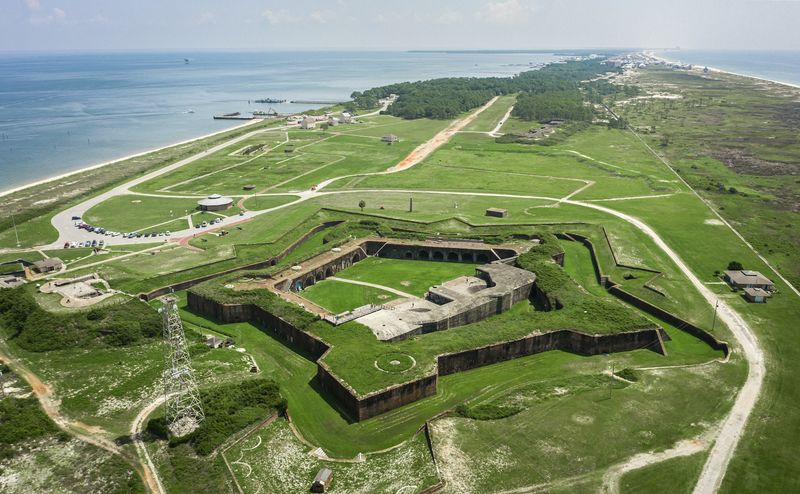
Seven battlefields may sound like a small number, but Alabama made each one count. The state’s factories, railroads, and port of Mobile made it valuable to the Confederacy.
The Battle of Mobile Bay in August 1864 is the headline event. Union Admiral David Farragut led his fleet past Confederate forts and underwater mines, which were called torpedoes back then.
He is often quoted as saying “Damn the torpedoes, full speed ahead,” though historians debate the exact words. Either way, the Union gained control of the bay.
More action followed at Spanish Fort and Fort Blakeley in 1865. The fight at Blakeley happened on April 9, the same day as Lee’s surrender in Virginia.
Selma came under attack that same month. Union cavalry captured the city, which held an important arsenal and supply works.
Fort Morgan State Historic Site guards the bay entrance and has a museum. Historic Blakeley State Park features trails, earthworks, and boat tours.
Both are close to the Gulf beaches, making them easy add-ons to a vacation.
Share this story