In 1894, a candy merchant in Mississippi got tired of watching customers miss out on a drink they loved. Most people could only enjoy it at a soda fountain, so he tried something new.
He sealed the fizzy drink inside glass bottles and sent it out into the world. That one idea helped turn a local treat into a drink people could carry anywhere.
The old store where it all started still stands, and you can walk through it today.
A Bottling Idea That Started With Candy
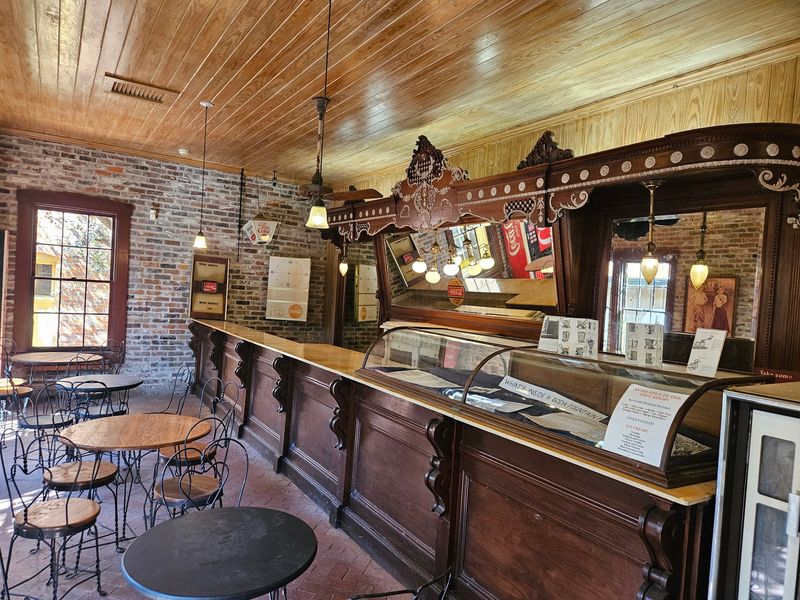
Before bottled soda lined every store shelf, most people drank Coca-Cola at a counter. You had to go to a soda fountain and drink it on the spot.
That limited where the drink could travel.
In 1894, a Vicksburg candy merchant named Joseph Biedenharn changed that. He began putting the drink into bottles so customers could take it home or out to the country.
It sounds simple now, but it was a big step.
His candy store sold sweets and fountain drinks, and the bottling grew out of that busy shop. The change opened the door for the drink to reach far more people.
Keep reading, because the building where it happened is still standing and you can visit it.
Finding the Original Building on Washington Street
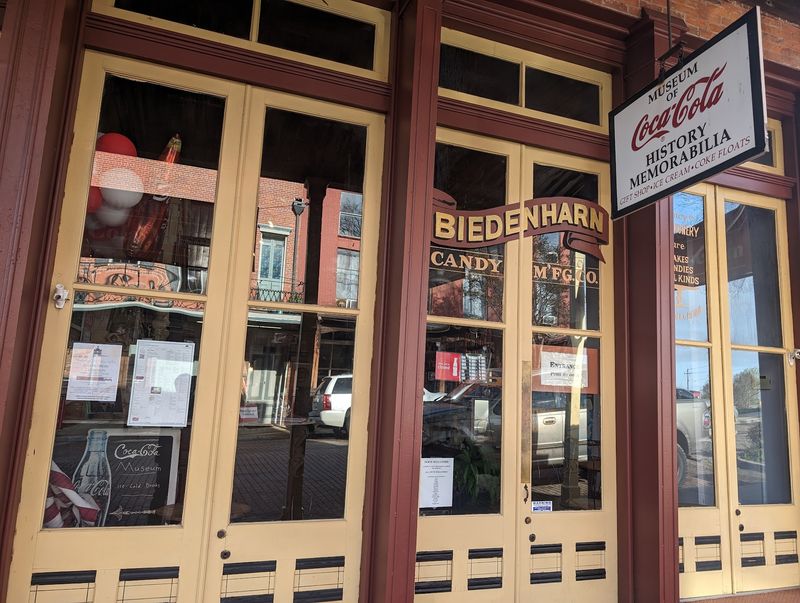
The place to find this piece of history is the Biedenharn Coca-Cola Museum, 1107 Washington St, Vicksburg, MS 39183, United States. It sits in the restored building where Coca-Cola was first bottled in 1894.
Seeing it in person makes the story feel real.
A small parking lot is available, and some street parking helps too. Weekday mornings tend to be calm, so you can take your time.
The museum is open Monday through Saturday from 9 AM to 5 PM. Sunday hours are shorter, running from 1:30 to 4:30 PM.
Plan around those times, and you will have room to wander without feeling rushed.
The Short Walk Through the Museum
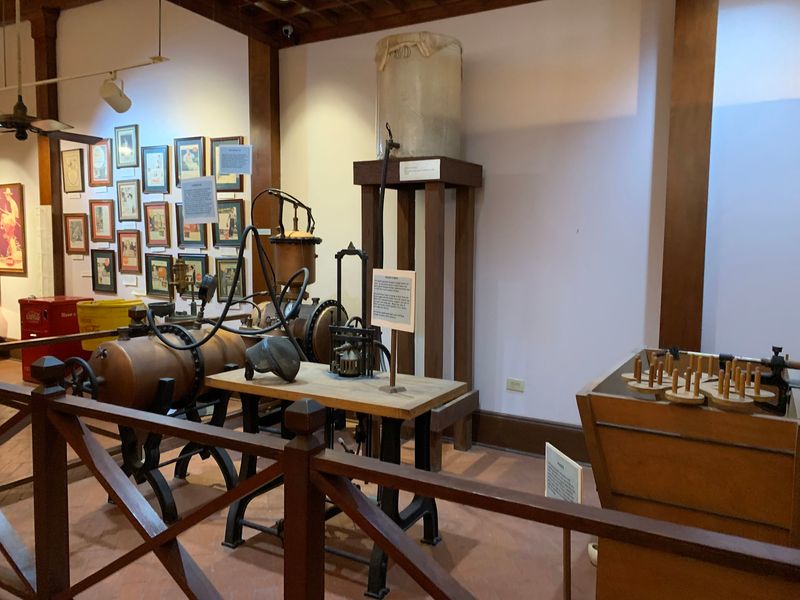
Here is the honest truth: this is a small museum. Most visitors finish the self-guided walk in about 20 to 30 minutes.
That makes it an easy stop on a day trip.
Admission has been a few dollars per person, so it will not strain your wallet. Cards are accepted, which is handy if you forgot cash.
Small does not mean thin, though. Every corner holds something to read or study, from old photographs to business papers.
You can move at your own pace, and the quiet gives you room to look closely at the details.
Original Bottling Equipment on Display
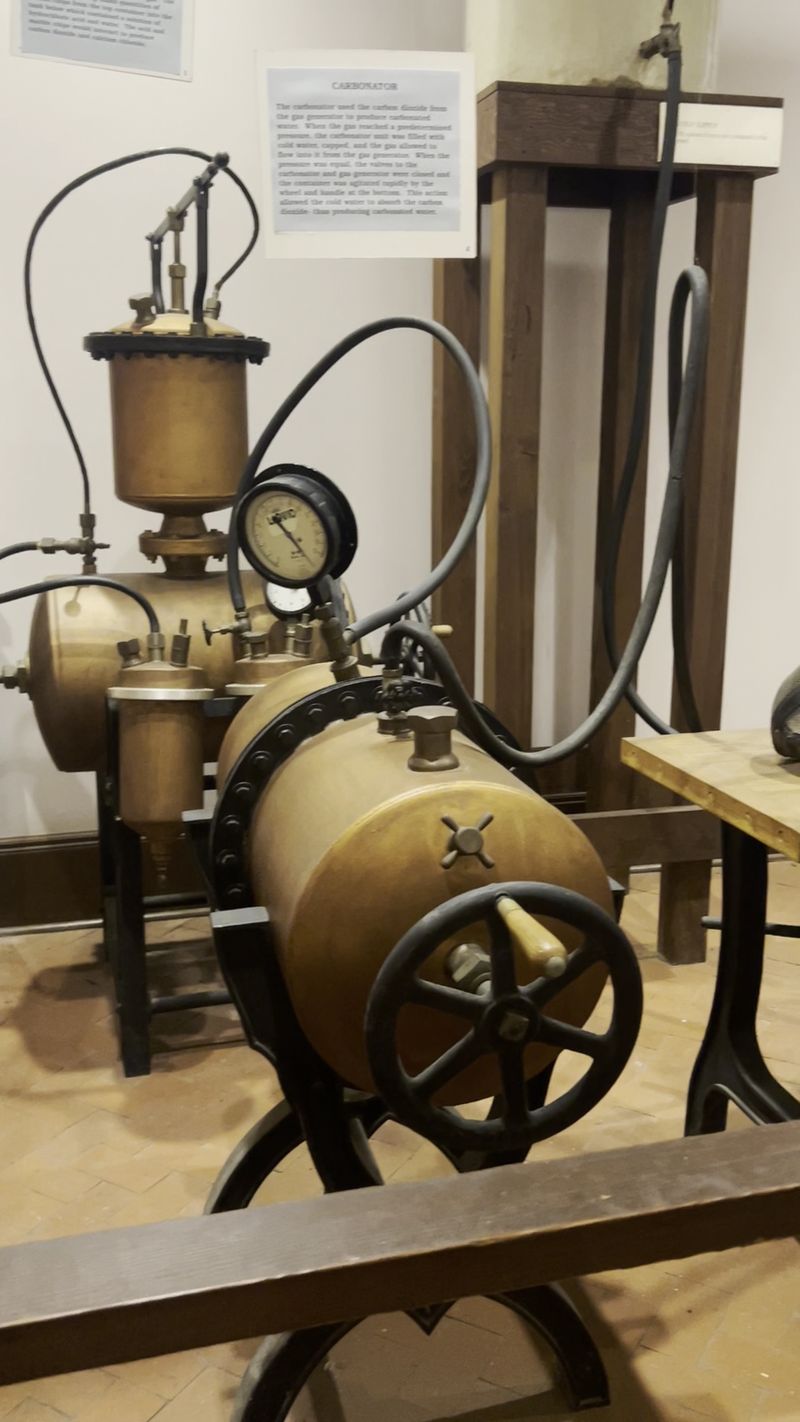
Some of the most interesting things in the building are the tools of the trade. The museum shows pieces of the original bottling equipment used in those early days.
Seeing the gear helps you understand how hands-on the work was.
Bottling in the 1890s was not a push-button process. People filled, sealed, and handled the bottles with simple machines and plenty of effort.
Look for the displays that explain the bottling process step by step. They make the story clear even if you know nothing about soda.
It is a fun way to see how one local shop shaped something much bigger.
Ledgers, Documents, and Old Photos
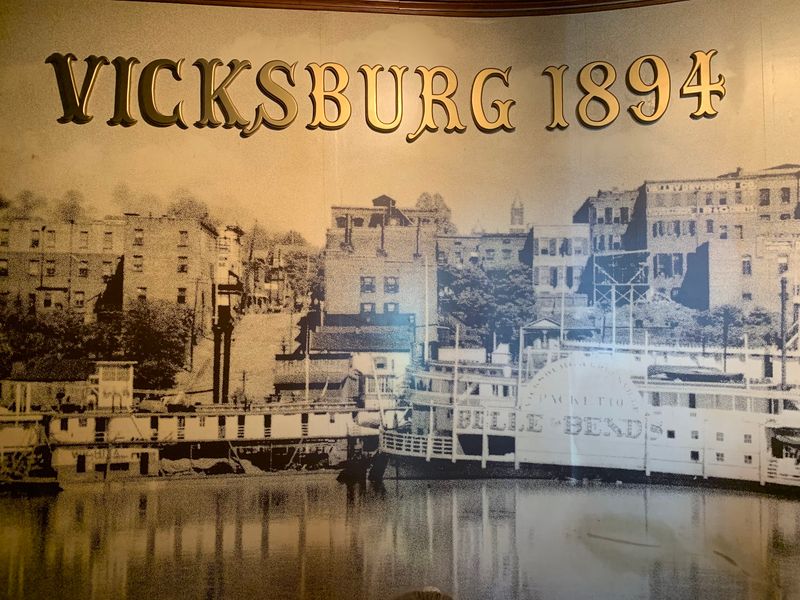
Paper tells stories that objects cannot. The museum keeps ledgers and documents from the candy company and the bottling business.
They show that this was a real working business, not just a clever idea.
Old photographs fill in the picture of daily life in Vicksburg long ago. You can see how the shop looked and who worked in it.
Take a few extra minutes at these cases. The handwriting alone is worth a look, and it gives the visit a personal touch.
It is a nice change from the shiny souvenirs found elsewhere.
A Wall of Bottles From Around the World
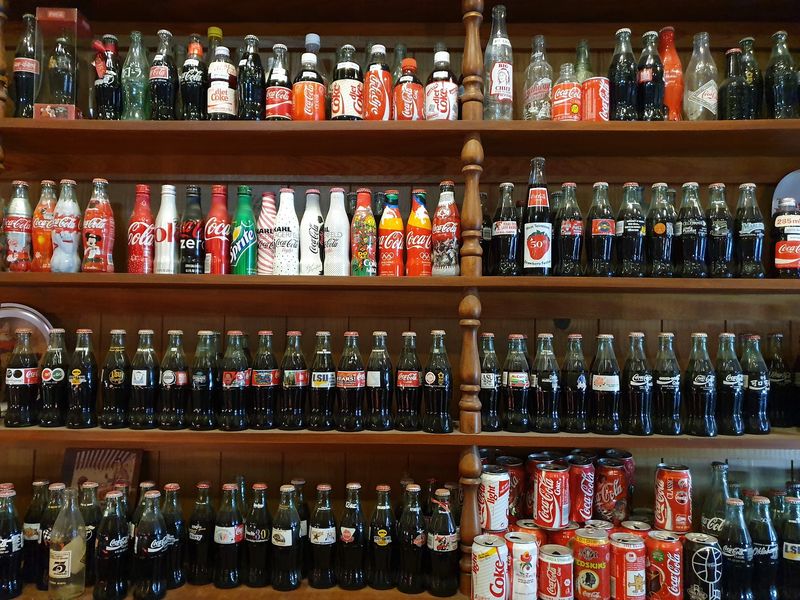
Bottle fans will slow way down here. The collection includes bottles from around the world, each with its own shape and label.
Foreign lettering makes them especially fun to study.
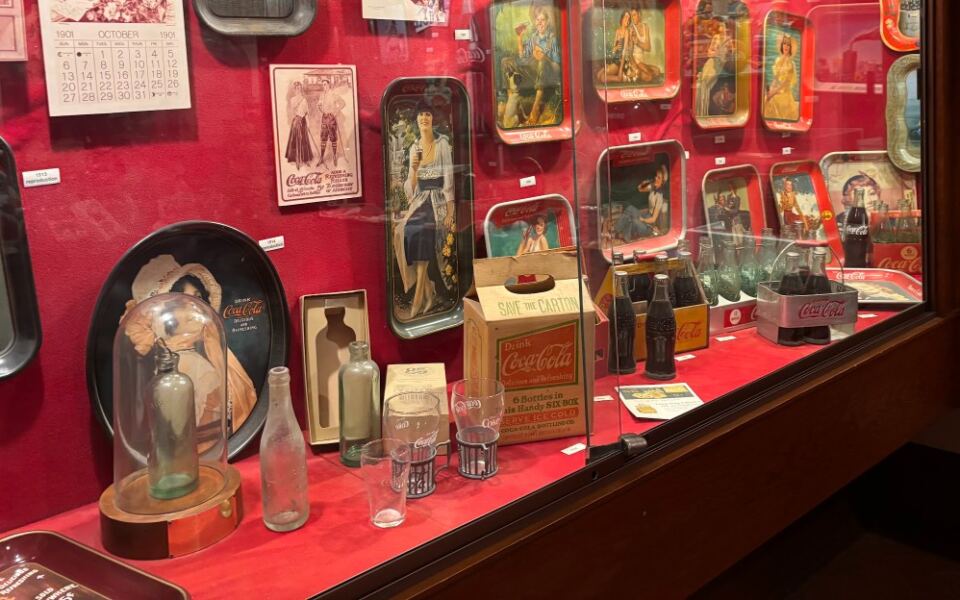
Cans, advertisements, and trademarked items join the bottles in the displays. Together they show how the brand changed its look over the decades.
Try to spot the oldest and newest pieces you can find. It turns the walk into a small treasure hunt.
Kids and adults both seem to enjoy picking favorites.
Vintage Advertising That Sold a Smile
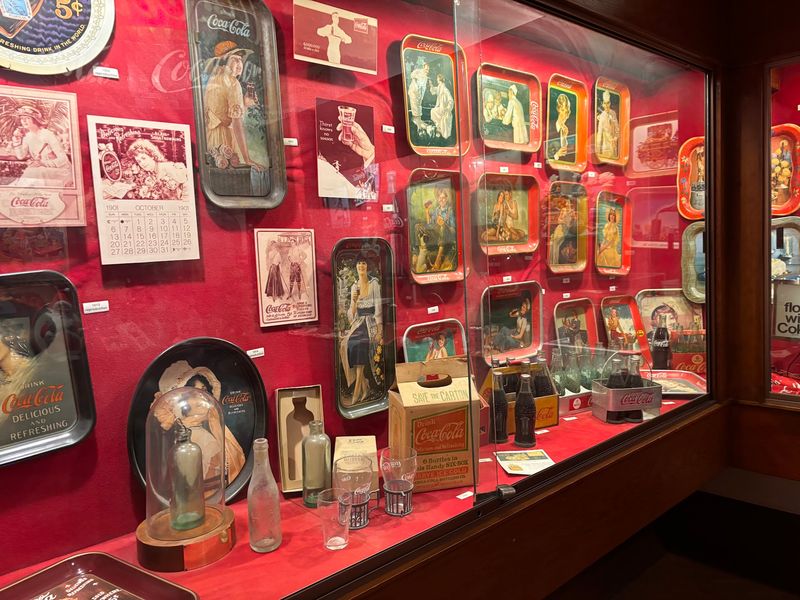
Old advertising pieces fill a good share of the displays. Bright signs, trays, and posters show how the drink was sold to the public.
The artwork has a charm that modern ads rarely match.
These items also act like a timeline. Fashion, fonts, and slogans shift as you move along.
Many visitors say it brings back memories, and that is easy to understand. Even if you did not grow up with these designs, they feel familiar.
Spend a moment imagining who first hung them in a shop window.
The Soda Fountain Behind the Museum
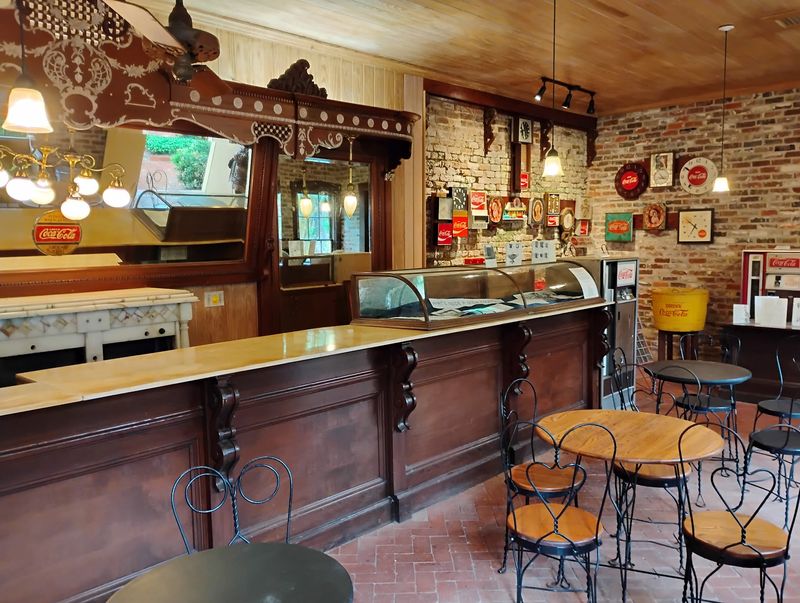
Out back, a separate building holds an old soda fountain setup from the early 1900s. It gives you a sense of how people once enjoyed their drinks at the counter.
This is the style of serving that bottling helped move beyond.
Some visitors have wished more were done with this space. Even so, it is a neat peek into a bygone era.
Do not skip it. Head out the back and take a look at the fountain station building.
It adds a final chapter to the story you just walked through.
Floats and Cane Sugar Cokes
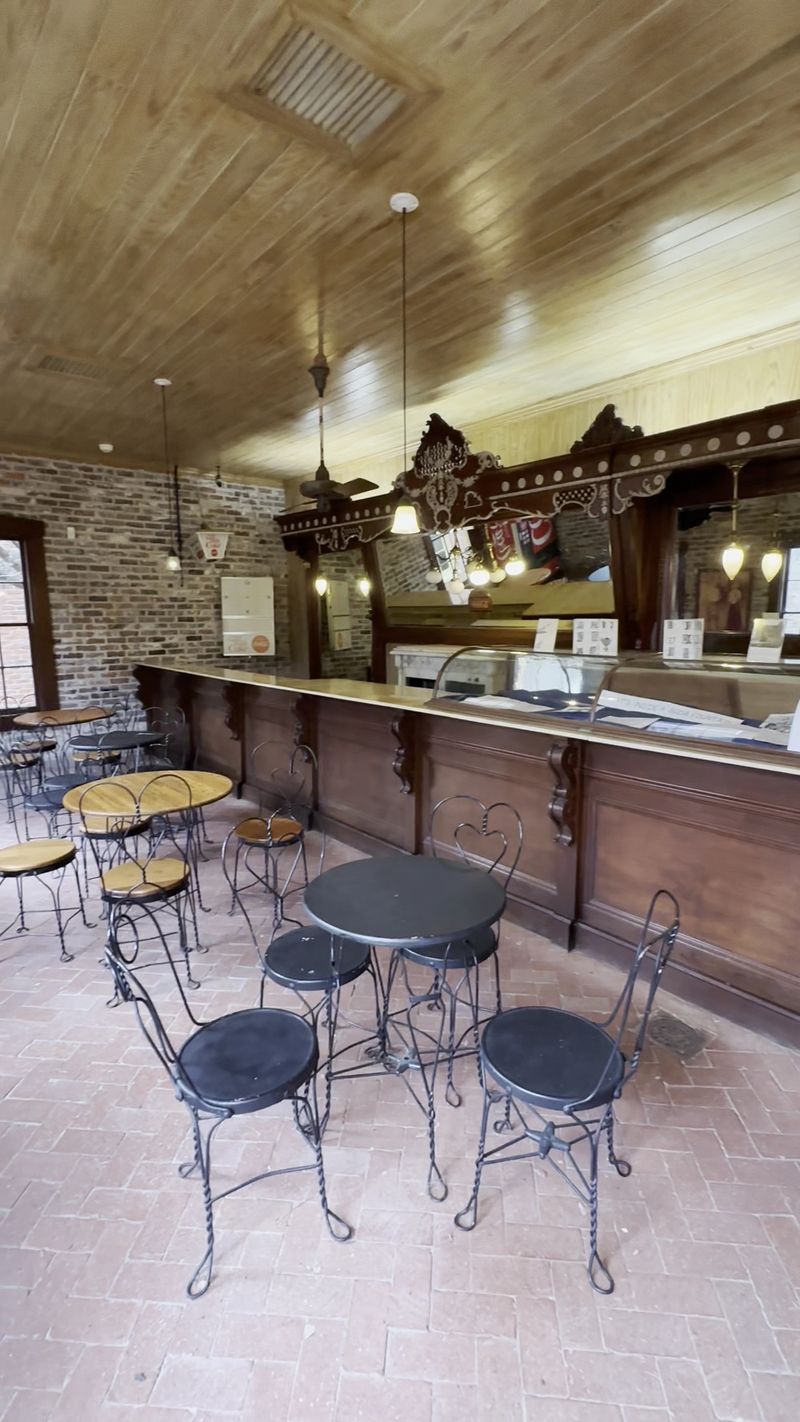
The tasting part might be the happiest stop of all. The shop sells ice cream and ice cream floats, and many people carry one through the museum.
Vanilla and root beer floats are both part of the fun.
You can also buy bottles of Coca-Cola made with cane sugar. Many fans say the taste is crisper, and trying one lets you decide for yourself.
Bottles from 1991 to the present are available too. Grab a cold one before you leave, and the visit feels complete.
Souvenirs, Pressed Pennies, and Nearby Stops
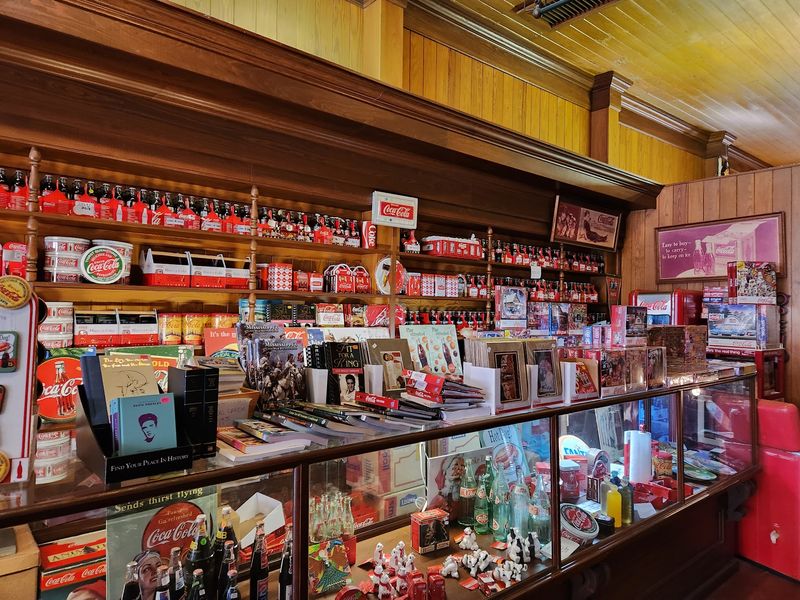
The tour ends in a shop packed with Coke-themed gifts. You will find knick-knacks, souvenirs, and collectibles that make good keepsakes.
A souvenir penny machine is there for anyone who likes pressed coins.
Once you finish, step outside and explore. Other shops line Washington Street and the streets near it, so a short stroll is easy.
This museum pairs well with a day of sightseeing in Vicksburg. If you enjoy quirky stops like this one, look for other small museums and old soda shops in the region.
Every town seems to hide a story worth hearing.
Share this story