You pull off the highway expecting a quick leg stretch and maybe a cold soda, nothing more. Then a door opens, a song from another era starts playing, and suddenly you are standing inside a story that stretches across the whole country.
Oklahoma has a way of hiding its best surprises in plain sight, and this stop proves it. Give it one afternoon, and you might drive away seeing the old road in a brand new light.
A Museum Sitting Right on the Mother Road
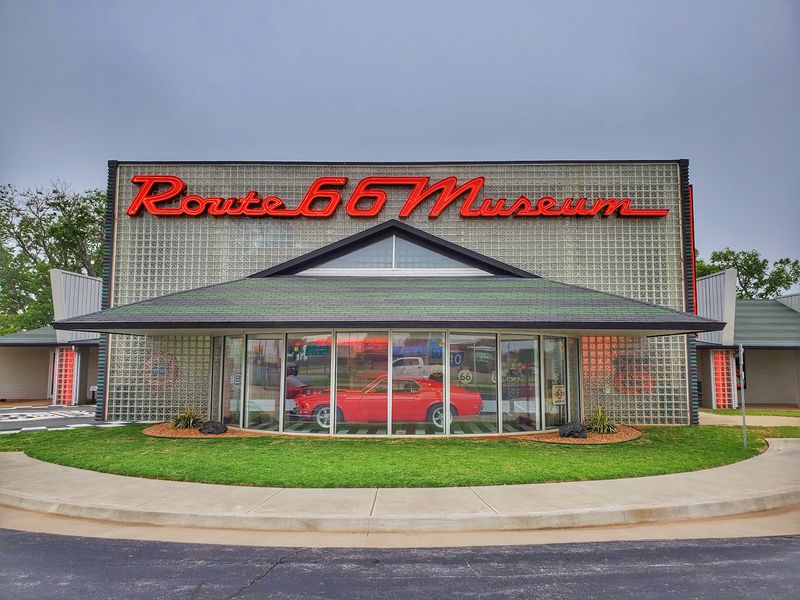
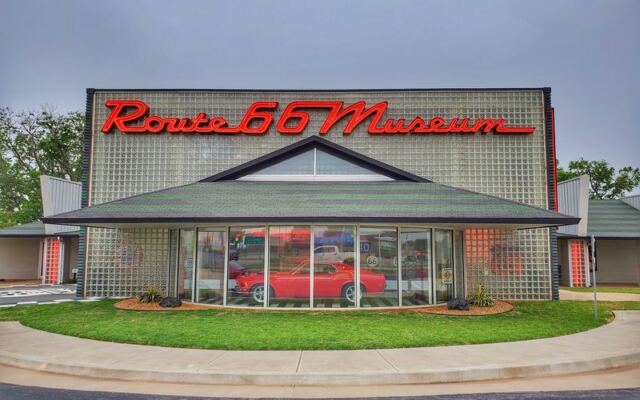
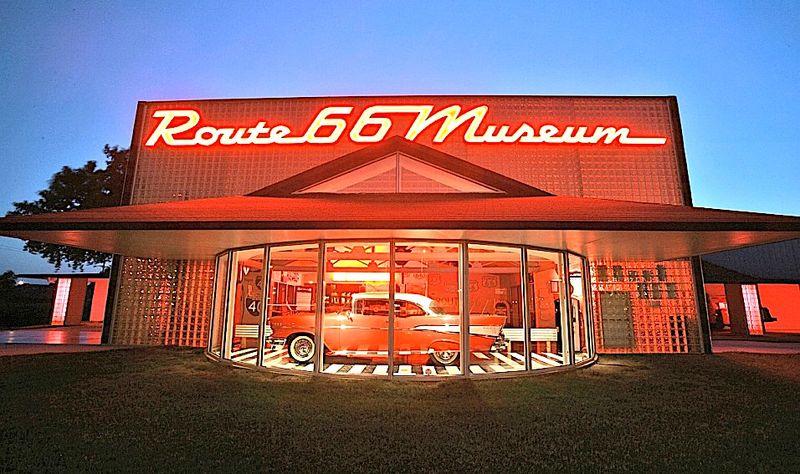
Few places get to say they are part of the very thing they celebrate. The Oklahoma Route 66 Museum sits at 2229 W Gary Blvd in Clinton, along the historic path of the highway itself.
Visitors often call it the largest Route 66 museum in Oklahoma, and many travelers count it among the best on the entire route. It is run with ties to the Oklahoma Historical Society, which shows in how carefully the history is handled.
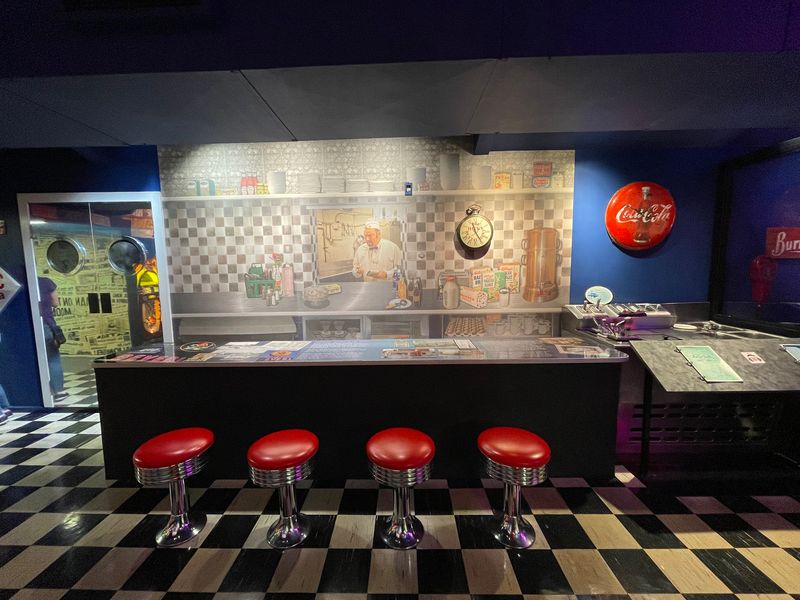
The museum covers the history, myths, signs, photos, and music of the famous road, and it even includes a diner replica you can sit in.
What makes it stand out is the way it is organized. Instead of a jumble of old stuff in cases, the exhibits walk you forward through time, decade by decade.
You start at the road’s birth and finish with the modern push to save it.
For road trippers heading east toward Chicago or west toward California, Clinton makes a natural pause in western Oklahoma. For locals, it is a reminder that a world-famous slice of American history runs right through their backyard.
Either way, it is a stop that tends to stick in memory long after the car pulls away.
How the Road Got Its Start
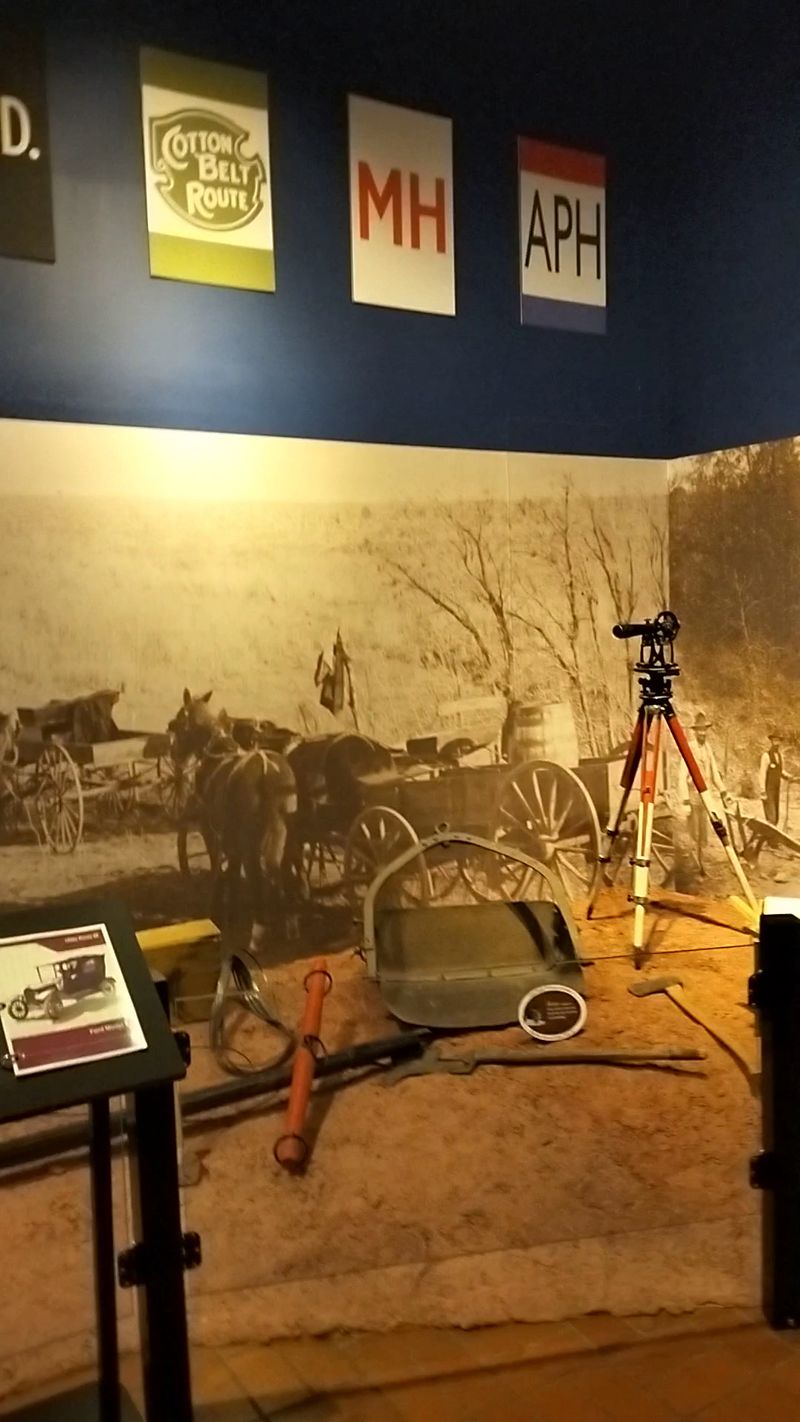
Picture a time when driving across the country meant rutted dirt and guesswork. That is where the walk begins, in the early days before Route 66 became a legend.
The opening rooms explain how the road came together and how it changed over the years. Guests mention learning a surprising amount about the making of the original route and the many adjustments made along the way.
Roads were rerouted, paved, and improved as more families took to the wheel.
Old photos help set the scene. You see the early cars, the simple roadside stops, and the wide open land the highway crossed.
Reading the panels feels a bit like flipping through a family album that belongs to the whole nation.
One visitor shared that the exhibits changed how they saw the road and its place in United States history. That is a big claim for a few rooms of displays, but it makes sense once you are standing there.
The highway was more than pavement. It was a link that let ordinary people chase new jobs, new homes, and new dreams.
Starting here gives every later room more meaning, so take your time at the front door.
Decade Rooms That Move You Through Time
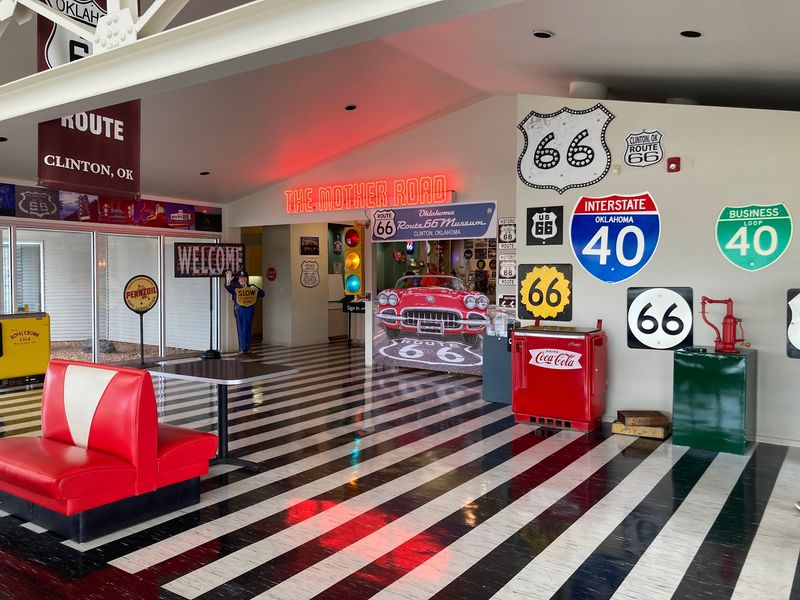
Walking forward here literally means walking forward in years. Each room represents a different chapter of the road’s life, from its beginning through every decade to its decline and finally its modern revival.
Guests praise how well laid out the displays are. The path is easy to follow, so you never feel lost or confused about where to go next.
Every turn brings a new era with its own look, mood, and story.
That steady flow is what makes the museum feel like a time machine. You can watch the road grow busy, see how travel styles shifted, and notice how roadside businesses changed with the times.
Then you reach the quieter years, when bigger highways pulled traffic away.
Many people say the place has lots of information without feeling overdone. That balance matters.
Kids stay interested, and history fans still find plenty to read.
A fun way to experience the rooms is to guess the decade before reading any signs. Look at the cars, the clothing in photos, and the style of the artifacts.
It turns the walk into a little game and helps the details sink in. By the last room, you will have traveled decades in a single afternoon.
Push-Button Soundtracks for Every Era
Here is a tip that regulars love to pass along: push the button. At the entry to each room, a button plays music from that time period, and it changes everything about the experience.
Suddenly the photos and artifacts have a soundtrack. Old tunes drift through the air while you study the displays, and it feels less like reading history and more like stepping into it.
One visitor made a point of reminding others to press it in every room, and that advice is worth following.
Music has always been tied to the open road. Families sang along to car radios, and diners hummed with jukebox songs.
Hearing those sounds while you walk makes the decades feel alive and personal.
It is also a great trick for keeping younger travelers engaged. Kids enjoy being in charge of the button, and the change in music between rooms helps them notice how styles shifted over time.
Do not rush past this small feature. Let a song play for a minute before moving on.
You might catch yourself tapping your foot or thinking of a grandparent who once drove this very route, and those little moments are what make a visit memorable.
The Dust Bowl Exhibit and the Journey West
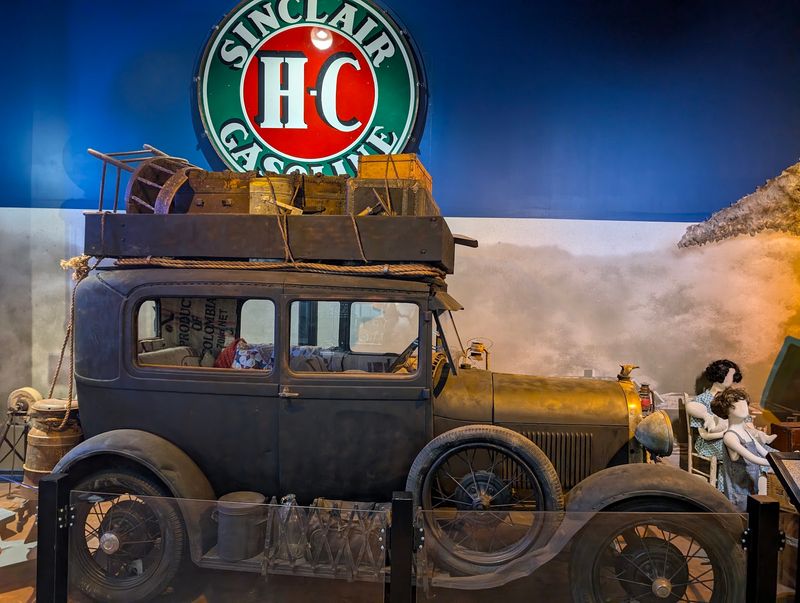
Not every chapter of the road was about fun vacations. During the Dust Bowl, thousands of people packed up what they could and headed west searching for a better life, and many traveled along Route 66 to get there.
The museum’s Dust Bowl exhibit tells that story with care. It helps visitors understand why so many families left the plains and what the journey meant to them.
For Oklahomans especially, this part of the walk can feel close to home.
Standing in this section, it is easy to imagine the long days on the road. Families squeezed into cars and trucks, carrying hope more than possessions.
The highway became a lifeline, a path toward work and fresh starts.
The exhibit adds weight to the bigger picture. Route 66 was not just a scenic drive.
It was part of how the nation moved, struggled, and rebuilt during hard years.
Take a quiet moment here. Read the stories, study the photos, and think about the grit it took to make that trip.
It gives the cheerful neon and diner booths in later rooms a deeper meaning, because the road carried both hardship and happiness across the country.
Diner Booths Ready for a Pretend Lunch Break
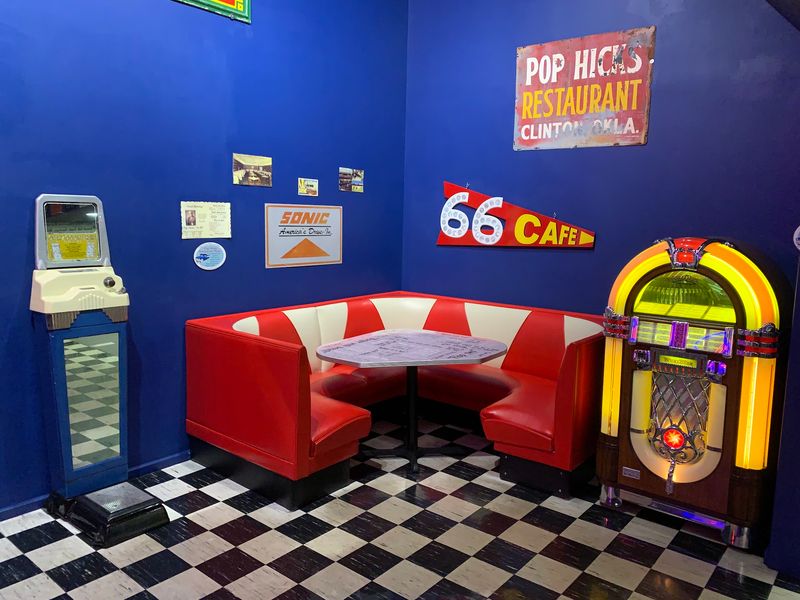
Hungry yet? The replica diner might make you wish you had packed a sandwich.
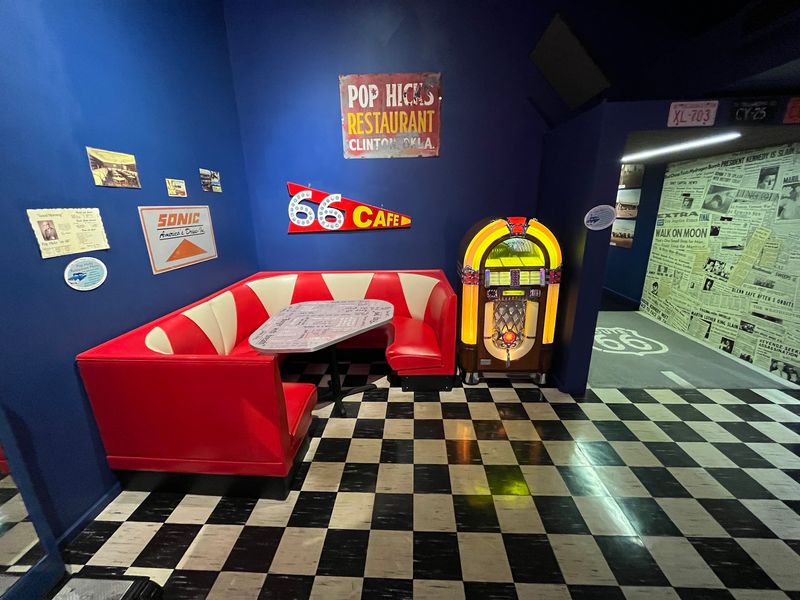
It is one of the most fun spots in the museum, and visitors love sliding into the booths.
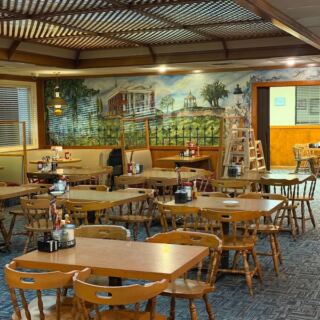
The diner recreates the kind of roadside eatery that once fed travelers along the highway. You can sit in booths styled like the ones countless road trippers used when they stopped for a meal.
It is a simple idea, but it brings the past to life in a way display cases cannot.
Back in the busy years, diners were the heartbeat of the road. Truckers swapped stories, families rested after long stretches of driving, and small towns welcomed strangers with hot coffee and pie.
Sitting here, you can almost hear the clatter of plates and the chatter of hungry guests.
It also makes a great photo stop. Grab a booth, strike a pose, and send a picture home that looks like it came straight from another decade.
No real food is served, so plan your actual lunch elsewhere in Clinton. Still, this little slice of nostalgia might be the most relaxing part of your afternoon, a chance to sit, smile, and soak in the charm of the open road.
Signs, Cars, and Memorabilia Worth a Second Look
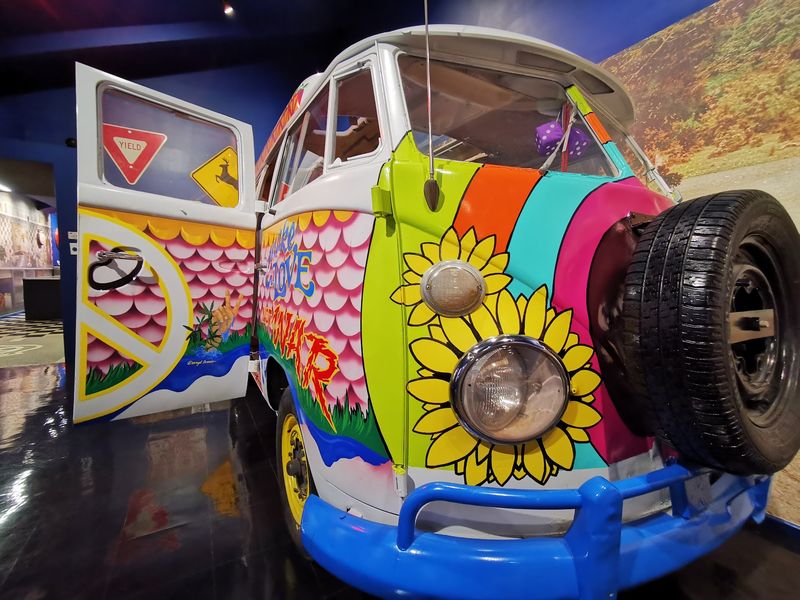
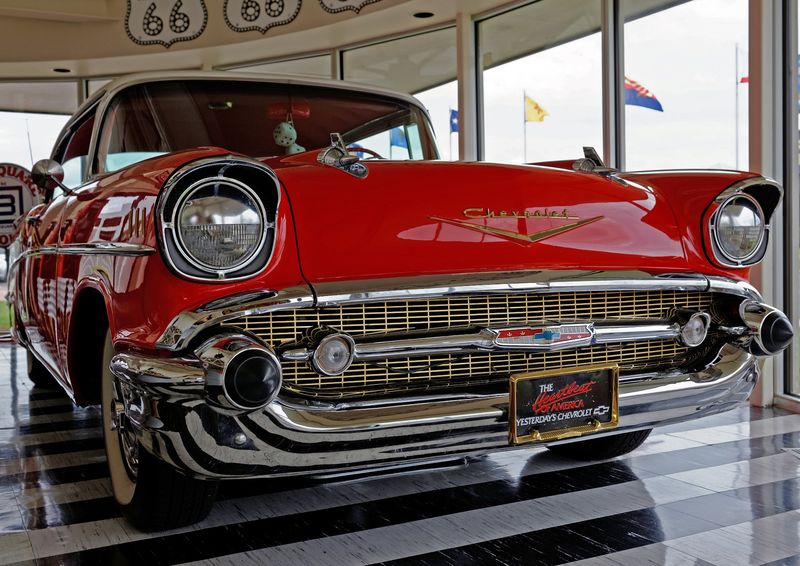
Some museums make you squint at tiny objects behind glass. This one hands you vintage cars, classic signs, photos, and plenty of road memorabilia gathered in one place.
Visitors regularly praise the impressive collection of artifacts. Old signs show the bright, bold style that once lured drivers off the highway, while vintage items reveal what everyday travel looked like.
Every piece seems chosen to tell part of the larger tale.
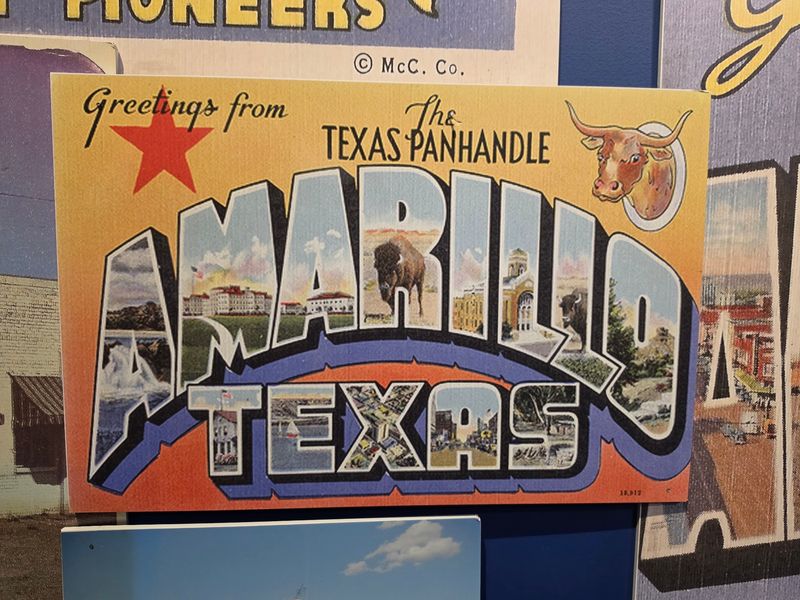
One guest described it as bringing the past back into one place, and that captures the feeling well. You can wander from a polished car to a faded postcard to a souvenir that once sat on someone’s dashboard.
Fans of classic Americana will feel right at home. The colors, fonts, and designs carry a charm that modern roadside stops rarely match.
Even if you are not a car person, the details are fun to study.
Here is a playful challenge: pick one favorite artifact in each room. By the end, you will have your own personal top list to share at dinner.
It is a good way to slow down and really notice the craftsmanship and creativity behind these pieces of history that once lined the most famous highway in America.
Videos and Seats for Tired Road Trippers
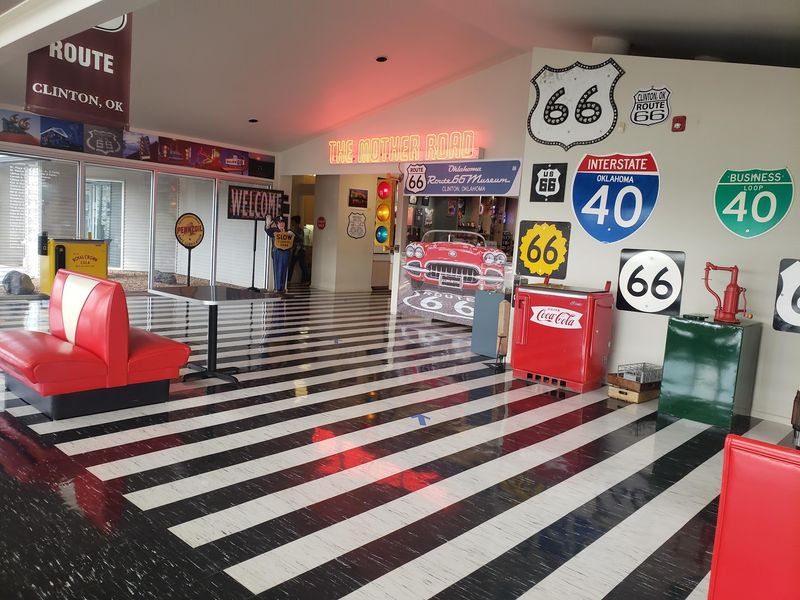
Long drives are tough on the legs, so it is a happy surprise to find places to sit and watch videos about Route 66. Guests mention enjoying these quiet spots as part of their visit.
Old reels show cars cruising down the Mother Road, giving you moving pictures of what the highway looked like in its heyday. There are also videos sharing insight from locals, tourists, and people who were part of the road’s story.
Hearing real voices makes the history feel personal.
These screens add another layer to the experience. Reading panels is great, but watching wheels roll past old filling stations and motels helps you picture the full scene.
They are also perfect for families. If little ones need a break, a few minutes on a bench watching vintage footage can recharge everyone.
Grandparents might even point out cars they remember from their own childhood.
Plan a few extra minutes for these viewing areas. They are easy to skip if you are rushing, yet they offer some of the richest details in the building.
Settle in, rest your feet, and let the old films carry you down the highway without ever turning a key in the ignition.
The Whole Route, Not Just Oklahoma
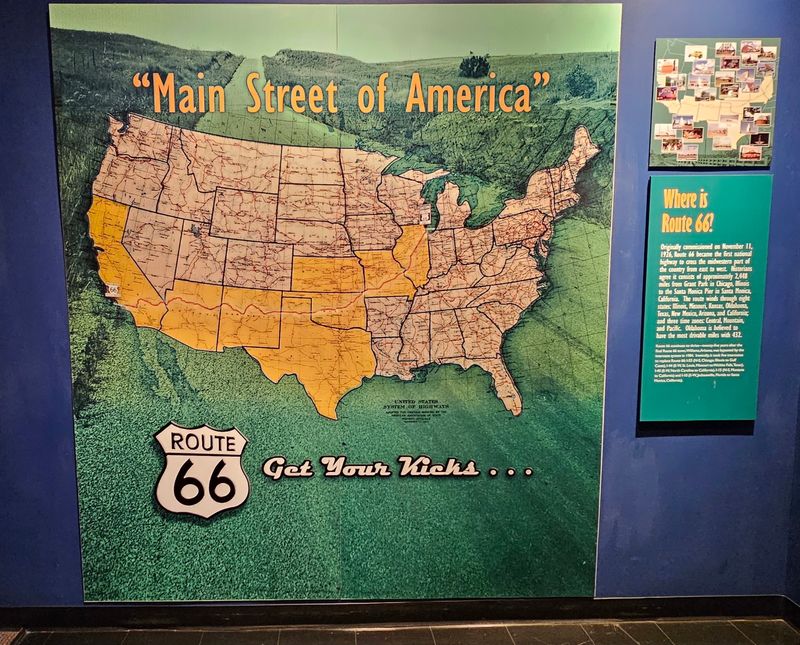
Expecting a strictly local show? Think bigger.
Visitors are often surprised that the displays do not just cover Oklahoma’s history with the road, they include the entire route.
That wider lens is a real strength. Route 66 stretched from Chicago to the California coast, crossing several states and countless towns.
The museum ties those pieces together, so you understand how Oklahoma fits into the national story.
Travelers making the full journey say it ranks among the best museums they found along their trip. One group heading toward Chicago called it a highlight of their whole adventure.
That kind of praise from people seeing many Route 66 stops says a lot.
For Oklahomans, there is a special pride in knowing the state holds such an important place along the road. Oklahoma has a long stretch of the old highway, and this museum celebrates it while also honoring the rest of the route.
If you are planning a bigger road trip, this is a smart early stop. It gives you background that makes every later town, sign, and motel more interesting.
You will start spotting connections everywhere, turning a simple drive into a rolling history lesson across the heart of America.
Friendly Faces Behind the Front Desk
Ask almost anyone who has visited, and the staff comes up quickly. Friendliness is one of the most mentioned parts of the experience here.
Guests describe the team as welcoming, sweet, and very knowledgeable. They are happy to chat, answer questions, and share stories about the road.
Some visitors even mention enjoying long conversations with them during their stop.
That warmth makes a difference. A museum can have great exhibits, but kind people turn a good visit into a memorable one.
You get the sense the staff truly cares about the history and wants every guest to leave happy.
The building itself also earns compliments. One visitor said it was so well maintained they thought it was brand new.
Clean, bright spaces make the walk more pleasant and show the pride people take in the place.
Do not be shy about asking for recommendations. The staff may point out details you would have missed or suggest other Route 66 stops nearby.
Locals often know the best hidden gems along the highway.
In a world of rushed travel, it is refreshing to find a spot where people slow down and treat you like a neighbor. That hometown hospitality fits the spirit of the old road perfectly.
Gift Shop Finds and a Passport Stamp
Souvenir hunters, get ready. The gift shop is one of the most talked-about parts of the museum, and it has been growing.
The team has worked to expand the shop and add more variety, including a bigger selection of t-shirts. Visitors mention a nice range of Route 66 and Oklahoma gifts, and some say the shirts are surprisingly affordable.
Collectors have another reason to stop. The museum offers a Route 66 stamp for your passport book, a fun keepsake for anyone tracking their journey along the highway.
It is a small detail that road trippers really appreciate.
Not everyone loves every price tag, though. One guest felt some souvenirs were on the expensive side and that the shop seemed to play a big role in the visit.
It is fair to browse with a budget in mind.
Still, most people leave with something. A shirt, a sign, a magnet, or a postcard makes a great reminder of your afternoon walking through the decades.
Tip: shop at the end of your tour. After learning the history, those Route 66 shields and logos mean much more, and you might choose a souvenir connected to your favorite room.
Who Will Love an Afternoon Here
Classic car fans, history buffs, curious kids, and nostalgic grandparents all tend to find something to enjoy. The museum works for a wide mix of travelers.
It is a self-guided walking tour, so you set the pace. Some people buzz through in about 30 minutes, while others linger for two or three hours reading every panel and watching every video.
That flexibility makes it easy to fit into almost any road trip schedule.
Families and groups seem to get the most out of it. One visitor noted that with children or friends along, the experience feels especially worthwhile.
Kids enjoy the music buttons and diner booths, while adults soak up the stories.
Set your expectations wisely, though. It is not an enormous building, and one guest reminded others it is a small town museum at heart.
Others, however, found it bigger than they expected, packed with displays.
If you love classic Americana, road trips, or Oklahoma history, this stop fits like a favorite pair of jeans. Even casual travelers often leave impressed.
Bring curiosity, comfortable shoes, and maybe a camera, because the decades waiting inside have a way of turning a quick break into the highlight of the day.
Hours, Admission, and Getting There
Planning matters, especially on a road trip with tight timing. Here are the practical details to know before you go.
The museum is open Monday through Saturday from 9 am to 5 pm and closed on Sundays. Arriving earlier in the day gives you more time to enjoy the exhibits without feeling hurried.
Visitors report an entrance fee of about $10, with many calling it a bargain for the experience. Seniors and young visitors may find reduced pricing, according to guest comments.
Military members and veterans are reported to get in free, a perk several guests appreciated.
You will find the museum at 2229 W Gary Blvd in Clinton, Oklahoma, right along the historic Route 66 corridor in the western part of the state. For questions, you can call 580-323-7866 or check the Oklahoma Historical Society website at okhistory.org.
Watch for special events too. With the road celebrating its 100th anniversary, visitors suggested looking at the website for extra happenings.
Bus tours sometimes stop by, so the building may feel busier at certain times.
Pack water, plan a lunch stop in town, and leave room in the trunk for souvenirs. A little preparation makes the afternoon smooth and stress free.
A Stop That Earns Its Spot on the Map
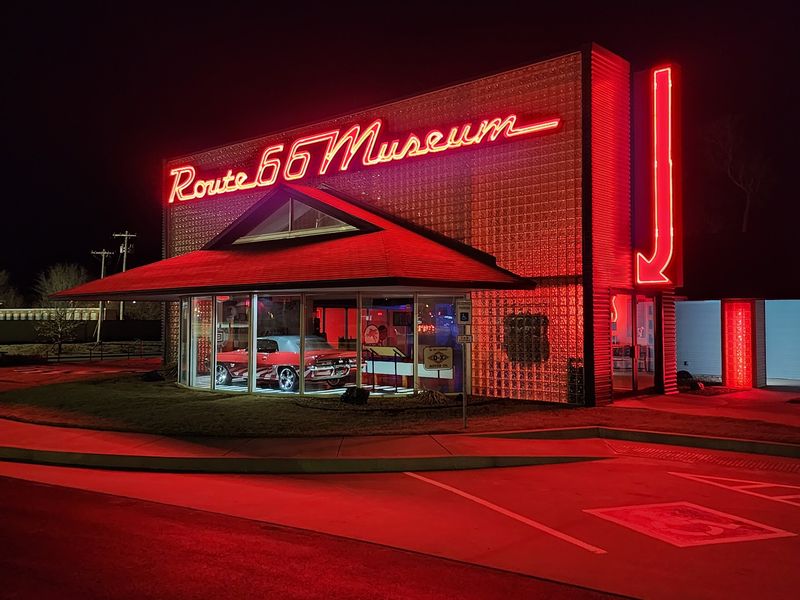
Some road trip stops fade from memory before you reach the next town. This one has a habit of staying with people, and plenty of travelers say they plan to come back.
The appeal comes from many small things working together. The decade rooms give the story a clear path.
The music, videos, and diner booths make it feel alive. The staff adds a warm welcome that matches the friendly spirit of the old highway.
It is not perfect for everyone. If you want a giant museum with endless galleries, adjust your expectations.
But if you enjoy history told with heart, you are likely to walk out smiling.
Many guests call it one of the best Route 66 museums they have visited, and some count it as the top stop on their entire trip. That says a lot about this corner of western Oklahoma.
So next time you find yourself cruising across the state, give yourself an afternoon here. Press the buttons, sit in a booth, read the stories, and grab that passport stamp.
You will leave knowing the Mother Road a little better and loving Oklahoma a little more for keeping its story shining.
Share this story