I expected a quick stretch of the legs on a lazy drive through Oklahoma, maybe a snack and a photo. Instead, I found old stone and brick streets that made me slow down, look up, and wonder about the people who built them.
It felt like stepping into a history book that someone forgot to close. If you love places that surprise you, this one belongs on your map.
A County Seat on the Edge of the Metro
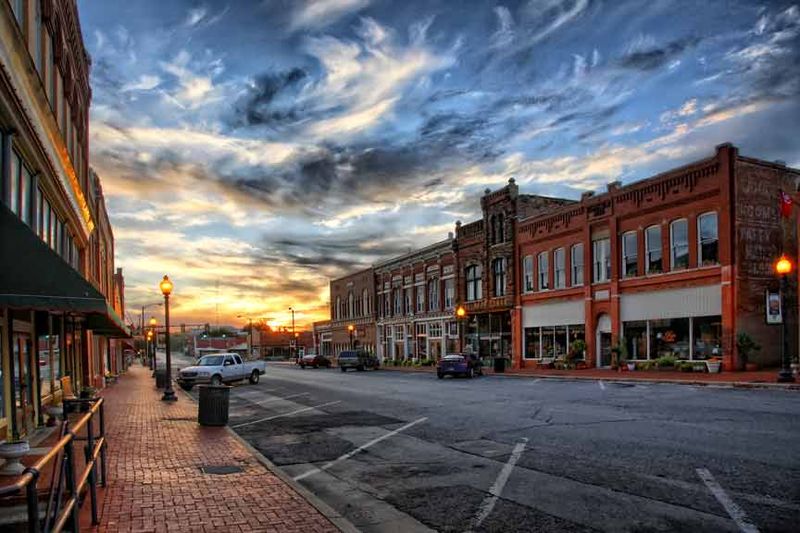
Picture a small city that sits close enough to Oklahoma City to be part of its metroplex, yet feels a world apart once you park. Guthrie serves as the county seat of Logan County, which means courthouse business, local records, and community life all point here.
The town lies north of the capital city, so a short drive swaps highway noise for quieter streets lined with old architecture. Many travelers come for a quick look and end up staying the whole afternoon.
The contrast between modern metro sprawl and this historic core is part of the fun.
Being the county seat also gives Guthrie a steady, lived-in energy. People still work, shop, and gather downtown, so the old buildings are not frozen behind glass.
They hold real businesses and real neighbors, which makes wandering feel natural rather than staged.
For first-time visitors, the best approach is simple. Find a spot to park near the historic center, grab comfortable shoes, and let curiosity lead.
The streets are compact enough to explore on foot, and every corner seems to offer another facade worth a second look. You will likely leave with more photos than you planned to take.
Born From the Land Run Rush
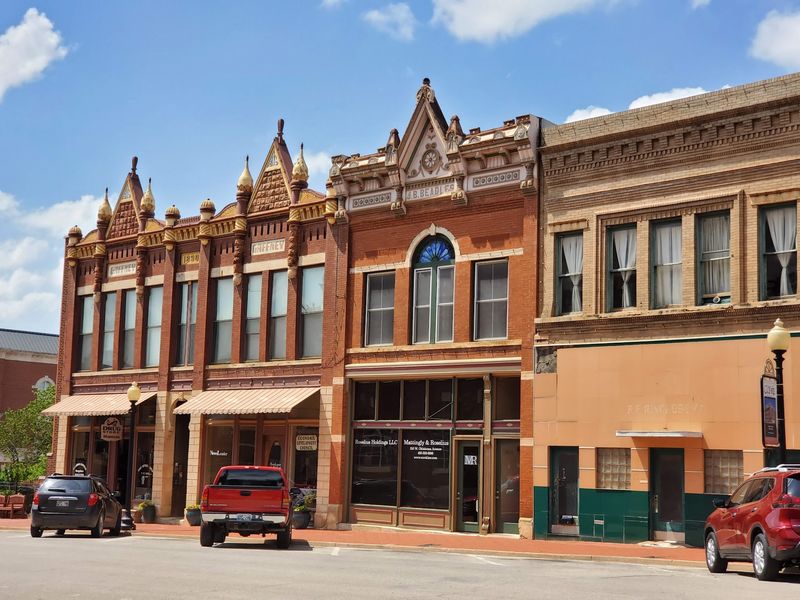
Few towns can claim they appeared almost overnight, but Guthrie’s story is tied closely to the famous Oklahoma Land Run era of the late 1880s. Settlers raced in with hopes, wagons, and big plans, and a community began taking shape on the open prairie.
Tents and rough wooden structures came first, as you might expect. Over time, as the town grew more confident, residents turned to sturdier materials.
Brick and stone buildings rose along the main streets, signaling that people intended to stay for good.
Walking through downtown today, you can sense that ambition in the architecture. The buildings were not thrown together quickly.
They were designed to look important, solid, and lasting, almost like a promise carved in masonry.
History lovers will enjoy imagining the scene from more than a century ago. Merchants would have hung signs, families would have stocked up on supplies, and newcomers would have looked around wondering what this young town might become.
Plenty of that early spirit still hangs in the air.
Knowing this backstory before your visit adds real depth. Every doorway becomes a small clue about how a prairie settlement grew into a place that people wanted to call home for generations.
The Capital Chapter Oklahomans Still Talk About
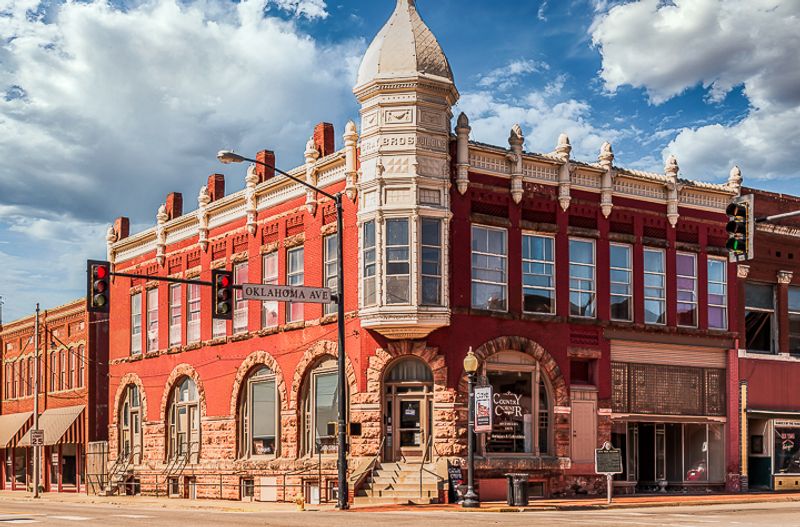
Here is a bit of trivia that surprises plenty of newcomers: before Oklahoma City held the title, Guthrie was the territorial capital and served as the early seat of government when Oklahoma became a state. That role shaped the town in ways you can still see.
Capital status brought lawmakers, lawyers, newspapers, and businesses eager to be near the action. With them came buildings meant to impress.
Grand facades and careful stonework reflected a town that believed it was the center of a new state’s future.
Eventually, the capital moved south, and the spotlight shifted. Yet that change may have helped preserve the old streets.
With less pressure to tear down and rebuild, many structures from the era stayed standing.
Locals often speak about this chapter with a mix of pride and playful longing. It is part of the town’s identity, a reminder that this small city once carried enormous weight in Oklahoma history.
As you stroll, it is easy to picture officials hurrying between offices and townsfolk catching up on the latest news. The title of this article is no exaggeration.
In many ways, the territorial capital mood never really packed its bags.
Brick, Sandstone, and Ornate Facades
Stone has a way of holding onto time. Run a hand along a weathered block, and you can almost feel the decades stacked inside it.
Guthrie’s historic buildings show off that quality beautifully.
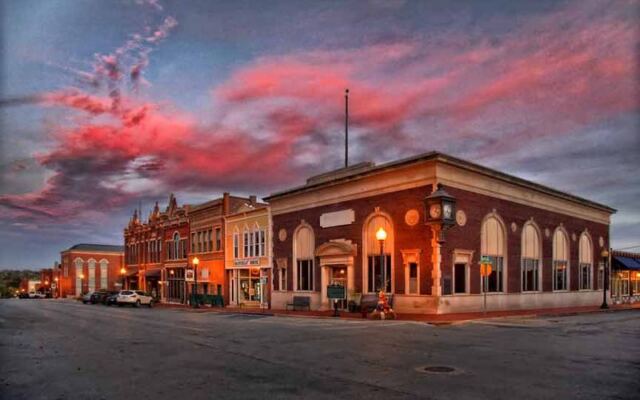
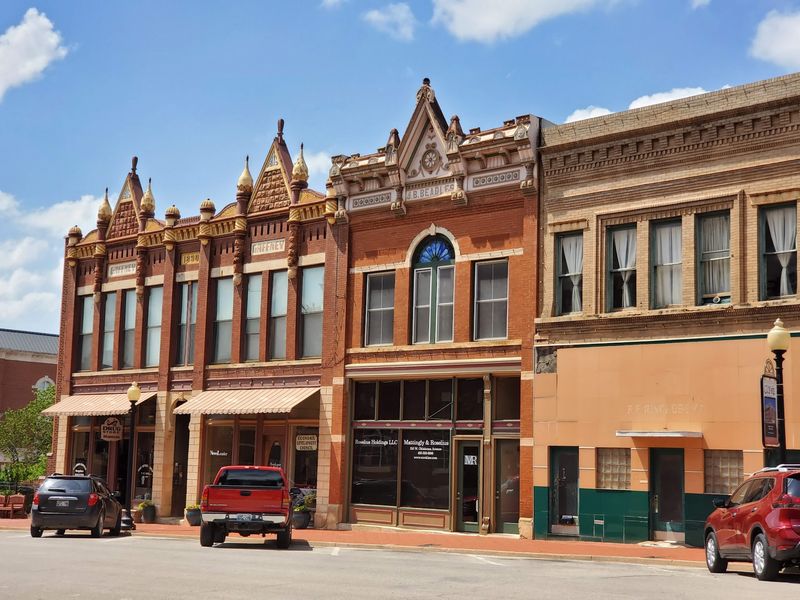
Red brick mixes with lighter stone trim, creating facades full of warm color and texture. Arched windows, decorative cornices, and tall storefronts give the streets a rhythm that modern strip malls simply cannot match.
Each building seems to have its own personality.
Photographers tend to love the late afternoon here. When the sun drops low, the masonry glows in shades of rust, honey, and soft cream.
Shadows settle into carved details and make them pop.
Look closely and you may notice differences from one structure to the next. Some lean toward sturdy simplicity, while others feature fancy flourishes that hint at a builder showing off a little.
Together, they form a streetscape that feels unified yet never boring.
A slow walk works best for appreciating the craftsmanship. Stop often, step back across the street for a better angle, and take in the whole facade.
You will begin to see why so many visitors describe the downtown as one of the most charming historic districts in Oklahoma.
Downtown Blocks Made for Slow Strolling
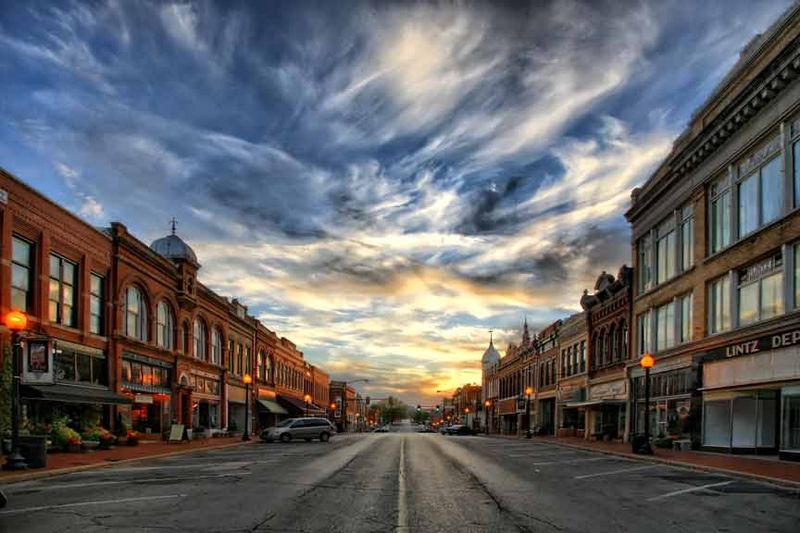
Leave the car behind for a while. Guthrie’s historic core rewards people who walk, wander, and pause without a strict plan.
Sidewalks run past rows of old storefronts, many housing local shops and small businesses. Window shopping becomes a pleasant pastime as you move from block to block.
Because the area is compact, you can cover a lot of ground without feeling worn out.
Part of the joy comes from the pace. Nobody seems to rush here, and that relaxed mood rubs off quickly.
You might find yourself chatting with a shopkeeper, lingering at a corner, or simply sitting for a moment to watch the street.
Families with kids can turn the walk into a game. Spot the oldest looking date stone, count arched windows, or hunt for the most colorful door.
These little challenges keep younger travelers curious and engaged.
Comfortable footwear makes a real difference, especially if you plan to explore side streets too. Bring water on warm days, and take breaks whenever something catches your interest.
By the end, the town starts to feel familiar, almost like a neighborhood you already know. That easy sense of belonging is a big reason visitors come back again.
Secrets Hiding Above Eye Level
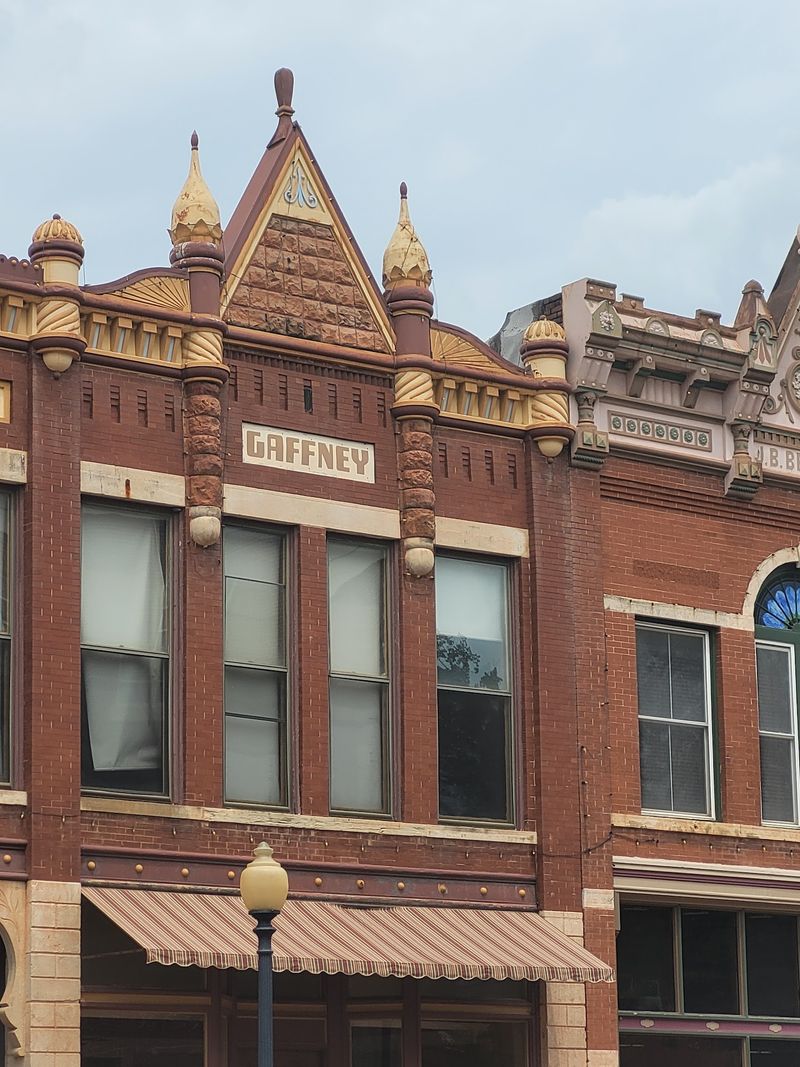
Most people walk with their eyes on the sidewalk or the shop windows. In Guthrie, that habit means missing half the show.
Tilt your head up and the second and third stories come alive. Decorative cornices stretch along rooftops, carved trim frames tall windows, and some buildings display names or dates high on their fronts.
These details were meant to be admired from the street, and they still deliver.
Upper floors often tell a different story than the ground level. Storefronts may have changed many times over the years, but the tops of buildings usually keep more of their original character.
Think of them as time capsules sitting right above the modern bustle.
Bringing binoculars might sound silly, yet architecture fans swear by it. A zoom lens on your phone works too.
Suddenly you can see tiny patterns, chipped stone edges, and craftsmanship that would otherwise blur together.
A fun challenge is to find two buildings with matching details. You may discover that each builder added a personal touch.
Some flourishes are bold, while others are subtle enough to reward only the patient observer.
Once you start looking upward, you will never see a historic main street the same way again.
Small Population, Big Personality
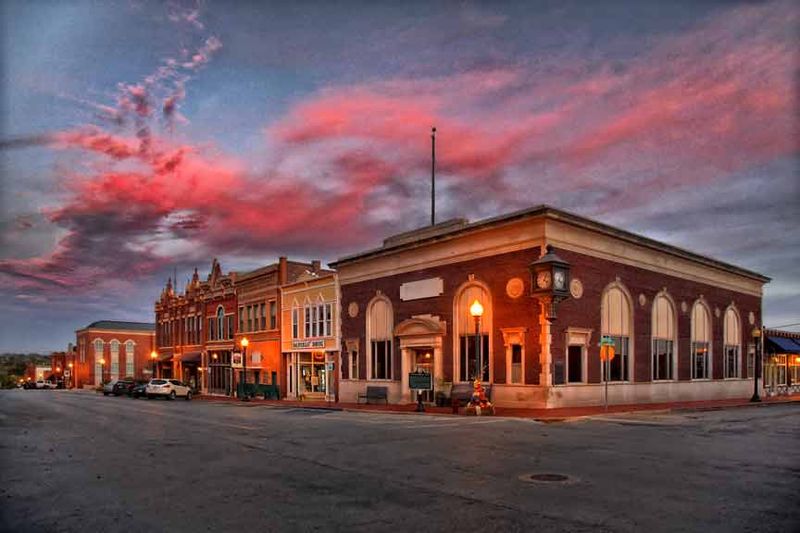
According to the 2020 census, Guthrie had a population of 10,749. That number tells you a lot about the feel of the place before you even arrive.
A city of this size is big enough to have shops, services, and a lively downtown, yet small enough that faces become familiar quickly. Visitors often notice a friendly, unhurried attitude.
People say hello, and conversations come easily.
The modest population also helps explain why the historic buildings feel so present. There is room for the past to breathe here.
Without towering modern structures crowding the skyline, the old brick and stone take center stage.
Being part of the Oklahoma City Metroplex adds another layer. Residents enjoy small town living while staying connected to big city jobs and amenities.
Travelers get the same perk, since a day in Guthrie can easily pair with plans in the metro.
For anyone tired of crowded tourist hot spots, this balance is refreshing. You can explore without battling heavy foot traffic, take photos without waiting for a clear shot, and actually hear yourself think.
It is proof that a place does not need a huge population to leave a huge impression on the people who visit.
Local Lore Behind Old Walls
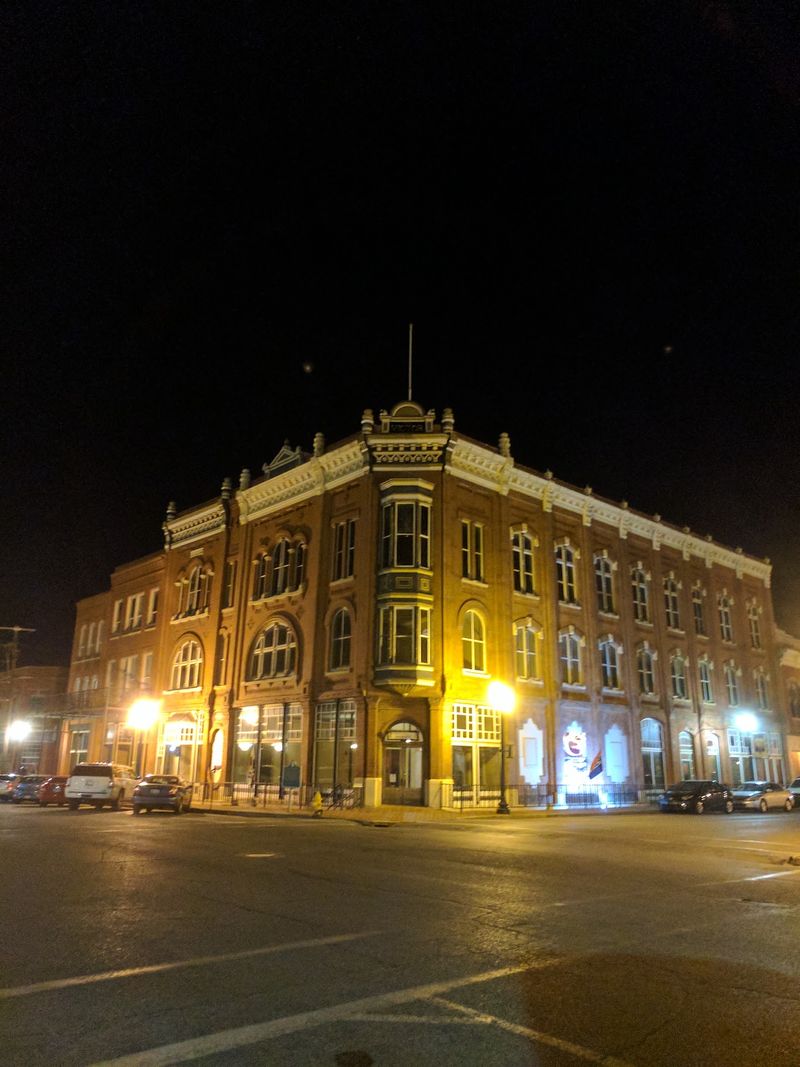
Old buildings collect stories the way attics collect dust. In a town with Guthrie’s history, it is no surprise that local lore swirls around some of the older addresses.
Residents and visitors sometimes share tales of odd sounds, flickering lights, or strange feelings inside historic spaces. These stories are best enjoyed as folklore rather than fact.
Still, they add a fun, spooky layer to any walk through downtown.
Fall is an especially popular time to chase these legends. Cooler evenings, long shadows, and dim streetlights make the old facades look a little more mysterious.
Even skeptics tend to admit the setting is perfect for a good story.
If you enjoy this side of history, keep your ears open while exploring. Shopkeepers and longtime locals may have a tale or two about their buildings.
Ask politely, and you might hear a story passed down for years.
Remember that many of these places are private businesses or homes. Respect property lines and posted hours, and never wander where you are not welcome.
Whether you believe in ghosts or simply love a good yarn, the lore adds charm. It reminds us that history is not only about dates, but also about the stories people keep telling.
Every Season Paints the Streets Differently
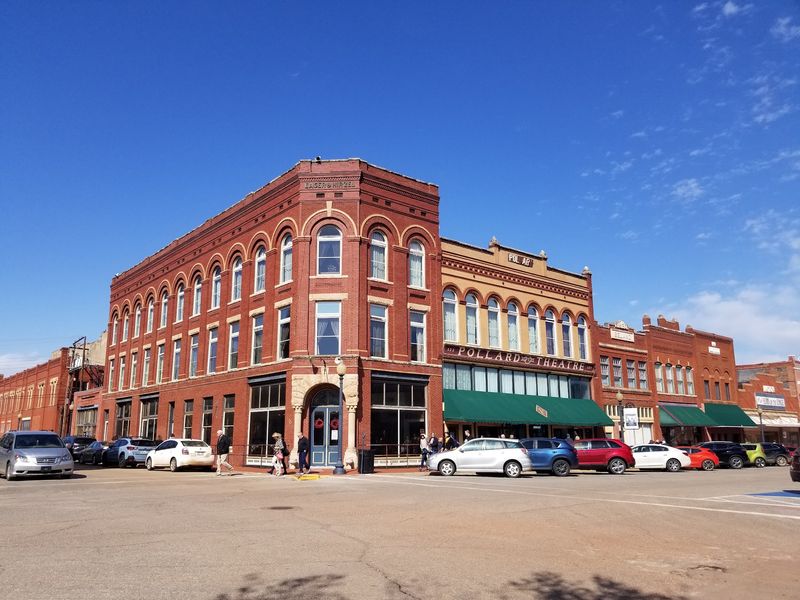
Spring arrives softly in central Oklahoma, and the historic district wakes up with it. Mild temperatures make walking a pleasure, and the brick seems to glow under fresh sunshine.
Summer brings stronger heat, so early mornings and evenings tend to be the sweetest times to explore. Shade from awnings and buildings helps, but a hat and water bottle are smart companions.
Long daylight hours give you plenty of time to linger.
Autumn might be the crowd favorite. Cooler air, golden light, and that slightly eerie charm of old architecture make the season ideal for photography and local lore.
The whole downtown takes on a cozy, storybook feel.
Winter has its own quiet magic. With fewer people around, you can enjoy the facades in peace.
Festive touches during the holidays can make the old streets feel especially warm, even on chilly days.
Weather in Oklahoma can change quickly, so checking the forecast before you go is always wise. Layers work well in the shoulder months.
No matter when you visit, the buildings themselves stay constant. They have watched more than a century of seasons roll by, and they wear each one with steady, timeless grace.
Who Gets the Most Out of a Visit
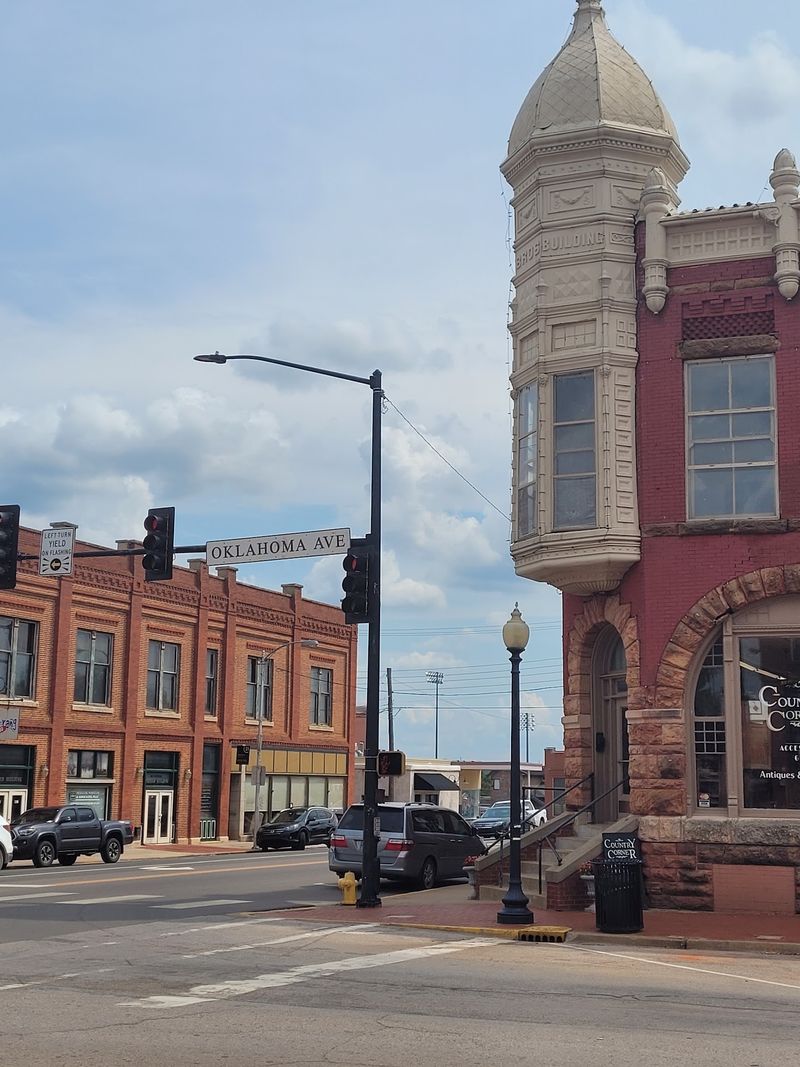
History buffs, obviously, will feel right at home. Anyone who gets excited about old architecture, early statehood stories, or the Land Run era will find plenty to soak up.
Photographers are another natural fit. The textures, colors, and repeating patterns of the downtown facades offer endless compositions.
Golden hour turns ordinary corners into frame-worthy scenes.
Road-trippers looking for an easy detour should also take note. Because Guthrie sits within the Oklahoma City Metroplex, it slips neatly into a weekend itinerary or a day trip.
You do not need elaborate planning to enjoy it.
Families can make it work too, especially with kids who like scavenger hunts or spooky stories. Turning the walk into a game keeps energy high.
Short, flexible outings tend to work better than packed schedules.
Couples seeking a low-key date will appreciate the relaxed pace. Strolling hand in hand past glowing storefronts has an old-fashioned charm that feels refreshingly simple.
Travelers who prefer big thrills or nonstop entertainment may find the mood slower than they expect. That calm, though, is exactly the point.
Guthrie rewards curiosity and patience far more than speed, so arrive ready to wander.
Getting There Without the Fuss
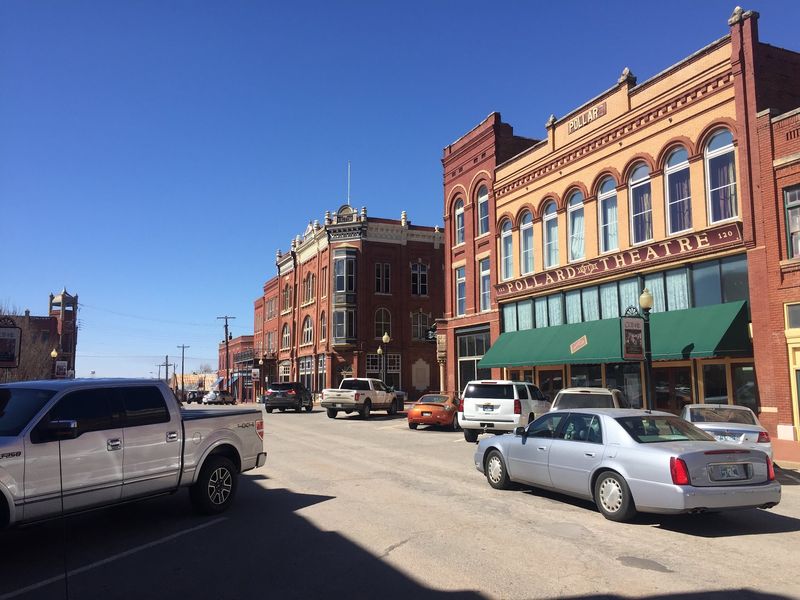
Good news for anyone short on time: reaching Guthrie is refreshingly easy. As part of the Oklahoma City Metroplex, the town sits within comfortable driving distance of the capital city.
Most visitors arrive by car, which offers the most flexibility. A short drive north from Oklahoma City gets you there, and the shift from busy roads to calm historic streets happens quickly.
Plugging the city into any map app will guide you right in.
Once you arrive, aim for the historic downtown core. Parking near the center lets you explore on foot, which is truly the best way to experience the architecture.
Keep an eye on any posted parking signs to avoid surprises.
Travelers coming from farther away can easily fold Guthrie into a larger Oklahoma road trip. It pairs well with a stay in the metro area, giving you city comforts at night and small town charm by day.
Leave a little buffer time in your schedule. Many visitors plan for an hour and end up staying much longer once they start exploring.
Fill the tank, queue up a good playlist, and enjoy the ride. The destination makes every mile worth it.
Smart Planning Notes for Your Trip
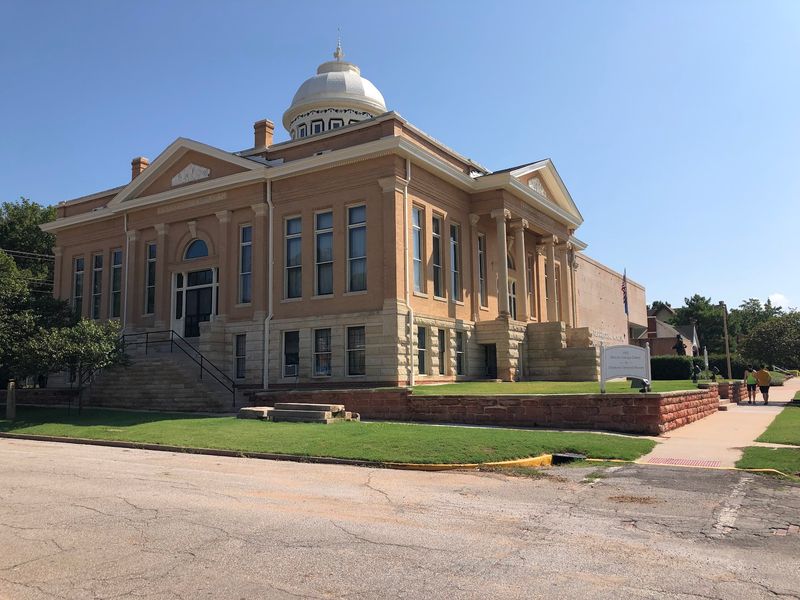
A little preparation goes a long way. Before heading out, take a look at the official city website at cityofguthrie.com for current information about events, attractions, and local services.
Hours for individual shops and sites can vary, so confirming details ahead of time helps avoid disappointment. Weekends often bring more activity, while weekdays may feel quieter and more relaxed.
Pick the mood that suits you best.
Wandering the historic streets themselves costs nothing, which makes this a budget-friendly outing. Spending is completely up to you, whether that means browsing local shops or simply enjoying the scenery.
Pack the basics before leaving home. Comfortable shoes, water, sunscreen, and a charged phone or camera will cover most needs.
In cooler months, a light jacket keeps evening strolls pleasant.
Consider bringing a small notebook too. Jotting down interesting dates, building details, or stories you hear can turn a casual visit into a personal history project.
Finally, be a thoughtful guest. Respect private property, support local businesses when you can, and leave the streets as lovely as you found them.
Small courtesies help keep this special place welcoming for every traveler who follows.
A Soft Verdict on Oklahoma’s First Capital
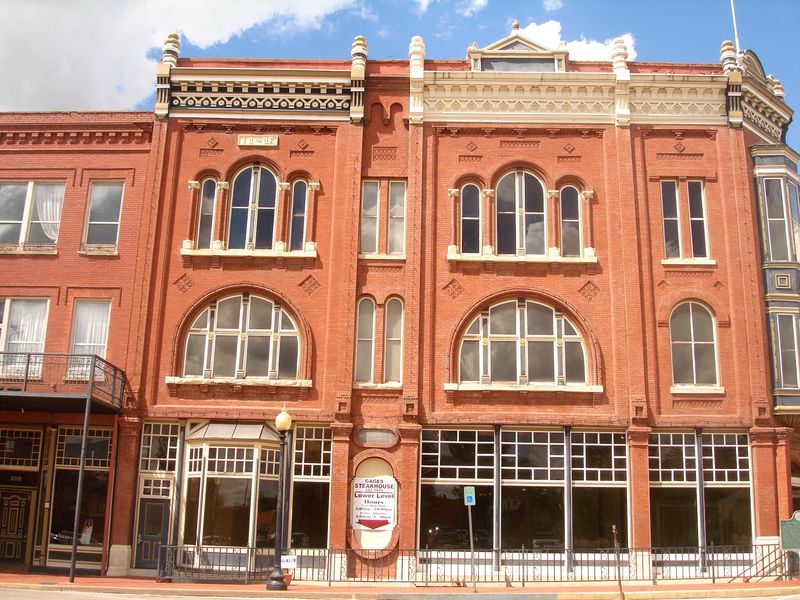
Some places shout for attention. Guthrie simply waits, confident that its brick and stone will win you over in their own good time.
After a day spent wandering, the appeal becomes clear. The town blends real history with a living, breathing community, so it never feels like a museum behind velvet ropes.
You get the stories, the craftsmanship, and the small town warmth all at once.
It is not a destination for nonstop excitement. Instead, it offers something rarer: a chance to slow down, look closely, and feel connected to the early days of Oklahoma.
That quiet reward lingers long after you drive away.
For locals, it is a reminder of how much history sits right in the backyard. For out-of-state travelers, it is a surprising glimpse into how a prairie settlement grew into a capital and then into a beloved small city.
If you have an open afternoon and a curious heart, give it a try. Walk the blocks, look up at the cornices, and listen for a bit of local lore.
Chances are good you will leave agreeing that the territorial capital spirit never really left.
Share this story