Some countries get snow. Others get winters that freeze eyelashes and turn engines into stubborn lumps of metal.
This list ranks ten nations by their average yearly temperature, so mountains and Arctic lands both get their moment. Bundle up, because the chill stories ahead are wild.
Russia
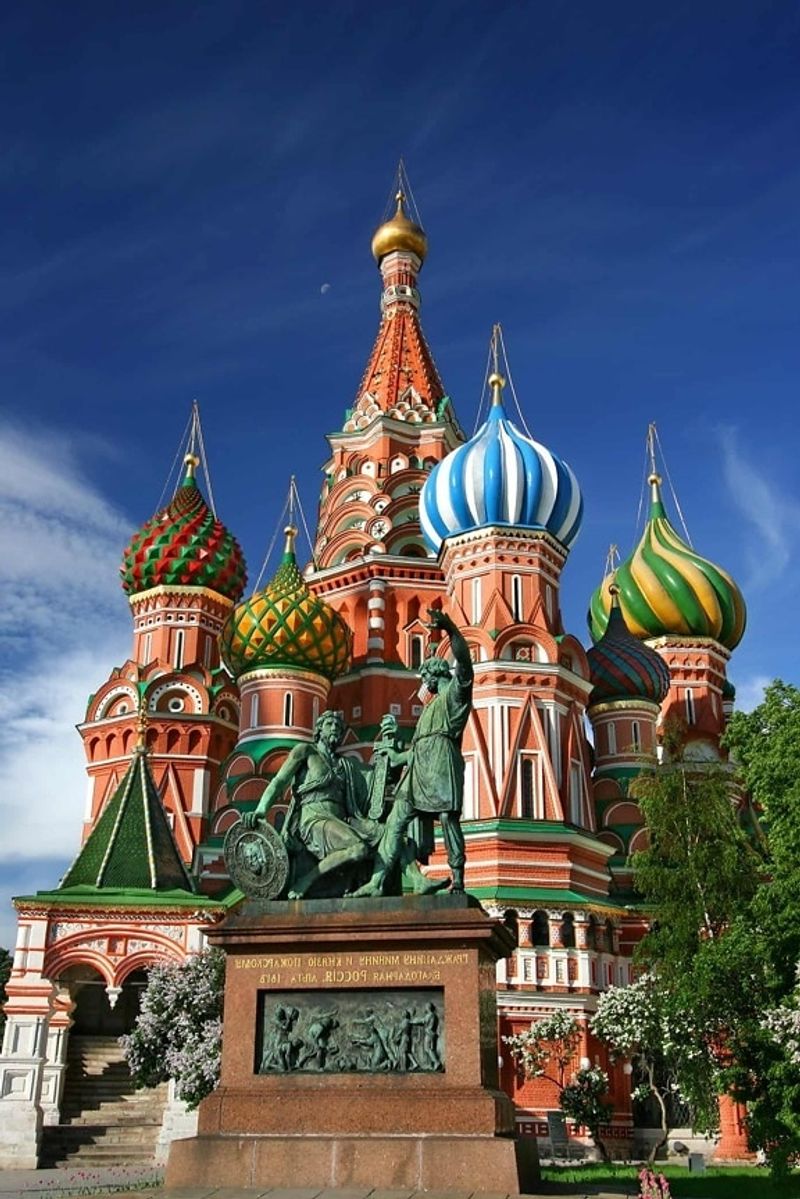
Picture a morning so cold that your breath crackles as it freezes. That is daily life in parts of eastern Siberia, and it helps make Russia the coldest country on this list.
Its yearly average sits around -2.5°C (27.5°F).
Oymyakon holds a famous record. In 1933 it hit -67.8°C (-90°F), the lowest temperature ever recorded in Asia.
Nearby Verkhoyansk has seen similar numbers.
Why so frigid? Russia is huge, sits far north, and has vast stretches far from any warming ocean.
Mountain-ringed valleys let heavy cold air sink and stay put all winter long.
In Oymyakon, January temperatures can stay far below -40°C for long stretches. Frozen ground and stiff machinery become normal problems.
Cars may be left running so they do not refuse to start later.
Locals simply adapt. Thick furs, warm homes, and plenty of hot meals keep life moving.
Visitors often say the silence is the strangest part, since the air feels frozen solid.
Canada
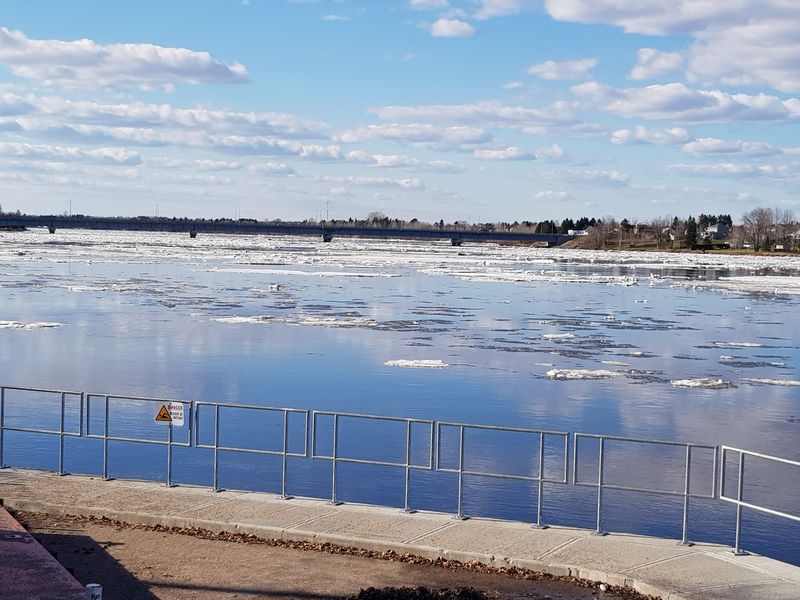
Ask a Canadian about winter and expect a knowing smile. The country averages about -1.8°C (28.8°F) across its whole territory, which keeps it firmly below freezing.
Big southern cities are milder, but the north tells another story.
The official record low is -63°C (-81.4°F). It happened at Snag, Yukon, on February 3, 1947.
That number still makes people shiver today.
Winter averages range from about -5°C in some southern areas to roughly -35°C in the far north. Northern communities deal with long months of snow cover and frozen ground called permafrost.
Daylight can shrink to just a few short hours.
Canada has warmed noticeably in recent decades, especially up north. Even so, its sheer size and Arctic reach keep it among the planet’s chilliest countries.
If you visit in winter, pack layers, good boots, and patience. Locals will happily share tips, plus maybe a hot chocolate.
Iceland
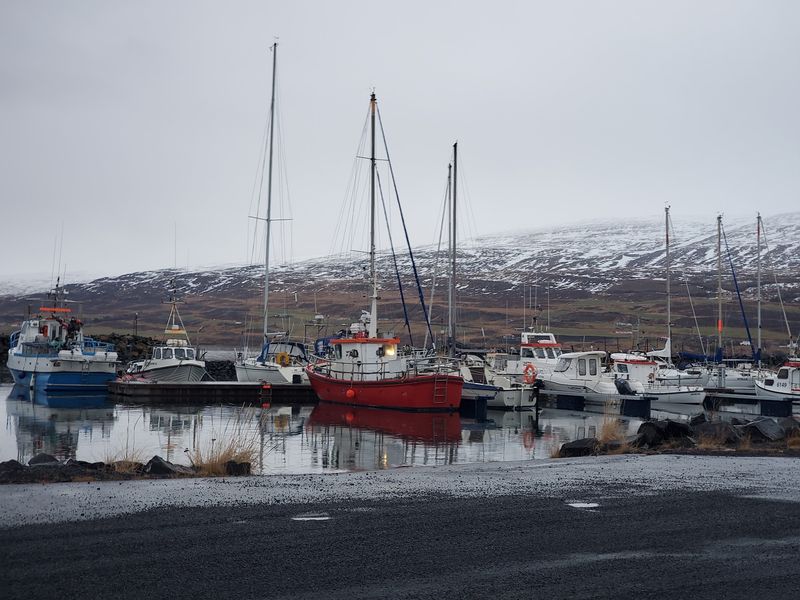
The name fools almost everyone. Iceland is much milder along its coast than you might expect, thanks to warm North Atlantic waters.
Its yearly average is about 1.6°C (34.9°F).
Head inland, though, and the mood changes fast. The northeastern uplands can get brutally cold.
The national record is -38.0°C (-36.4°F), set at Grímsstaðir and Möðrudalur on January 21, 1918.
Cold still bites in modern times. In 2025, Möðrudalur dropped to -25.9°C.
That is plenty chilly for anyone.
Temperature is only part of the story here. Icelandic winters bring strong wind, fast-changing storms, and blowing snow.
Roads can close with little warning.
Travelers should check road and weather alerts before heading out. A sunny morning can turn stormy by lunch.
Locals say if you do not like the weather, wait five minutes.
Tajikistan
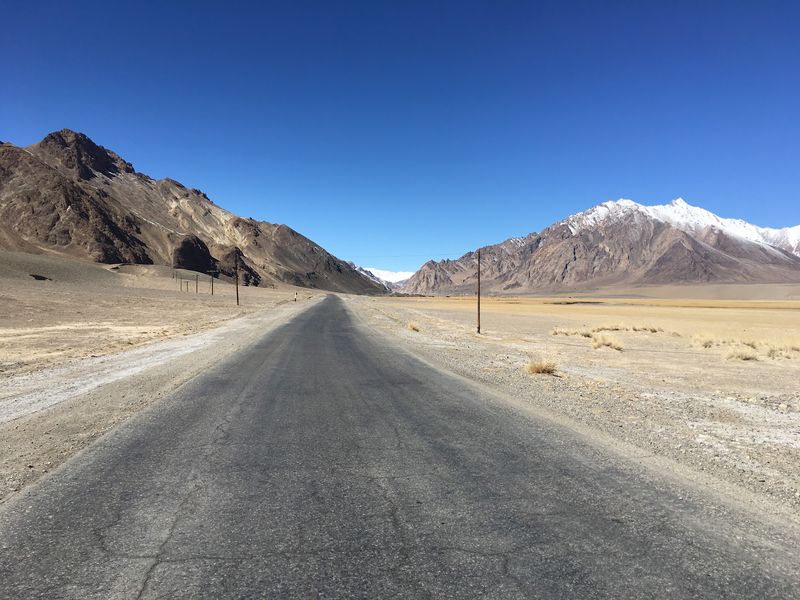
Here is a quirky fact: more than 90% of Tajikistan is mountains. That is the secret to its chilly rank.
Its yearly average is about 1.6°C (34.8°F), tied closely with Iceland.
The Pamirs rise thousands of feet above the valleys. In these high areas, yearly average temperatures fall below freezing.
Lower western valleys stay far gentler.
Winter up high means heavy snow, icy roads, and avalanche danger. Remote settlements can face long stretches of subzero weather.
Getting supplies in becomes a real challenge.
Latitude alone would suggest a milder climate. Height changes everything.
Climb a few thousand feet and the thermometer drops fast.
This is a different kind of cold from Russia or Canada. Instead of wide flat lands of ice, it is stacked in layers up the mountainsides.
A single country can hold summery valleys and frozen peaks at once.
Kyrgyzstan
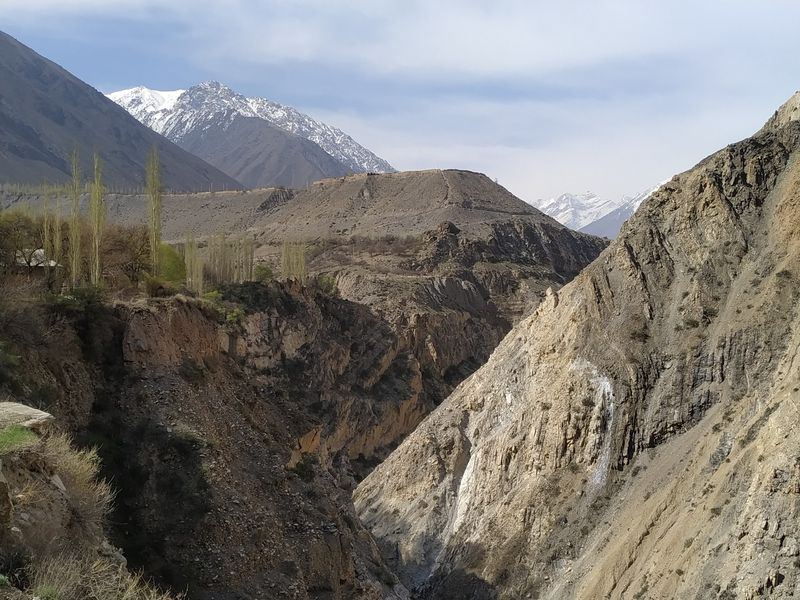
Bishkek can bake in summer, yet just a short drive away, snow rules the land. That wild swing is Kyrgyzstan’s signature.
Its yearly average is about 1.8°C (35.2°F).
The World Bank calls its climate extremely continental. High parts of the Tian Shan see yearly averages below -10°C.
Around 24% of the country sits above 3,500 meters, where snow and ice can linger for years.
Mountain districts face long, harsh winters. Heavy snowfall, frozen passes, and avalanche risk are part of the season.
Travel between valleys can stop when high roads close.
Some routes need special equipment even when they are open. Drivers carry chains, shovels, and plenty of patience.
Plans change quickly when the weather turns.
This contrast gives Kyrgyzstan one of the biggest temperature ranges on the list. Warm lowlands and icy summits live side by side.
Mongolia
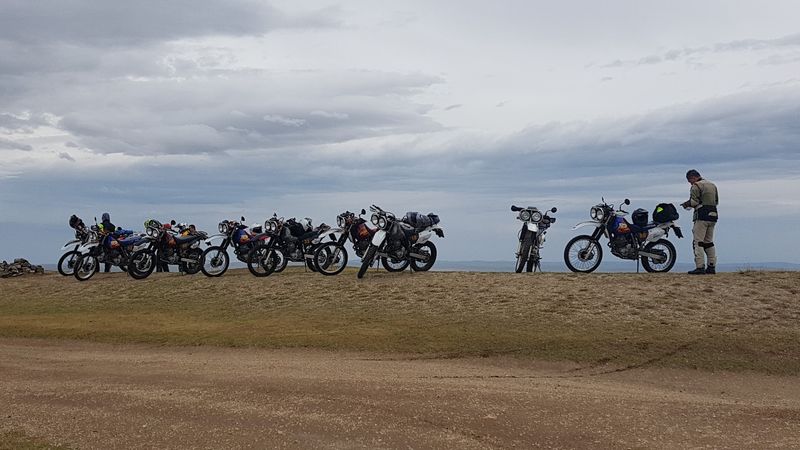
Few winter words are scarier than dzud. In Mongolia, it means a disaster where extreme cold, deep snow, or ice blocks animals from reaching food.
Millions of livestock have died in such events.
The country sits deep inside Eurasia, far from any ocean to soften the chill. Its yearly average is about 2.1°C (35.8°F).
Winters are long, dry, and often severe, especially on the northern and central steppe.
Herding families feel the impact most. When pasture is covered by ice or snow, animals cannot graze.
A hard season can wipe out a family’s livelihood.
Ulaanbaatar is often named one of the coldest capital cities on Earth. January temperatures there stay far below freezing.
Smoke from stoves hangs over the city on still days.
Mongolia shows that winter hardship is not only about numbers on a thermometer. Snow, wind, and access to grass matter just as much.
Norway
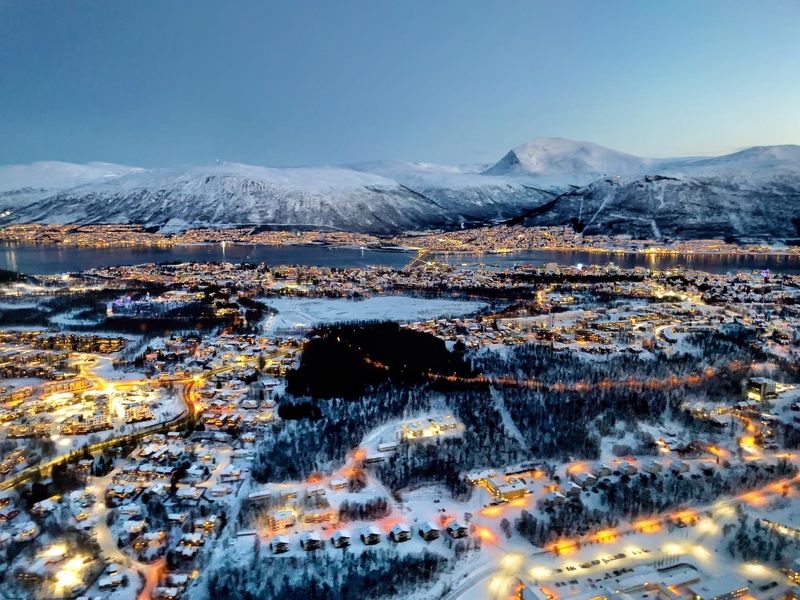
Two places in Norway can sit at the same latitude and feel like different planets. On the coast, an ice-free harbor may hover near freezing.
Inland, the air can be tens of degrees colder on the same day.
Warm Atlantic currents are the reason. They carry heat toward western Scandinavia and keep the shoreline mild.
The country’s yearly average is about 2.5°C (36.5°F).
Go inland and north, and things get serious. Karasjok in Finnmark holds the official low of -51.4°C (-60.5°F), recorded in January 1886.
Valleys trap cold air like a bowl.
Mountain regions add heavy snow, wind, and avalanche danger. Skiers and hikers here learn to read the forecast carefully.
Safety first beats a good view.
Norway proves that a national average can hide big local differences. Your winter experience depends on exactly where you stand.
Finland
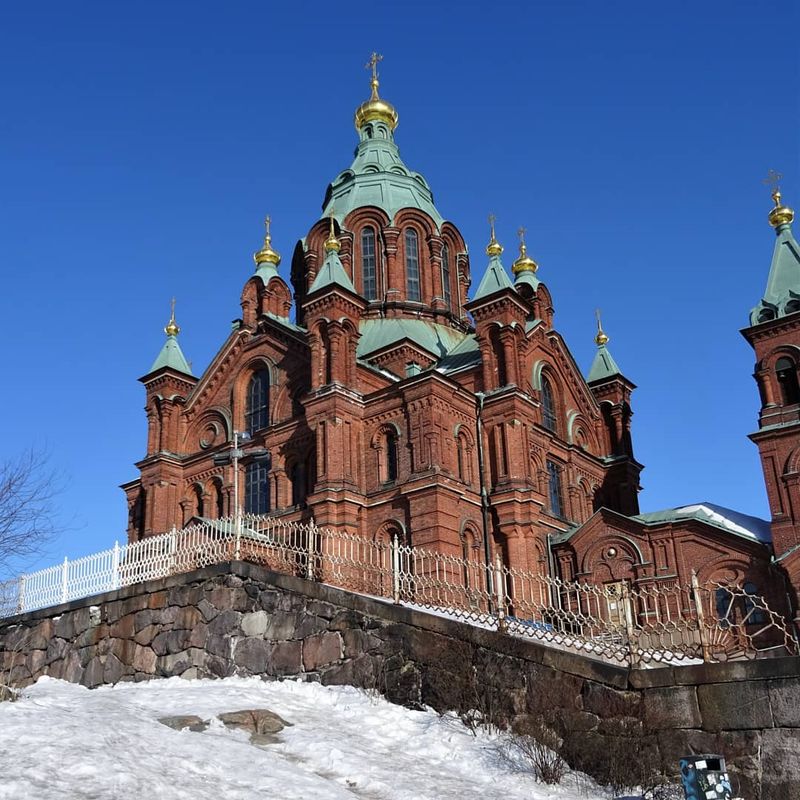
Finland has a measurable spring that does not usually show up until early May in the north. Until then, snow covers the ground for months.
Its yearly average is about 3.2°C (37.8°F).
Lapland holds the cold crown. The national record is -51.5°C (-60.7°F), set at Pokka in Kittilä on January 28, 1999.
Kuusamo logged the lowest monthly mean ever, -29.7°C, in January 1985.
Above the Arctic Circle, darkness joins the chill. The sun can stay below the horizon for extended periods.
Locals fill the gloom with candles, saunas, and warm coffee.
Southern Finland is noticeably milder. Helsinki winters feel gentler than those in the far north.
Still, the nationwide average remains among the lowest in Europe.
Sauna fans have a fun trick here. Step out of the heat, feel the freezing air, then hurry back in.
It is a very Finnish way to say hello to winter.
Sweden
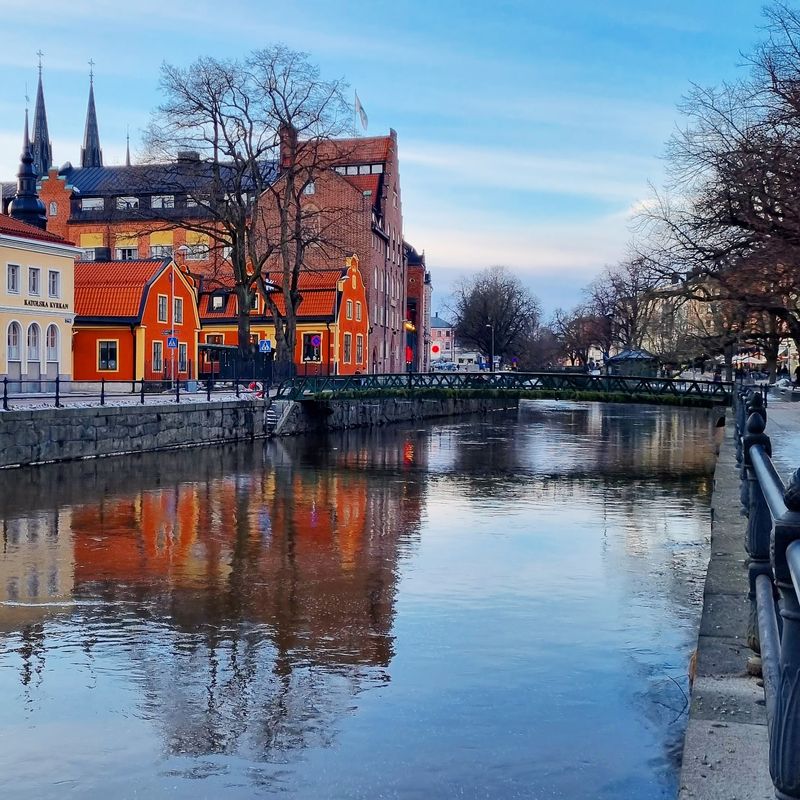
Thermometers at Vuoggatjålme once read -52.6°C (-62.7°F). That was on February 2, 1966, and it remains Sweden’s official record.
It is also the lowest temperature measured at an official weather station anywhere in the Nordic countries.
Extreme cold has not vanished. In January 2026, Karesuando averaged -22.4°C, its coldest month since 1985.
That is a long time between such freezes.
The big extremes happen in northern Norrland and the inner mountain valleys. Lapland brings deep snow, short daylight, and long freezing spells.
Southern Sweden stays much milder, helped by surrounding seas.
That north-south gap helps explain why the national average is about 3.8°C (38.8°F). Stockholm and Lapland might as well be in different climates.
Packing for a trip needs careful thought.
Swedes have a cozy answer to the cold. They call it fika, a coffee break with a pastry.
It tastes even better when frost sparkles outside the window.
Estonia
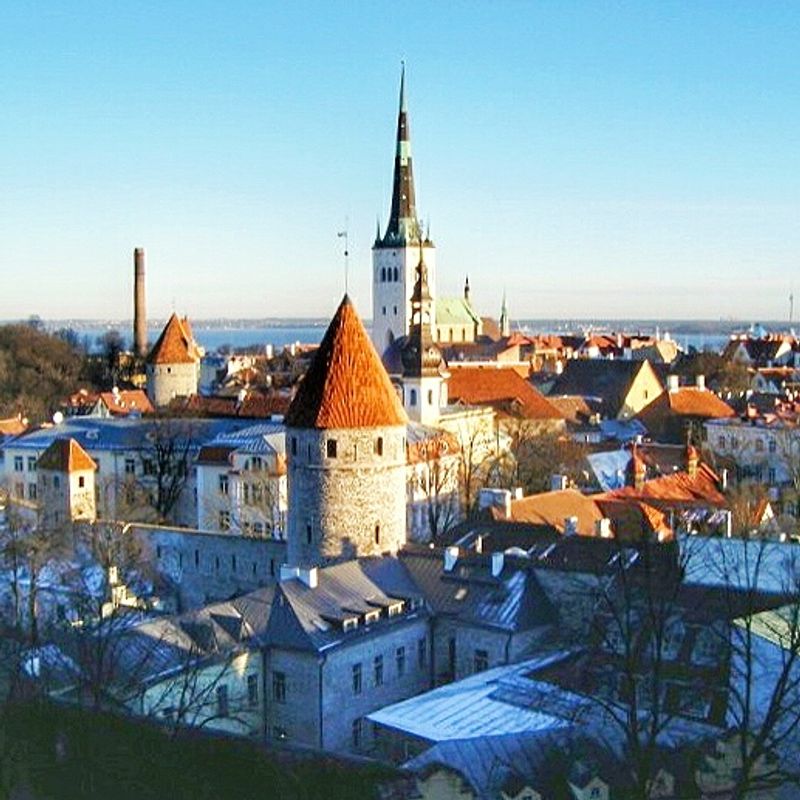
Estonia plays the underdog on this list. With a yearly average of about 7.1°C (44.8°F), it is milder than the first nine, yet it still makes the top ten.
Winter can surprise anyone who underestimates it.
The Baltic coast softens the weather in the west. Move inland and the cold gets stronger and more continental.
Jõgeva holds the national record low of -43.5°C (-46.3°F), set on January 17, 1940.
The same station has logged December temperatures below -40°C. Narva holds the coldest monthly mean on file, -18.1°C in January 1987.
Those numbers show how fierce a freeze can get.
Modern winters are growing milder overall. Even so, Arctic air can still sweep in.
Snow piles up, waterways freeze, and temperatures plunge far below zero.
Locals know the drill. Wool socks and a sauna visit are standard cold-weather equipment.
The country may be small, but its winter has real muscle.
Share this story