Autumn is a sweet spot for stretching a travel budget. Summer crowds fade, the weather cools down, and prices on the ground often feel friendlier.
Some of Europe’s best value cities are not the famous capitals, but smaller towns, port cities, and wine regions. Here are ten places where your money goes further and the fall colors add extra charm.
Trenčín, Slovakia
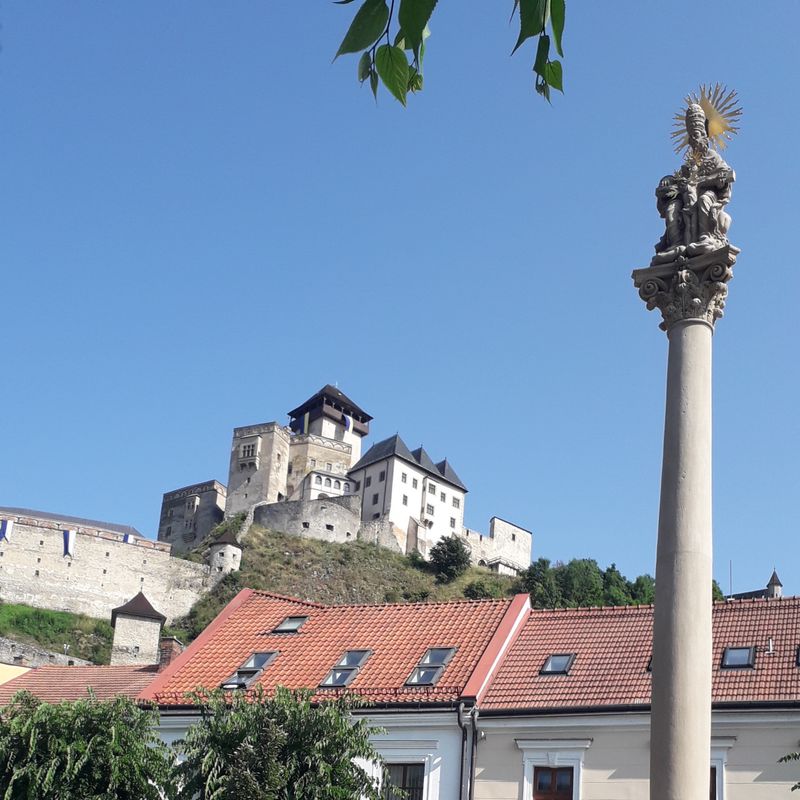
Look up in Trenčín and you will spot the castle perched on its rock like a stone crown. It is hard to miss, and it is a big reason this town was the surprise newcomer in the 2026 Post Office City Costs Barometer.
It ranked fifth-cheapest among 50 European cities, with a two-person city break at about £272.
Slovakia’s tourism authority traces the royal castle back to the 11th century. Inside you will find several palaces, towers, a dungeon, and a well that plunges 80 meters deep.
Toss a pebble in and you may wait a while for the splash.
Autumn fits this town nicely. The center is compact, so you can walk from the main square to the castle gates without paying for a single taxi.
Meanwhile the hills around the Váh valley turn gold and rusty orange, which makes every photo look like a postcard.
Pack comfortable shoes for the steep castle path. Grab a warm drink in a café on the square afterward, and enjoy a European break that will not drain your wallet.
Podgorica, Montenegro
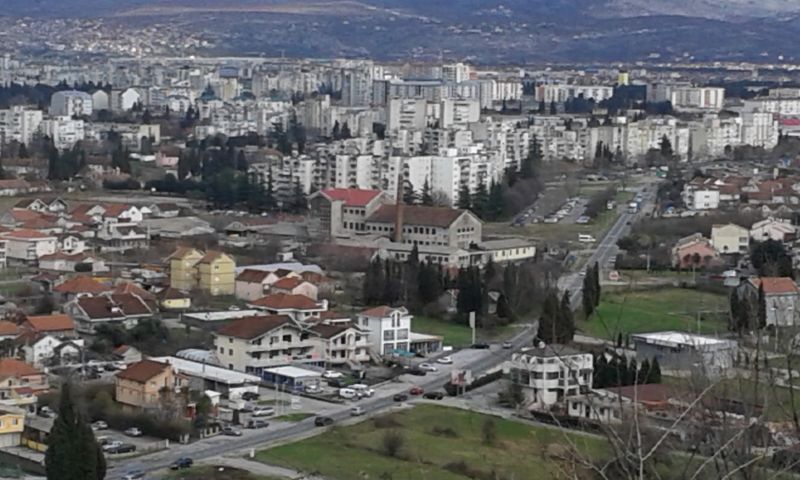
Nobody puts Podgorica on a glamorous capitals list, and that is exactly its secret. The city ranked 10th in the 2026 Post Office City Costs Barometer, with a two-person basket totaling £332.
Low prices come with a surprisingly interesting mix of Ottoman remains, Orthodox churches, wide boulevards, rivers, and parks.
The real prize is location. Mountain country sits to the north, and the Adriatic coast is within reach to the south.
Think of Podgorica as your home base, with the whole country as your playground.
Montenegro’s national tourism organization promotes autumn for scenic drives, outdoor fun, wellness, mountain air, and coastal trips. Crowds are thinner, and the days are comfortable for hiking or wandering.
Book a few nights here, rent a car or hop on a bus, and plan day trips. You will sleep in an inexpensive city and still see peaks, canyons, and sea views before the week ends.
Lille, France
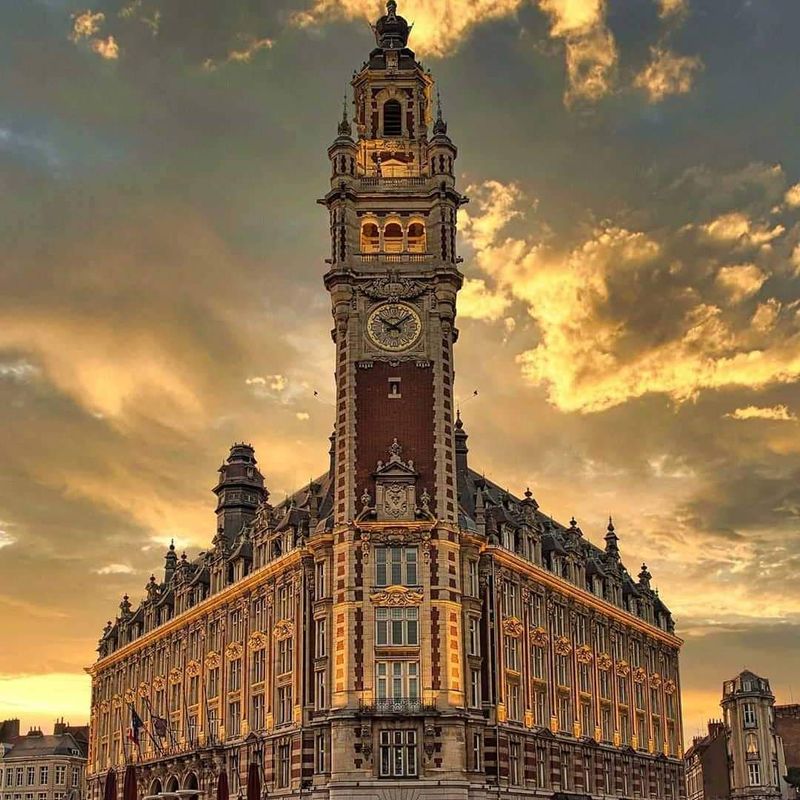
France and budget break rarely share a sentence, yet Lille crashes the party. It ranked seventh-cheapest in the Post Office’s 2026 comparison, at £289 for two people.
That is far below many better-known Western European cities.
The old center is a feast for the eyes. Flemish-style facades, brick buildings, grand squares, and museums crowd together, while a tall belfry watches over it all.
Autumn gives Lille a cozy glow. Lille Tourism highlights parks turning gold and red, plus free outdoor walks that cost nothing but time.
Museums are perfect for those chilly afternoons.
Then come the snacks. In 2026, October and November bring a street-food festival, seasonal restaurant menus, a beer festival, and Welsh Fest, a celebration of the region’s famously rich cheese dish.
Bring an appetite and a stretchy waistband.
Strasbourg, France
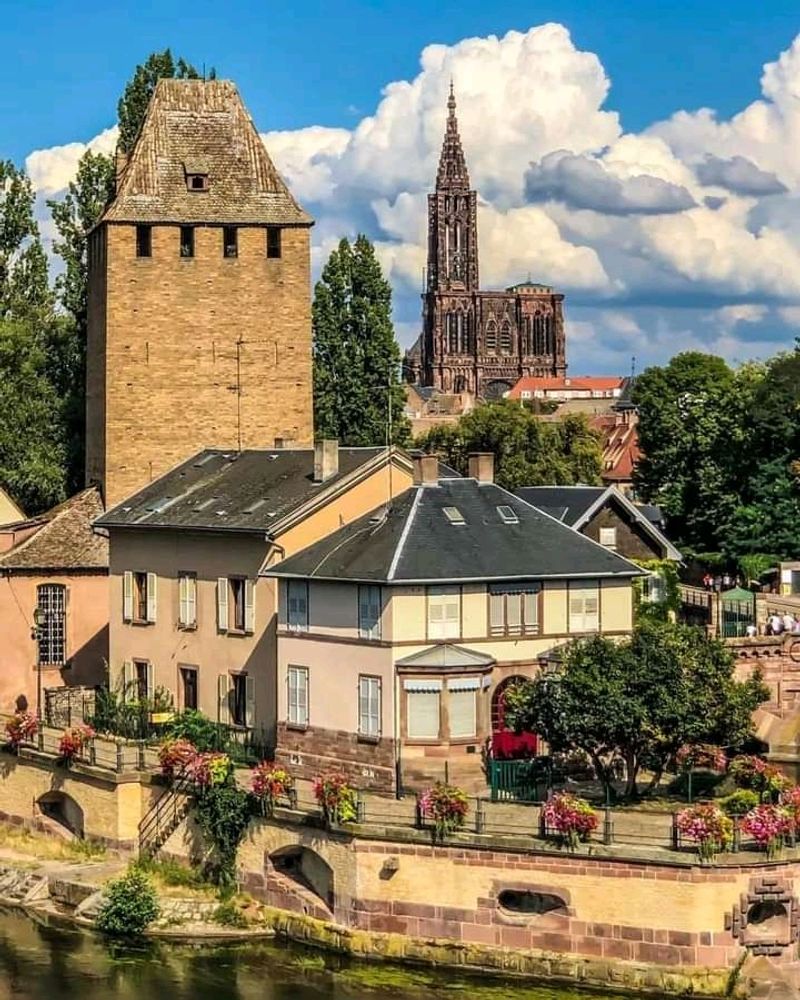
Picture half-timbered houses leaning over a canal while red leaves drift past. That is Strasbourg in fall, and it will not cost a fortune.
The city ranked ninth in the Post Office’s 2026 table, with a £319 basket for two.
The historic center is UNESCO-listed, and its huge Gothic cathedral rules the skyline. Stroll over to Petite France, where canals and timbered buildings give the neighborhood its storybook look.
The city’s official tourism organization recommends autumn, when red, yellow, and brown foliage lights up riverbanks, parks, and old streets. Cooler air also brings classic Alsatian comfort food, and choucroute season is in full swing.
Here is a savvy tip. Visit in November before the peak Christmas-market rush.
You can soak up plenty of Alsace atmosphere without facing the busiest, priciest festive weeks.
Gdańsk, Poland
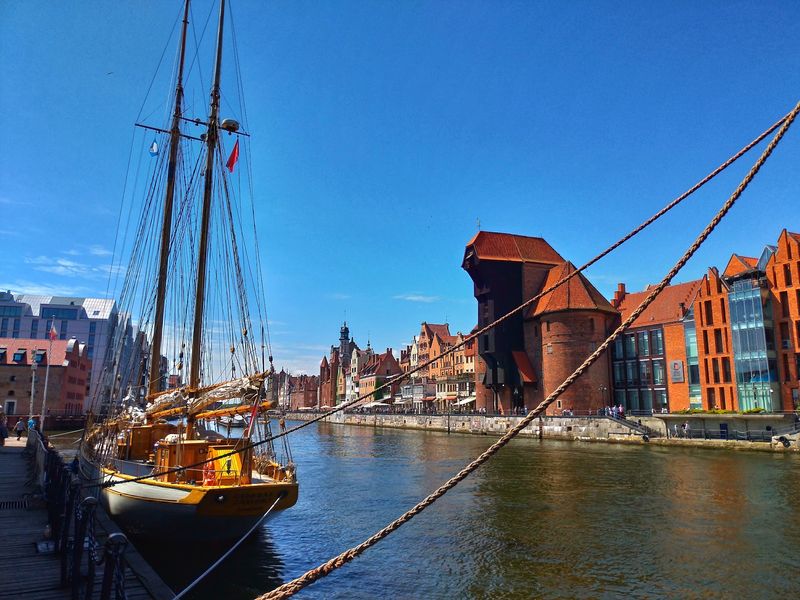
Amber glints in shop windows, and seagulls patrol the quay. Gdańsk is a Baltic port with a big story and a small price tag.
Poland is one of Europe’s easier countries for keeping daily costs in check, and the Post Office points to cities like this one for affordable food, transport, and culture.
The historic center is lined with rebuilt merchant houses. Down at the waterfront you will find a medieval crane, shipyard heritage, and excellent museums that explain centuries of Baltic trade and political change.
The official tourism organization calls autumn a particularly good time to visit. Crowds thin out, beaches grow quiet, and former shipyard districts feel different in the cooler light.
A rainy day is no problem here. Spend it among maritime exhibits, Solidarity-era sites, warm cafés, and amber shops, and you will still have change in your pocket.
Wrocław, Poland
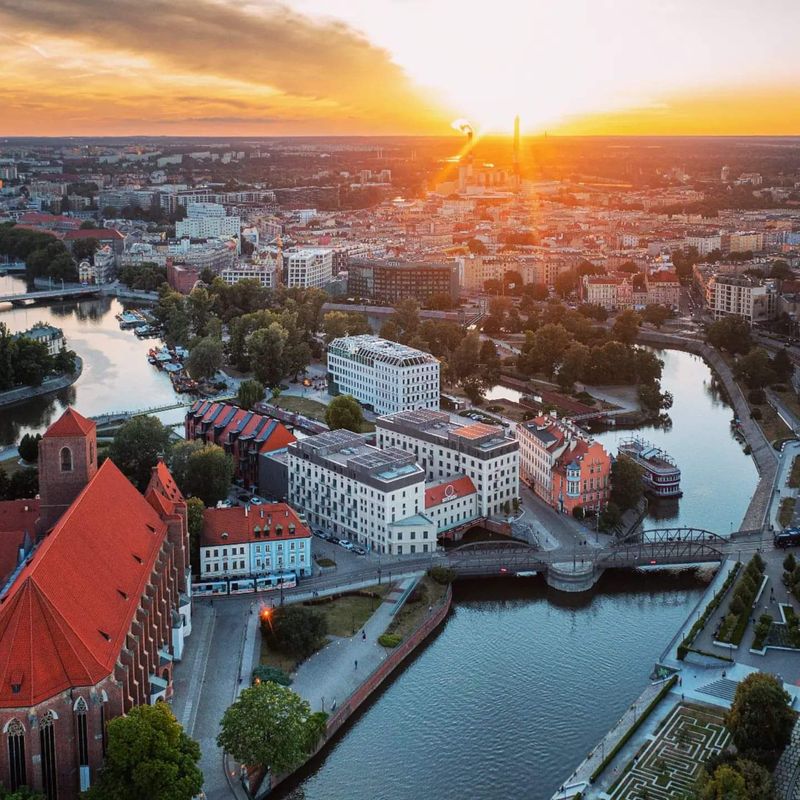
Keep your eyes on the pavement in Wrocław, because tiny bronze dwarfs are hiding everywhere. Hundreds of these little sculptures have become a playful scavenger hunt across the city.
Finding them is free, and kids and adults both get hooked.
The huge Market Square is ringed by brightly painted townhouses, with the Gothic Old Town Hall as its showpiece. Across the Oder, bridges link islands and historic religious districts that are lovely for slow strolling.
The Post Office names Poland as a strong-value pick for city breaks, especially for food and public transport. That means filling meals and easy getting around without big bills.
Wrocław is also a doorway to Lower Silesia. The city’s tourism service describes the region as rich in greenery and castles, and that is a lovely combination once autumn color spreads past the city limits.
Plovdiv, Bulgaria
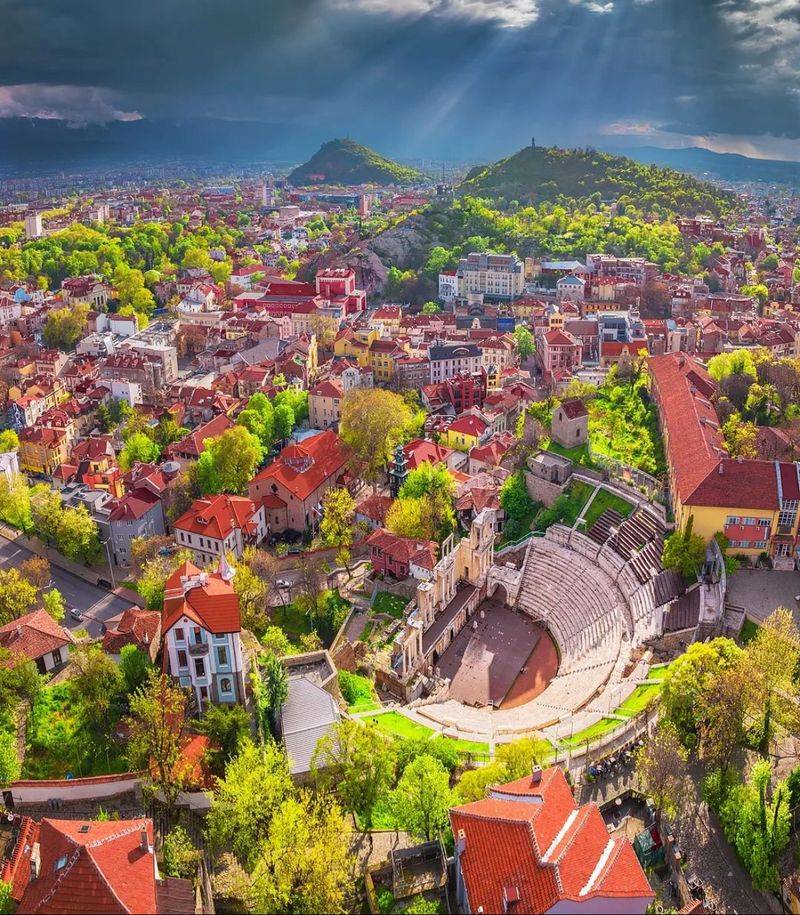
Plovdiv sits on hills, and each one seems to hold a different century. Roman remains, Revival-era houses, Ottoman touches, galleries, and modern cultural spaces all share the same city.
Bulgaria is among Europe’s lower-cost travel countries, so exploring it all is easy on the budget.
Autumn 2026 offers a special reason to go. The Hills Festival runs September 26 to 27 and turns six of the city’s hills into zones for archaeology, music, theater, nature, sports, and culture.
Nebet Tepe and the surrounding old quarter are especially moody in softer fall light. Temperatures are also much kinder than in the blazing midsummer heat, so climbing those cobbled slopes feels like a pleasure.
Wear shoes with grip, because the stones are smooth from centuries of footsteps. Plan a slow day, stop often, and let the hills do the storytelling.
Ohrid, North Macedonia
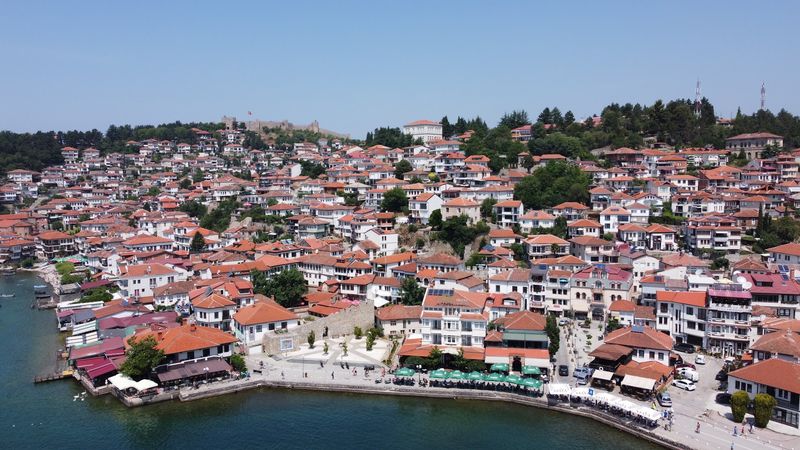
Some places are all view and little bill, and Ohrid is one of them. North Macedonia is among the cheapest European countries highlighted by the Post Office, with daily traveler spending often well below eurozone levels.
Here that low cost meets one of the continent’s best scenery-for-money deals.
Byzantine churches, traditional houses, and cobbled lanes tumble down toward the water. Samuel’s Fortress watches from above, and mountains frame the far shore of Lake Ohrid.
Early autumn is a sweet time to come. September can still bring pleasant lakeside weather, while October turns the focus to history, walking, and mountain views.
Best of all, the UNESCO-protected lake and old town supply much of the fun for free. You can spend whole days wandering, sitting on the shore, and climbing to viewpoints without buying a single pricey ticket.
Pécs, Hungary
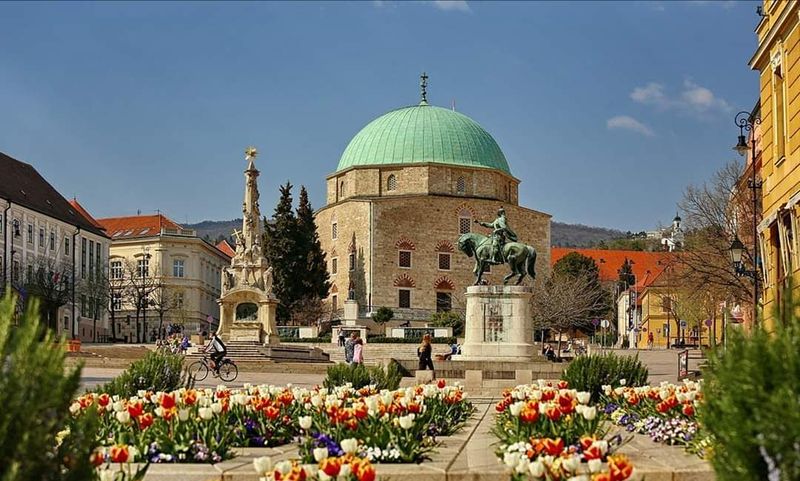
Visitors to Pécs often say the same thing: why does nobody talk about this place? The city blends Roman archaeology, Ottoman architecture, Art Nouveau ceramics, and lively university life, all without Budapest’s crowds.
Hungary remains a strong-value destination in the Post Office’s 2026 guidance. The national tourism authority calls autumn one of the best seasons for sightseeing, thanks to pleasant weather, smaller crowds, and useful daylight.
History is everywhere. The UNESCO-listed Early Christian cemetery dates to the Roman city of Sopianae, and the green-domed Mosque of Pasha Gazi Kassim recalls centuries of Ottoman rule.
Beyond town, the Mecsek Hills offer fall hiking with golden views. The Villány wine region is nearby too, with grape harvests and some of Hungary’s best-known reds.
Raise a glass without raising your spending.
Thessaloniki, Greece
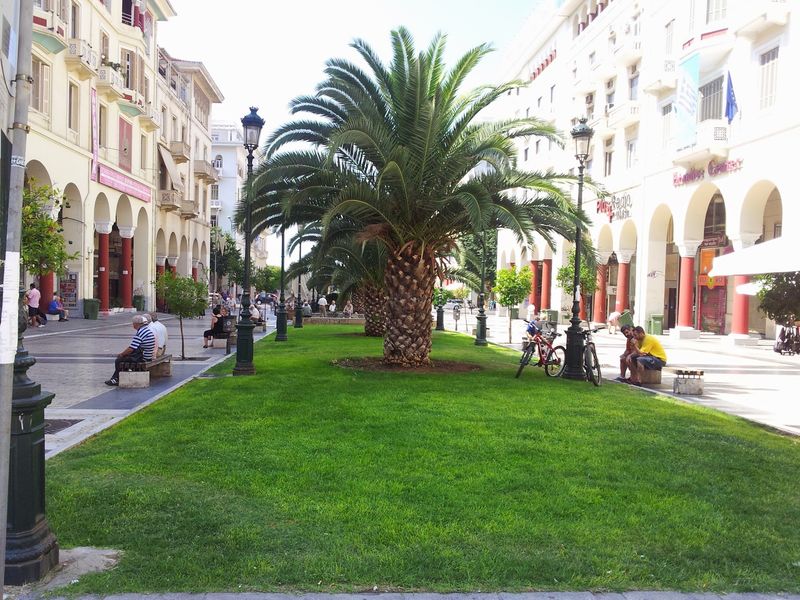
Greece does not have to mean pricey island hopping. The Post Office says the country offers much better value in the shoulder season, and Thessaloniki is a smart way to prove it.
Its long waterfront, museums, archaeology, and nightlife all work well even when beach weather turns unreliable.
Greece’s official tourism authority highlights the White Tower, the wide seafront, Byzantine monuments, Ottoman heritage, and the Ano Poli fortifications. It also praises the city’s seriously strong food culture, so plan to eat well.
September can still feel summery and warm. By October, long walks through the upper city and around archaeological sites are far more comfortable than in the hottest months.
Start at the water, wander uphill to the old walls, and finish with a plate of something local. The views are bigger than the bill.
Share this story